Likely to sell out
1.5 hours·English
4.9(668)
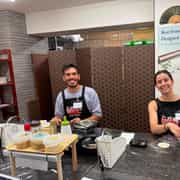
Kyoto: Ramen, Gyoza, and Onigiri Cooking Class
Free cancellationEnglish-speaking instructorsAll cooking ingredients and equipment

 3.5k
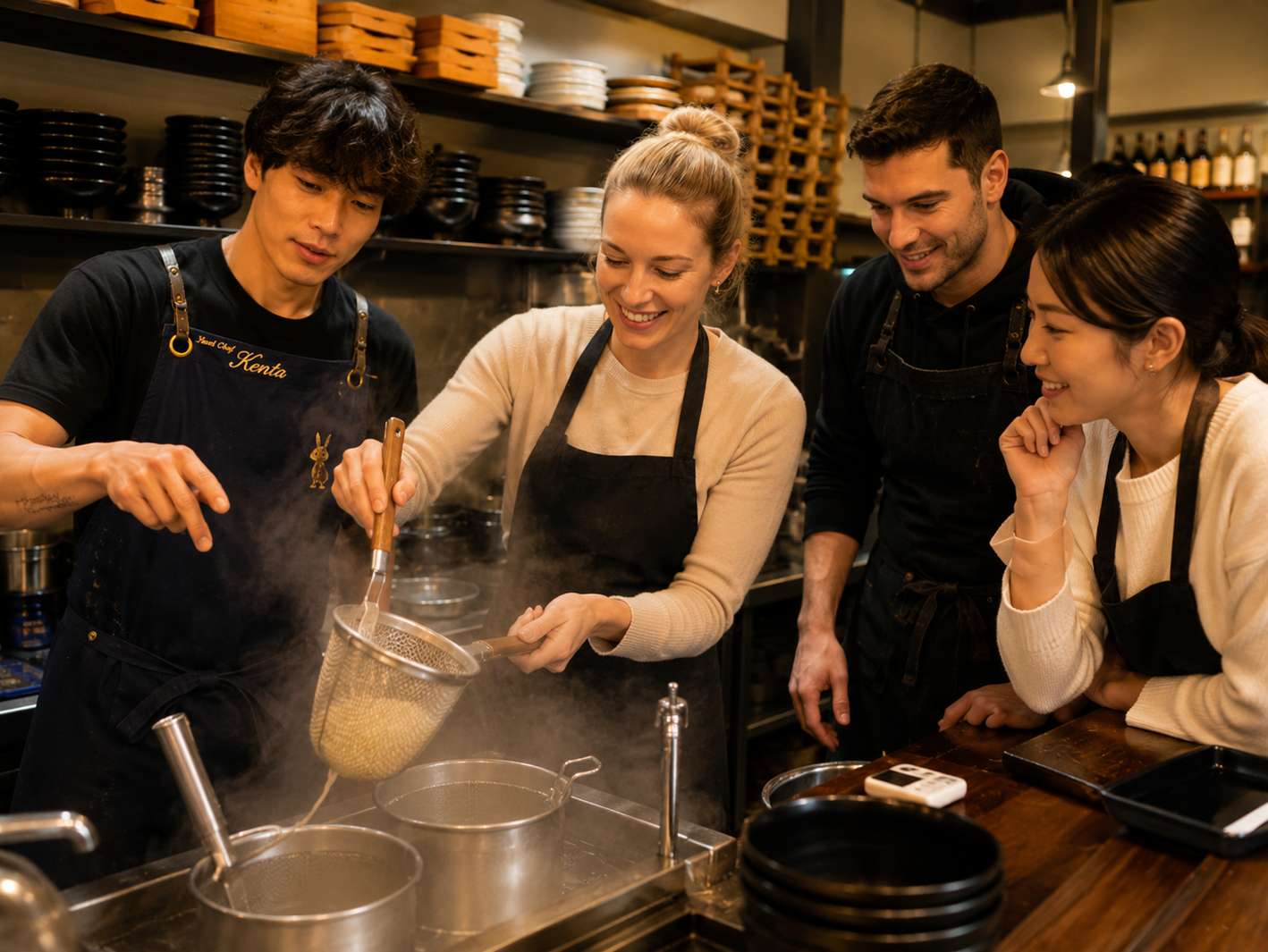
You eat ramen. Then you make it. Knead the dough, cut fresh noodles and eat the bowl you built for lunch or dinner. Over 2,600 travelers have joined these hands-on classes in Tokyo, Kyoto and Osaka, led in English, with vegan, gluten-free and halal versions on request. Book your seat before sessions fill.
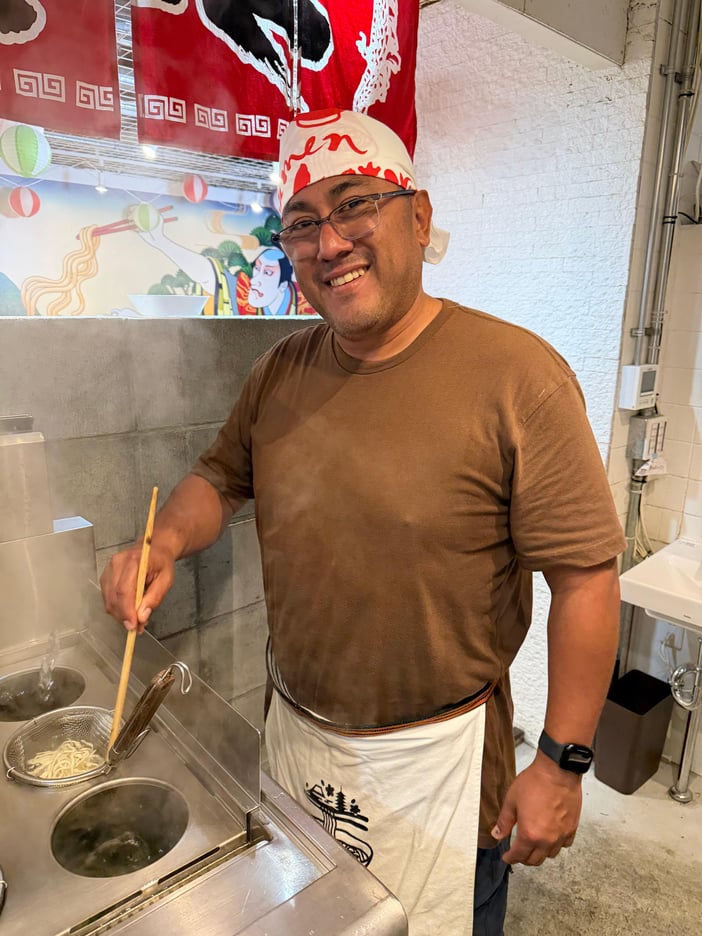
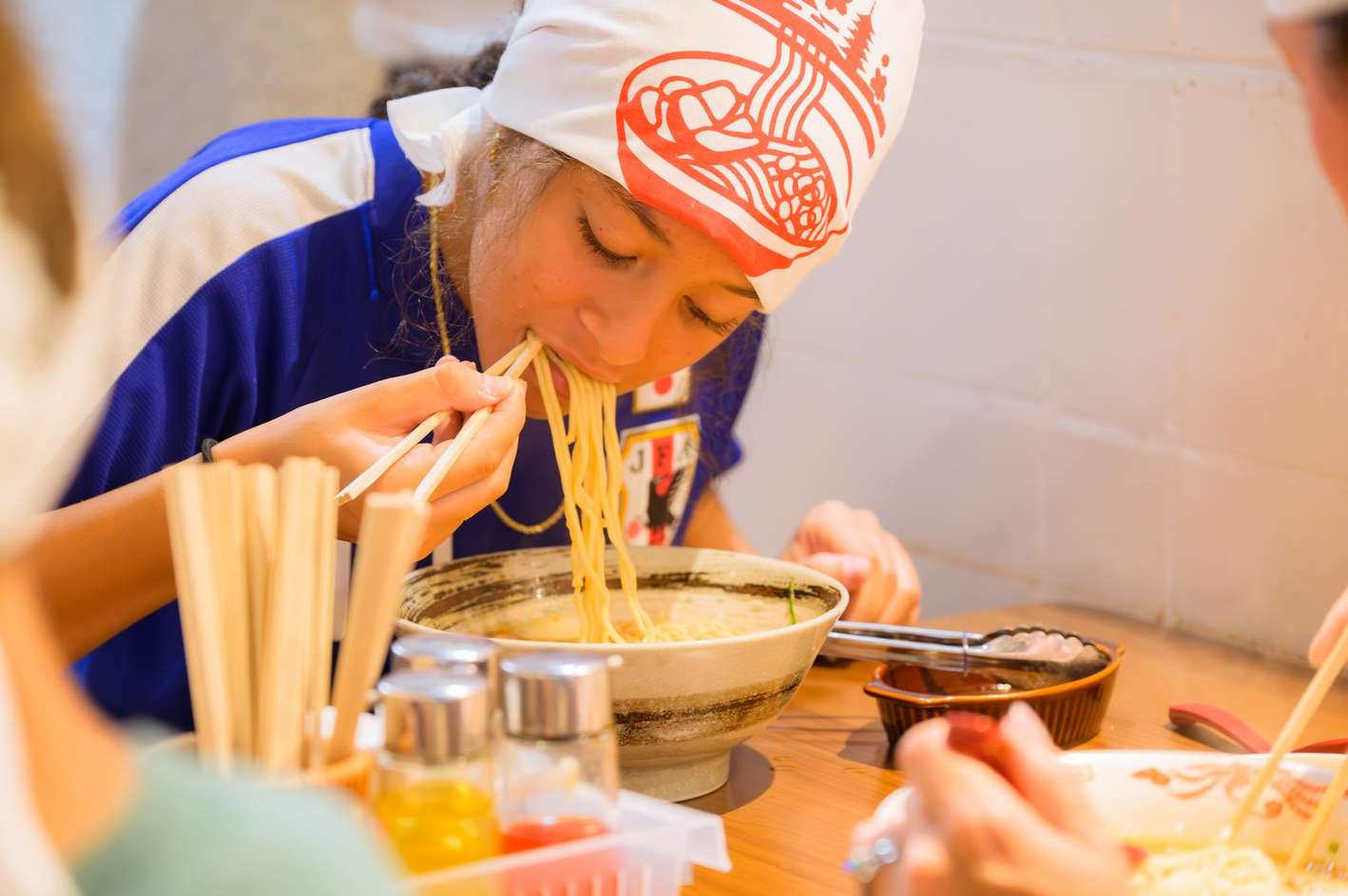
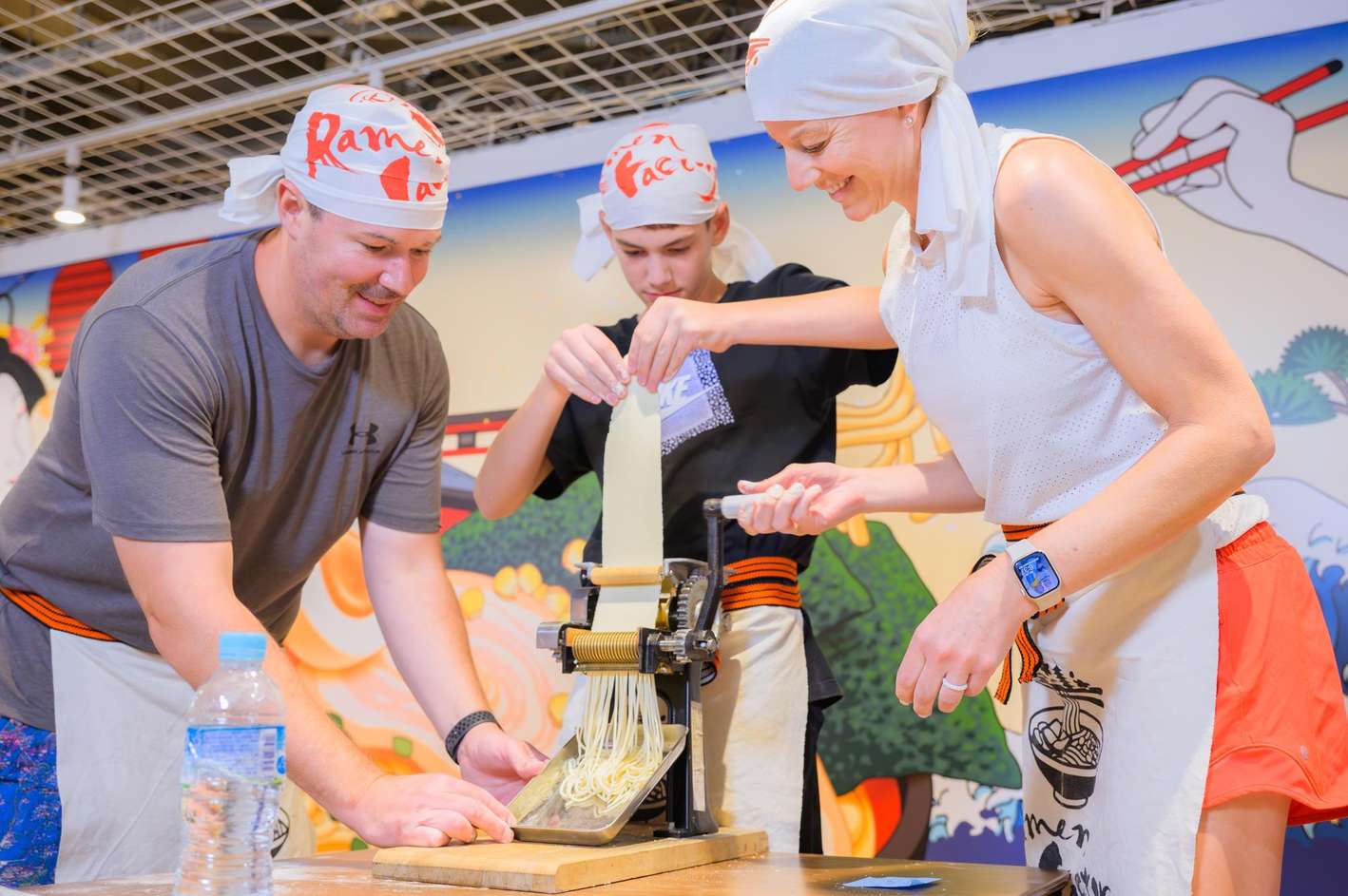
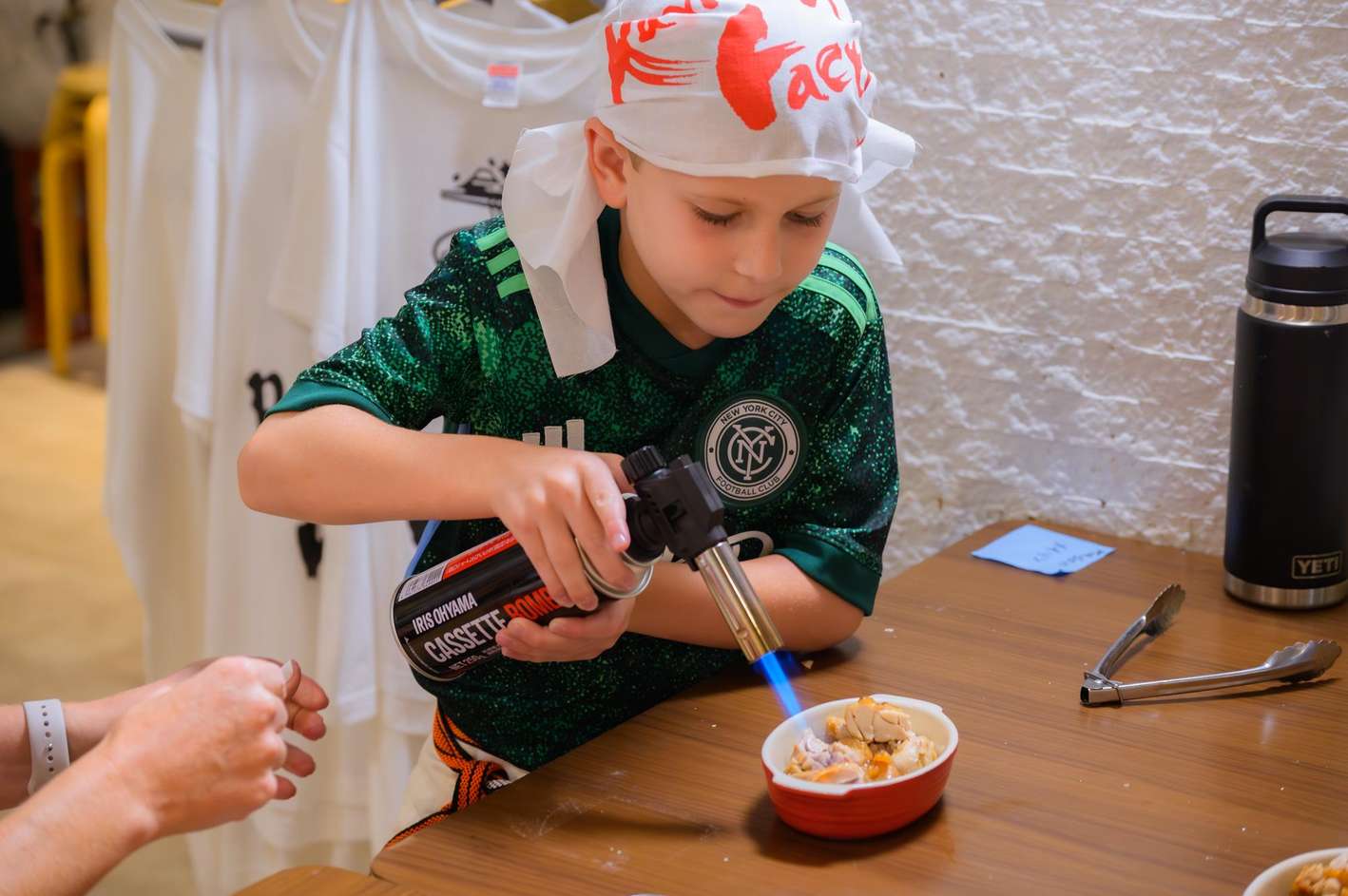
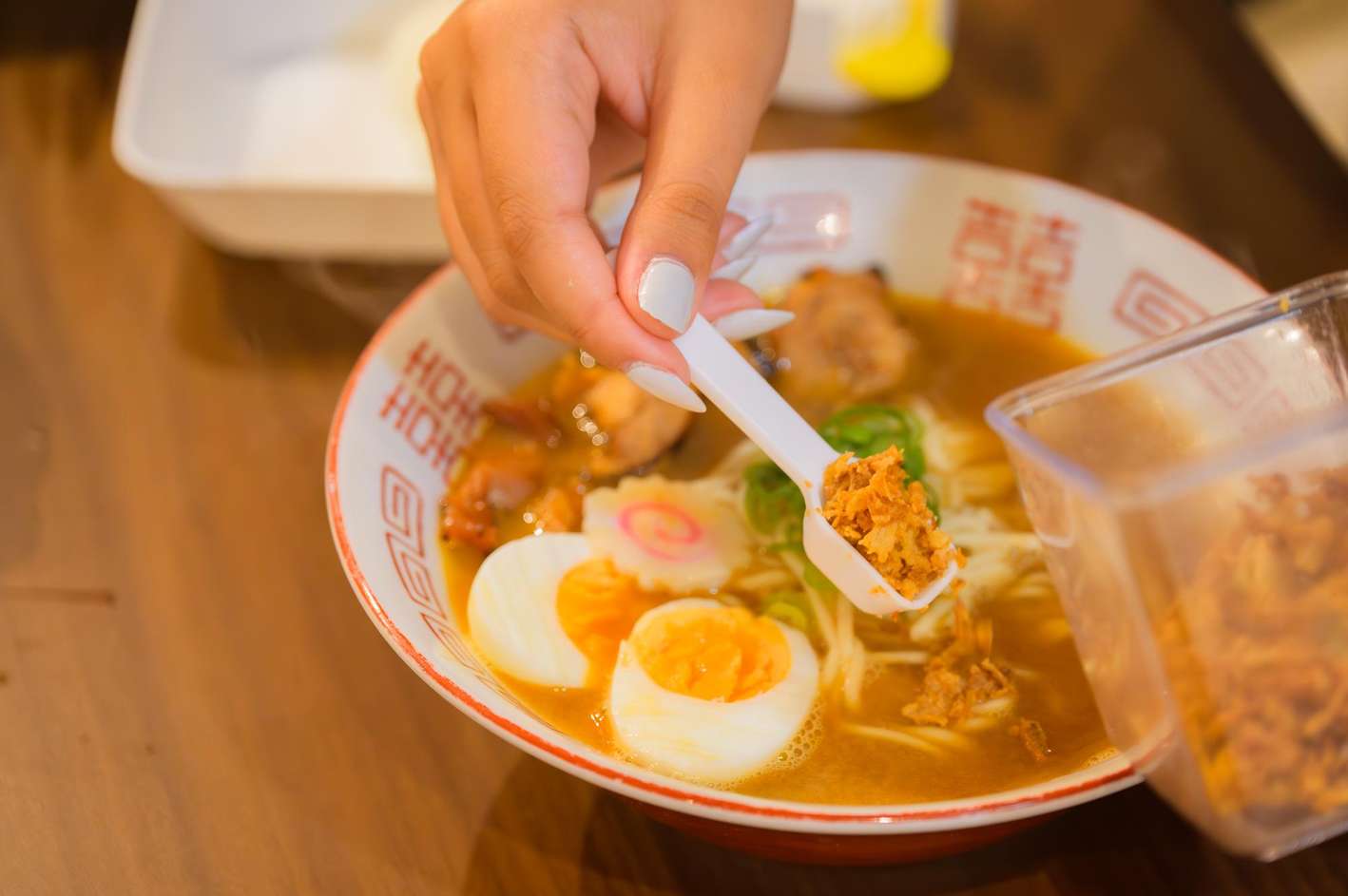
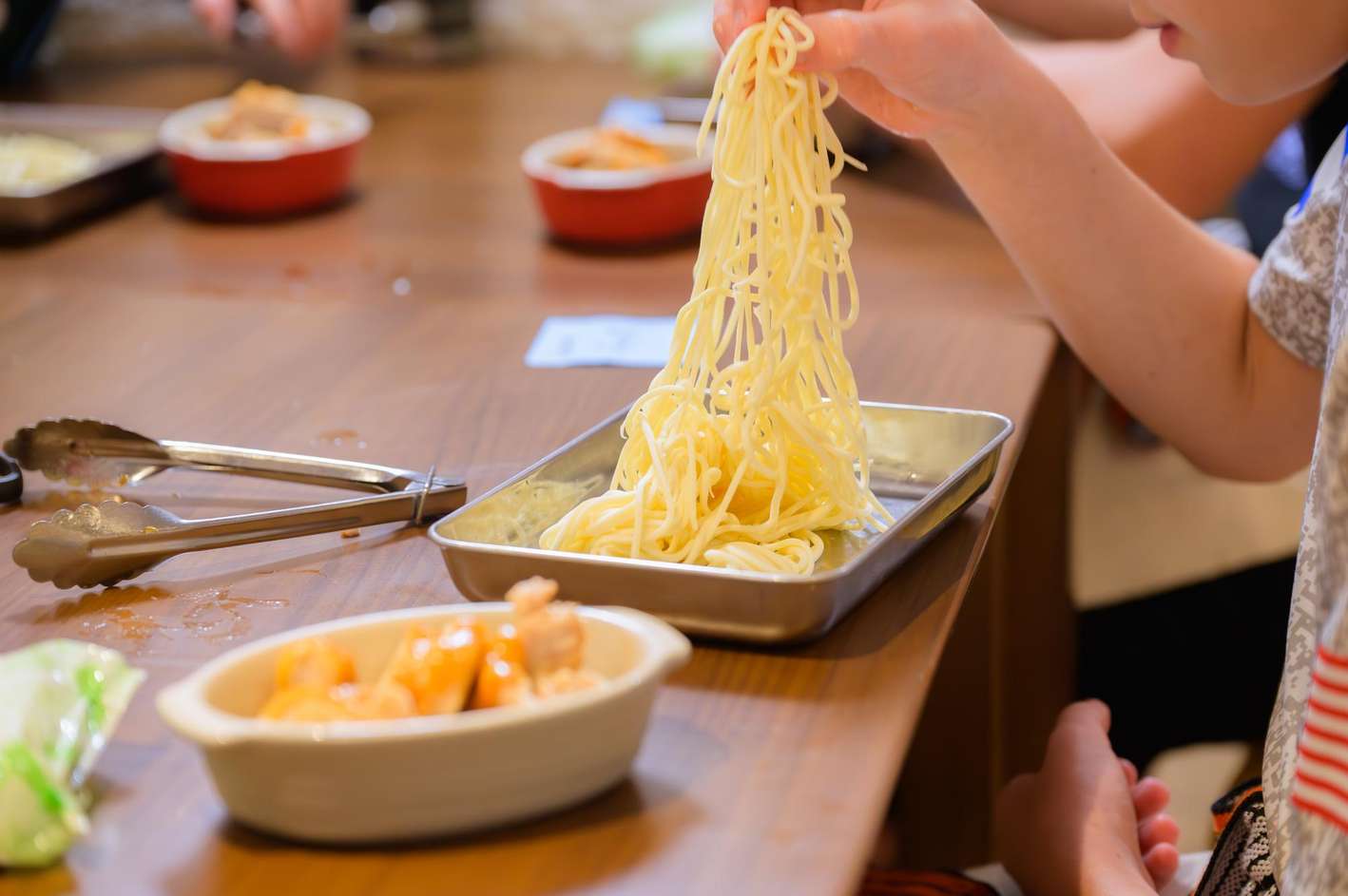
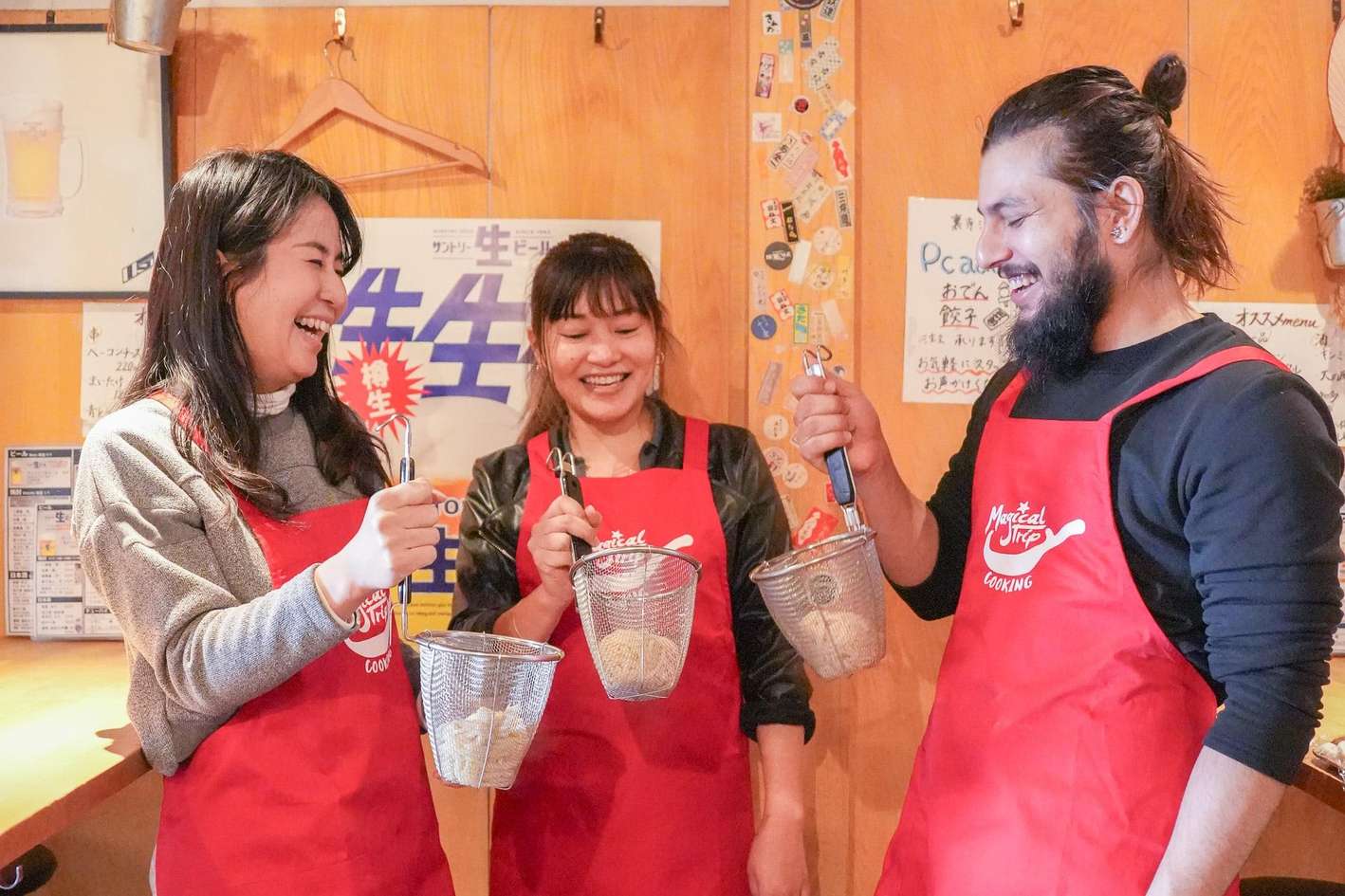
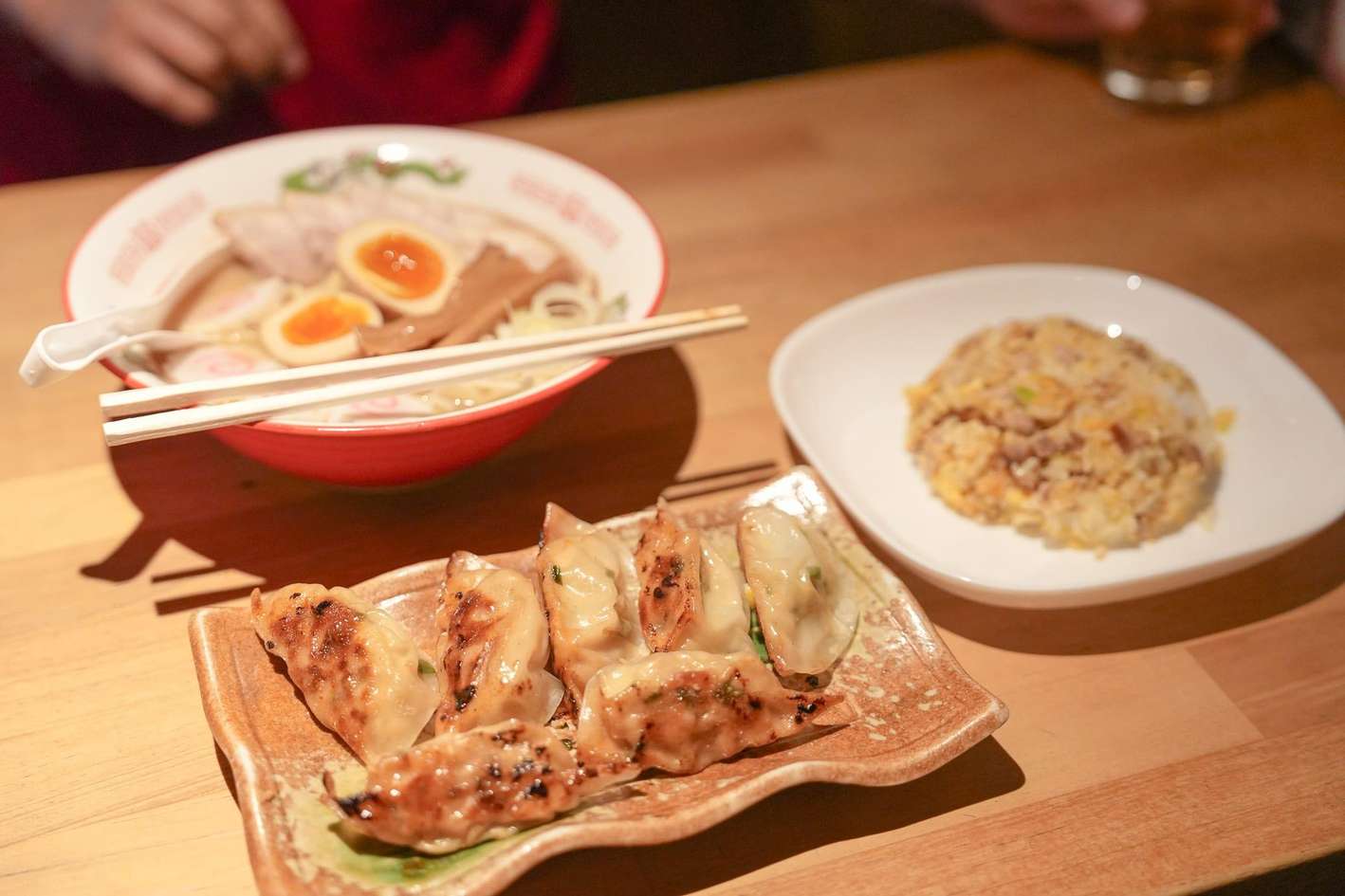
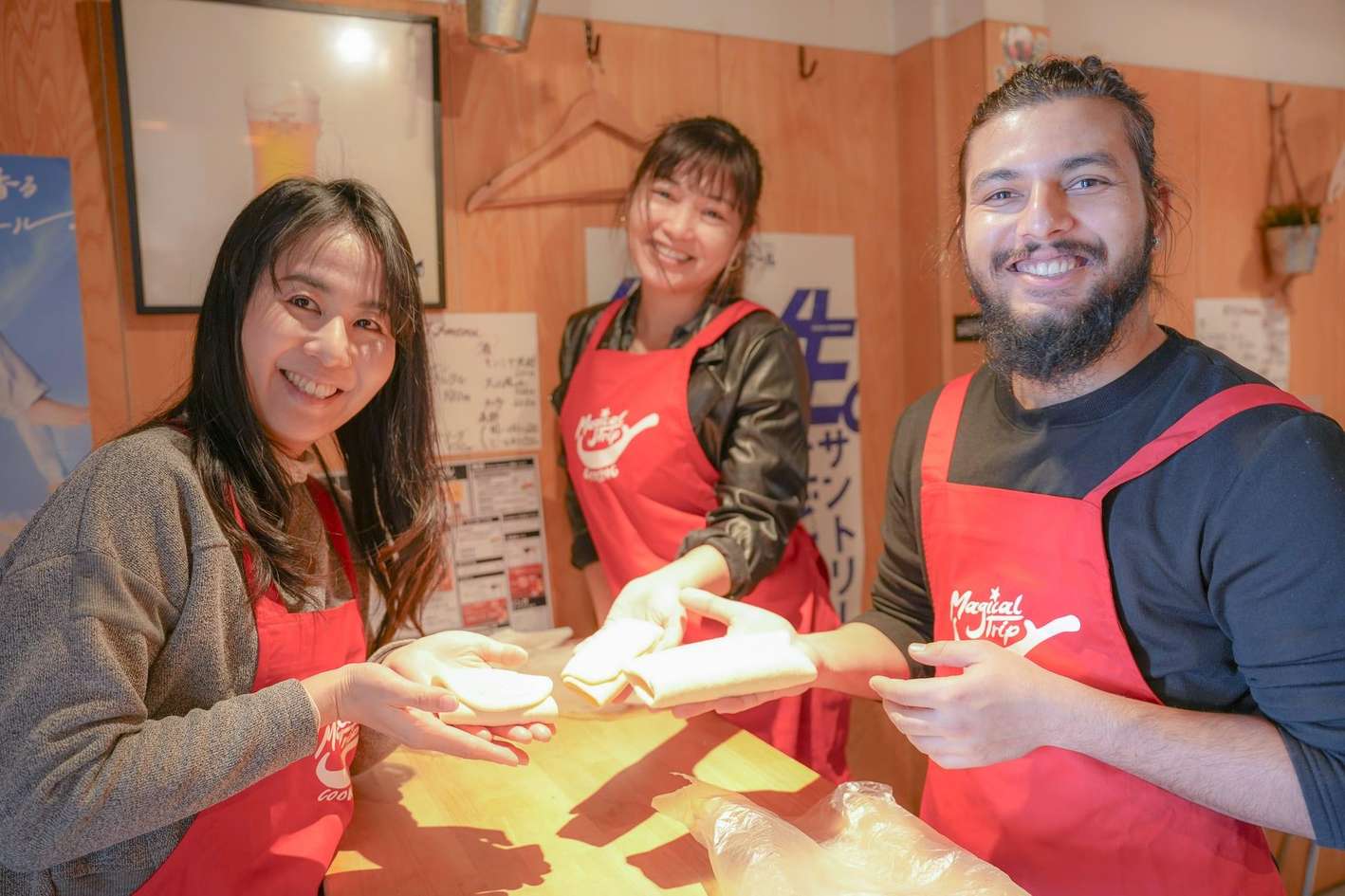
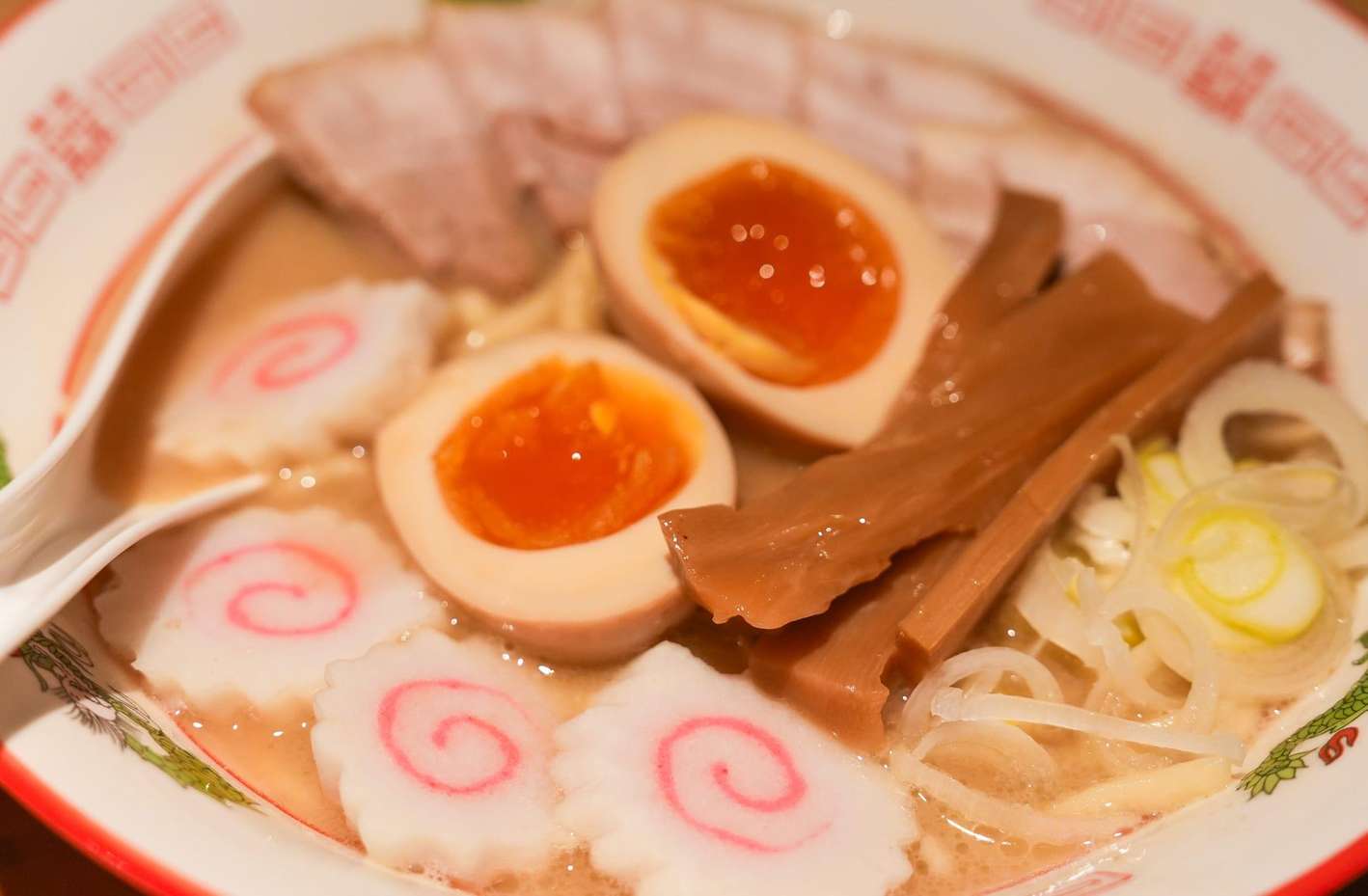
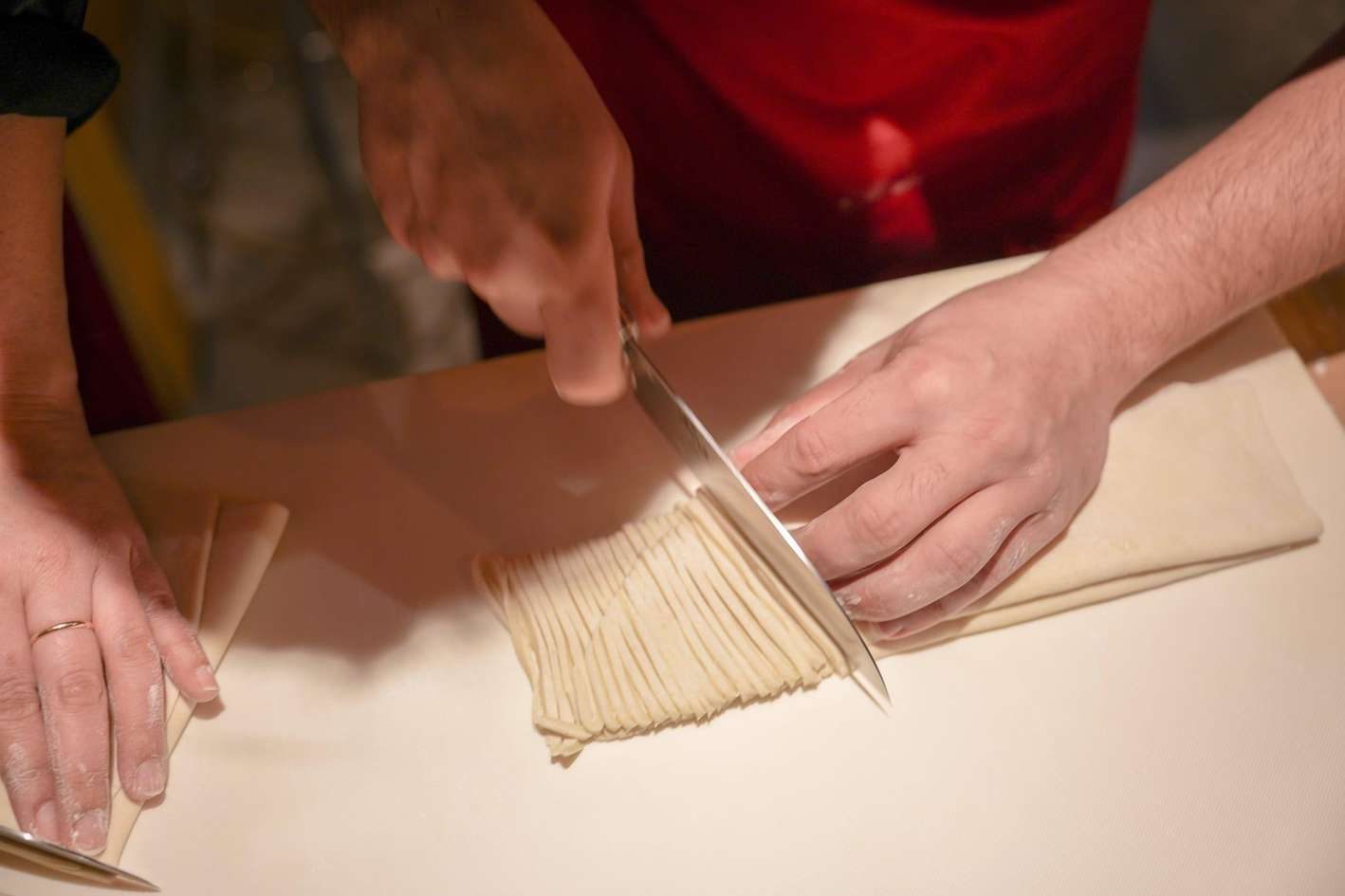
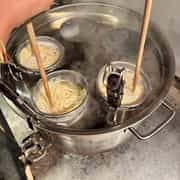
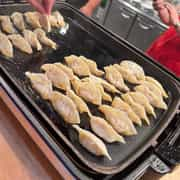
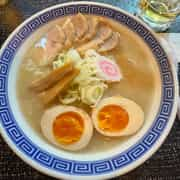
In Kyoto you can pick between a quick broth-and-gyoza workshop, a class that adds onigiri to the menu, and a 90-minute session where you knead over 100 folds of dough before cutting fresh noodles.
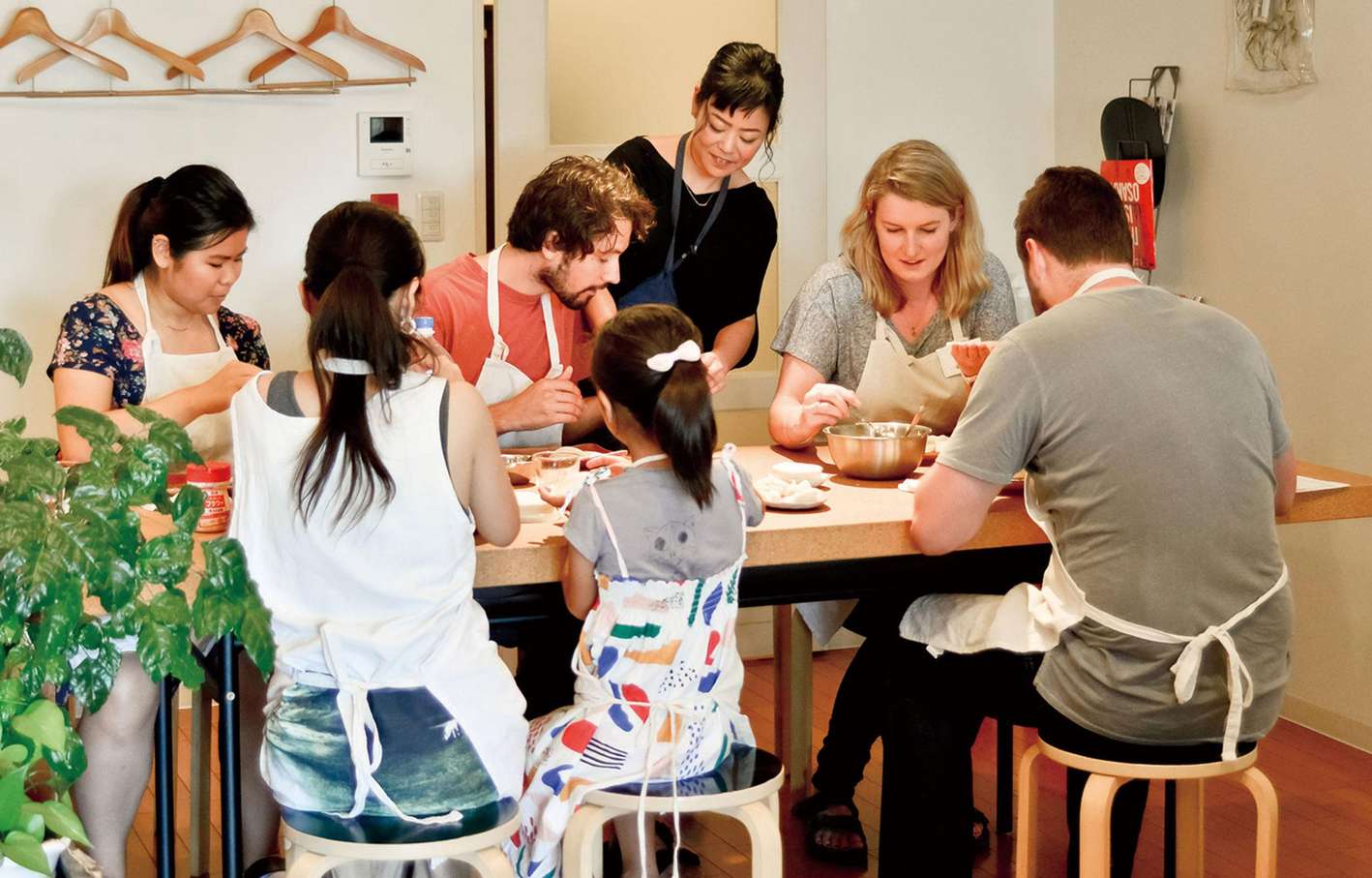
Some classes suit cooks aged 12 and up, and one runs in a family-friendly studio near Gion. A quiz on ramen's history opens the from-scratch class.
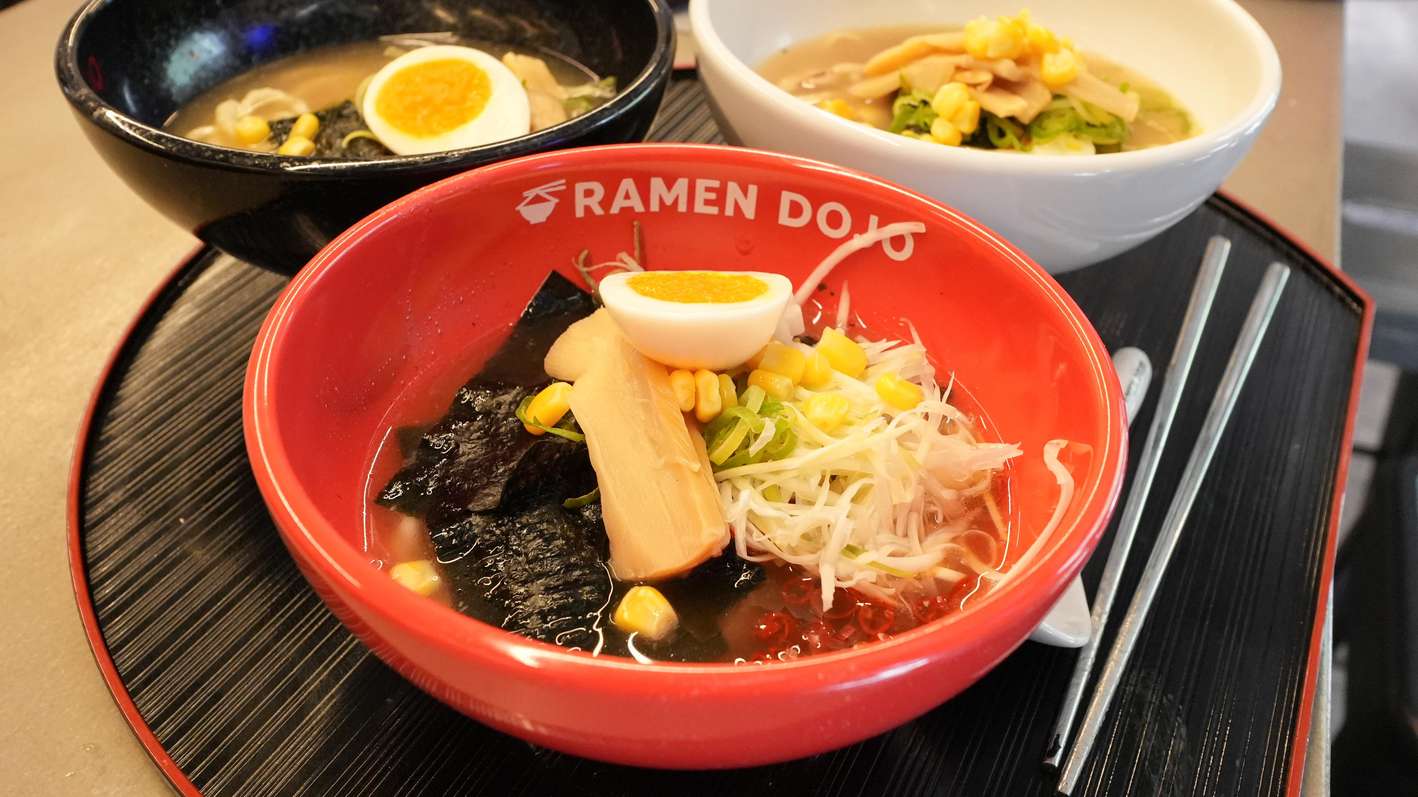
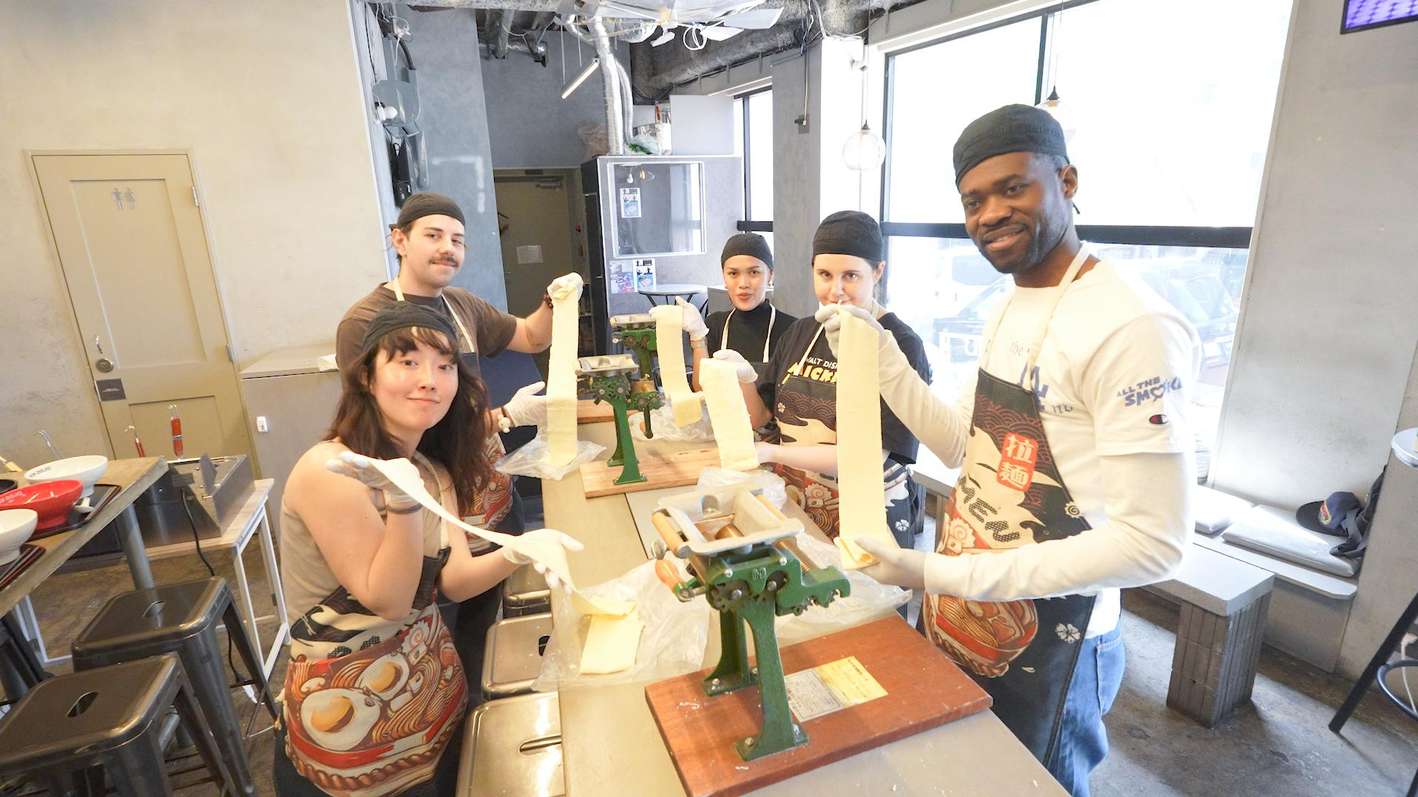
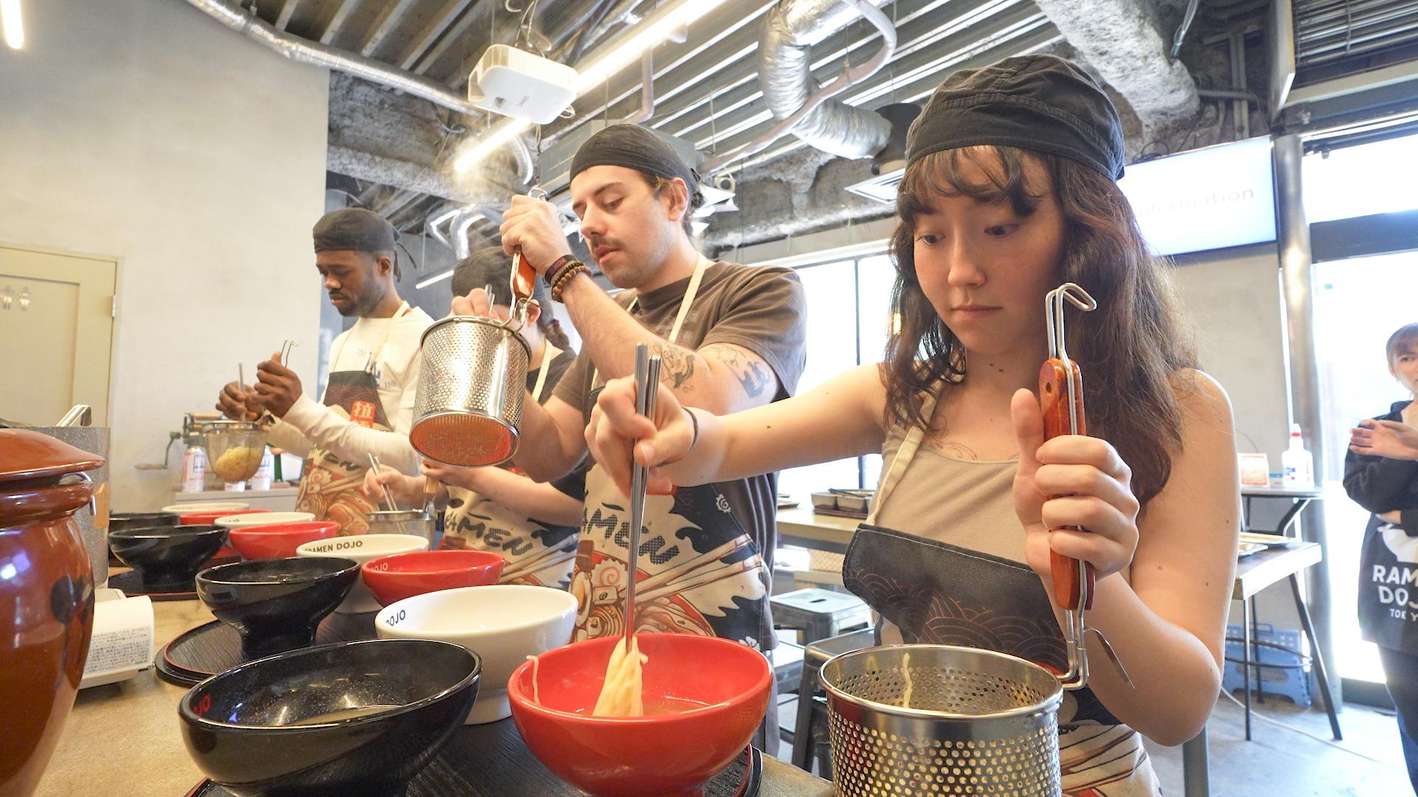
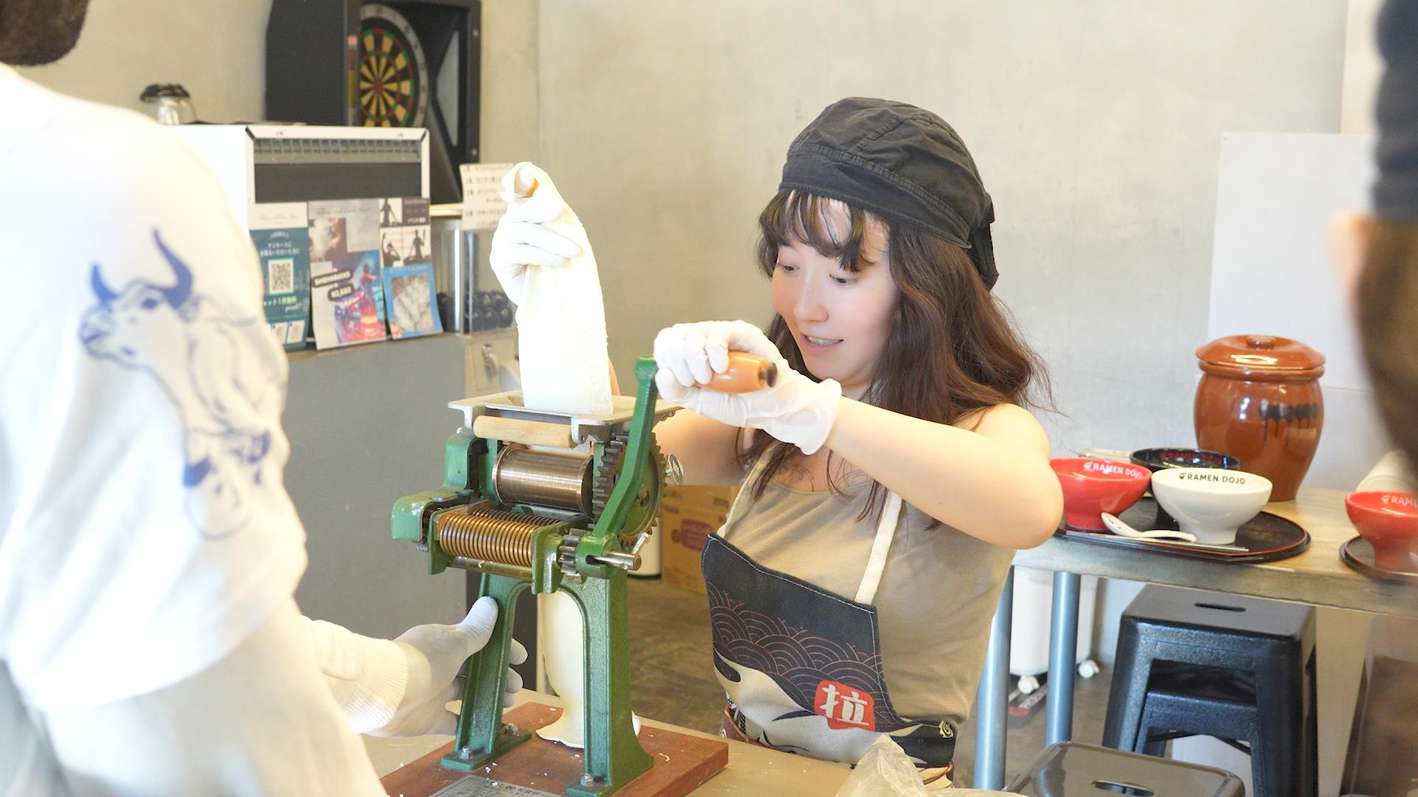
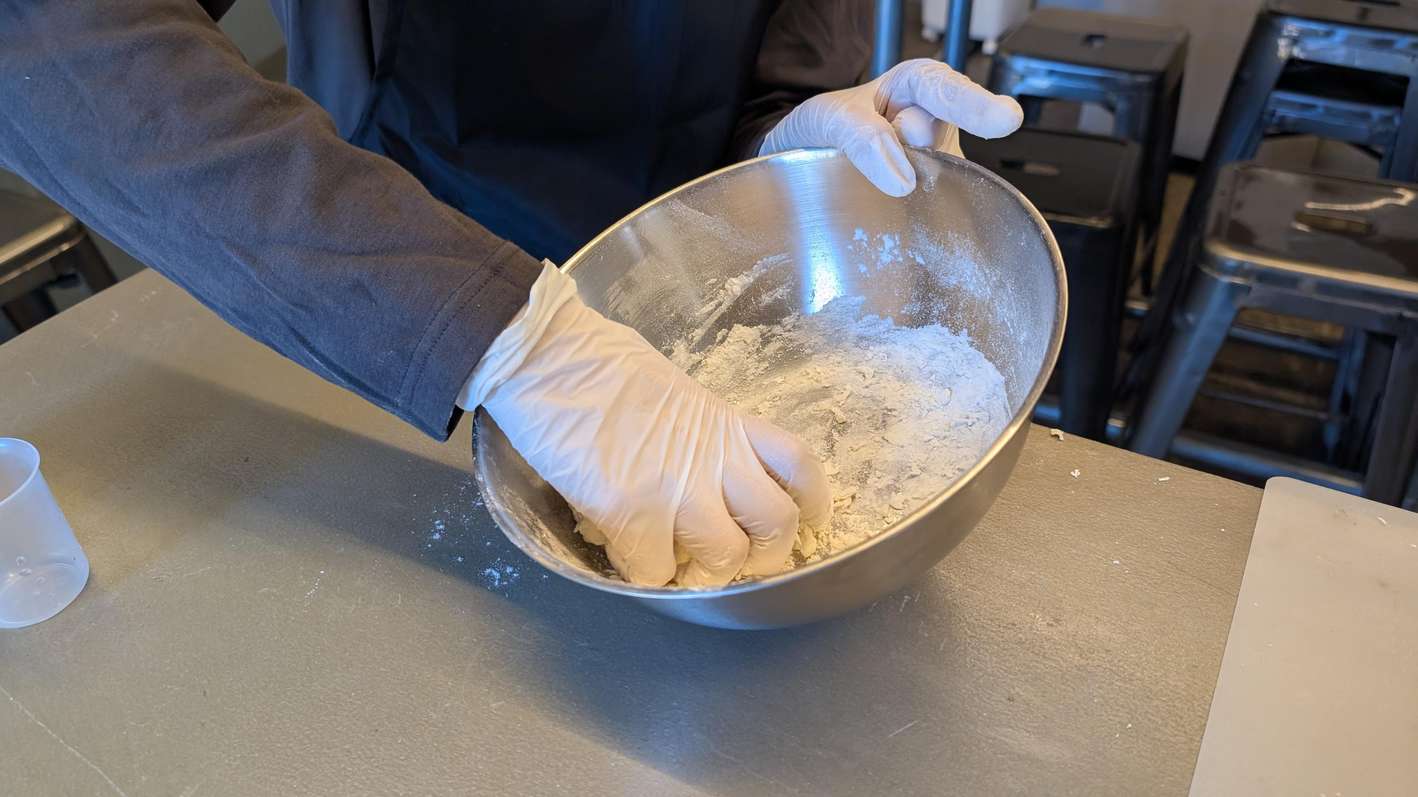
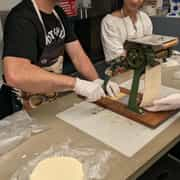
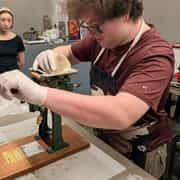
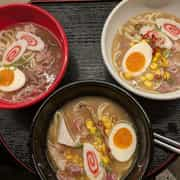

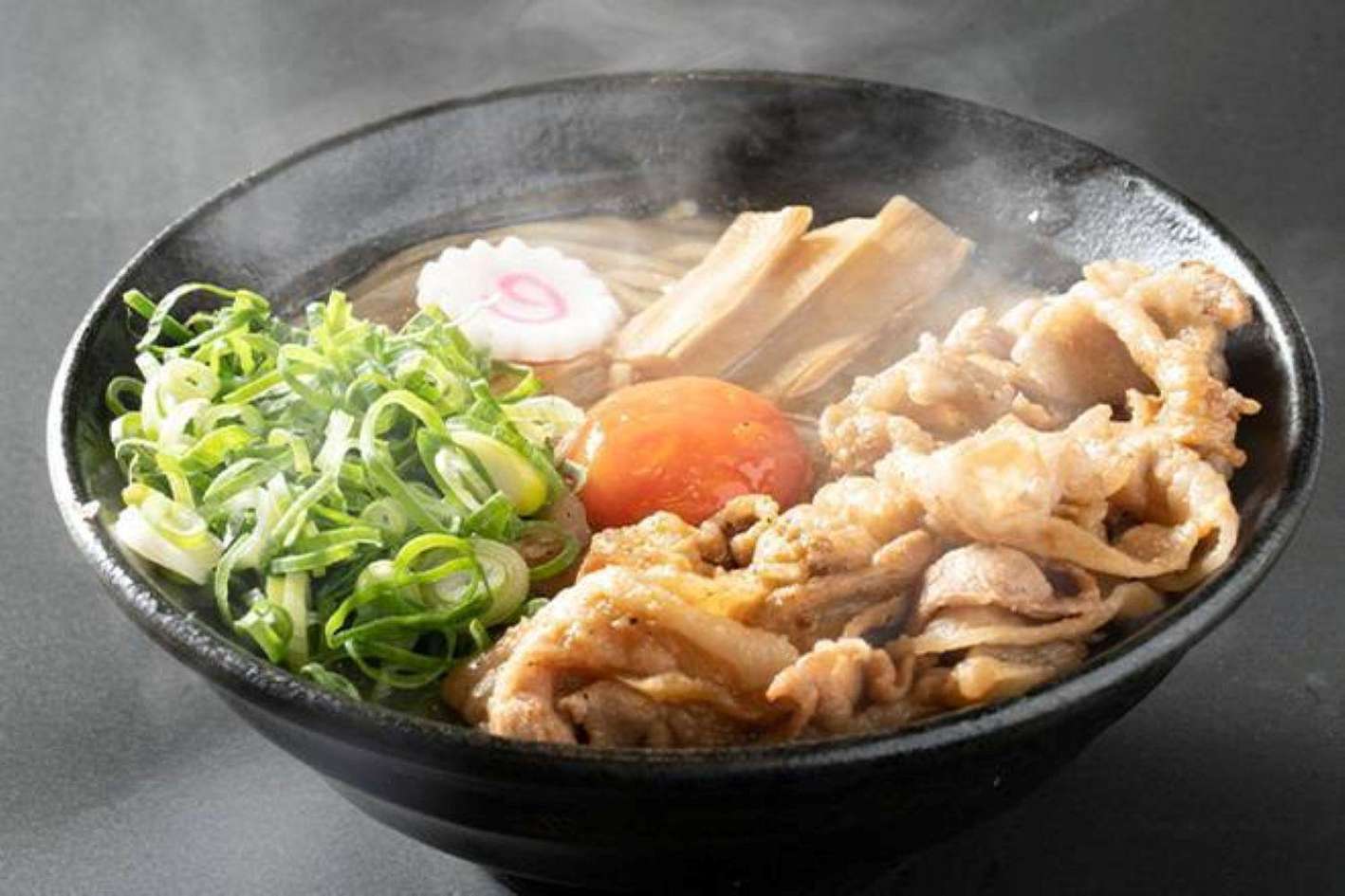
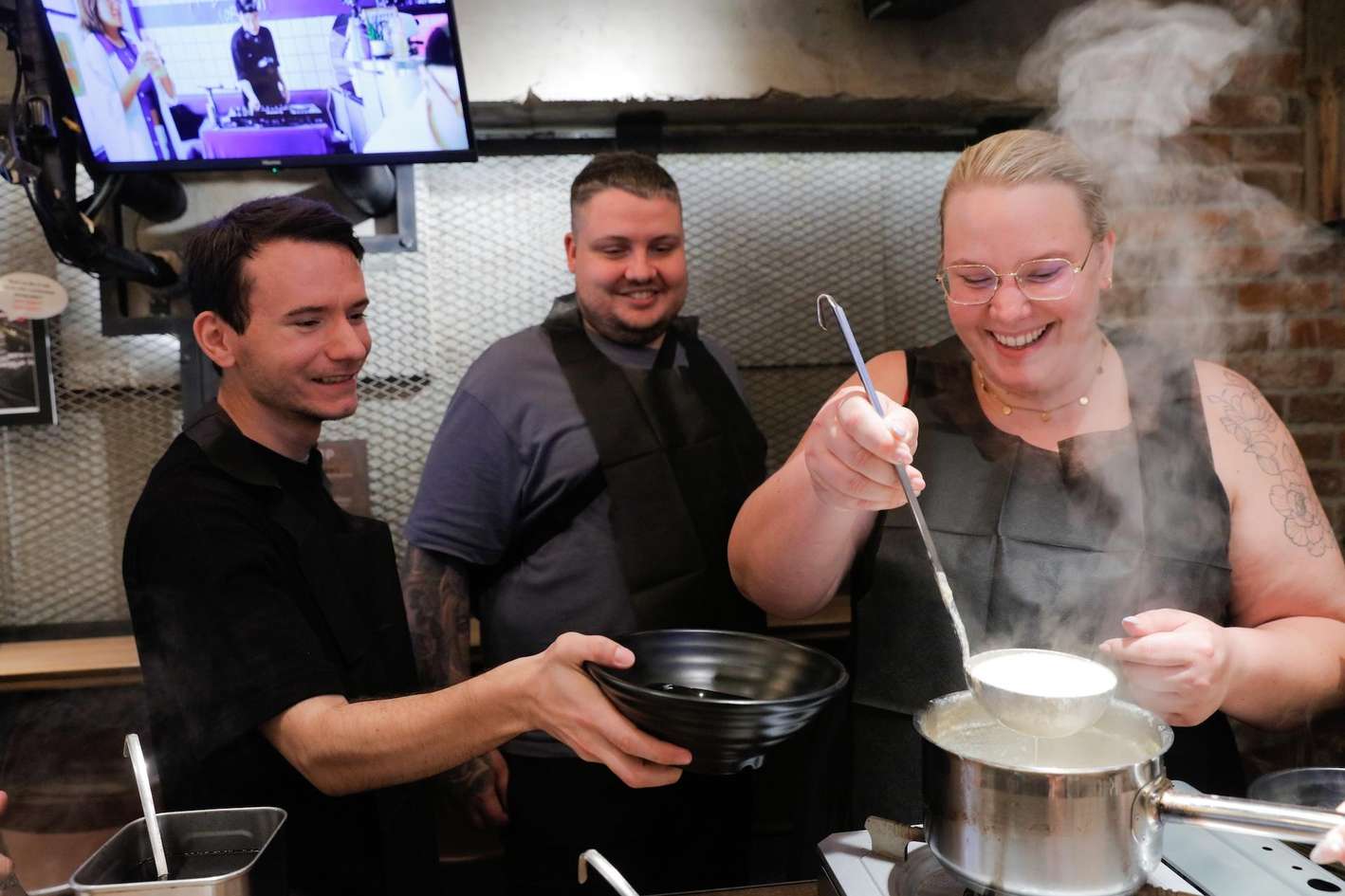
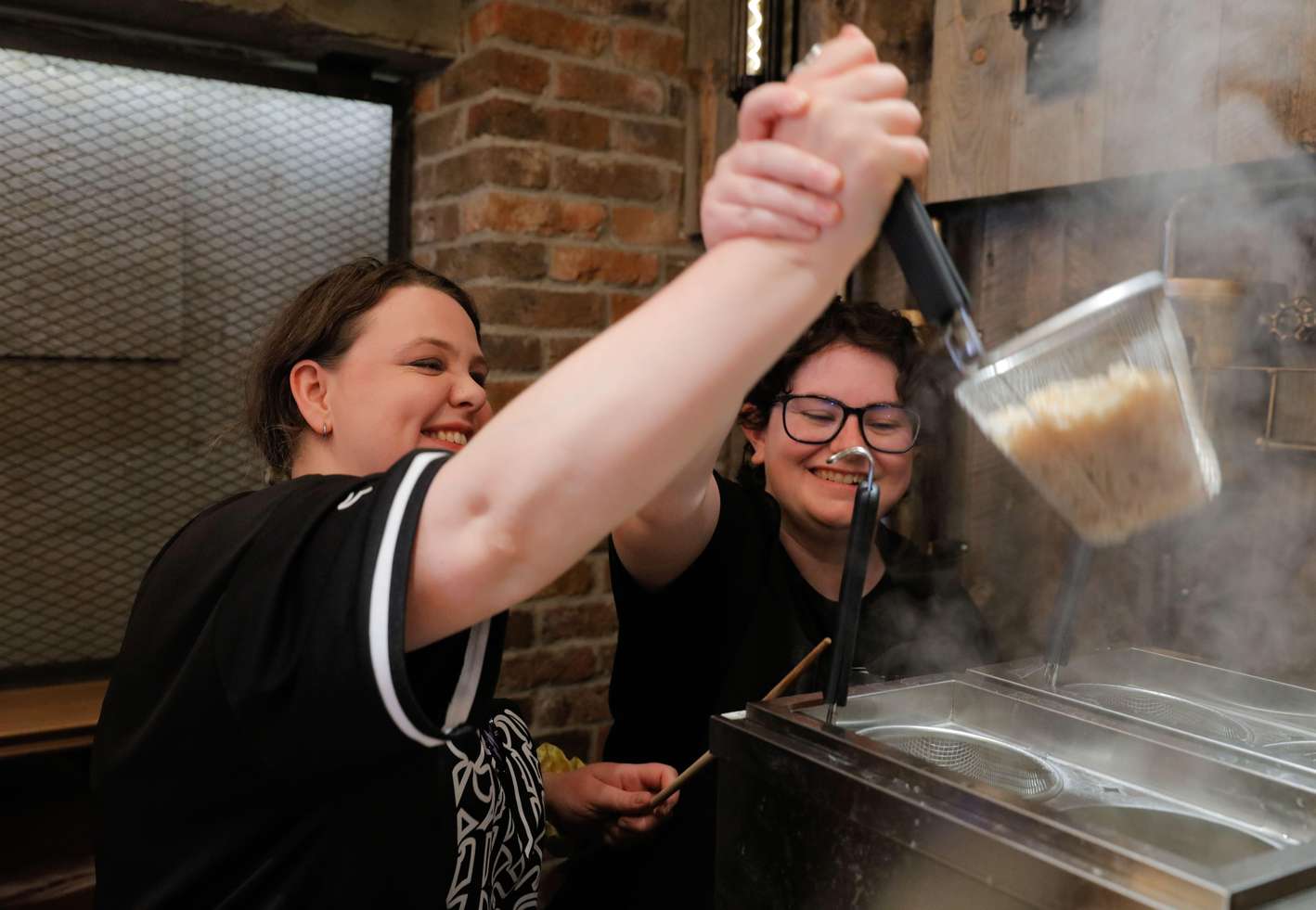
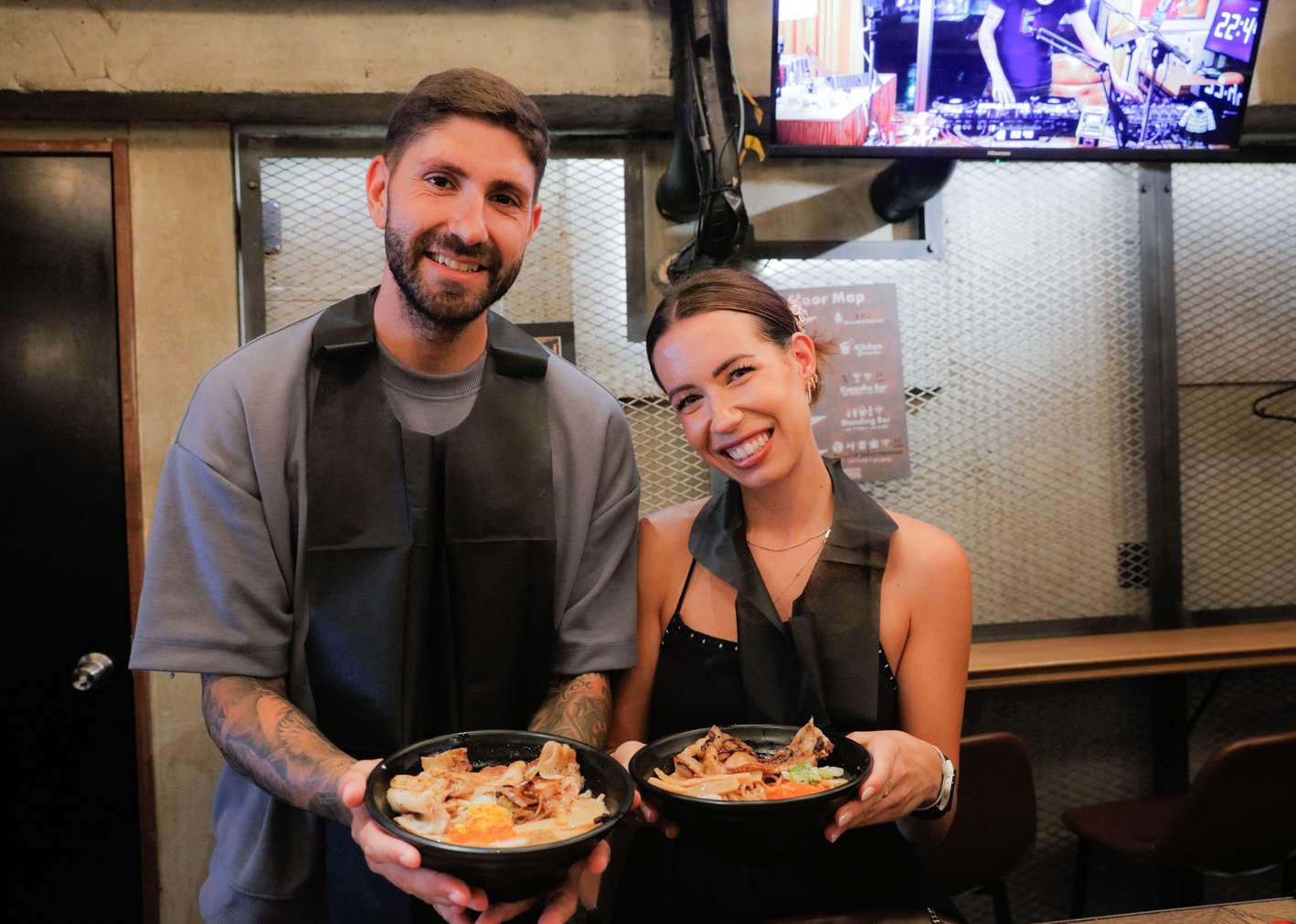
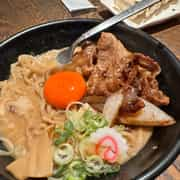
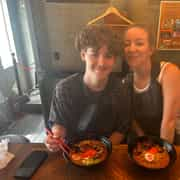
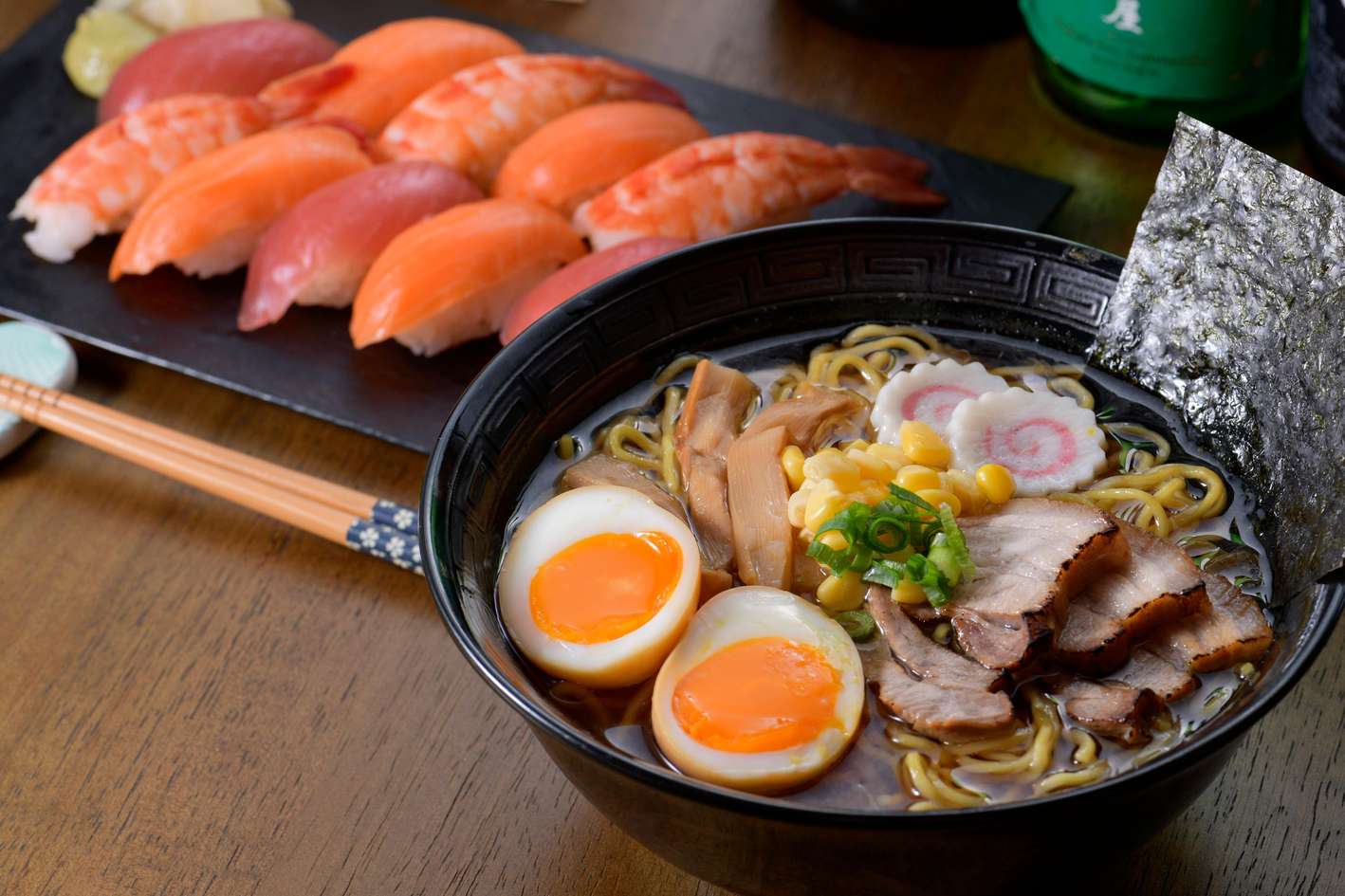
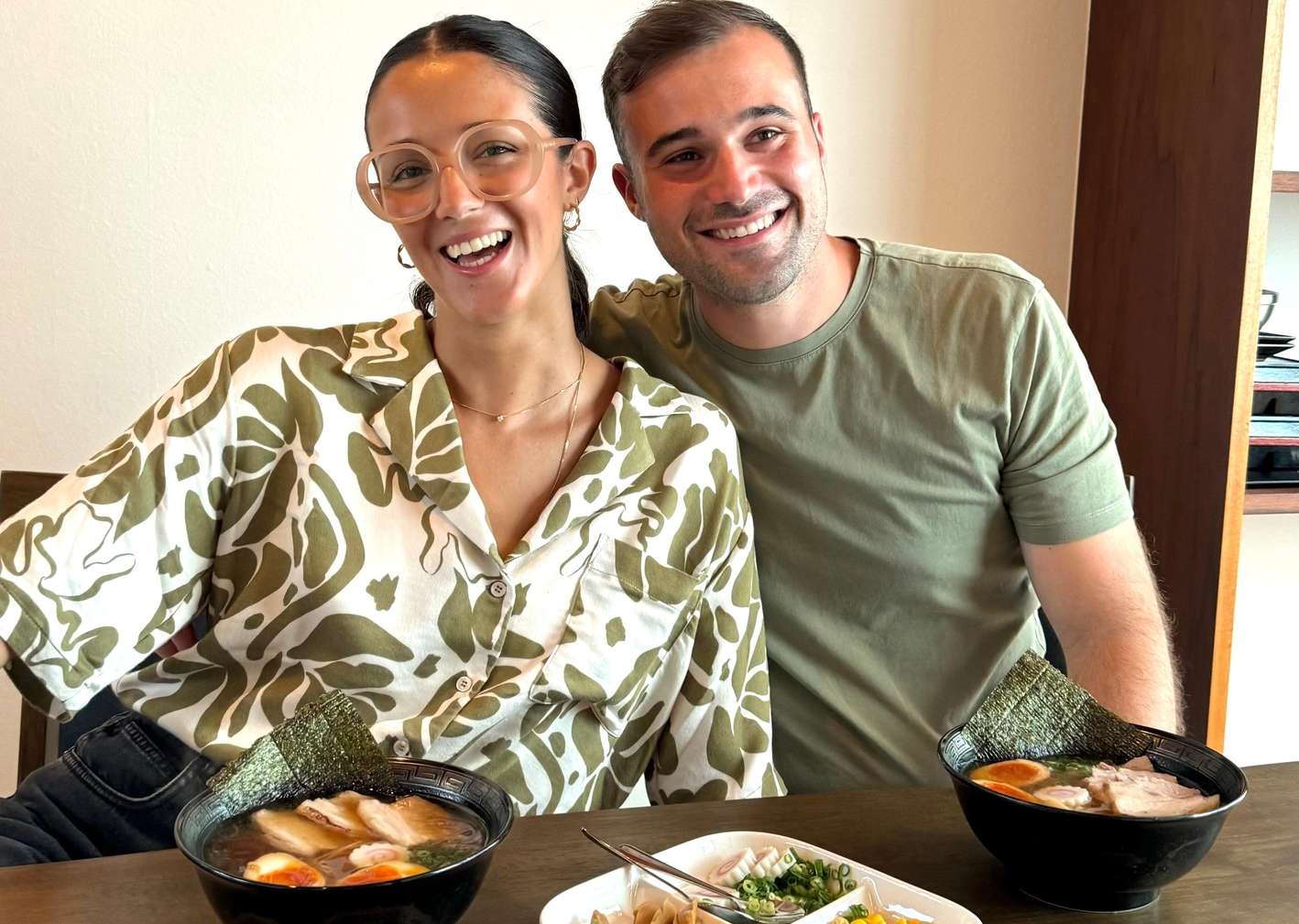
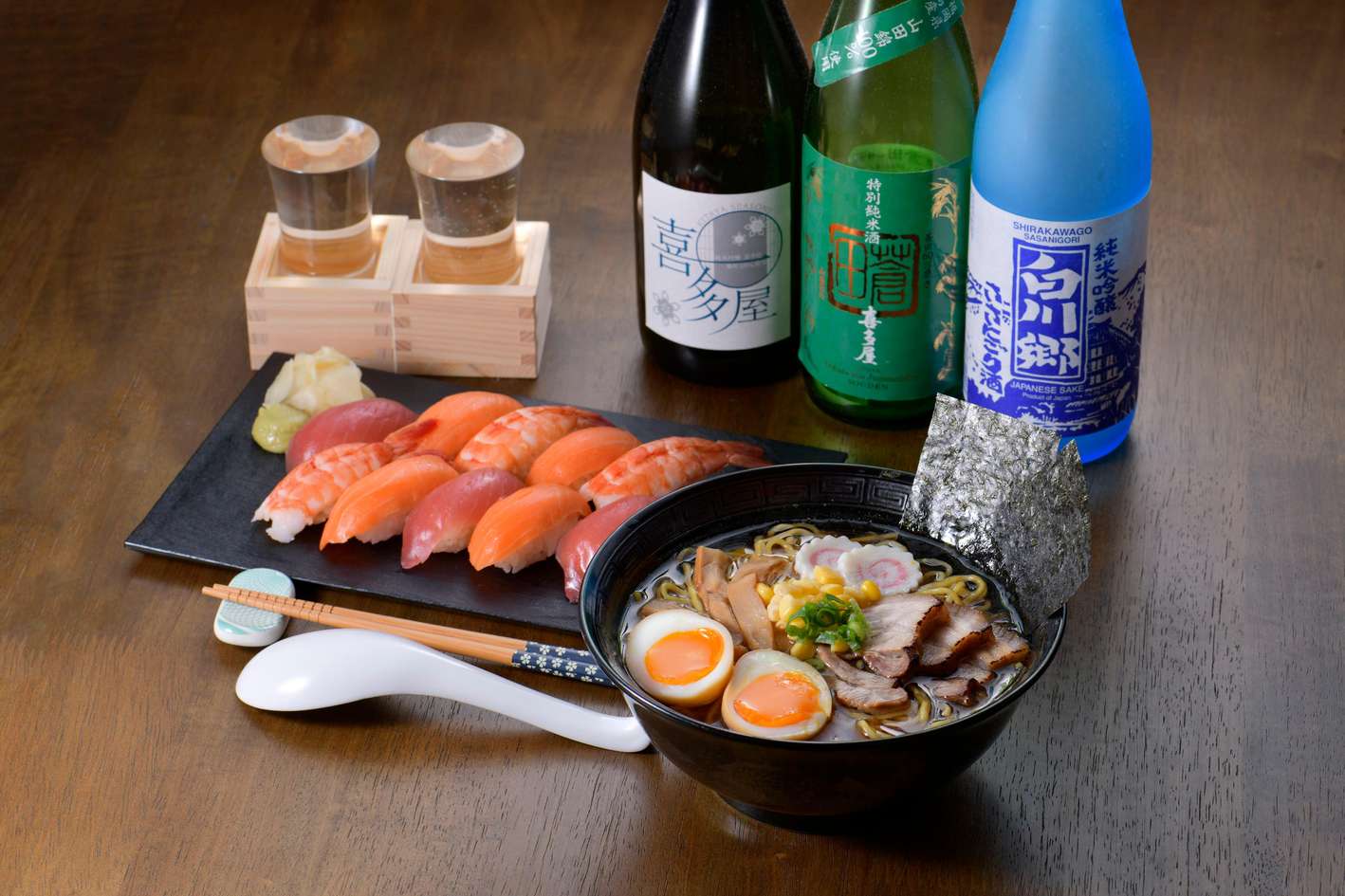
Tokyo gives you a Shinjuku class where you choose the soup, boil the noodles and eat within an hour, a Shibuya workshop where you make three mini bowls of tonkotsu, shoyu and miso side by side, and a longer session that pairs ramen with nigiri sushi.
Hands-on depth varies, so check which parts of the bowl you make yourself. Serious cooks can even break bones for broth at a restaurant-style class.


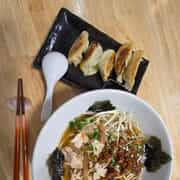
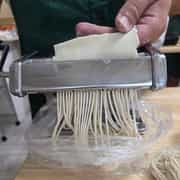
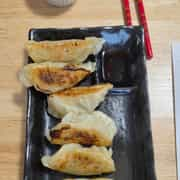
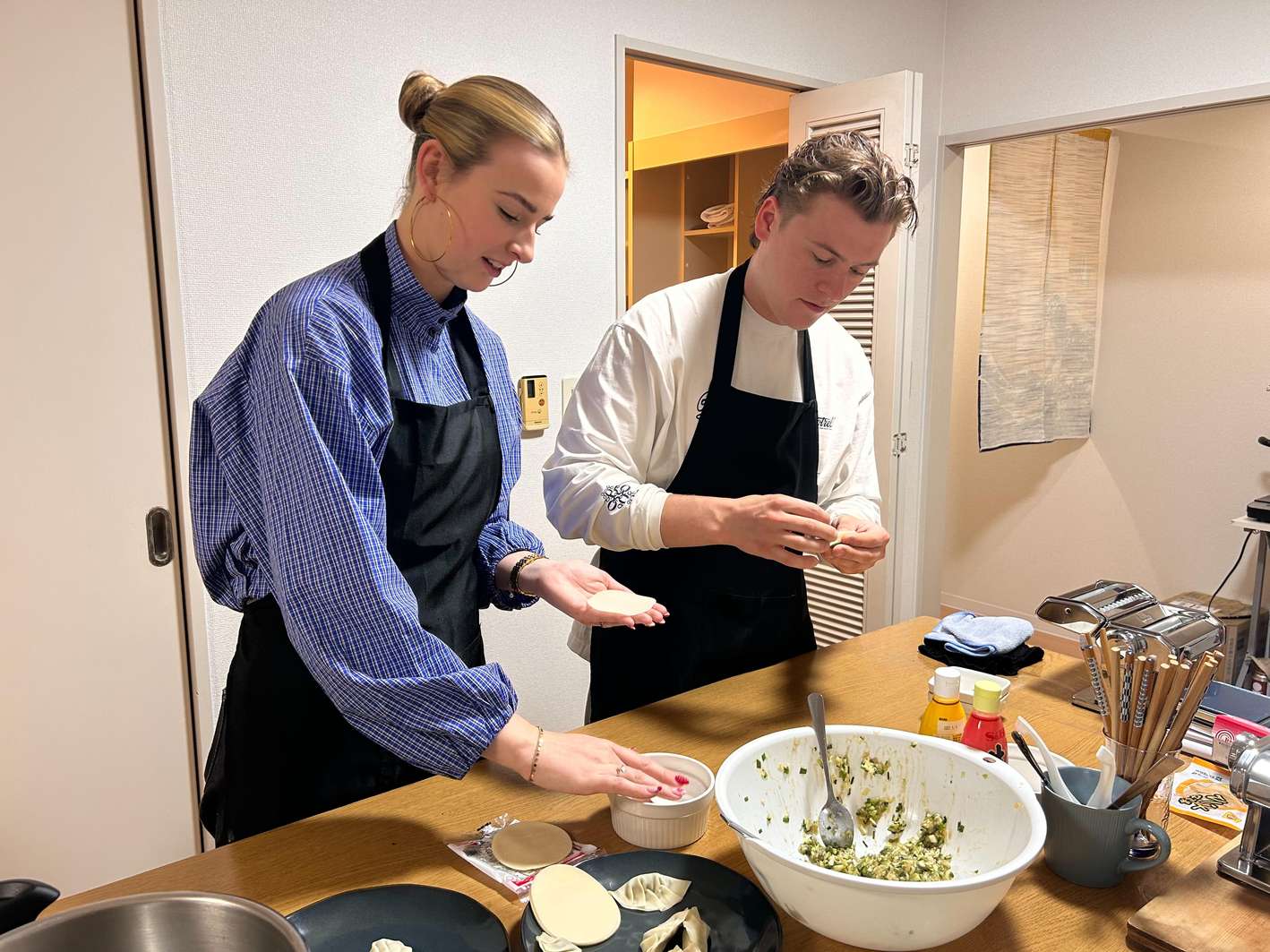
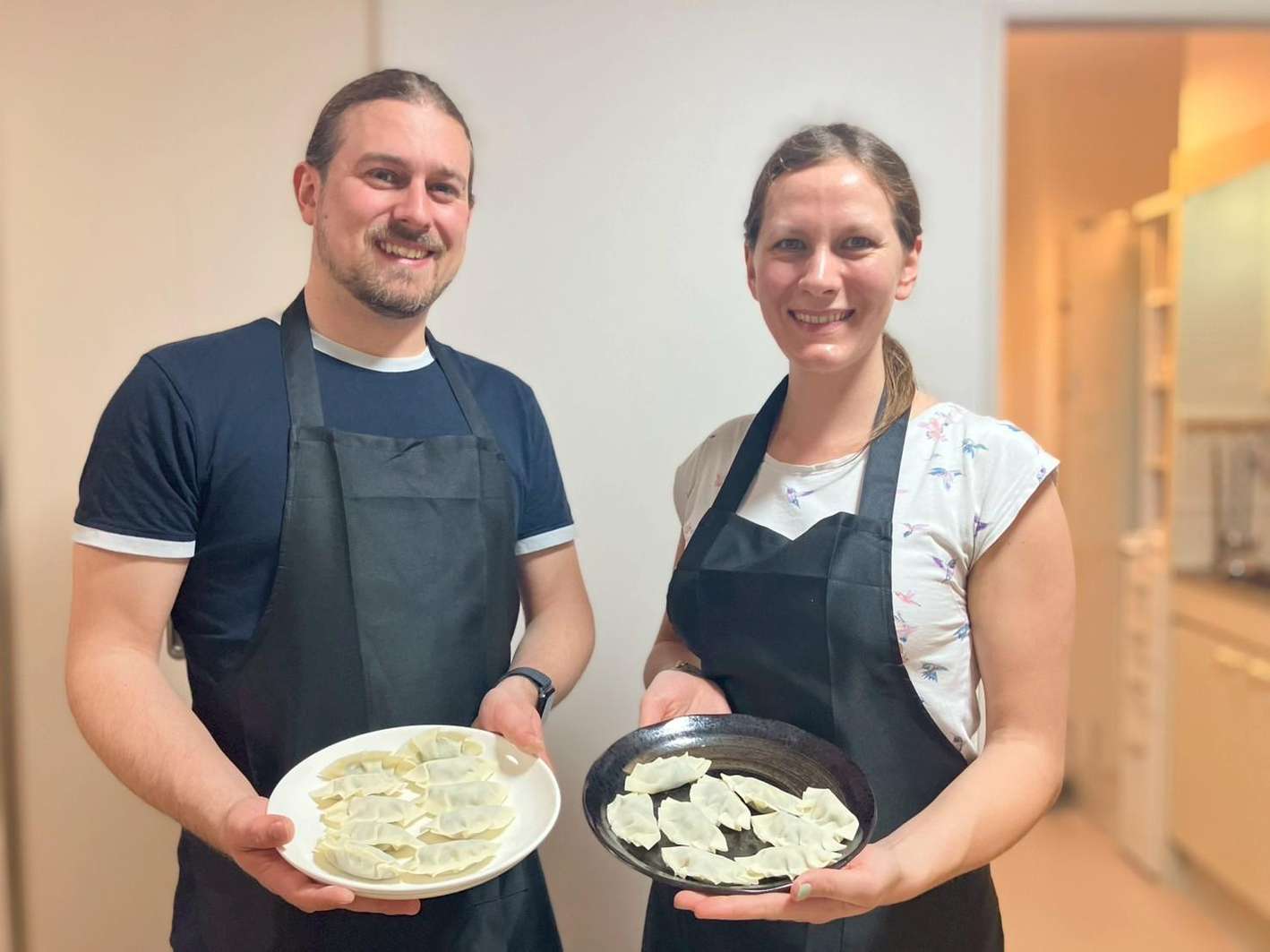
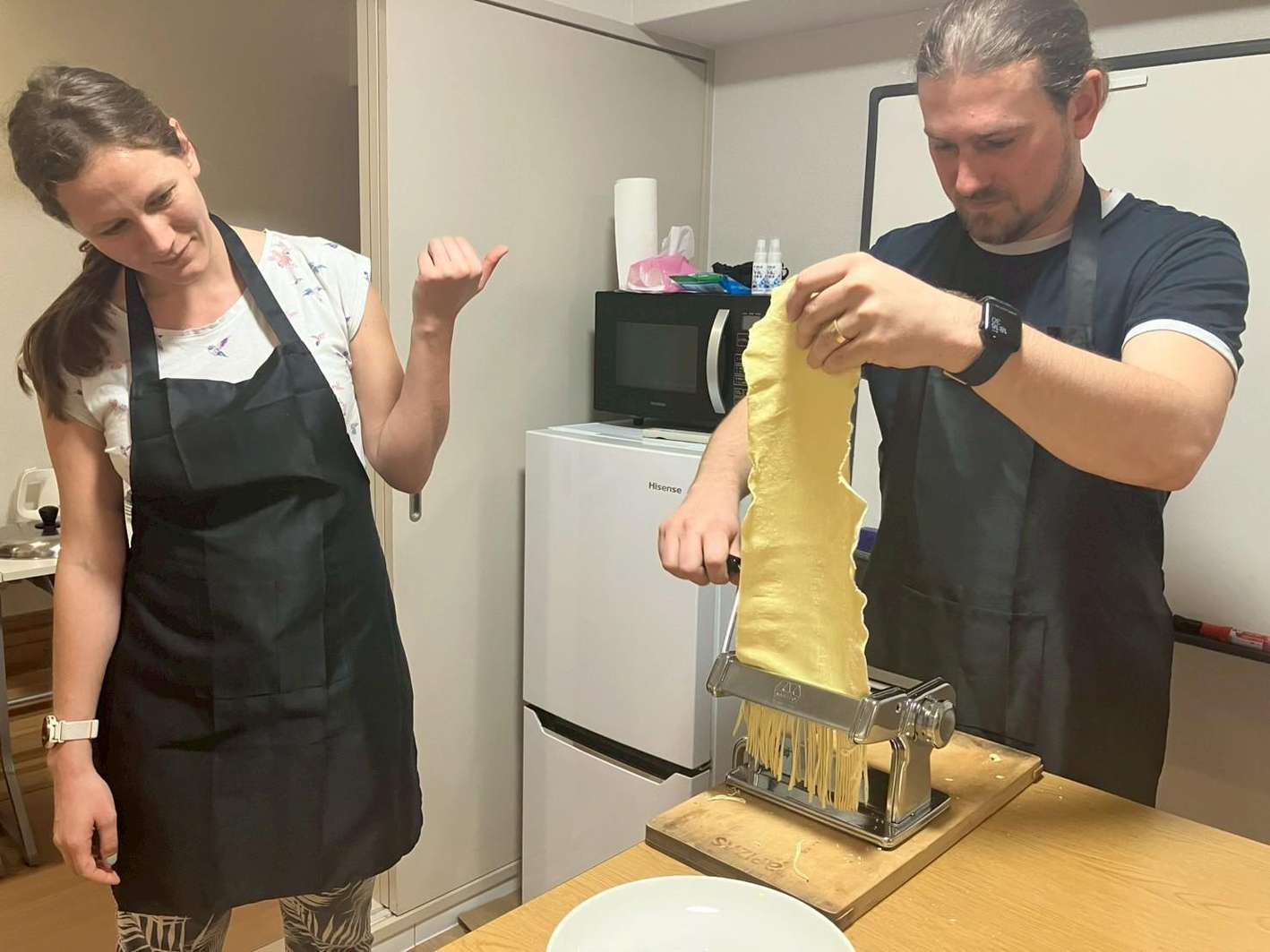
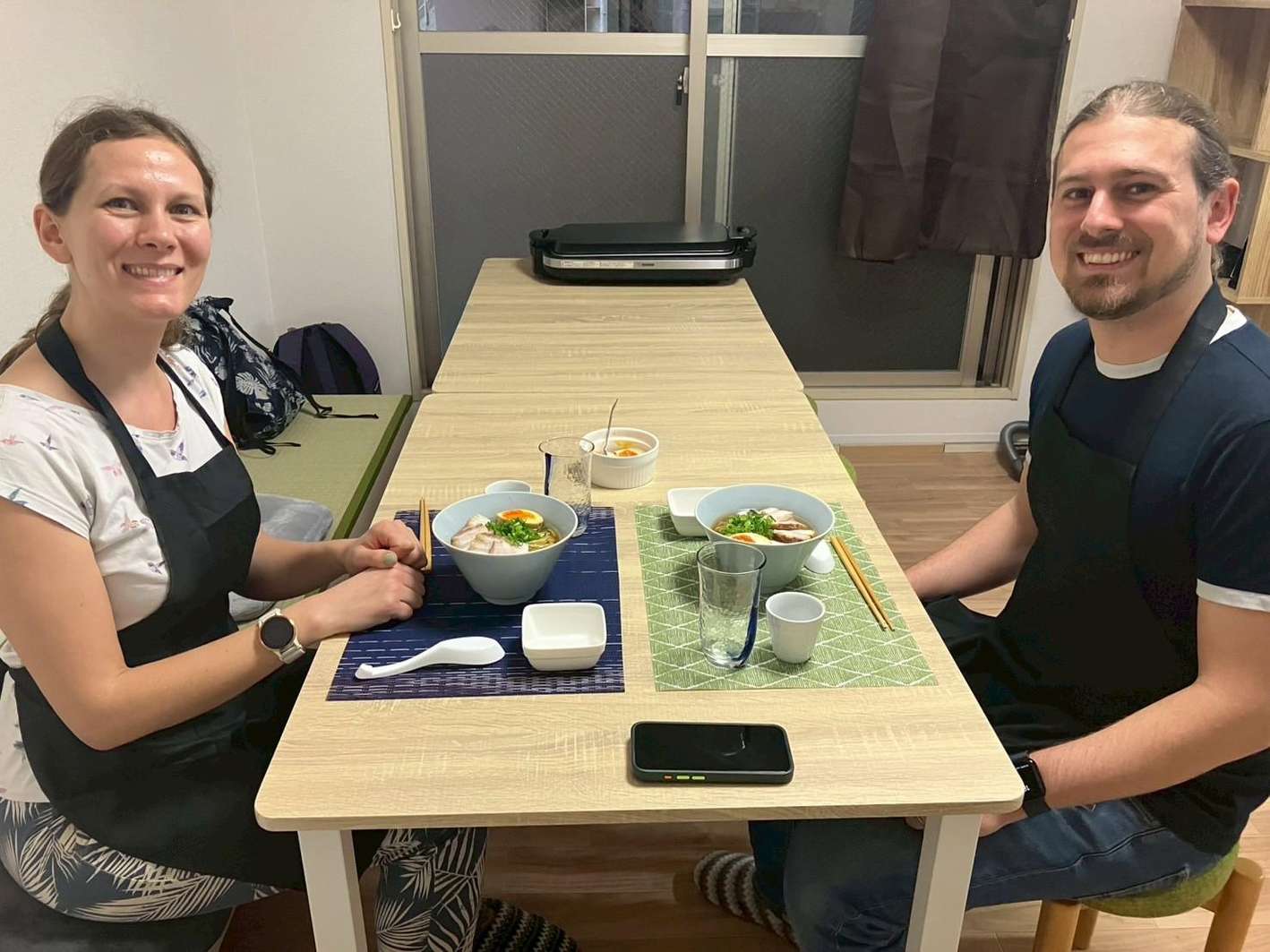
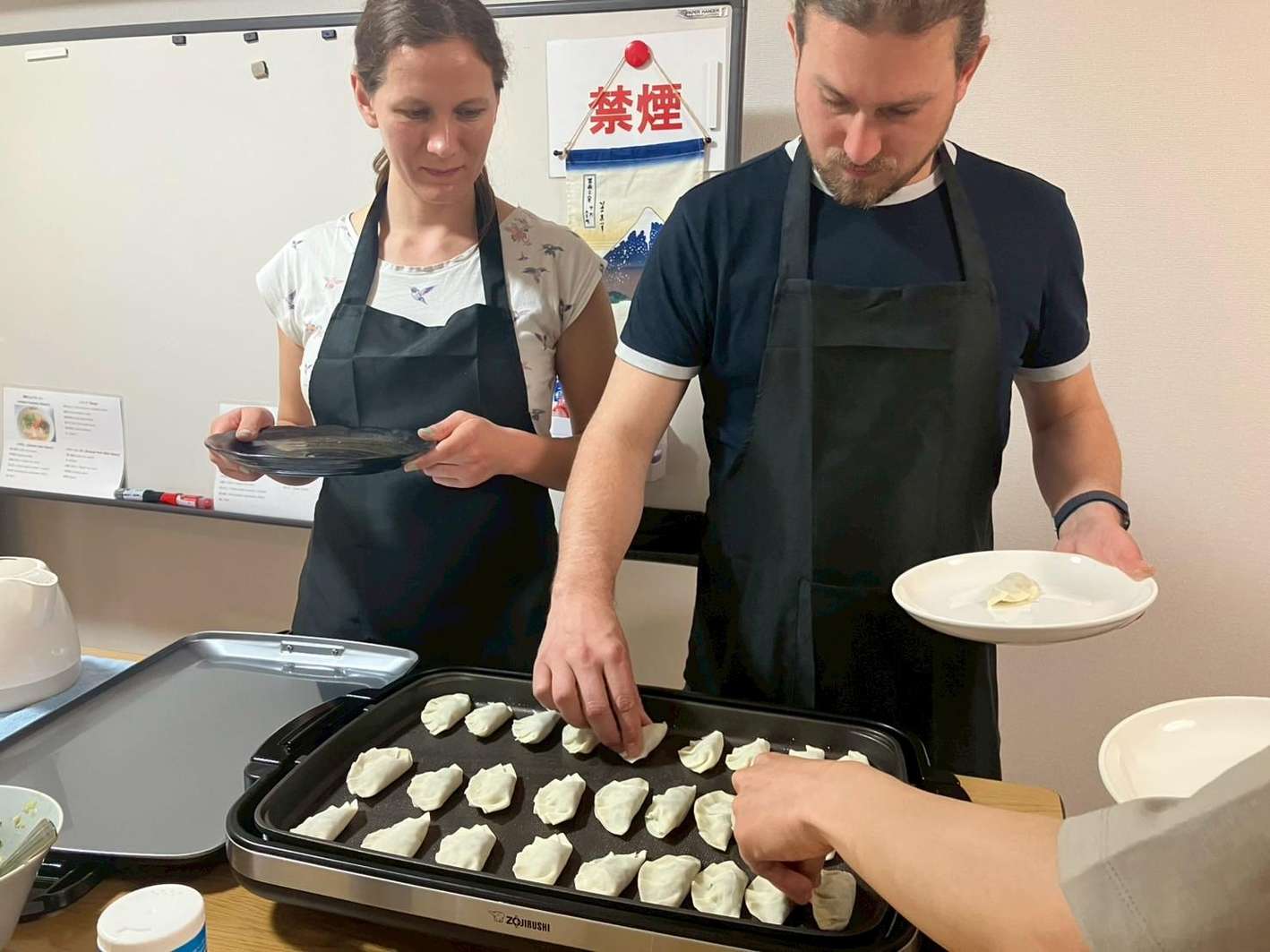
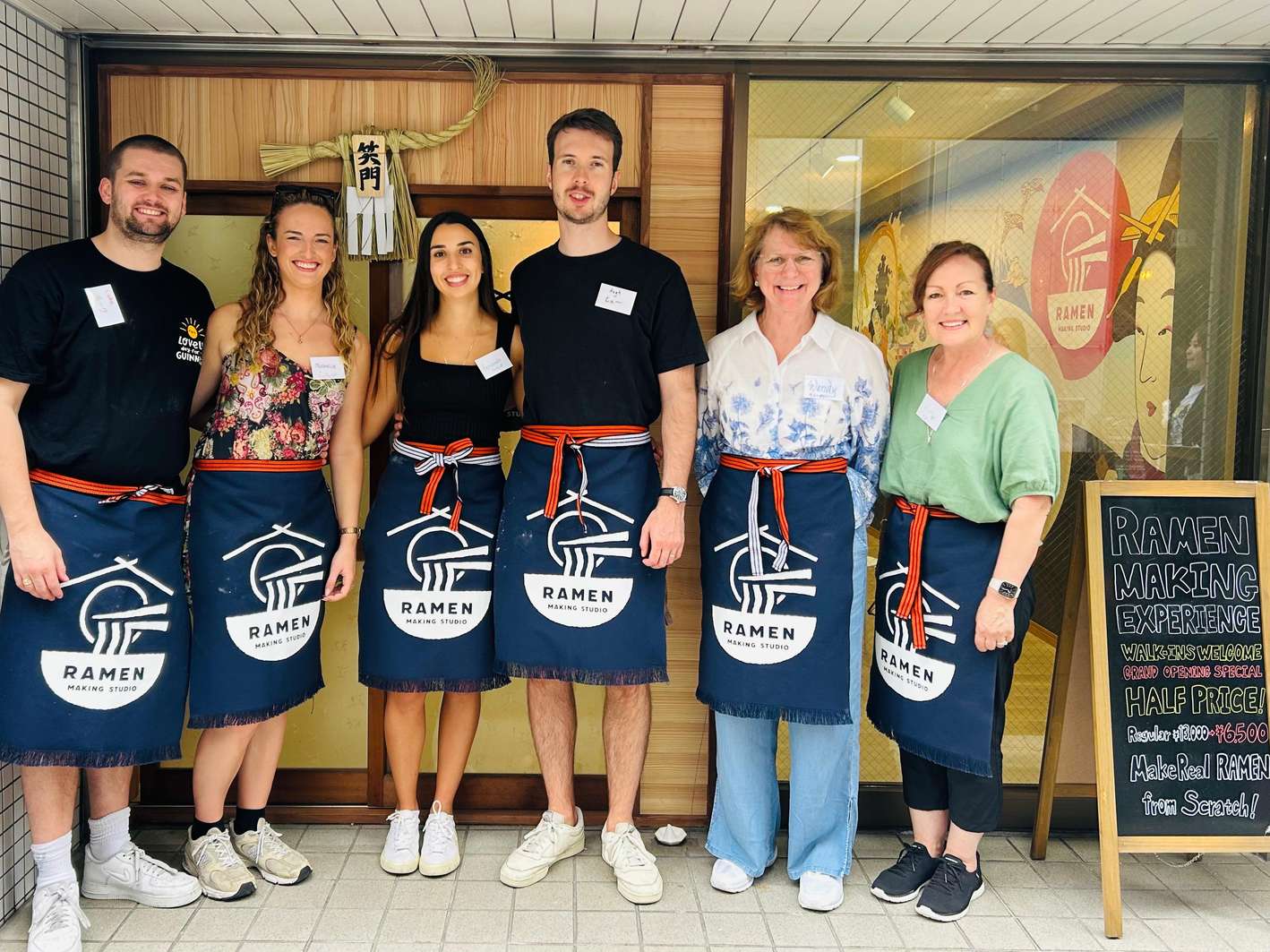
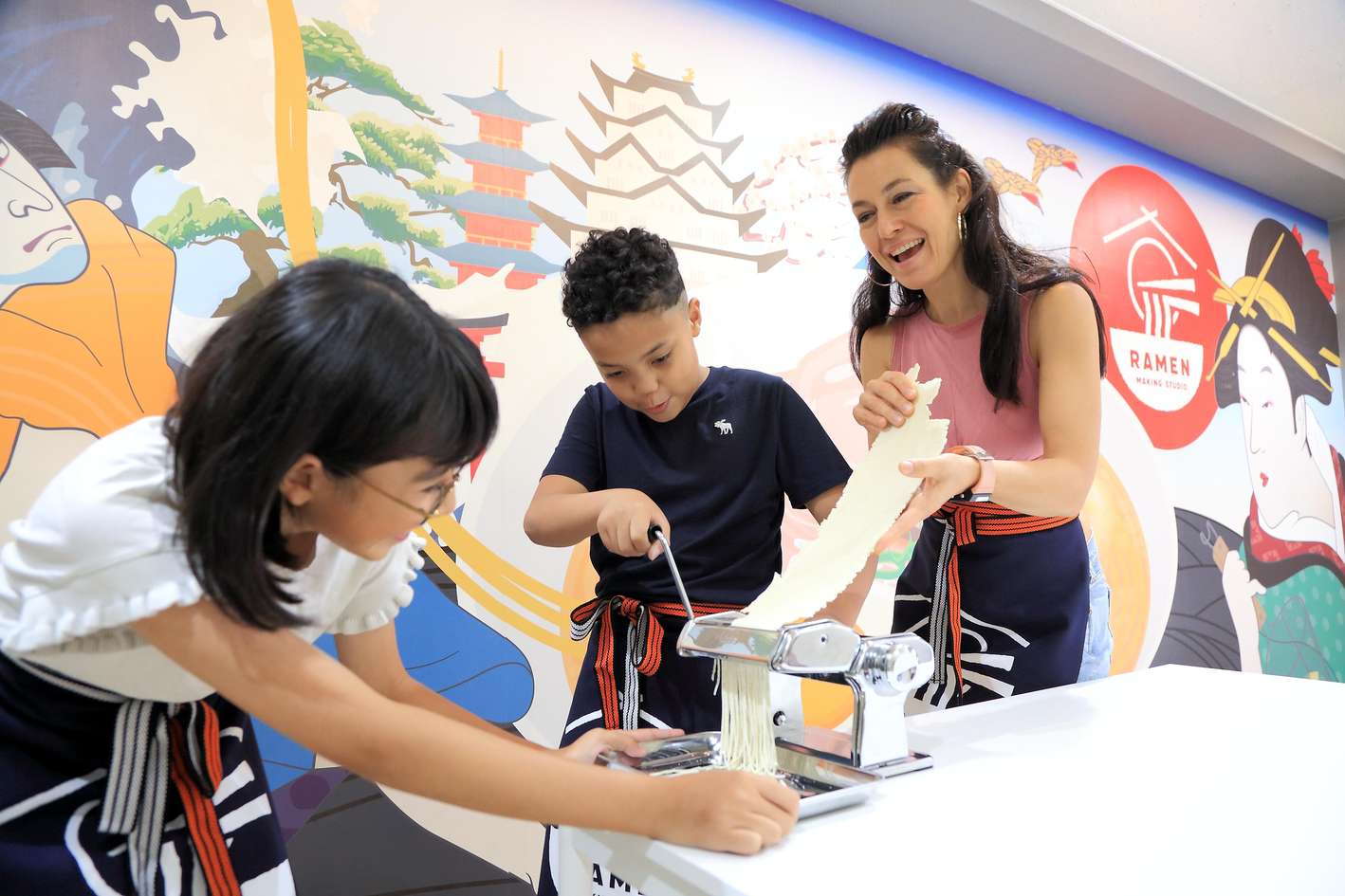
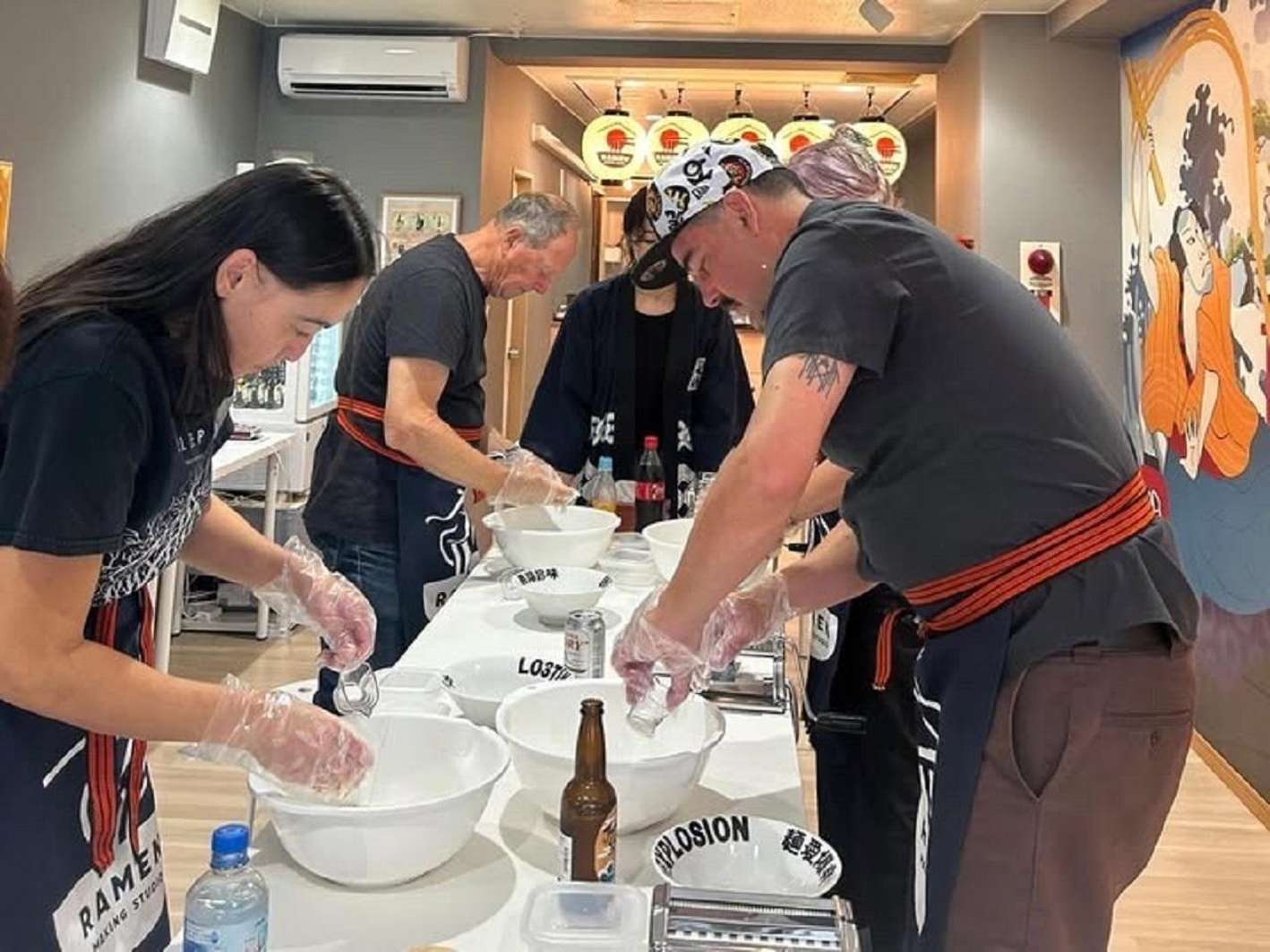
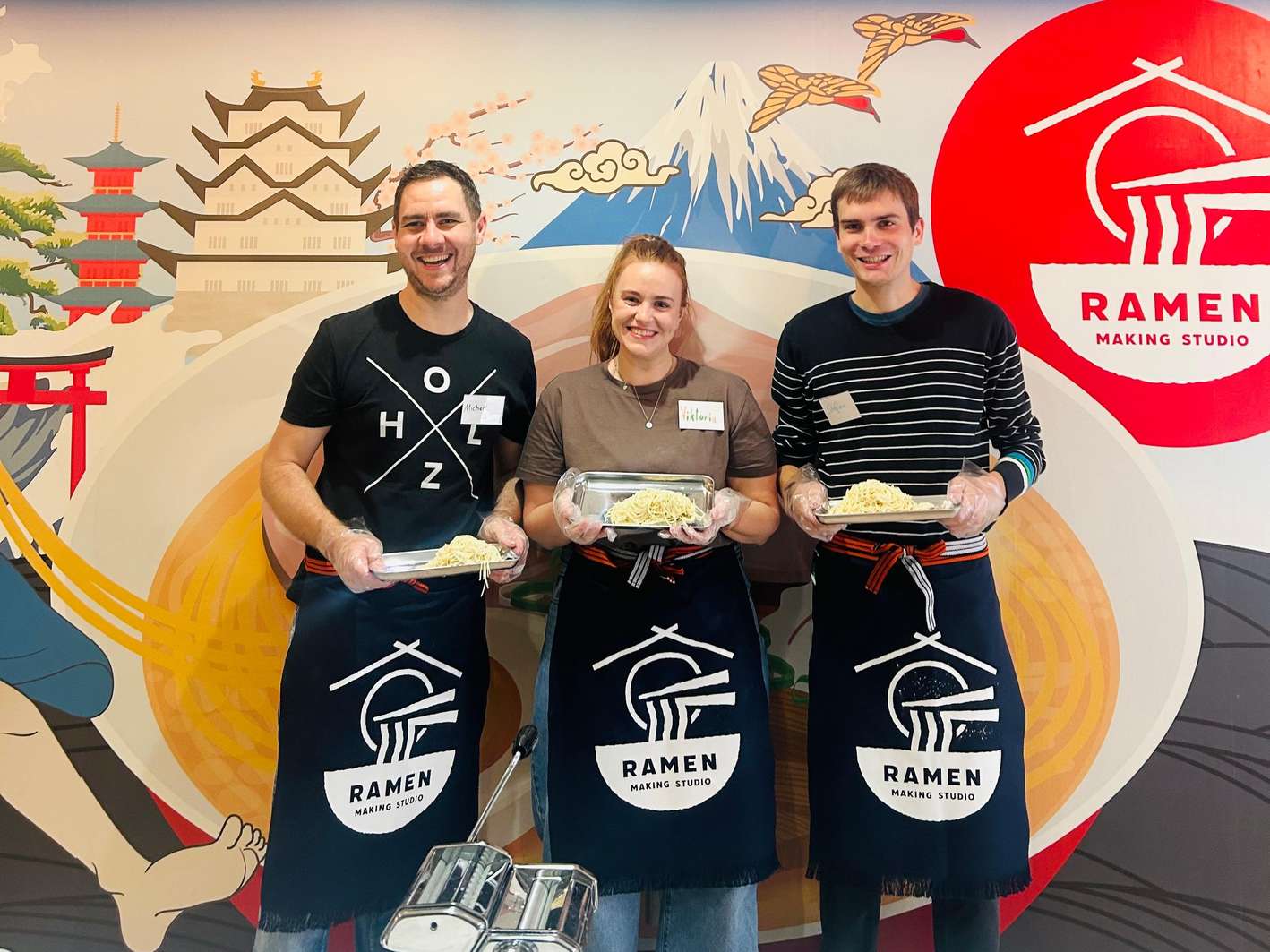
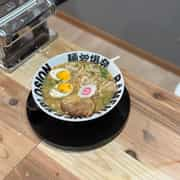
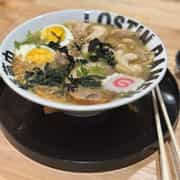
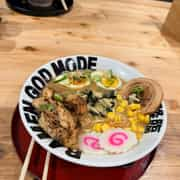
In Osaka the choice is between a Dotonbori class with gyoza or pressed sushi, a Nanba course that ends with a one-hour tasting of sake and beer, and a studio near Osaka Castle where you make noodles, chashu and soup from scratch.
Sessions run two to three hours and suit beginners with English-speaking instructors. Vegetarian and vegan options are available at some classes with advance notice.
Ramen classes in Kyoto split along one line: how much you make yourself. Some sessions put the noodle dough in your hands, others focus on broth or gyoza while the ramen itself is chef prepared. Pick by the wish you want to walk away with: a skill, a full meal, or a painted bowl on top.
Answer a few quick questions and see which class fits your trip.
Popular with solo travelers, families with kids or teens and couples; 99% of solo travelers and 99% of couples gave it 4 or 5 stars.
The only candidate that adds onigiri, with recipes and free coffee and tea.
Your best matchFamilies with kids or teens lead the bookings for this class, and 99% of them gave it 4 or 5 stars.
You knead, roll and cut your own noodles, then eat the bowl as lunch or dinner.
Your best matchFamilies with kids or teens rate it most highly, and 96% of them gave it 4 or 5 stars.
You paint a ramen bowl or spoon and eat Michelin-nominated ramen while it fires.
Your best matchFamilies with kids or teens are its main crowd, and every one of them gave it 4 or 5 stars.
The shortest Kyoto option: an hour of noodle making, then a bowl and a drink.
Your best matchPopular with solo travelers and couples; 100% of solo travelers and 100% of couples gave it 4 or 5 stars.
It pairs ramen and nigiri sushi with a sake tasting set over three hours.
 Your best match
 Your best match
 Your best match
 Your best match
 Your best matchYour best match
Solo travelers and couples take this class most; 100% of solo travelers and 100% of couples gave it 4 or 5 stars.
A three-hour Dotonbori class where gyoza can be swapped for pressed sushi.
Your best matchSolo travelers are its main group, and 98% of them gave it 4 or 5 stars.
You make and taste three mini bowls, tonkotsu, shoyu and miso, in 90 minutes.
 Your best match
 Your best match
 Your best matchYour best match
Families with kids or teens and couples join this class; 98% of families and 97% of couples gave it 4 or 5 stars.
Pro chefs guide you through ramen, gyoza and fried rice over two and a half hours.
Your best matchFamilies with kids or teens and solo travelers join this one; 98% of solo travelers and 92% of families gave it 4 or 5 stars.
The quickest and simplest option: an easy hour in Kabukicho with drink add-ons.
Your best matchCouples, friends and solo travelers all book it; 100% of couples and 92% of solo travelers gave it 4 or 5 stars.
It ends with a one-hour tasting session poured with sake, beer or soft drinks.
Your best matchFamilies with kids or teens are its core audience, and 98% of them gave it 4 or 5 stars.
A two-hour studio near Osaka Castle with a souvenir gift and a free drink.
Families with kids or teens, friends and solo travelers take it; 100% of families and 100% of friends gave it 4 or 5 stars.
You cook with a view of Namba and Tsutenkaku Tower from the studio windows.
 Your best match
 Your best match
Families with kids or teens, friends and couples fill it; 100% of families and 100% of couples gave it 4 or 5 stars.
Every noodle and gyoza wrapper is gluten-free, made with rice flour.
 Your best match
 Your best match
100% of families loved it
Kyoto: Make Ramen from Scratch & Eat Your Own BowlFrom $125 /personKyoto: Paint Your Own Ramen Bowl & Michelin Ramen ClassFrom $70 /personKyoto Michelin Ramen Noodle Making ClassFrom $46 /personTokyo: Sushi and Ramen Cooking Class with Sake Pairing SetFrom $127 /personTokyo: Private Japanese Cooking Class with a Local ChefFrom $120 /personRamen Broth Class by Michelin Guide Shop & Custom ChopsticksFrom $76 /personRamen Making from Scratch +Akihabara Tour, Cooking ClassFrom $118 /personTokyo Vegan Food TourFrom $104 /personTokyo: Ramen & Gyoza Class with Local Supermarket TourFrom $117 /personOsaka: Ramen and Gyoza Cooking Class in DotonboriFrom $70 /personTokyo: Shibuya Ramen Class: Make Tonkotsu, Shoyu & MisoFrom $79 /personMade from flour in 30 Minutes! Ramen Noodle-Making Experience!From $51 /personTokyo Private Cooking Class: Ramen & Gyoza, Japan Home ExpFrom $60 /personOsaka Ramen & Chopsticks Making Experience, Make it. Use itFrom $70 /personKyoto Ramen & Gyoza Cooking Class with Professional ChefsFrom $92 /personTokyo: Easy Ramen Cooking Experience in Kabukicho, ShinjukuFrom $28 /personOsaka: Cooking Class Ramen & Gyoza Course in NanbaFrom $69 /personOsaka Castle Area Ramen-Making Experience with SouvenirFrom $63 /personOsaka: Ramen and Gyoza Cooking Class with City ViewsFrom $100 /personOsaka: Dotonbori Ramen Making | Tonkotsu, Shoyu & MisoFrom $32 /personOsaka: Gluten-Free Ramen and Gyoza Cooking ClassFrom $101 /personExclusive Tokyo Ramen Kitchen ExperienceFrom $82 /personTokyo: Indoor activity: Ramen & Dumpling CookingFrom $79 /personNine ways to make your own bowl, in three cities. Compare what you cook, how long it takes and what you take home.
One hour in Shinjuku, the shortest class here, and the cheapest way in. Good if you want to keep the day for sightseeing.
Three dishes in 90 minutes in Kyoto, focused on broth and gyoza wrapping so you can repeat the recipes at home.
Two hours within walking distance of Osaka Castle, making noodles, chashu and your chosen soup from scratch, souvenir included.
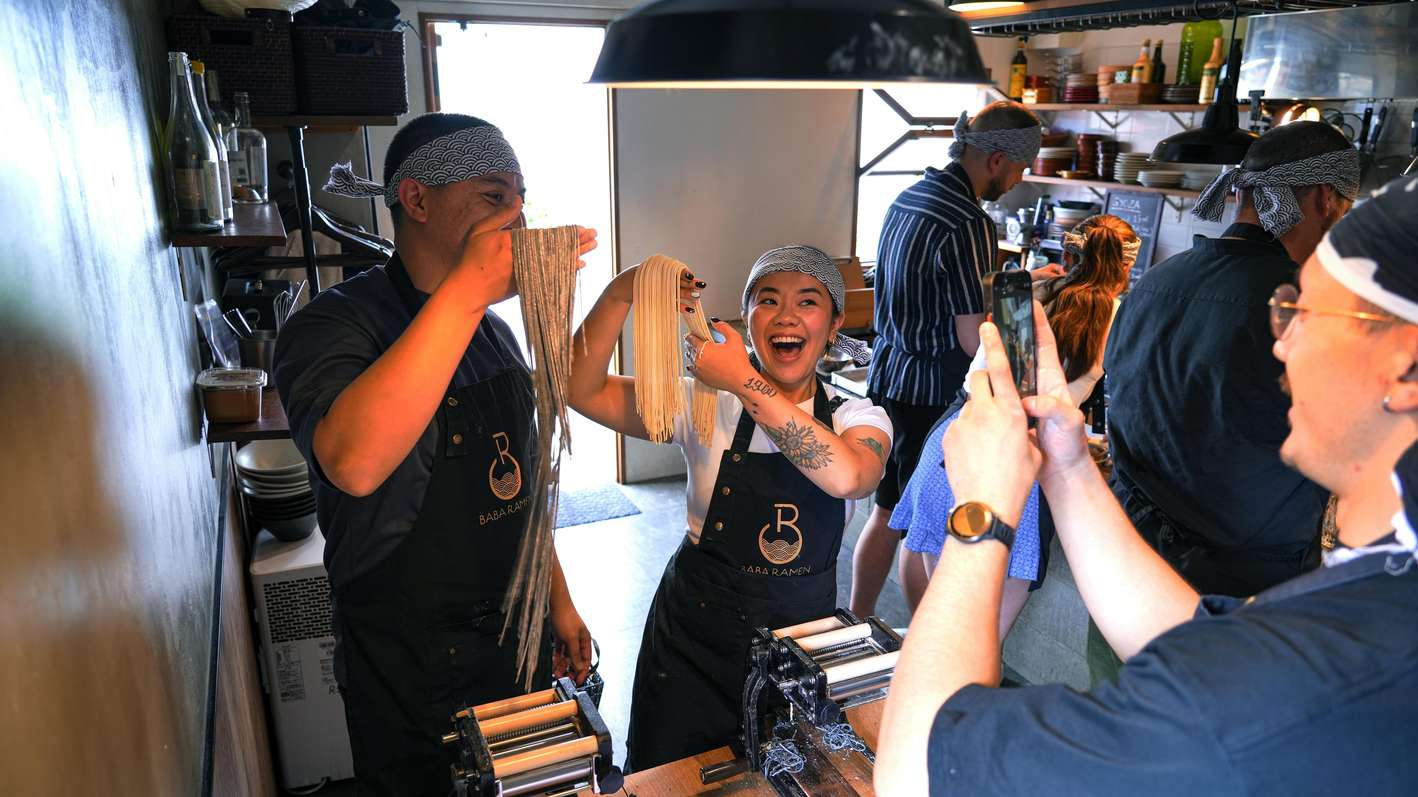
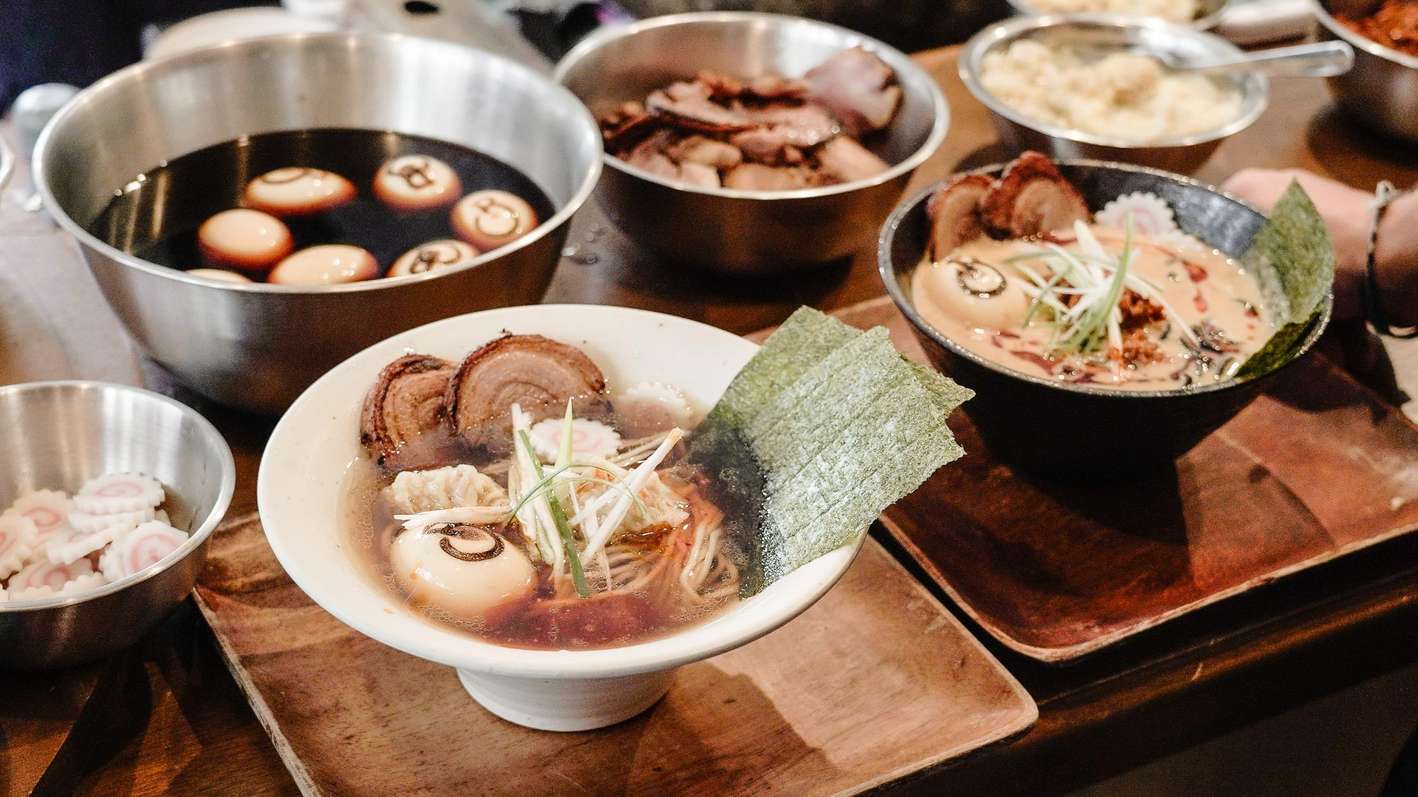
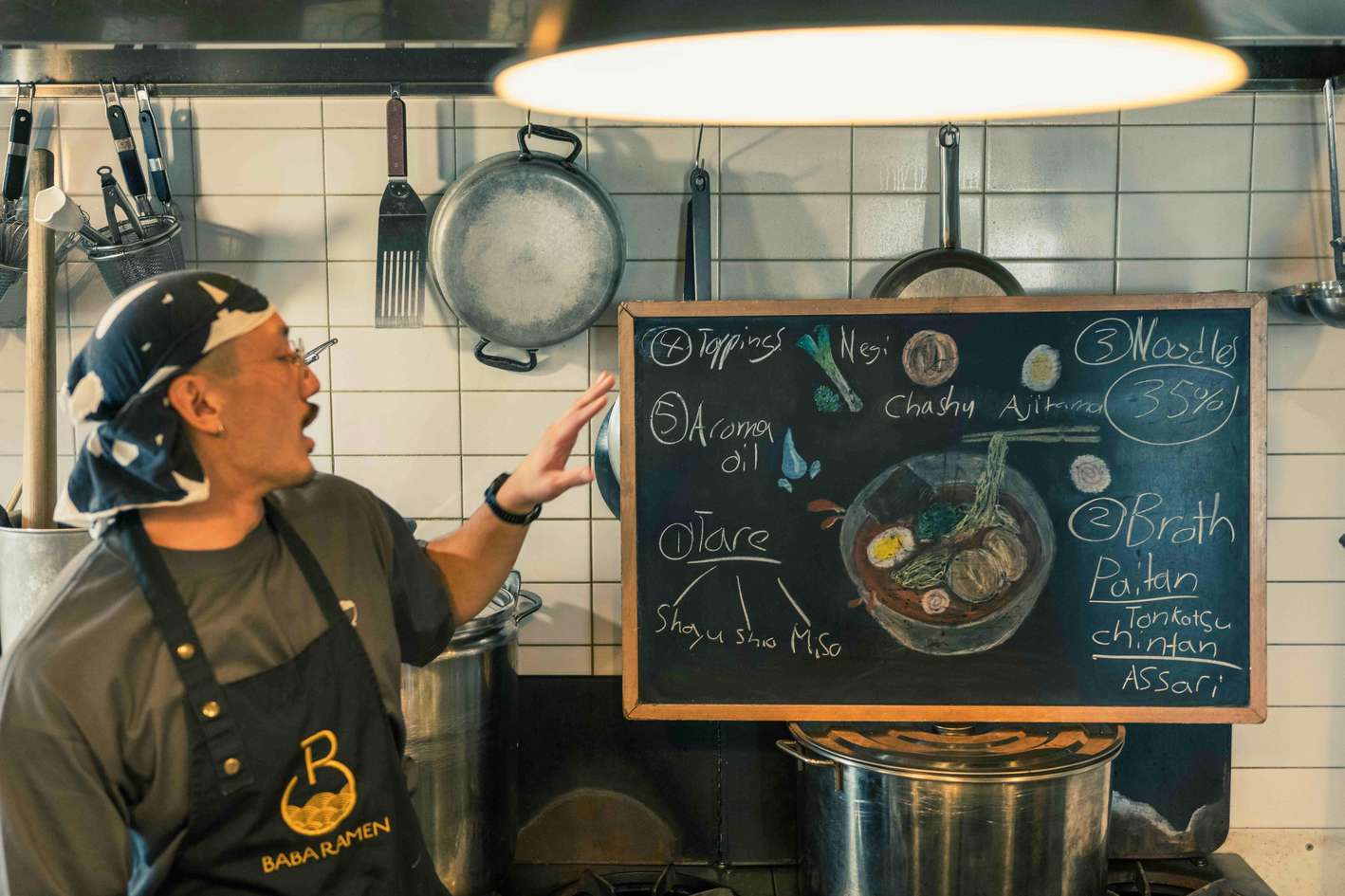
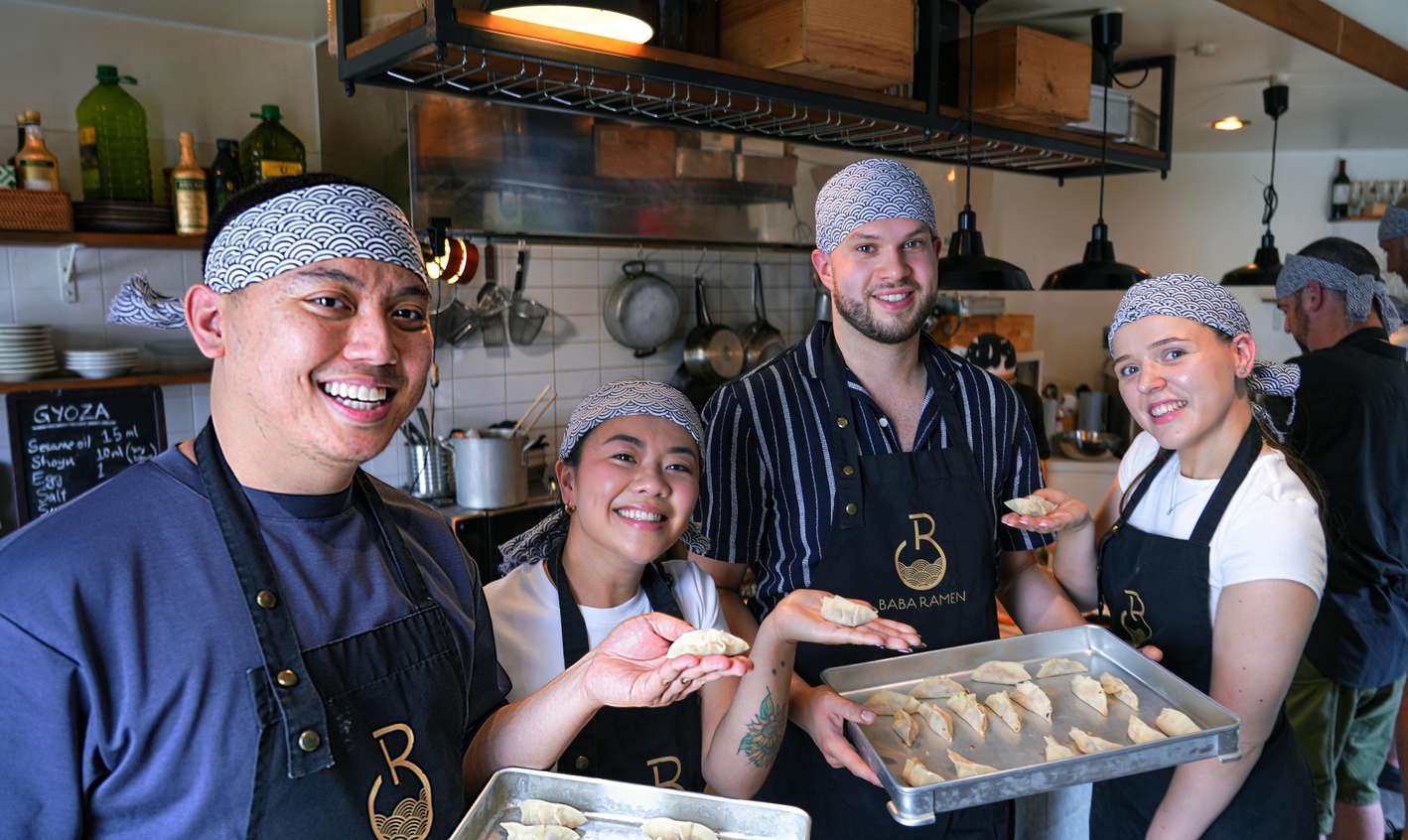
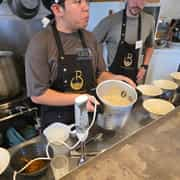

A real Tokyo restaurant kitchen, two to three and a half hours, with bone breaking for broth and an A5 wagyu evening option.
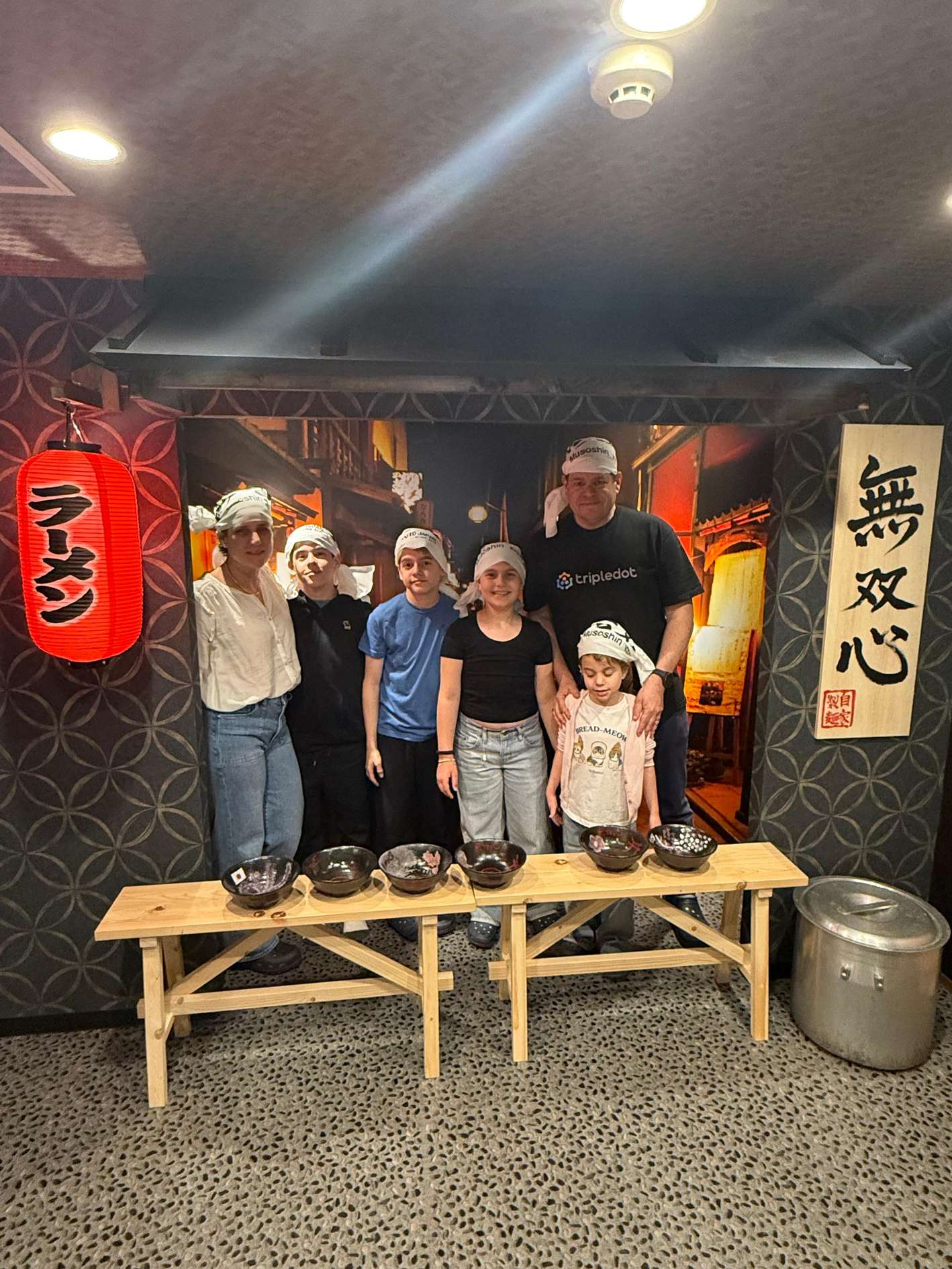
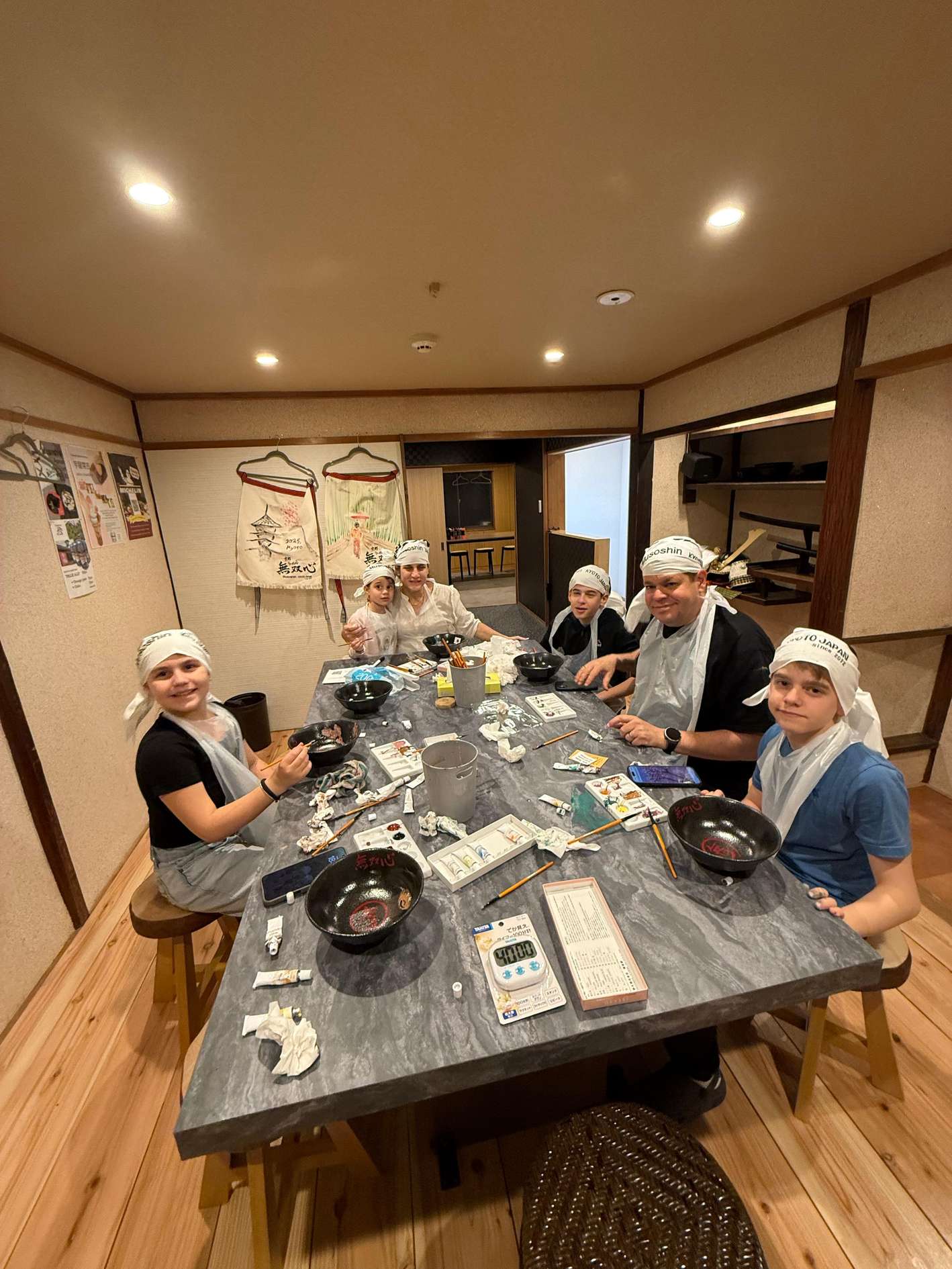
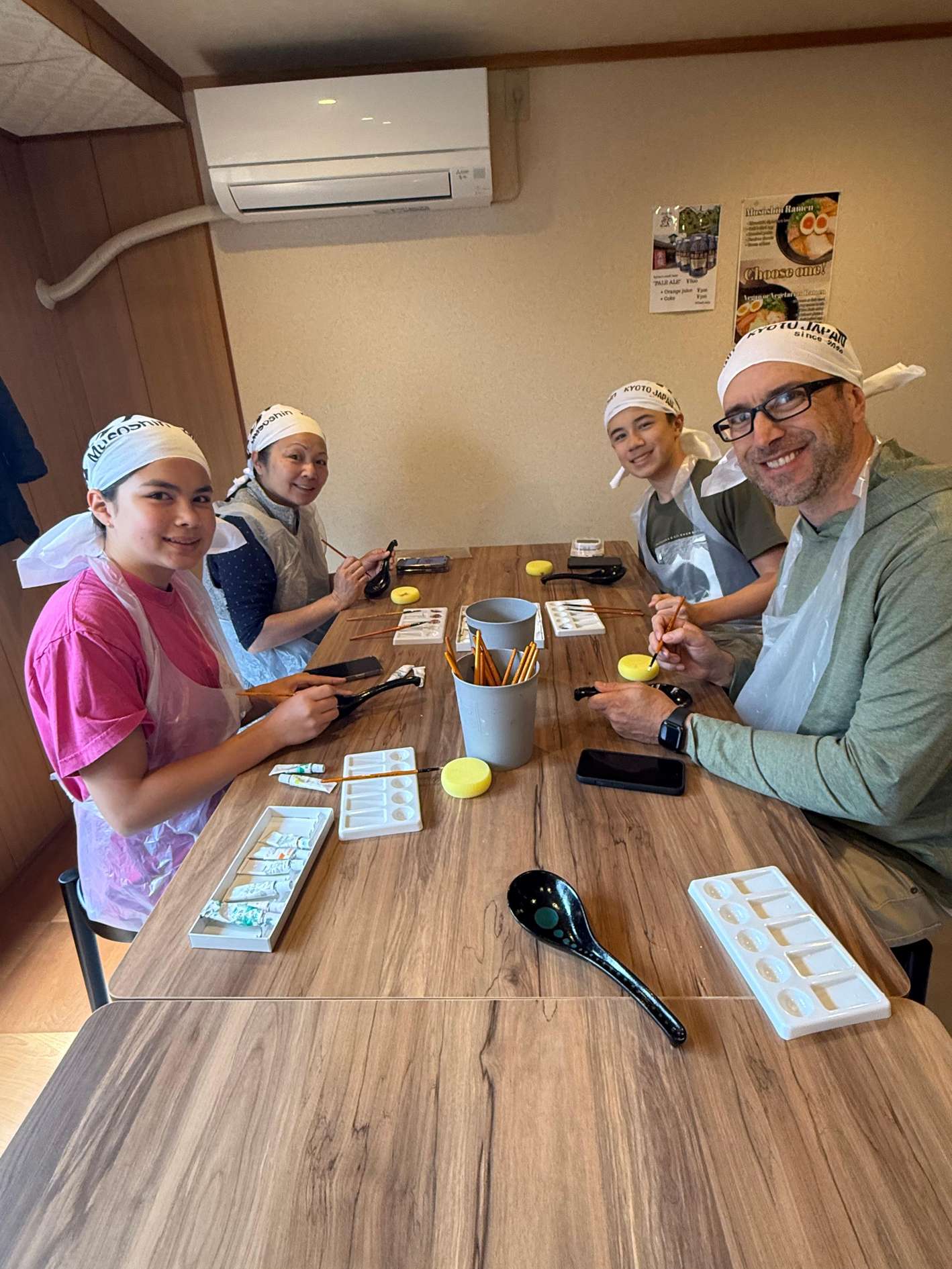
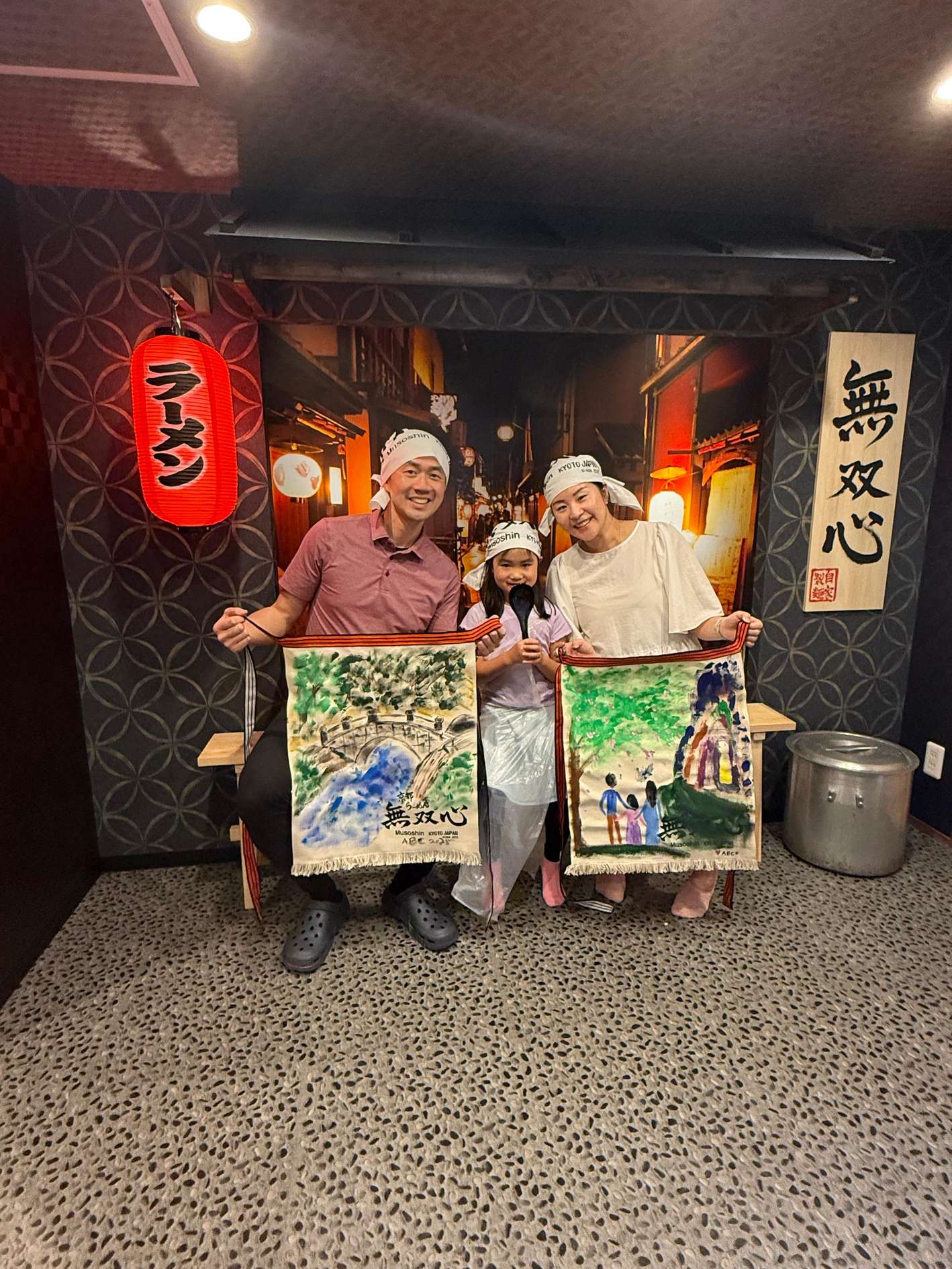
Paint a ramen bowl or spoon in Kyoto, then cook and eat Michelin-nominated ramen. Fired pieces are ready the next day.
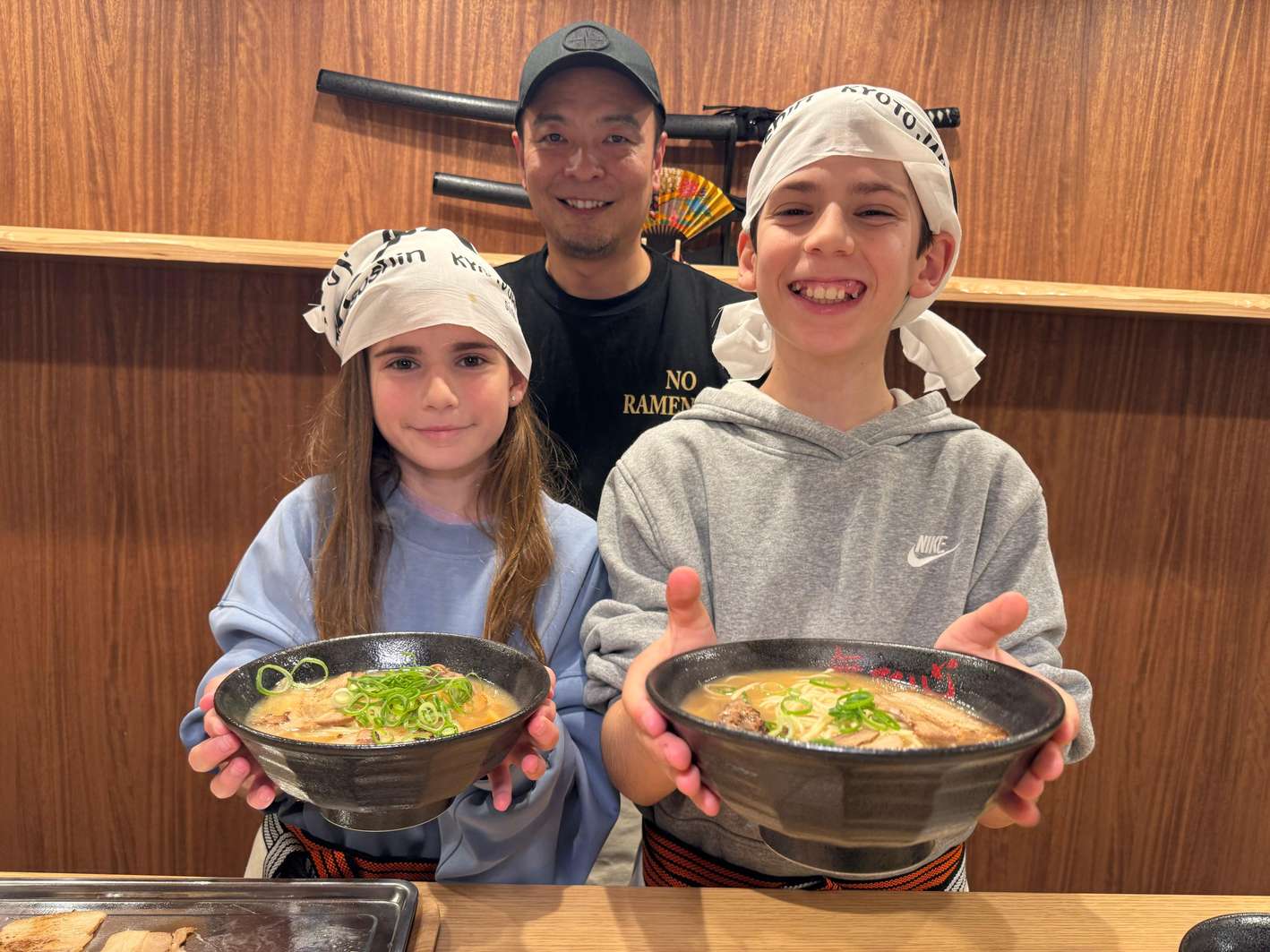
Ninety minutes of real noodle making, with a quiz on ramen history, then your bowl as lunch or dinner. Dietary versions at no extra cost.
Three hours in Osaka's Minami district making noodles and gyoza from scratch, or swap the gyoza for wagyu pressed sushi.
Ninety minutes in a Shibuya studio making tonkotsu, shoyu and miso side by side, so you learn which flavor you actually prefer.
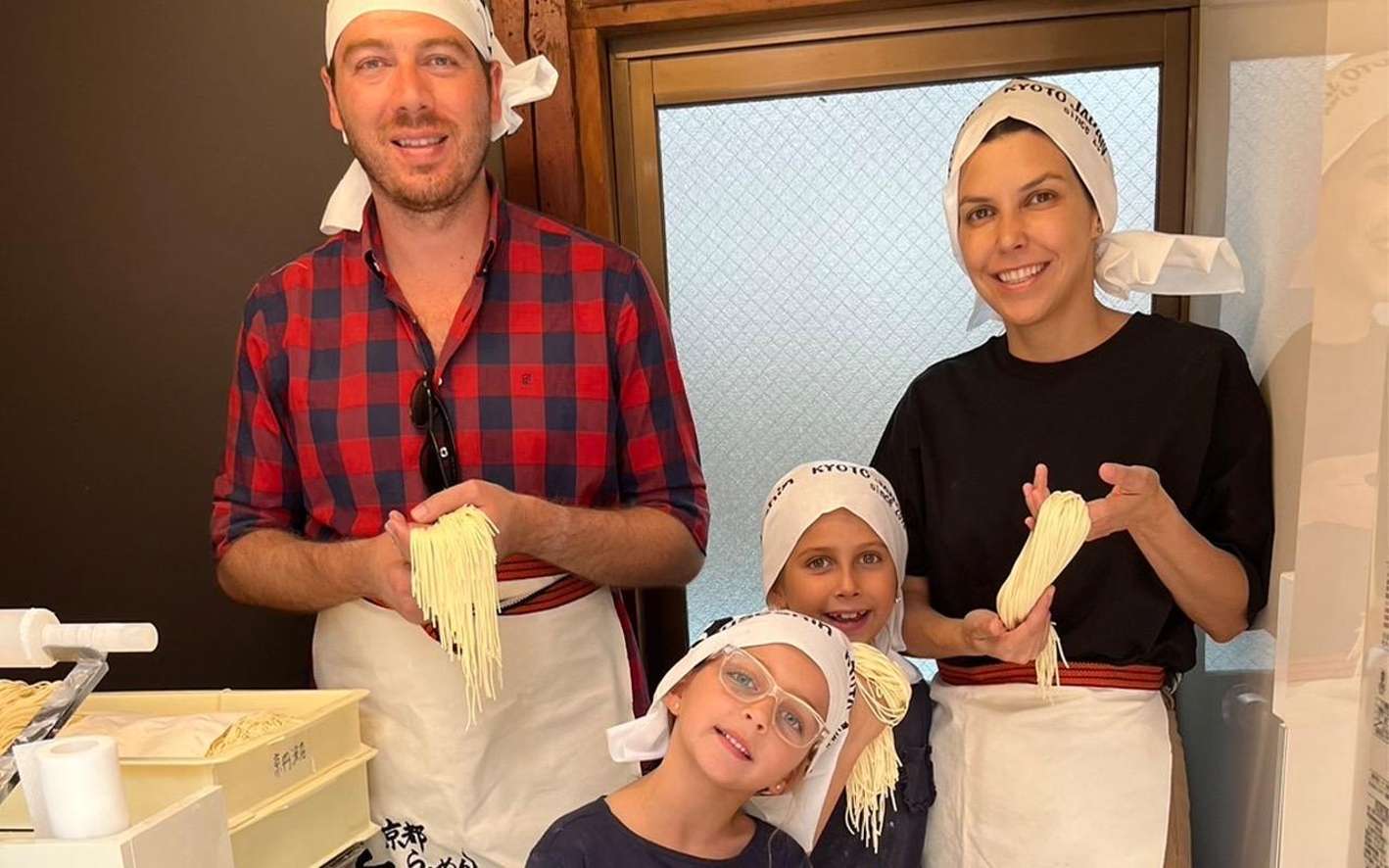
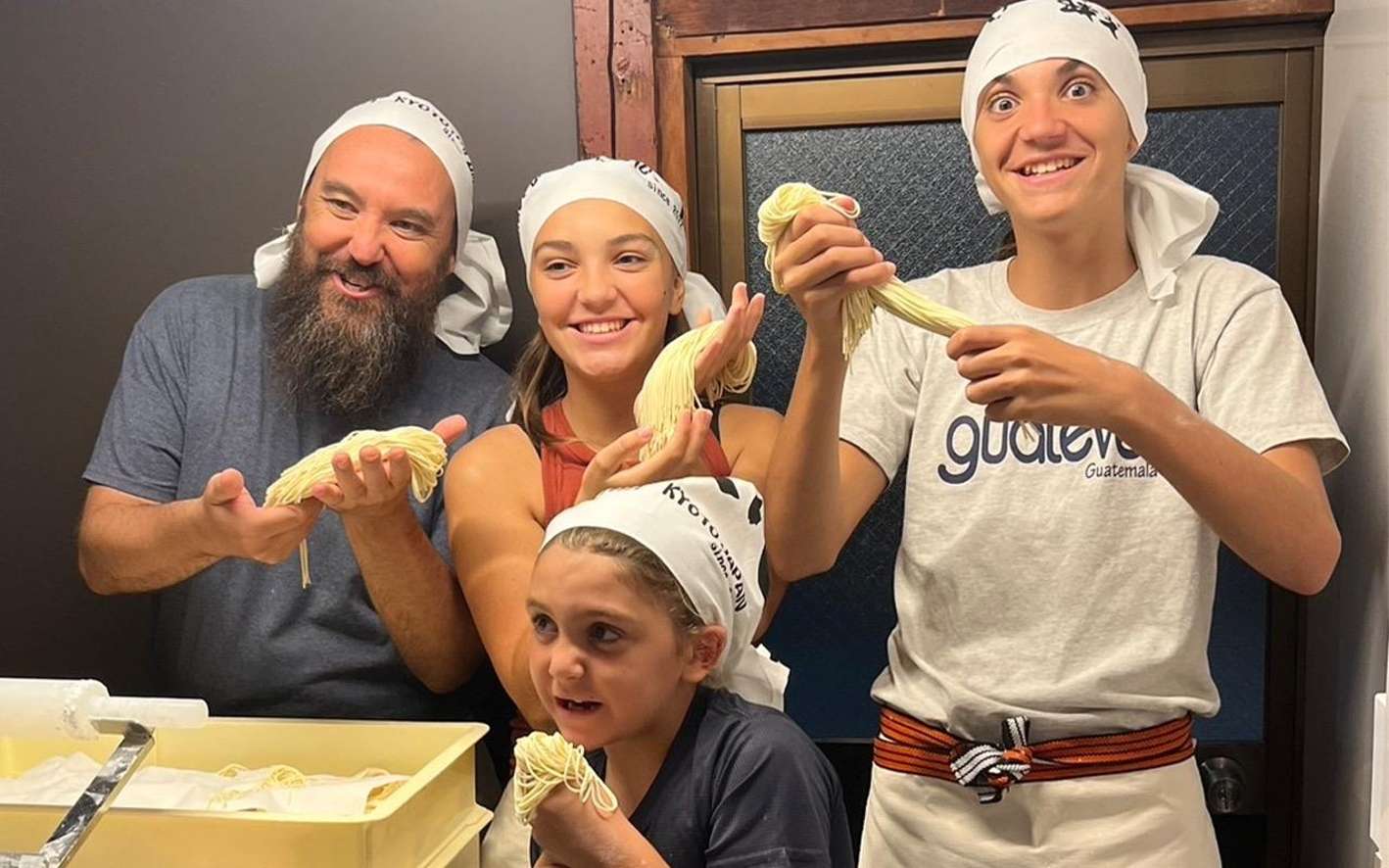
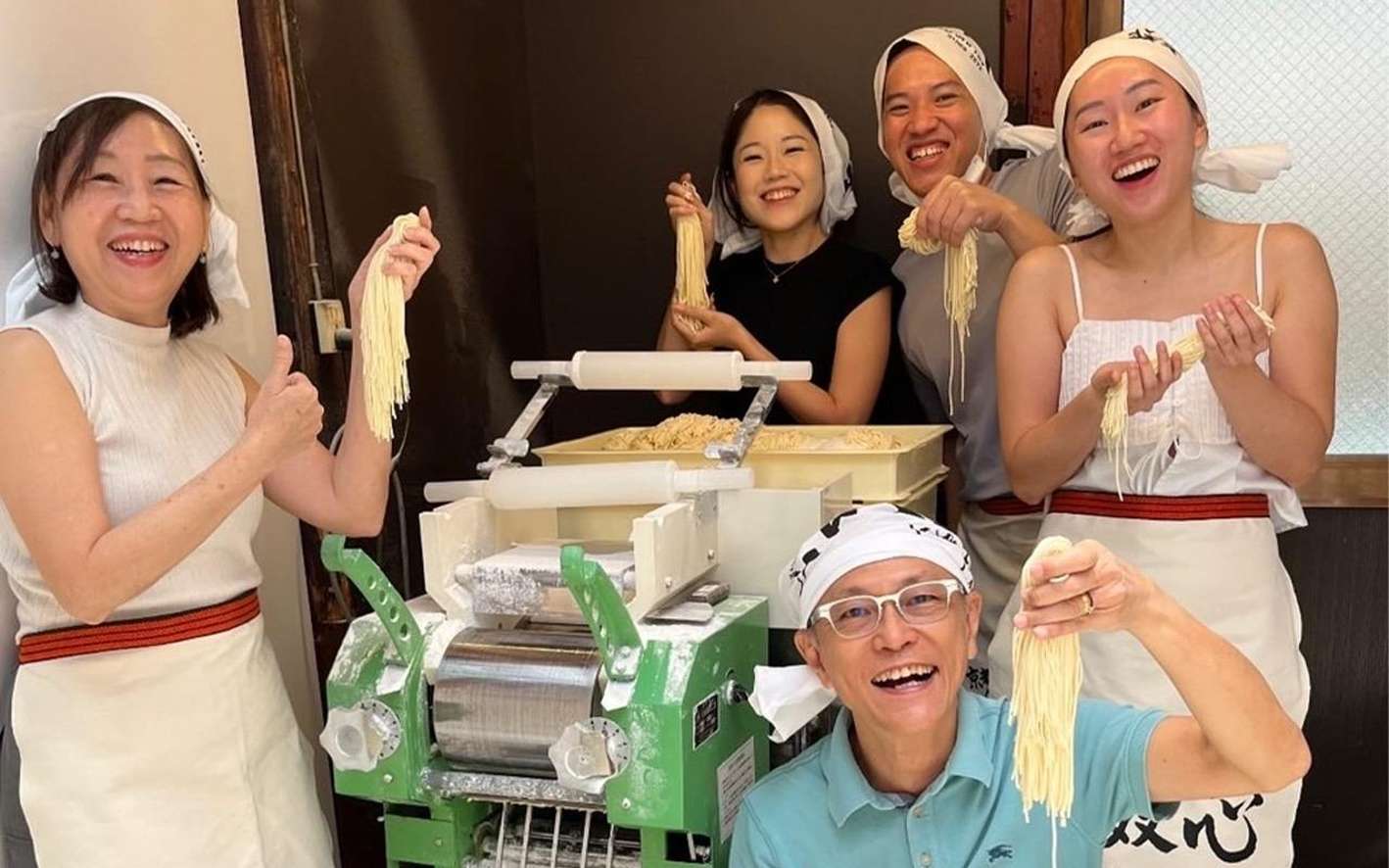
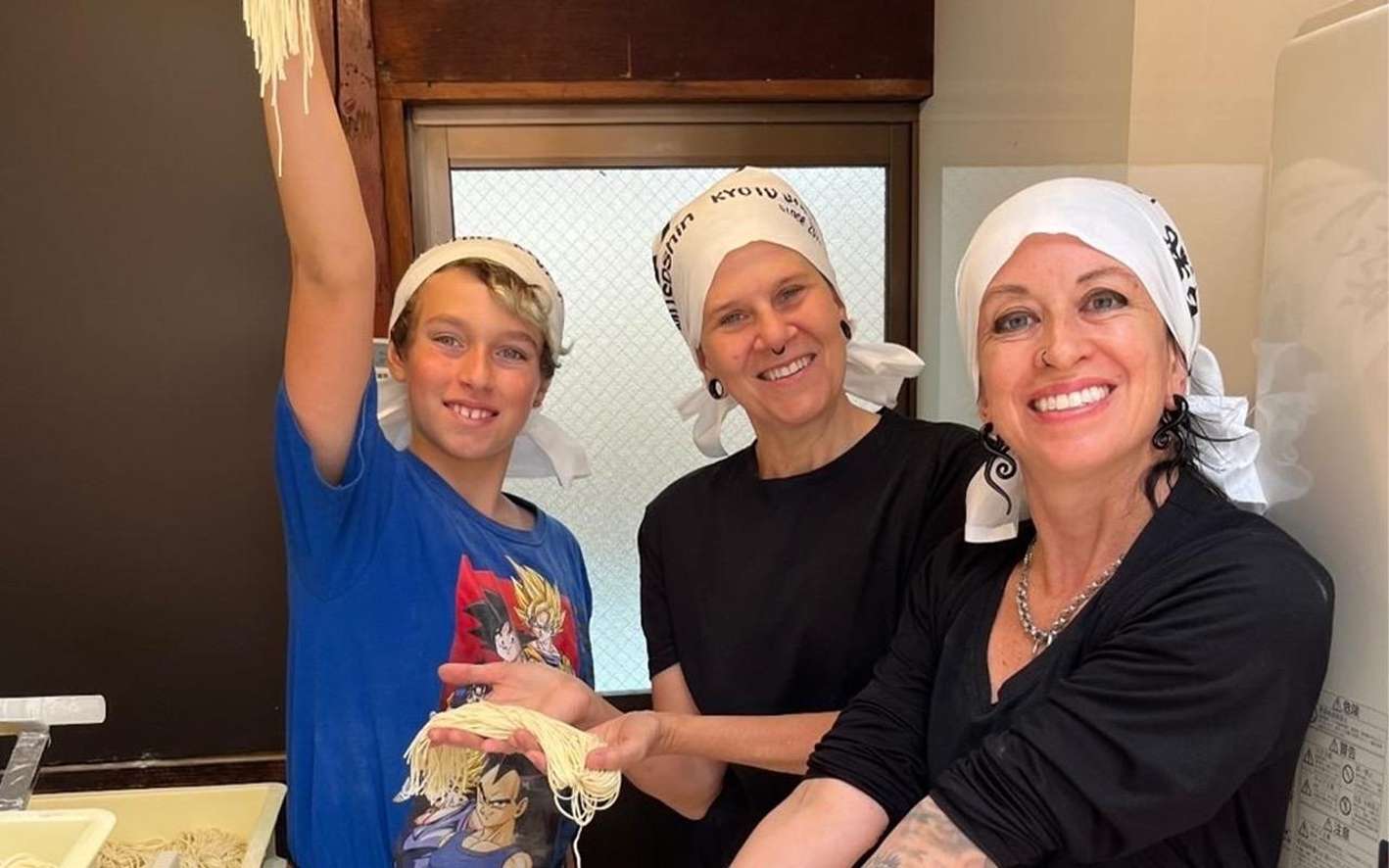
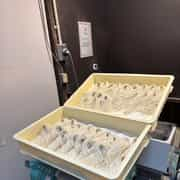
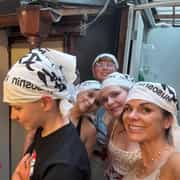
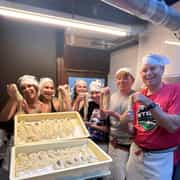
One hour with the family-run ramen restaurant behind a Kyoto workshop, finishing with a chef-made bowl and drink at the restaurant.
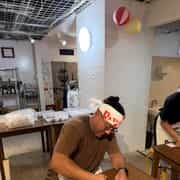
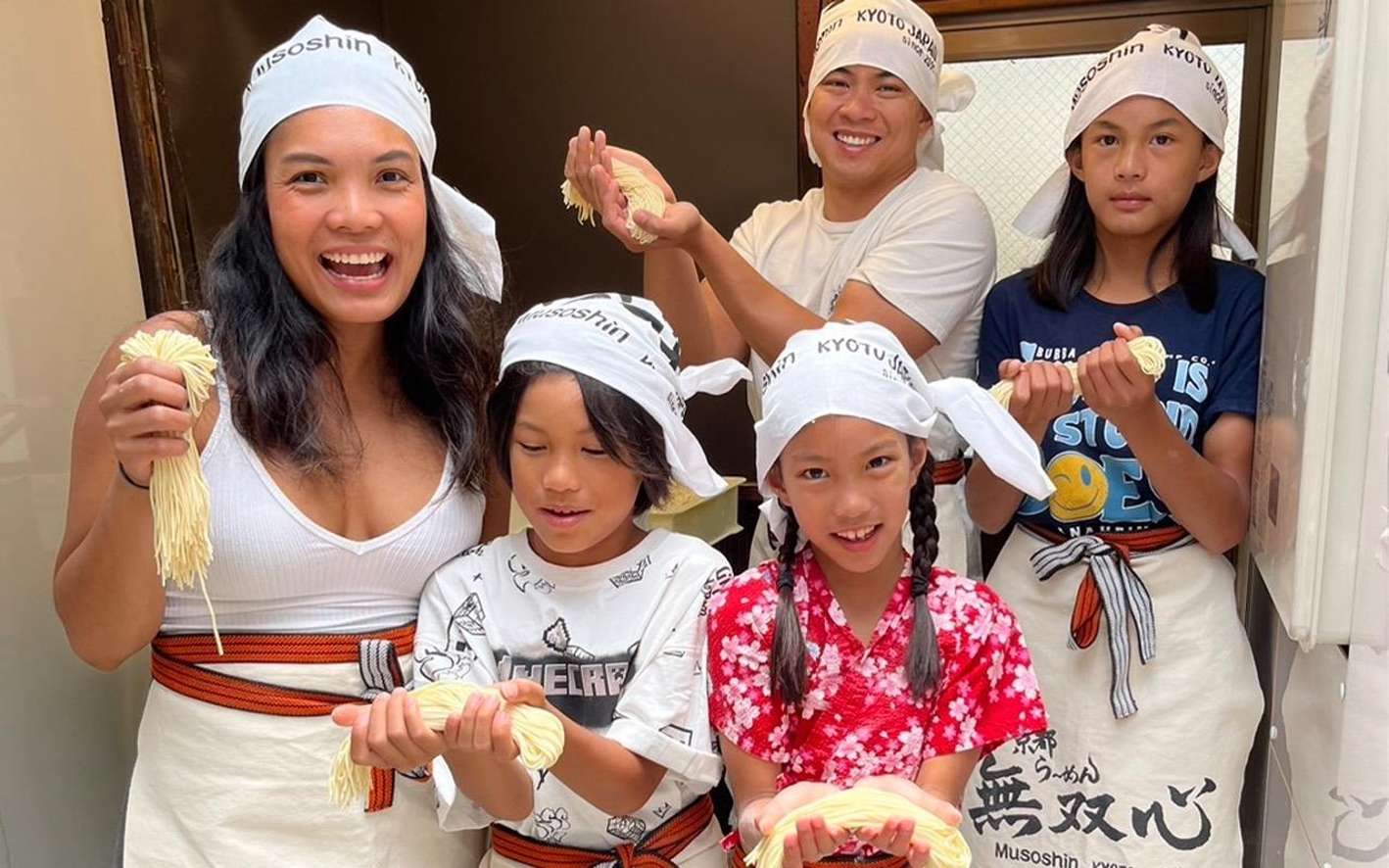
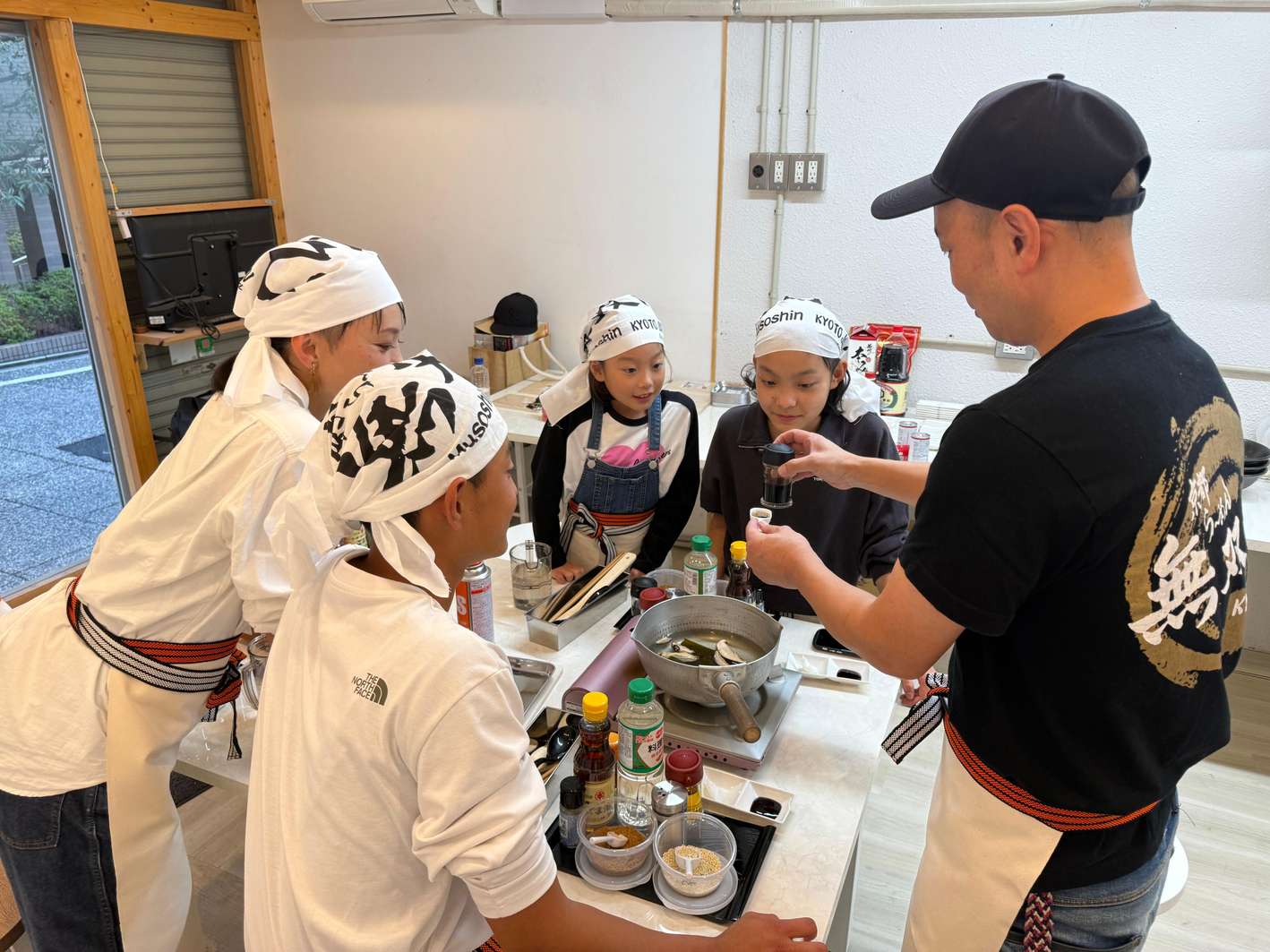
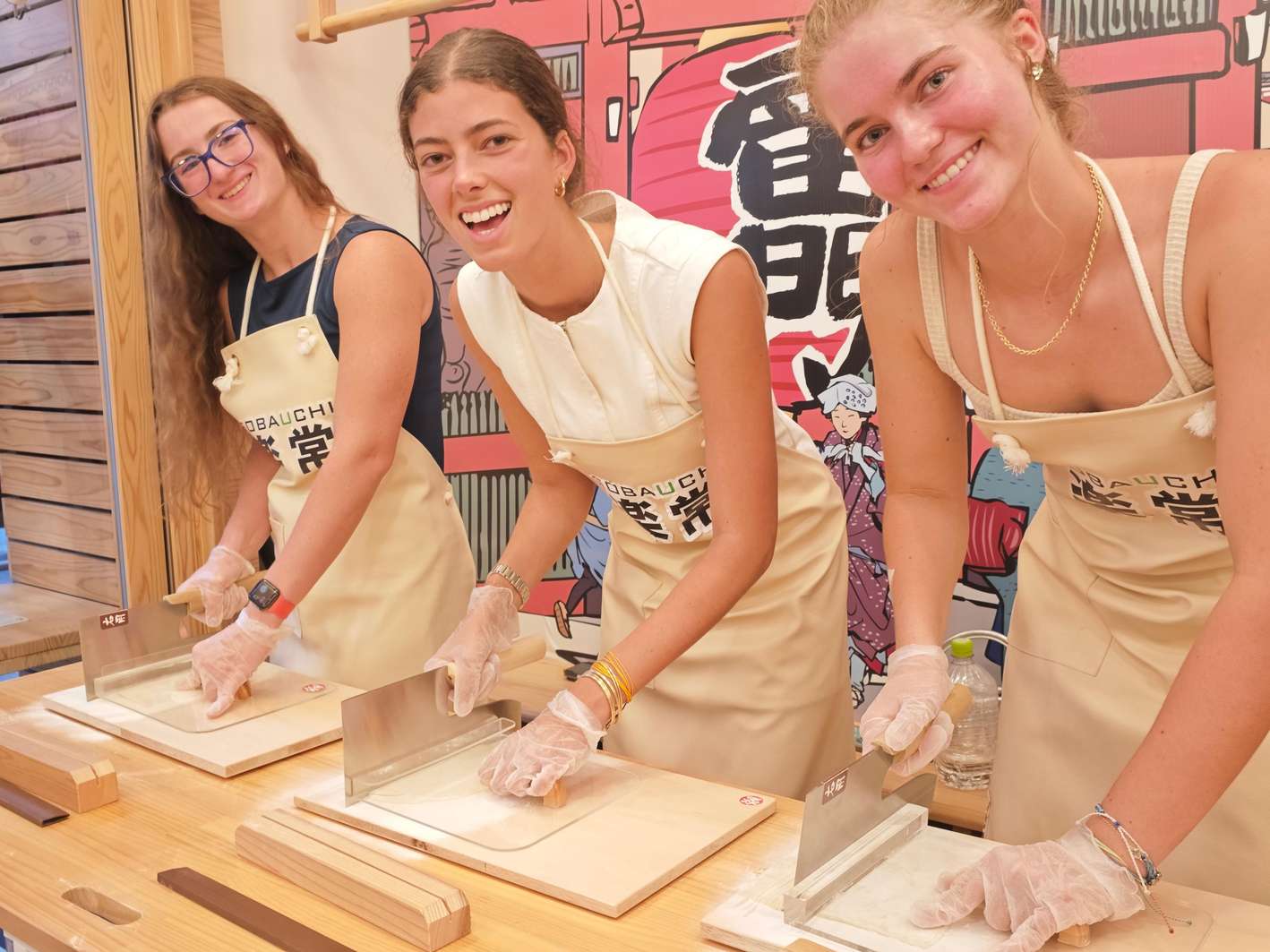
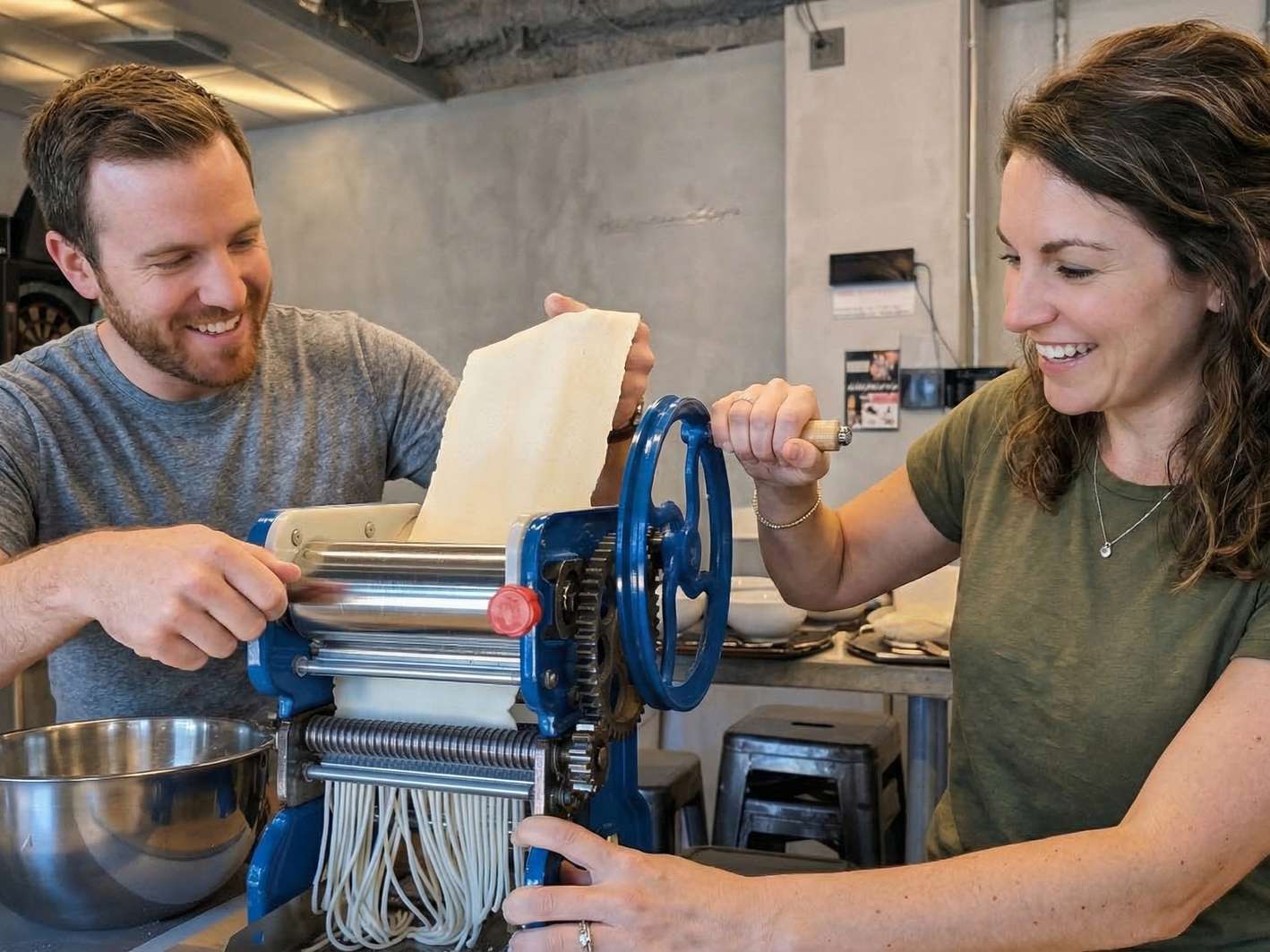
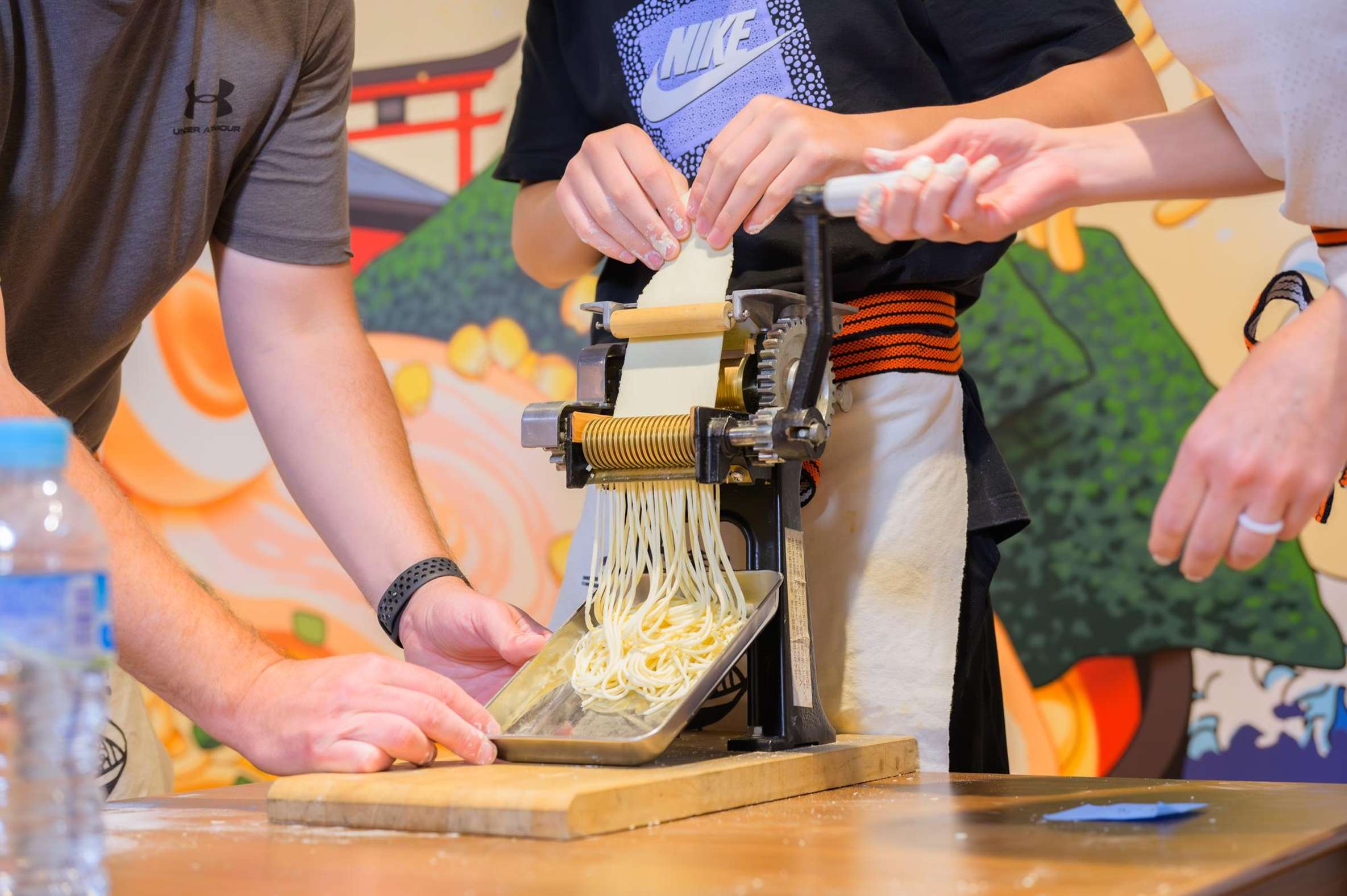
The kneading is the part people talk about afterward. You fold the noodle dough by hand, more than 100 times, and most guests lose count somewhere around 30.
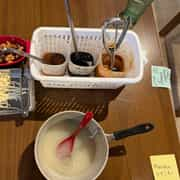
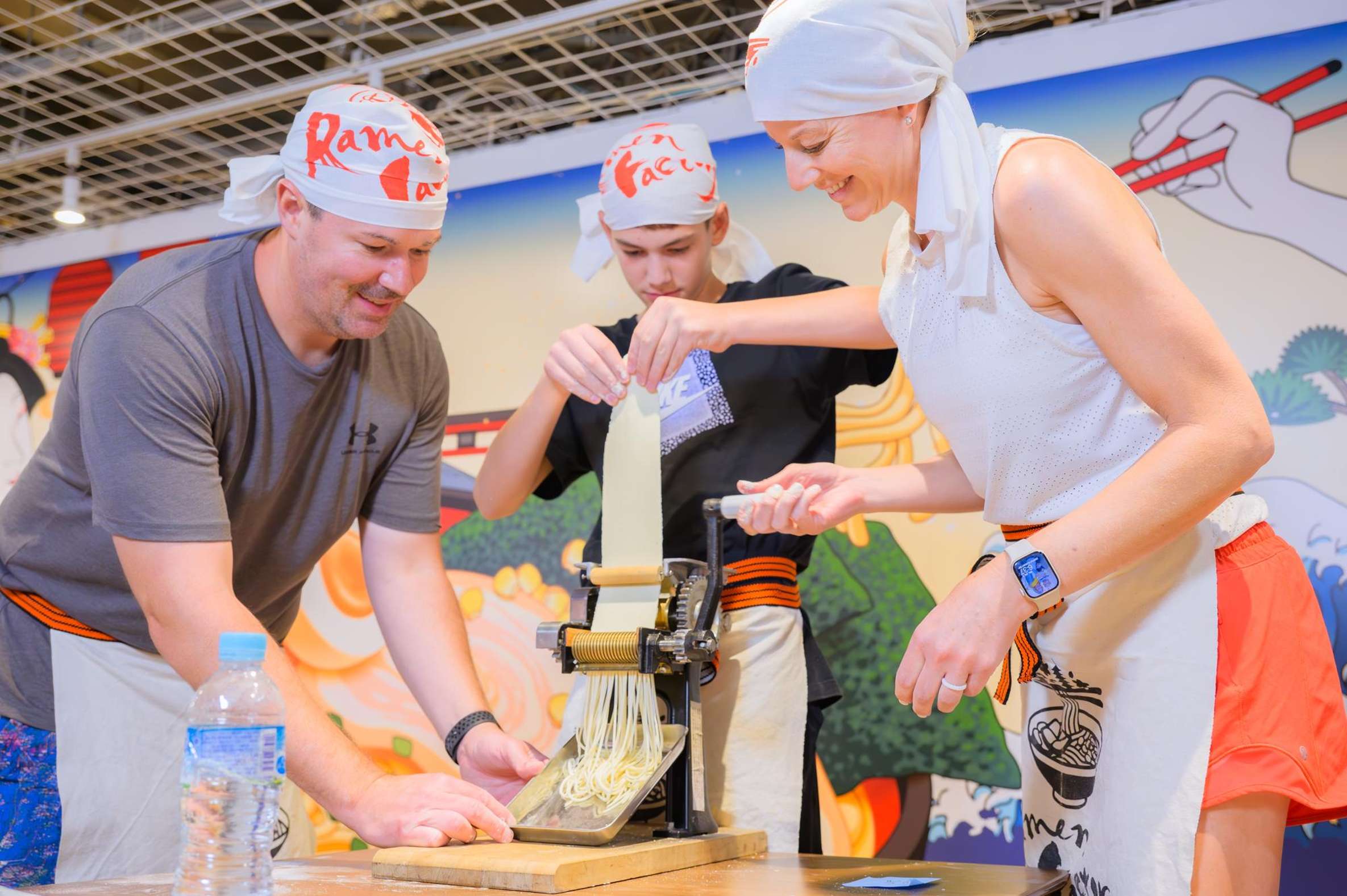
Then the dough goes through a noodle machine to roll flat and cut into strands, and you prepare chashu and choose the soup base and oils for your bowl.
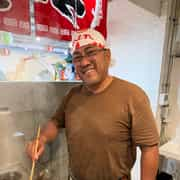
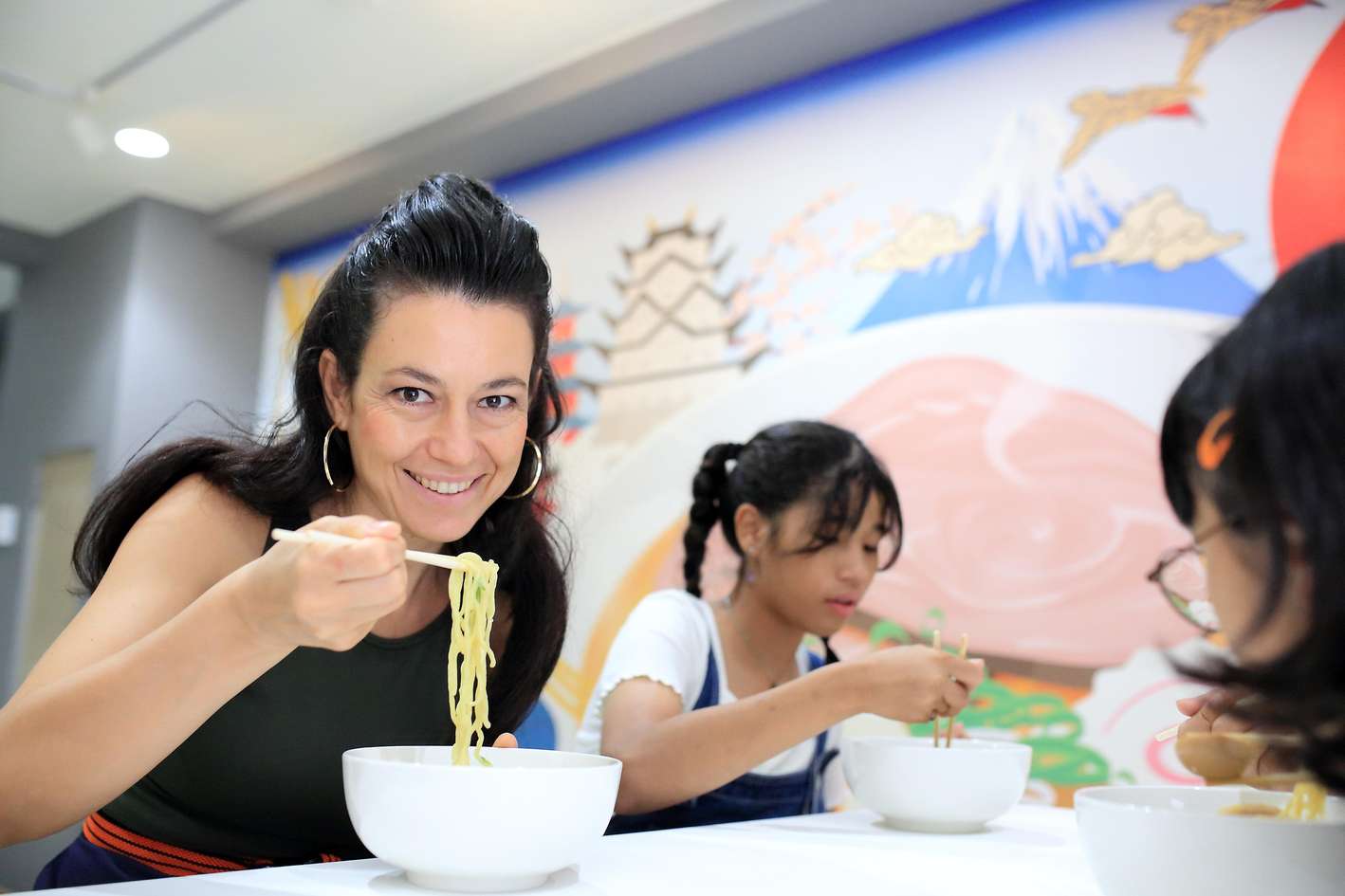
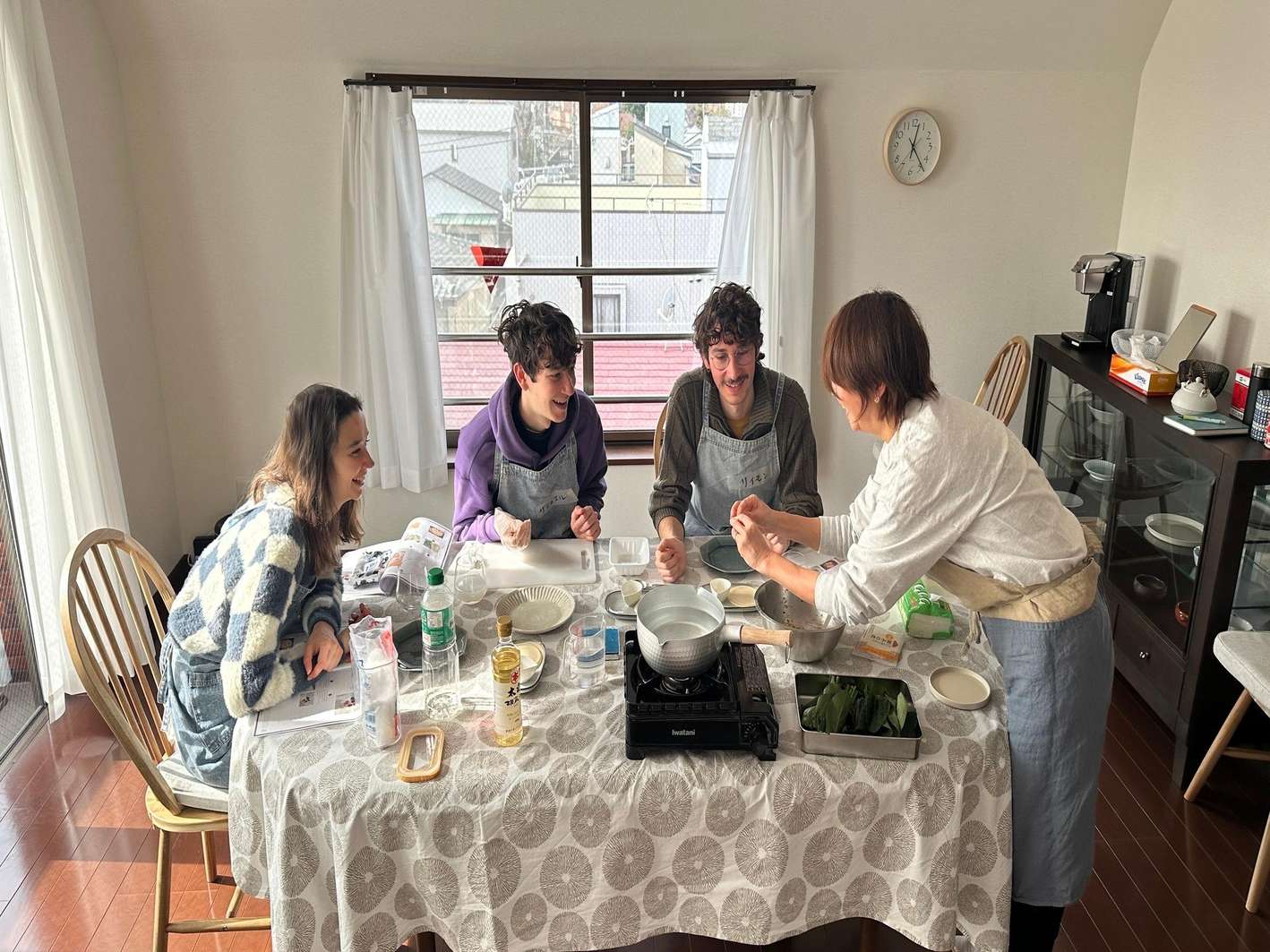
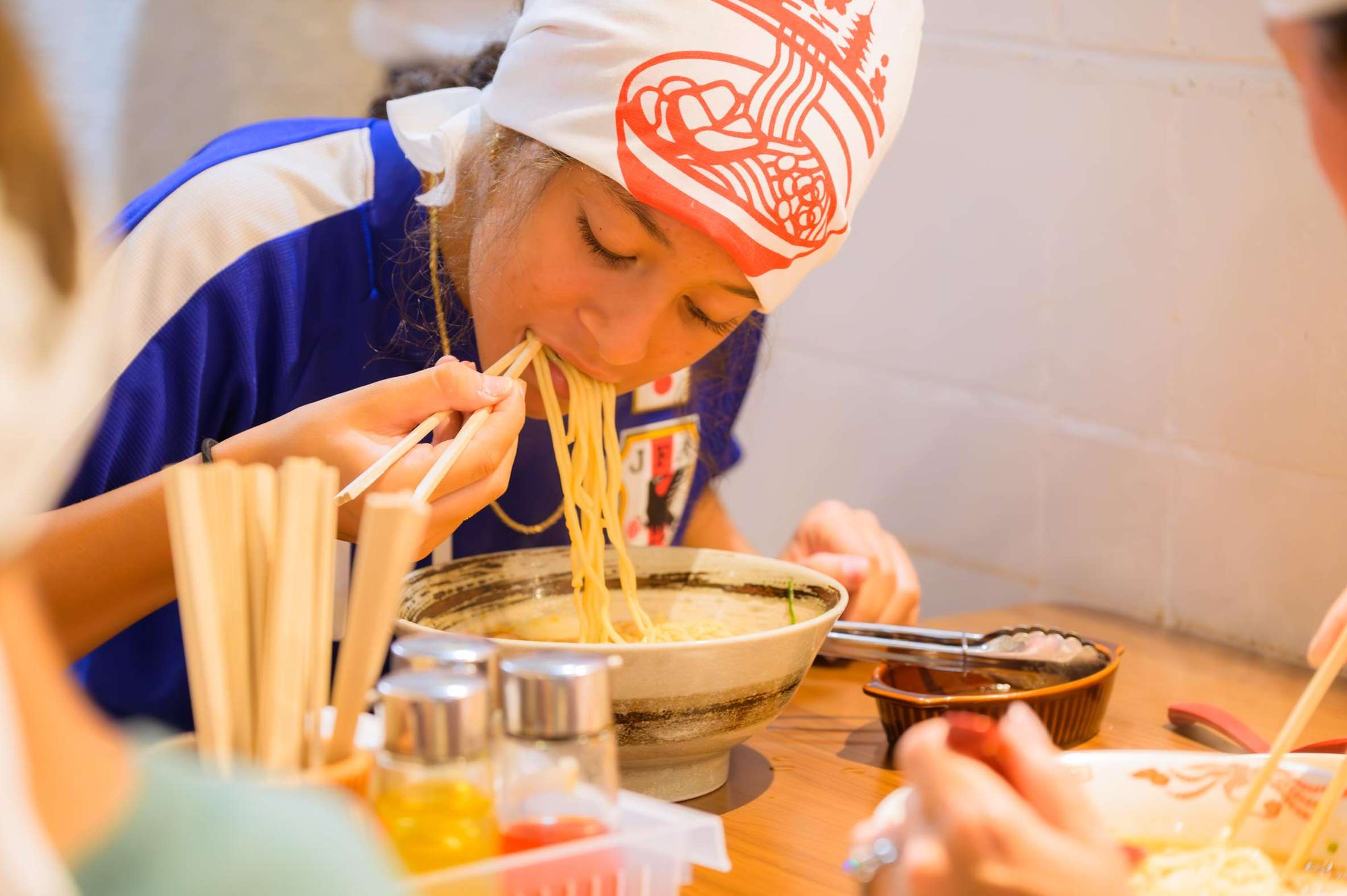
Instructors open with a short quiz on how ramen got its name, then guide every table step by step. When the bowl is ready, you sit down and eat it as lunch or dinner.
The class runs 90 minutes and is guided in English, with vegan, gluten-free and halal versions swapped in at no extra charge if you ask after booking.
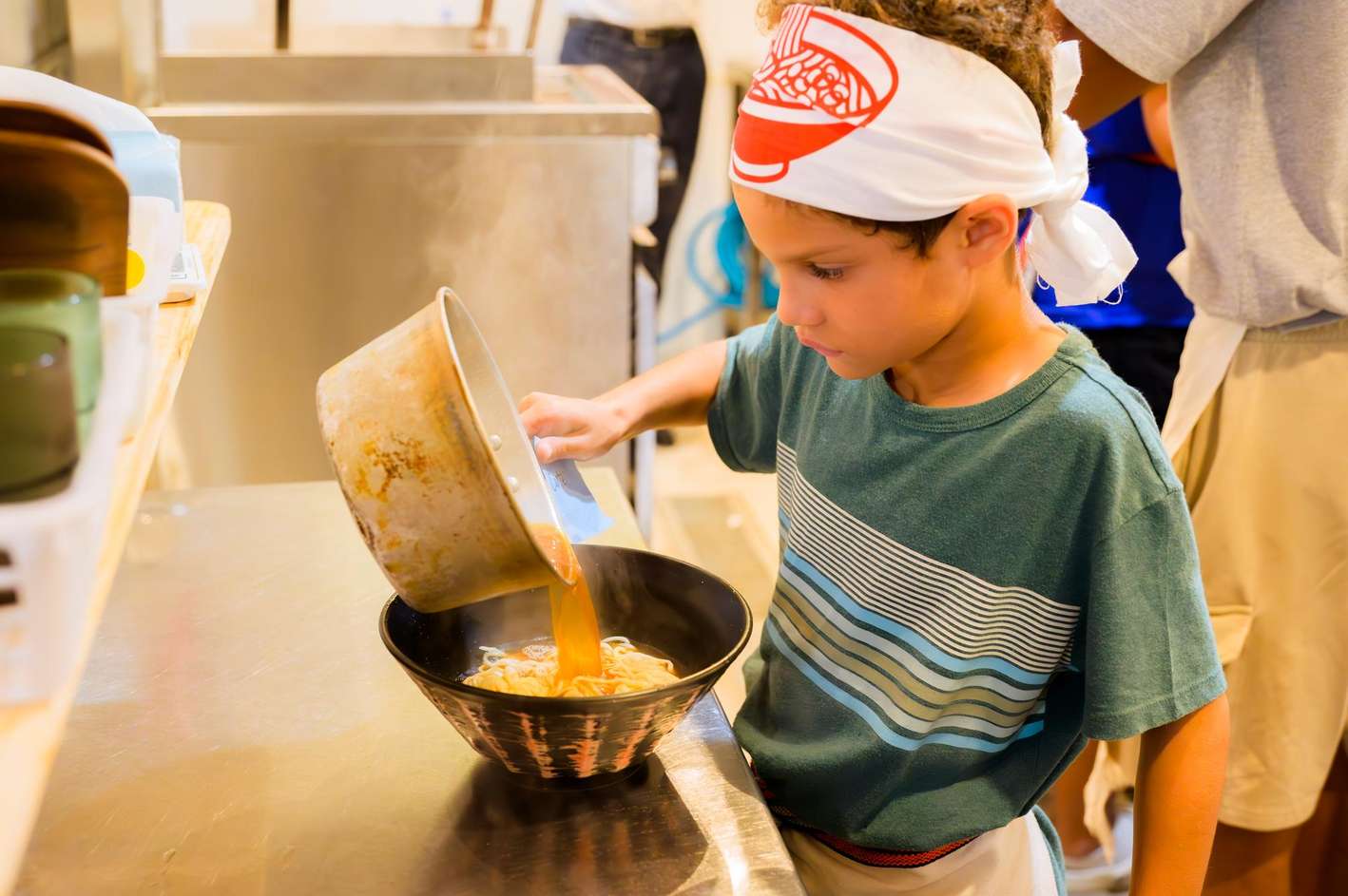
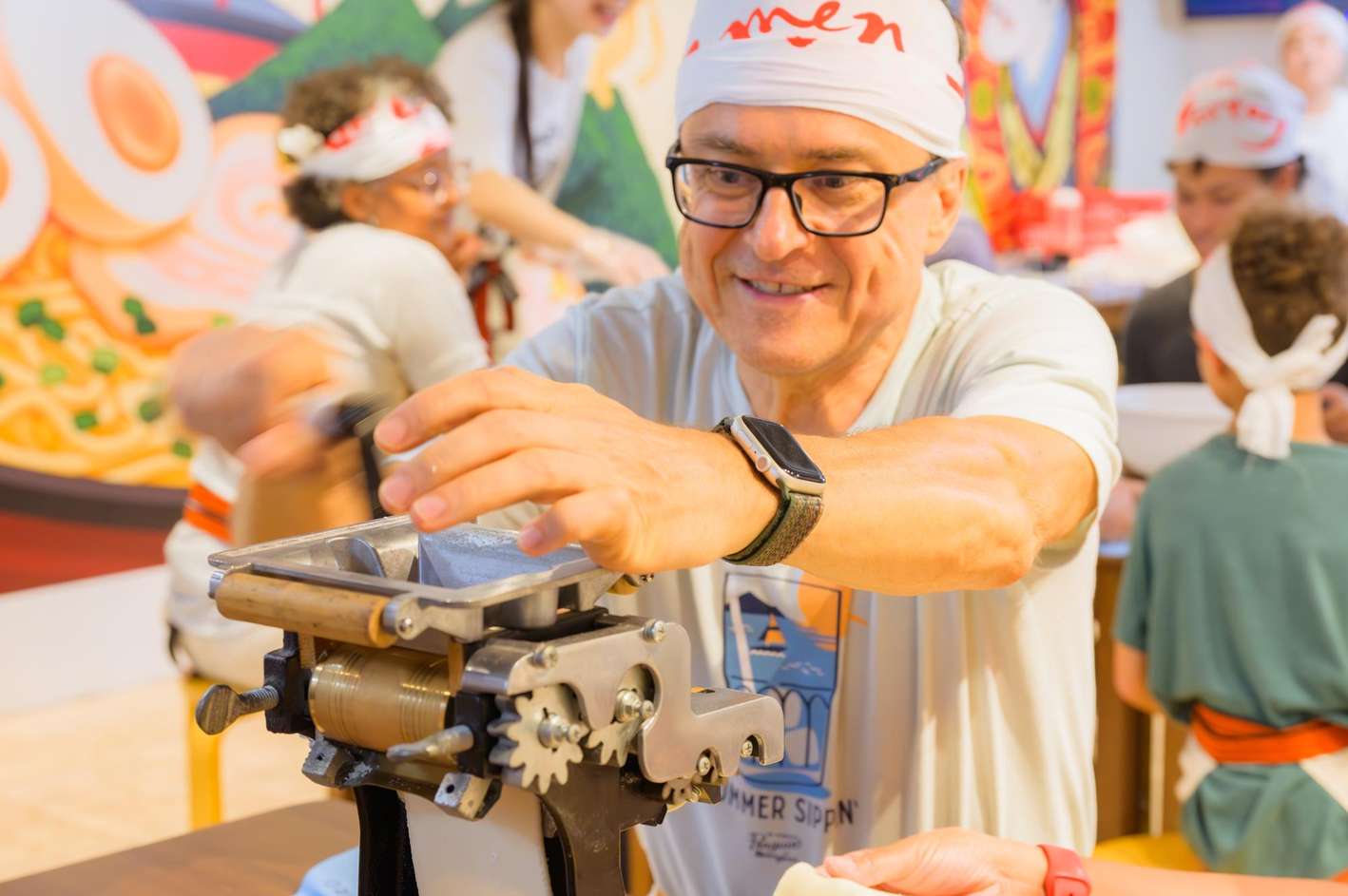
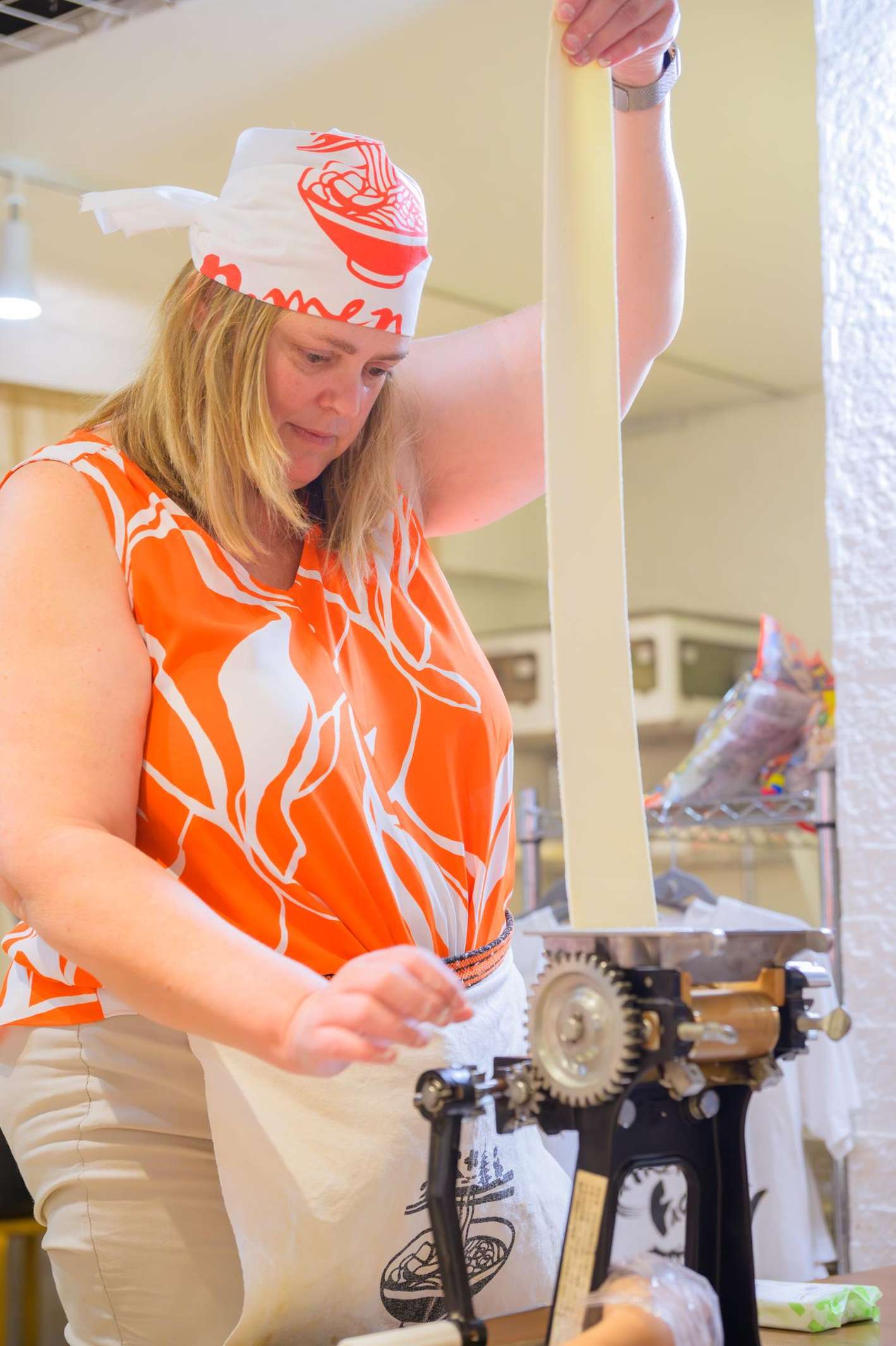
Choose Tokyo, Kyoto or Osaka, then a date with a morning or evening slot that fits your sightseeing. Free cancellation up to 24 hours ahead means you can lock in a slot early and adjust later.
Each class lists options that change what you cook and eat, such as ramen with gyoza, ramen with sushi, or extra drinks. Read what each option includes before you pick, since the differences are bigger than the names suggest.
Vegan, gluten-free and halal versions exist at some classes, but one Kyoto class cannot take halal or gluten-free guests at all. If a class does offer dietary swaps, contact the supplier right after booking so they prepare your version.
After payment you get a voucher with the studio address. Check it against the station exit: several Kyoto classes are taught in English and Japanese, and each venue lists its own nearest station.
At the Shibuya class, doors open 15 minutes before the start, so plan to get there 10 to 15 minutes early. Late arrivals may have to join partway through or be turned away, so leave a good buffer for the trains.
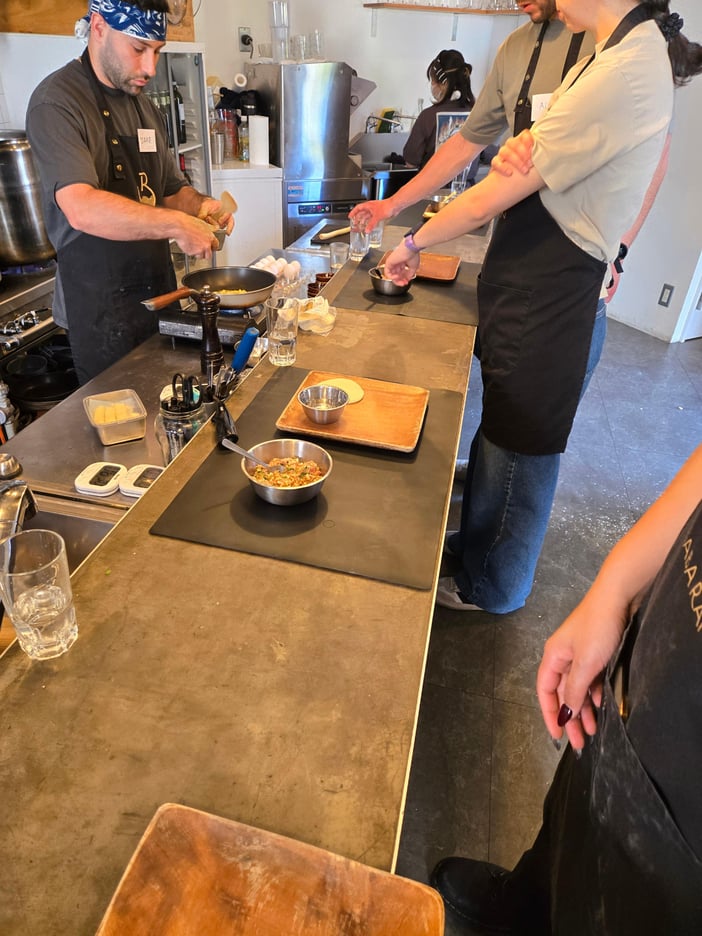
Staff were down to earth and I even met the owner.
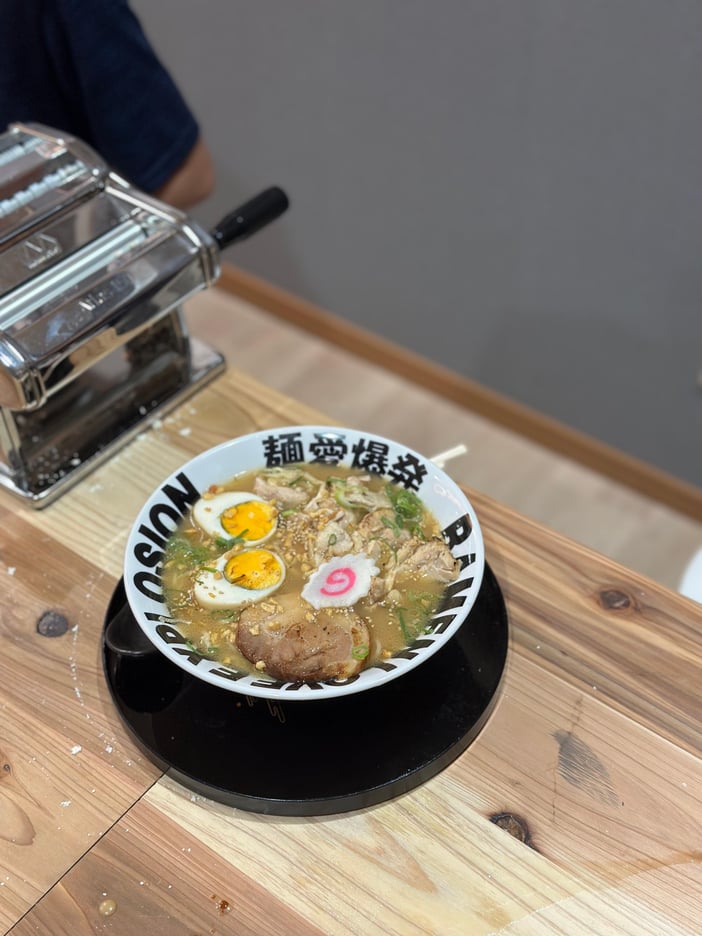
As a 28yo solo traveller I worried it'd be kid-focused, but no. Time flew, I loved the photos, videos, and Japanese lore learned while prepping ingredients. All my questions answered, lots of laughs.
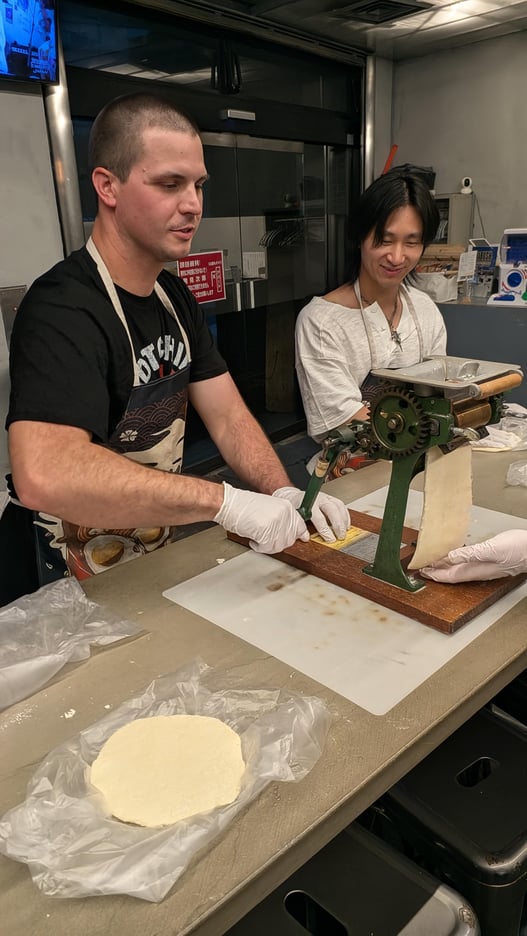
So much fun! Our sensei was pleasant, informative and easy to understand. Just my son and me, lucky timing. He loves ramen and now can cook his own.
Solo trip but staff were very accommodating and clear. They took plenty of photos and videos for me. My first ramen bowl turned out tasty. Beginner friendly. Pescatarian: tofu and fish broth offered.
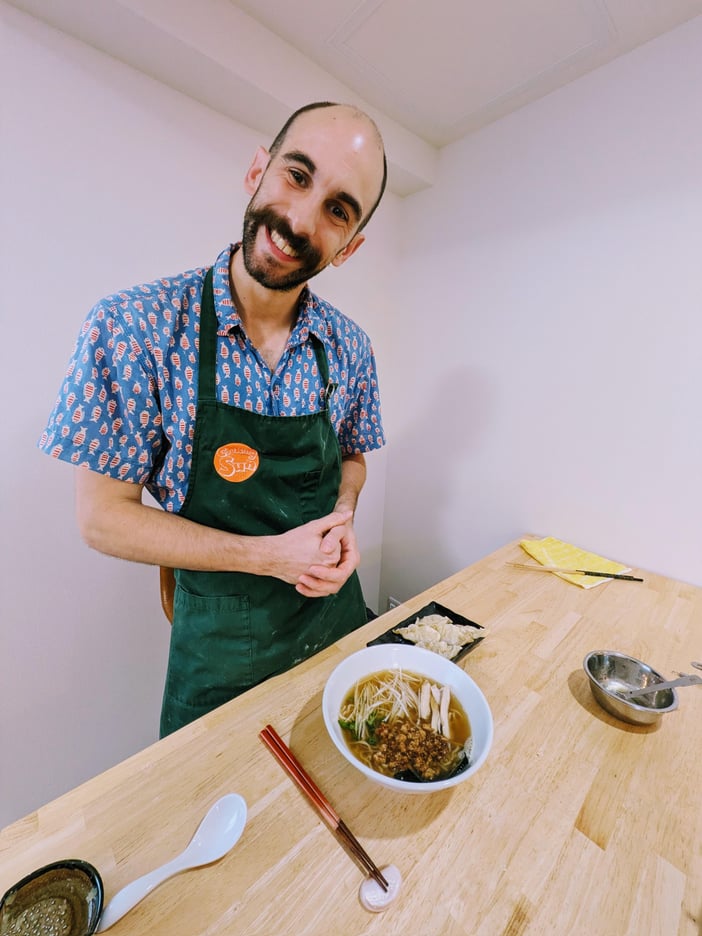
Amazing ramen and gyoza class. Two guides, kind and patient, small class of 7 so we got one-on-one help.
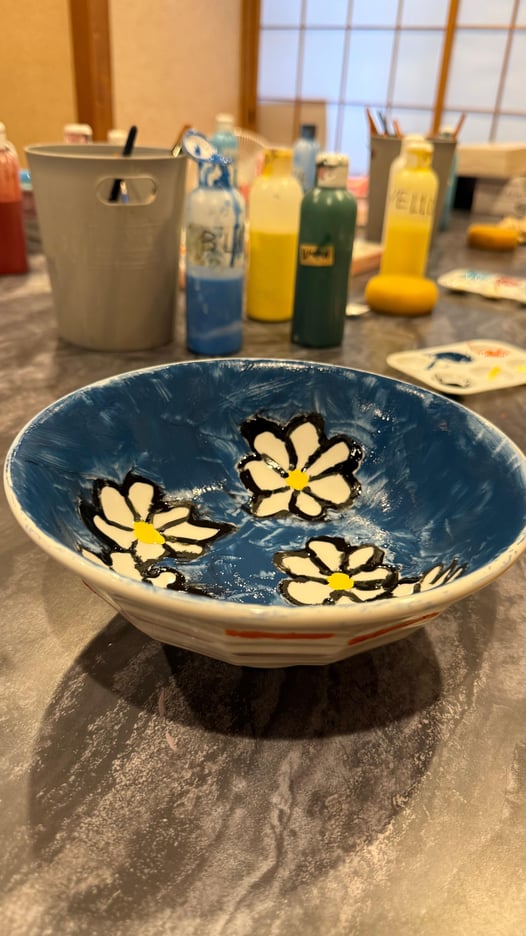
Book this! In beautiful Gion with a cute walk there. Sherry was fun and kept everyone engaged. Painting bowls was great, but making and eating the ramen was the best part. Perfect for families.
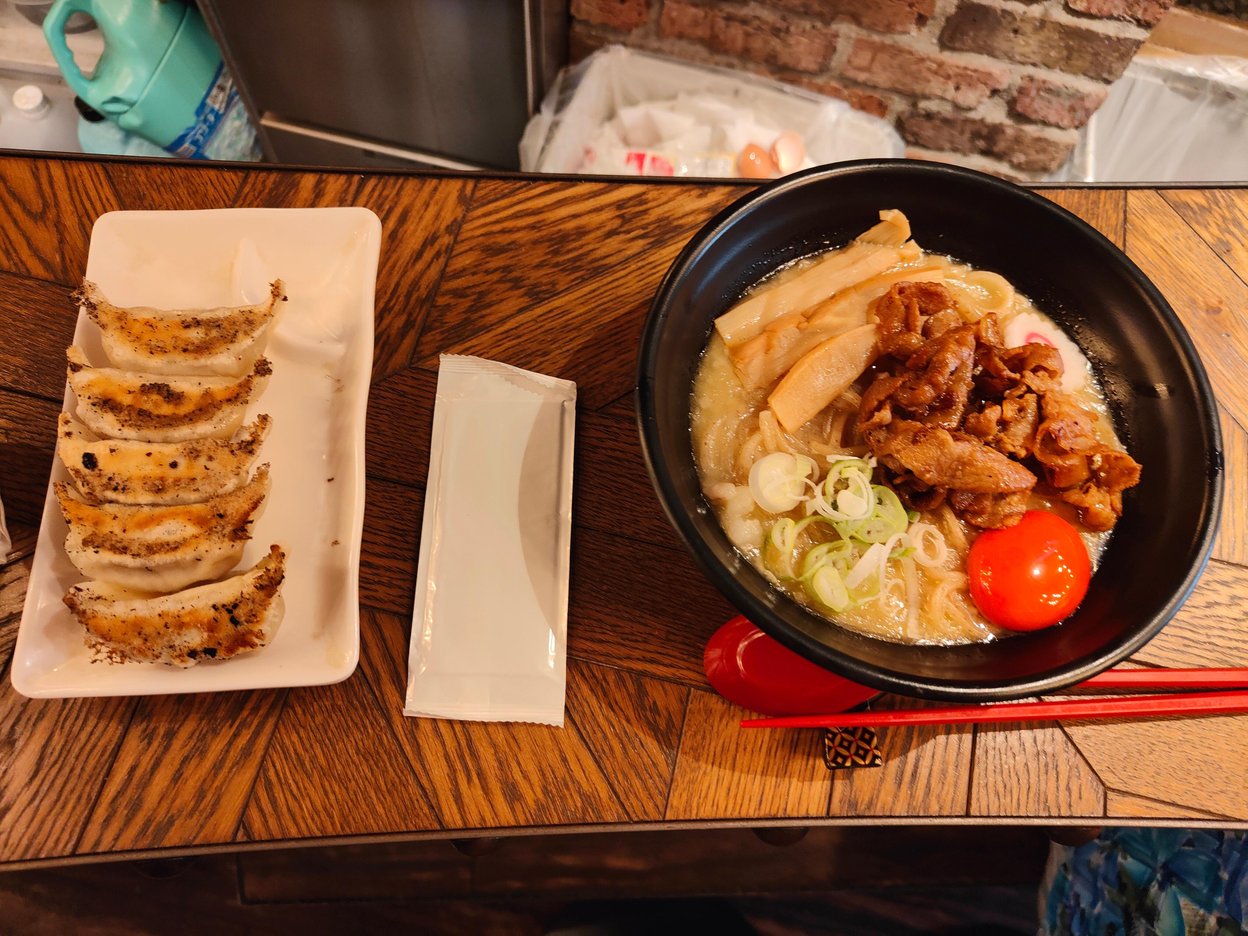
We came as a group of 6 and Harumi welcomed us kindly. She told us ramen's history and the whole cooking process. We understood everything in English.
Most reviewers praise the patient, step-by-step instructors who made every stage easy to follow and fun.
Many travelers did not expect the food to rival the best bowls of their trip, even from the mini bowls.
Several reviewers wished the class had lasted longer, because the time flew by while they cooked.
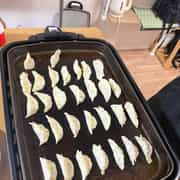
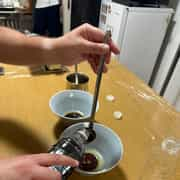
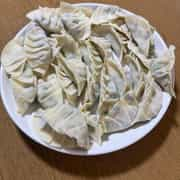
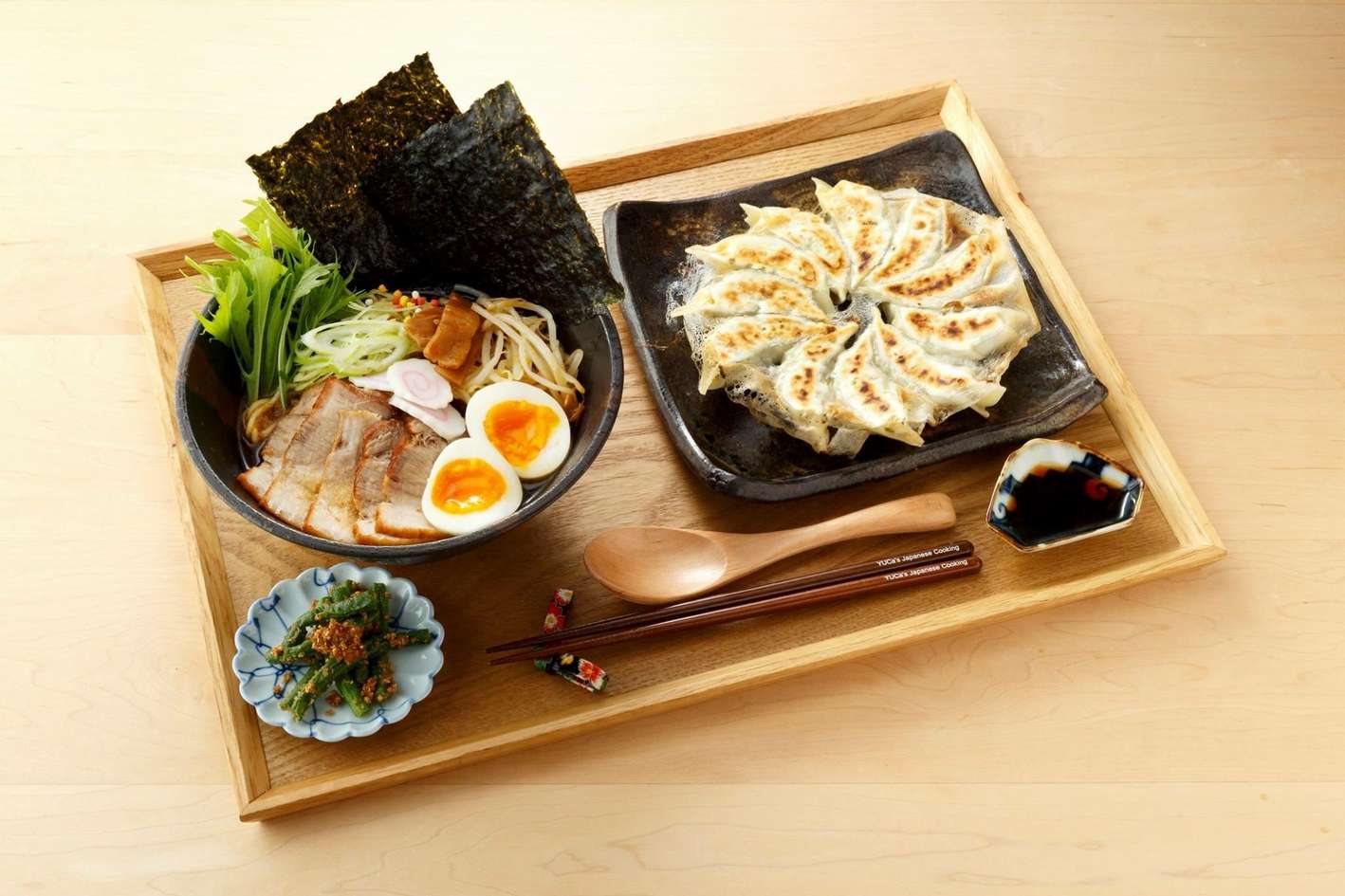
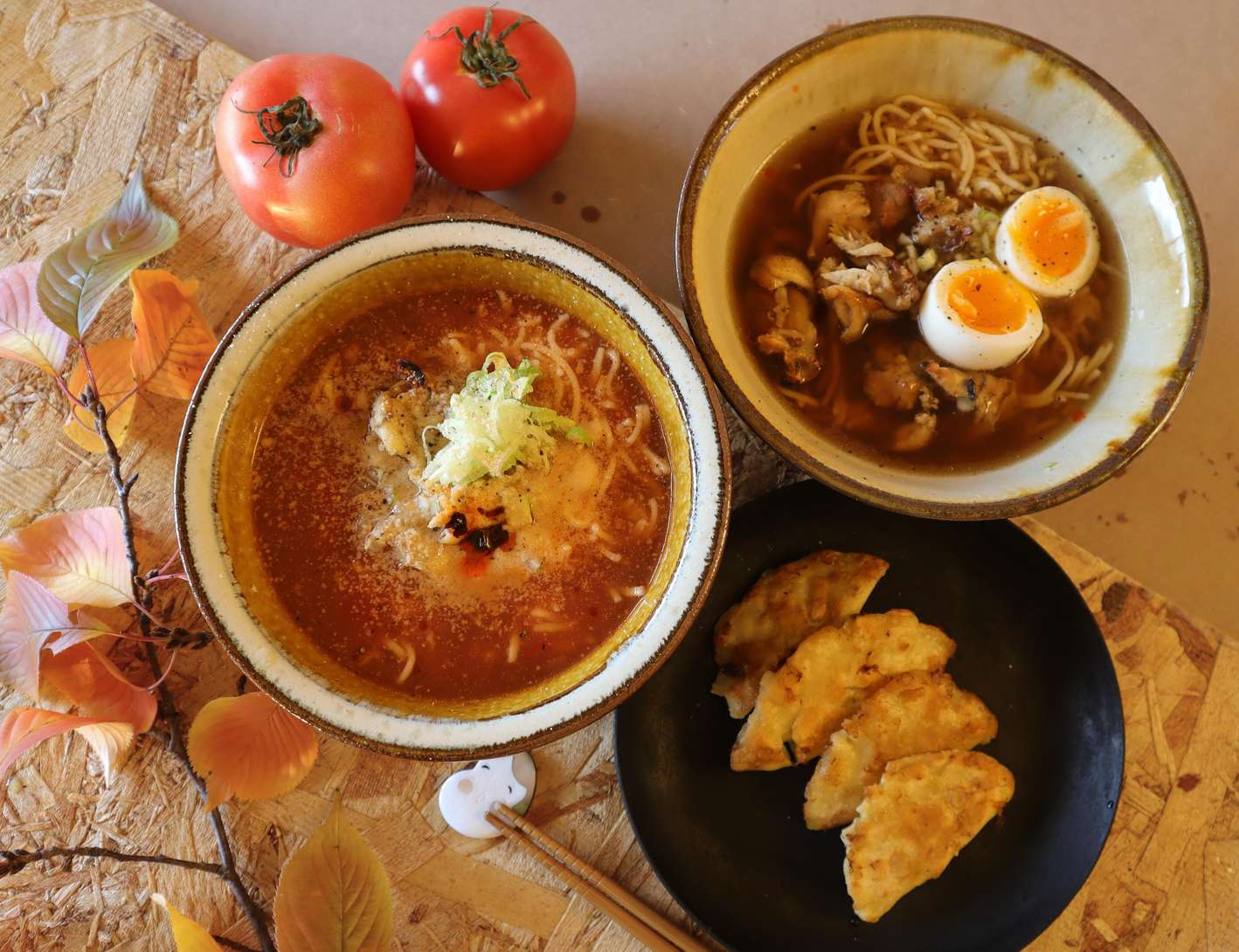
This Kyoto class puts three dishes on your plate in 90 minutes. You simmer soy sauce and miso broth from simple ingredients, master the gyoza fold, and shape your own onigiri, then sit down to the lot with free coffee and tea.
It suits cooks who want a wider Japanese repertory than noodles alone, and teenagers 12 and up who can cook on their own. Instructors guide in English, and you leave with recipes for ramen and gyoza to make again at home.
Free cancellation up to 24 hours ahead lets you hold a date while your Kyoto plans settle.
Green marks the lowest price. Prices per person.
The Shibuya class sends a digital recipe afterwards, and the Kyoto from-scratch class hands you a printed group photo with a QR code that unlocks the full recipe, so you can cook the bowl again at home.
You keep something from several classes. The Kyoto noodle class sends you home with a tenugui head towel, the from-scratch class with its bandana, and the Osaka Castle class includes an original souvenir gift.
"From scratch" covers different steps in different kitchens. Treat noodle making and broth making as separate learning goals: one Kyoto class focuses on broth and skips the noodles, while a Tokyo session makes noodles from flour in 50 minutes.
Several classes let you shape the bowl you will eat. You choose the soup base, oils and toppings in Kyoto, and the Shibuya class has you taste tonkotsu, shoyu and miso side by side in three mini bowls.
Some classes let you choose your soup base, oils and toppings, so the finished bowl tastes the way you want it. Come hungry too: even sessions described as making mini bowls can add up to a full lunch.
Every class featured here lets you cancel up to 24 hours in advance for a full refund, so a shifting itinerary does not cost you the booking.
Ramen noodles can contain egg even when the egg topping is left off. The Shibuya class cannot take guests with severe wheat, egg or soy allergies, celiac disease or airborne flour sensitivity, so a severe allergy can stop the visit.
Some classes give children as young as four age-appropriate tasks with patient guidance. Where kids work on their own, they need to knead dough and use a large, heavy knife safely, and hot water and soup need an adult's care.
The Kyoto from-scratch class swaps ingredients for vegan, gluten-free and halal versions at no extra charge. Some other classes are more limited, so say what you cannot eat before you book rather than on the day.
Plan to reach the studio 10 to 15 minutes before the start. Doors in Shibuya open only 15 minutes ahead, and guests who arrive more than 5 minutes late may join the class in progress or be refused entry.
Budget 10 extra minutes to find your platform at Tokyo, Shinjuku, Kyoto or Shin-Osaka stations. If you change trains at a large station, allow 15 minutes for the transfer, longer with luggage.
Kneading your own dough turns a bowl of ramen into a skill you carry home. The open questions are which class, in which city, at what depth of cooking, and how early the kitchens fill.
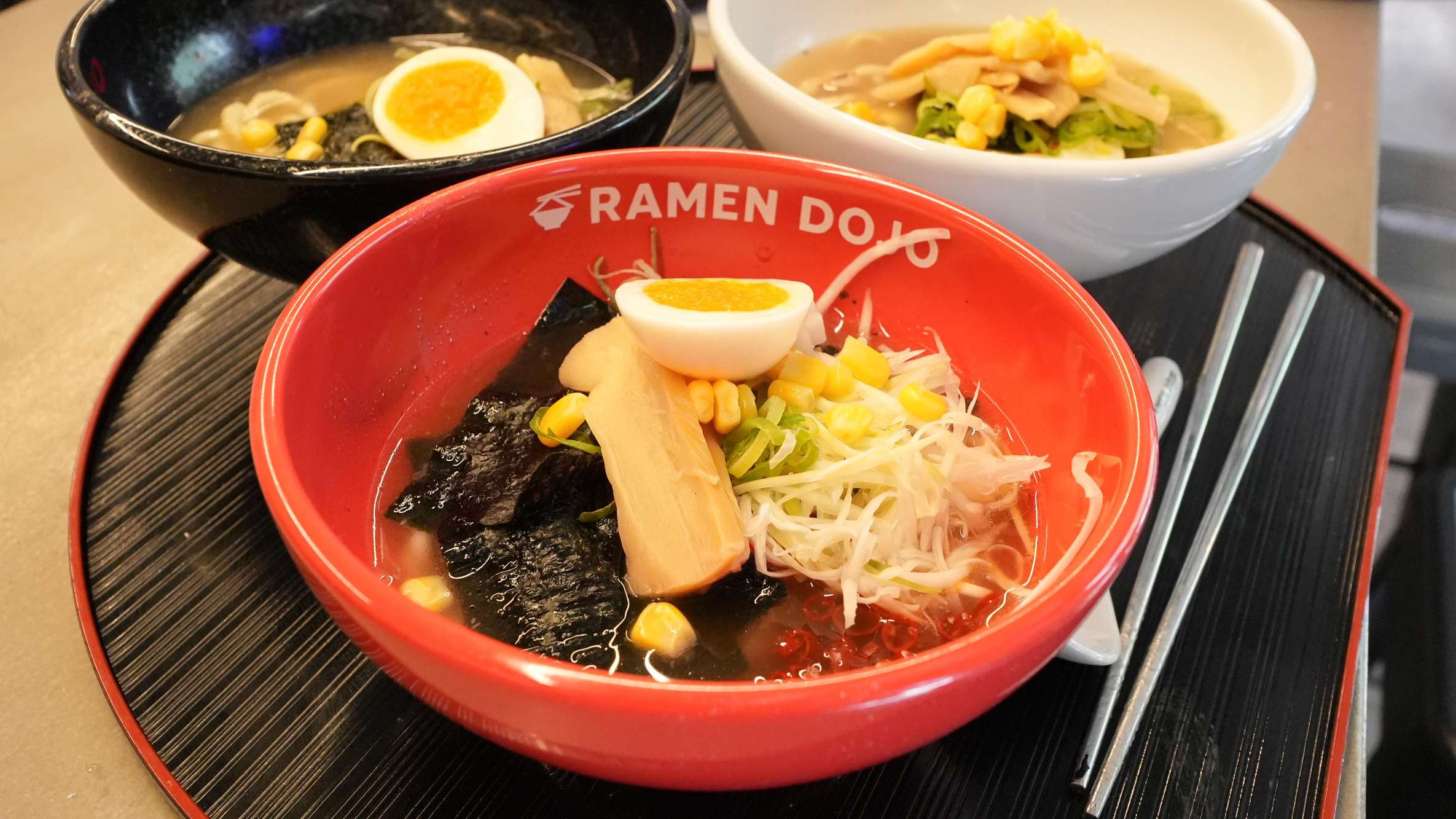
Book Kyoto classes first if you travel in April: they draw almost twice an ordinary month.
Budget 10 extra minutes at big stations like Shinjuku and reach the studio 10 to 15 minutes early.
Book the right door: separate fresh noodles before boiling, or they cook into one clump.
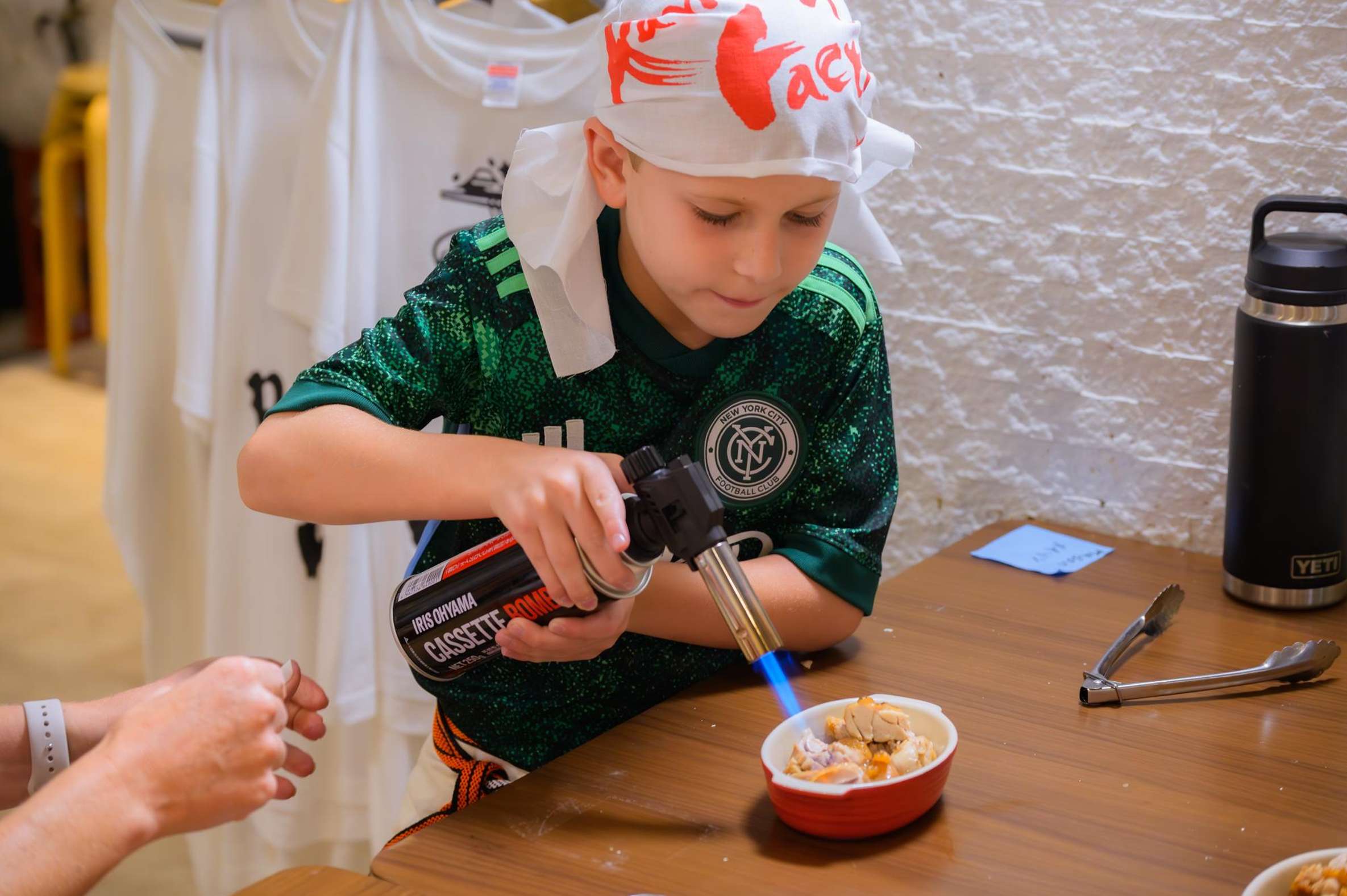
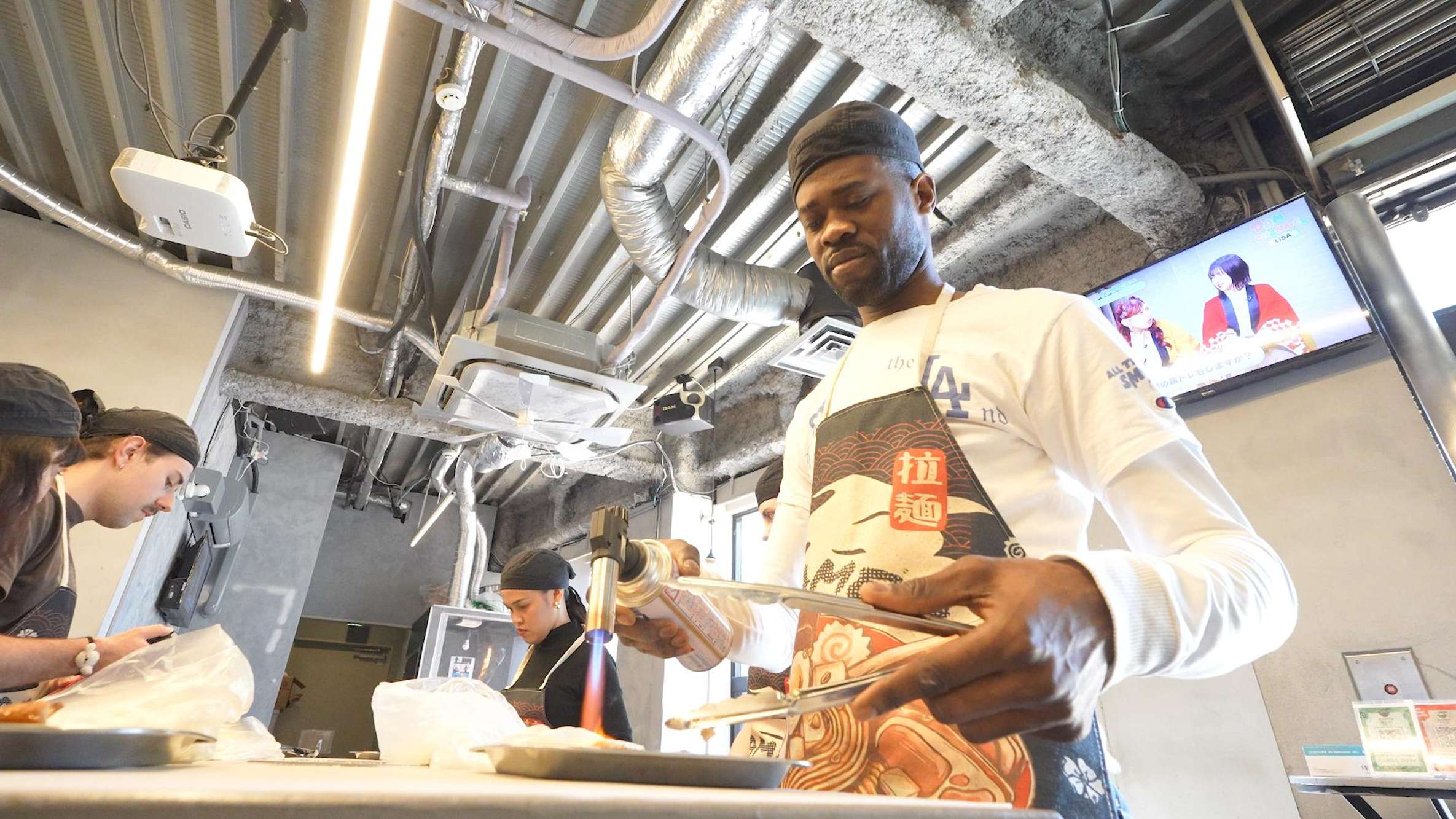
The kneaded dough gives, the noodle machine hums, and the blowtorch catches the chashu. Then the bowl lands in front of you, the one you seasoned yourself, and it is enough to eat as a full meal.
That is the argument for a class over another counter dinner. The bowl becomes a memory, and the recipe leaves with you: several hosts hand over a printed recipe or a digital file, so the first dinner at home can be the same bowl.
Styles also change by city. Ramen across Japan varies in soup, noodles and toppings, so the city you pick changes the whole bowl.
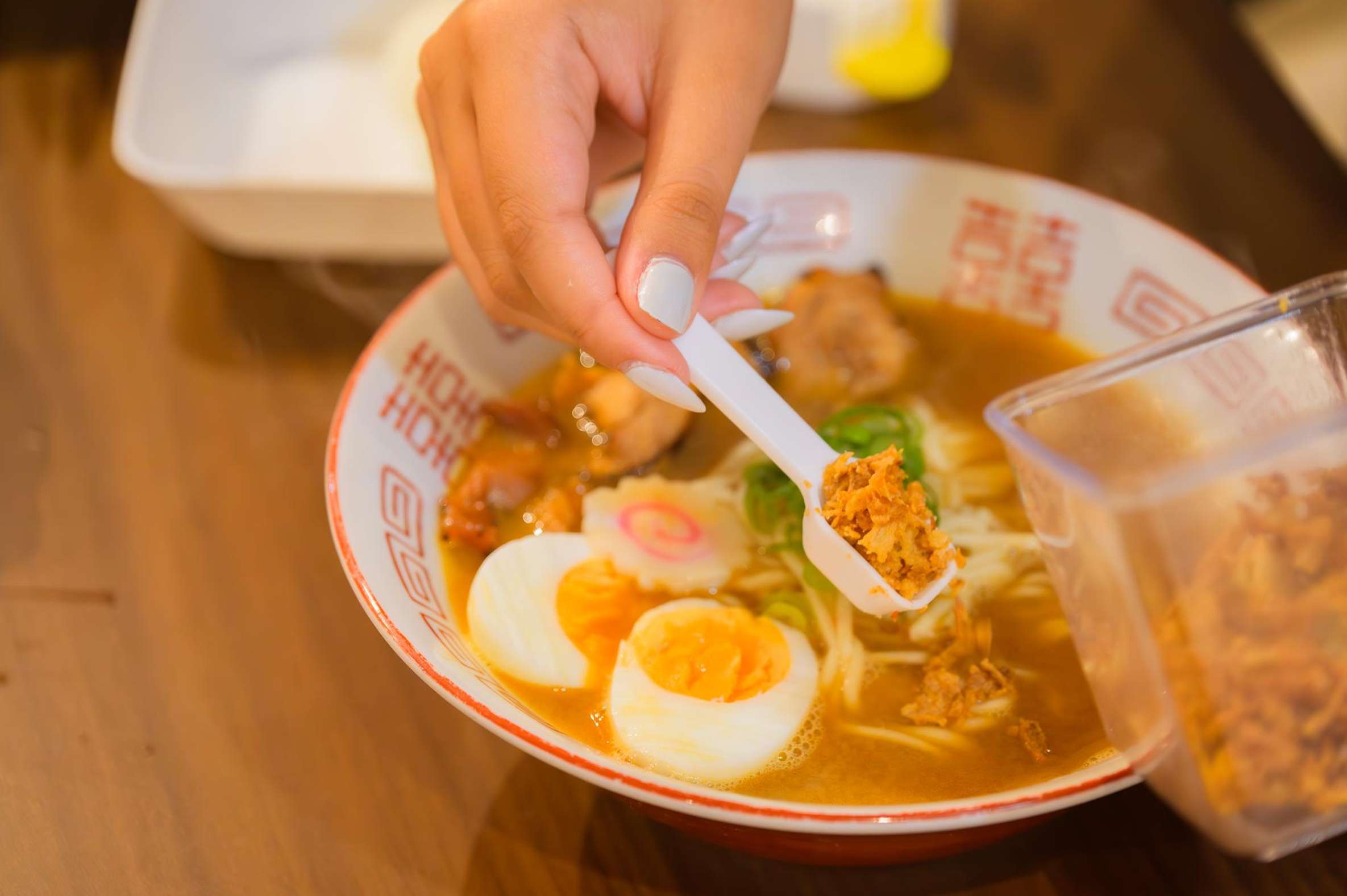
Customization is where it gets personal. Some classes let you choose the soup base, the oils and the toppings, so two people at the same table eat two different bowls. Order a bowl in a shop and that choice is someone else's; make it yourself and the taste is yours.
As a 28yo solo traveller I worried it'd be kid-focused, but no. Time flew, I loved the photos, videos, and Japanese lore learned while prepping ingredients. All my questions answered, lots of laughs.
That payoff is the reason to hold the slot in a packed itinerary. The rest of the day bends around it: the class sets the neighborhood, the shoes and the booking window.
Hands-on has levels, and a good class tells you which level you bought. Kneading dough, rolling it flat and cutting noodles is genuine cooking. So is preparing toppings: grilling chicken chashu, folding gyoza, building garnishes.
Broth is the part that often arrives prepared. Ramen broth simmers for hours, so many short classes start from a soup already on the stove and teach you the seasonings instead.
That is not a shortcut worth complaining about; a two-hour class cannot give you a five-hour broth. Treat noodle making and broth making as two separate learning goals and decide which one you want.
Beginners do fine either way. Patient, step-by-step instruction makes noodle making approachable even for complete beginners, and hosts help hands-on. One real skill to remember: separate fresh noodles thoroughly before boiling, or they cook into a single clump.
Most hosts provide the apron
Machines cut in some classes; the Tokyo restaurant class breaks bones for broth as well
Some hosts let you season and customize the bowl your own way
The bowl can replace lunch or dinner
If you want every step under a working chef, that is the Become a Ramen Chef for a Day: Tokyo Restaurant Experience: bone breaking, noodles from scratch, gyoza and toppings inside a real Tokyo kitchen.
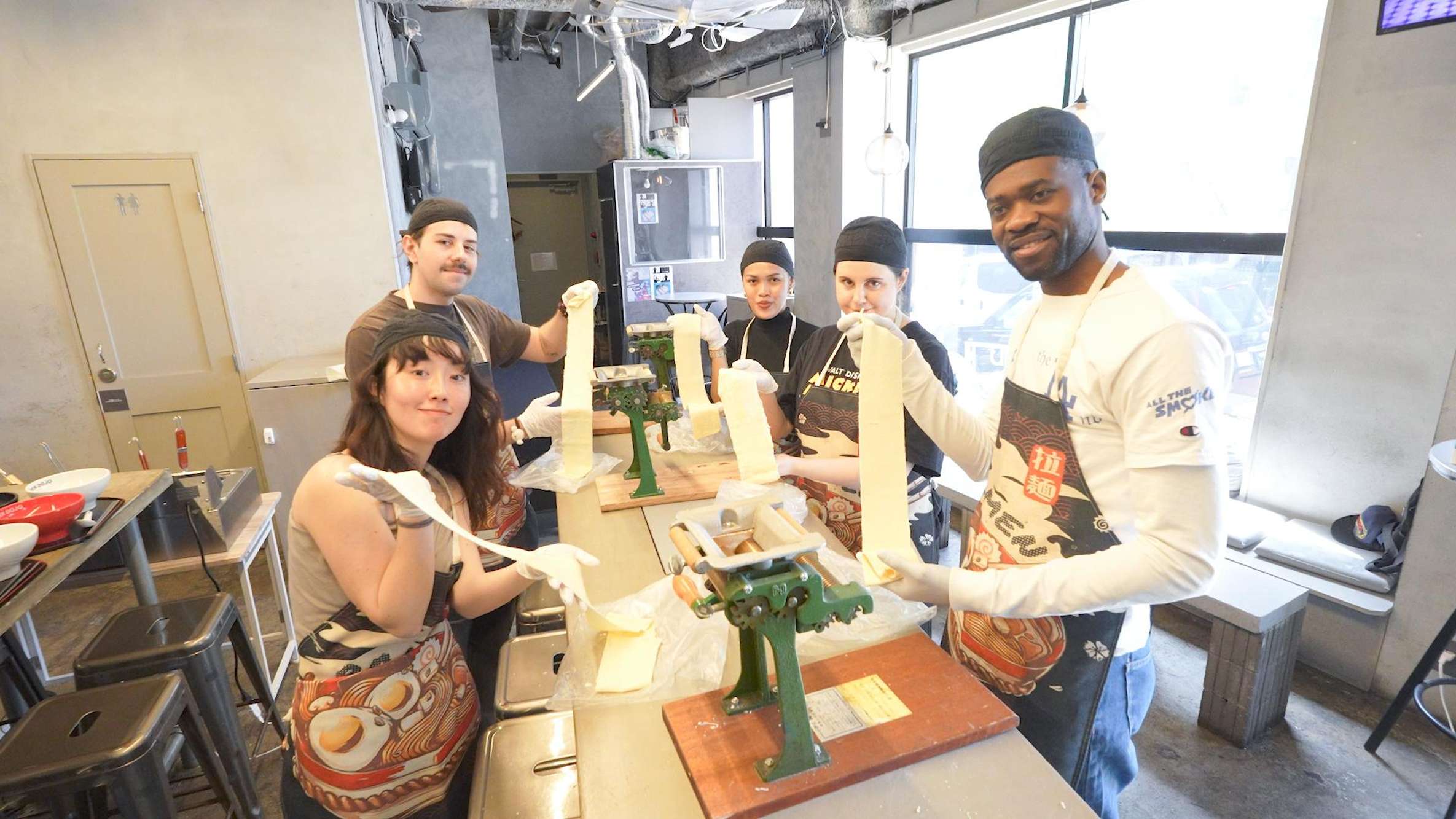
The choice comes down to city, cooking depth and what you want on the plate. Tokyo offers a Shinjuku one-hour introduction, the Shibuya class where you make and taste tonkotsu, shoyu and miso side by side, and restaurant kitchens for deeper work.
Kyoto has the from-scratch class where you knead the dough yourself, and Osaka adds Dotonbori or a studio within walking distance of the castle.
The honest differences are in the tasks. A class can teach fresh noodles without fresh broth, and broth without noodles. Hand-kneading teaches a technique you can repeat at home; some machine-focused courses demonstrate commercial equipment you will never own. Ask which one you are buying.
Language rarely blocks anyone: several Kyoto classes teach in both English and Japanese, and English-speaking instructors run most of the Tokyo and Osaka list too. Accessibility can: the Kabukicho experience sits on a second floor with no elevator.
| Shibuya Ramen Class, Tokyo | Make Ramen from Scratch, Kyoto | Ramen-Making with Souvenir, Osaka | |
|---|---|---|---|
| Where | A studio in Ohashi, Meguro | Near Demachiyanagi, Gion side | Walking distance of Osaka Castle |
| Noodles | Cut on a professional machine | Hand-kneaded, then machine-cut | Ramen flour rolled and cut |
| What you make | Tonkotsu, shoyu and miso minis | One full bowl, chashu included | Full bowl with soup choice |
| Distinctive | Three styles in one session | Bandana to keep, recipe photo | Souvenir gift and a free drink |
| Time | 90 minutes | 90 minutes | 2 hours |
Pick by the tasks first, the city second. The three rows read differently once you know whether you want a tasting of three styles, one full bowl from your own dough, or a castle-side afternoon with a souvenir in the bag.
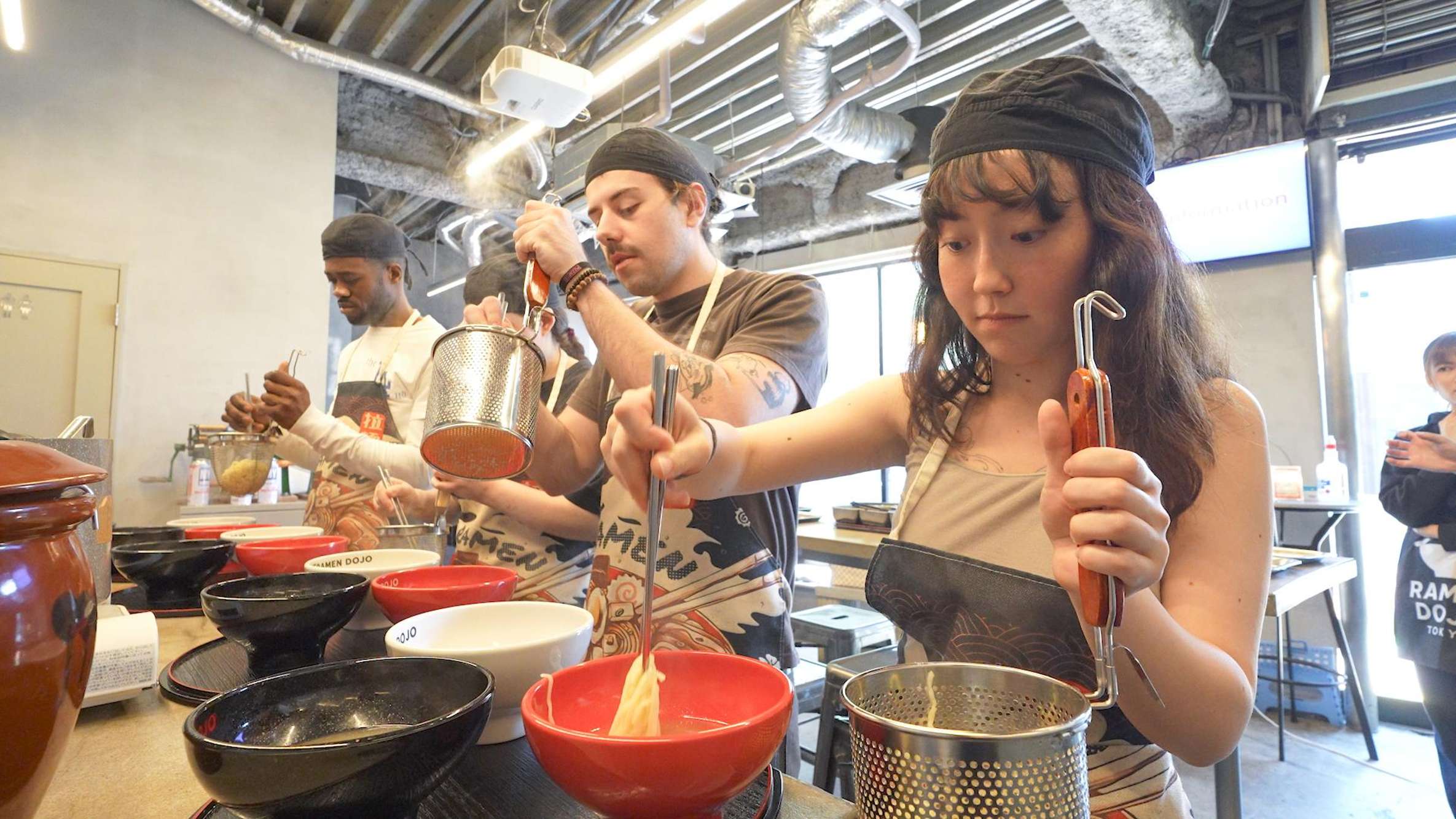
Kyoto fills first and fills earliest. Cooking tours there are busiest in spring, especially April and May, and again in November; April draws almost twice an ordinary month, May and November run 40 to 50 percent heavier, and March about a third busier. If Kyoto is your city, book those weeks well ahead.
Tokyo runs to a different calendar. Golden Week in late April and early May, Obon in mid-August and New Year in late December push trains to capacity, especially with an airport transfer in the day. Silver Week in September is a smaller peak worth dodging.
Summer has its own risk: typhoons. From July through October, and above all in August and September, strong wind and rain can suspend trains in Tokyo, and disruption can continue after the wind passes while tracks are checked.
An indoor class still needs a running railway to get you there. In practice: book early for spring in Kyoto, pick a quieter month for flexibility, and leave a same-day plan B for any August booking.
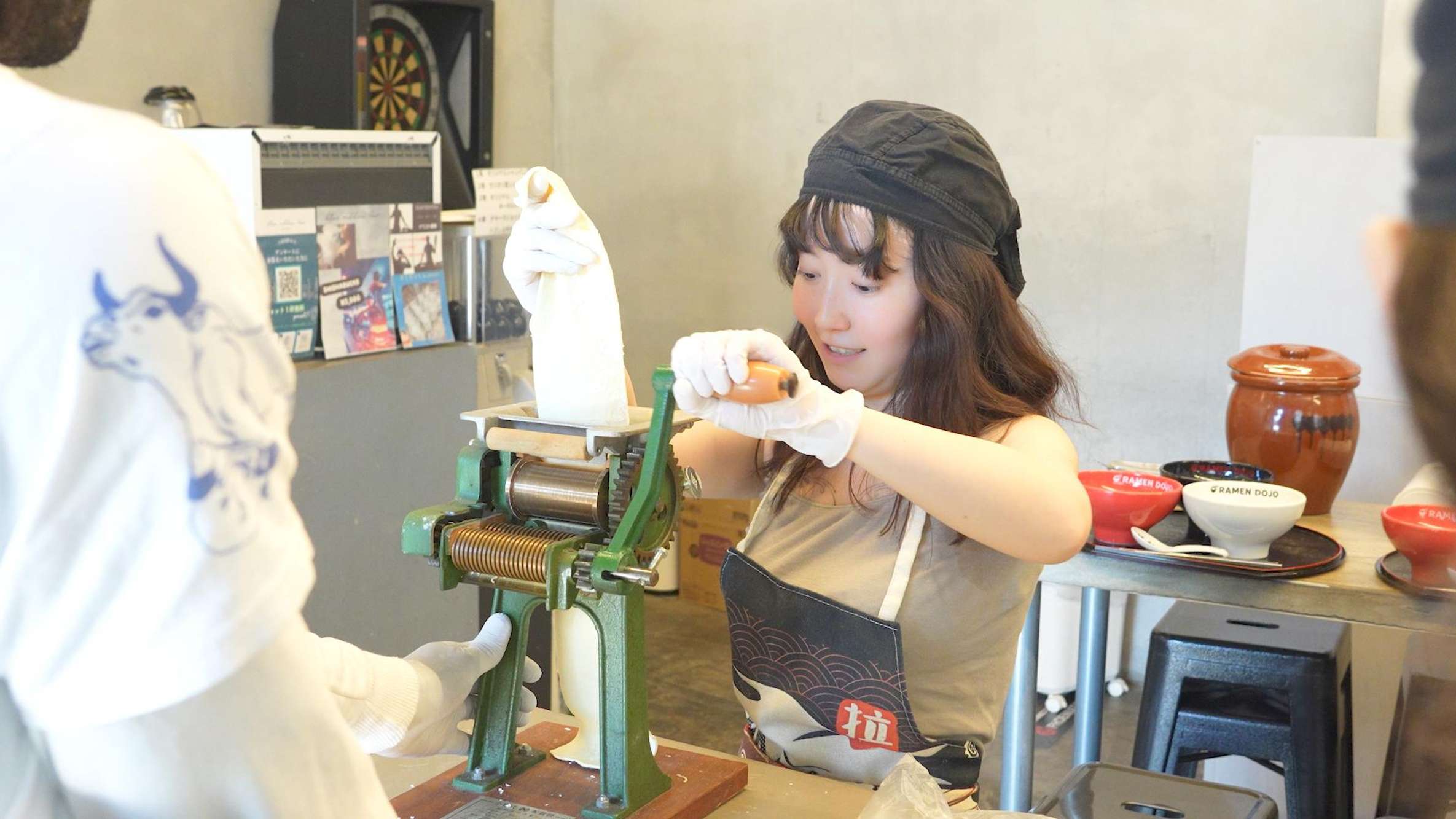
The station matters more than the city. Tokyo studios often sit a few minutes from a specific exit; the Shibuya class's studio is in Ohashi, Meguro, a 3 to 5 minute walk from Ikejiri-ohashi, and nowhere near Shibuya Station itself.
Kyoto's Ramen Factory is a 5 minute walk from Demachiyanagi Station, down stairs to the basement.
The Osaka trap is worth its own line. JR Namba, Osaka Metro Namba and Osaka-Namba are distinct stops, and one studio near Dotonbori sits about 8 minutes on foot from JR Namba but about 20 from the broader Namba and Dotonbori area.
Read the station's full name and the class address, never just the word Namba.
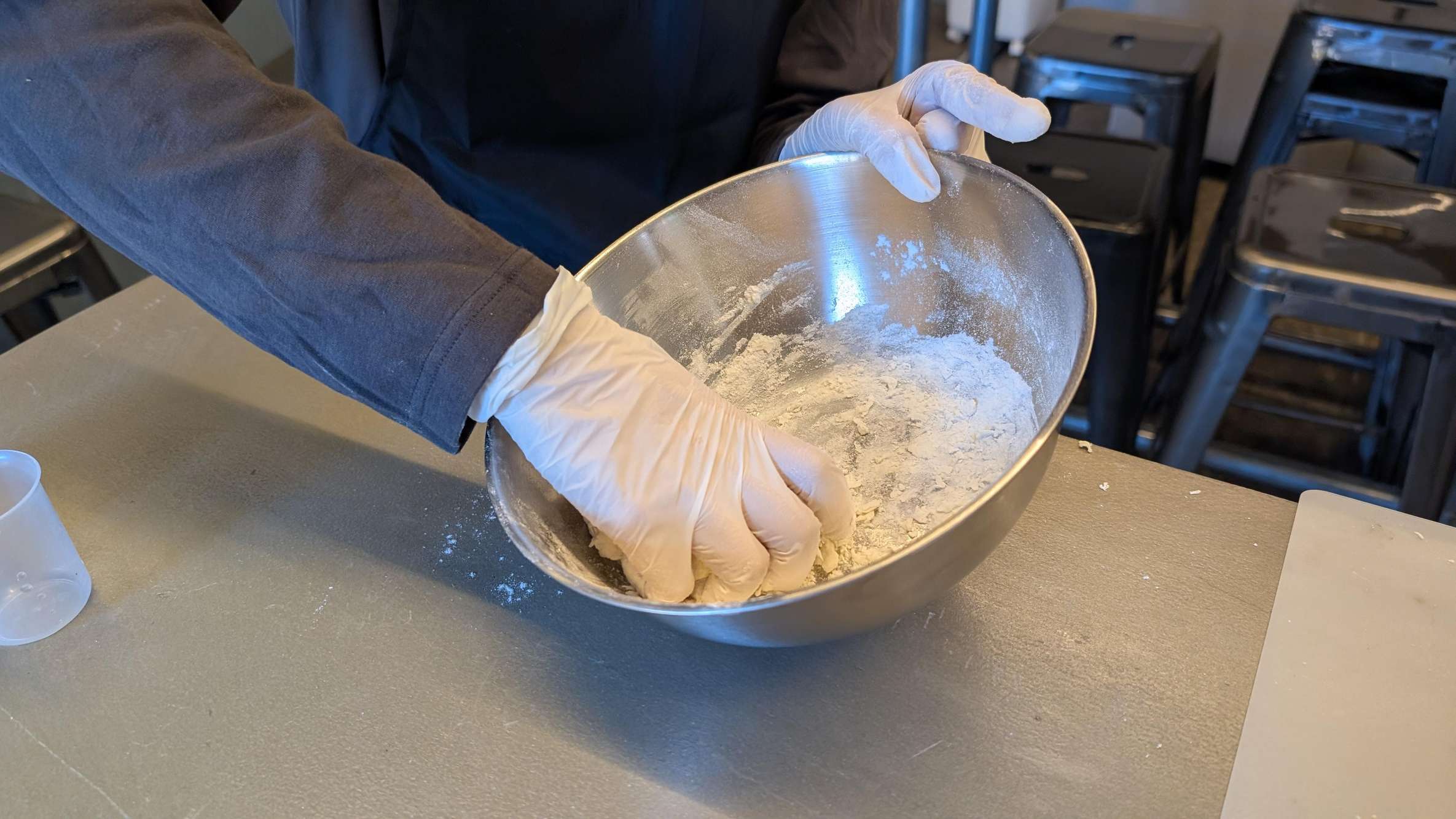
The clock starts before the class does. Doors at the Shibuya studio open only 15 minutes before the start, so arriving much earlier gains nothing; the right target is 10 to 15 minutes before class, after a station buffer.
Finding platforms at Tokyo or Shinjuku costs about 10 minutes, transfers at the big stations cost 15 to 20 with luggage.
Weekday commuter trains are the other tax. Avoid cross-city travel between about 7:30 and 9:30 am and again from 5:30 pm, and give yourself 30 extra minutes on any fixed-time booking, 60 on a transfer-heavy route with children or luggage.
One tour operator starts on time and does not admit late arrivals, and another leaves the meeting point if you are more than 10 minutes late Build the buffer into the day, aim for the studio 10 to 15 minutes early, and message the host the moment a delay looks likely
That alert is the one rule worth planning around. A missed start costs the class and sometimes the money, while a built-in buffer costs nothing but an earlier alarm.
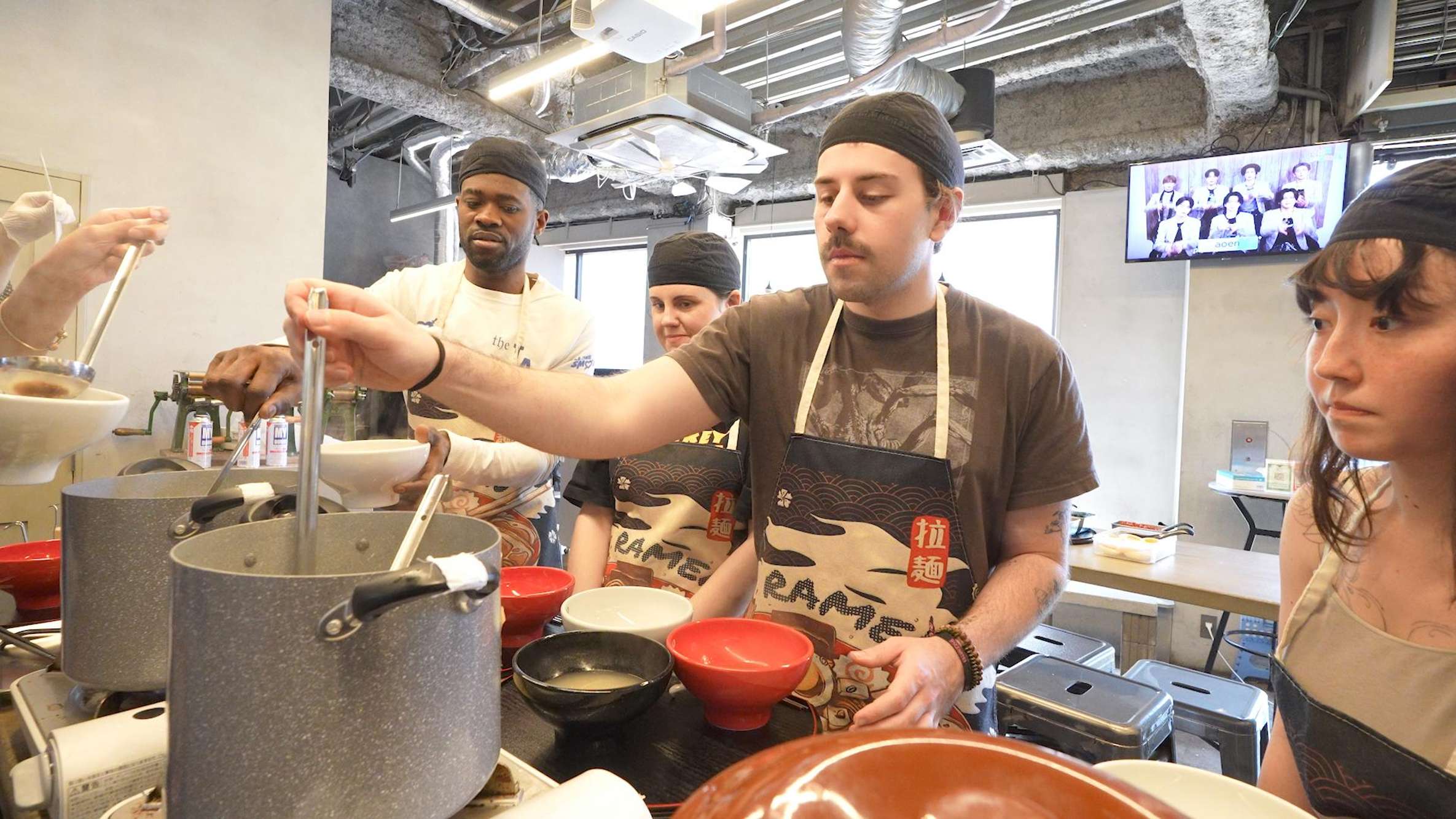
Flour travels. By the time the dough is kneaded and the sauce is simmering, your sleeves have met both, so wear comfortable casual clothes that can take a splash, sleeves rolled up, nothing dangling.
Aprons are usually provided, and most hosts take them seriously: one operator near boiling water requires closed-toe shoes and rules out sandals, flip-flops and heels.
Dress for the journey as well as the kitchen. Breathable clothes in summer, light layers in spring and autumn, removable warm layers in winter, since a heated kitchen will want the coat off.
Two small things catch people out. First, the ID: drinking alcohol is prohibited under 20 in Japan, and one Shinjuku experience asks for an ID card, a copy accepted, whenever an option includes a drink.
Second, the leftovers: some classes, including one Tokyo class with a tasting, do not permit takeaway for food-safety reasons. Plan to finish the bowl at the table, which is the easier half of the plan anyway.
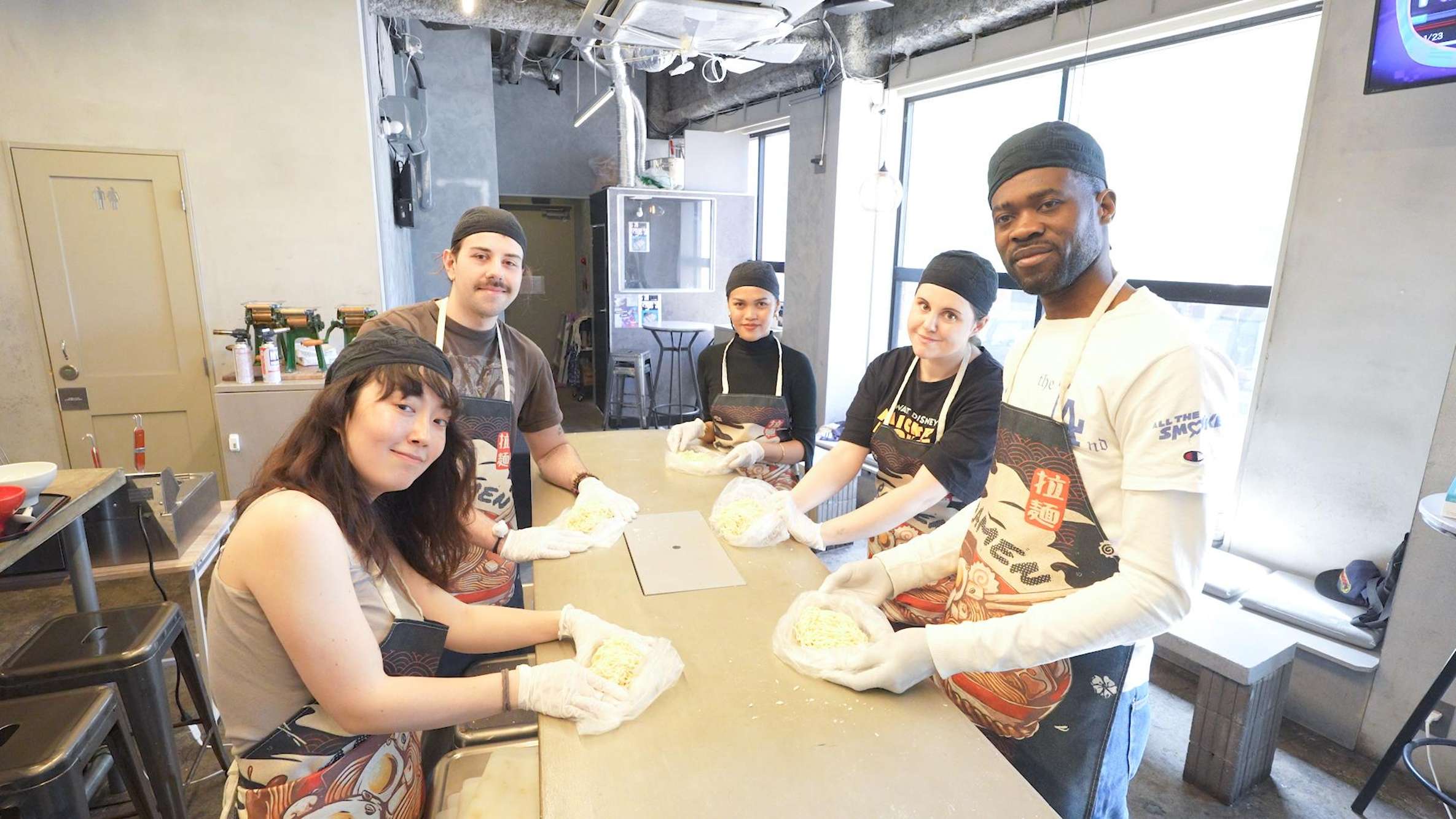
Shared kitchens make real limits, and the good listings state them plainly. The Shibuya class is unsuitable for guests with severe wheat, egg or soy allergies, and for severe airborne flour sensitivity, since the room works with all three.
One Tokyo noodle-making experience excludes people with buckwheat allergies. A private Tokyo home class asks for allergies to be disclosed in advance, which is the pattern worth copying: tell the host before you book.
The traps are the invisible ones. An egg topping lifted off the bowl changes nothing if the noodles themselves contain egg, and Japanese ramen noodles often do even when they are not described as egg noodles. Broth can hide fish ingredients behind a meat-free appearance.
Coeliac disease needs the deepest questions: soy sauce and cross-contamination, on top of the ingredient list. A Japanese allergen card alone does not establish that a cooking experience can safely accommodate coeliac disease, so ask directly about shared surfaces and utensils.
When you want a class built for it, one Osaka workshop makes gluten-free ramen noodles and gyoza wrappers from scratch in a small-group setting with a local chef.
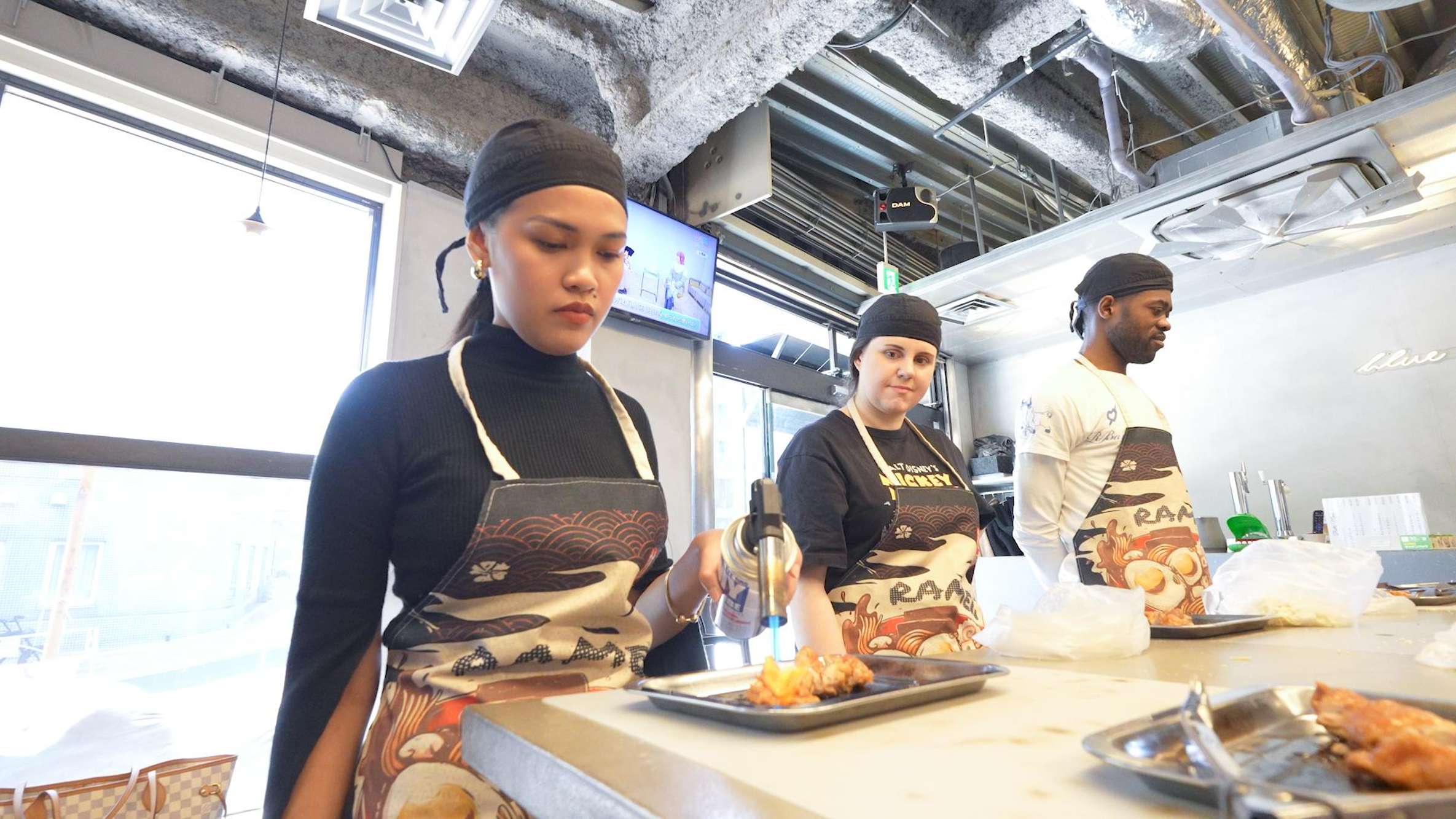
Labels travel badly in Japan, and ramen is where it shows. Broth can contain fish ingredients with no visible meat in the bowl, and seasonings on tofu and cooked vegetables need checking before anyone calls them vegan.
Explain your actual ingredient exclusions, the words a host can act on: no fish stock, no egg, no dashi.
In Japan, no visible meat or fish does not make a dish vegan; the broth and seasonings need checking
Ramen noodles can contain egg even when they are not described as egg noodles
Some hosts genuinely cannot, so the swap needs to be asked for before booking
Several classes already do this properly. One Kyoto class offers vegetarian and vegan ramen options, and the Kyoto from-scratch class runs vegan, gluten-free and halal versions on request at no extra charge, with the supplier asked after booking.
Another Kyoto class cannot accommodate halal at all, which is exactly why the check comes before the booking.
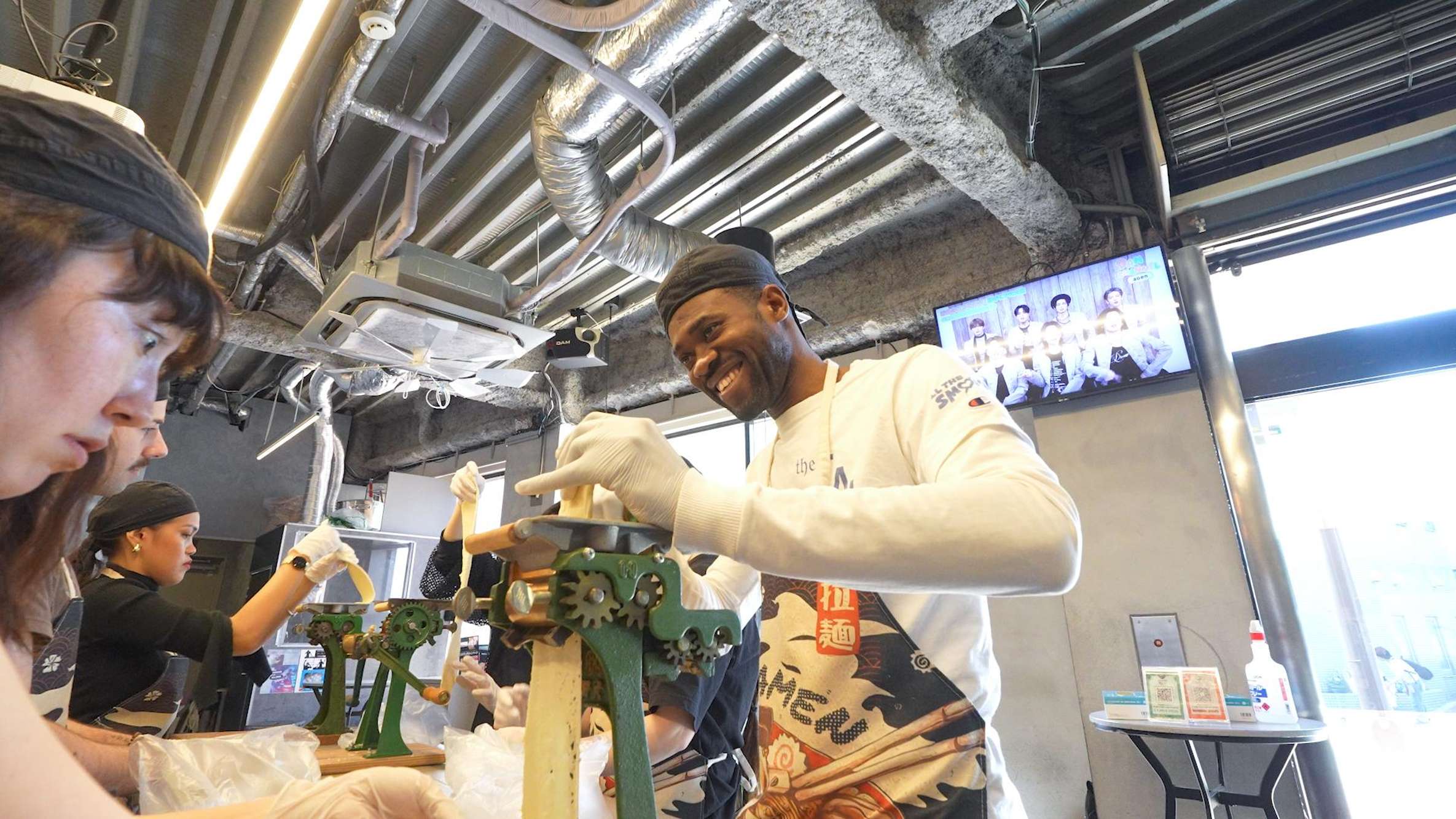
Family classes are real and children do well in them, with the right match. Some classes hand even four-year-olds age-appropriate cooking jobs with patient guidance, and a shared bowl keeps teenagers engaged as well as any museum.
The honest line is about where adult work begins. Kneading and noodle cutting at one Tokyo experience require a child working alone to handle a large, heavy knife independently.
In the Kyoto class with professional chefs, children need supervision during knife use and the riskier steps, and the behind-the-counter Tokyo experience involves hot water and soup that demand care. Ask which age-appropriate tasks your child will really do, past the welcome itself.
The sweet spot is a class that splits the day: the youngest shaping rice balls or garnishing while an older sibling kneads real dough. Hosts used to families run exactly this division of labor, and they expect the question.
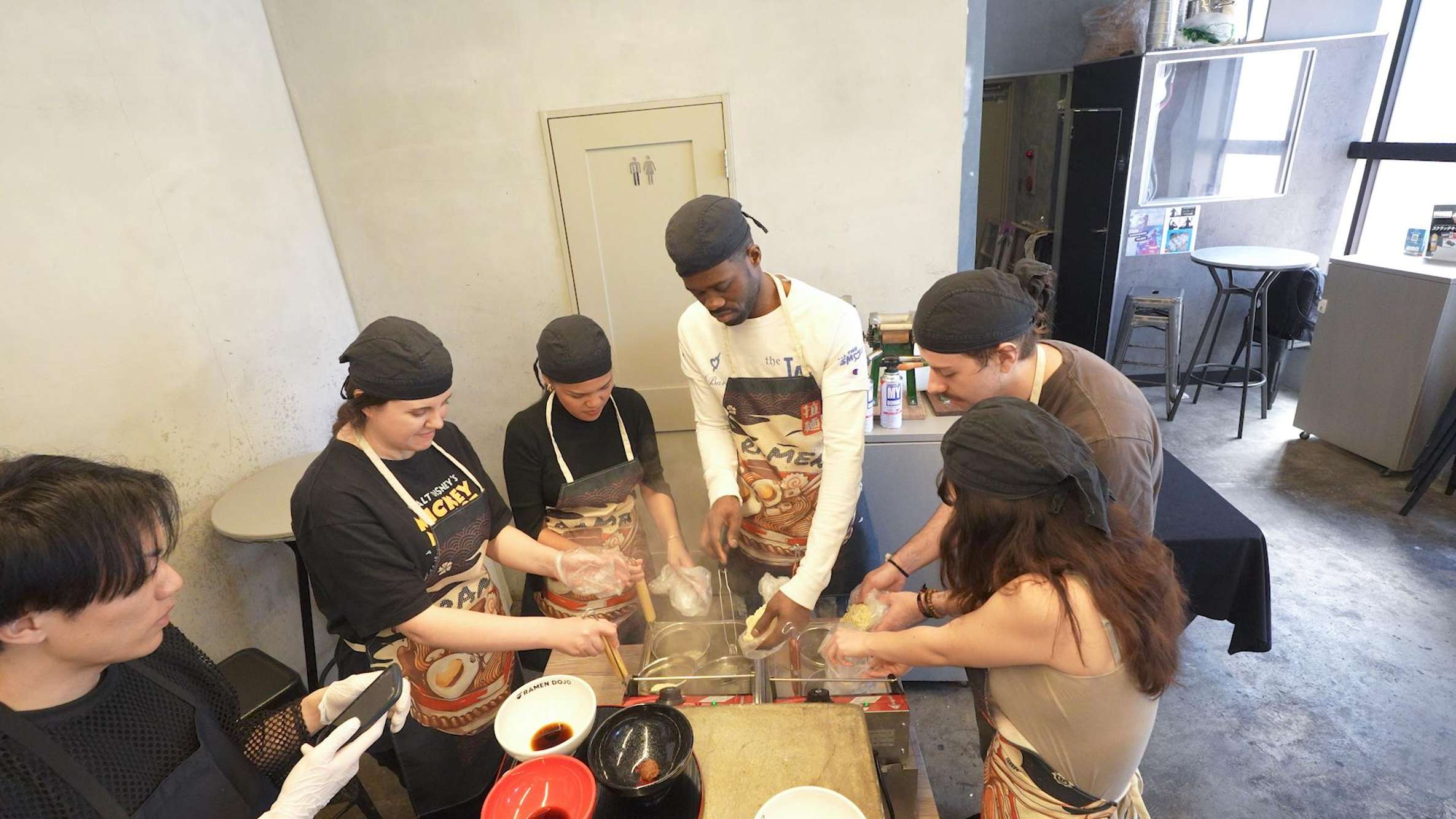
Bad days have known shapes, and the tours' own terms cover most of them. In Kyoto, one professional-chef class may be canceled in unsafe weather, which is a host protecting a shared kitchen rather than a problem to argue with.
The common thread is the 24-hour rule. Most classes on this list let you cancel up to 24 hours in advance for a full refund, so a trip that changes shape costs you nothing if you decide in time.
| If this happens | What happens then |
|---|---|
| Unsafe weather hits Kyoto | The host may cancel the class; book with the 24-hour free cancellation window so the decision is reversible either way |
| A typhoon suspends the trains | An indoor class still needs a running railway, so check whether your line is moving before setting out, and contact the host from wherever you are |
| You realize you will miss the start | Some hosts run on time and do not admit latecomers, so cancel inside the 24-hour window rather than no-show |
Plan B, in one sentence: keep the class address, the host's contact and your train route on one note in your phone, because every rescue starts with those three.
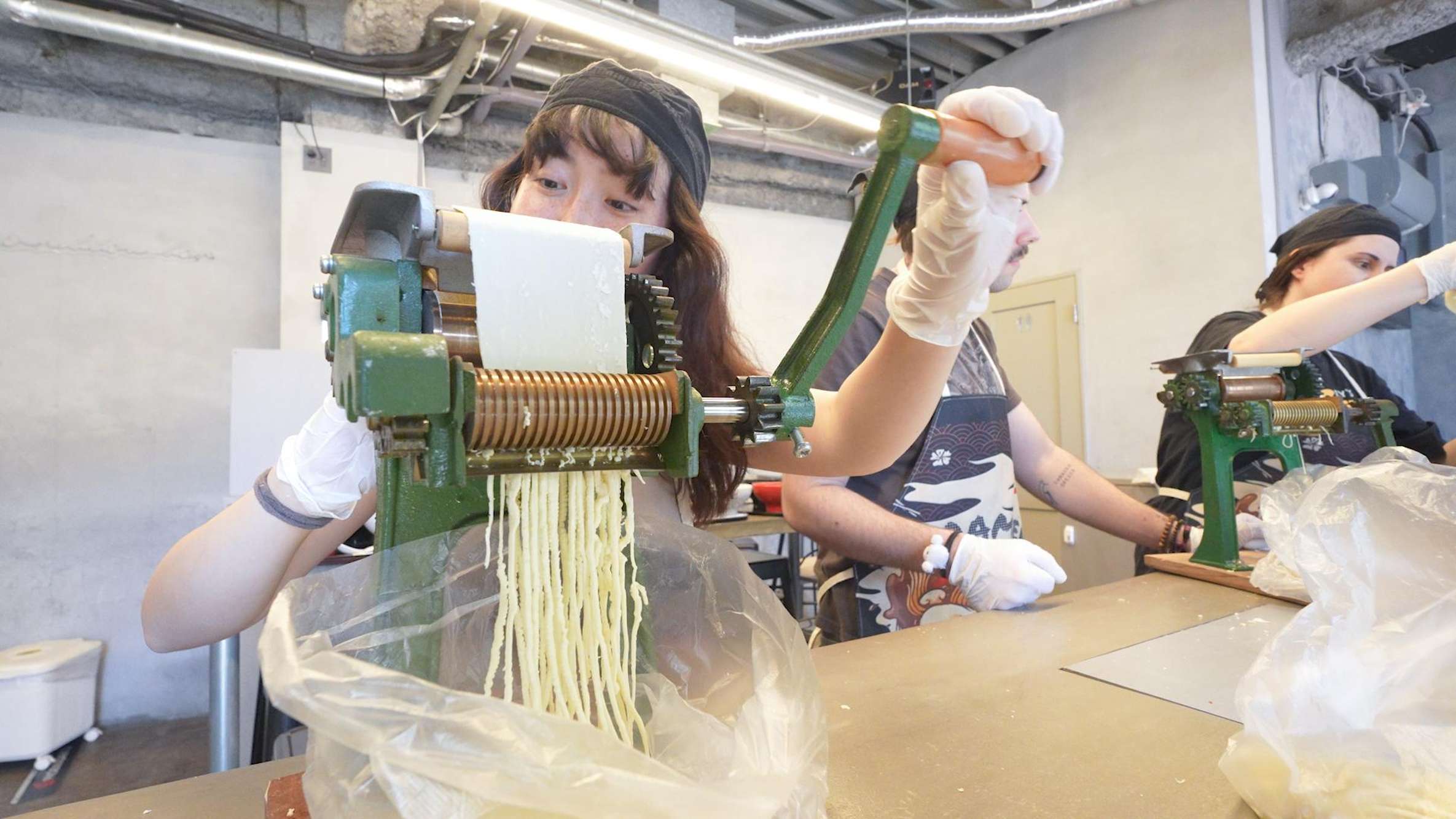
Match the sightseeing to the kitchen address and the day stitches itself together. In Shinjuku, the Kabukicho class sits 164 meters from Hanazono Shrine, with the Sompo Museum of Art 638 meters away, both walkable without another train.
Around the Shibuya class's Ohashi studio, Bunkamura and the Japanese Folk Crafts Museum each sit about 1.2 kilometers off. Akihabara pairs with Kanda Shrine, a 7 minute walk from the station's Electric Town exit.
Osaka is the easiest of the three. The castle-area studio is within walking distance of Osaka Castle, so the sightseeing and the class run in one afternoon, and one Dotonbori-area studio stands about a 20 minute walk from the district itself.
In central Kyoto, the vegan ramen-and-gyoza class venue on Okazaki Enshōjichō faces Heian Jingu Shrine, next to Kyoto Travelers Inn, which makes the pairing a two-minute stroll rather than a plan.
The last stop is browsing rather than reading: the class pages for each city hold the deeper choices, and Tokyo's tasting tours cover the day when making the bowl is not the point.
A ramen class earns its afternoon when the cooking matches the appetite: a one-hour introduction for a taste, a from-scratch session for the kneading, a restaurant kitchen for the full craft. Book Kyoto early for April and May, build the station buffer, and eat the bowl you made.
Quick answers before you book: what you actually cook, what you take home, and how to pick the right session.
Kyoto2026It varies. Some workshops have you knead dough, cut fresh noodles and prepare toppings; a Tokyo restaurant experience adds breaking bones for the broth. Check which components you will make, because a class can be described as from-scratch even when the soup arrives prepared.
Treat the two as separate goals. Noodle making does not always come with broth making, so read the task list before booking. A short session often covers one in depth and assembles the rest.
Look at the tasks. A one-hour session might focus on noodle making alone, while a longer class covers noodles, broth, toppings and side dishes like gyoza. Duration is a good clue, but the listed steps tell you more.
Yes, with patient step-by-step instruction. The parts people find tricky are separating fresh noodles before boiling so they do not clump, and keeping up with intensive sessions. Instructors help hands-on, and some hosts run sessions with no cooking experience assumed.
Some classes offer vegan or vegetarian versions, and one Kyoto class swaps ingredients at no extra charge on request. Check the broth for fish ingredients, since a dish without visible meat or fish is not necessarily vegan. Ask the host what gets substituted.
Often yes. Some classes give children as young as four age-appropriate tasks with patient guidance. Others expect kids working alone to knead dough and use a large, heavy knife independently, and hot soup and sharp tools always need supervision.
Many classes do. Some hand out recipes for the dishes you make, one Tokyo workshop includes a professional recipe book, and one Kyoto class gives you a printed group photo with a QR code linking to the full recipe.
Sometimes. Some courses lean on machines you will never own, so ask about home substitutions when booking. One technique that transfers everywhere: separate freshly cut noodles thoroughly before boiling so they do not cook into a single clump.
No. Several Kyoto ramen classes teach in English and Japanese, and the session you join will say which languages the instructor speaks on the listing.
It depends on the class. Some let you choose your soup base, oils and toppings before you eat, and the Shibuya class has you make and taste three mini bowls of tonkotsu, shoyu and miso so you can compare.
One Kyoto class serves ramen from Musoshin, a restaurant that has appeared in the MICHELIN Guide, and sources its ingredients from that kitchen. The cooking lesson is guided by the same chefs' craft, and the class listing explains what it includes.
Most sessions run between one and three hours. A 90-minute class fits easily into a sightseeing day, while longer workshops that add gyoza, sushi or a market visit can take half a morning or an evening.
Knead the dough, cut your own noodles and eat the bowl you made, with free cancellation up to 24 hours in advance.