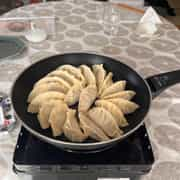
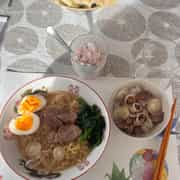
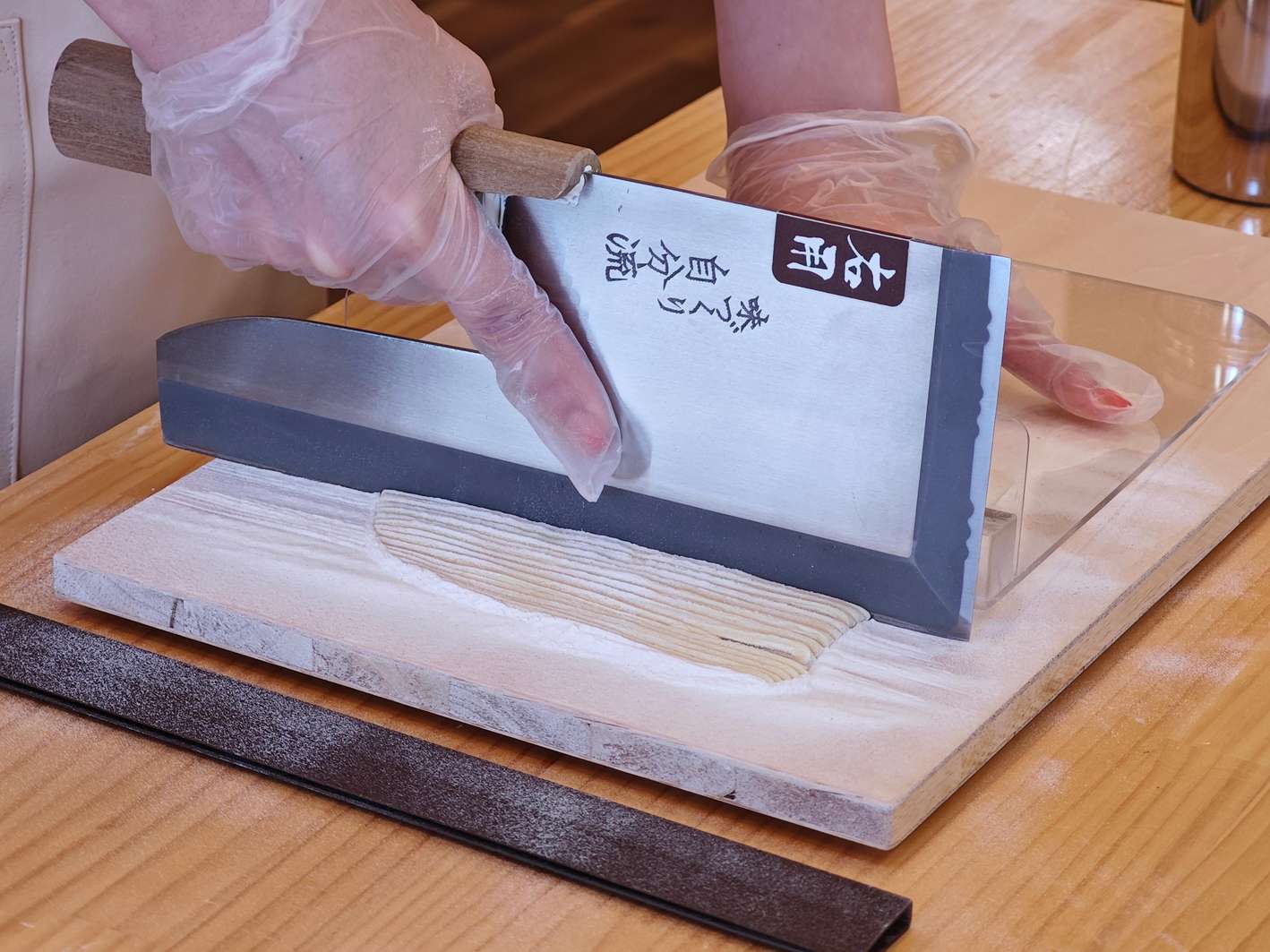
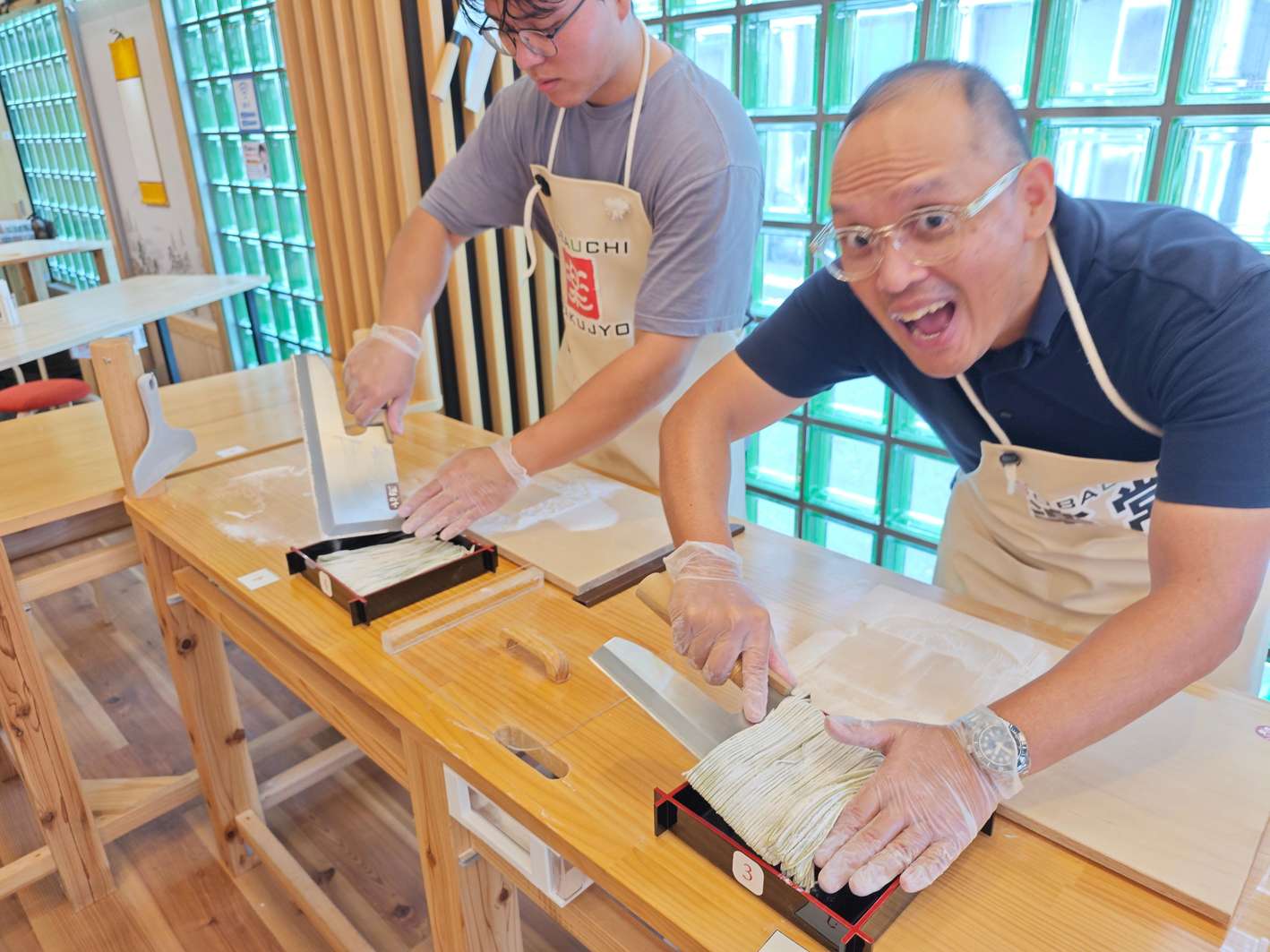
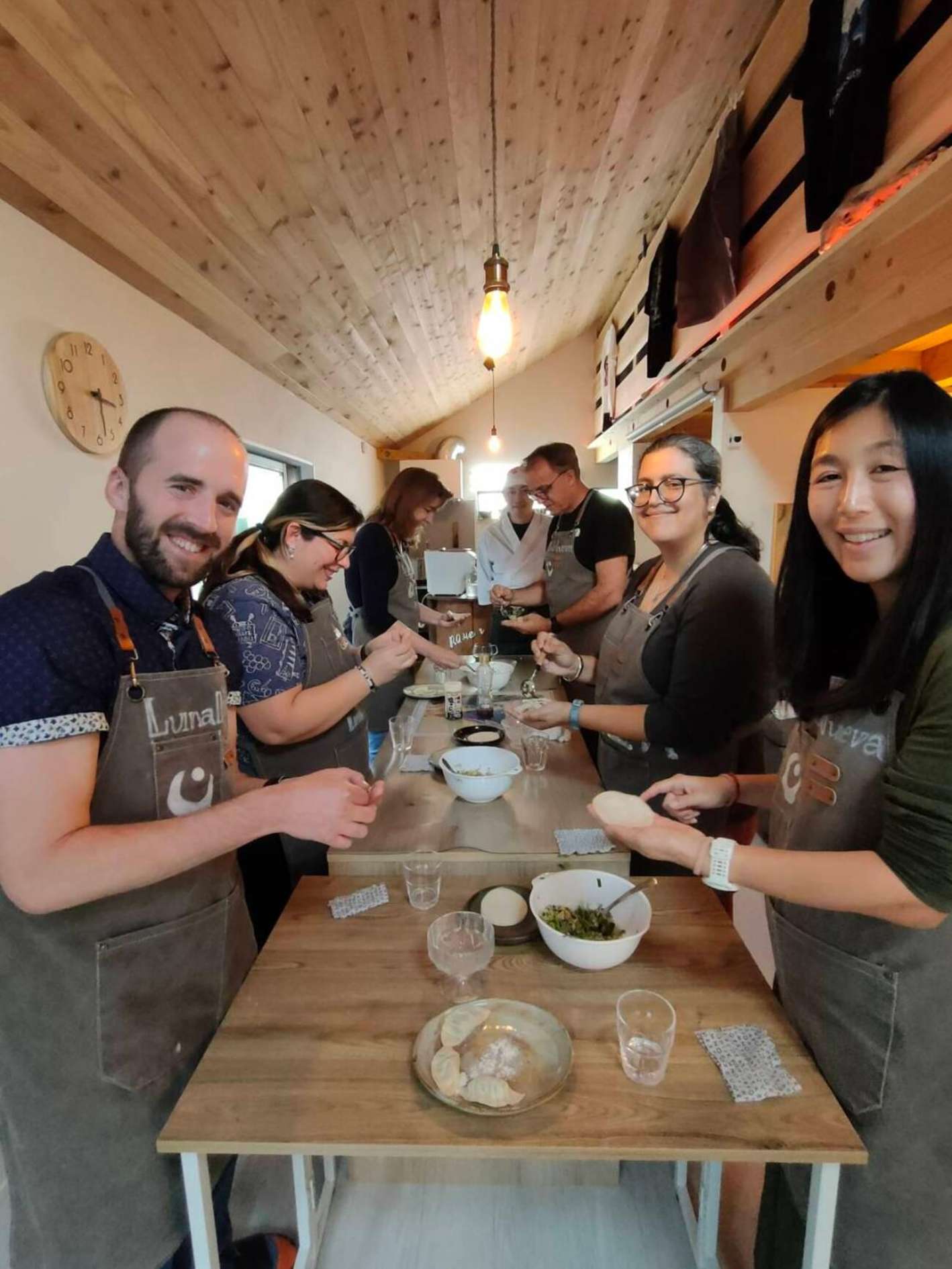
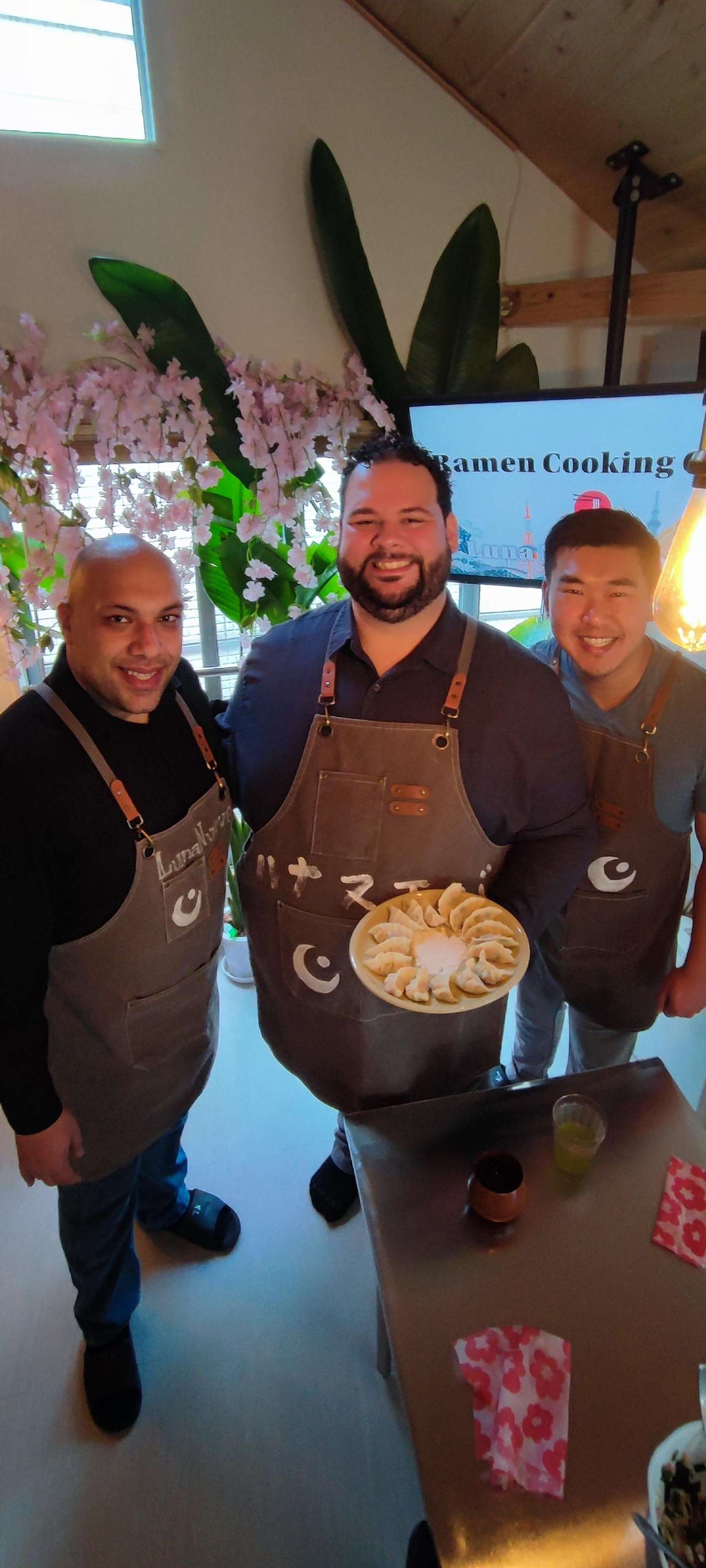
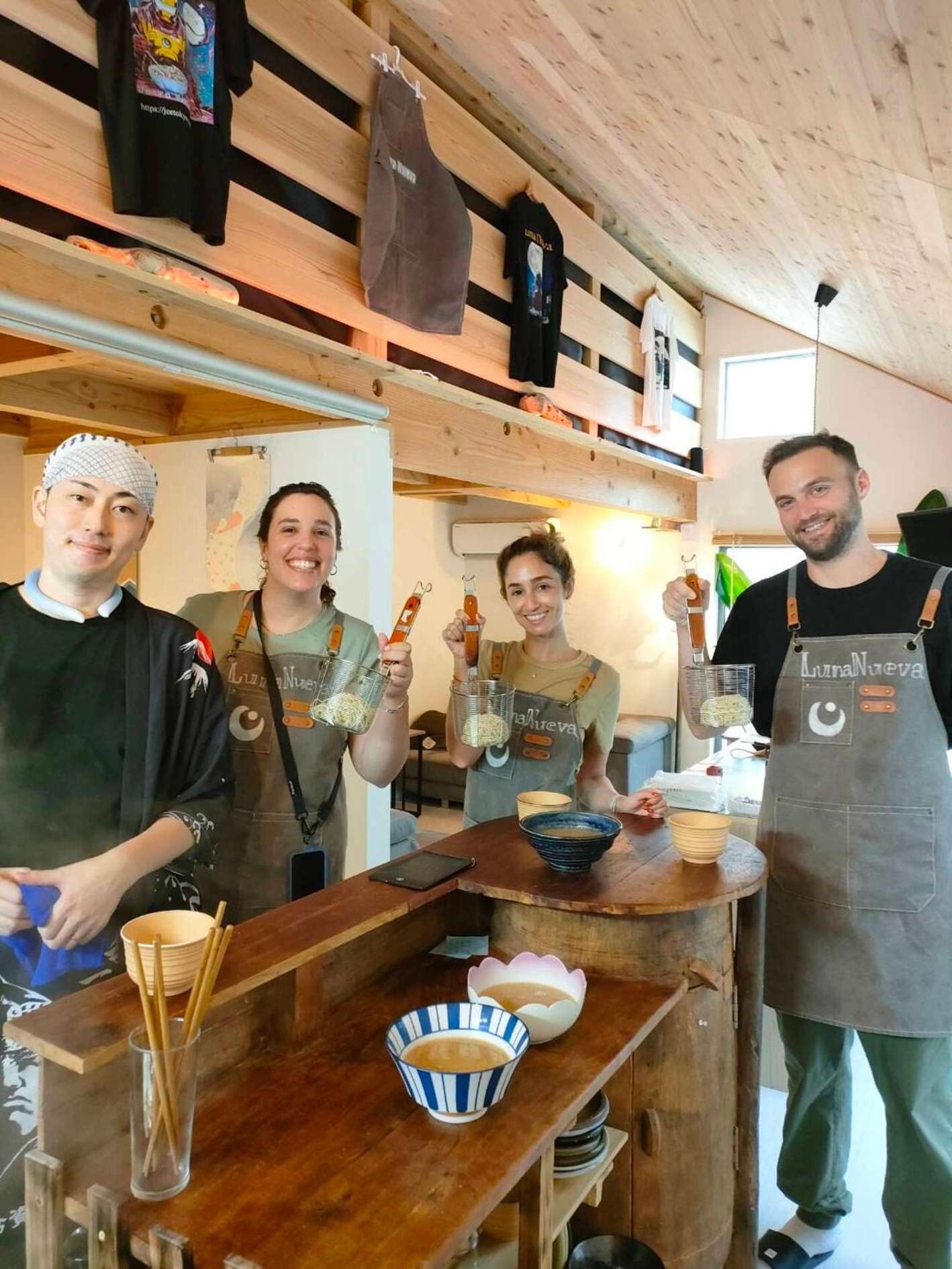
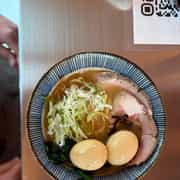
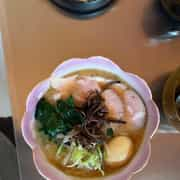
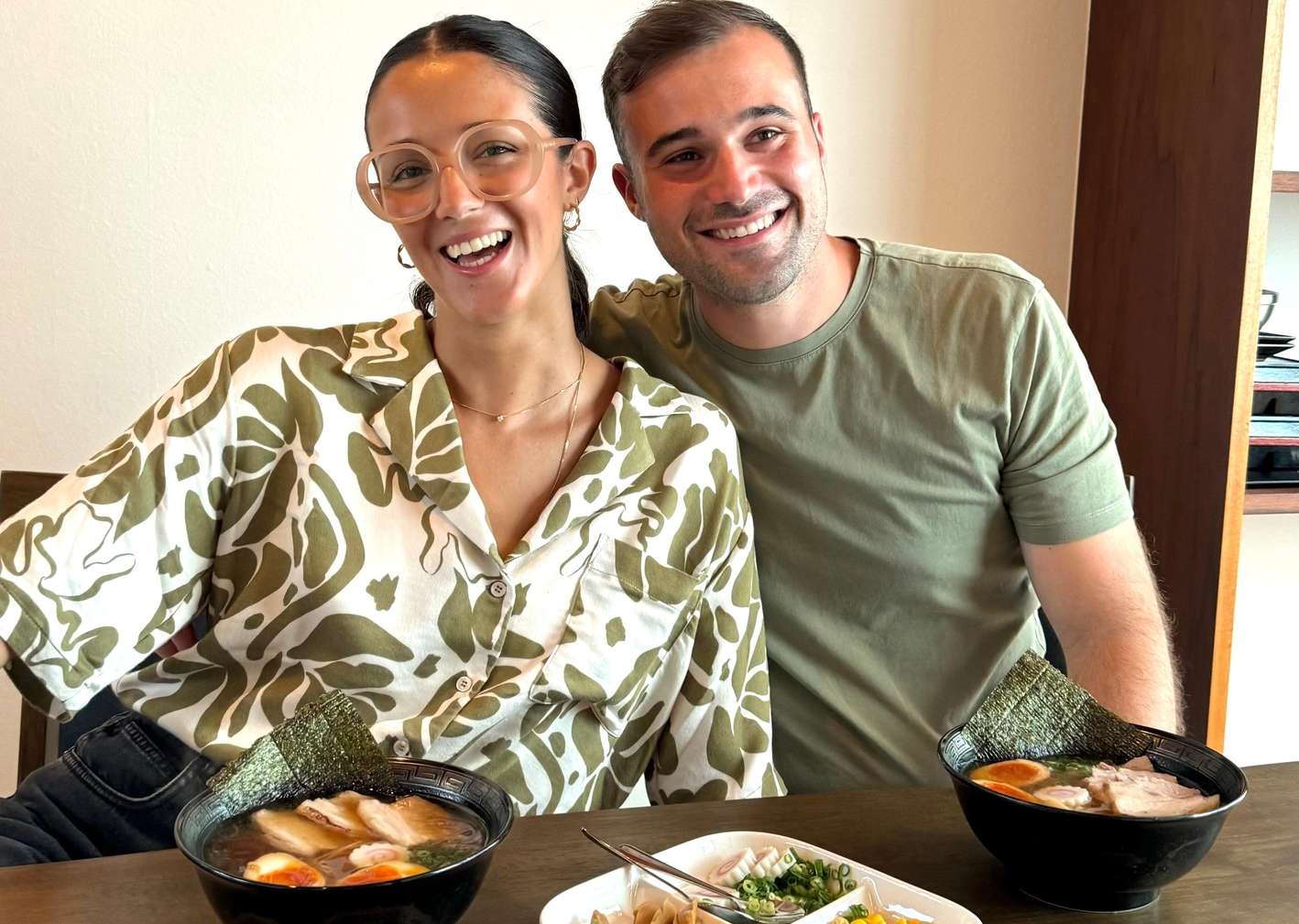
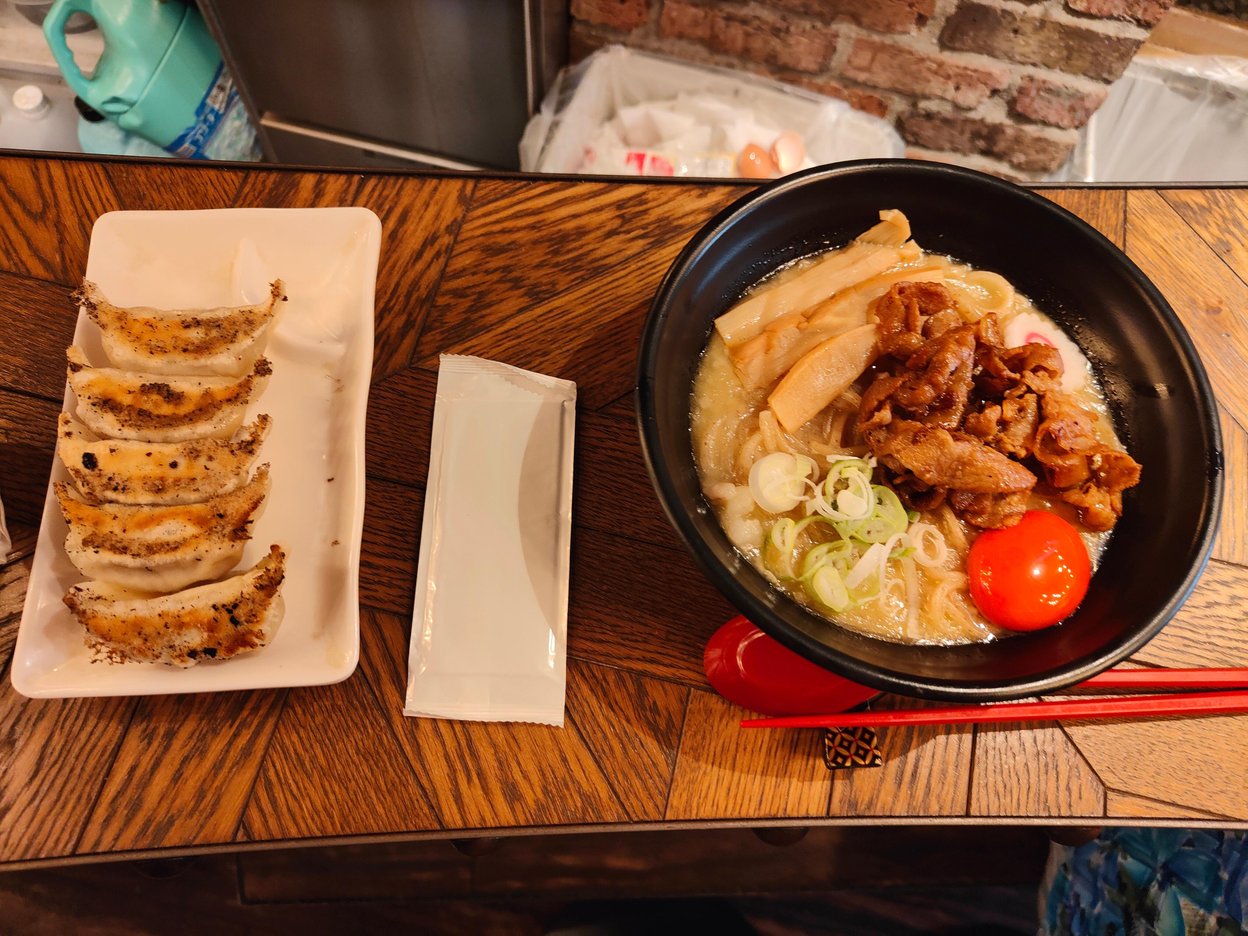
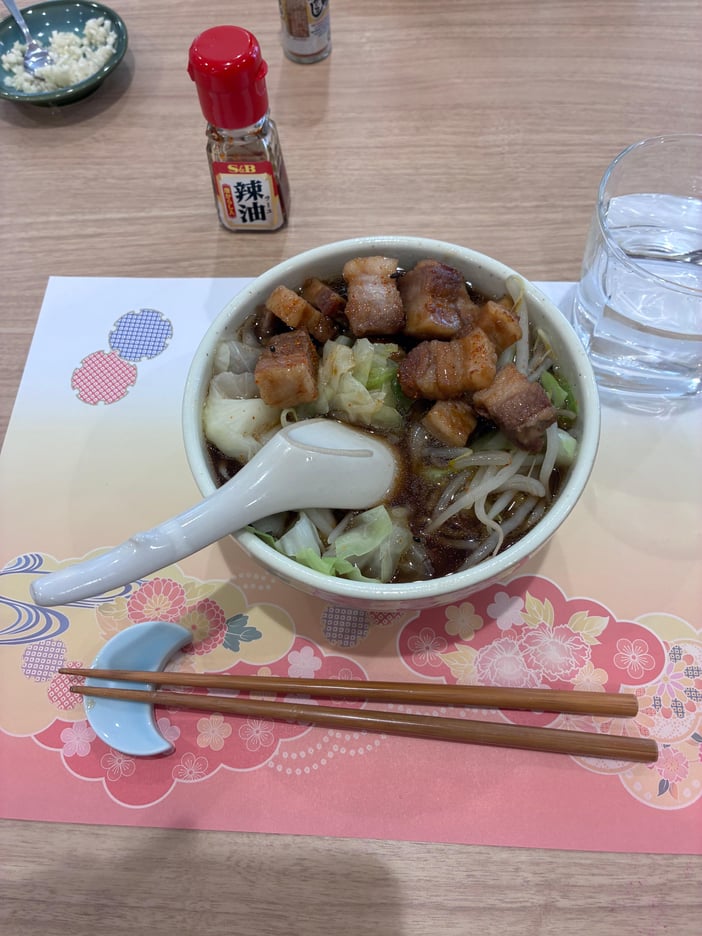
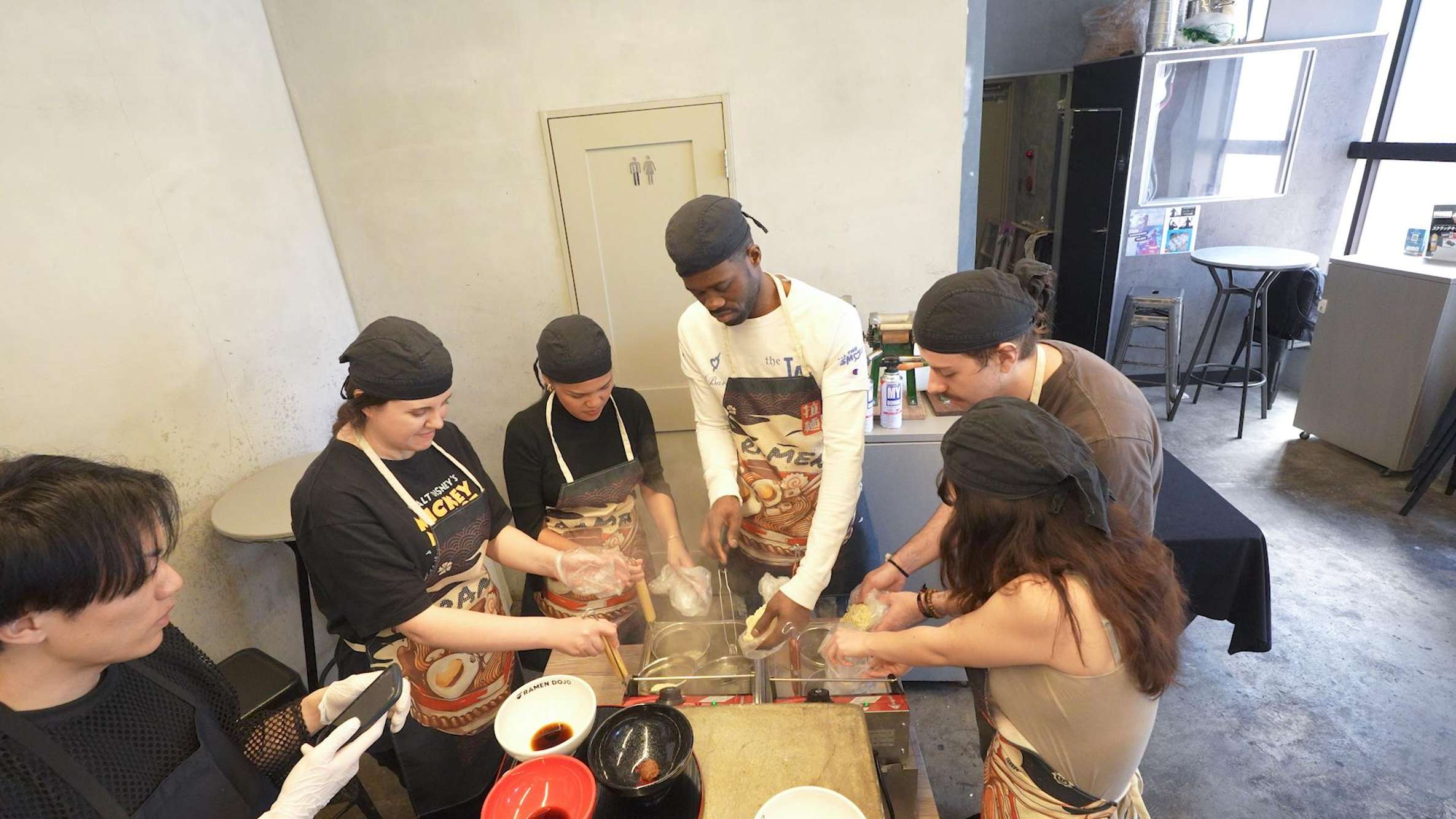
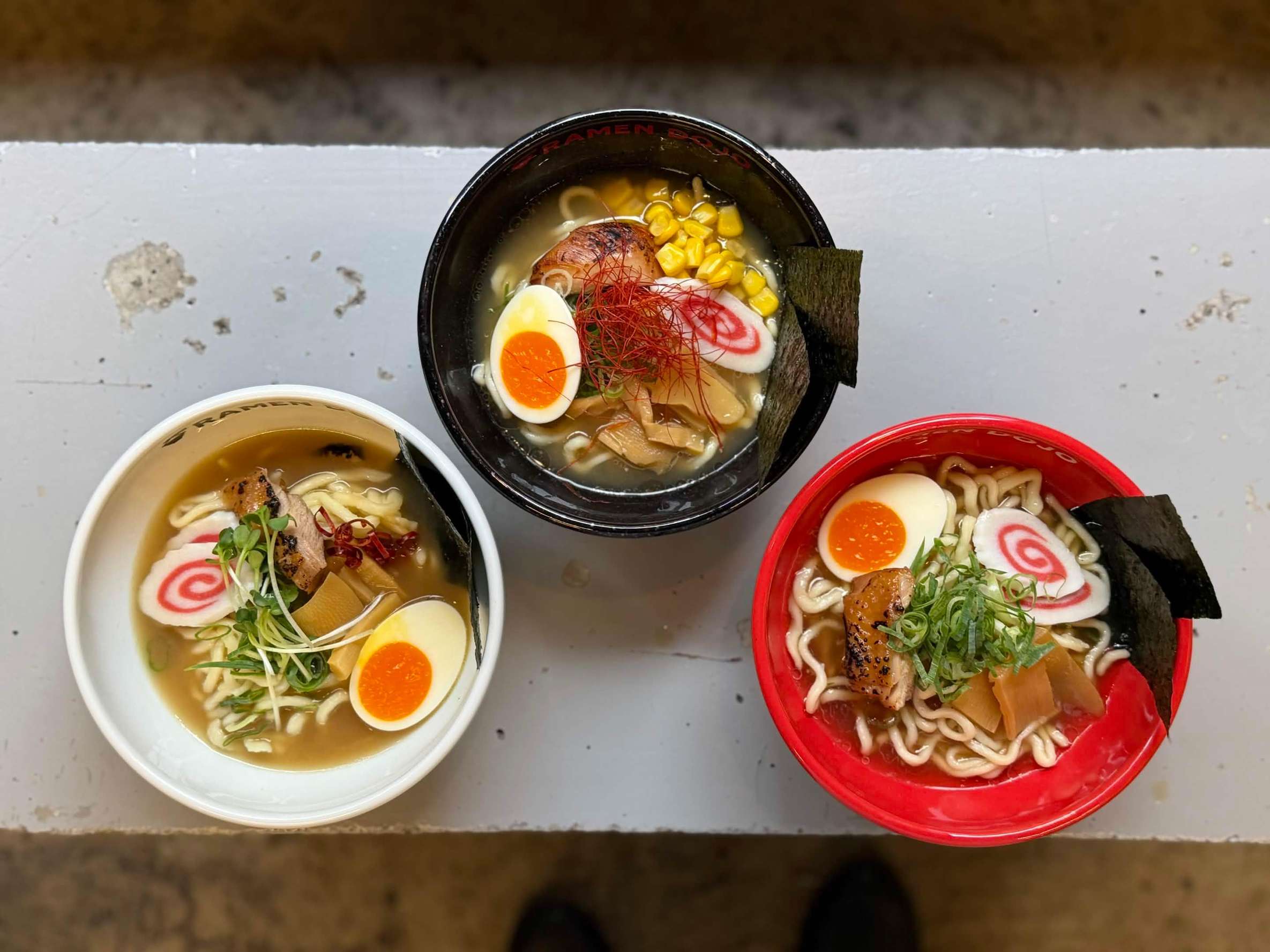
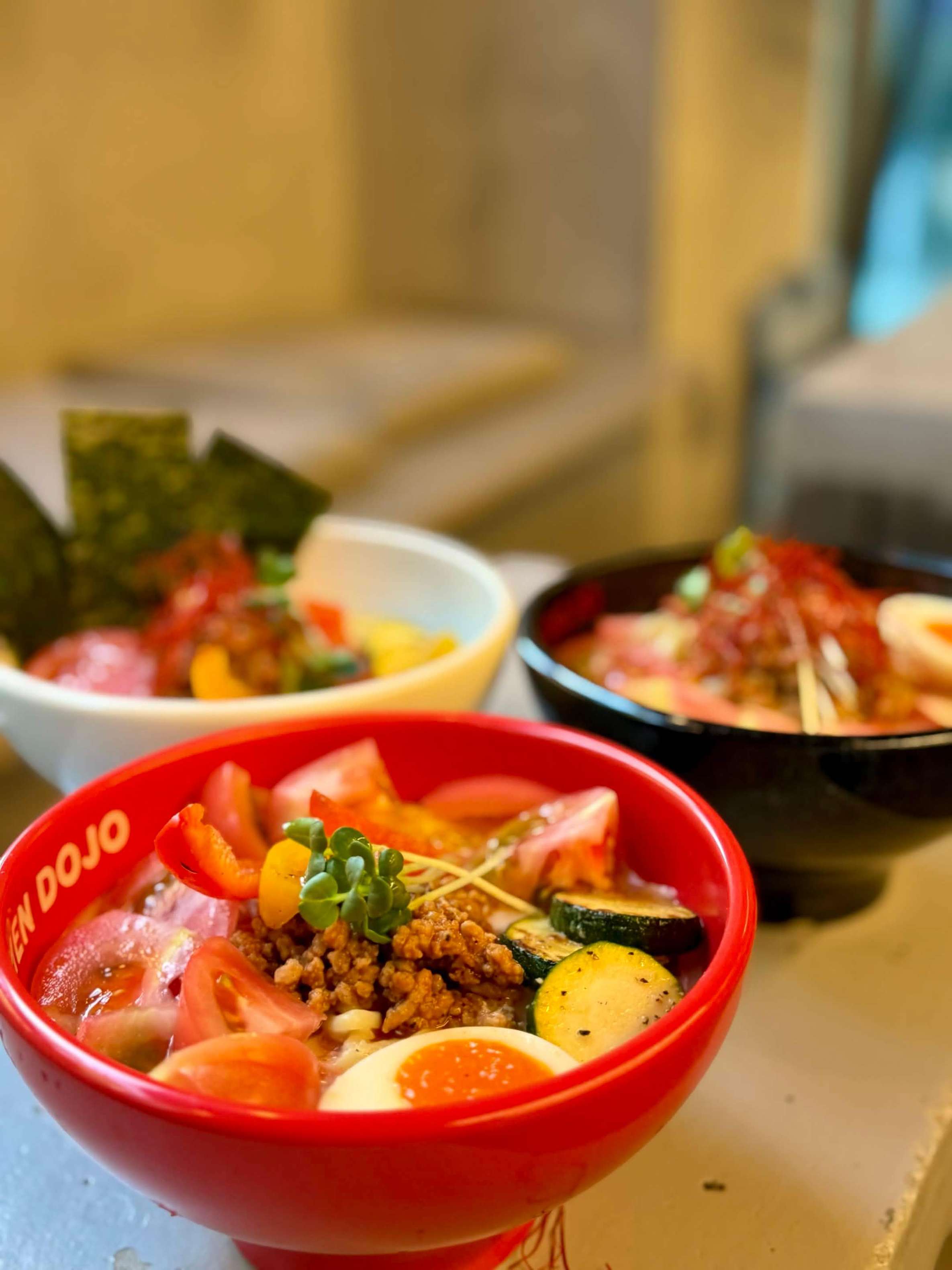
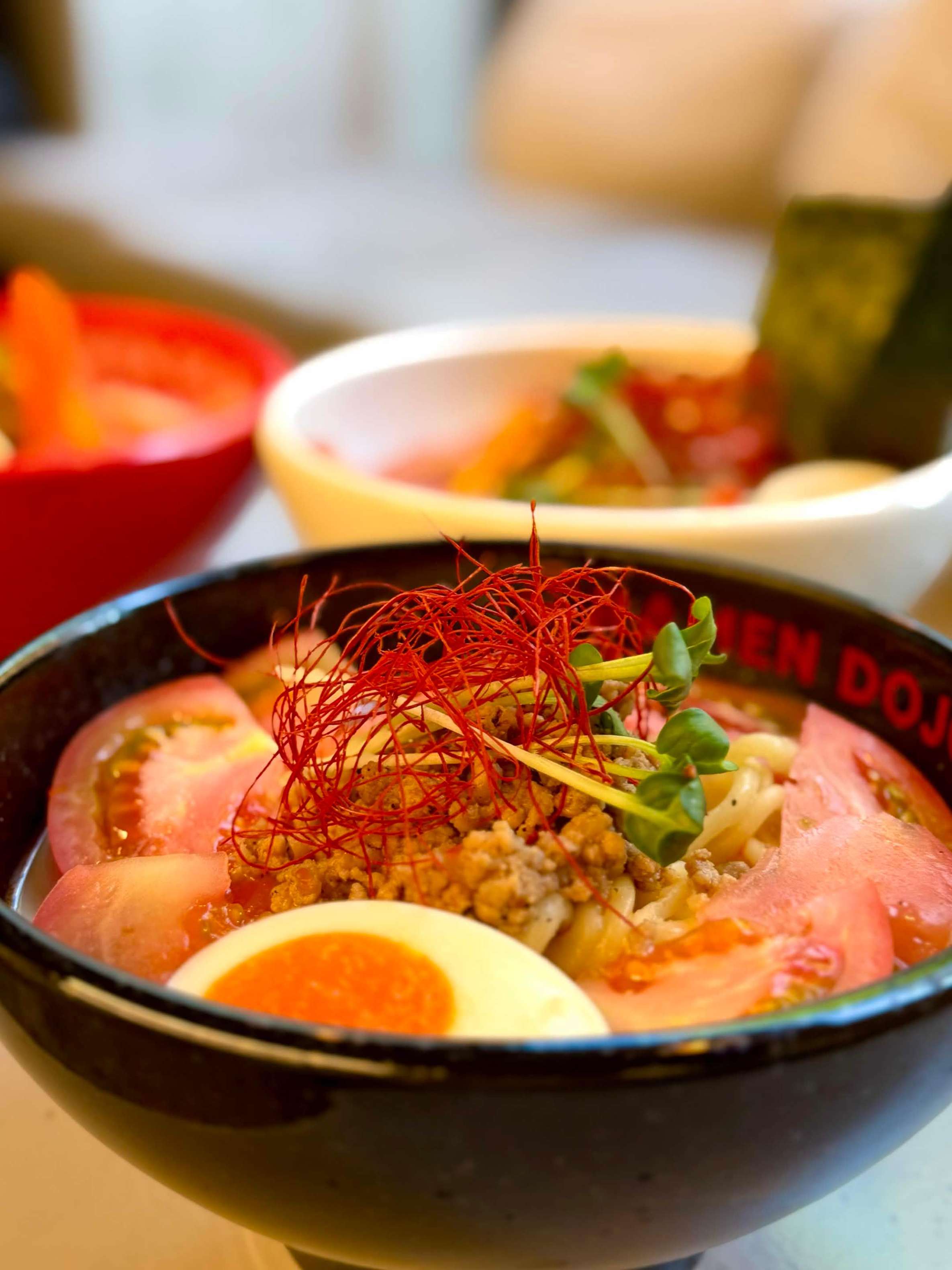
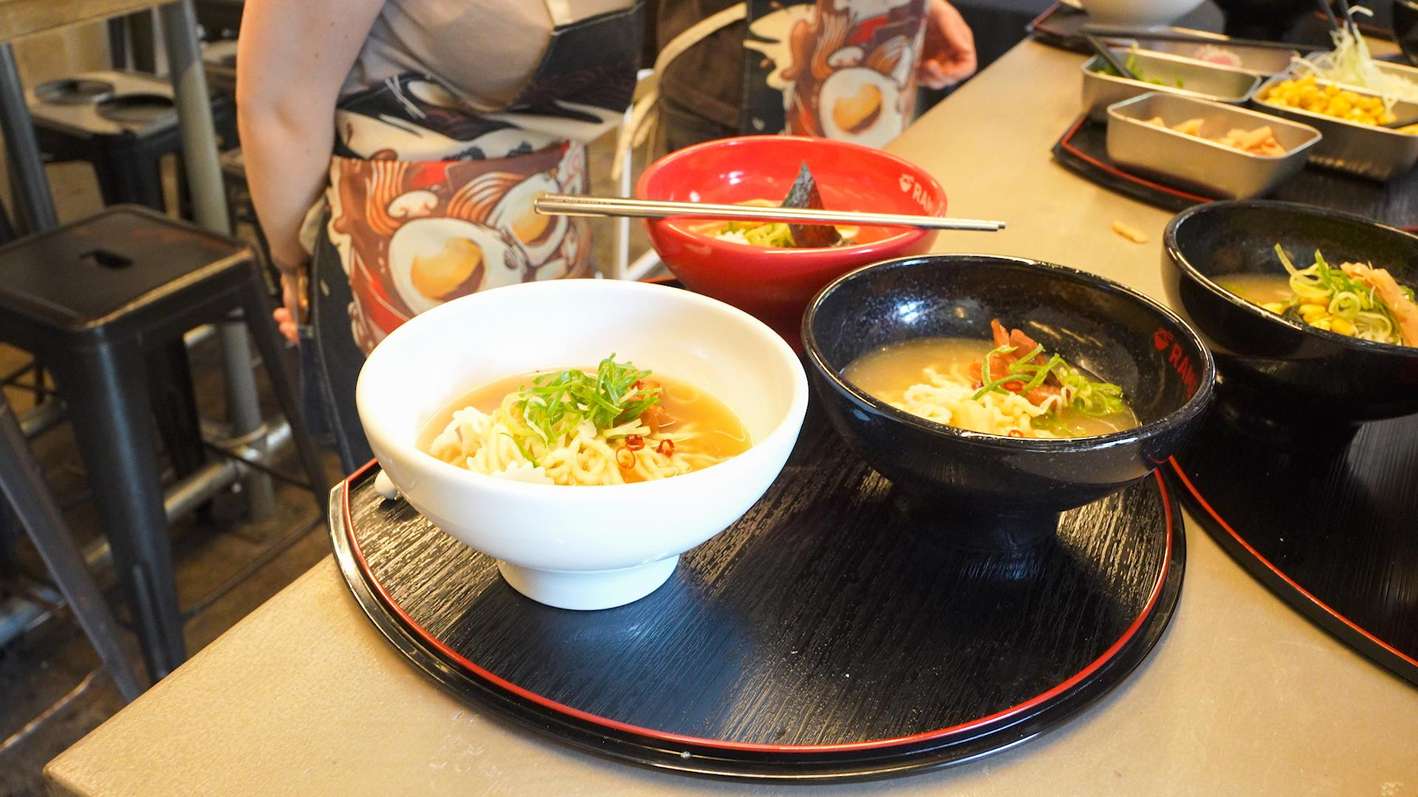
Make your own ramen in Tokyo, from kneading the dough to eating the bowl. In one hands-on class you can shape fresh noodles with a professional machine, taste tonkotsu, shoyu and miso side by side, and take home a recipe. Book a session and cook, not just order.
"I barely cook, but the English step-by-step teaching made it easy. Making Tonkotsu, Shoyu, and Miso in one class and tasting them side by side was a highlight of my trip. Easy Shibuya location!"
4.9★average rating1,442traveler reviews100%free cancellation41countries travelers came from
Choosing a ramen cooking class in Tokyo
Tokyo sells ramen-making in three main forms: quick workshops that get you cooking within an hour, full classes where you knead noodles from flour, and restaurant experiences that put you behind a real counter. The one difference that decides it: how much of the bowl you make yourself. Pick the depth that matches your time and appetite.
AllergiesThe Shibuya class is unsuitable for severe wheat, egg or soy allergies, celiac disease and airborne flour sensitivity, and the noodle-making experience excludes buckwheat allergies.
Cold symptomsSkip hands-on food preparation if you have a cold; the noodle-making experience does not admit participants who have one.
Book aheadCooking classes in Tokyo fill up, and a session needs enough participants to run, so reserve a day or two ahead rather than on the day.
Arrival timeThe Shibuya class asks you to arrive 10 to 15 minutes early, with doors opening only 15 minutes before the start, and latecomers may join in progress or be refused.
Meeting pointsThe Akihabara class meets at the station's central ticket gate and ends at a kitchen studio elsewhere, so note both addresses.
Typhoon seasonTrains can stop during typhoon season from July to October, especially August and September, so an indoor class still depends on a running line.
What to wearWear clothes that survive flour and soup splashes, and closed-toe shoes where the class works near boiling water.
Minimum group sizeSome experiences, including the behind-the-counter kitchen visit, need at least two participants to run and refund you if they cannot.
Which Tokyo cooking class makes your ramen?
Answer a few quick questions and the finder points you to the class that fits.
importantThe Shibuya ramen class cannot accept guests with severe wheat, egg or soy allergies, celiac disease or severe airborne flour sensitivity, because the shared kitchen runs wheat flour through a professional noodle machine.
If any of these apply to you, pick a different Tokyo class and tell the host about your allergy in advance. If you are booking the Shibuya class, check the full studio access details and arrival rules before you go.
Tokyo ramen cooking classes worth your afternoon
cheapest
1 hour
4.7(462)
Tokyo: Easy Ramen Cooking Experience in Kabukicho, Shinjuku
An hour of cooking and eating your own bowl in Kabukicho, and it still leaves most of the day free for sightseeing.
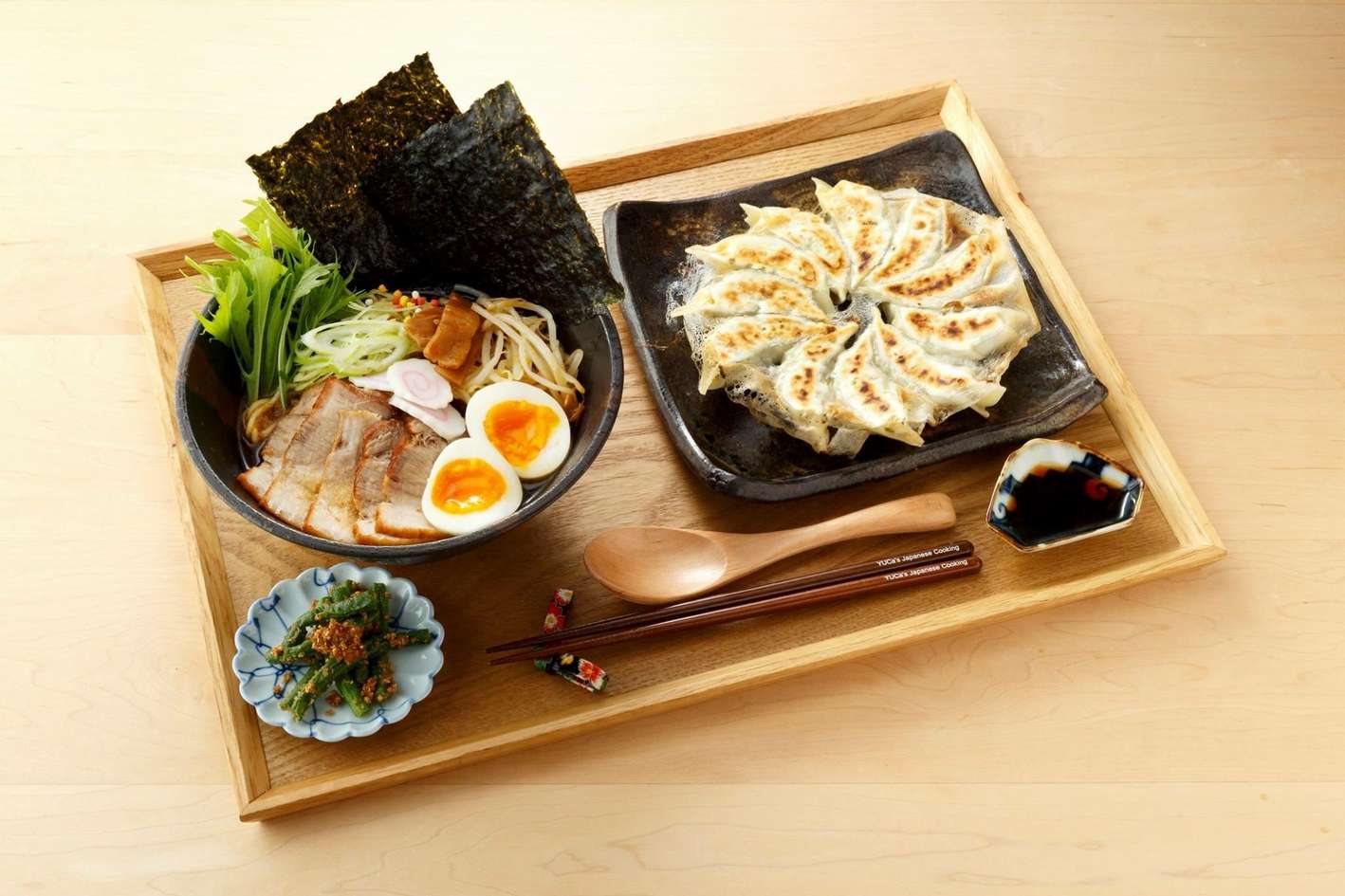
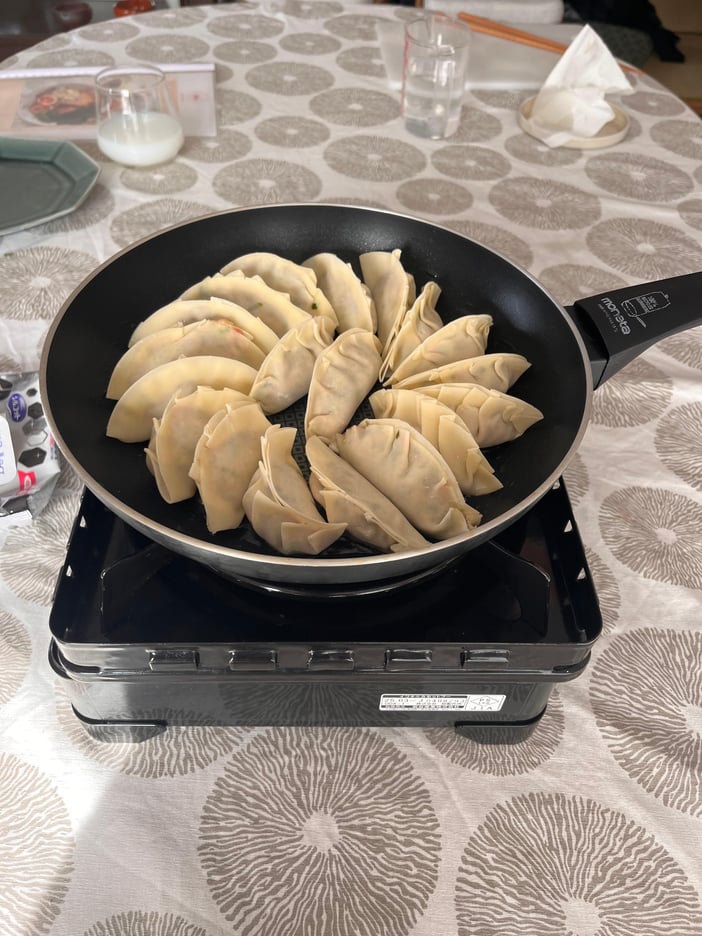
Knead noodle dough, fold dumplings and eat both in one sitting. One class adds a walk through a local supermarket so you can learn what Japanese ingredients to buy for your own kitchen. It suits families and anyone who wants two dishes and a bigger meal for the afternoon.
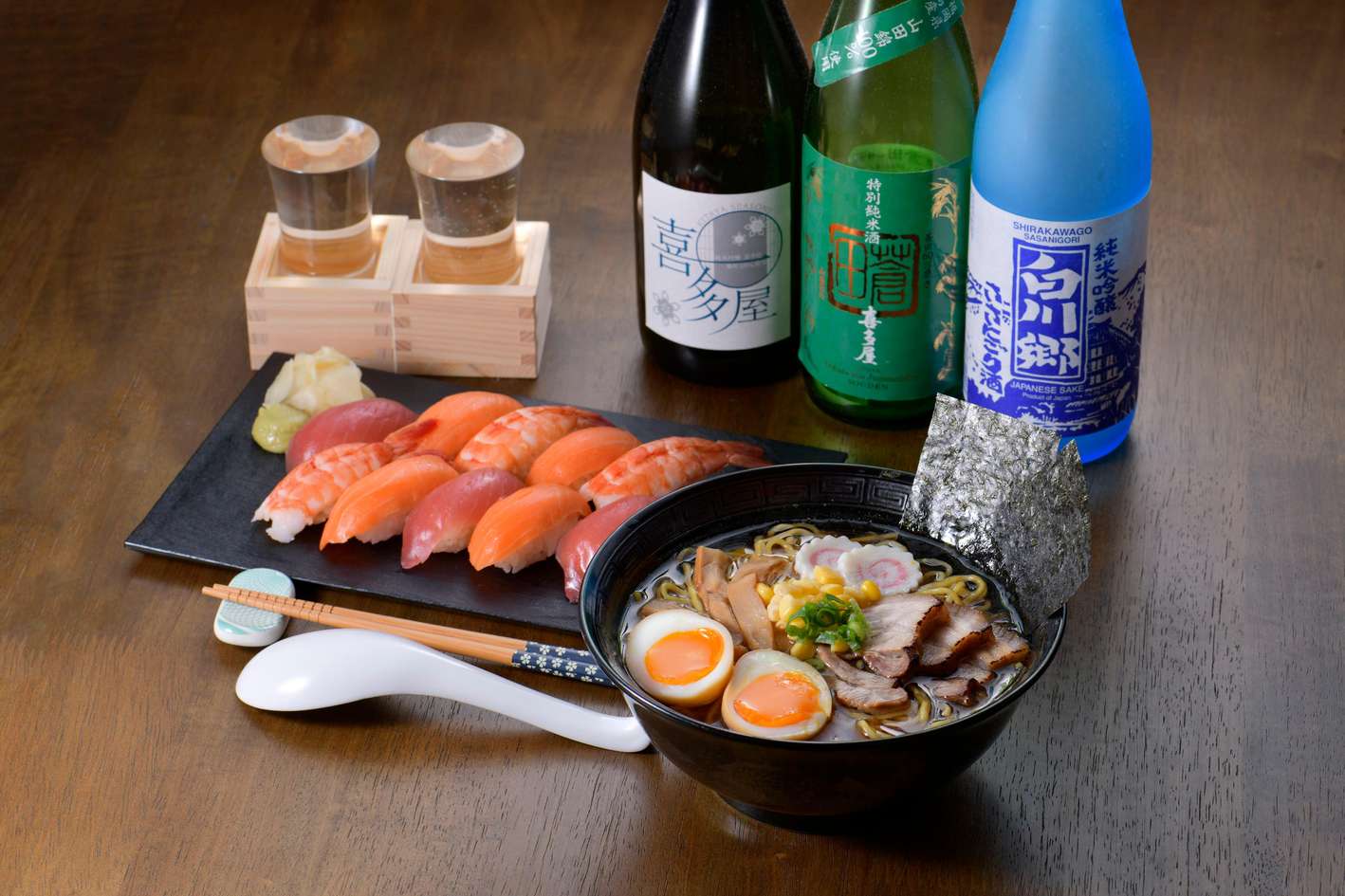
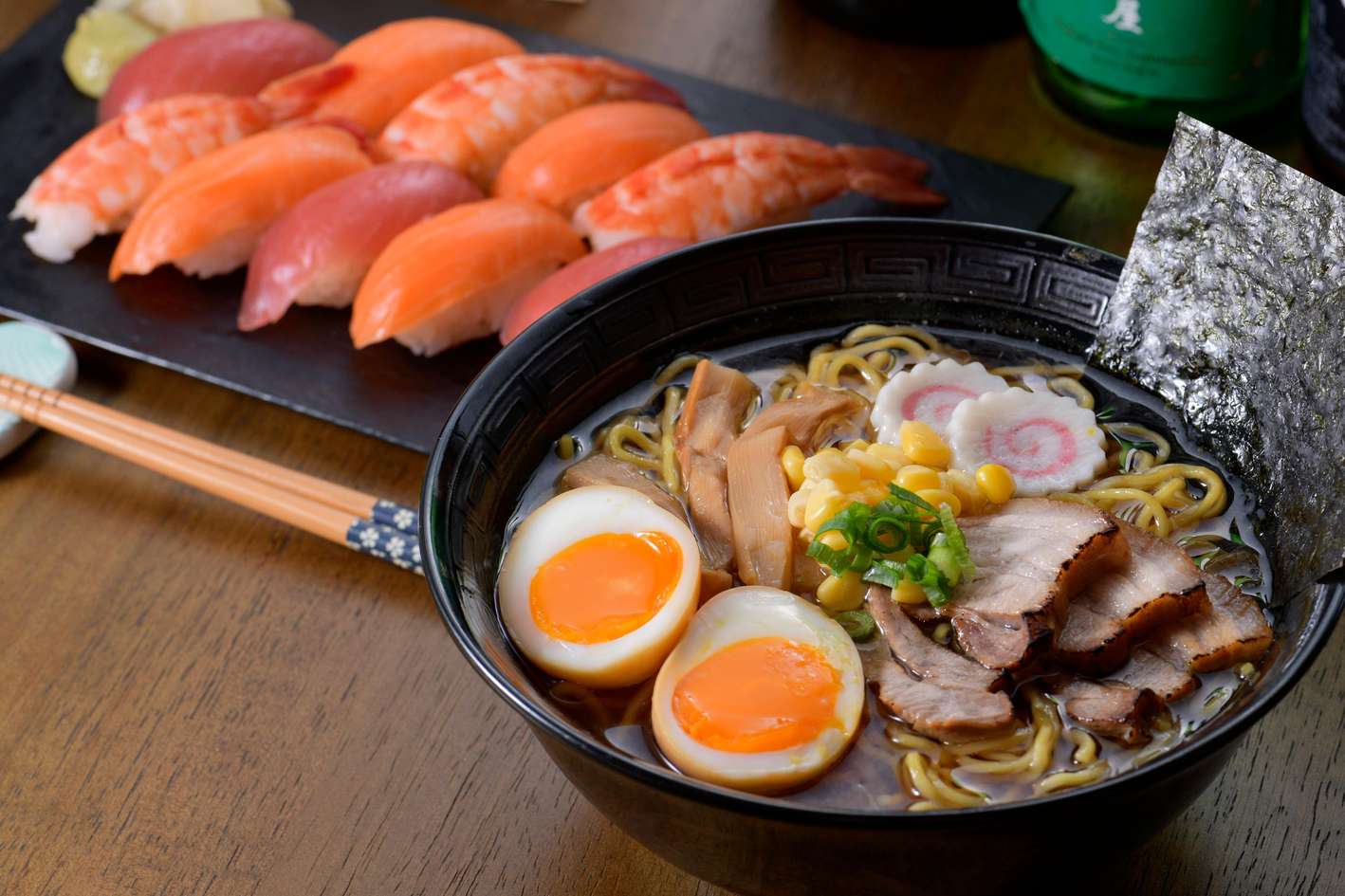
Shape nigiri by hand, cook ramen broth and chashu pork, then sit down to a sake pairing set. The session runs about three hours near Tsukishima Station, so it works best as the main food activity of your day rather than a quick stop between sights.
One Shibuya workshop runs a halal-friendly ramen option you can book directly, alongside its standard class. You still knead dough, cut noodles on a professional machine and assemble your own bowl. Check the menu details before booking if your requirements are strict, so the instructor can prepare for you.
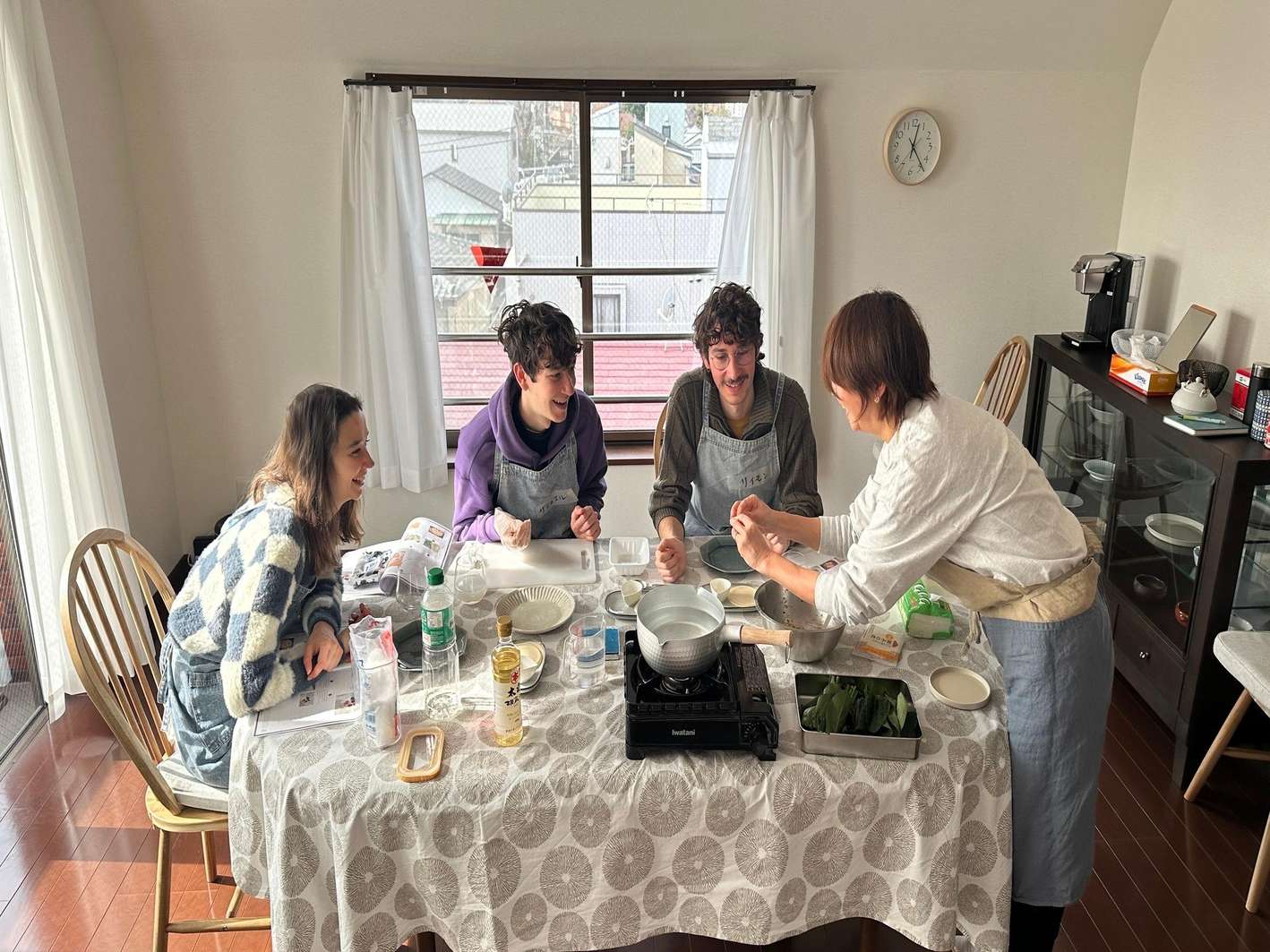
The Shibuya class offers a vegan and halal-friendly ramen option as a separate booking. A private class in a Nerima home makes ramen and dumplings with a chef who ran a restaurant in Sydney, with vegetarian broth on request. Ask ahead, because broth and seasonings can hide fish or animal ingredients in Japan.
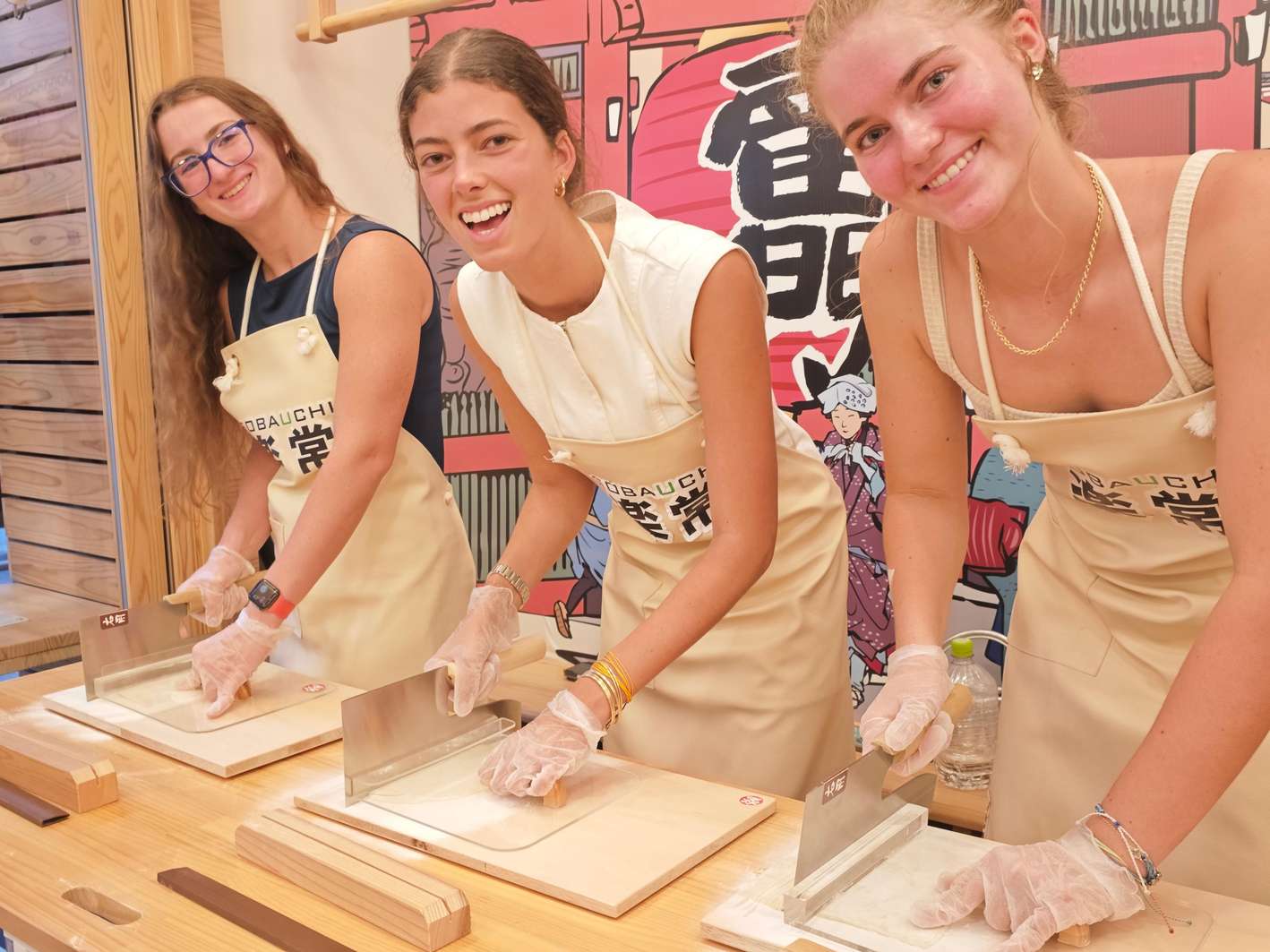
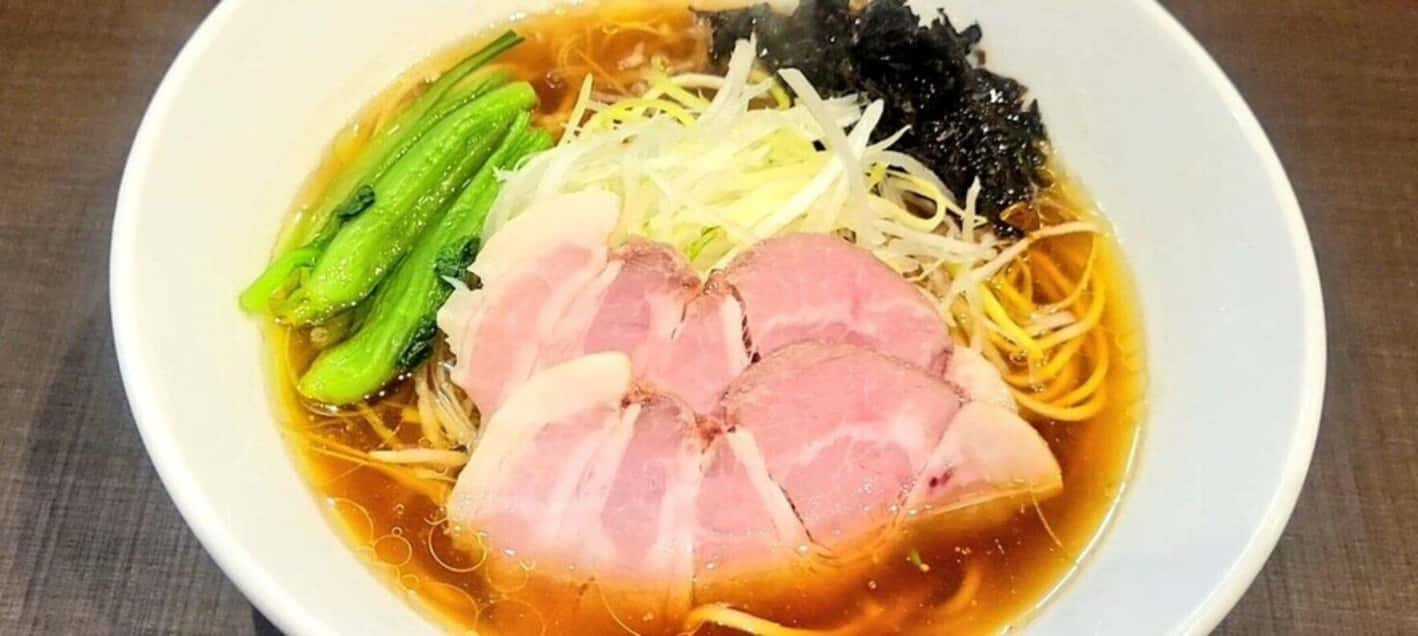
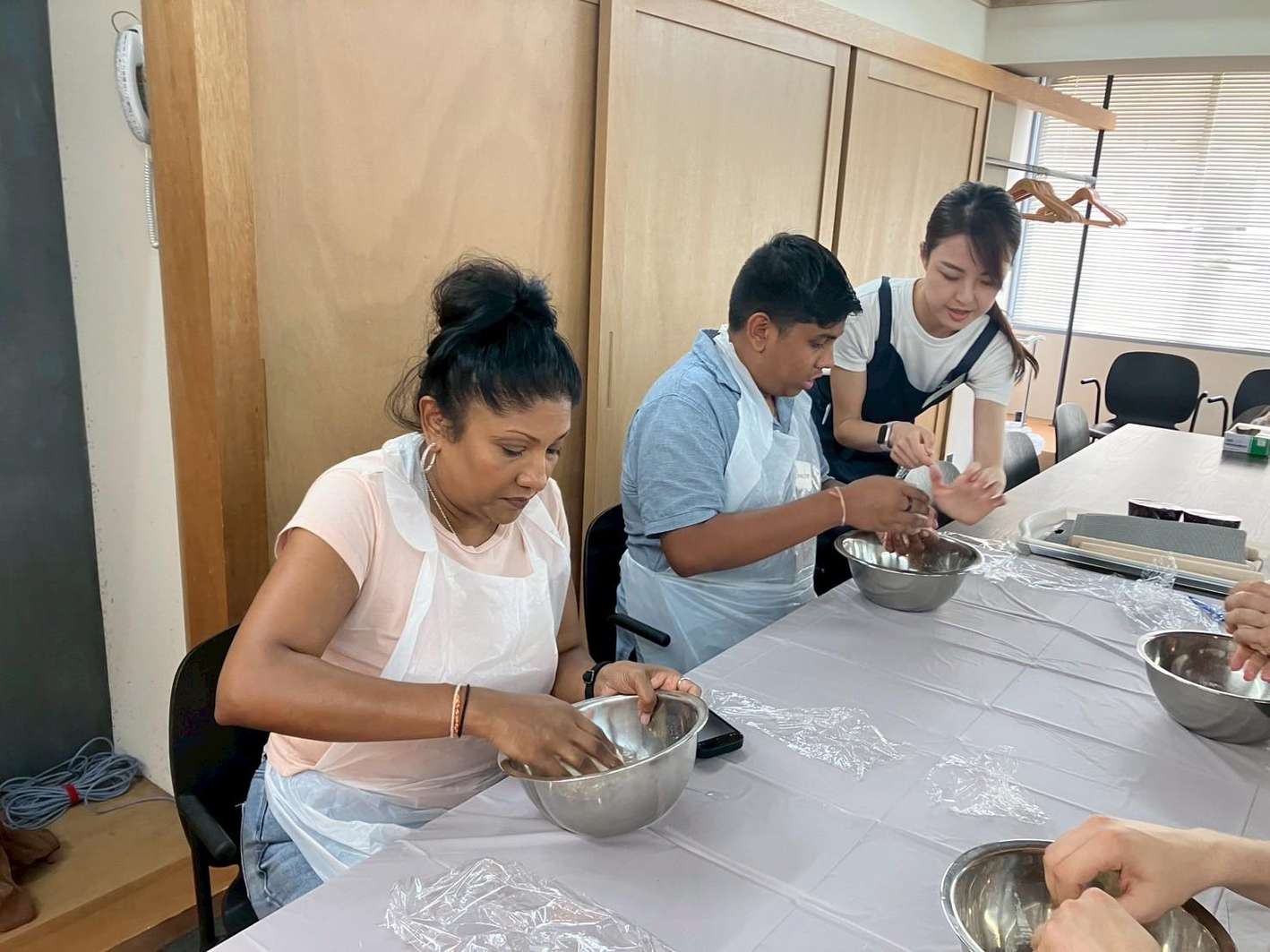
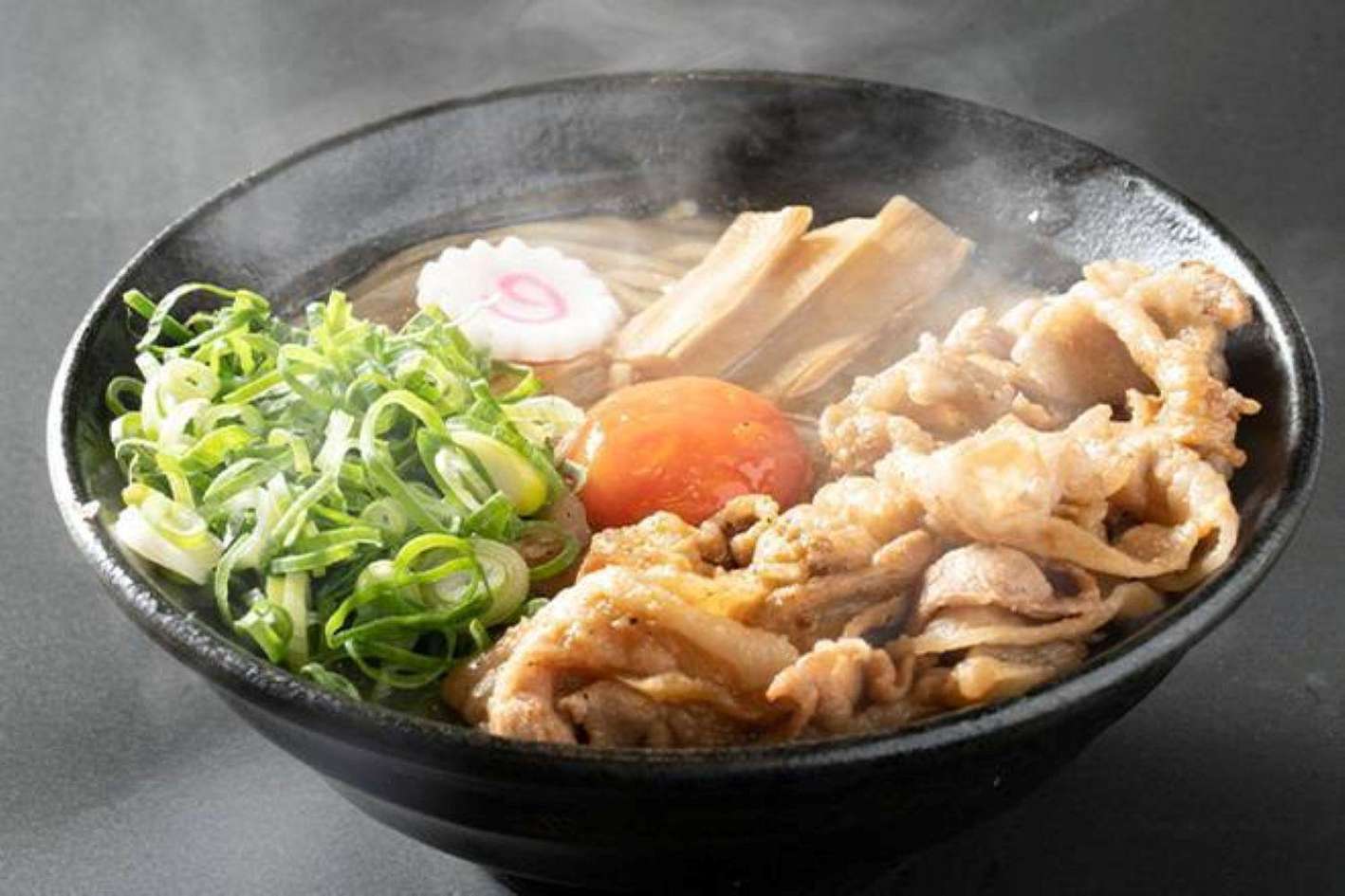
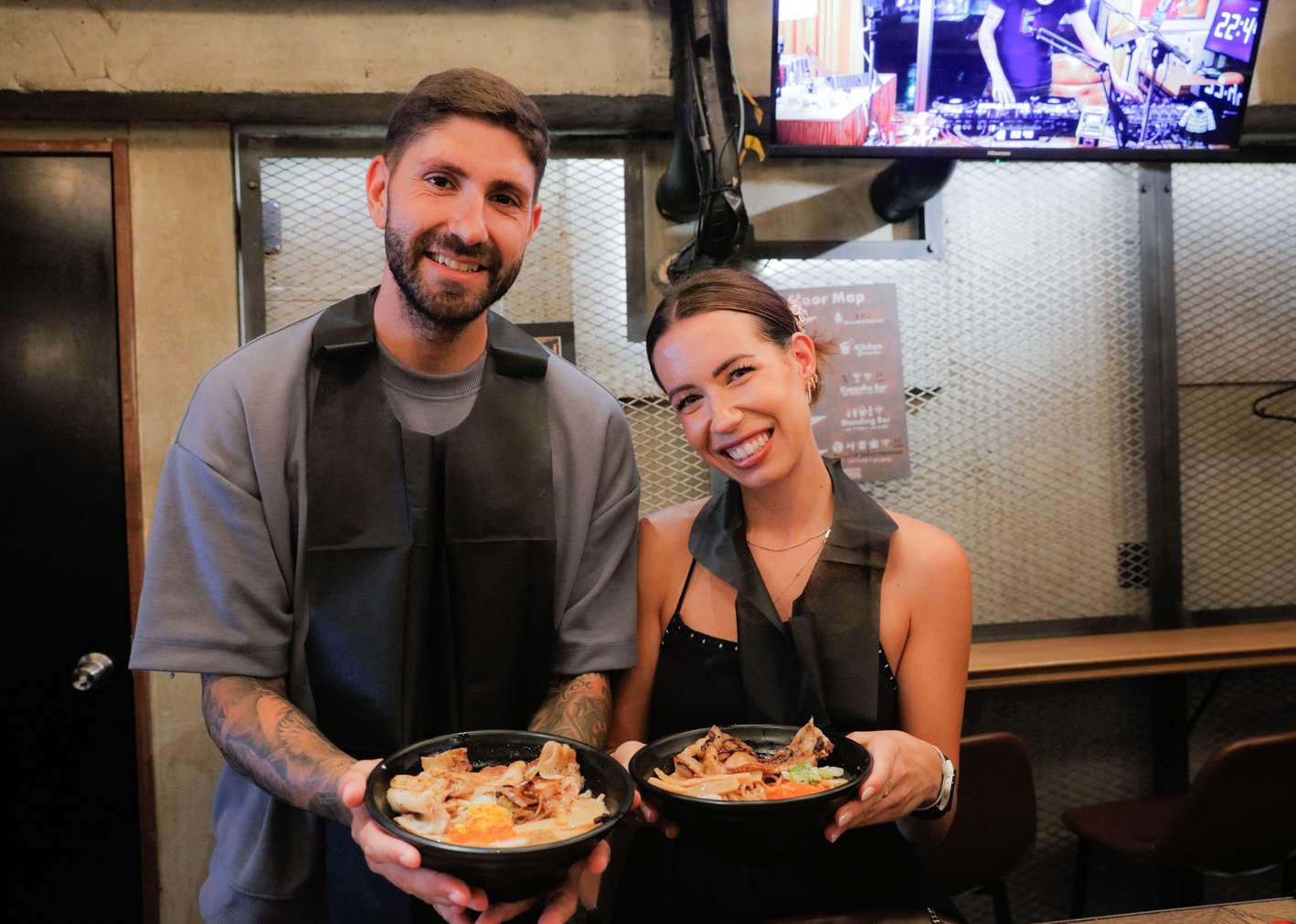
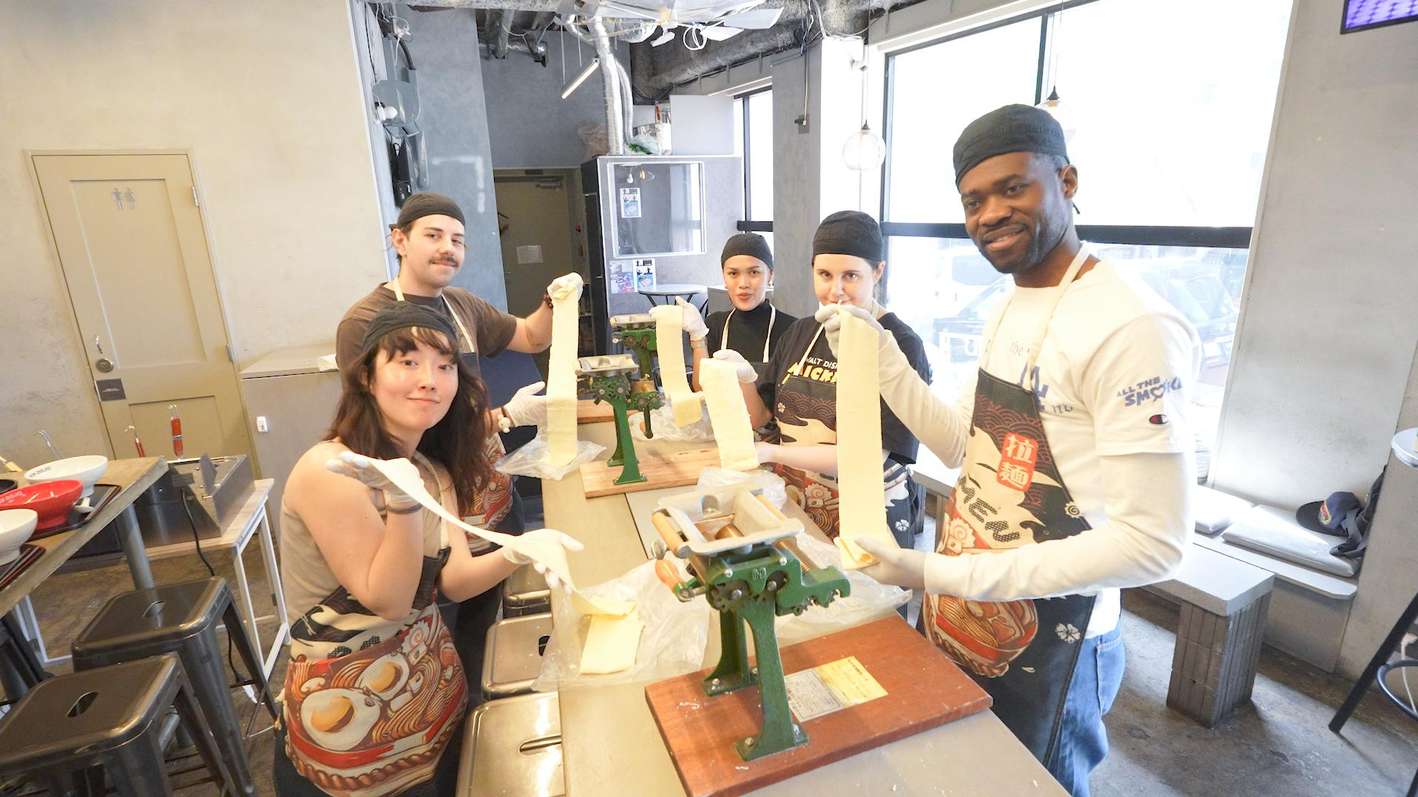
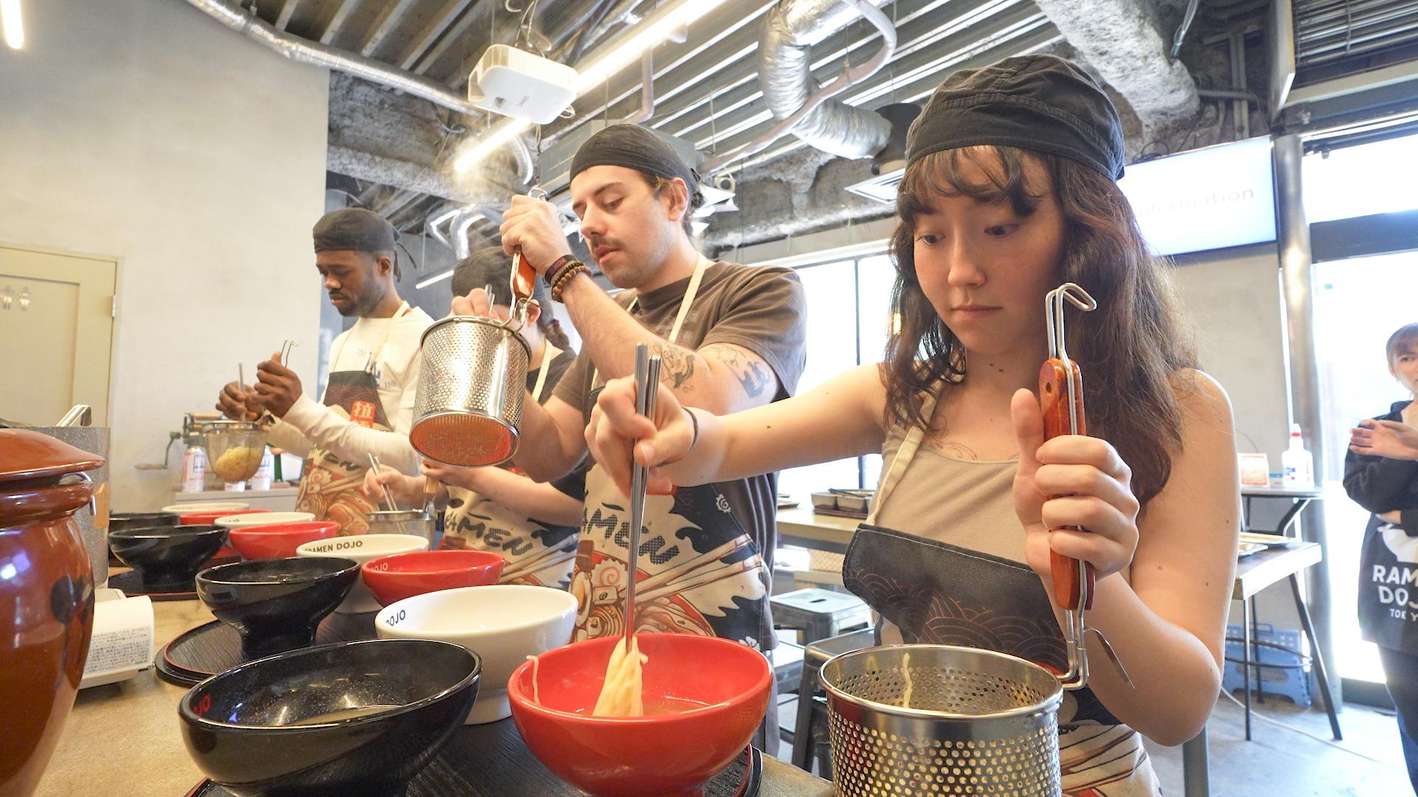
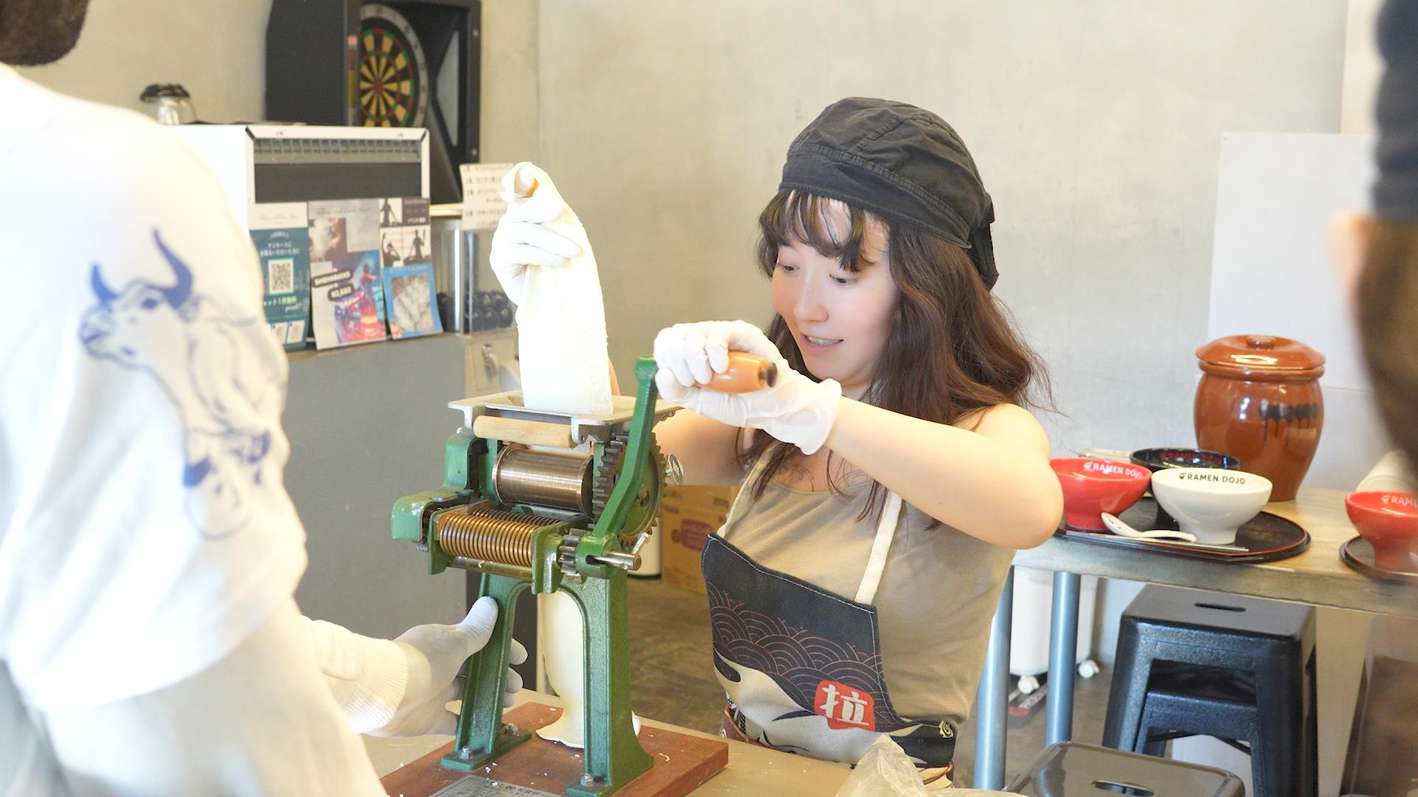
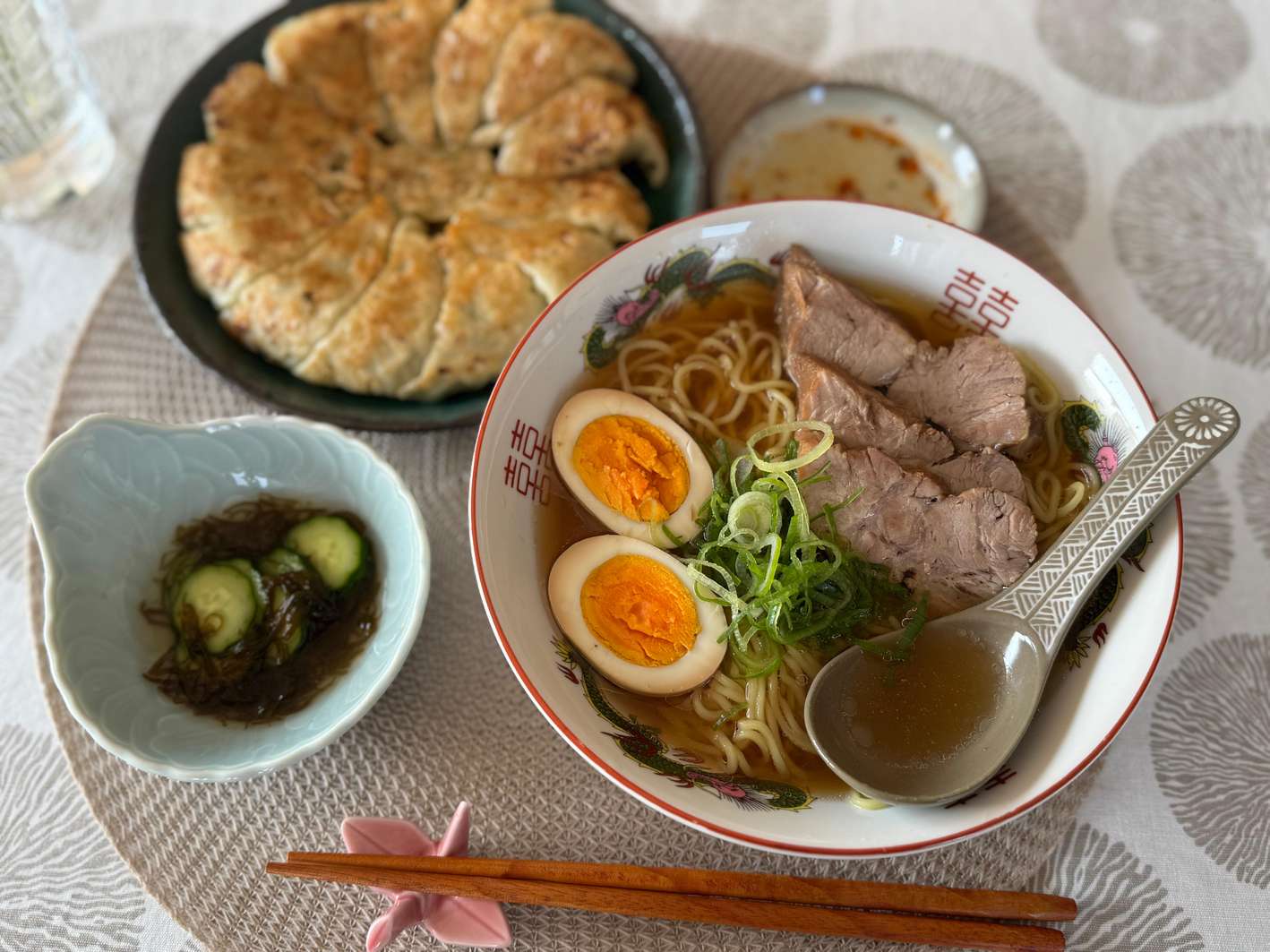
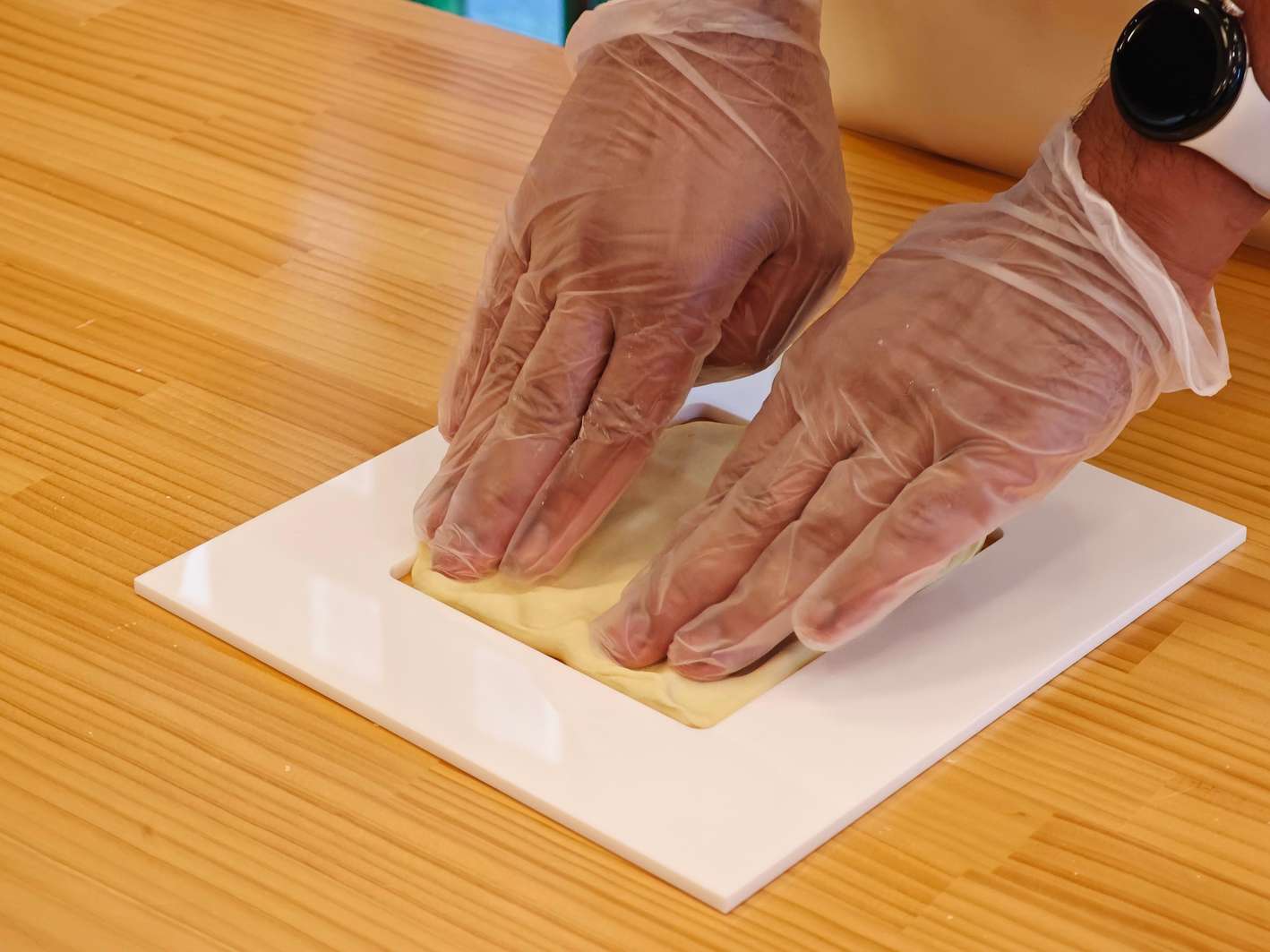
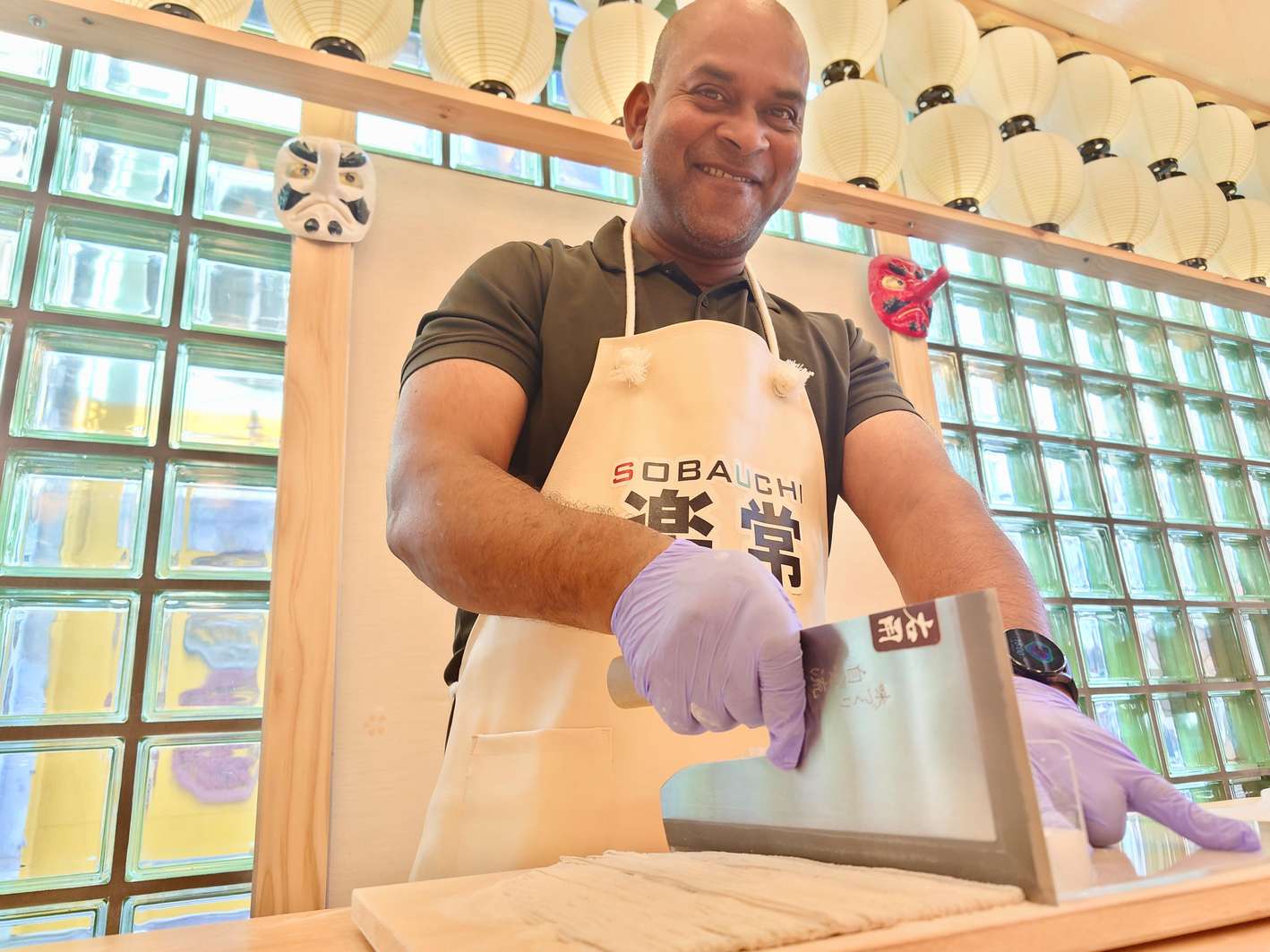
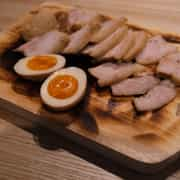
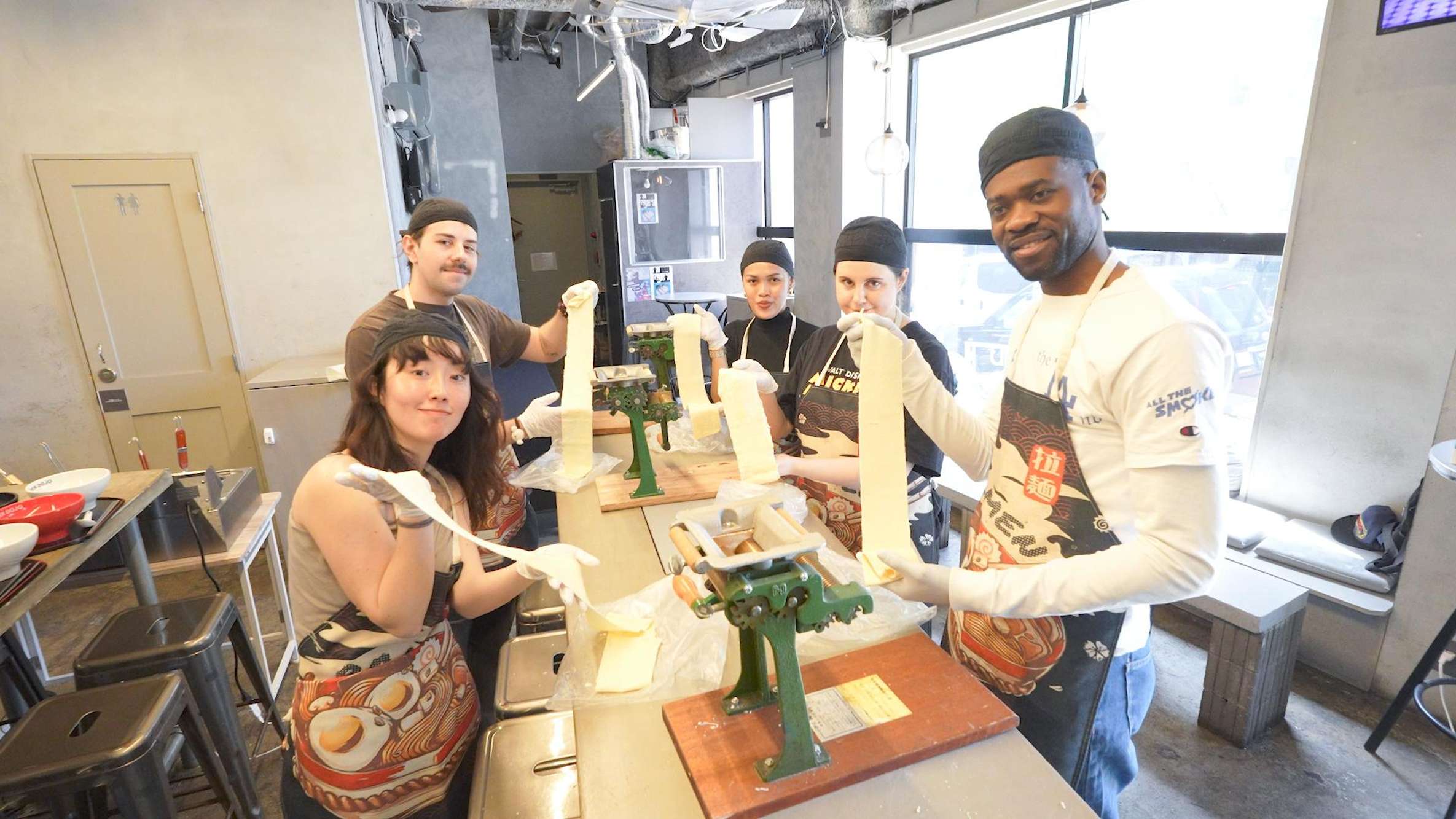
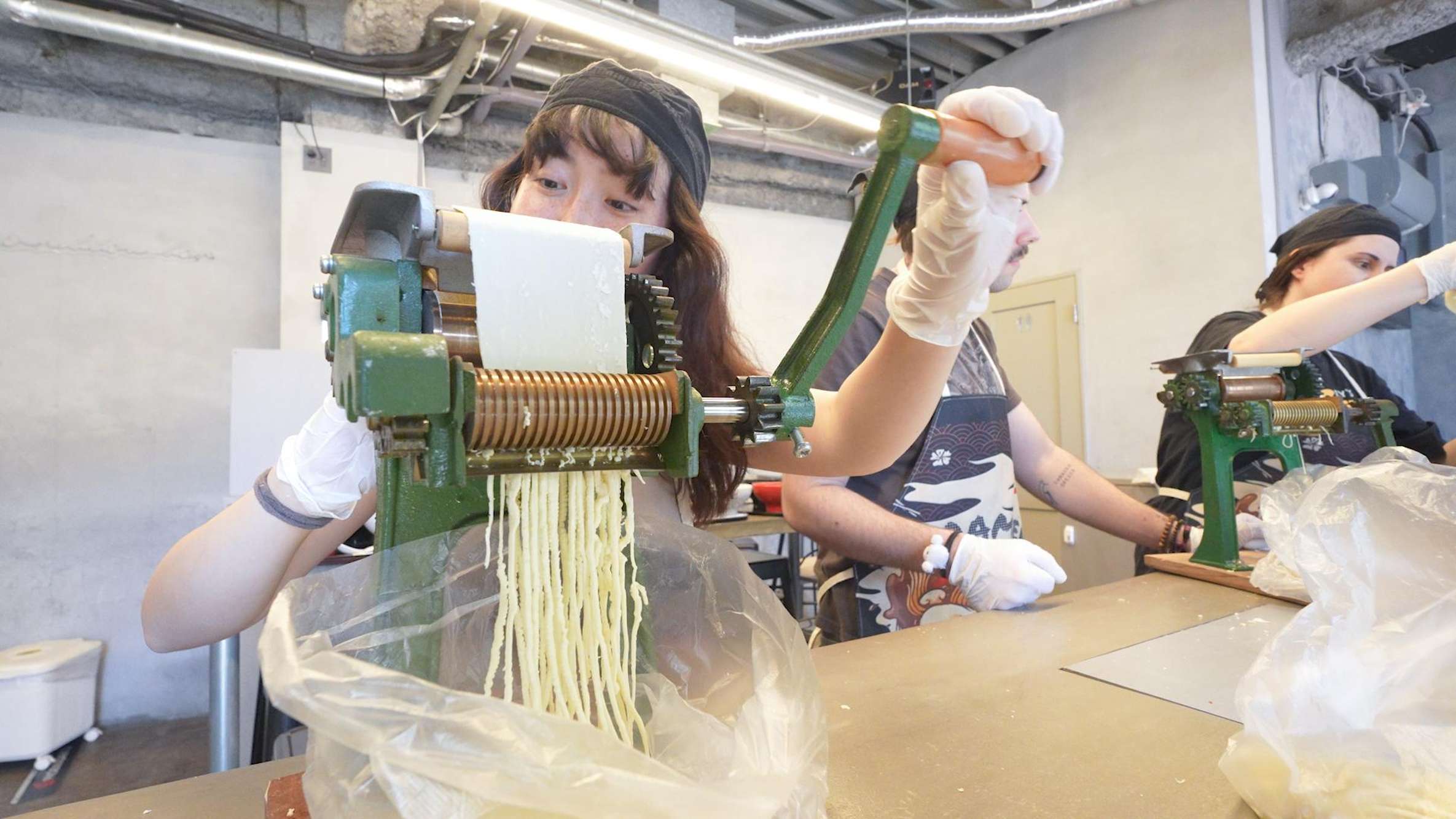
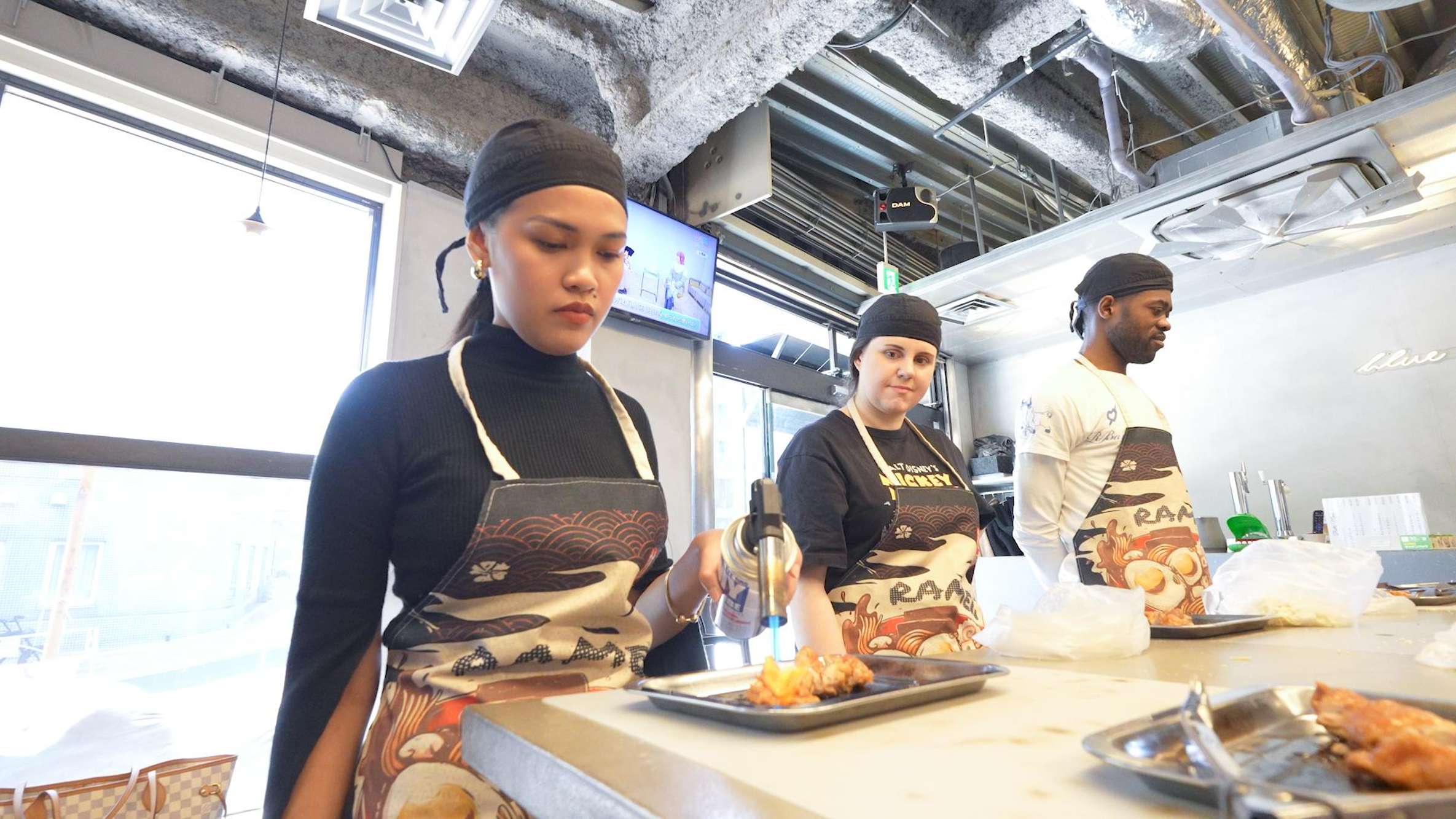
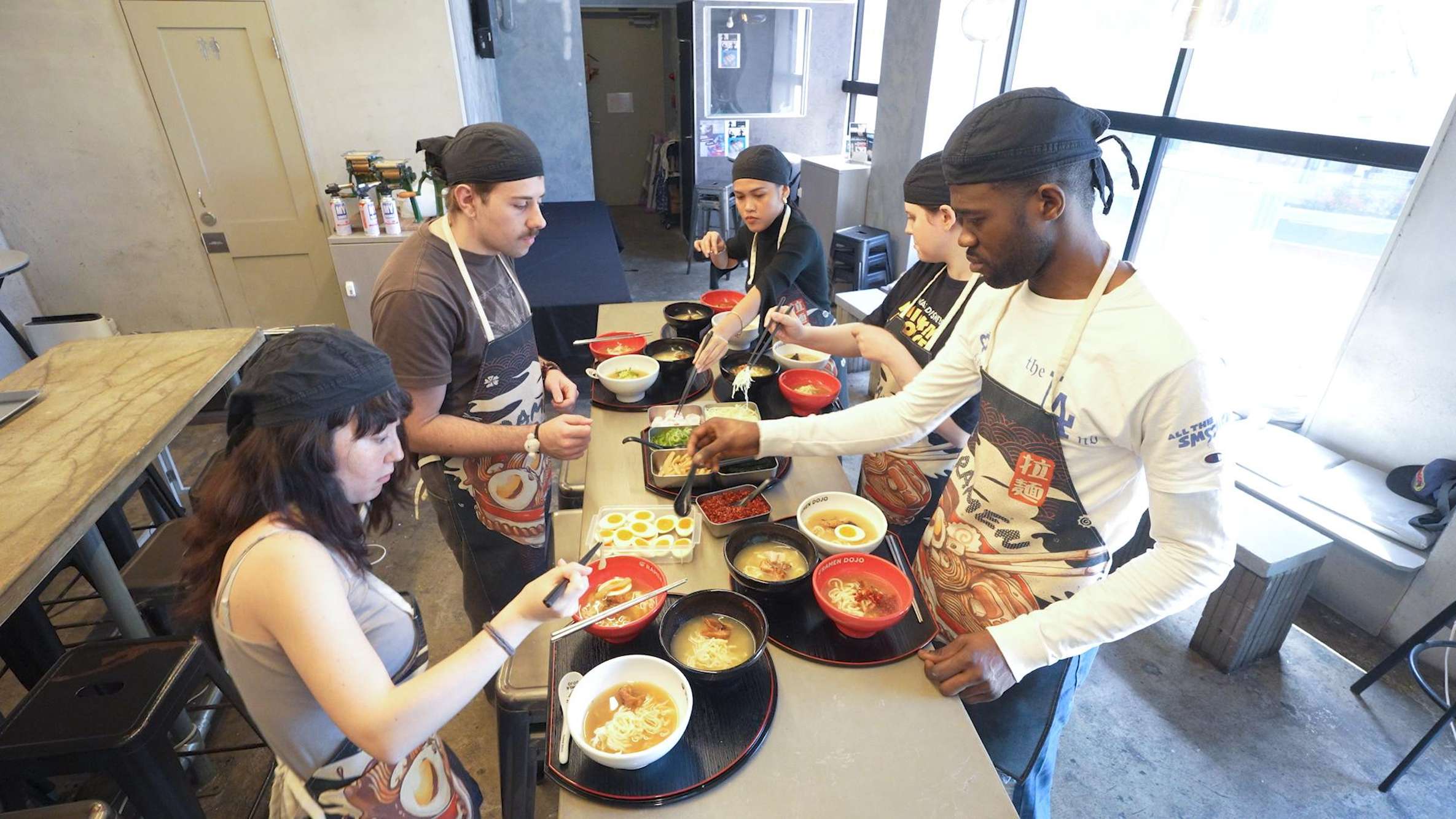
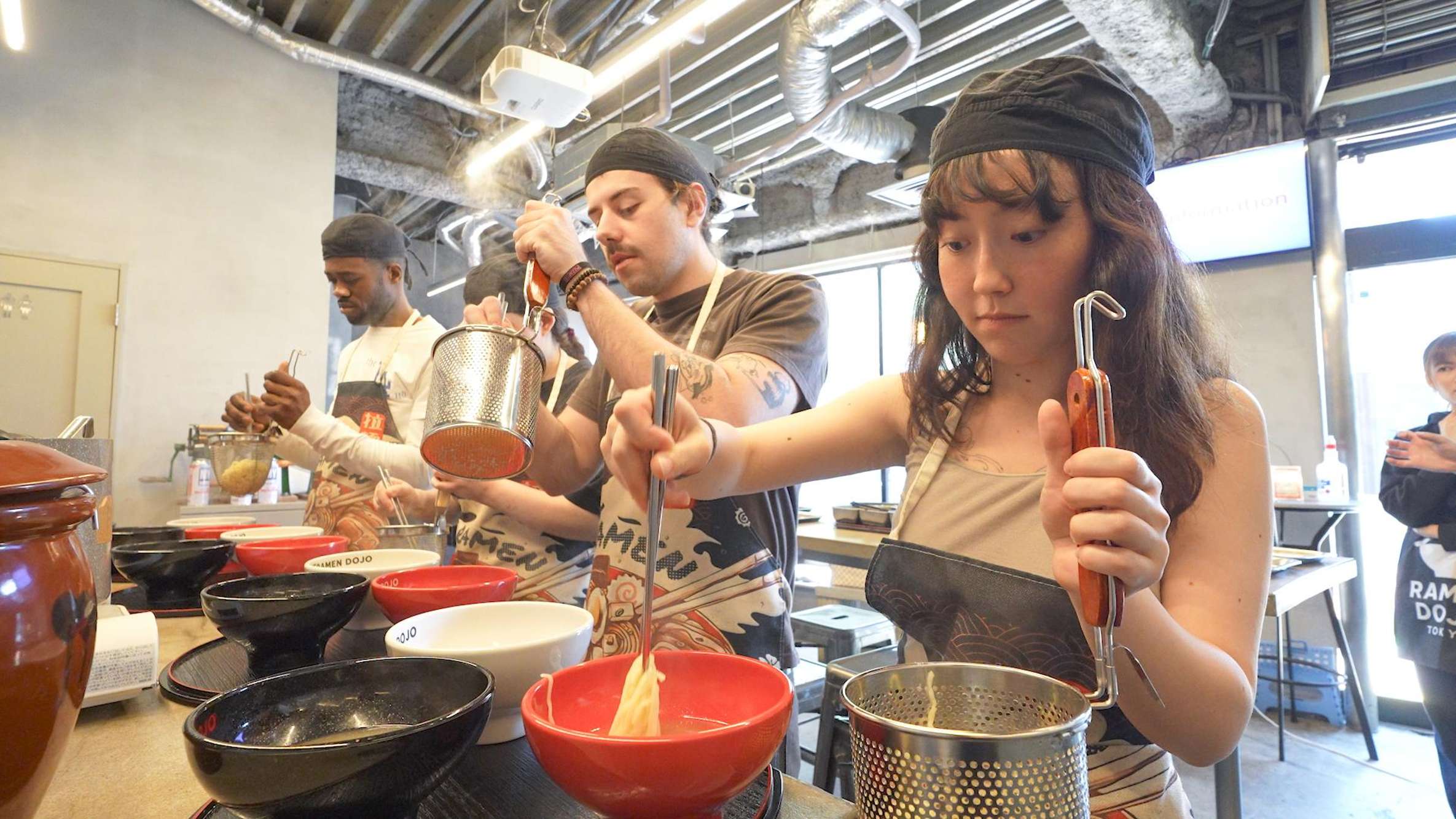
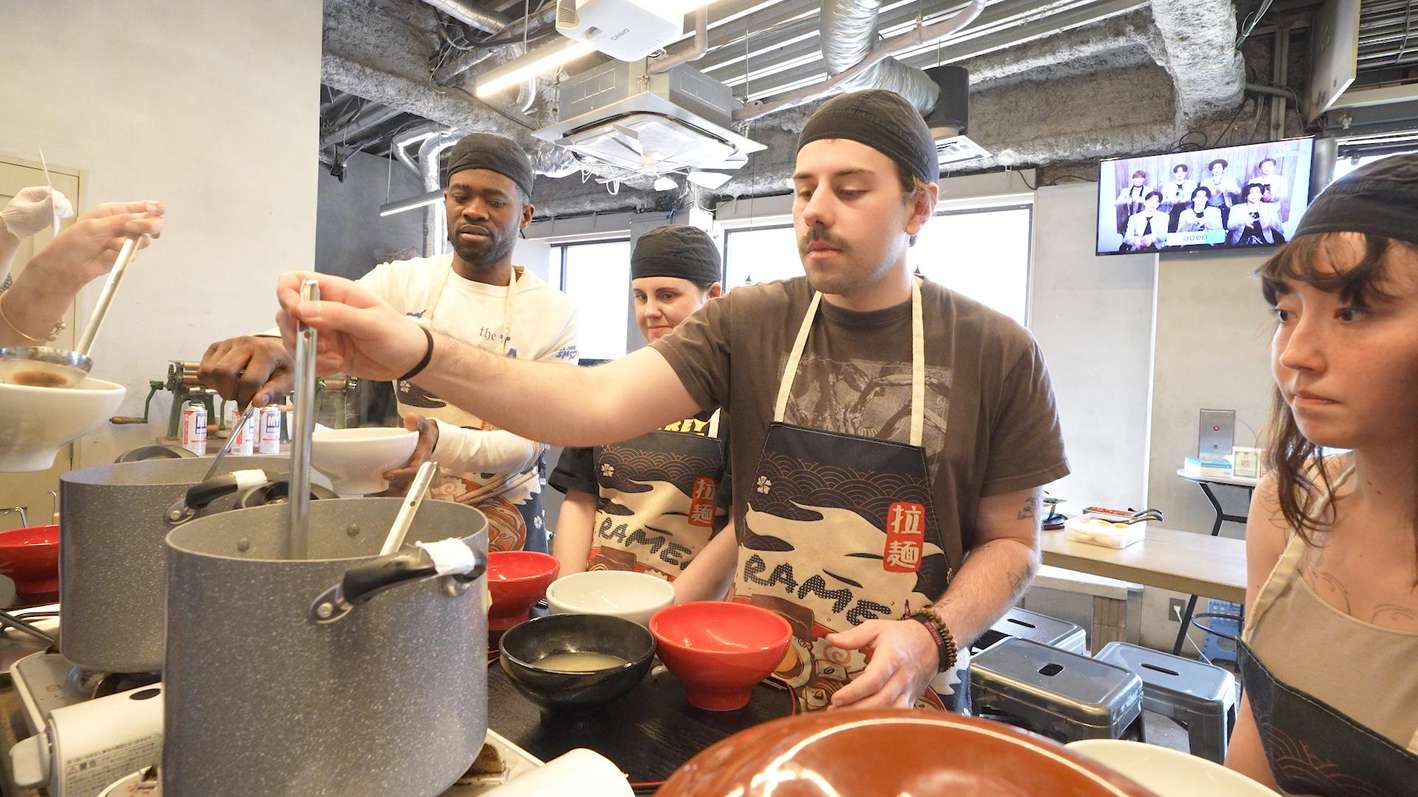
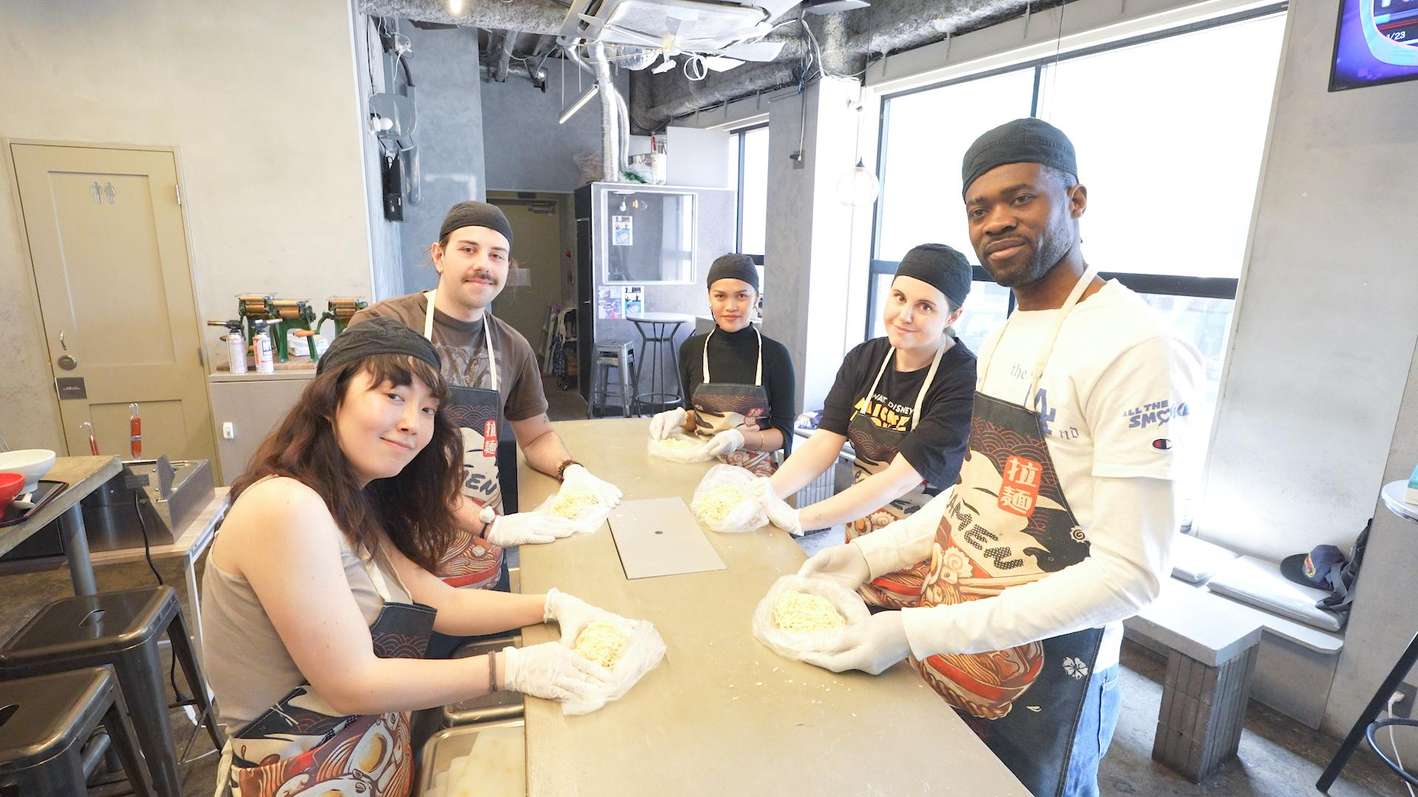
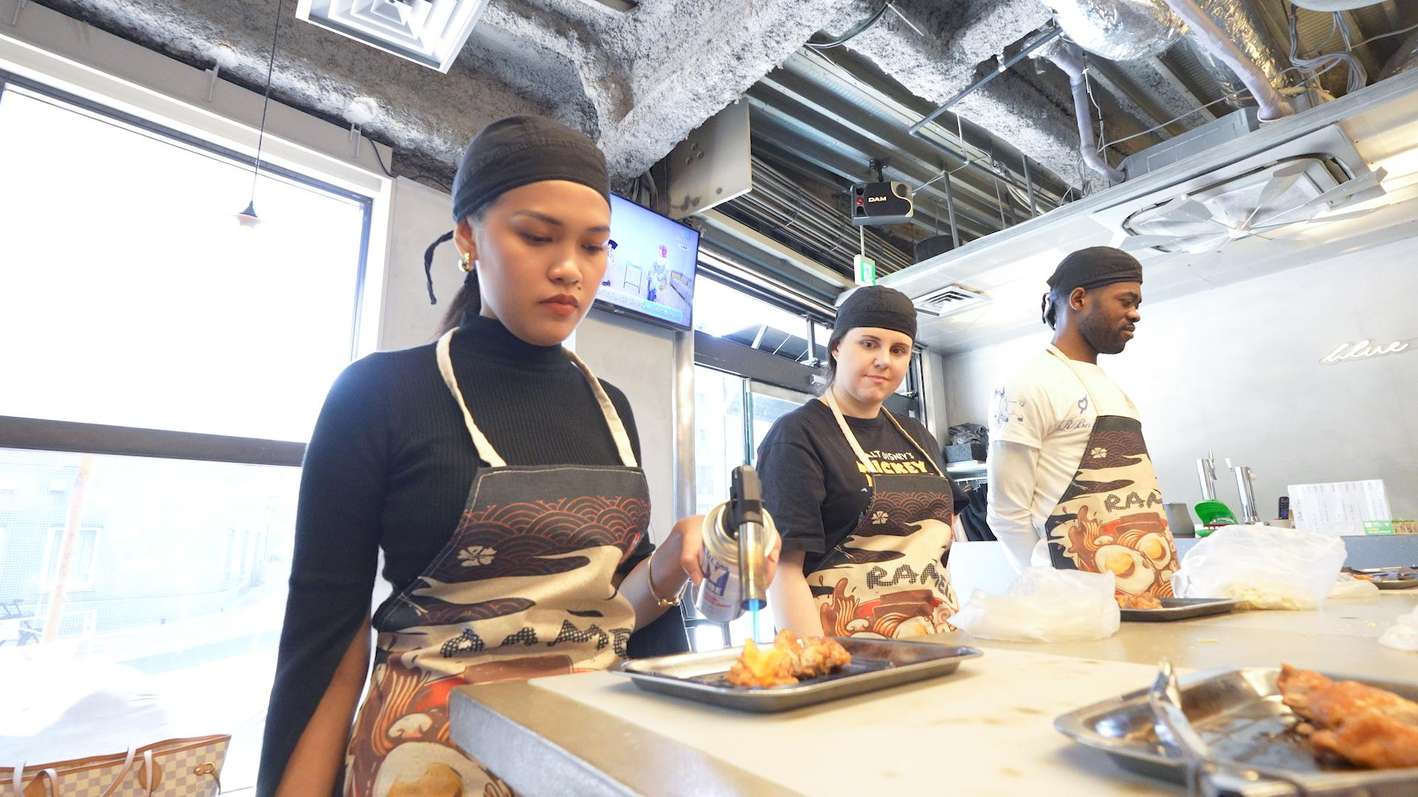
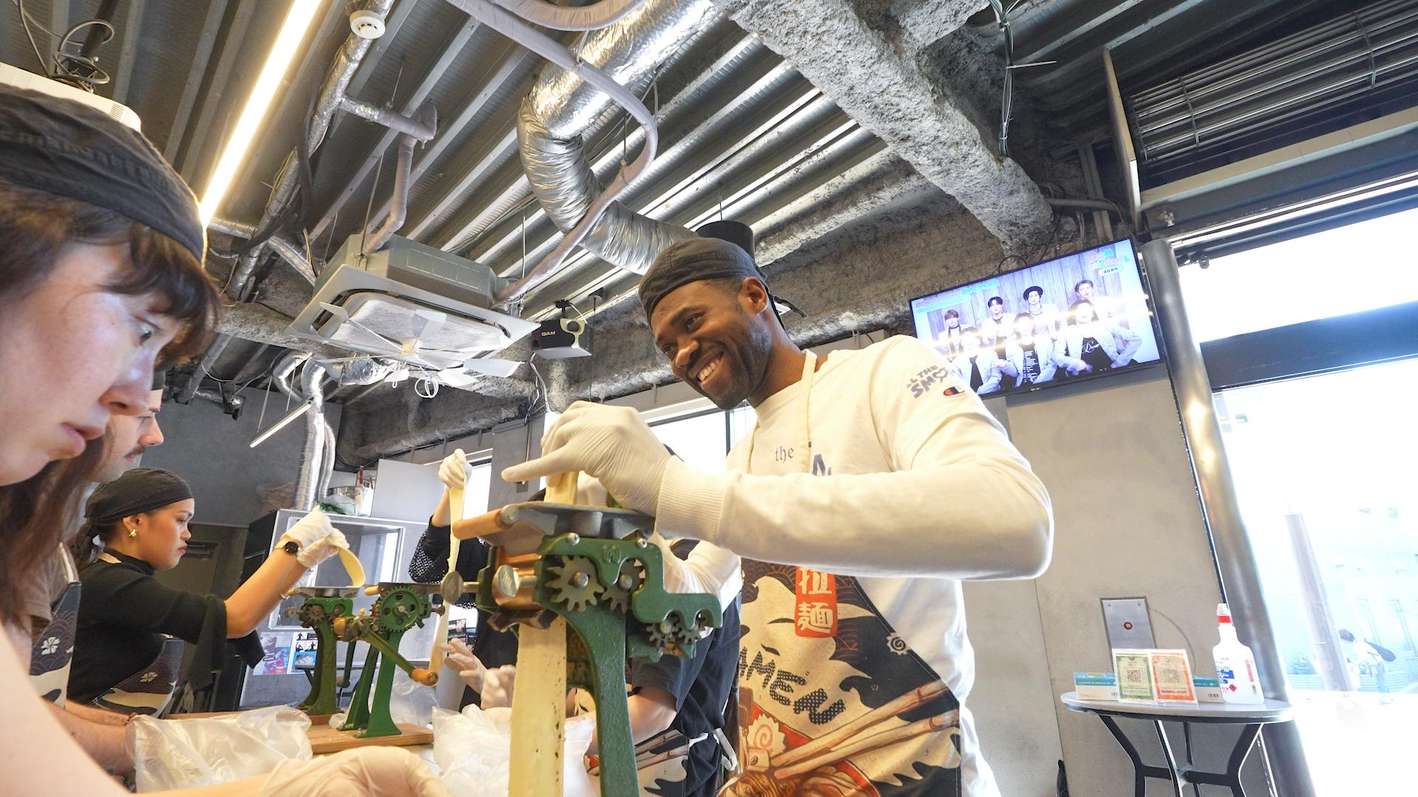
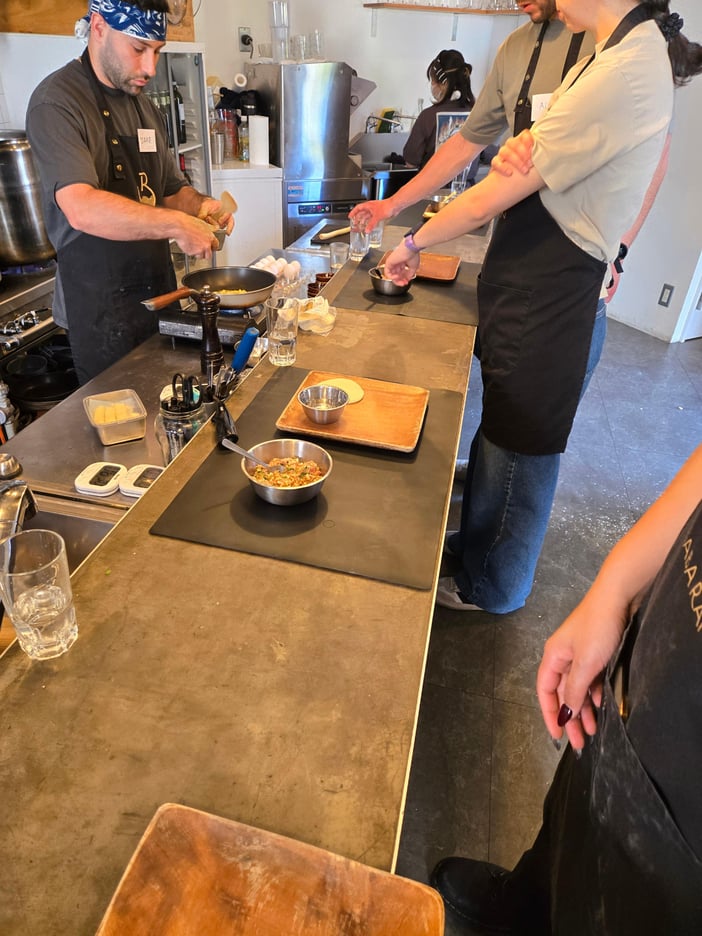
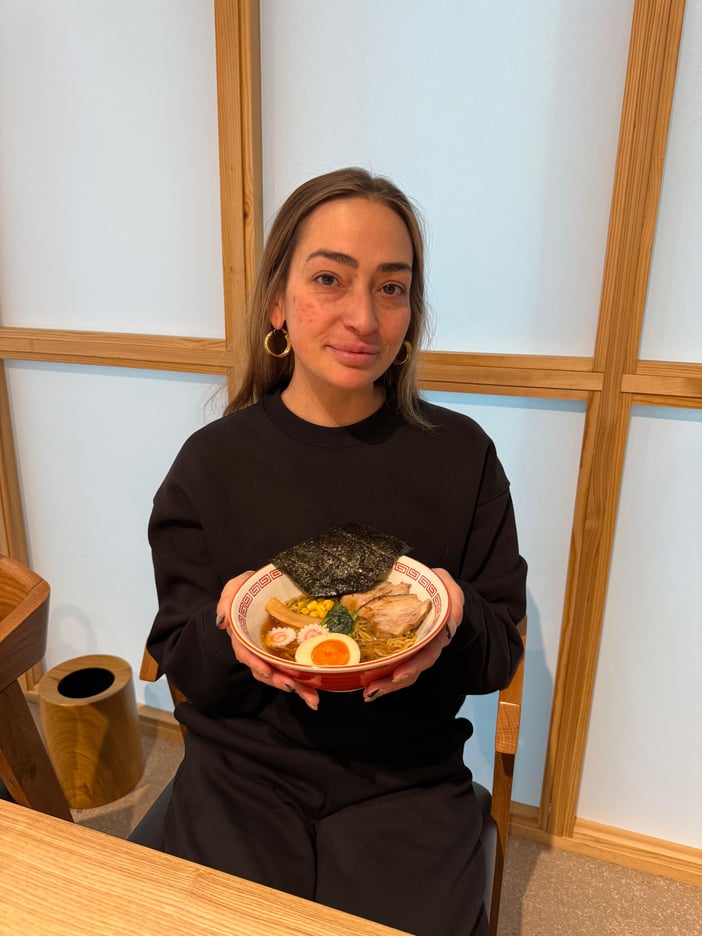
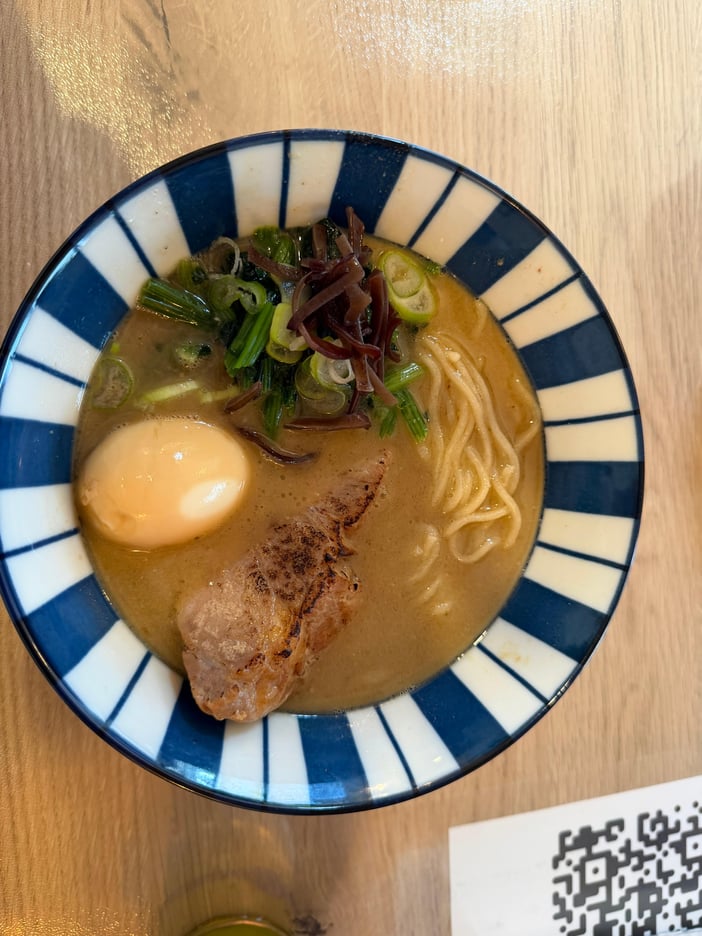
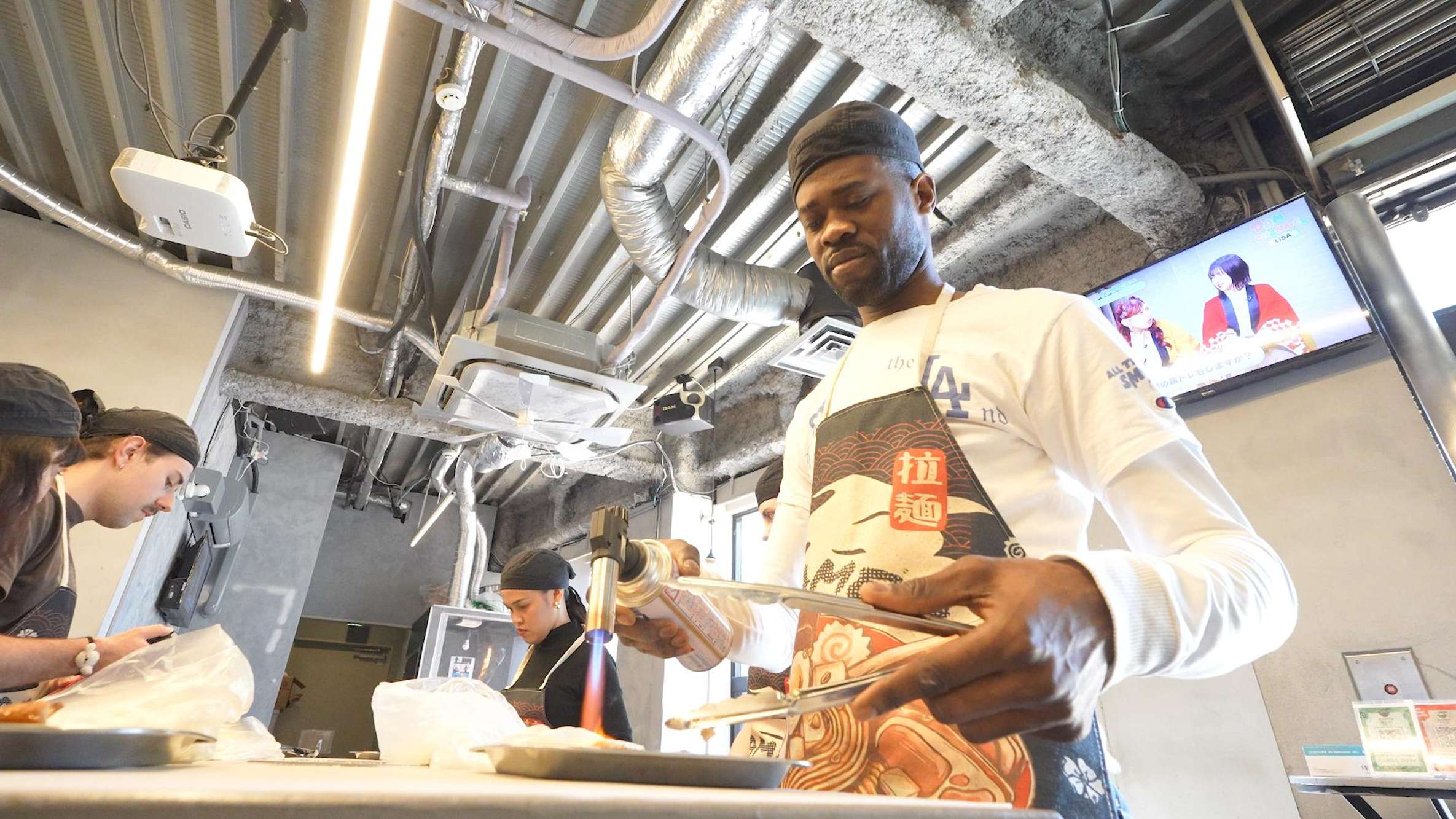
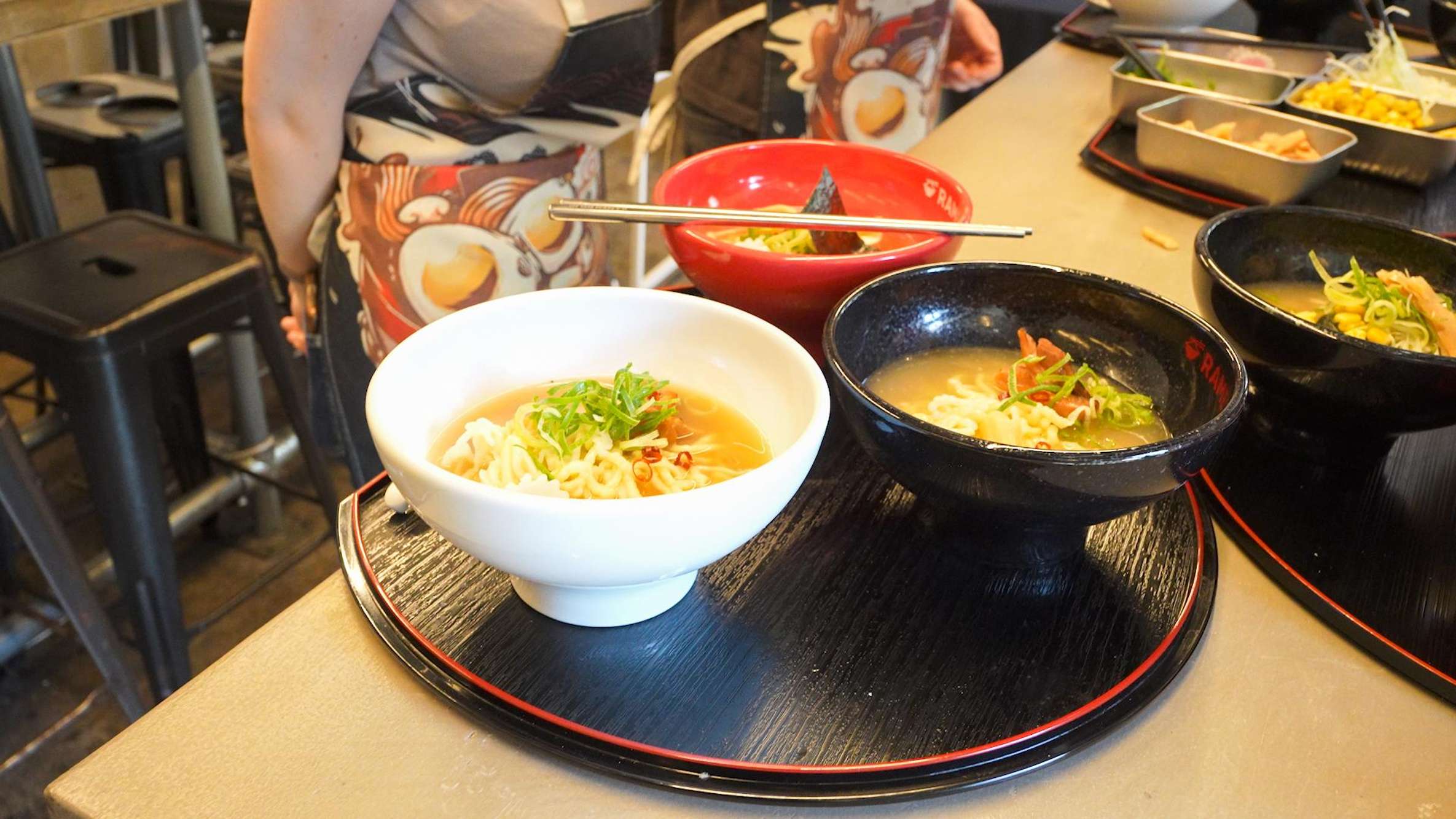
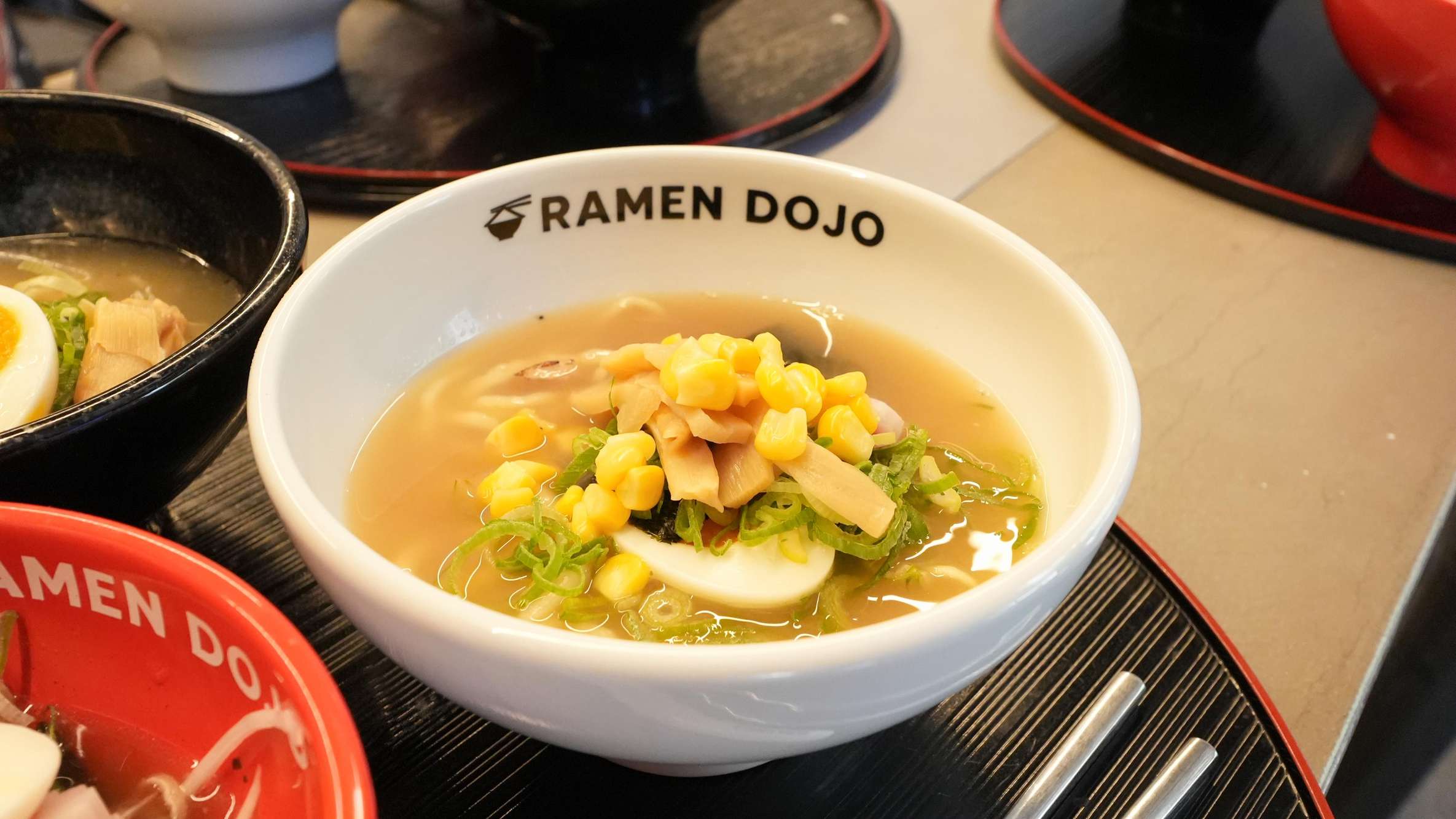
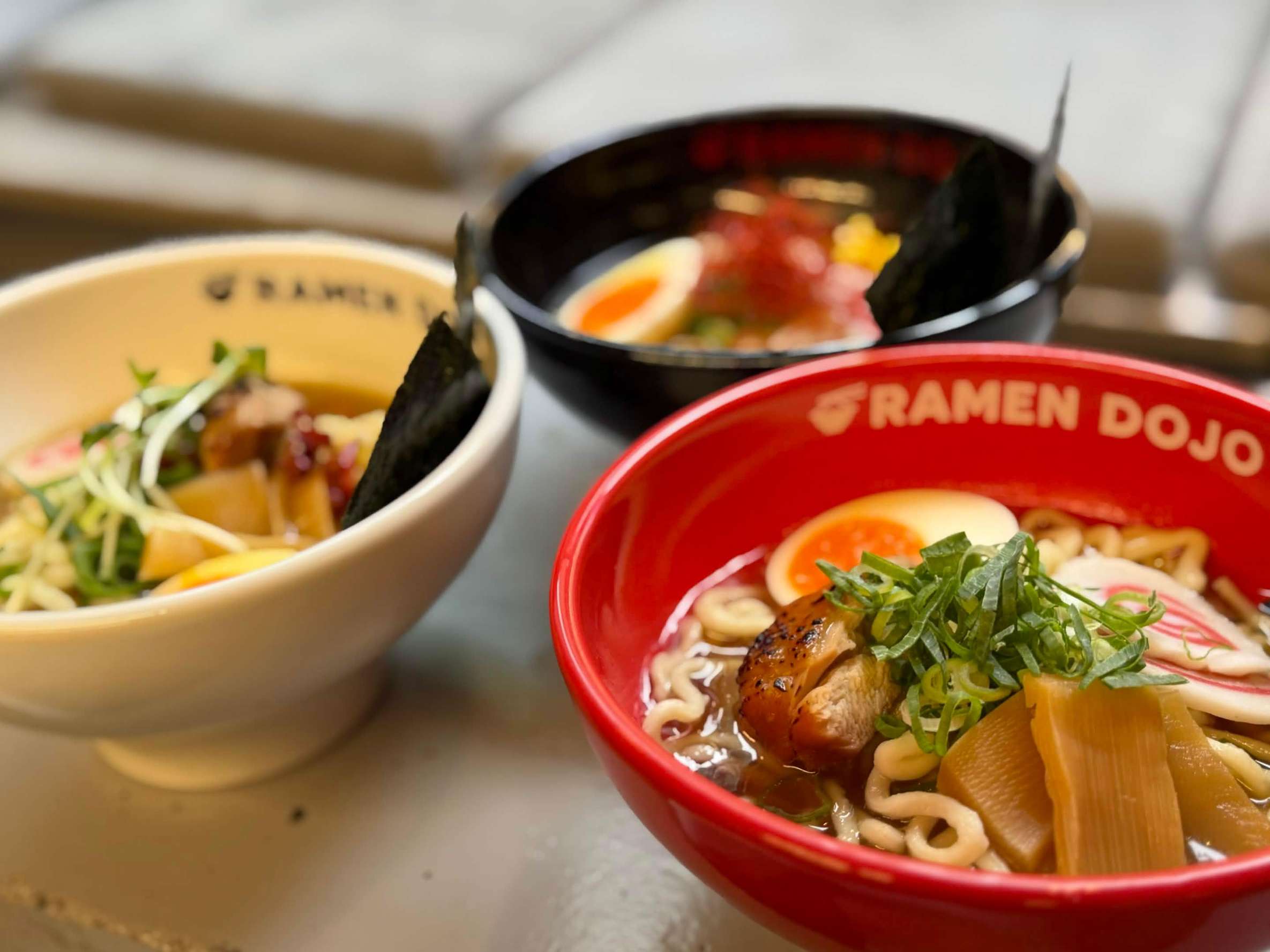
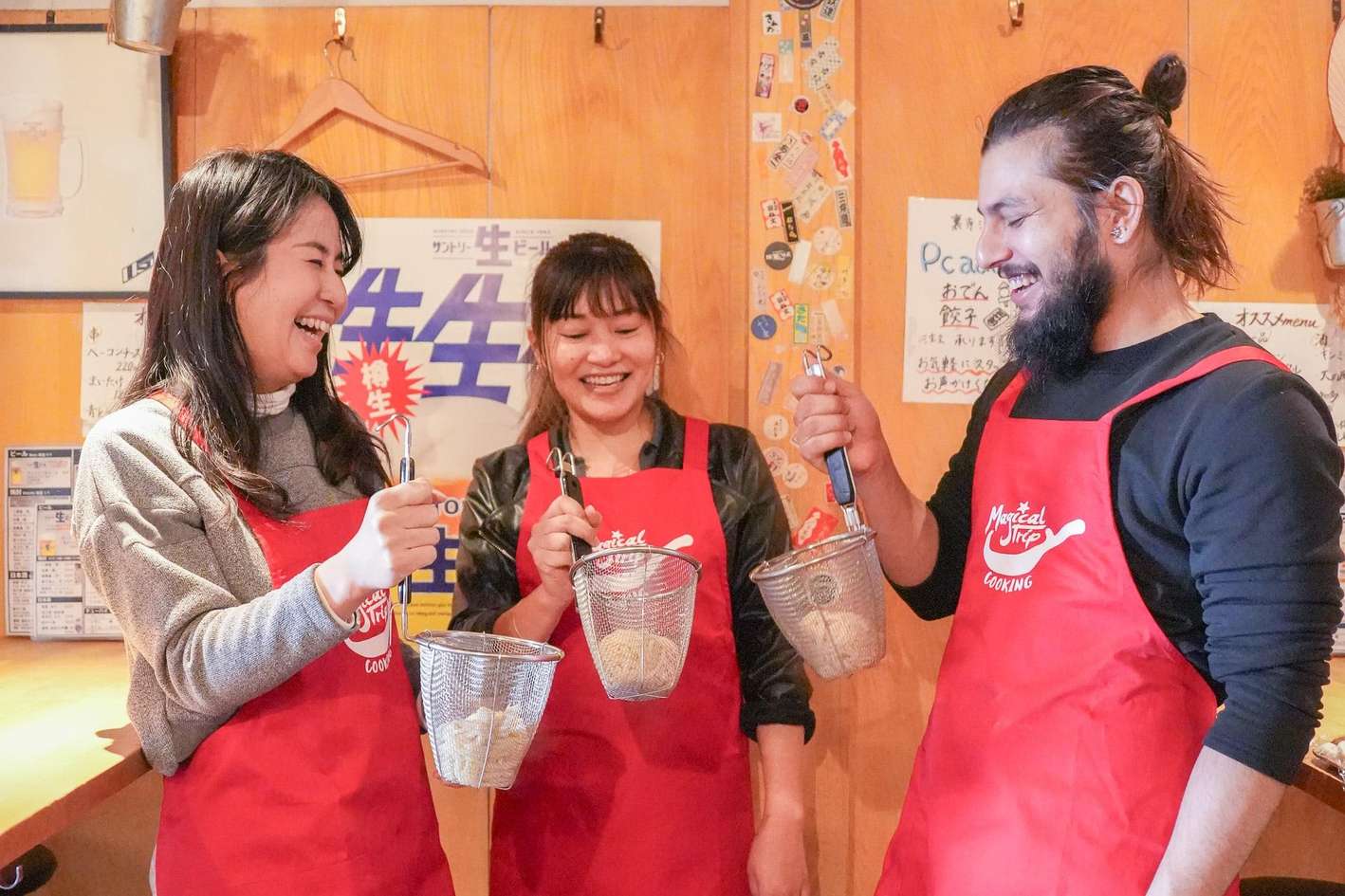
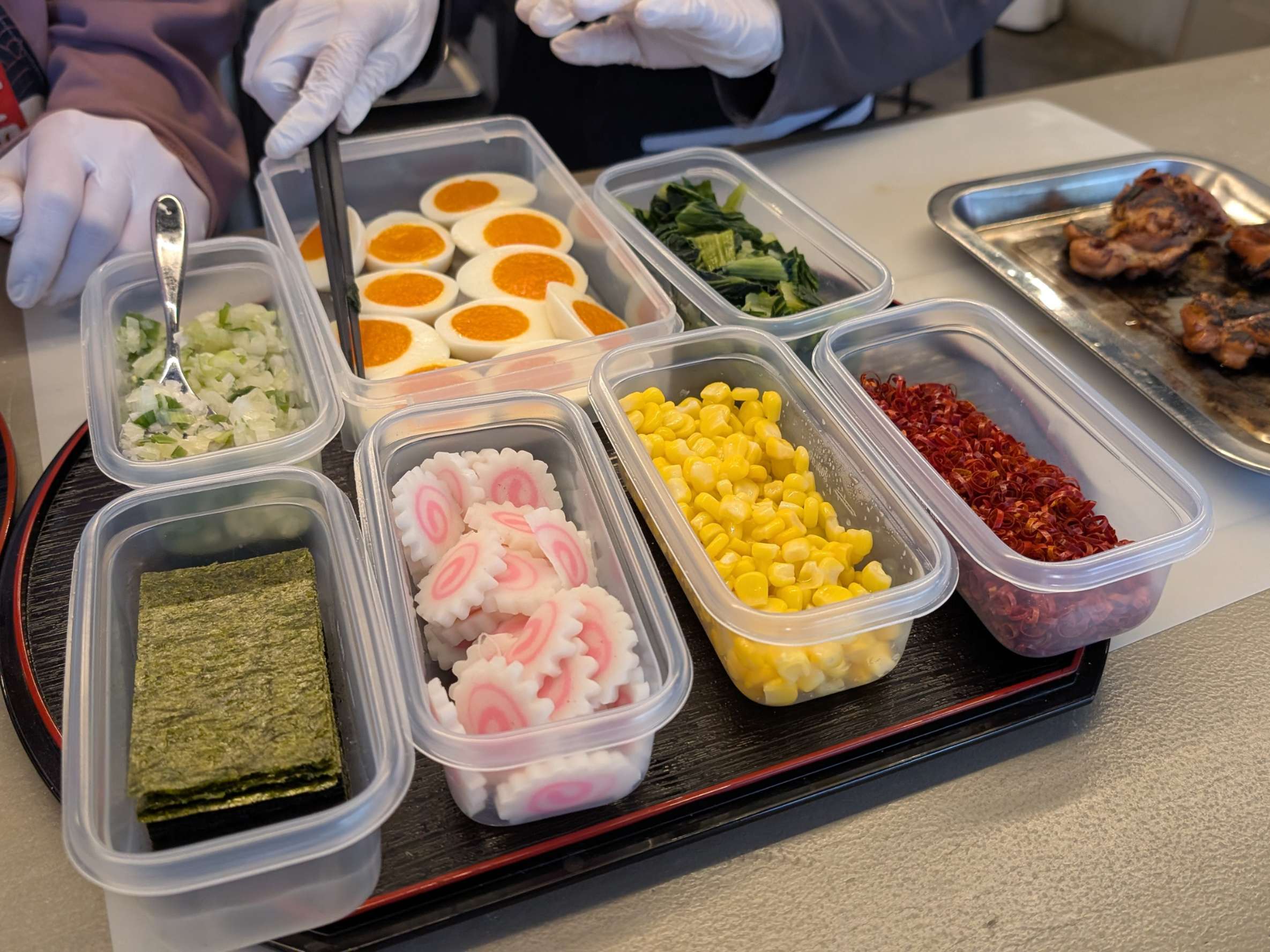
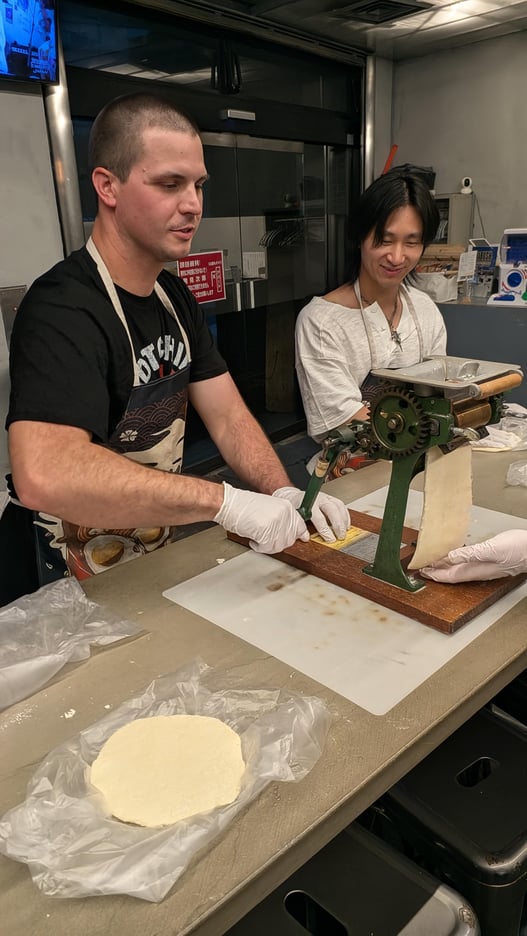
Three mini bowls of ramen come out of this class, and you make every part of them. Over an hour and a half in a Shibuya studio, you knead dough, cut fresh noodles on a professional machine, sear chicken chashu with a blowtorch, then season and top three styles of ramen: tonkotsu, shoyu and miso.
An English-speaking instructor guides the whole session, which suits solo travelers, couples, families and groups of up to 20. Apron, ingredients, equipment and a wide range of standard toppings are all included, and a digital recipe arrives after class so you can rebuild your favorite bowl at home. No cooking experience is needed.
Here is how the class runs, start to finish.
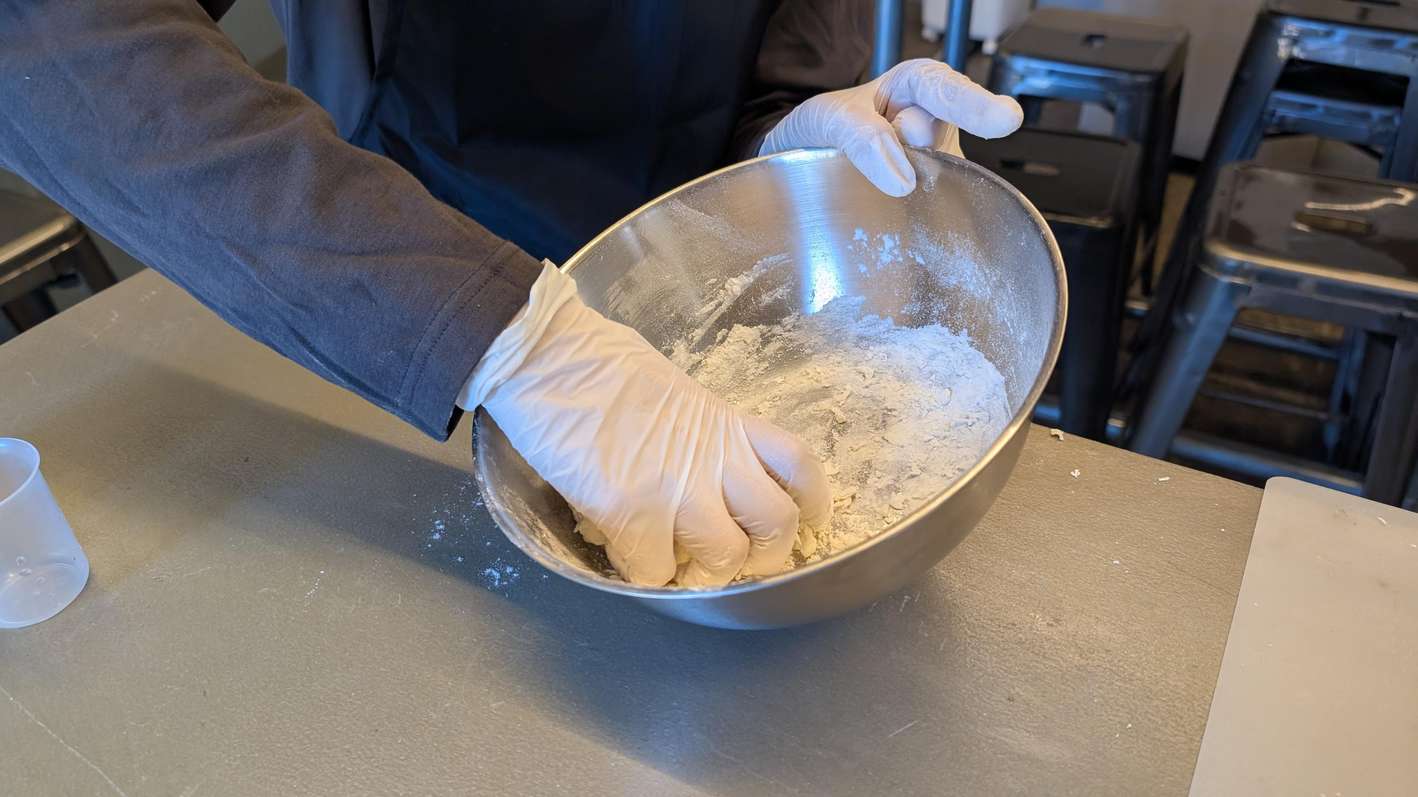
1Arrive at the studio· about 10 minReach the studio in Ohashi, a 3-5-minute walk from Ikejiri-ohashi Station, one stop from Shibuya. Doors open 15 minutes before class, so aim for that window.2Noodles from your own dough· about 25 minKnead the dough by hand, then roll and cut it into springy noodles using a professional noodle machine, with step-by-step guidance throughout.3Sear the chashu· about 20 minPrepare chicken chashu and sear it with a blowtorch, the smoky step people remember. Wagyu toppings and drinks can be bought on-site if you want them.4Build three mini bowls· about 30 minSeason and assemble tonkotsu, shoyu and miso ramen side by side, customizing each bowl with the included toppings, then taste all three and pick your favorite.5Take the recipe home· about 5 minAfter class you receive a digital recipe, so you can recreate the style you liked best in your own kitchen.
Included
English-speaking instructorAll ingredients to make and taste three mini ramen bowls: tonkotsu, shoyu, and misoA wide selection of standard toppings at no extra chargeUse of cooking equipment and a professional noodle machineApron for use during the classDigital recipe provided after the class
Not included
Transportation to and from the studio
Compare Tokyo ramen cooking classes side by side
Green marks the lowest price. Prices per person.
Tour
Price
Duration
Pickup
Languages
Best for
Our pick
Tokyo: Shibuya Ramen Class: Make Tonkotsu, Shoyu & Miso
4.9★ (560)
from $79per person
1.5 hours
no
English, Japanese
tasters who want tonkotsu, shoyu and miso in one session
Most reviewers praise the patient, English-speaking instructors who explain every step and happily answer questions.
Best surprise
Many loved tasting three ramen styles, tonkotsu, shoyu and miso, in one short session they could fit between sights.
Most common wish
A few reviewers wished more of the session was hands-on rather than partly assembling a prepared bowl.
How to book your ramen cooking spot in Tokyo
01
Pick your date and start time
Choose a day that leaves room around the class, then book a start time that suits your route. On weekdays, trains into central Tokyo are extremely crowded from about 7:30 am to 9 am and again from 5:30 pm to 7 pm.
Pro tipWith children or limited mobility, aim for a class after 10 am and before 5 pm, when the trains calm down.
02
Choose the right option
Read what each option includes before you pay. Classes differ in what you actually make: some walk you through noodles, broth and toppings, while shorter sessions focus on assembling a bowl from prepared components.
Common mistakeBooking a session for what it is called instead of what you cook, then discovering on the day that the soup was made beforehand.
03
Pay and check your confirmation
After payment your voucher arrives with the meeting point, the full street address and the arrival instructions. Most of these classes can be cancelled up to 24 hours in advance for a full refund, so the date stays flexible.
Common mistakeReading the voucher only at the hotel. Check the exact studio address, not just the neighborhood in the class title.
04
Plan the journey to the studio
Work out the walk and the station exits the night before. One Shibuya class runs from a first-floor studio in Ohashi, a 3 to 5 minute walk from Ikejiri-ohashi Station, one stop from Shibuya.
Pro tipDoors open only 15 minutes before the start, so plan to arrive 10 to 15 minutes early, never much earlier.
05
Arrive ready to cook
Wear clothes you do not mind splashing with flour or soup, closed-toe shoes, and sleeves you can roll up. Bring an ID if your option includes an alcoholic drink, since drinking under 20 is prohibited by law in Japan.
ImportantA copy of your ID is accepted where a drink option needs proof of age, so carry it even for a daytime class.
What to know before you book a ramen cooking lesson in Tokyo
Can stop the dayGood to knowGood news
01
ChoosingWhat it is, who it suits, when to go
2
What you make
The classes differ in how much cooking you actually do. The restaurant-style experience has you break bones for broth, roll noodles, fold gyoza, prepare chashu, ajitamago and wontons, then work the line. The one-hour Shinjuku session has you cook and eat a bowl, and the Nezu kitchen visit is a behind-the-counter look at a working shop.
Tonkotsu broth
True tonkotsu needs hours of boiling to turn pork bones into that creamy, opaque broth, longer than any visitor class lasts. One operator allows 10 hours for the broth alone. Classes using pre-prepared broth let you focus on noodles, toppings and assembling your bowl.
02
BookingHow far ahead, and what happens if plans change
1
Cancellation
You can cancel up to 24 hours before class for a full refund, which keeps your planning flexible if the weather turns or your itinerary shifts. With that safety net, booking a few days ahead is a low-risk move, especially in busy seasons.
03
Before you goPapers, health, what to bring
5
Recipes
You can take the bowl home with you on paper. The restaurant-style class hands you a 52-page professional recipe ebook, and the Shibuya class sends a digital recipe afterwards. Bring a notebook if you join the intensive session, since the details come fast.
ChildrenCan stop the day
Age rules vary by class, so match the session to your child. The restaurant experience sets a minimum age of 8, the Shinjuku experience sets it at 4, and at the Kappabashi session children working on their own must knead and handle a large, heavy knife independently. Younger cooks there pair with a parent, one adult per child.
Allergies
Severe allergies need checking before you book. The Shibuya class cannot take guests with severe wheat, egg or soy allergies, coeliac disease or airborne flour sensitivity, and the Kappabashi session excludes buckwheat allergies. Ramen noodles can contain egg even when the egg topping is left off, and broth can hide fish ingredients.
What to wear
Dress for flour and splashes: comfortable clothes with sleeves rolled up, no dangling jewelry, and closed-toe shoes. One operator prohibits sandals, flip-flops and high heels near boiling water. Aprons are usually provided.
Alcohol and ID
Japanese law prohibits drinking alcohol under the age of 20, and the Shinjuku experience may ask for proof of age, with a copy accepted. If your option includes a drink or a craft beer flight, bring an ID so the meal runs smoothly.
04
On the dayWhere to be, when, and how you get there
4
Studio location
Check the actual studio address before you plan the day. The Shibuya class runs from a studio in Ohashi, Meguro, a 3 to 5 minute walk from Ikejiri-ohashi Station, one train stop from Shibuya. Allow about 20 minutes by train from Shinjuku or 31 from Tokyo Station, changing at Shibuya.
Timing your trip
Plan for early arrival on top of the class itself. The Shibuya class asks you to reach the studio 10 to 15 minutes before the start, and doors open only 15 minutes ahead. Count the train ride, the walk and the check-in window when you slot the class into your day.
Late arrivalsCan stop the day
Some classes start promptly and hold that rule. The Shibuya class may seat you in a session already underway, or refuse entry, if you arrive 5 or more minutes late, and a refund may not be available. The Akihabara combined class departs without guests who are more than 10 minutes late.
Getting there
One indoor ramen and dumpling class in Nerima includes pickup, which removes the navigation entirely. For everything else you make your own way, and hosts typically ask you to arrive 5 to 15 minutes early. Add a buffer at big stations like Shinjuku and Shibuya.
A Tokyo guide to cooking your own ramen
Tokyo runs ramen workshops of every depth: a one-hour bowl in Shinjuku, a behind-the-counter hour in a working kitchen, a three-and-a-half-hour class that starts by smashing pork bones. Which one fits your trip is what this guide settles.
Tokyo
If you only remember three things
1
Match the class to the cooking you want: one Shinjuku workshop cooks and eats in a single hour, while the restaurant-style masterclass needs 3.5 hours and teamwork.
2
Arrive 10 to 15 minutes early; the Shibuya studio's doors open just 15 minutes before class and latecomers may be turned away.
3
Book weekdays between 10 am and 5 pm to dodge commuter trains, and expect typhoon-season delays in August and September.
Picking the Tokyo ramen class that suits you
Tokyo splits its ramen cooking into three honest categories, and knowing which one you want saves an evening of scrolling. A quick workshop gets you cooking and eating inside an hour. A from-scratch class takes the process apart, bone by bone. A combined class teaches ramen alongside gyoza, sushi or onigiri.
None is better; they answer different trips. The one-hour Shinjuku experience fits a packed sightseeing day: you cook a bowl and eat it, history lesson included, done before your afternoon reservation.
The short format has limits, though.
Tonkotsu made from raw pork bones needs hours of boiling to turn collagen into that creamy, opaque broth, and one operator allows ten hours for broth alone; no visitor class lasting 90 minutes to 3 hours can match that, so classes working from pre-made broth are the norm, and they free your time for the noodles and toppings.
How Tokyo's ramen workshops differ
A quick workshop
Cooking from scratch
Ramen plus another dish
What you make
Choose a soup, boil noodles, assemble toppings
Break bones, knead and cut noodles, make gyoza and toppings
Ramen with gyoza, sushi or onigiri
How long
About an hour
2 to 3.5 hours
2 to 3 hours
Who it suits
Tight schedules, first-timers
Cooks who want the whole craft
Families and mixed appetites
A quick workshop
What you make
Choose a soup, boil noodles, assemble toppings
How long
About an hour
Who it suits
Tight schedules, first-timers
Cooking from scratch
What you make
Break bones, knead and cut noodles, make gyoza and toppings
How long
2 to 3.5 hours
Who it suits
Cooks who want the whole craft
Ramen plus another dish
What you make
Ramen with gyoza, sushi or onigiri
How long
2 to 3 hours
Who it suits
Families and mixed appetites
On this page, the classes sit side by side so you can pick your kind first and the tour second. If you want to name your style before booking, the Shibuya class making tonkotsu, shoyu and miso covers three styles in one session.
Tour for this
Tokyo: Ultimate Cooking Class - Ramen Making from Scratch5.0★ (2) · Valid 1 day · Free cancellation
Every class promises hands-on, but hands do different things. At one end, you knead dough and cut your own noodles; at the other, you boil pre-made noodles and arrange toppings on a prepared base. Both are fun. Only one leaves you able to repeat the dish.
The Tokyo: Shibuya Ramen Class: Make Tonkotsu, Shoyu & Miso sits firmly at the hands-on end. You knead dough, roll it and cut fresh noodles on a professional machine, then sear chicken chashu with a blowtorch.
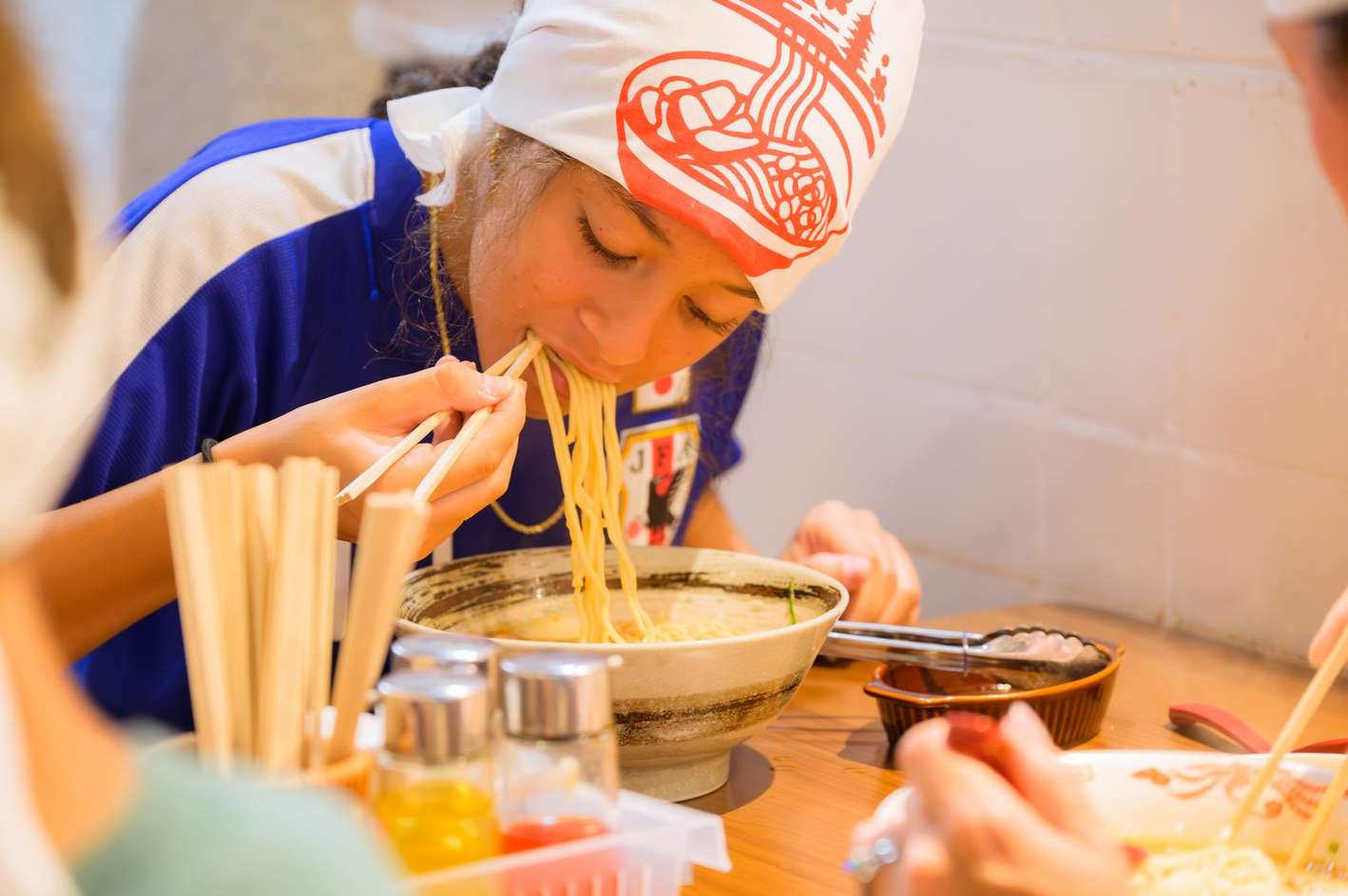
Afterward you customize three mini bowls and eat them, which is why people say come hungry even when the bowls are called mini.
How a class session unfolds
1
15 minutes before
Doors open at the studio
Arriving earlier than that won't get you in
2
10 minutes before
Check in, apron on, stations set
Instructors brief the group before any dough is touched
3
First half
Knead, roll and cut noodles on the machine
A professional machine does the pressing; you feed and guide it
4
Second half
Sear chashu, build three mini bowls
Tonkotsu, shoyu and miso side by side so you can compare
5
Last stretch
Sit down and eat your bowls
Toppings are included, with extras available on-site
The machine detail matters if you plan to cook at home. It is the workshop method; the same class sends you a digital recipe afterward so the bowls travel with you.
Is a Tokyo ramen cooking lesson behind a real counter worth it?
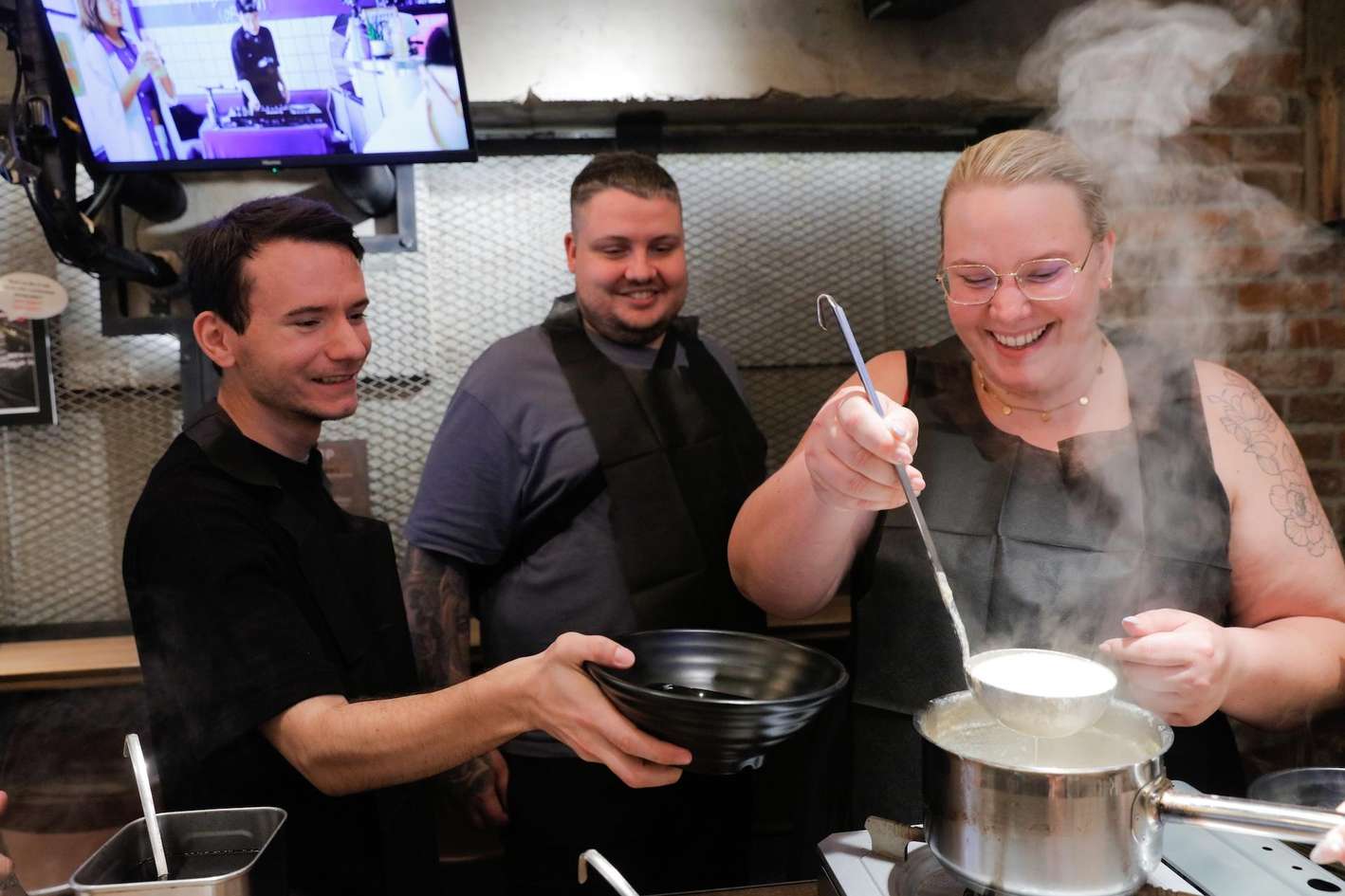
Depth is the question. The Exclusive Tokyo Ramen Kitchen Experience in Bunkyo is a behind-the-counter hour in a working ramen shop, not a full cooking class: you assemble bowls, hear what each ingredient does, and watch an award-winning kitchen do its work. Hot water and hot soup surround you, so it rewards attention.
If you want the craft itself, the Become a Ramen Chef for a Day: Tokyo Restaurant Experience goes further.
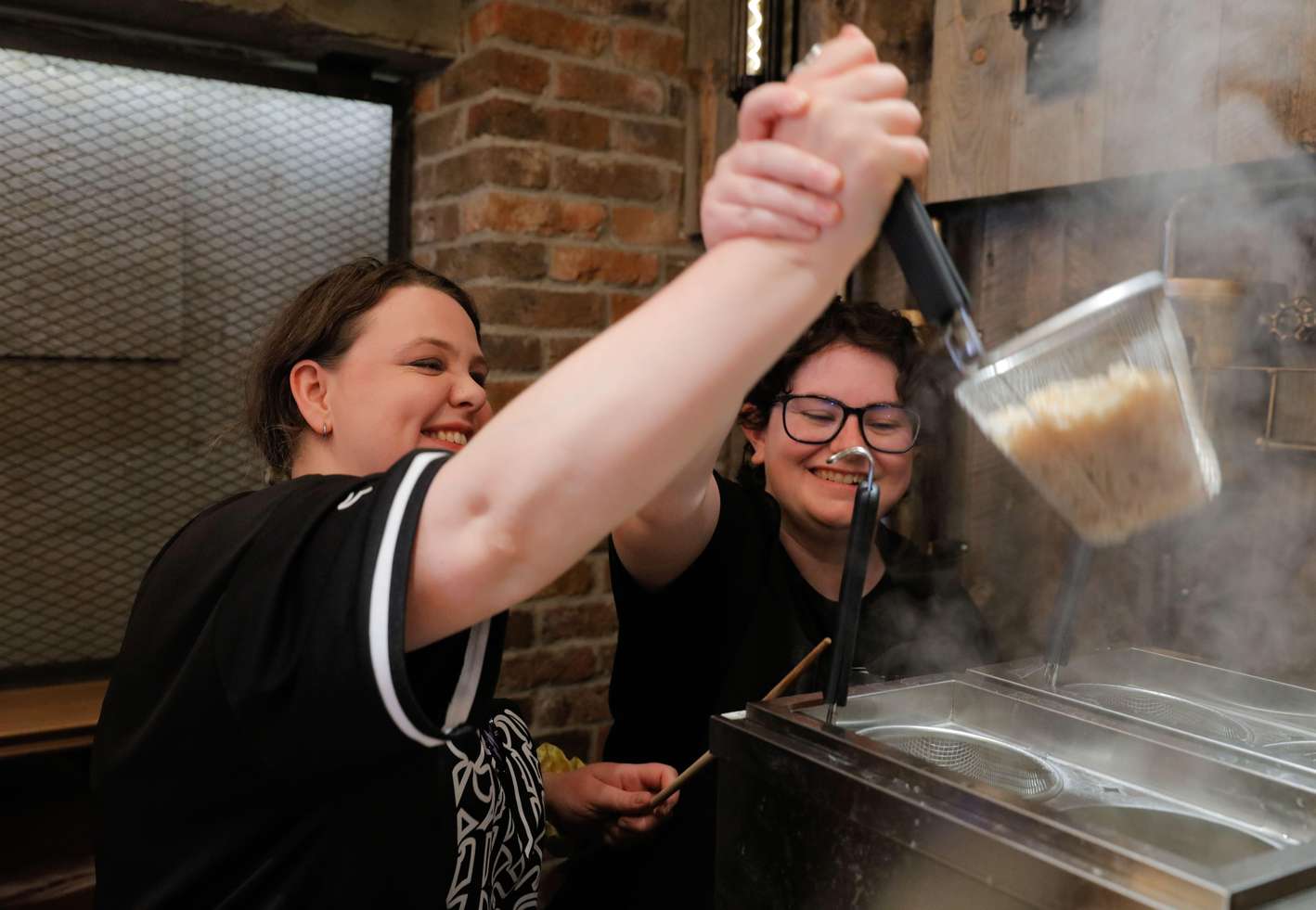
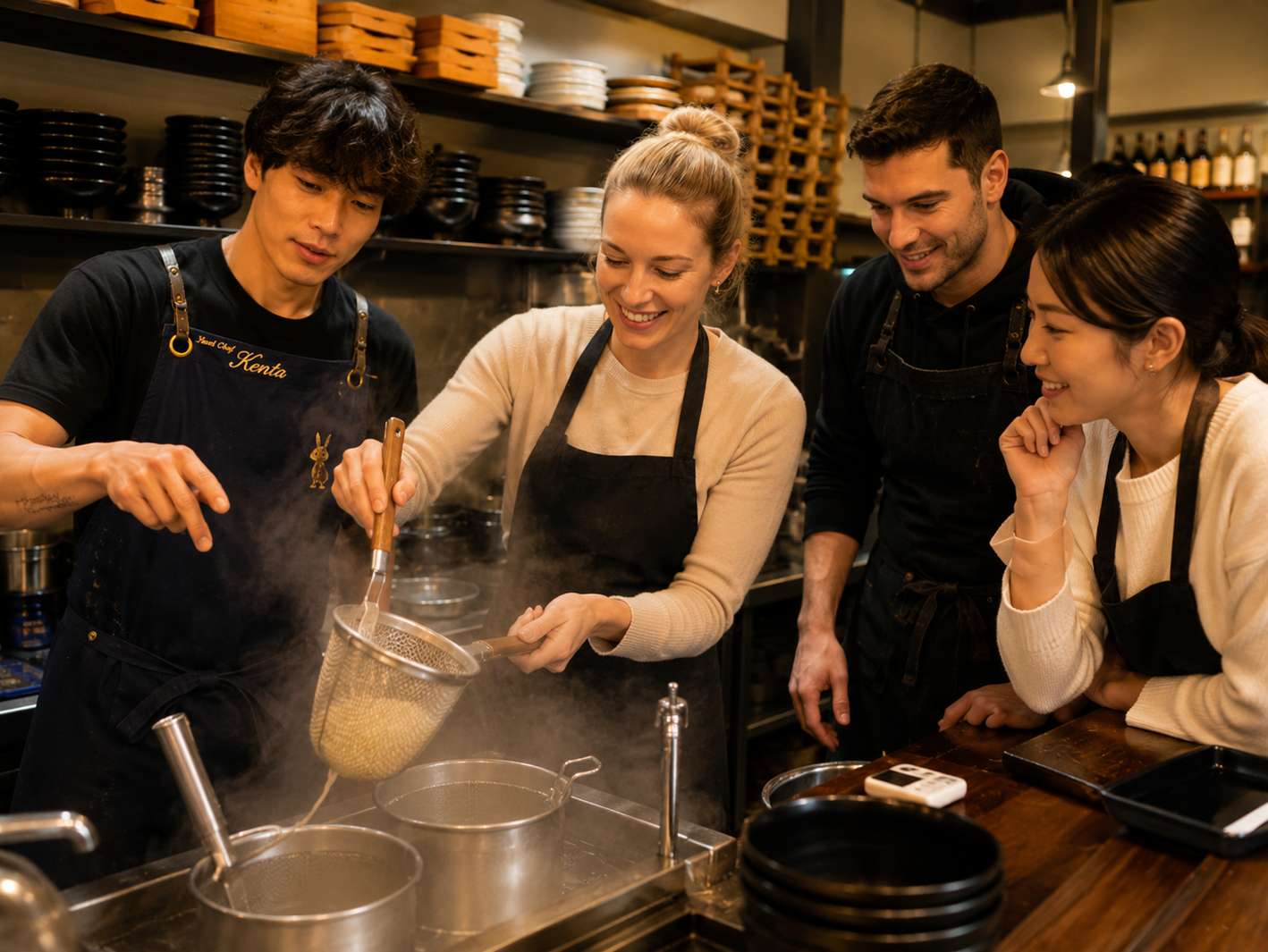
You smash pork bones for both clear and white broths, make noodles from scratch, fold gyoza the restaurant way, prep chashu and ajitamago, then work the line. The daytime masterclass runs 3.5 hours and needs teamwork; the evening wagyu class trims it to two.
A traveler's note
Met Akiko and Akiko (yes, same name!) for a great Electric Town tour, including tiny alleys we'd never find ourselves. Class with Rowena and Yuko was organized, fun, educational. Well worth the money.
That carry-home value is the honest test of any ramen cooking lesson in Tokyo. Ask what you take away: the restaurant class includes a 52-page professional recipe ebook, while some workshops teach methods tied to commercial machines you will never own.
And remember the broth math from earlier: ten hours for real tonkotsu, so every visitor class works from a shortened process, and the good ones say so plainly.
Tour for this
Become a Ramen Chef for a Day: Tokyo Restaurant Experience4.7★ (51) · 2 - 3.5 hours · Free cancellation
When to book around Tokyo's crowds, heat and typhoons
Two calendars decide your booking. The first is Japan's holiday rhythm: Golden Week in late April and early May, Obon in mid-August, and New Year from late December into early January all swell the trains and the sidewalks.
A cooking class booked inside those weeks still runs, but give yourself extra travel time on every leg.
The second is weather. July and August push daytime temperatures past 32°C, which makes any walk between stops hard work; the rainy season soaks early June to mid-July.
From late August through October, typhoons peak, especially in September and October, and strong wind can suspend trains for hours after the rain stops. An indoor class is the right pick in those months, as long as you can still reach it.
Tokyo weekday commuter crowds
Morning rush7:30 am to 9 am
Avoid cross-city train journeys with children or limited mobility during the morning commuter peak.
Between commuter peaks10 am to 5 pm
Plan your journey to the ramen class between the morning and evening commuter peaks.
Evening rush5:30 pm to 7 pm
Crowds build from 5 pm, with extremely crowded commuter trains during this evening peak.
QuietBusyThe busiest
Between the two, the sweet spot is a weekday class starting between 10 am and 5 pm: trains are calmer, and with children or anyone with limited mobility, that window keeps the journey humane. Evening crowds start building from 5 pm, so a dinner-hour class means riding the commuter peak to reach it.
The address decides the day, and the neighborhood in the title can mislead. The Shibuya class's studio sits in Ohashi, Meguro, a 3 to 5 minute walk from Ikejiri-ohashi Station, one stop from Shibuya.
From Shinjuku Station, allow about 20 minutes by train, transferring at Shibuya; from Tokyo Station, about 31 minutes. Then add the walk and the early arrival.
And the early arrival is firm. Reach the studio 10 to 15 minutes before the start, but no sooner: doors open just 15 minutes before class, and arriving five minutes late can mean joining in progress or being refused entry.
One traveler in July 2026 spent extra minutes hunting a class hidden on the first floor of a craft beer bar; check the building beforehand.
How hard the journey is
Direct train lineOne ride, no transfers, the relaxed way to arrive
Easy
Transfer-heavy routeAllow 15 to 20 minutes per large-station change, longer with luggage
Moderate
Rush-hour travelAdd at least 30 minutes in the morning and evening commuter peaks
Difficult
Large stations eat time on their own. Budget 10 extra minutes just to find your platform at Tokyo or Shinjuku, and 60 minutes of total buffer if you carry luggage or route through Shibuya or Ikebukuro.
Tour for this
Tokyo: Ramen & Gyoza Class with Local Supermarket Tour4.9★ (9) · 2.5 hours · Free cancellation
Kitchens with boiling water, hot pans and flying flour have a dress code, and it is stricter than it sounds. Wear closed-toe, slip-resistant shoes; sandals and flip-flops stay at the hotel. Choose fitted clothing without loose, baggy sleeves. Roll up what rolls, tie back long hair, and leave dangling jewelry at the hotel.
Aprons are usually provided, so you need not pack one. What you choose on your own matters more for the walk there: breathable clothes in Tokyo's humid summer, light layers in spring and autumn, warm outer layers you can shed once the kitchen heats up.
What to wear for ramen making
Comfortable, washable clothesChoose casual clothing you do not mind getting flour or sauce on.
Closed-toe shoesPrefer covered shoes to open-toed footwear for kitchen work.
Sleeves rolled up, no loose jewelryKeep loose sleeves rolled up and avoid dangling jewelry while cooking.
ApronAprons are usually provided for class.
Spring and autumnIndoor and outdoor temperatures can differ; wear light layers.
SummerTokyo and Osaka can be hot and humid; choose breathable clothing.
WinterWear warm outer layers that you can remove in a heated kitchen.
One small thing separates the cooks from the eaters: something to write with. The restaurant-style class hands you a 52-page professional ebook, but the details worth keeping, your soup ratios, the chashu timing, come fast, so bring a way to take plenty of notes during intensive ramen training.
And skip the class entirely if you have a cold; hands-on food preparation with symptoms is a non-starter.
Ramen making with kids in Tokyo - what they can really do
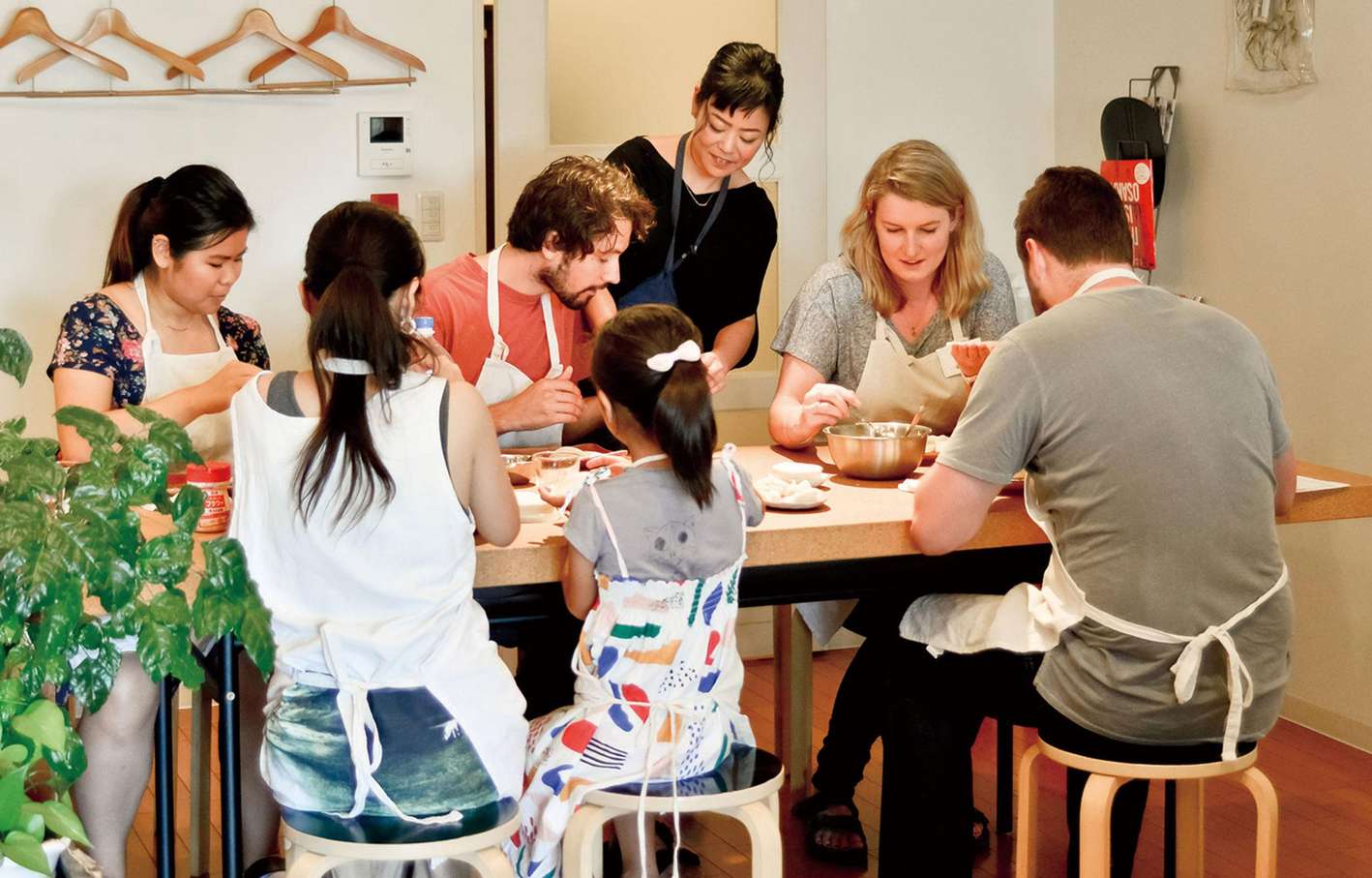
Children can do more in a ramen kitchen than most parents expect. Some classes welcome kids as young as four, giving them age-appropriate tasks with patient, step-by-step guidance, and teenagers tend to stay engaged the whole session because the work is genuinely theirs.
The limits are about knives and heat. At the Tokyo noodle-making experience, children working alone must be able to knead dough and handle a large, heavy knife by themselves; those who cannot are paired with a parent, one adult per child.
A lightly booked group session can turn into a private lesson
Fewer guests means more instructor time per child, so a quiet slot is worth choosing on purpose
Children as young as four can join some classes
Hosts scale the tasks to the child, so a family booking becomes a shared activity, with everyone's hands in the flour
Closed-toe shoes are a family rule
The requirement near boiling water applies to children as much as adults
Before you book, tell the host your children's ages and confirm which tasks they will do themselves. Two minutes of email prevents the class where a child mostly watches.
Tour for this
Made from flour in 30 Minutes! Ramen Noodle-Making Experience!4.8★ (28) · 50 minutes · Free cancellation
Allergies and diets at Tokyo ramen cooking classes
Ramen hides its ingredients well, which is the problem for anyone with restrictions. Ramen noodles can contain egg even when the dish is not described as egg noodles, so removing the visible egg topping does not make a bowl safe for an egg allergy.
Broth is the other trap: it can carry fish ingredients even in a bowl with no visible meat or fish.
The class list is blunt about who it can host. The Shibuya class is unsuitable for severe wheat, egg or soy allergies, coeliac disease and severe airborne flour sensitivity, since flour hangs in the air of a working kitchen.
The Kappabashi noodle experience excludes guests with buckwheat allergies. The private home-style class simply requires allergies disclosed in advance.
When a class cannot host you
The Shibuya class excludes guests with severe wheat, egg or soy allergies, coeliac disease and airborne flour sensitivity Choose a class built for your diet and disclose your restrictions when booking, never on arrival
For coeliac disease, dig into the soy sauce and cross-contact practices; an allergen card alone cannot promise that a shared kitchen is safe. For meals around your class, carry a printed Japanese-language allergy card listing exactly what you cannot eat; spoken English only goes so far in a busy shop.
Tour for this
Ramen Making from Scratch +Akihabara Tour, Cooking Class4.9★ (28) · 3 hours · Free cancellation
Days wobble, and the classes' own terms tell you what happens next. Cancellation is the friendly part: every class on this page allows you to cancel up to 24 hours in advance for a full refund, so a change of plan the day before costs nothing.
Punctuality is less forgiving. At the Shibuya studio, guests arriving five or more minutes late may join the class in progress or be refused entry, with refunds possibly unavailable, because the cooking flow cannot pause for stragglers. One Akihabara operator simply departs if you are more than 10 minutes late to the meeting point.
If the day goes sideways
If this happens
What happens then
Typhoon suspends the trains
The class is indoors but still depends on a running transport route, so contact the host about the situation
Cancel more than 24 hours ahead
Full refund under every class's terms
Arrive 5 or more minutes late at the Shibuya studio
You may join in progress or be refused entry, and a refund may not apply
You finish full
Takeaway is not permitted at some classes for food-safety reasons, so plan to eat everything there
The leftovers rule catches people out. Tokyo's Ramen Cooking Class with Tasting does not permit takeaway or leftovers, so come ready to finish your bowl at the counter. If typhoon season threatens, watch the morning forecast; disruption often lingers while tracks are checked after the wind dies.
Tour for this
Tokyo: Ramen Cooking Class with Tasting5.0★ (4) · 2 hours · Free cancellation
A booking clicks faster than a good question, so carry your criteria to the page. The first is the one experienced home cooks learn the hard way: check which components you will actually make; a from-scratch title does not always cover every element.
One two-hour Tokyo class uses pre-prepared soup, and that is a fair trade once you know it going in.
Second, ask whether the noodle segment teaches cooking or mainly demonstrates commercial machinery. A machine is the professional method, but travelers recommend classes that also cover substitutions for Japanese ingredients that are hard to buy at home. Study the basics before an intensive course and you will absorb far more of the teaching.
How to choose a ramen cooking class in Tokyo
Check
Why it matters
Our pick
What your hands actually do
Separates real cooking from bowl assembly
You knead, roll and cut noodles on a professional machine, then sear your own chashu
What you take home
Determines whether the skills survive the trip
A digital recipe arrives after class, plus toppings available on-site
How many styles you cook
More styles means more comparisons in one sitting
Three mini bowls: tonkotsu, shoyu and miso
Teaching language
English-speaking instruction makes questions easy
English-speaking instructor included
Time commitment
Decides where the class fits in your day
1.5 hours, a clean fit between sights
And keep a Tokyo holiday class distinct from professional ramen training; they are different animals, and matching the training to your goal is what makes the booking feel right afterward.
Tour for this
Tokyo Private Cooking Class: Ramen & Gyoza, Japan Home Exp5.0★ (6) · 3 hours · Free cancellation
The best class days fold a short stop around the meal, and each class neighborhood has one within a stroll.
From the Shibuya class's Ohashi studio, Bunkamura and the Japanese Folk Crafts Museum sit about 1.2 km away; if you pass through Shibuya Station itself, the Hachikō Statue and the Scramble Crossing are a 3-minute walk.
In Kabukicho, Shinjuku, the Shinjuku class is bookended by Hanazono Shrine at 164 m, the closest sight of all, with the Sompo Museum of Art at 638 m. Both are within 20 minutes on foot, so neither needs a second train.
Akihabara pairs a ramen class with its shrines: Kanda Shrine is about a 7-minute walk from the Electric Town exit, with Yushima Seidō and Holy Resurrection Cathedral close behind.
The Akihabara class ends at a kitchen studio different from its station meeting point, so leave time to walk back for the return trip, and mind that its operator departs if you are more than 10 minutes late. Match the sightseeing to the booked address, and the whole day stays on foot.
Tour for this
Tokyo: Sushi and Ramen Cooking Class with Sake Pairing Set4.9★ (126) · 3 hours · Free cancellation
A Tokyo ramen class earns its slot in your day when the cooking style matches the trip: one hour for a quick bowl, 3.5 hours for bones and broth, a behind-the-counter hour for the kitchen itself.
Book a weekday between 10 am and 5 pm, arrive 10 to 15 minutes early, and come hungry.
Go ifYou want to cook, not just order, and can spare 1 to 3.5 hoursYou are traveling with children old enough to knead or happy to pair up with youYou want three styles, tonkotsu, shoyu and miso, in a single sitting
Skip ifYou have a severe wheat, egg or soy allergy and the class you want cannot host you safelyYou expect to take leftovers home; some classes permit noneYou cannot arrive 10 to 15 minutes before the fixed start time
Our pick to book
Tokyo: Private Japanese Cooking Class with a Local Chef5.0★ (87) · 2.5 - 4.5 hours · Free cancellation
The questions people ask before booking, with straight answers from the classes themselves.
Tokyo2026
Still thinking about the sound of noodles hitting the broth. Book a morning slot so you can eat your bowl and keep the afternoon free.
Which Tokyo classes are truly hands-on?
It depends on the steps you actually do. The restaurant-style Ramen Chef for a Day class has you break bones for broth, make noodles from scratch and prepare chashu, ajitamago and wonton toppings.
The Kabukicho workshop has you cook a bowl and eat it within an hour, while the Bunkyo kitchen experience is a behind-the-counter visit where you assemble bowls in a working ramen shop.
Can I make tonkotsu broth in a 90-minute class?
Real tonkotsu needs hours of boiling to turn pork bones into that creamy, opaque broth. One Tokyo operator allows 10 hours for the broth alone. Classes that use broth prepared in advance free your session for noodles, toppings and assembling the bowl.
Which class lets me try all three classic styles?
The Shibuya class has you make and taste three mini bowls side by side: tonkotsu, shoyu and miso. You knead dough and cut noodles on a professional machine, blowtorch chicken chashu, then take home a digital recipe to repeat your favorite.
Is a ramen class in Tokyo suitable for kids?
Often, yes, but check the tasks first. The Kappabashi noodle session asks children working alone to knead and handle a large, heavy knife; children who cannot yet manage that are paired with a parent, one adult per child. The Bunkyo shop kitchen involves hot water and soup, so kids need close attention there.
Which class is best if I only have a spare hour?
The Shinjuku workshop in Kabukicho packs cooking and eating into about an hour, and you can add gyoza or a drink to your booking. It runs on a shortened recipe, so soup and noodles come partly prepared, which is how it fits into a sightseeing day.
How do I get to the Shibuya studio without stress?
The studio sits at 2-16-29 Ohashi in Meguro, a 3 to 5-minute walk from Ikejiri-ohashi Station, one stop from Shibuya. Allow about 20 minutes by train from Shinjuku, then arrive 10 to 15 minutes early. Doors open 15 minutes before class, so plan your arrival inside that window.
What should I check about my diet before booking?
Say what you cannot eat in plain terms. The Shibuya class cannot safely host guests with severe wheat, egg or soy allergies, celiac disease or airborne flour sensitivity, and the Kabukicho experience excludes gluten intolerance and serves a soup with pork, chicken and beef.
The Ramen Chef for a Day class can cater to vegetarian, gluten-free, pork-free and other needs if you tell them in advance.
Will a class teach me skills I can use at home?
The restaurant-style class sends you off with a 52-page professional recipe ebook, and the Shibuya class provides a digital recipe afterwards.
Some noodle courses lean on commercial machinery, so if recreating the bowl matters to you, bring a way to take notes and ask about substitutions for Japanese ingredients that are hard to buy at home.
Where can I fit a class between sightseeing stops?
Pick a studio near where you already plan to be, and match your plan to the booked address. The Shibuya class is in Ohashi, Meguro, a stop away from Shibuya Station, and lasts about 90 minutes, which makes it roughly a two-hour commitment door to door from central Tokyo.
What should I wear to a ramen workshop?
Closed-toe shoes and clothes you do not mind splashing with flour or soup. One Tokyo class requires closed-toe shoes near boiling water, and the restaurant-style session runs long and hands-on, so comfortable fitted clothing works best.
Can I take leftover ramen home?
Plan to finish your bowl at the class. Tokyo's ramen cooking class with tasting does not allow takeaway or leftovers for food-safety reasons.
How do I fit a class into a day of sightseeing?
Pick a studio near where you already plan to be, and check the address, not just the title. The Shibuya class runs from a studio three to five minutes' walk from Ikejiri-ohashi Station, one stop from Shibuya, so the whole outing takes about two hours.



 Your best match