- 1
Arrive five minutes before the class starts; the session runs three hours from the moment it opens.
- 2
Skip the sandals: closed-toe sneakers and rollable sleeves are the dress code around boiling broth.
- 3
Three sake tastes add up to roughly one standard drink, and no one under 20 gets served without ID.
What travelers said about sushi cooking in Tokyo
Warm, patient hosts and small groups that feel like cooking with friends come up in most reviews.
Many travelers did not expect the amount of food and left too full to finish everything they made.
Several reviewers said they left wanting recipes to recreate the dishes at home after their trip.
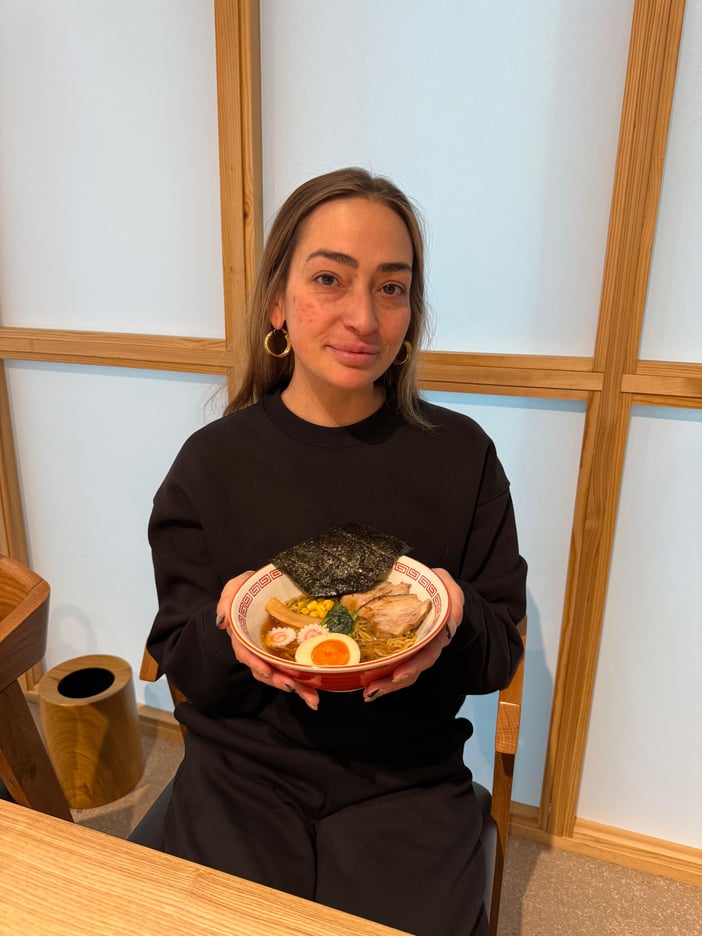 ★★★★★
Fun making my own meal and learning how. A great group activity, highly recommend!
Joshua · United States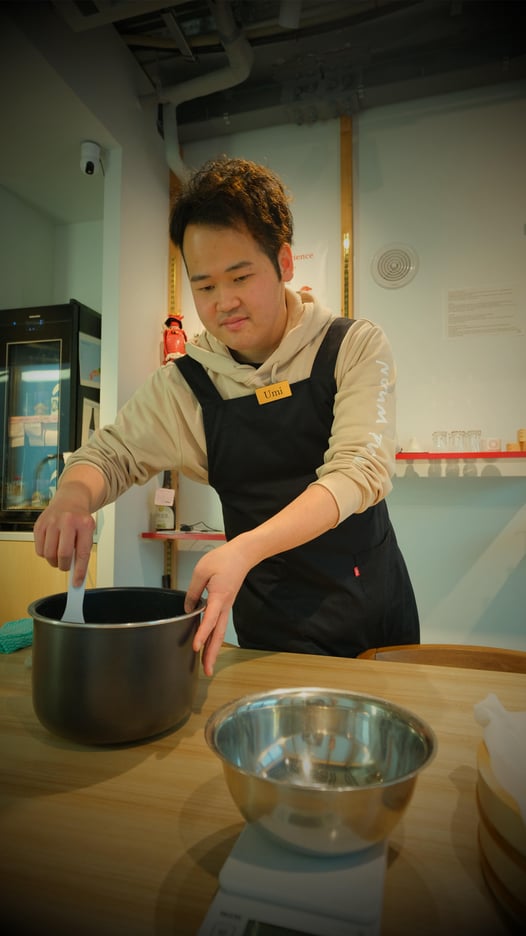 ★★★★★
Welcoming from the start, kind teachers, and a relaxing break from Tokyo's pace. Free drinks including sake, and we felt like family. 10/10.
Alyssa · United States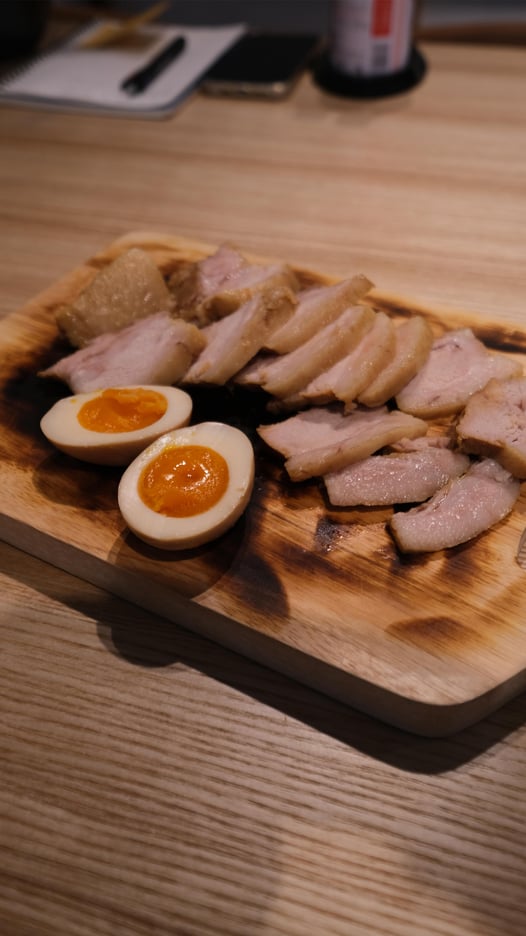 ★★★★★
Unforgettable class! My hosts were warm, sweet, and so knowledgeable. The class flow is perfectly thought out with great attention to detail. Book it!
Laura · United States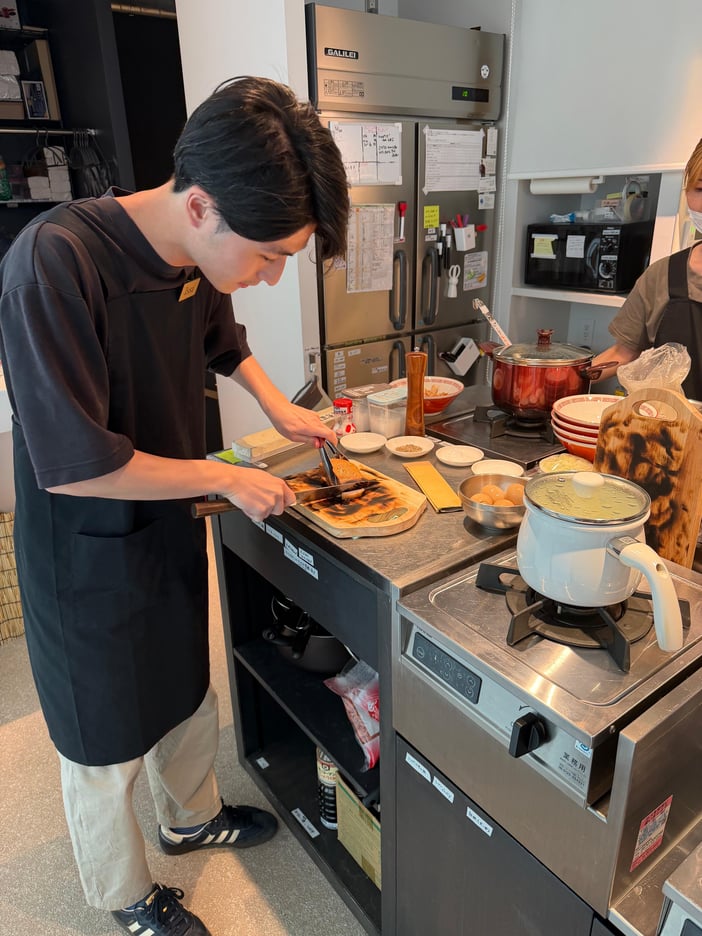 ★★★★★
Best thing we did in Tokyo! Sato, Issa and Karin were friendly and knowledgeable, and we left as friends. Perfect way to unwind after an overnight flight.
A traveler · United Kingdom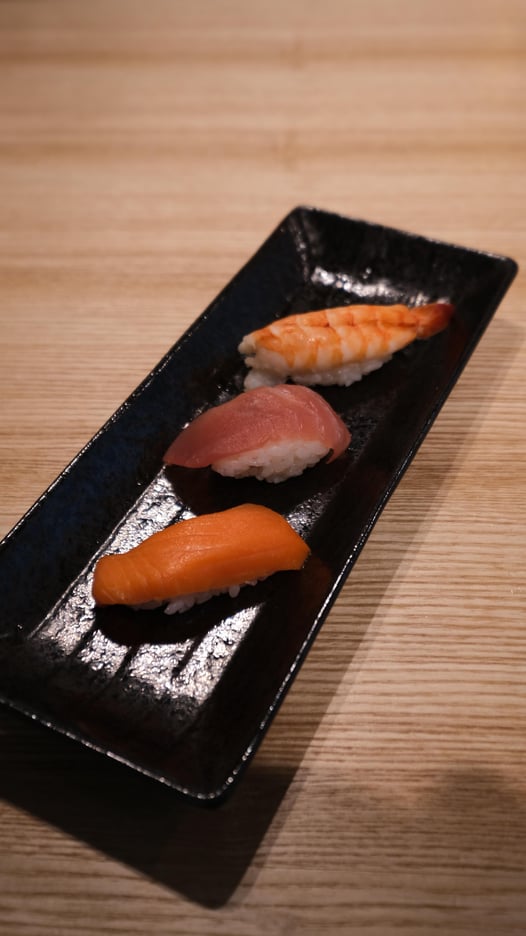 ★★★★★
Amazing class with kind, generous hosts. I learned ramen, sushi, and the culture behind them. Fresh ingredients from the famous Toyosu market.
Octilious · Canada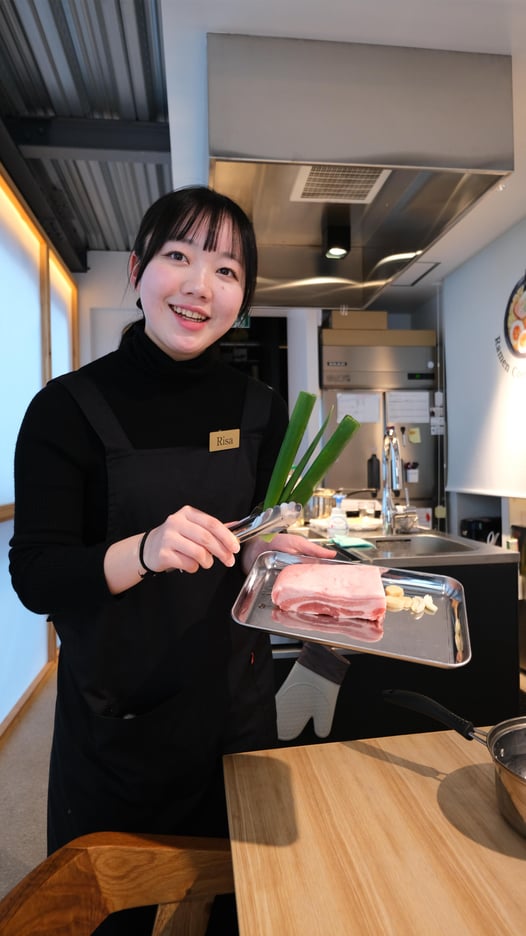 ★★★★★
Intimate and fun. Misa and Luna were so informative and kind, even giving us a pop quiz that got us working together. A real local-made meal!
Daniel · United States ★★★★★
Best experience in Tokyo! I got a lucky solo one-on-one lesson with Sato, making delicious sushi and ramen with sake tasting and beer included.
Deborah · Australia
Why a ramen and sushi cooking class in Tokyo is worth your afternoon
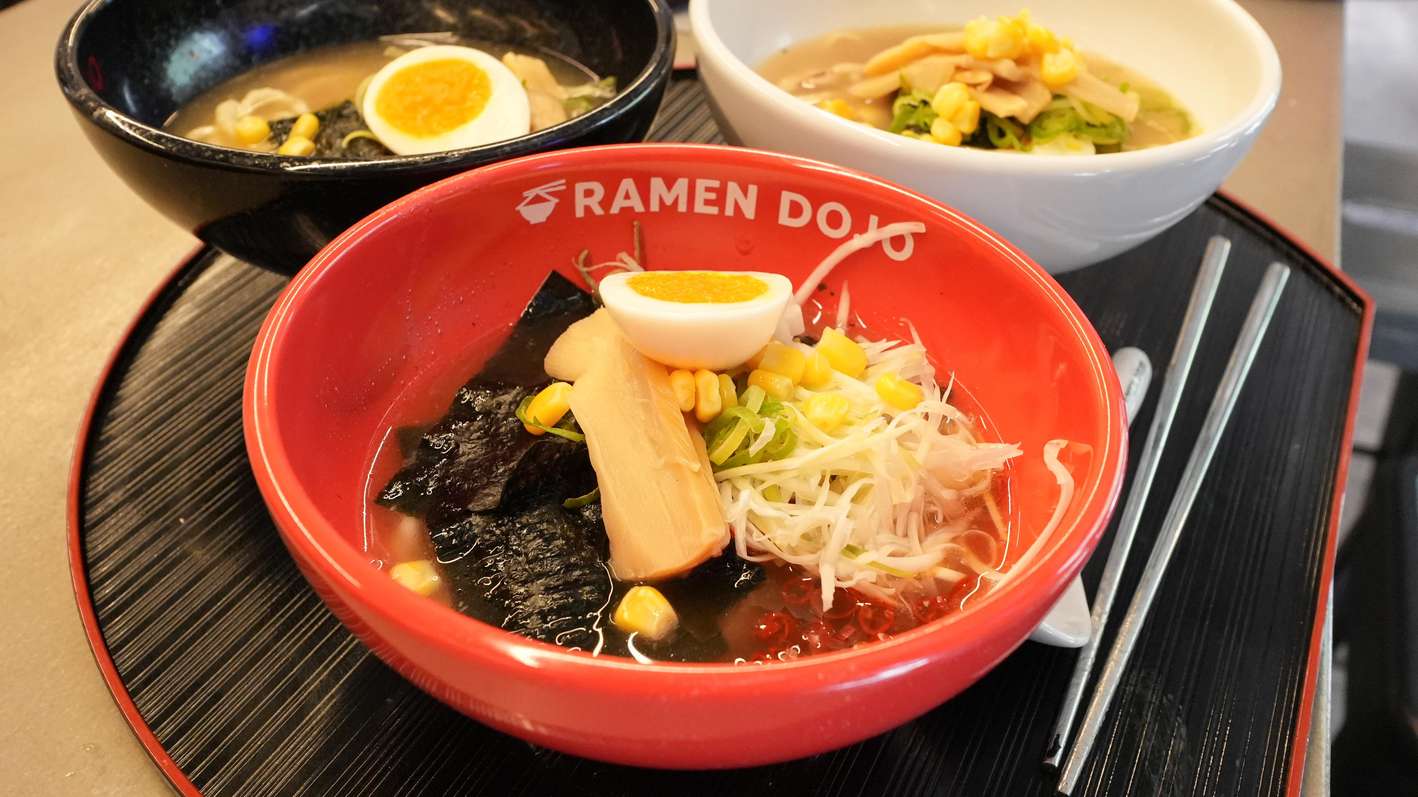
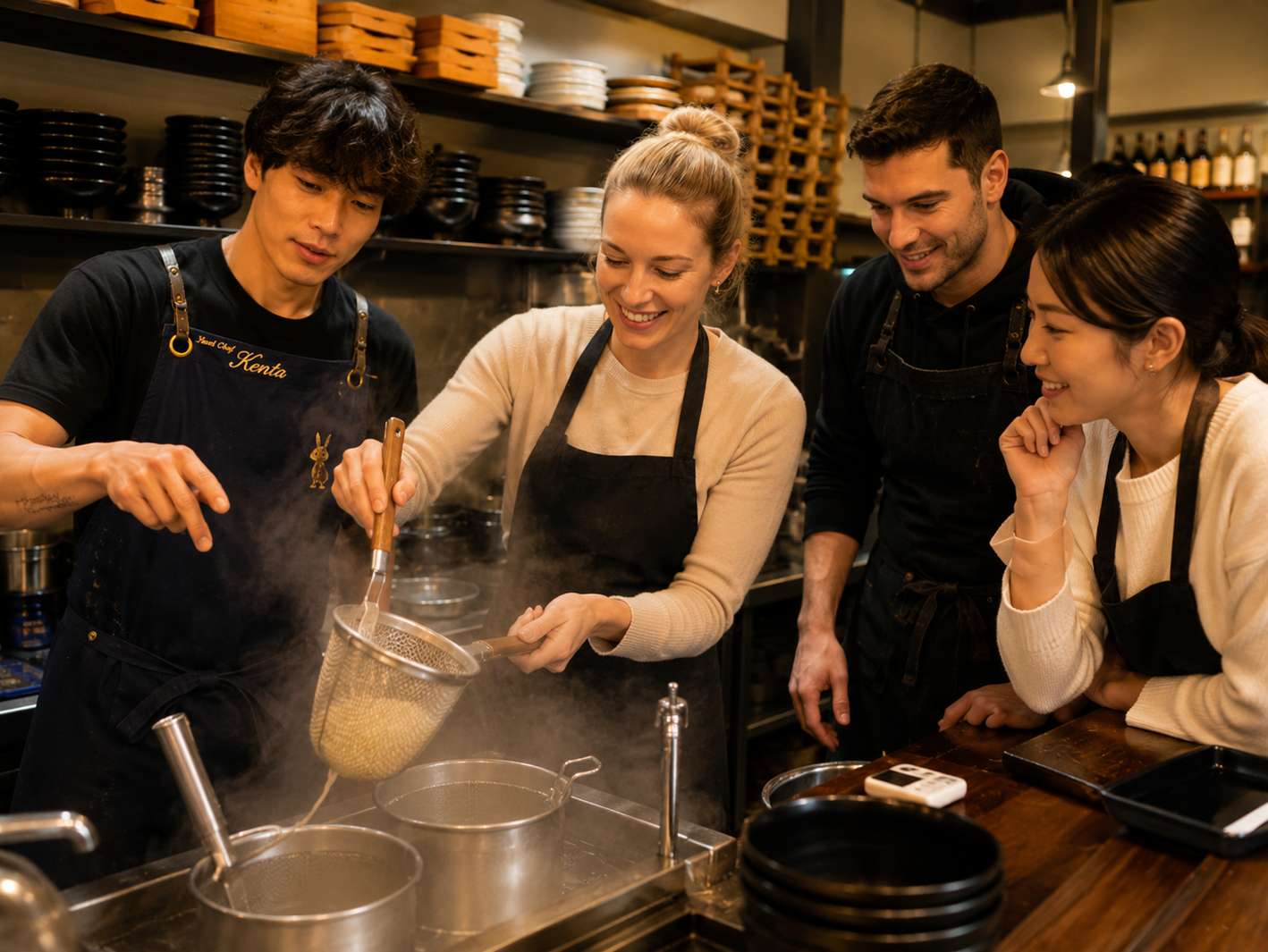
Steam first. A pot of pork broth, a tray of rice still warm from the cooker, and an instructor walking a small group through both at once.
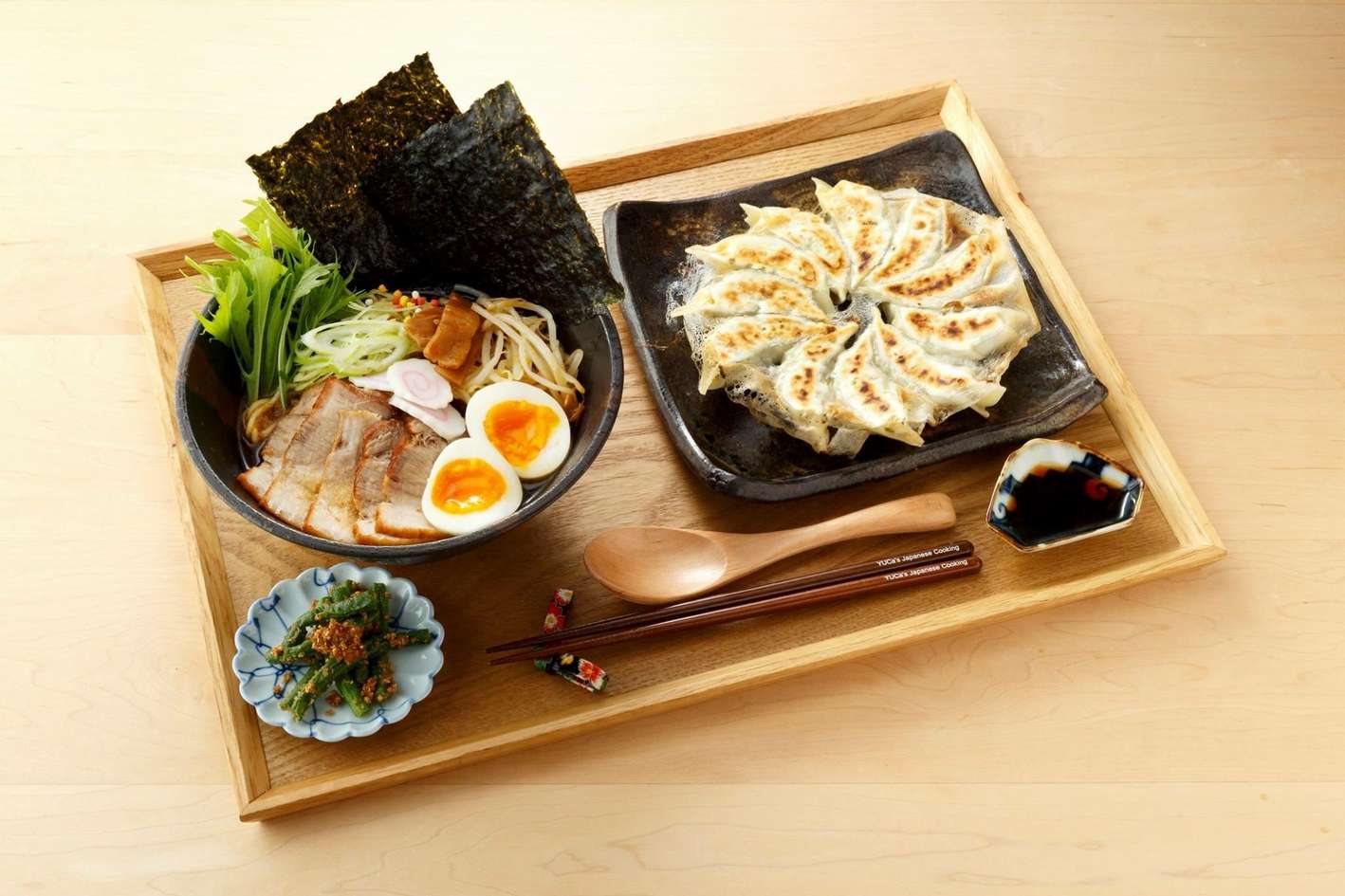
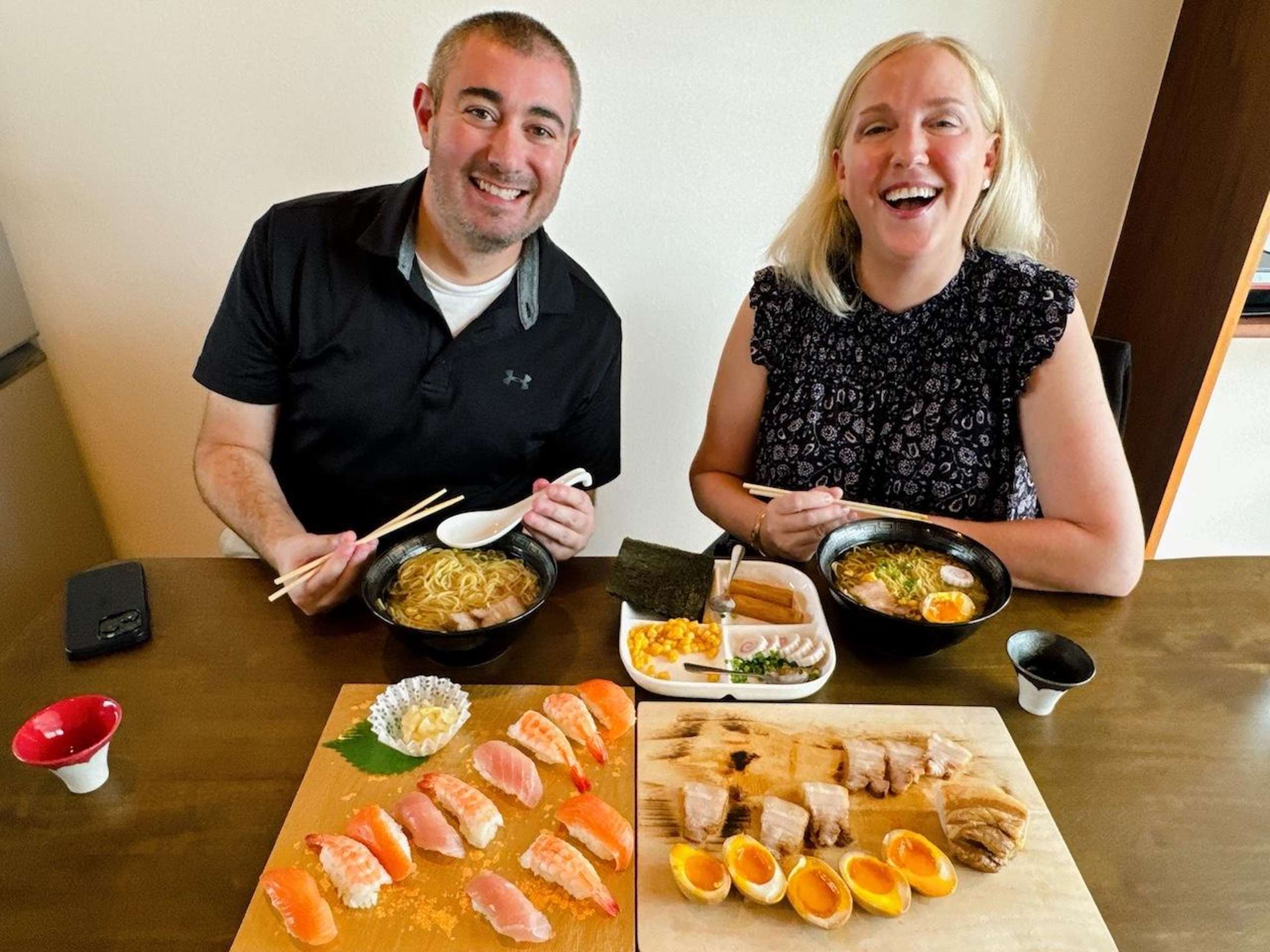
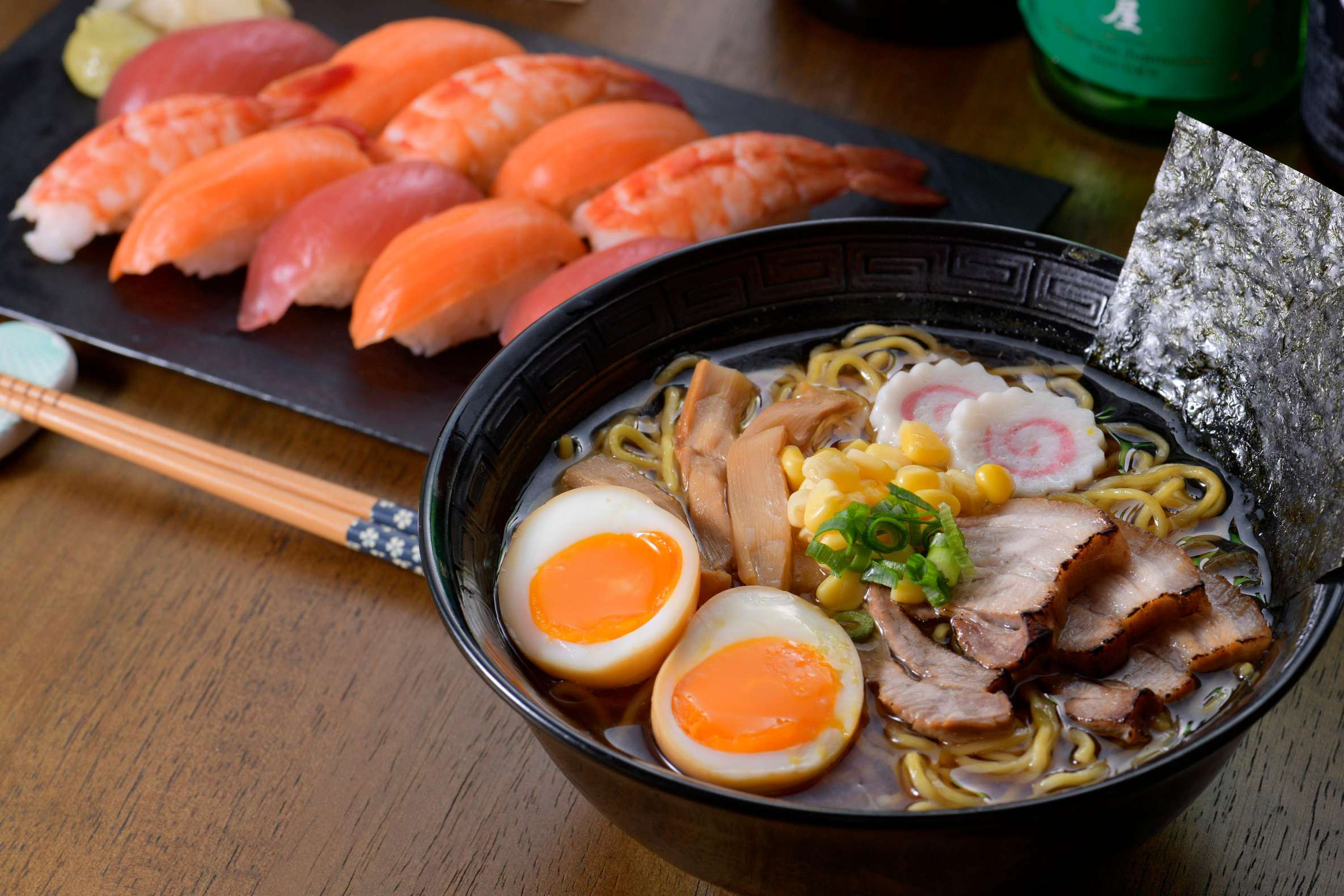
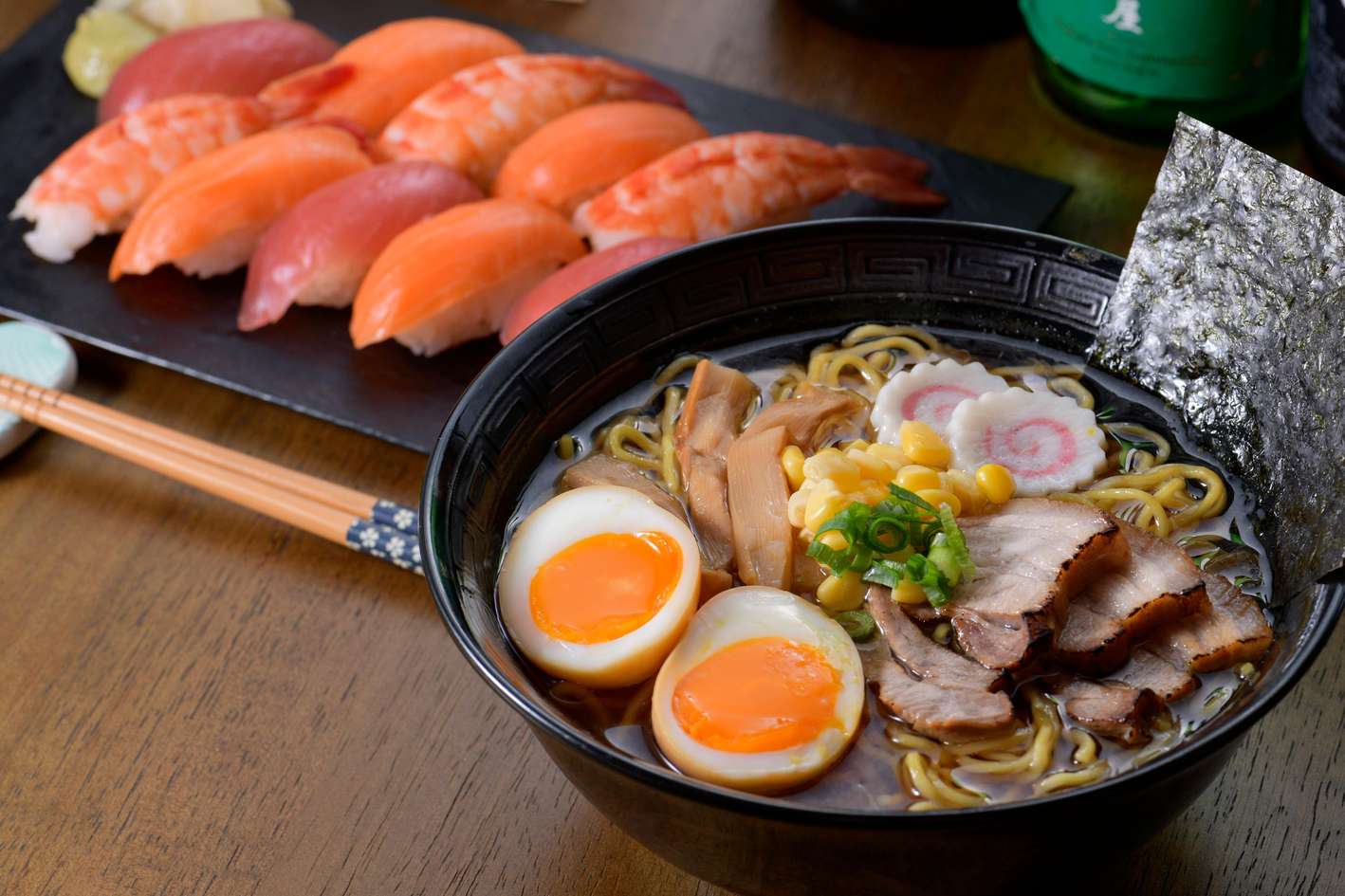
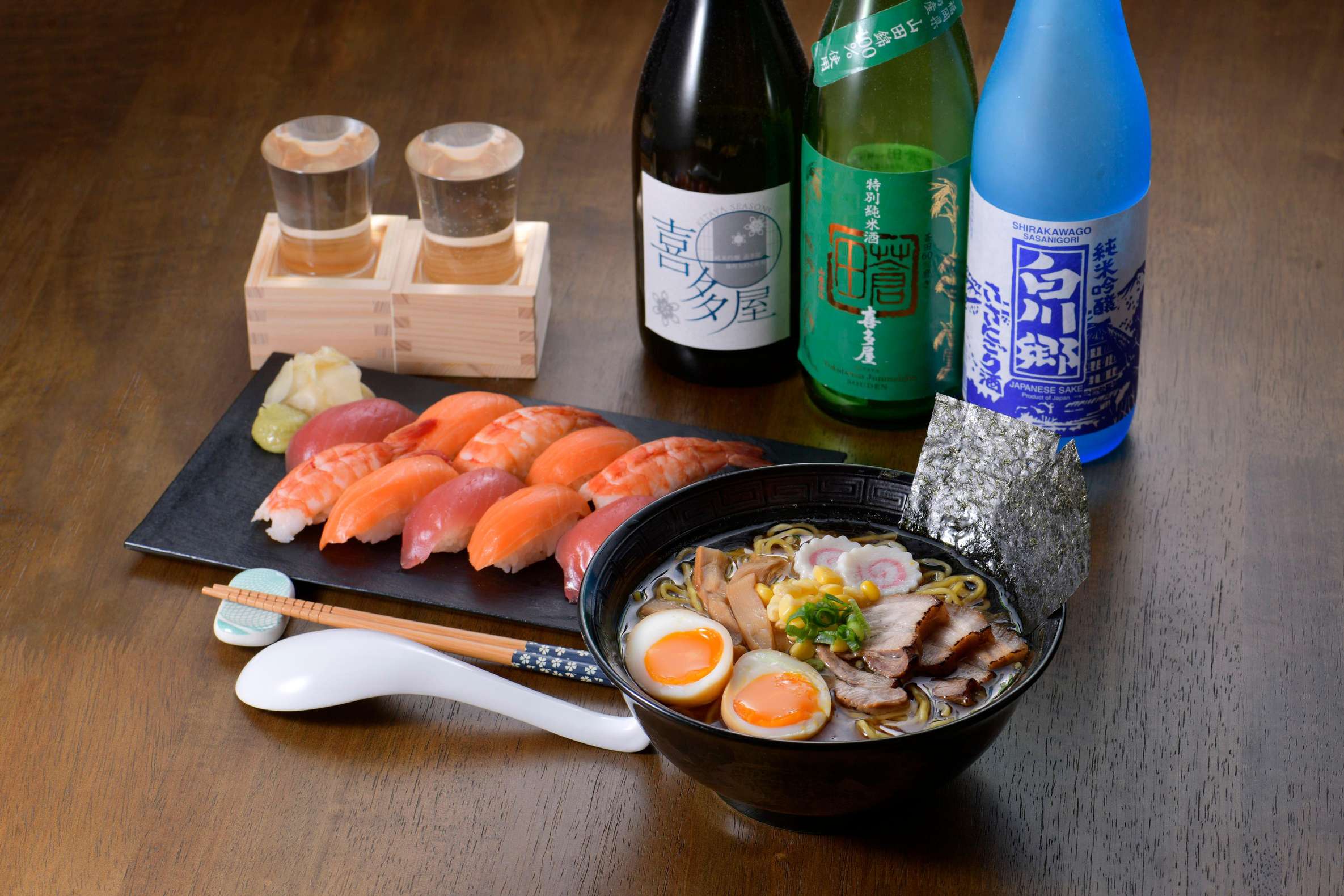
The Tokyo: Sushi and Ramen Cooking Class with Sake Pairing Set runs 3 hours and puts your hands on both dishes: ramen soup and chashu pork on one side, nigiri shaped with your own palms on the other.
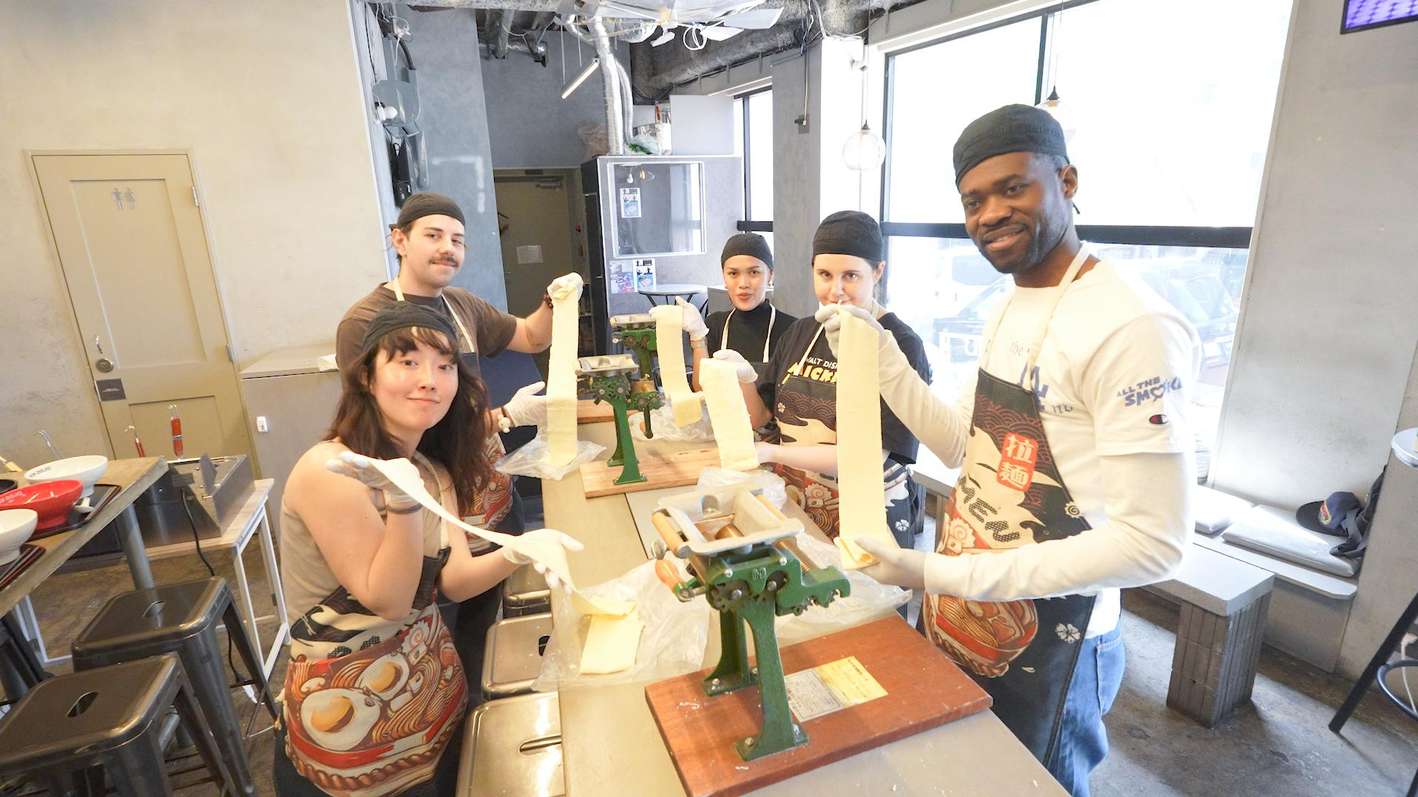
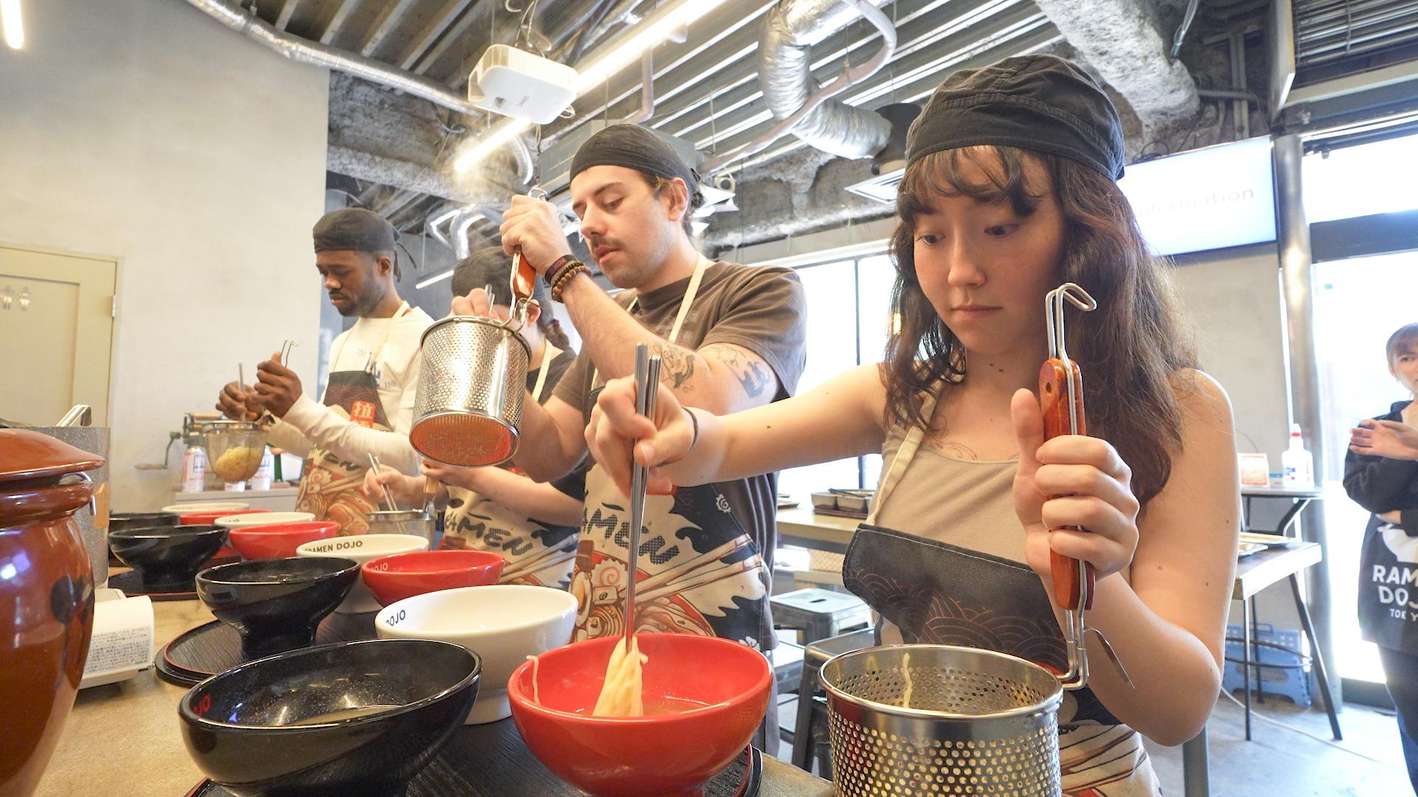
What separates this from watching a chef work is the making. You get all the ingredients and an English-speaking instructor, and you cook both dishes yourself.
The long-simmered work happens before you arrive, since a proper broth takes 10 hours, so your session goes into the parts you can actually learn: finishing the ramen and forming nigiri.
Best thing we did in Tokyo! Sato, Issa and Karin were friendly and knowledgeable, and we left as friends. Perfect way to unwind after an overnight flight.
That double payoff is the argument for the class. Two dishes in one booking, and a full meal at the end of it.
When to book your Tokyo cooking class
Date choice matters more for a Tokyo class than most travelers expect. July and August are the hottest months, with daytime highs around 32 to 33°C, and early June to mid-July brings the wet, humid rainy season. The classroom itself is indoors, so the heat never reaches your workstation.
The transport is the weak link. Typhoon season peaks in August and September, and strong winds suspend trains across the city. Disruption often continues after the wind dies down, while crews check the tracks. An indoor class still needs an operating train route to get you there.
A typhoon between July and October, especially August and September, can suspend Tokyo trains even after the storm passes Leave slack around your travel days, and if trains stop, contact the operator about moving your booking before you set out
The calm windows are your friends. Late autumn and winter give you dry, clear days and reliable trains, which is exactly what a fixed start time wants.
Getting to the class and where it starts
The meeting point is specific, and it pays to treat it that way. Tokyo's sushi and ramen class meets a five-minute walk from station Exit 4, and guests are asked to arrive five minutes early. Aim your journey at the platform and the exit, with the neighborhood as a detail you check beforehand.
Weekday rush hours are the variable. Between about 7:30 am and 9:30 am, and again from 5:30 pm to 7:30 pm, add at least 30 minutes beyond your normal estimate. With luggage, a transfer-heavy route, or a passage through Shinjuku or Tokyo Station, make it a full hour.
Cross-city journeys in Tokyo run long wherever you start. From Tokyo Station, count on about 40 minutes by train via Shibuya plus the short walk; from Asakusa, closer to 45 minutes with the change at Shibuya. A car can beat those times when the roads are clear, and lose badly when they are not.
A mid-morning or early-afternoon class keeps you clear of the worst crowds on both ends of the day.
What happens in the class, step by step
Three hours move faster than you expect when both dishes are on the clock. The session opens with the ramen side: guidance on the broth and the chashu pork, the parts that take hours at home and are demonstrated here so you can reproduce them later.
Then the sushi. Sushi rice arrives washed, soaked, cooked and cooled ahead of time, which is what leaves room for you to shape nigiri by hand with the provided ingredients. This is the part people talk about afterwards, the moment the rice finally holds in your palms.
- 1ArrivalDoors open and you settle in
Come five minutes before the start
- 2First hour and a halfRamen broth and chashu guidance, then cooking
The make-ahead theory gets explained as you finish the bowl
- 3MiddleSushi making and nigiri shaping
Rice is prepped so your time goes into hand-forming
- 4Last stretchThe shared meal
What you cooked becomes what you eat
- 5CloseThree sake tastings
Pours of about 30 ml each
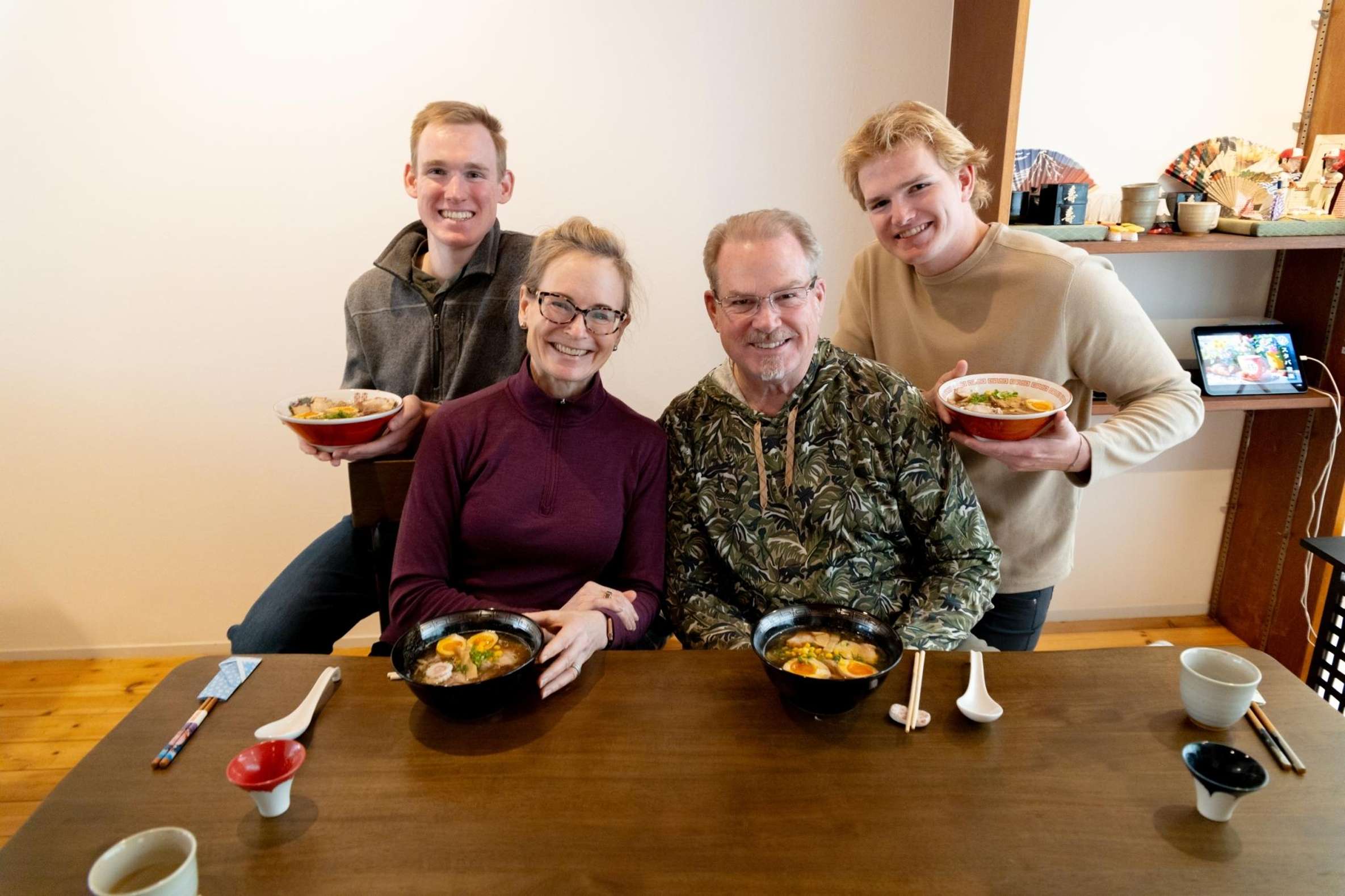
On the sake: three 30 ml tastes at 15.5% add up to about 11 grams of alcohol, a little over one standard drink by Japan's health measure. Drinking is illegal under 20, and a class like this asks for ID, a copy being acceptable.
Going with a cooking class or on your own
Eating ramen out costs less thought and teaches you nothing about the bowl. Some Tokyo experiences sit at other points on the scale, and it is worth knowing what you are walking into.
One behind-the-counter kitchen experience puts you inside a working ramen shop, and one indoor class uses soup the host prepared before you arrive.
The line to watch is instruction in ingredients, recipes and techniques. A class that hands you a finished component to assemble leaves with nothing. The combined sushi and ramen class sits on the teaching side: broth and chashu guidance, nigiri shaped with your own hands, an English-speaking instructor throughout.
Class or counter?
| Combined ramen-and-sushi class | Single-dish ramen workshop | Eating at a ramen restaurant | |
|---|---|---|---|
| Hands-on time | Both dishes, cooked by you | One dish, often noodles only | None |
| What you learn | Broth, chashu and nigiri technique | Depends: check what is made from scratch | Nothing beyond the menu |
| What you eat | Your own cooking, with sake tastings | Your own bowl | The chef's bowl |
- Hands-on time
- Both dishes, cooked by you
- What you learn
- Broth, chashu and nigiri technique
- What you eat
- Your own cooking, with sake tastings
- Hands-on time
- One dish, often noodles only
- What you learn
- Depends: check what is made from scratch
- What you eat
- Your own bowl
- Hands-on time
- None
- What you learn
- Nothing beyond the menu
- What you eat
- The chef's bowl
If you want the skills as much as the meal, the combined format is the one that delivers both.
How to choose a ramen and sushi cooking class
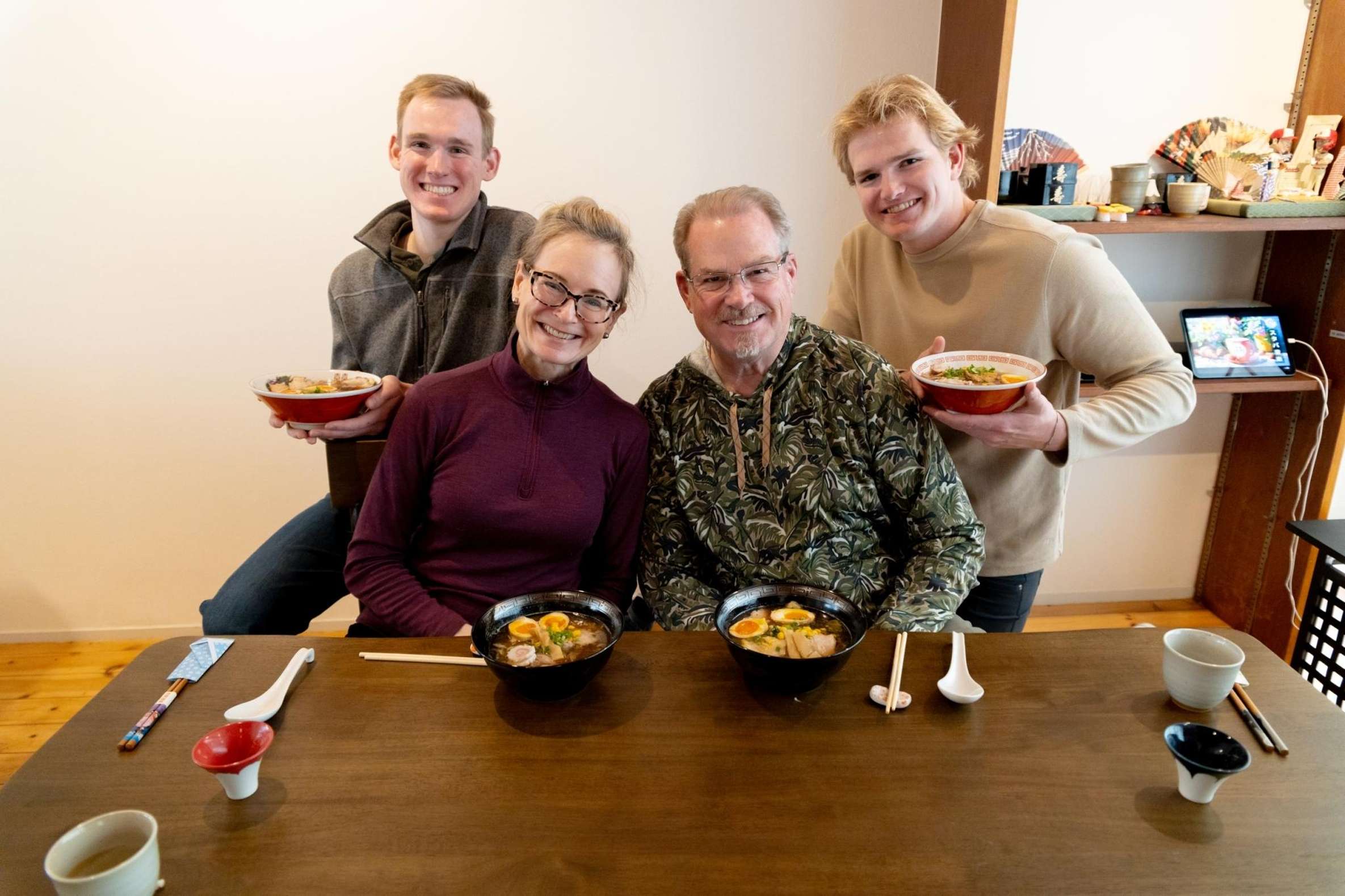
A few checks separate the classes worth booking from the rest. Ask which components you genuinely make, since short sessions often demonstrate more than they teach.
If you cook seriously at home, look for instruction on ingredients, recipes and techniques you can repeat, and be skeptical of lessons that mainly show off commercial machinery a home kitchen will never have.
The practical criteria apply to any class. Instructor language decides whether you can ask questions mid-cook. Group size decides how much personal attention your nigiri gets. Cancellation terms decide how risky the booking is when trains, weather or flight times move.
How to choose a ramen and sushi cooking class
| Check | Why it matters | Our pick |
|---|---|---|
| A guide with you | An instructor on hand makes the hands-on parts workable for beginners | Yes, an English-speaking instructor is included |
| Free cancellation | Trains, weather and flight times move; flexible terms keep the booking safe | Yes, cancel up to 24 hours ahead for a full refund |
| Book now, pay later | Reserving a place without paying upfront keeps plans open | Yes |
| A small group | Fewer people means more attention on your nigiri | Yes, a small-group format |
| Hotel pickup | Some travelers expect collection from their hotel | No, you make your own way to the meeting point |
| Your language | Questions mid-cook need a shared language | Yes, English |
On those checks this class holds up well, and the gaps are honest ones. There is no hotel pickup, so you make your own way to Exit 4.
What to wear and bring to hands-on ramen and sushi preparation
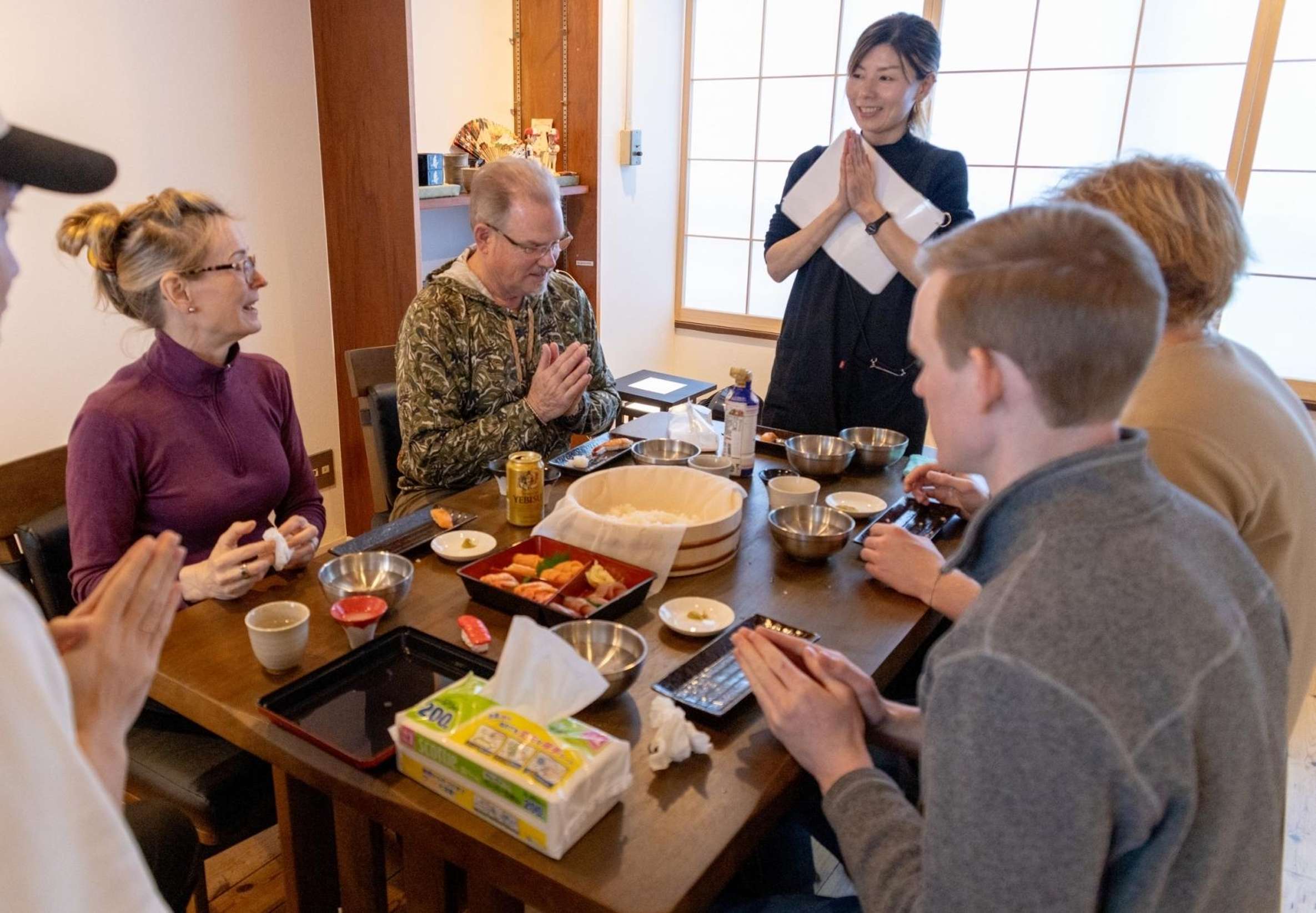
Kitchens have a dress code whether or not anyone posts it. Wear comfortable clothes you don't mind getting dirty, because soup and flour find their way onto sleeves. Closed-toe sneakers are the safe choice: one ramen operator bans sandals, flip-flops and high heels outright near boiling water.
For the sushi half, roll your sleeves up, tie long hair back, and take off rings, watches and bracelets before you start shaping rice. An apron comes with the class, so you can leave your own at the hotel.
What to wear for ramen and sushi preparation
Soup or flour may splash during ramen preparation
One ramen operator bans sandals, flip-flops and high heels near boiling water
Roll them up before the hands-on nigiri work
Long hair needs tying back during cooking
Bare hands matter when you shape sushi
One sushi cooking school provides one, so yours can stay at the hotel
One rule catches travelers out at the door. Hands-on food sessions turn away anyone with a cold, however mild it seems, so a scratchy throat the morning of your booking is a reason to reschedule. Free cancellation up to 24 hours ahead makes that an easy call.
Dietary needs and allergies in a ramen and sushi class
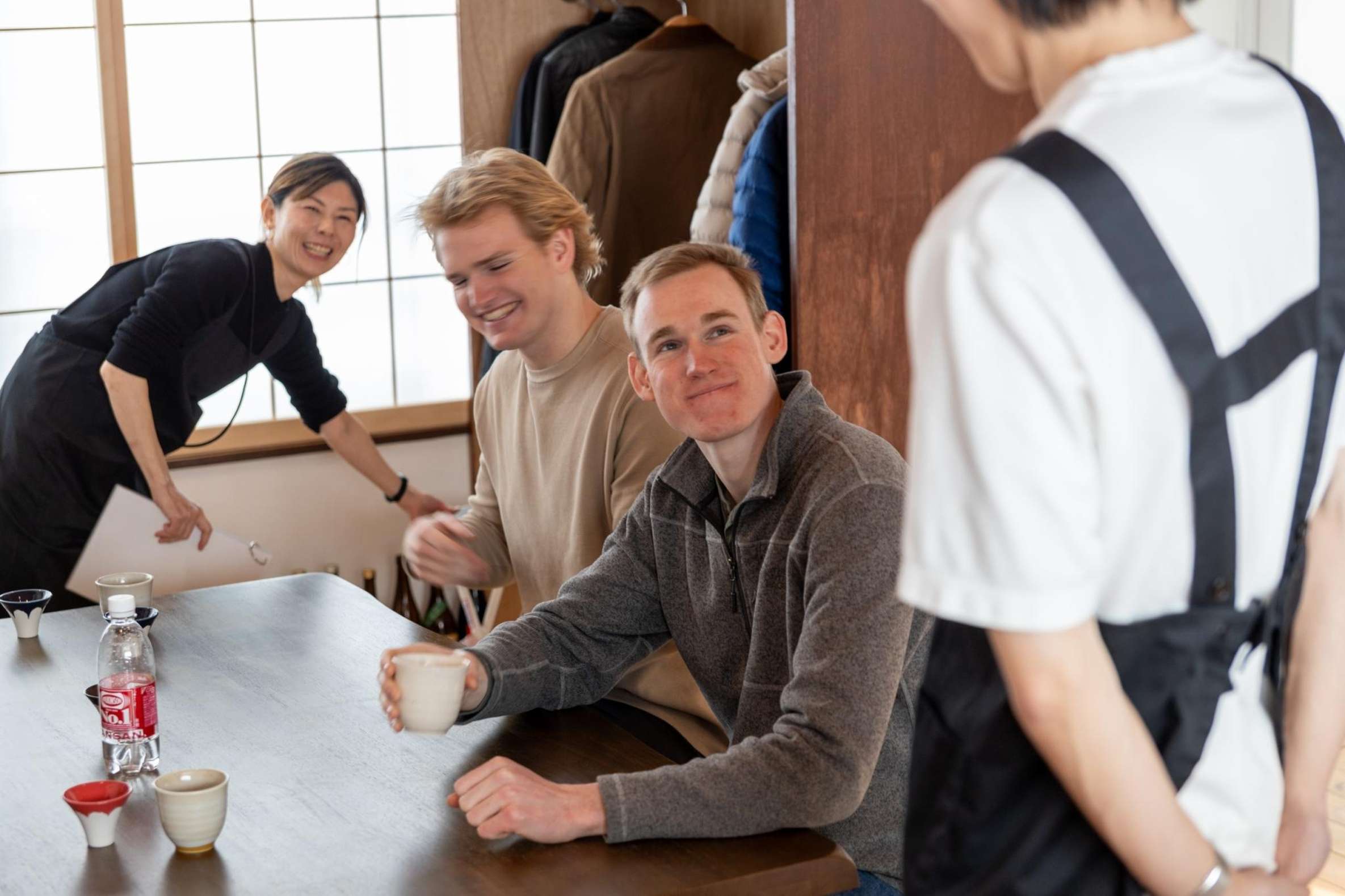
Labels hide more in ramen than most travelers guess. Noodles can contain egg even when they are never described as egg noodles, which means removing the egg topping changes nothing for an egg allergy. Broth has its own trap: fish ingredients can sit in the soup base long before any topping lands in the bowl.
The combined class lists vegans and vegetarians as not suitable, so plant-based readers should look at other workshops rather than hoping for substitutions here.
For anything short of that, the working method is the same. Name the exact ingredients you cannot eat when you book, without relying on the diet label.
A host who hears "no egg, no fish stock, no soy" can answer honestly about their kitchen, while "vegetarian" leaves both sides guessing. Do this before the class, when the menu can still change, and before the broth is already poured at your workstation.
What else to do near the class in Tokyo
Match your sightseeing to the kitchen's real address, without assuming it sits beside a major station. Tokyo cooking classes scatter across neighborhoods, and a studio a short walk from a local exit is often a train ride from the landmark you had in mind.
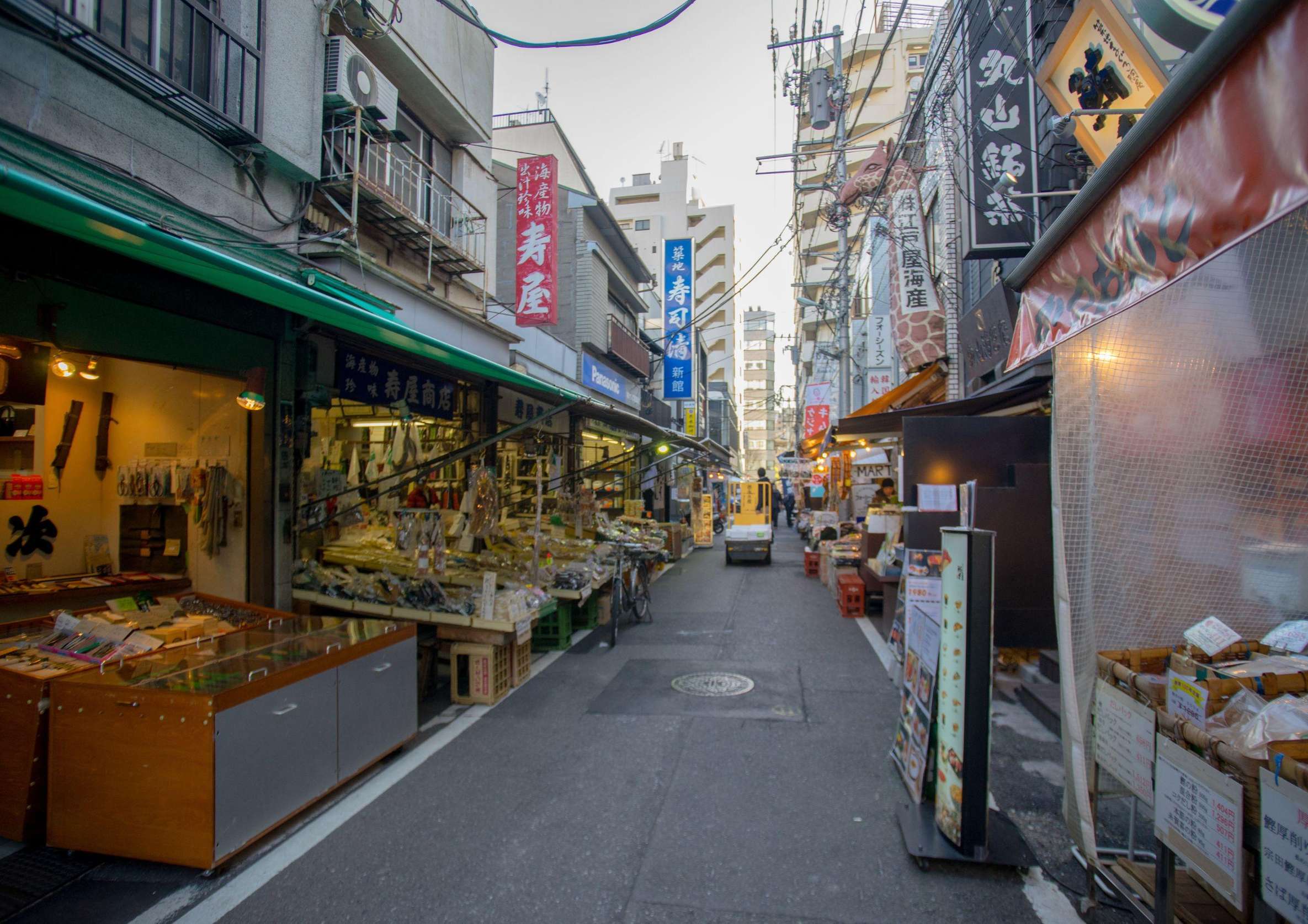
Around this class's Tsukishima meeting point, the plan is simple: arrive with time to spare, find Exit 4 early, and spend the extra quarter hour on the streets nearby rather than sprinting from a distant sight. Tsukishima sits in a working bayside neighborhood, and the walk itself is worth the slack.
Elsewhere in the city, the same pattern holds for ramen outings generally. In Shinjuku's Kabukicho, Hanazono Shrine sits 164 meters from the class area, with the Sompo Museum of Art a little further. Around Akihabara, Kanda Shrine and two nearby churches fall within roughly 700 meters.
What nobody tells you
You may get the instructor's full attention even after booking a group class
You cook with both hands and still go home with pictures
Recommendations for the rest of your trip come free with the conversation
Leave your afternoon open after the class. Between the meal you cooked and the sake at the end, you will want the walk.

What to know before you book a sushi cooking class in Tokyo
This is a three-hour, small-group class in Tokyo that covers both dishes: ramen cooking with broth and chashu pork guidance, then hand-forming nigiri sushi with provided ingredients. All ingredients are included, and the instructor speaks English.
There is no hotel pickup or drop-off, so plan your own route by train. For cross-city travel across Tokyo, allow extra time beyond the train ride itself, and aim to reach the venue a few minutes early rather than at the exact start.
The class asks you to arrive 5 minutes before it starts. A fixed start time means late arrival eats into your own cooking time, so build in a buffer for finding the building and the right exit.
You can cancel up to 24 hours in advance for a full refund. That leaves room to shift the day around if your Tokyo plans change, as long as you decide before the last day.
Wear comfortable clothes you don't mind getting a little dirty, with sleeves you can roll up. Closed-toe sneakers work best, and for the sushi portion it helps to tie long hair back and leave rings and bracelets off. An apron is provided.
The sake pairings follow Japanese law, which prohibits drinking alcohol for anyone under 20. Bring an ID card, and a copy is accepted, so younger travelers in the group should carry one to take part in the tastings.
The tastings come in small pours, and three 30 ml tastes add up to roughly one standard Japanese drink. That is enough to enjoy the pairing without the afternoon losing its shape.
Both dishes carry hidden ingredients: ramen noodles can contain egg even without an egg topping, and the broth can contain fish. If you have a severe allergy, ask about the exact ingredients before you book, because a shared kitchen cannot guarantee separation.
The class is not suitable for vegans or vegetarians, since the ramen menu centers on pork chashu and the nigiri uses fish. Travelers who need a plant-based version should look at a dedicated vegan workshop instead.
The broth is the long pole: one Tokyo ramen experience simmers its broth for 10 hours beforehand, and the sushi rice's washing, soaking, cooking and cooling also happen ahead of time. That prep is what leaves your three hours free for the hands-on parts.
Worth an afternoon, if you cook
This class suits travelers who want both dishes in one booking and would rather learn than be served. The three hours balance ramen and nigiri evenly, the sake closes it nicely, and the English-speaking instruction makes it workable without Japanese.
Anyone plant-based should book elsewhere, and travelers who want a working kitchen rather than a teaching one should look at behind-the-counter experiences instead.
Questions about sushi cooking in Tokyo, answered
Can I really learn both ramen and sushi in one Tokyo class?+
Yes. The three-hour class includes a ramen cooking session and a sushi-making experience, with ingredients and an English-speaking instructor included. You get hands-on time with each dish instead of watching someone else cook.
What is hands-on in the sushi part of the class?+
You hand-form nigiri sushi yourself using the provided ingredients and tools. The class also covers where sushi came from, so you learn the dish as well as shape it.
How does a three-hour class fit both dishes in?+
The slow parts are done in advance. Broth that can take ten hours to simmer, chashu pork, marinated eggs and the washing, cooking and cooling of sushi rice are make-ahead work. That leaves the session for finishing the ramen and shaping nigiri.
How much sake do the tastings involve?+
They are small pours. Three tastes of 30 ml each add up to about 11 grams of pure alcohol, a little more than one standard drink as Japan measures it. Easy to enjoy without losing an afternoon.
Is there a legal drinking age for the sake pairing?+
In Japan, drinking alcohol is prohibited under 20. One Tokyo cooking experience asks guests to bring an ID and accepts a copy, so carry one if you plan to taste.
I have an allergy. Is ramen safe if I skip the egg?+
Talk to the host before booking, because removing the egg topping does not settle it: ramen noodles can contain egg even when they are not described as egg noodles. Broth can also contain fish ingredients.
Can I take leftover food away with me?+
Some Tokyo classes do not permit takeaway or leftovers for food-safety reasons, so plan to finish what you make. Come hungry anyway; the bowls you prepare can be generous enough to replace a meal.
Can children take part in a ramen and sushi class?+
It depends on the tasks. Some classes give children as young as four age-appropriate jobs with patient guidance. Where hot water, broth or a large, heavy knife are involved, children are paired with an adult or supervised through the risky steps.
What should I wear?+
Comfortable clothes you do not mind getting a little dirty. Choose closed-toe shoes, roll your sleeves up, tie long hair back and remove rings and bracelets for sushi work. An apron is usually provided.
How much travel time should I allow to reach the class?+
Cross-city trips to a Tokyo studio can take around 40 to 45 minutes by train from areas like Tokyo Station or Asakusa, plus a short walk. Add a buffer for finding the meeting point, and arrive five minutes before the class starts.