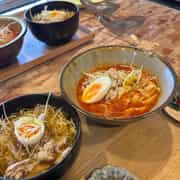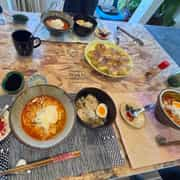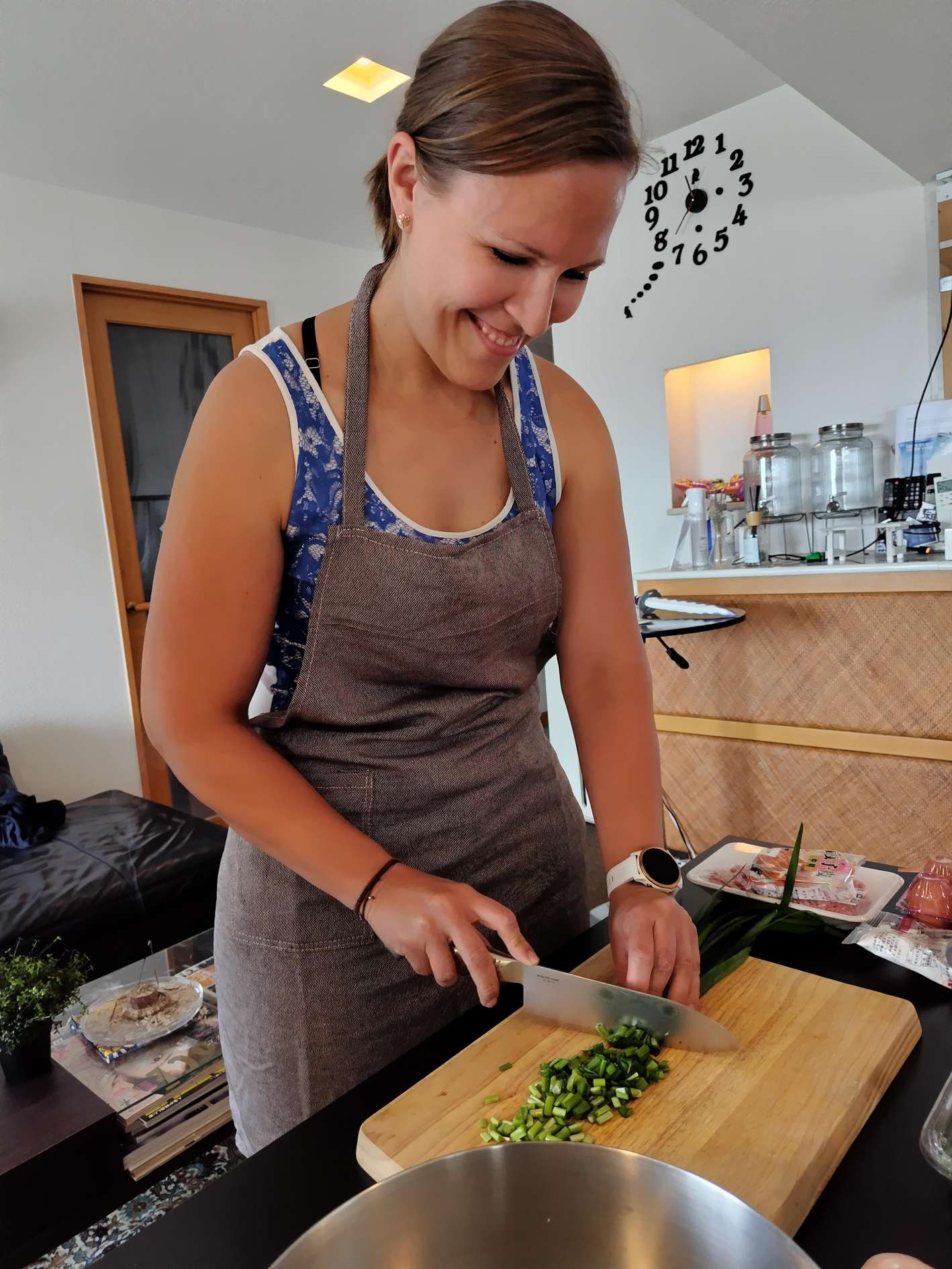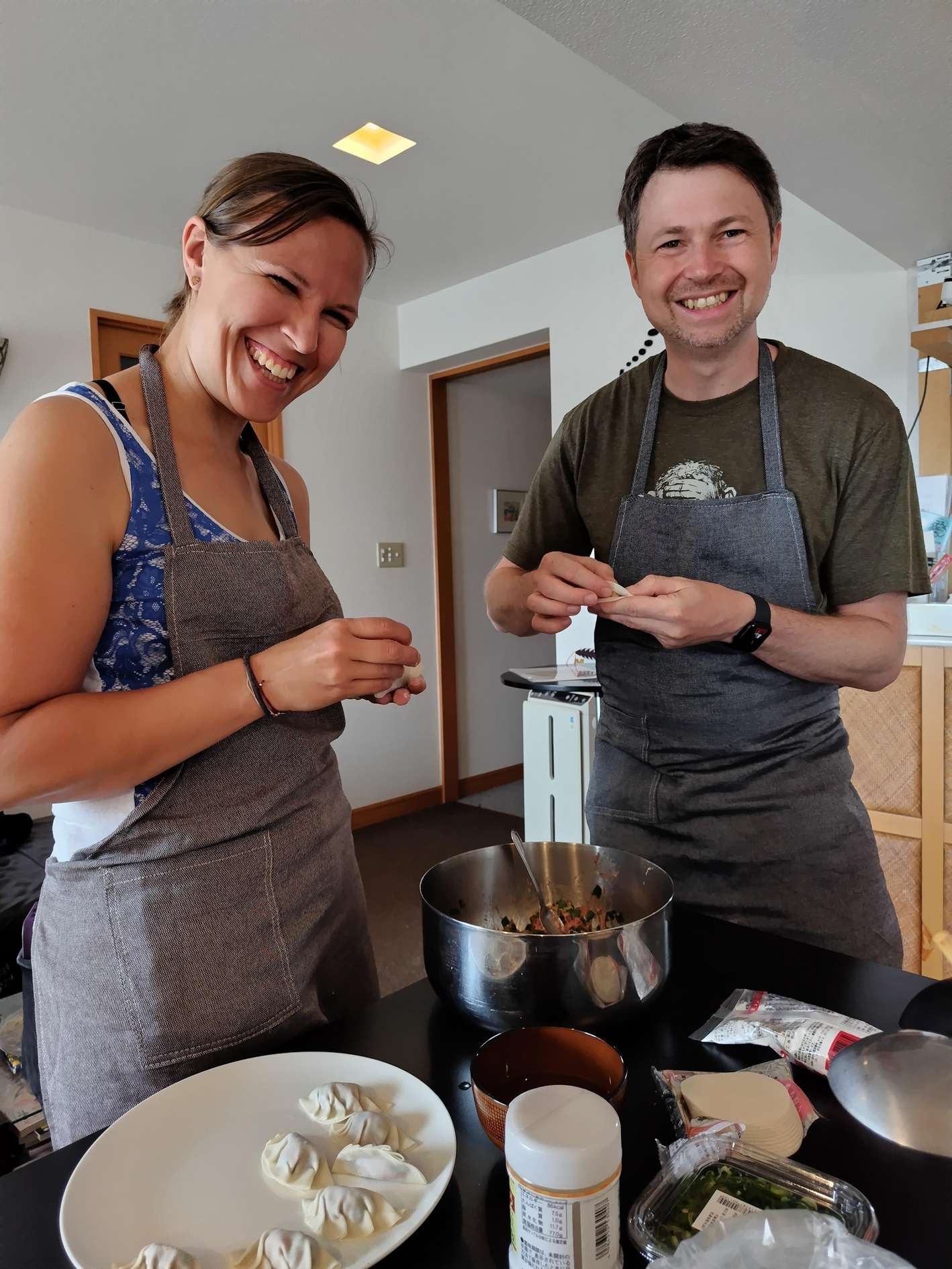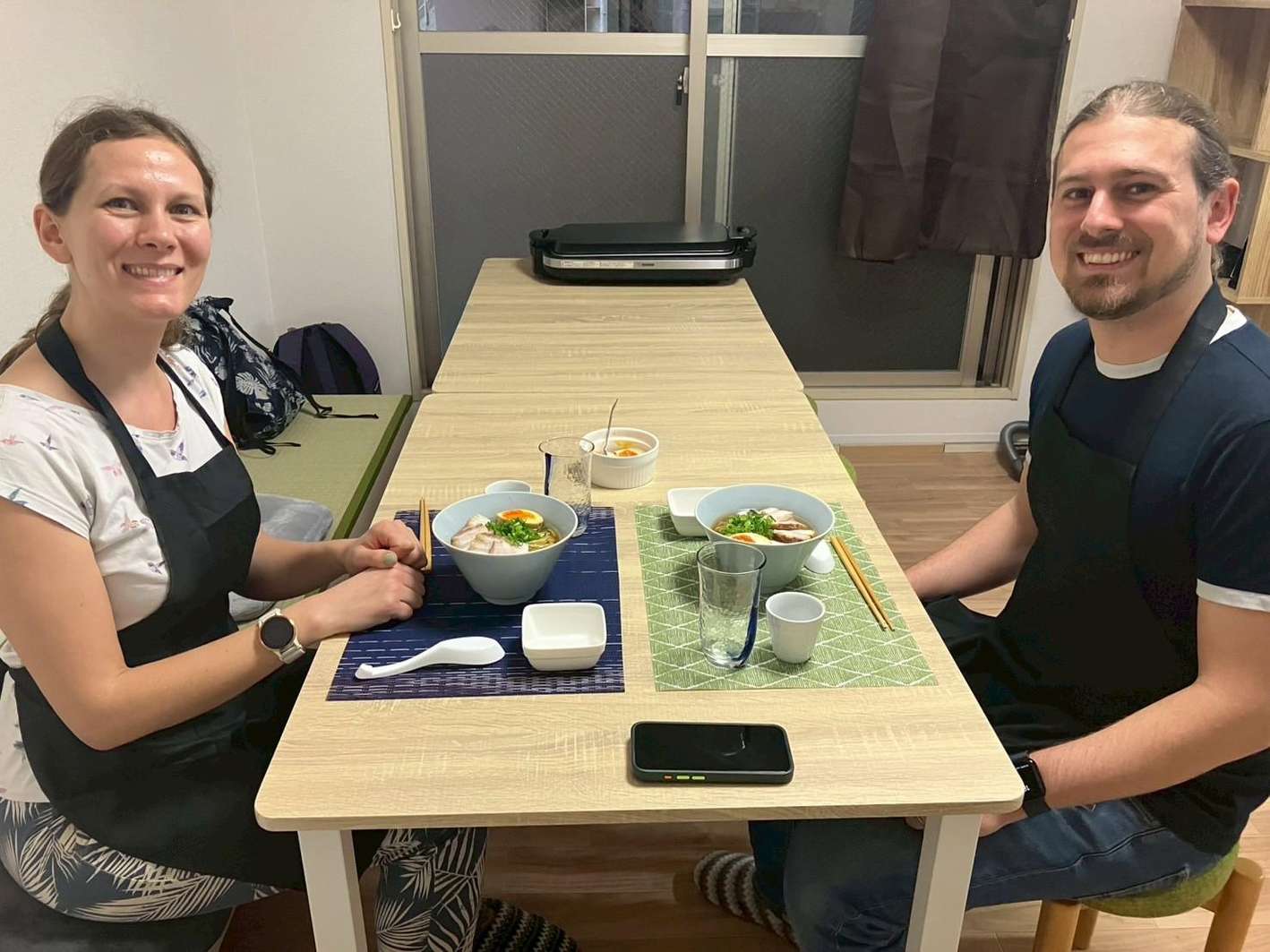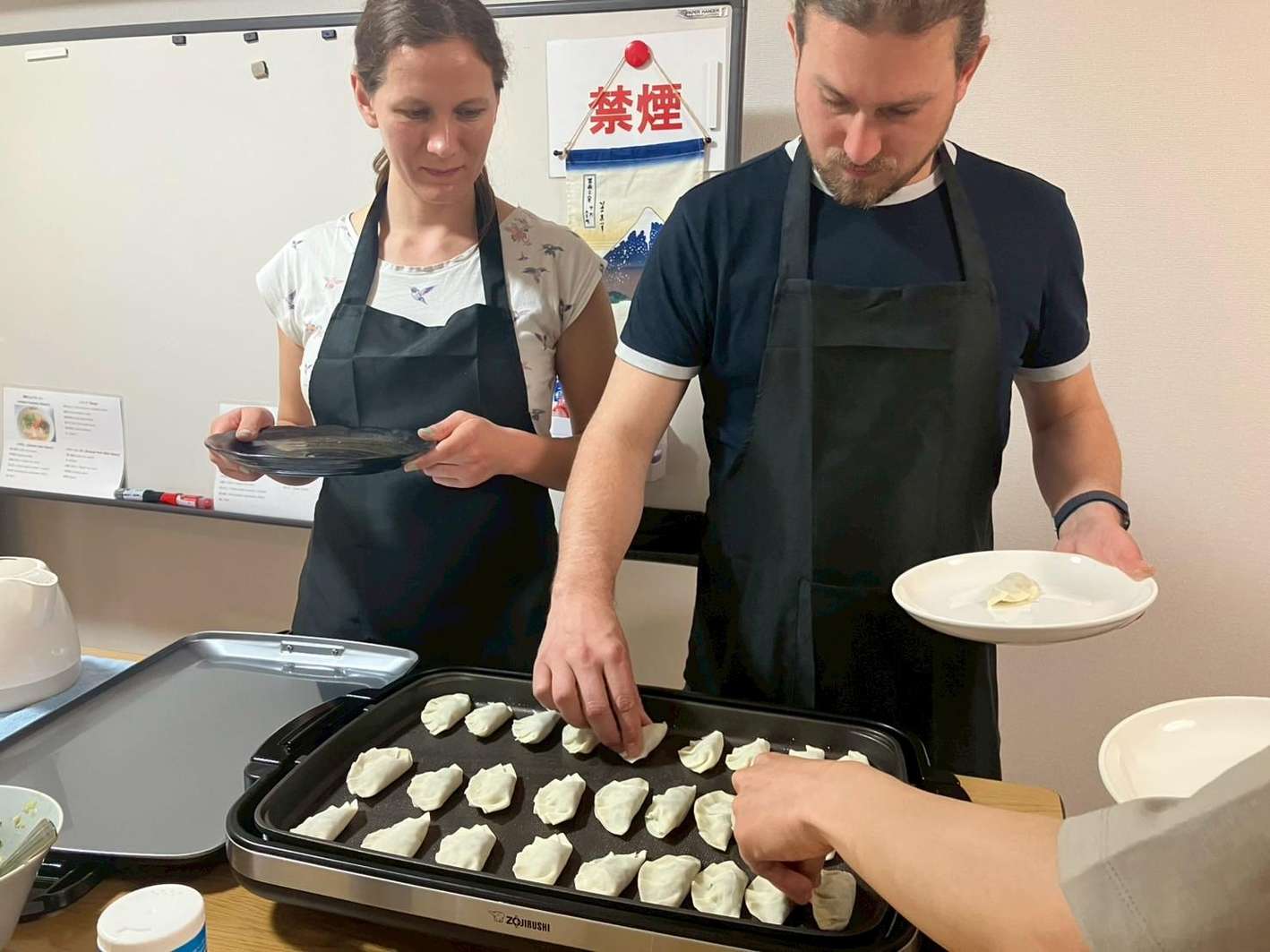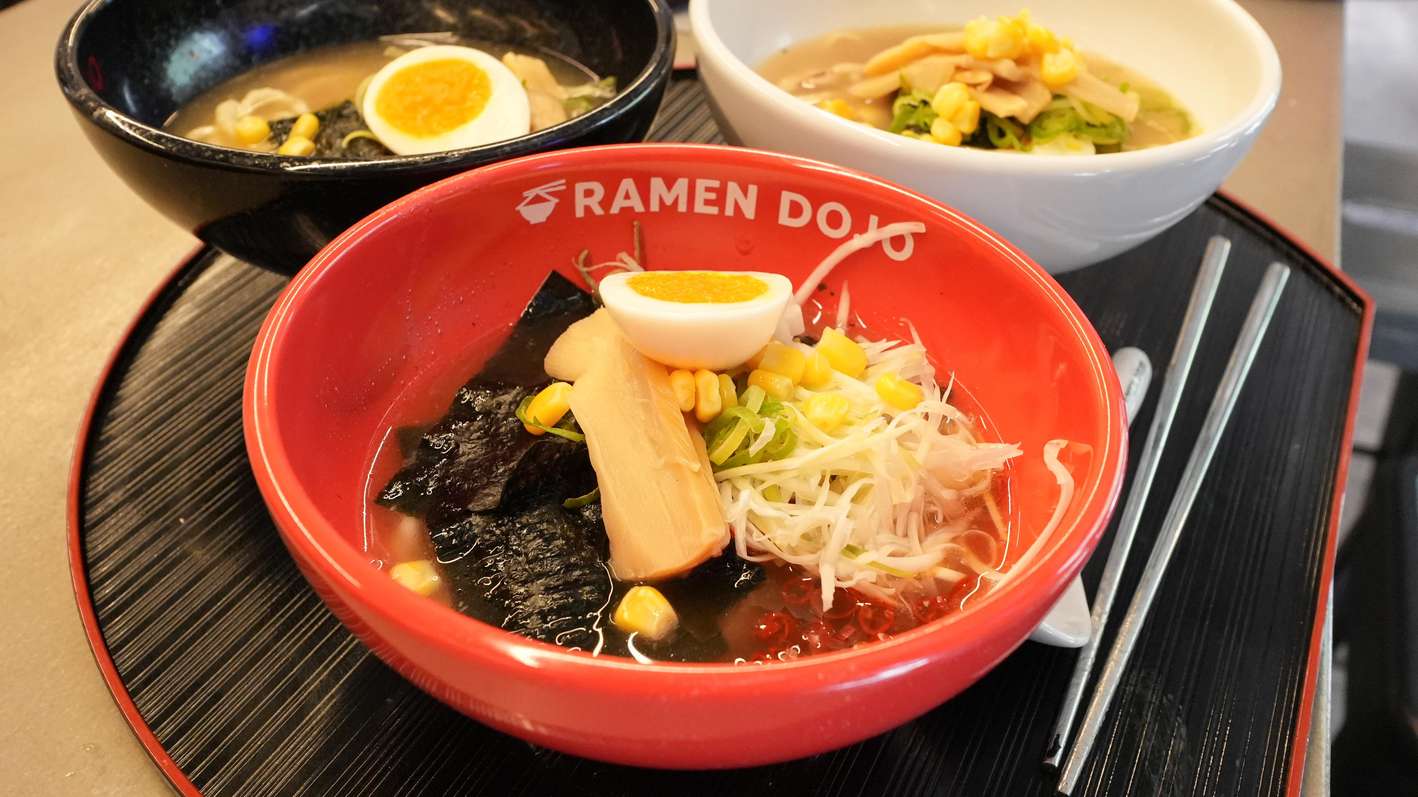
Your best matchPopular with solo travelers and couples. 100% of solo travelers and 100% of couples gave it 4 or 5 stars.
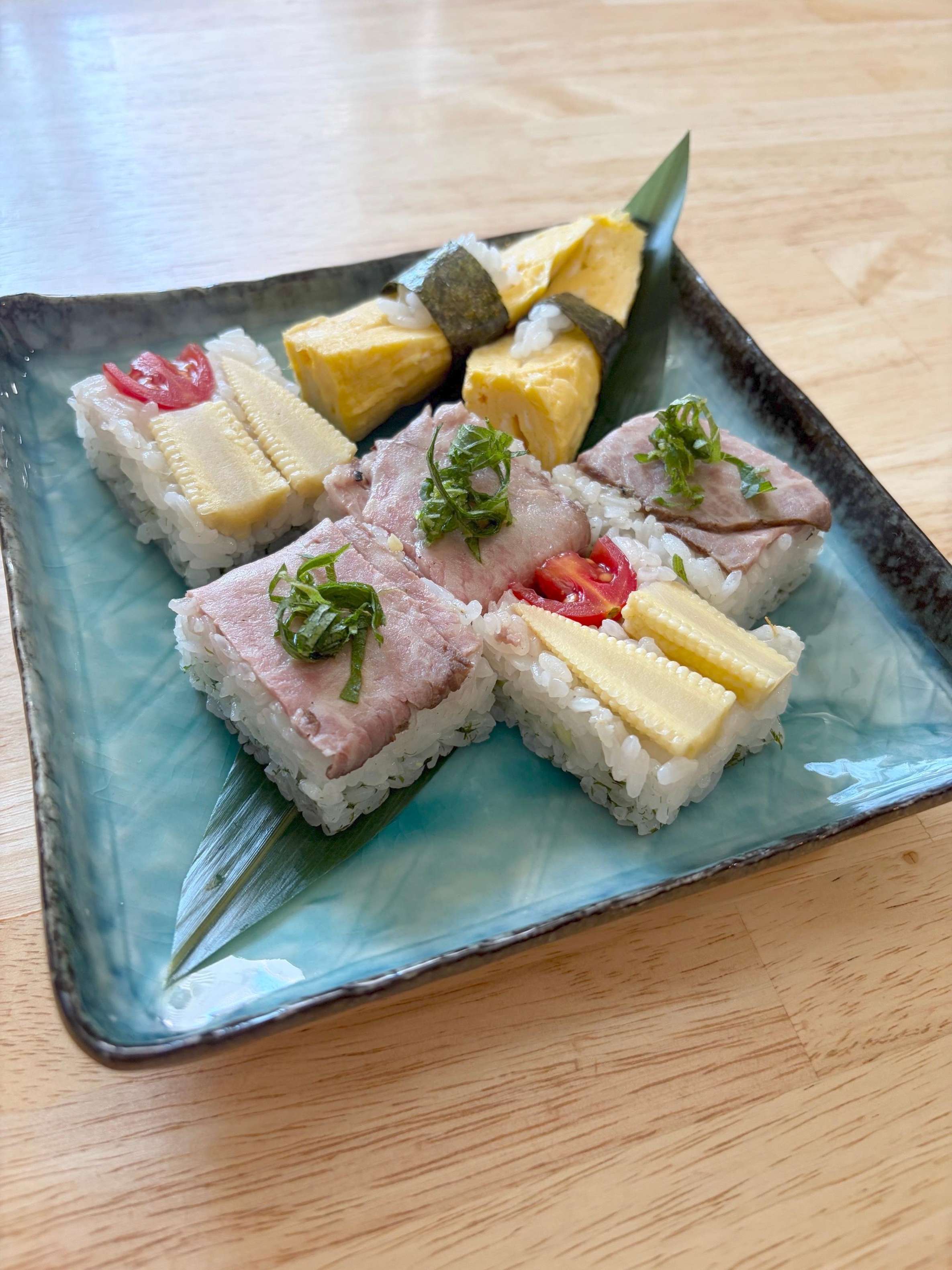
Dotonbori location, with a ramen and sushi option from June 2026.
- On a budget
- Mid-range
- Premium


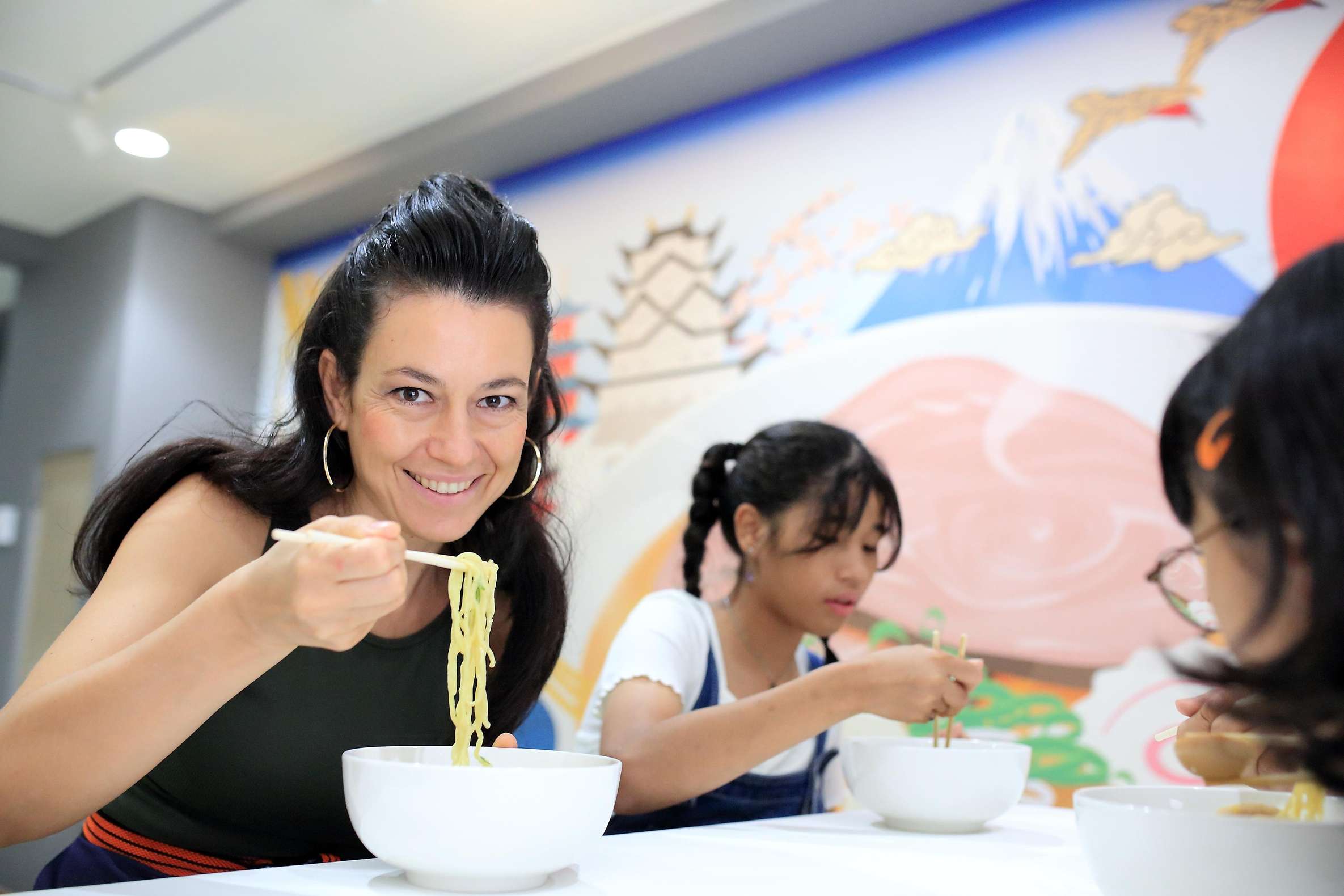
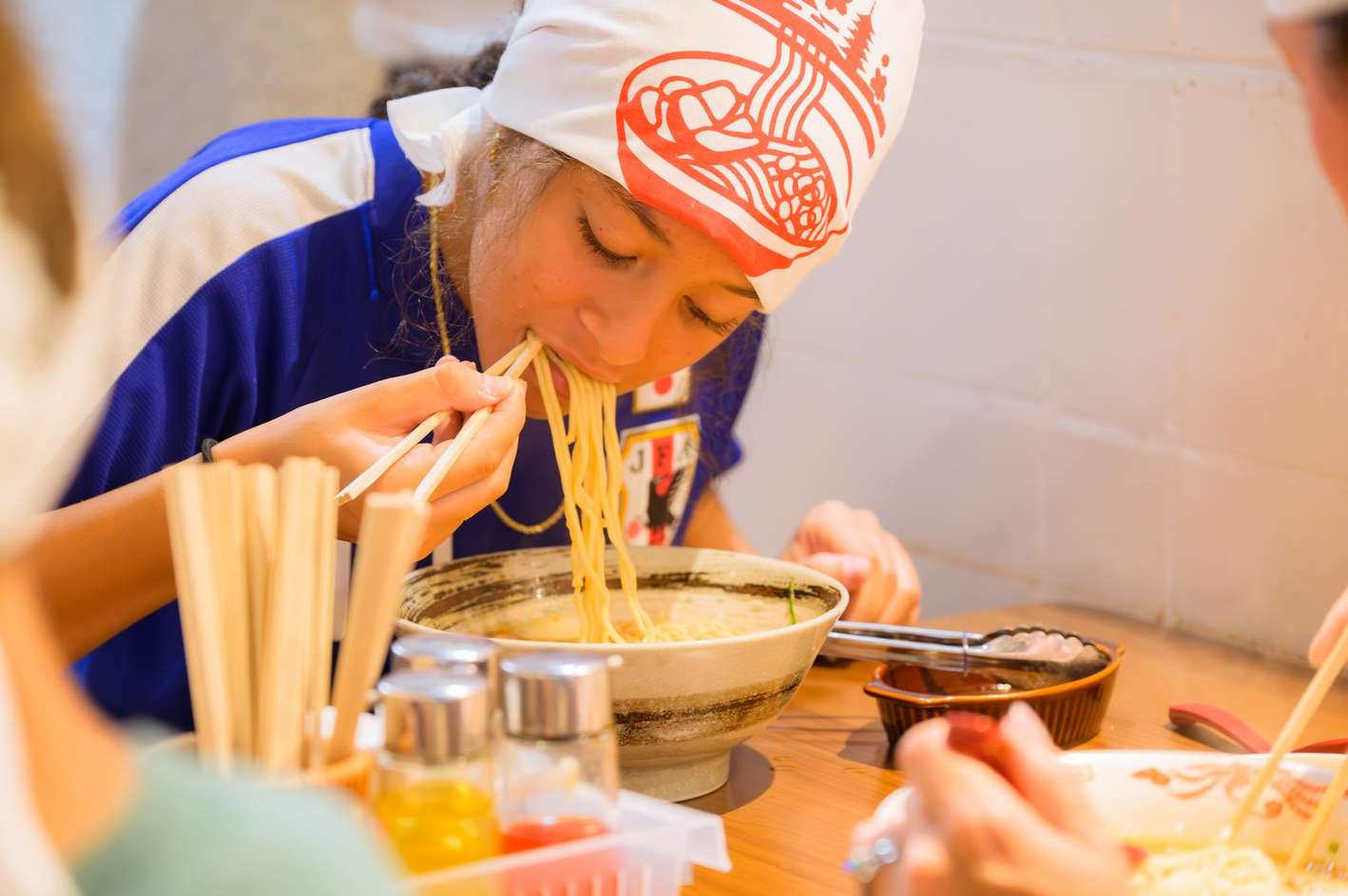
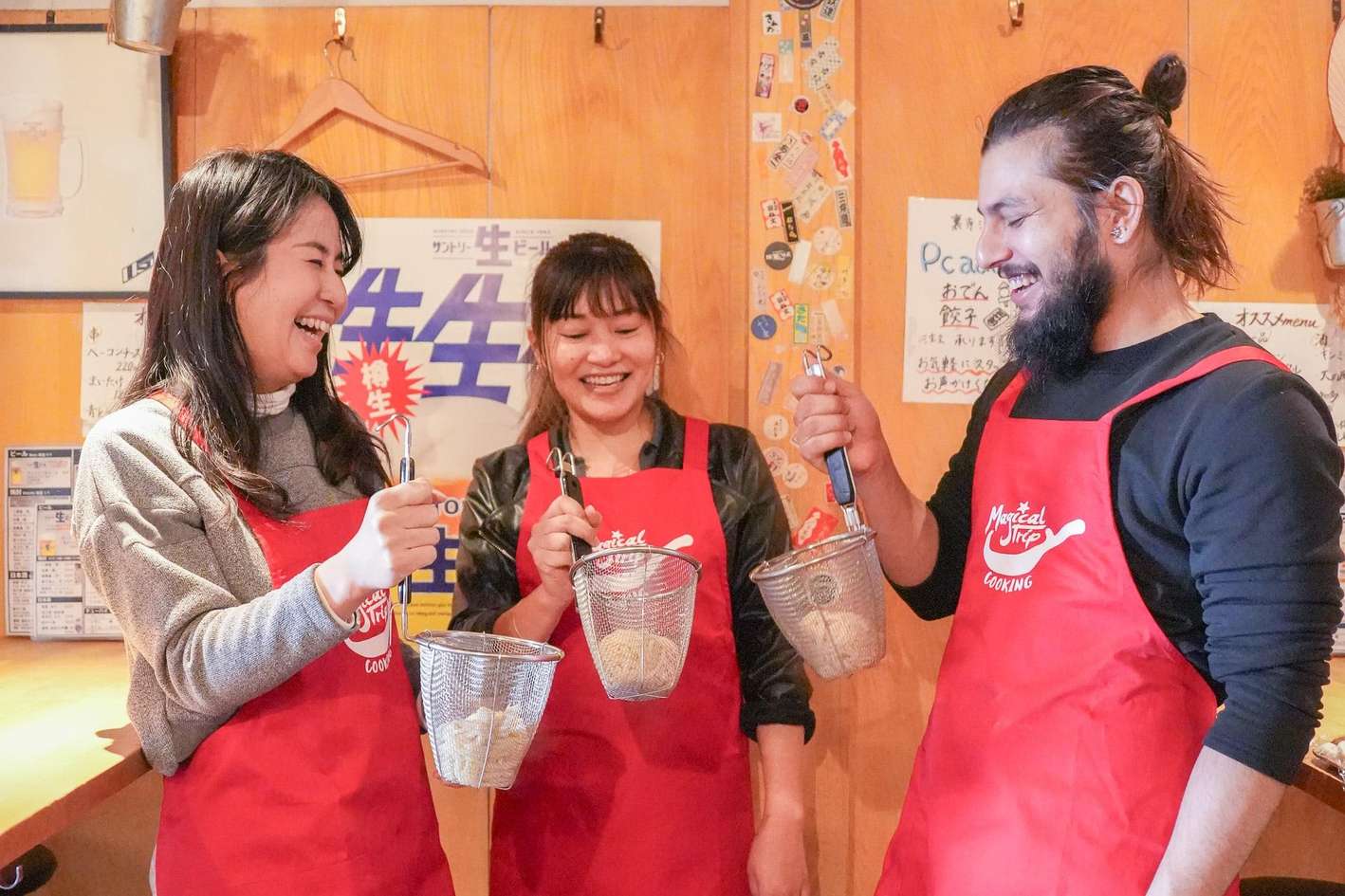
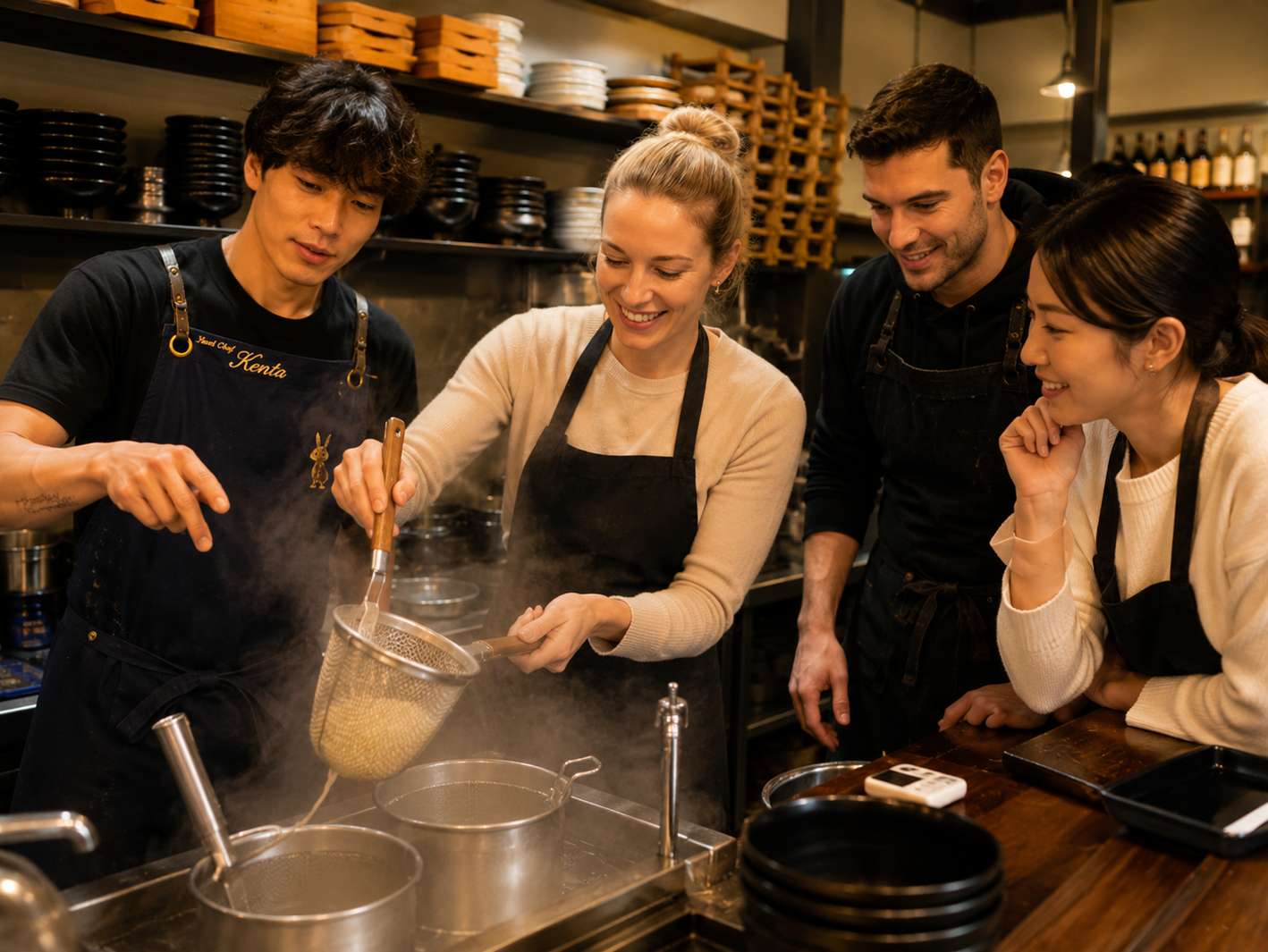
1.1kBook a ramen cooking class in Osaka and eat the bowl you made yourself. Compare hands-on workshops across Dotonbori, Nanba and the Osaka Castle area, from three-ramen tastings to gluten-free classes, then pick the one that fits your day.

Osaka's ramen workshops split along one line: some hand you a bowl through a guided, sociable session, others put flour under your fingernails from the first minute. Noodle making, gyoza folding, chopstick carving and city views all come in the mix. Pick by what you want to take home, and how much of your sightseeing day the class should hold.


Answer a few quick questions and find your match.
Your best matchPopular with solo travelers and couples. 100% of solo travelers and 100% of couples gave it 4 or 5 stars.
Dotonbori location, with a ramen and sushi option from June 2026.
Your best matchPopular with families with kids or teens. 98% of families with kids or teens gave it 4 or 5 stars.
A 20-minute walk from Osaka Castle, with a souvenir gift included.
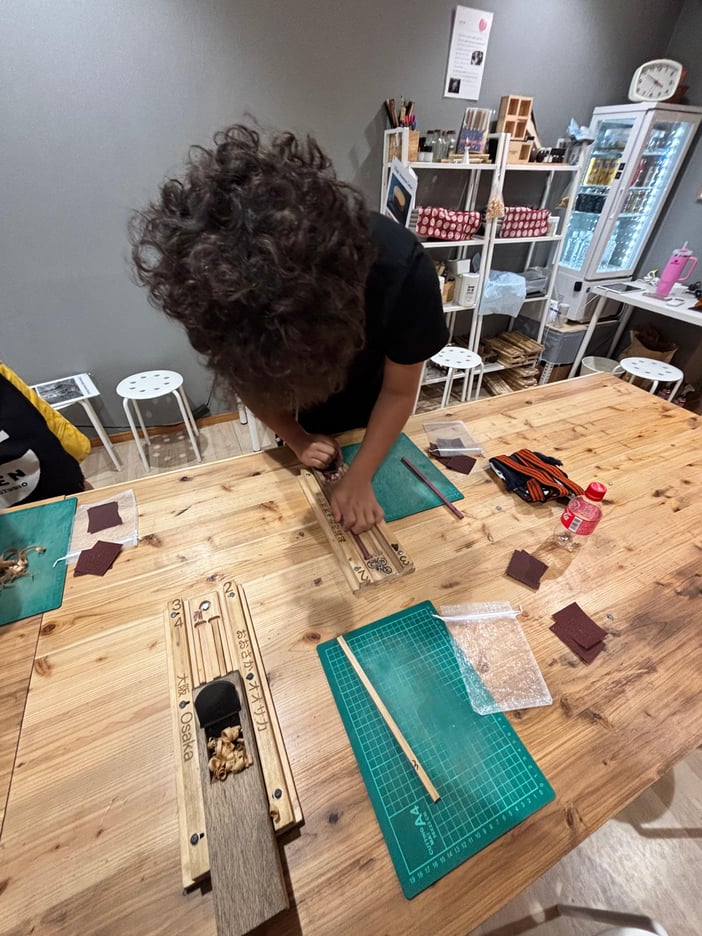
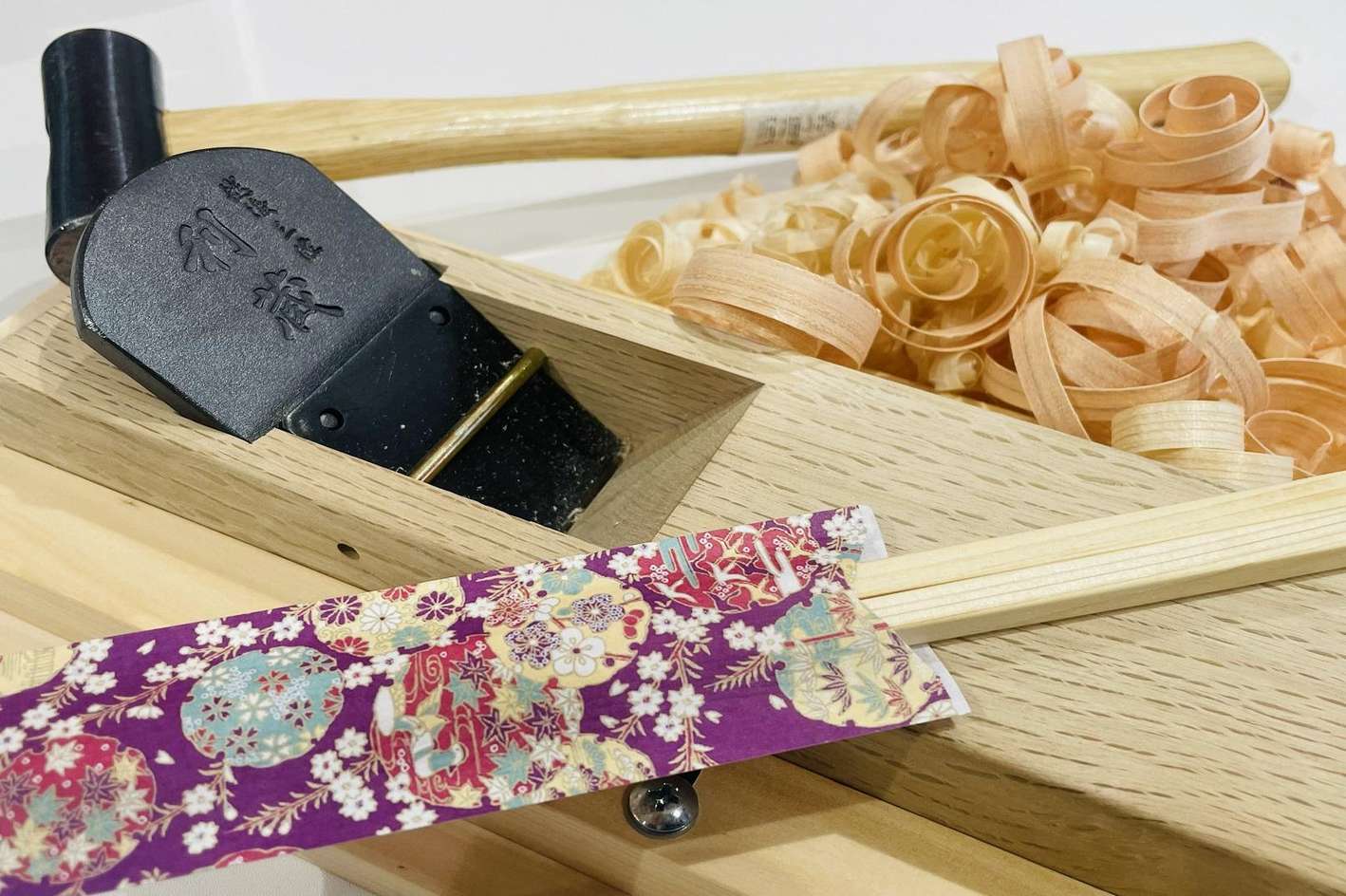
Your best matchMake your own chopsticks from natural wood to take home.
Your best matchPopular with couples, friends and solo travelers. 100% of couples and friends, and 92% of solo travelers, gave it 4 or 5 stars.
Includes a one-hour tasting session with sake, beer and recipes.
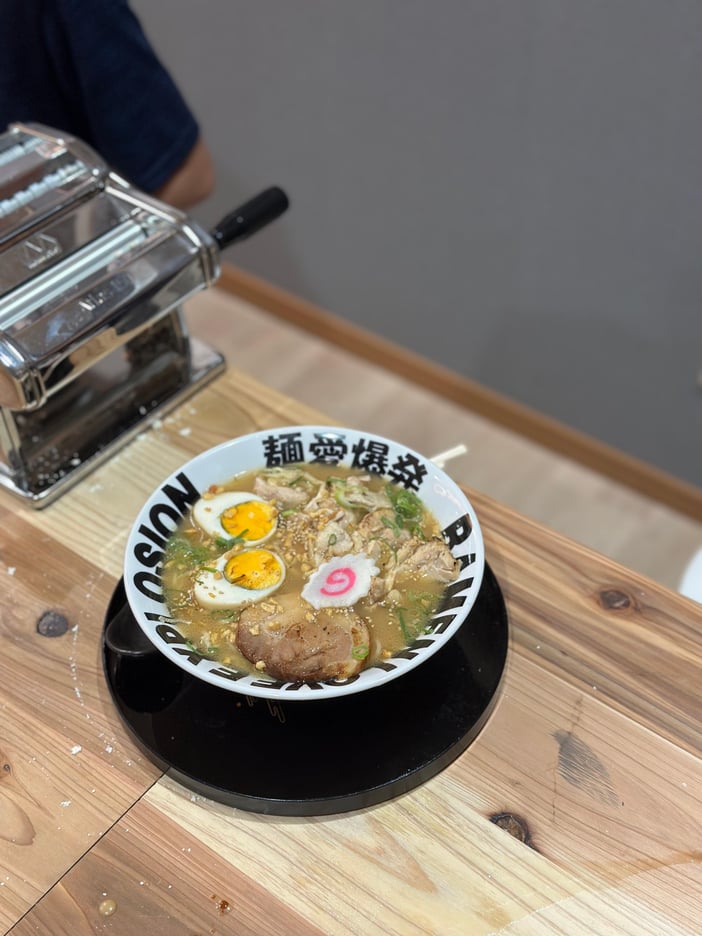
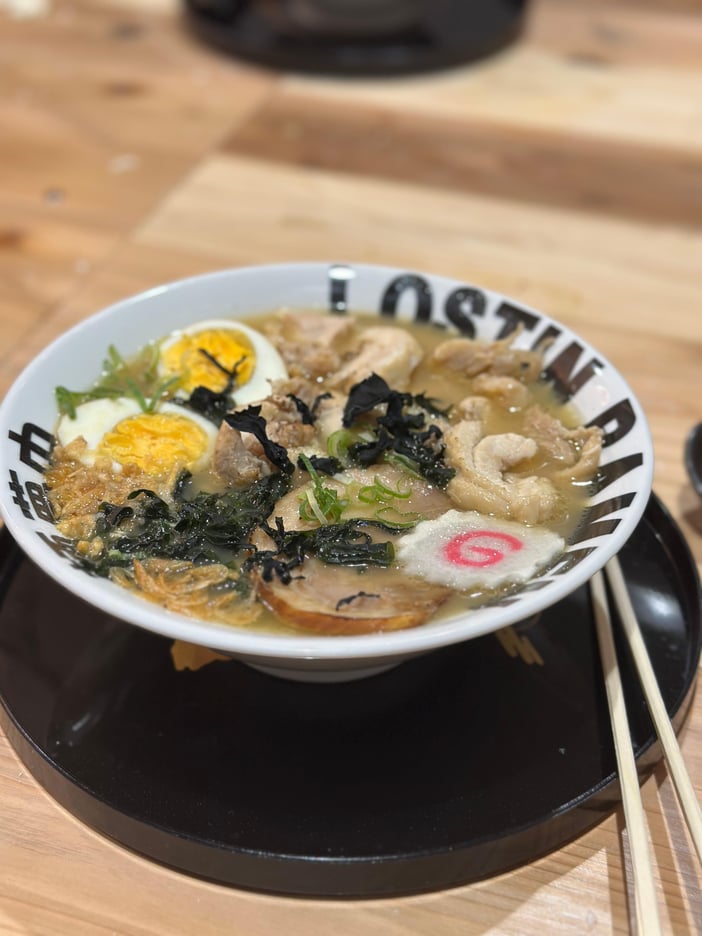
Your best matchTaste three mini bowls: tonkotsu, shoyu and miso in one class.
Popular with families with kids or teens, friends and solo travelers. 100% of families and 100% of friends gave it 4 or 5 stars.
Cook in a studio overlooking Namba and Tsutenkaku Tower.
Your best matchPopular with families with kids or teens, friends and couples. 100% of families and 100% of couples gave it 4 or 5 stars.
Gluten-free noodles and wrappers made from rice flour at a home.
Your best matchTwo broths, vegan options and nine years of teaching experience.
Osaka: Ramen and Gyoza Cooking Class in DotonboriFrom $70 /person
Osaka Castle Area Ramen-Making Experience with SouvenirFrom $63 /person
Osaka Ramen & Chopsticks Making Experience, Make it. Use itFrom $70 /person
Osaka: Cooking Class Ramen & Gyoza Course in NanbaFrom $69 /person
Osaka: Dotonbori Ramen Making | Tonkotsu, Shoyu & MisoFrom $32 /personOsaka: Ramen and Gyoza Cooking Class with City ViewsFrom $100 /person
Osaka: Gluten-Free Ramen and Gyoza Cooking ClassFrom $101 /person
Osaka: Ramen and Gyoza Cooking ClassFrom $95 /personName every ingredient you cannot eat when you book, and ask the host directly whether their kitchen can avoid cross-contact; a Japanese allergen card alone does not settle it. For coeliac disease, ask specifically about the soy sauce used. Some classes, including one gluten-free option in Osaka, are built for these needs.


The lowest starting price on this page, and the only Osaka class that has you make and taste tonkotsu, shoyu and miso mini bowls in one session.


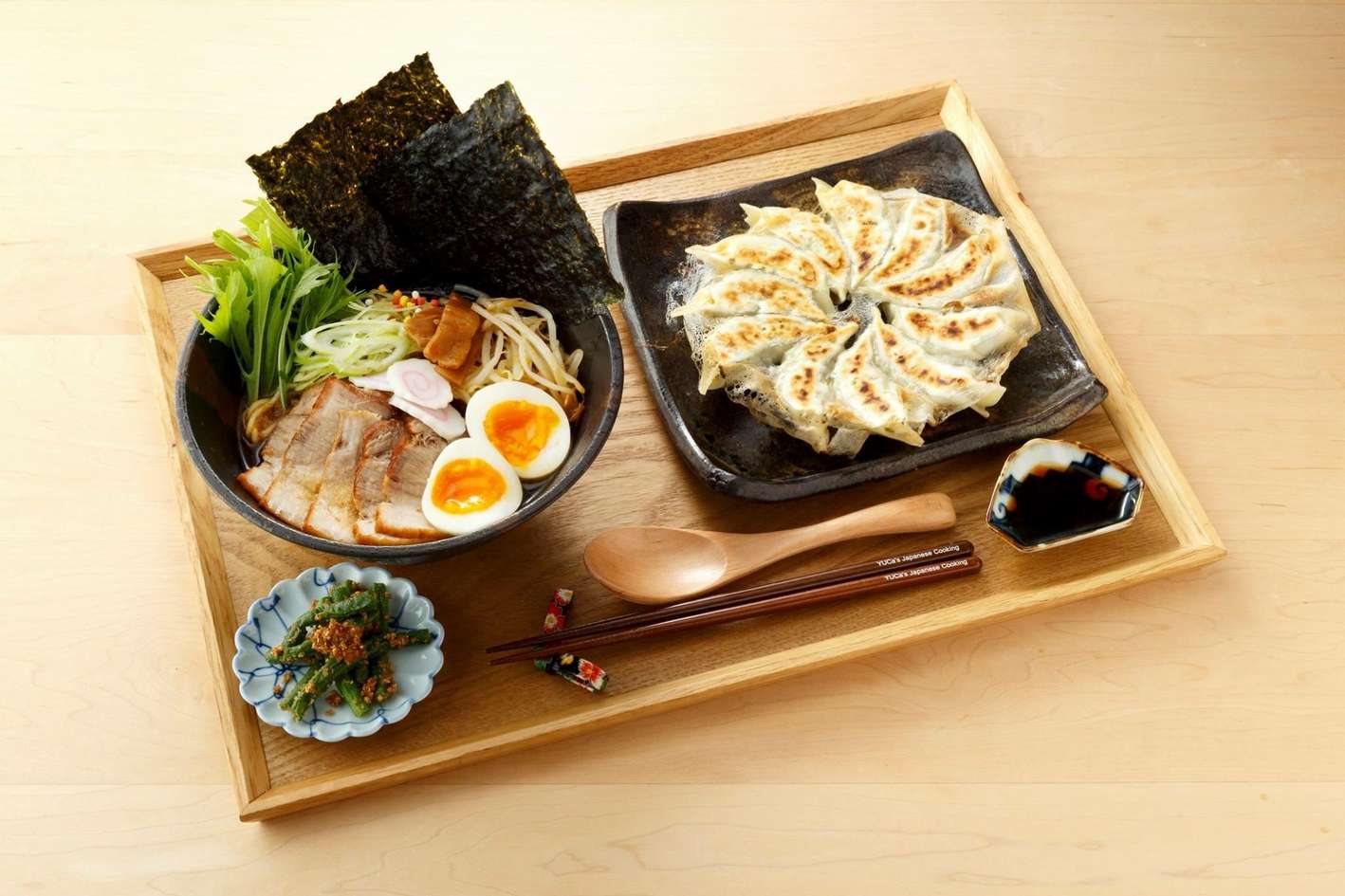
The classic ramen-and-gyoza pairing in central Dotonbori, with a sushi option from June 2026, at a mid-range price for a full three hours.


The only class here built around gluten-free cooking: rice-flour noodles and gyoza wrappers made from scratch in a chef's home over three hours.


The priciest pick, but you cook ramen and gyoza in a studio with a panoramic view over Namba and Tsutenkaku Tower for two and a half hours.


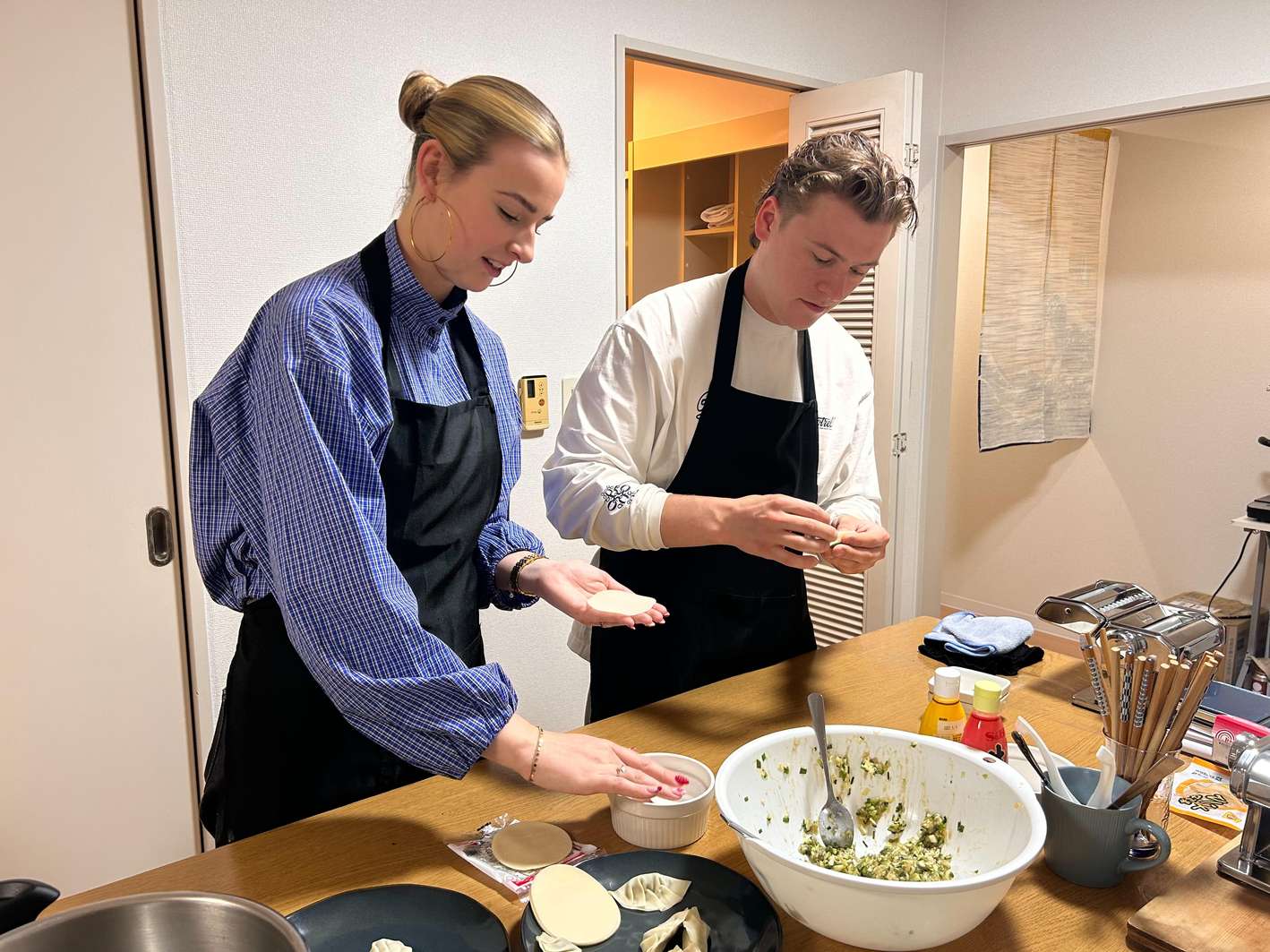
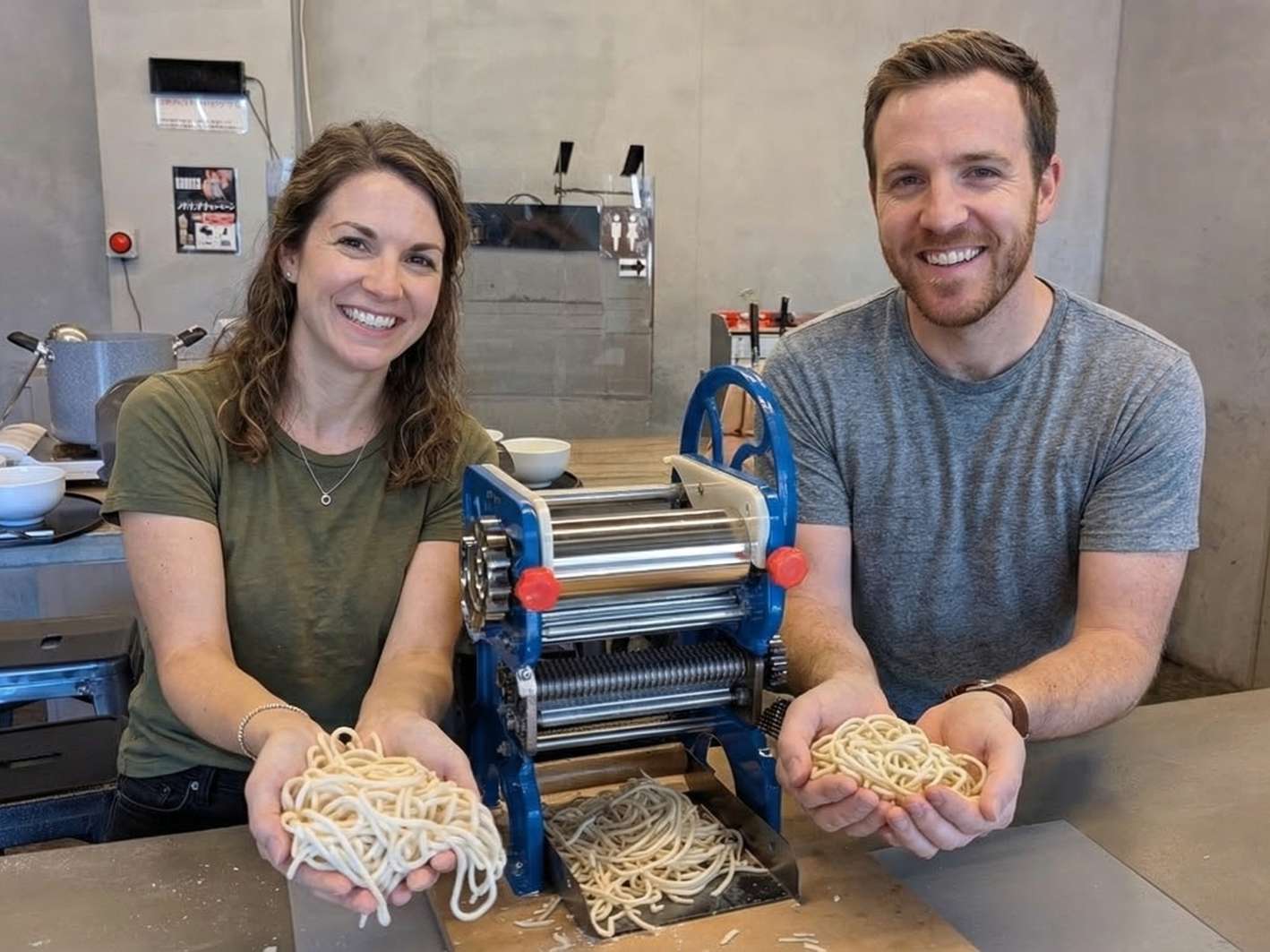
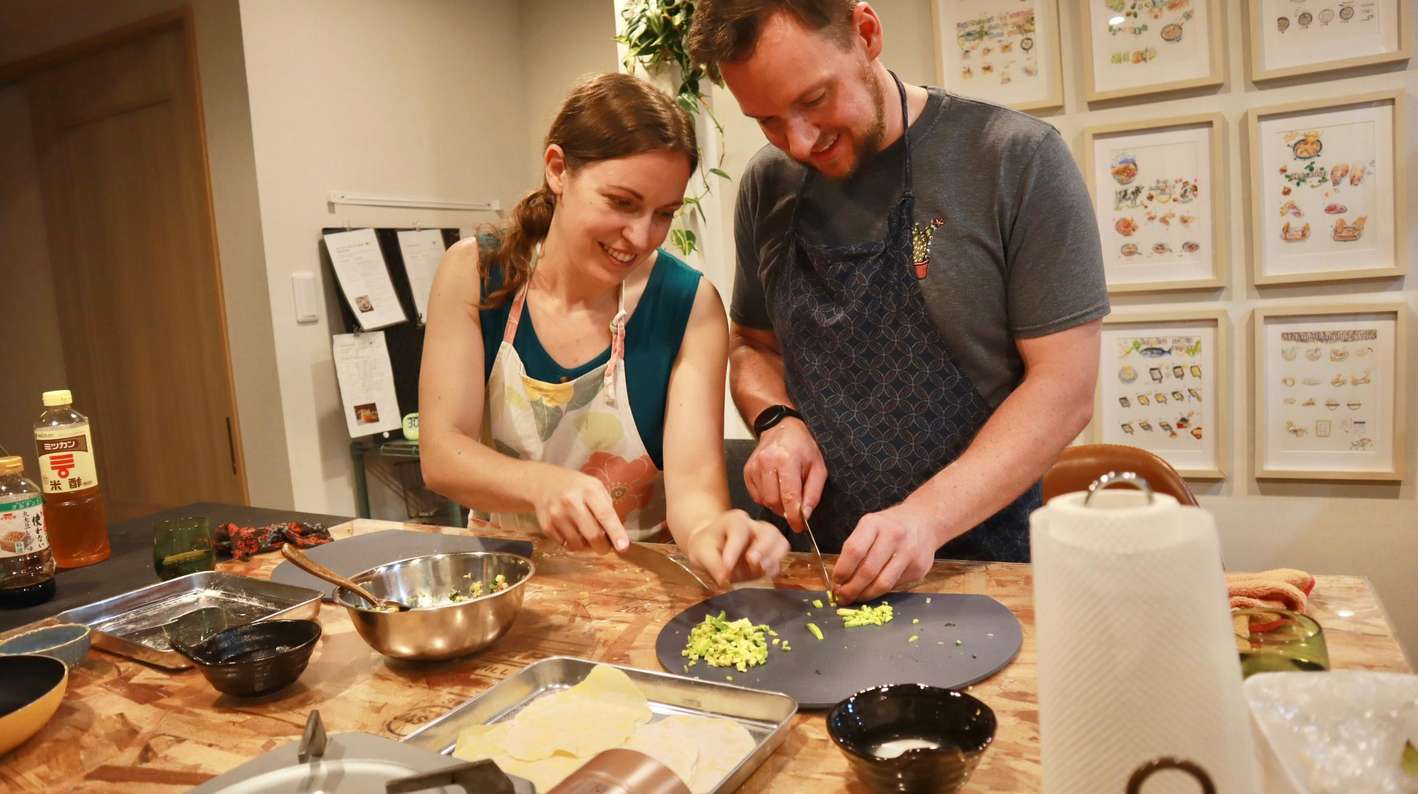
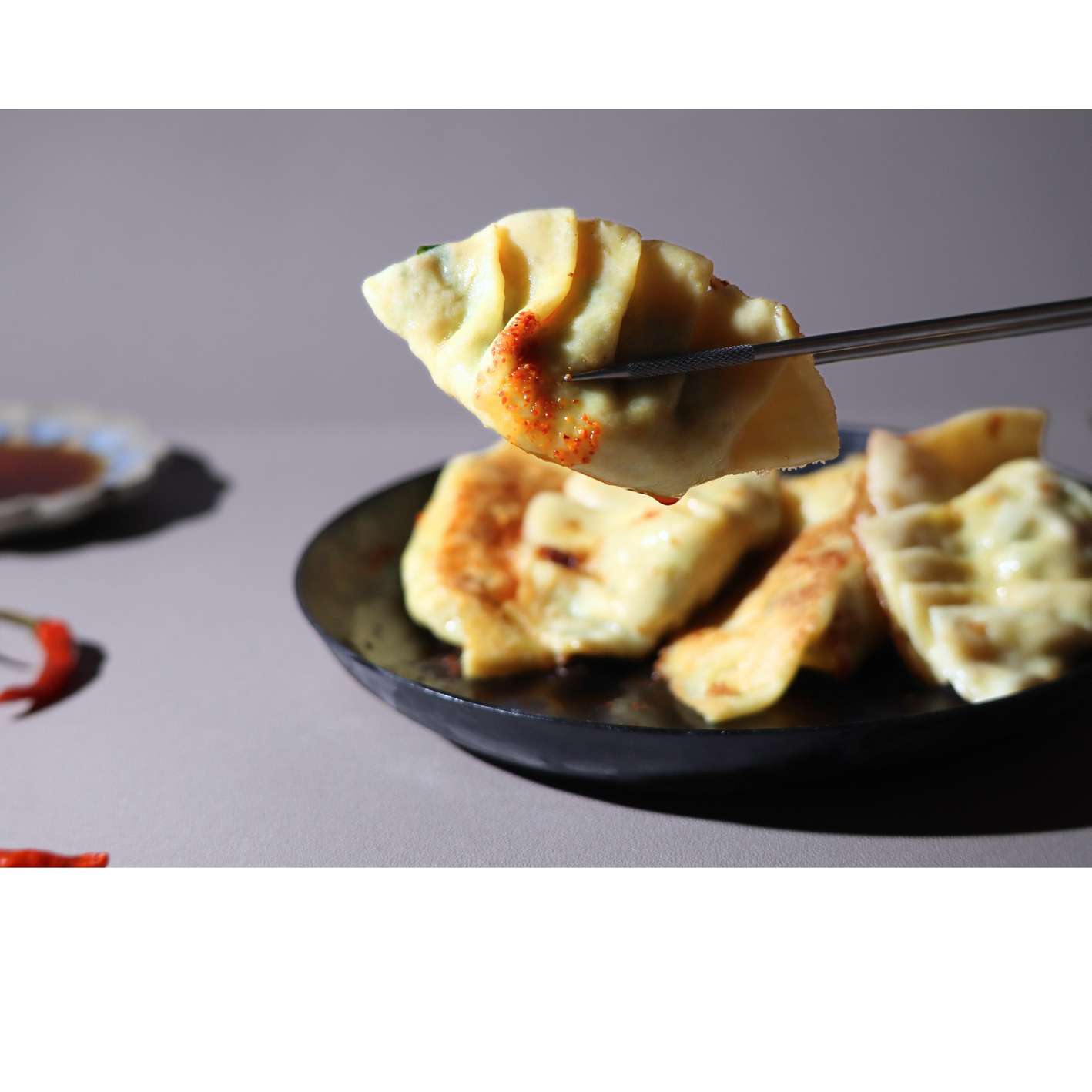
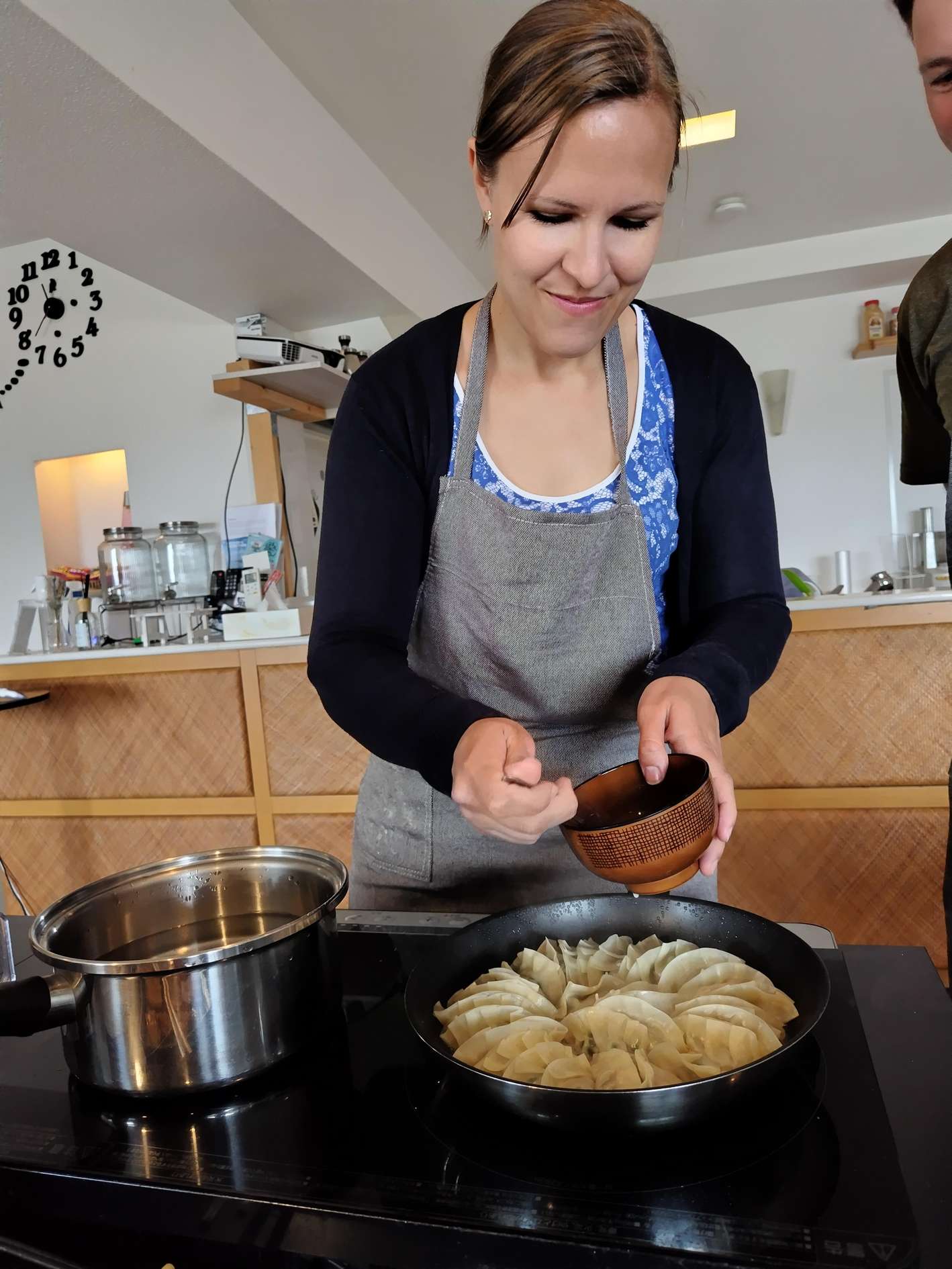
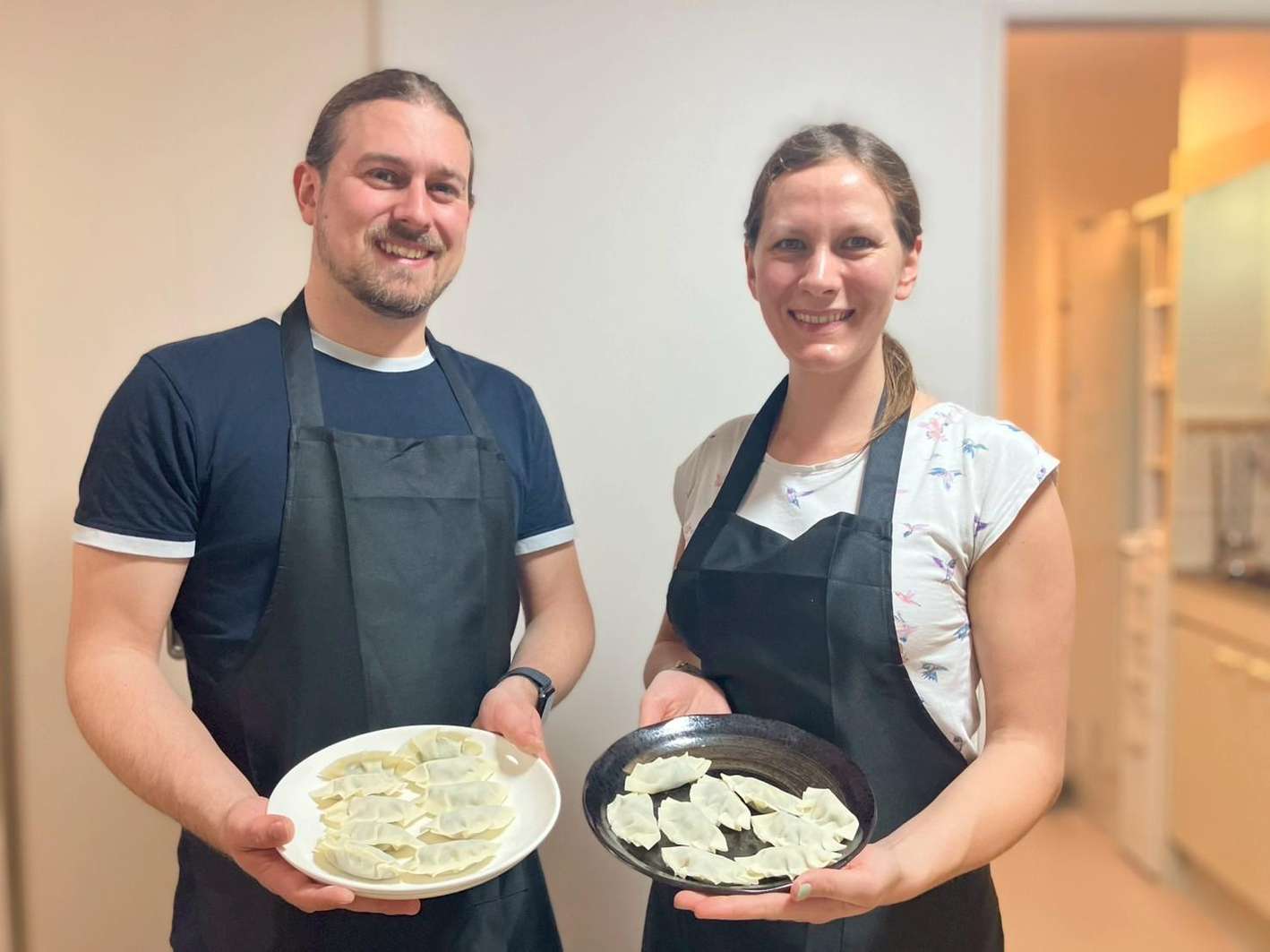
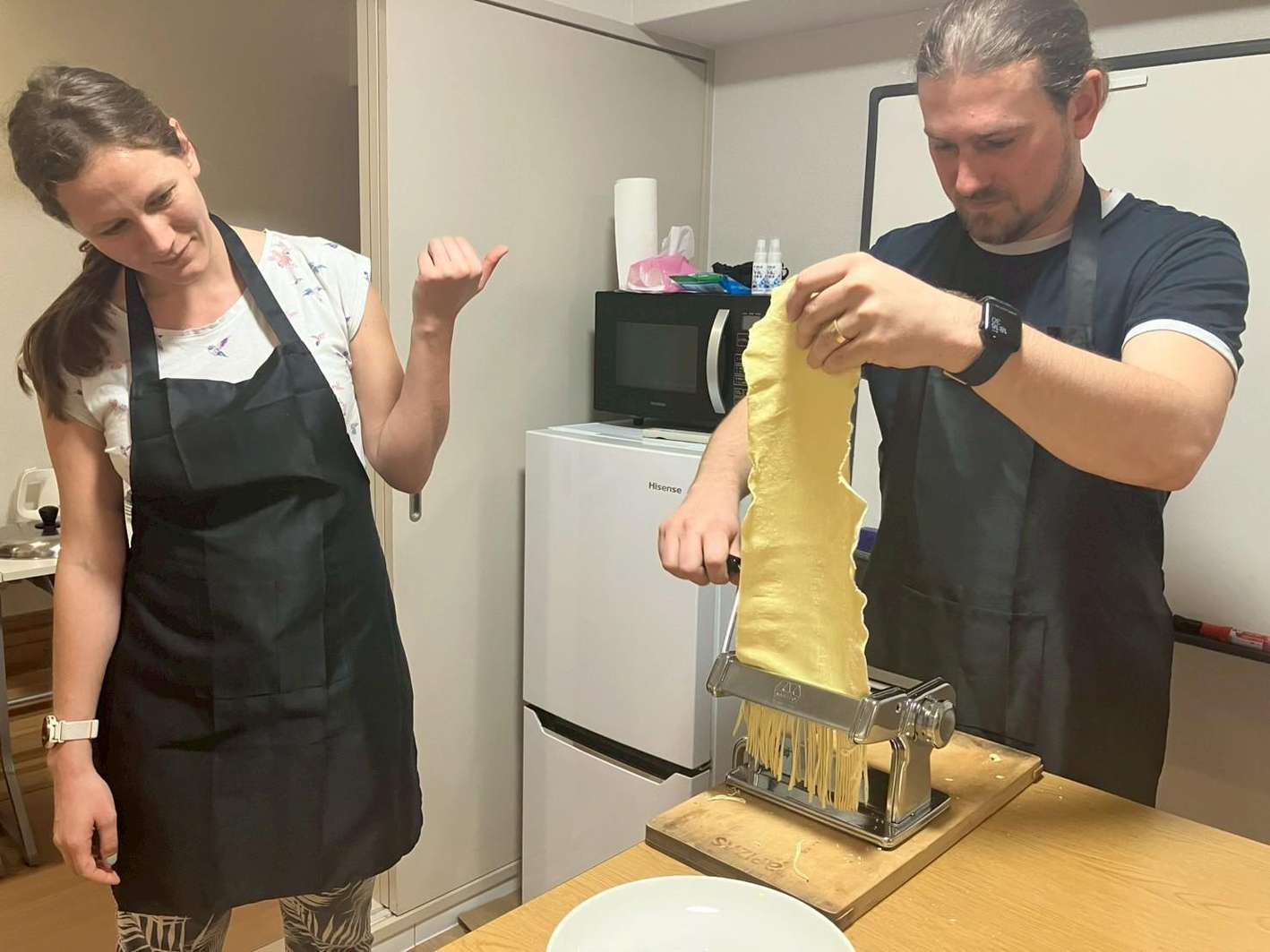
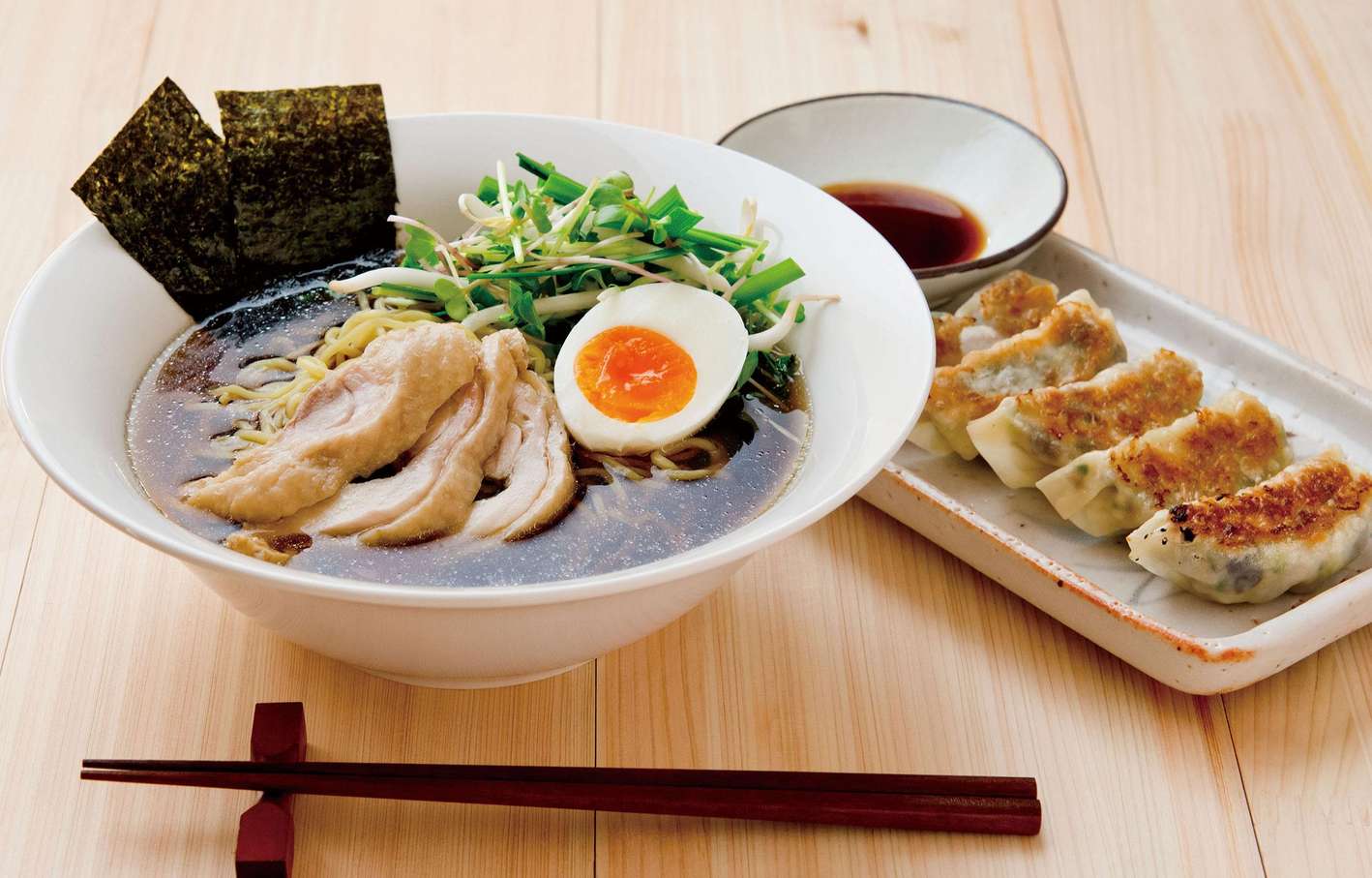
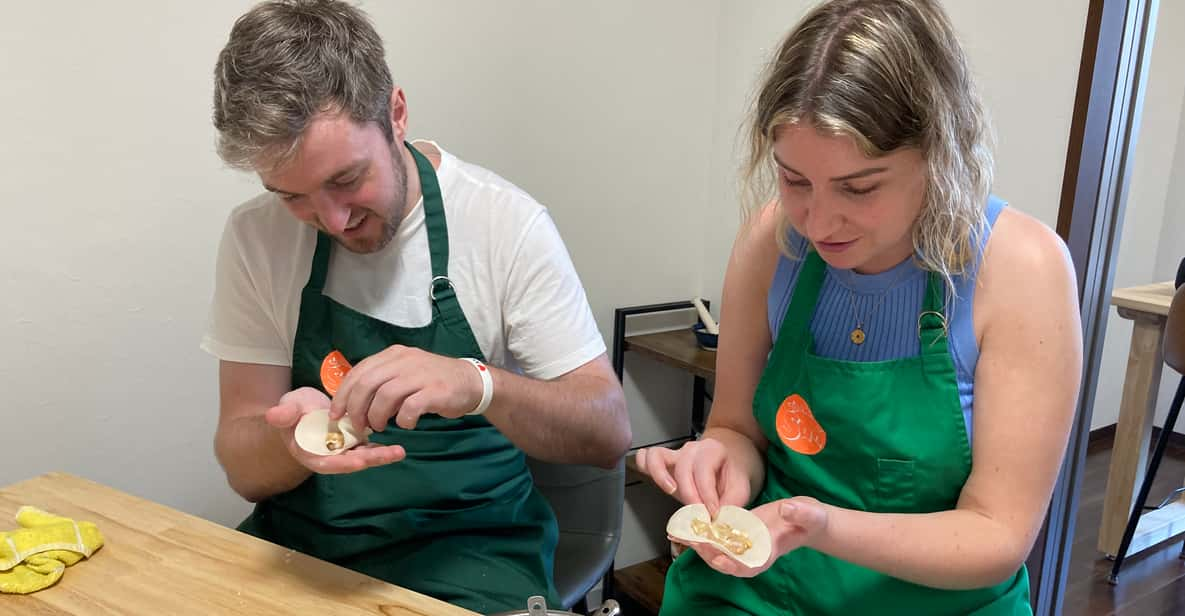
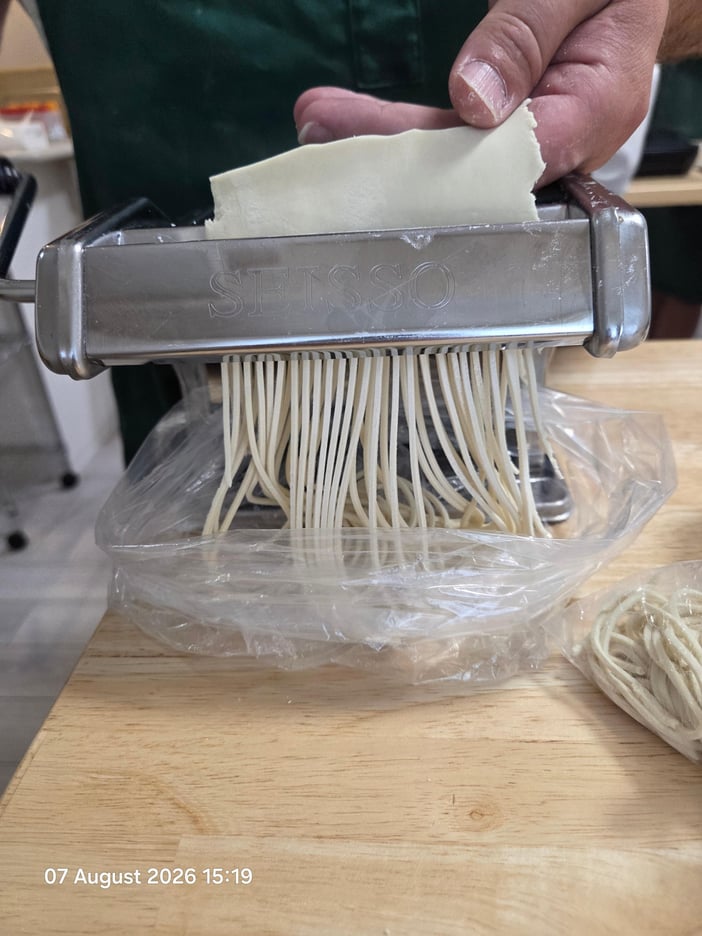
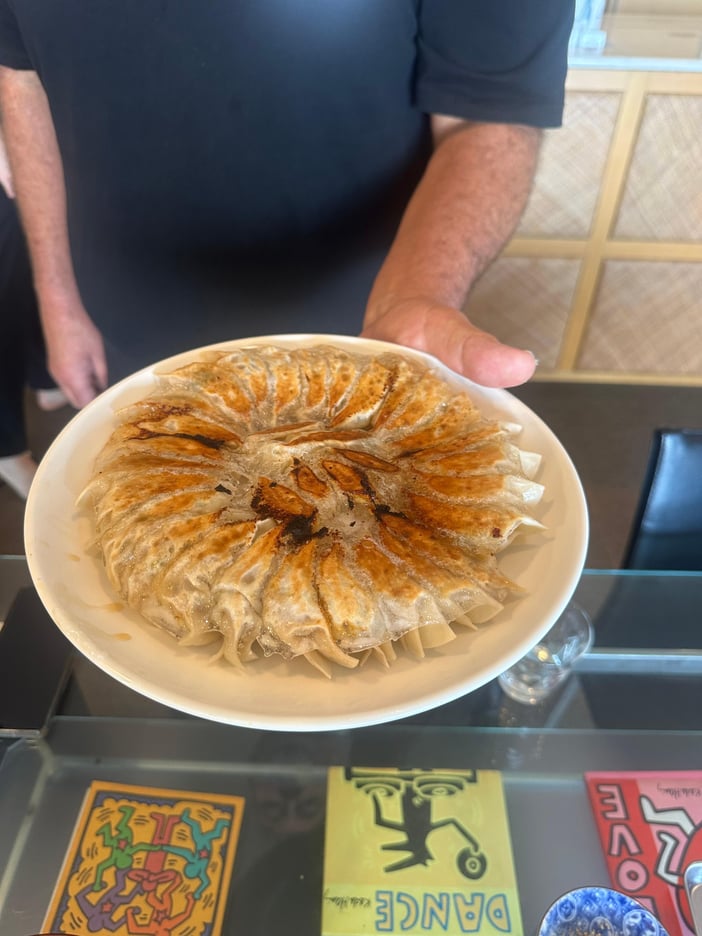
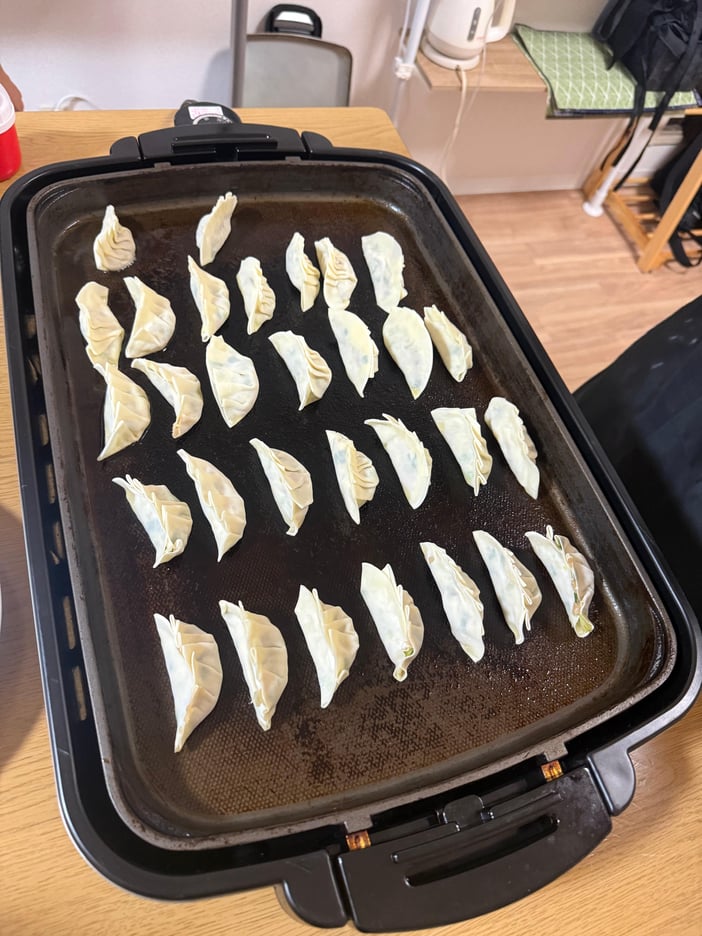
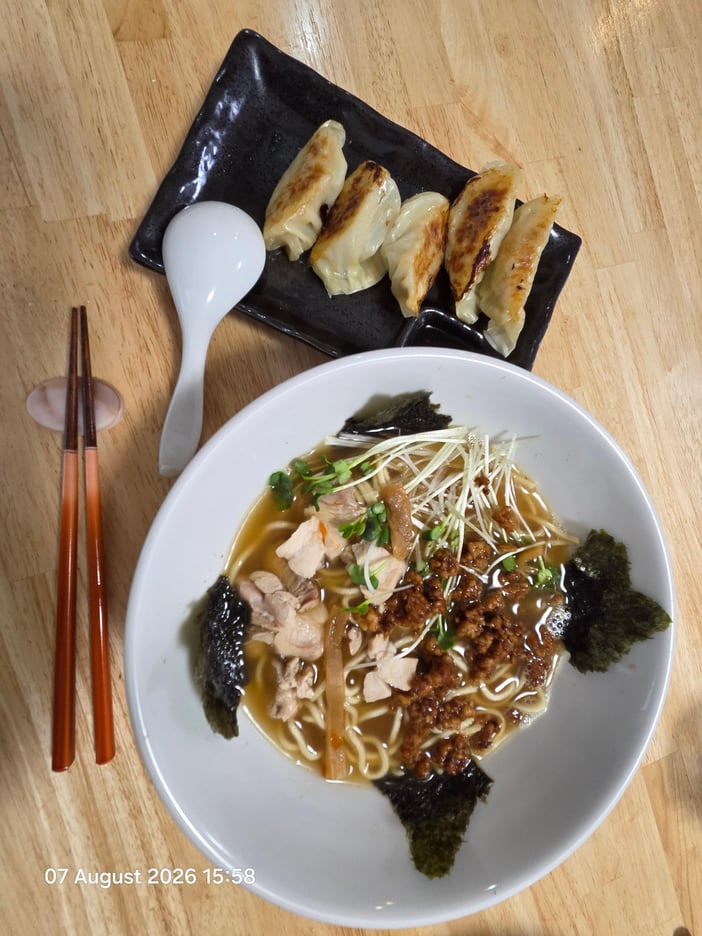
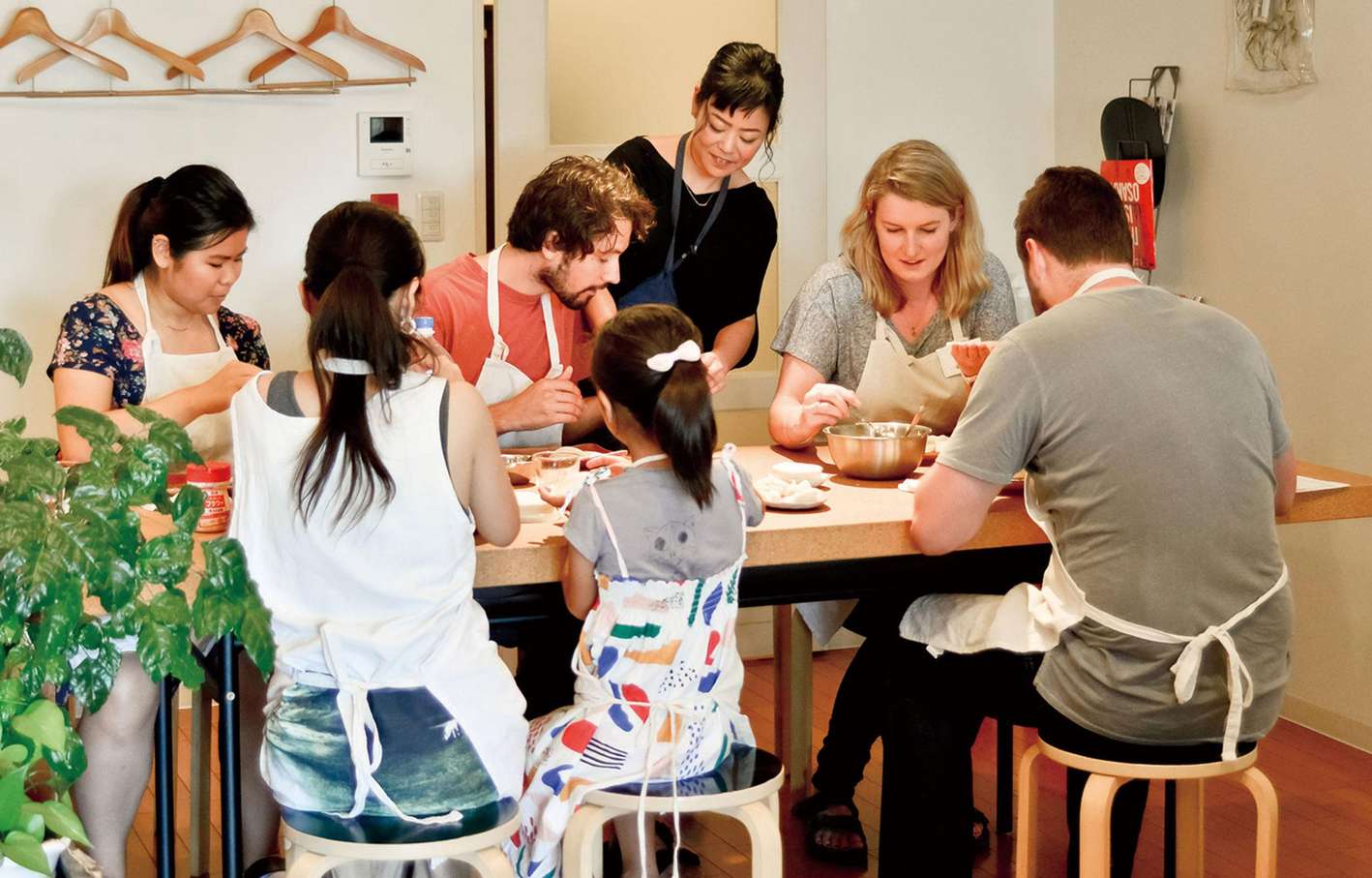
Pair your noodles with dumplings and you get the combination Japanese diners order by default. In the Dotonbori workshop, you knead wheat into ramen noodles, cut them on a machine, and fold minced-chicken gyoza, with a pressed-sushi option if you would rather swap the dumplings for Wagyu oshizushi.
These cooking classes in Osaka suit anyone who wants two dishes and a full meal out of one session.
Check availability
Read the guide


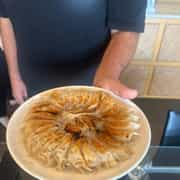
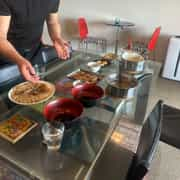
Broth is where plant-based ramen trips people up, since fish stock can hide behind vegetable-looking toppings, so the gluten-free class in its Japanese-style home kitchen starts from rice-flour noodles and wrappers made without wheat.
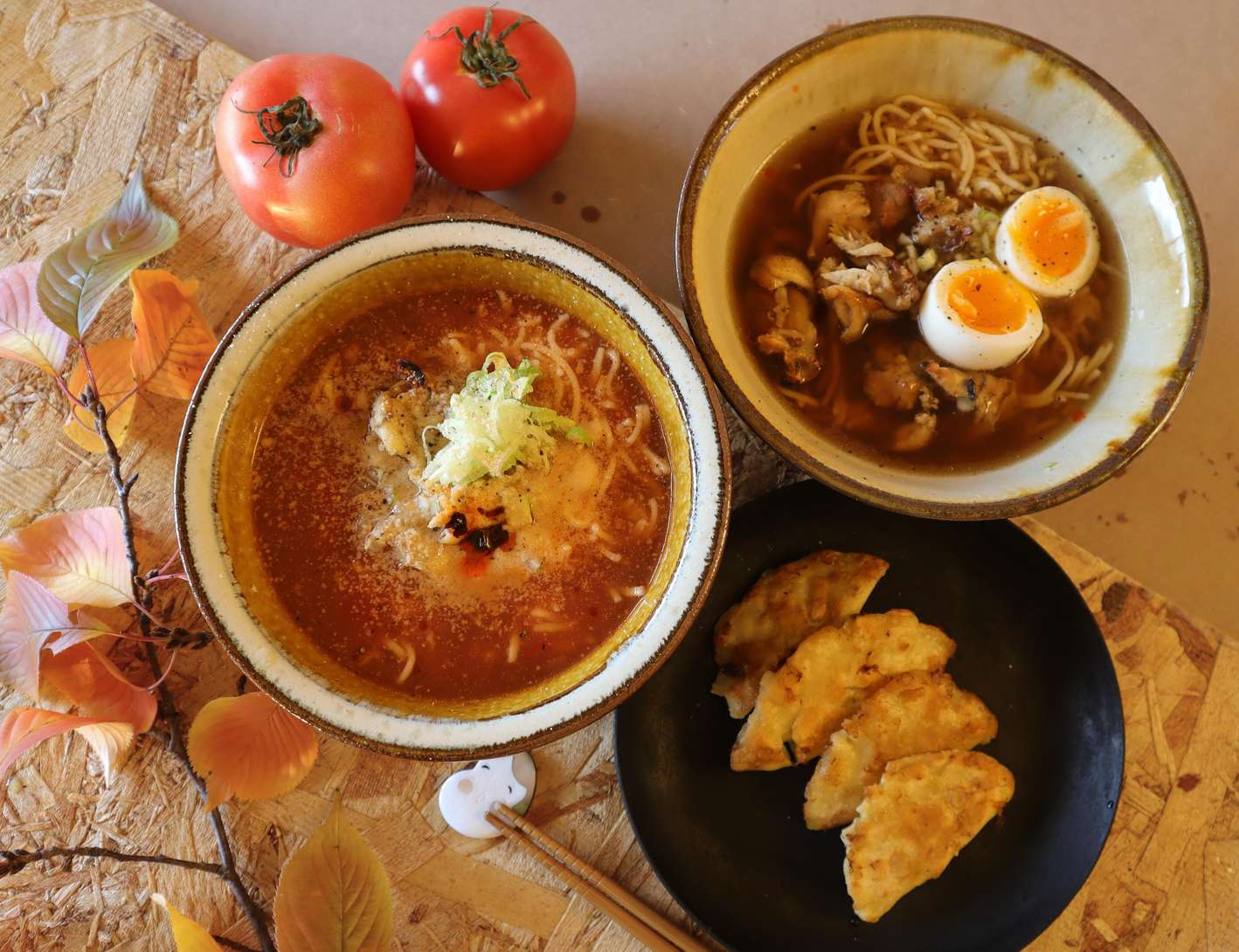
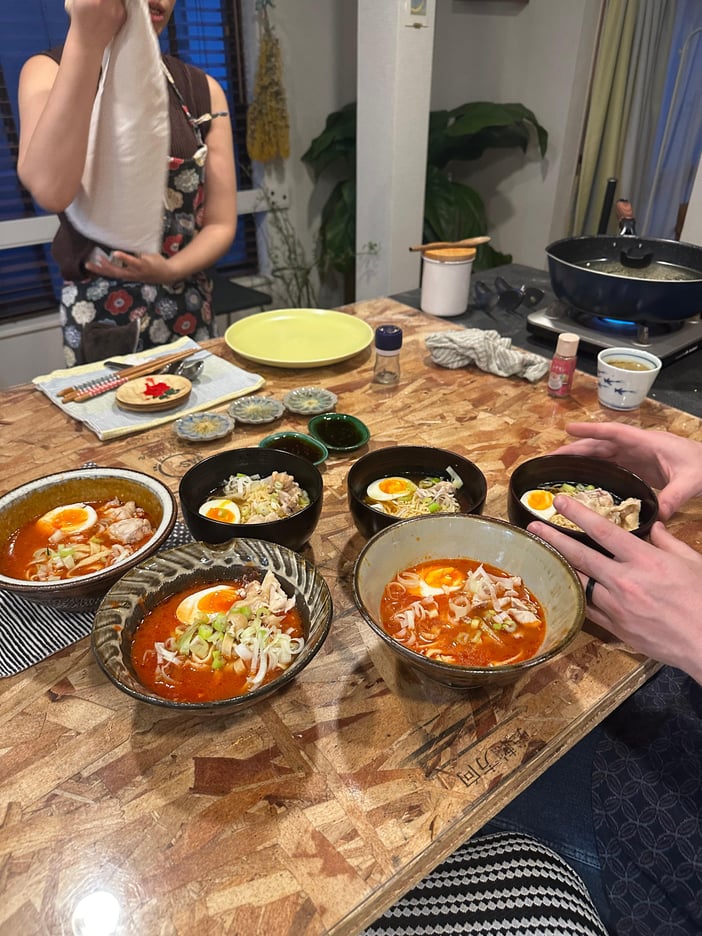
You learn soy sauce and tomato ramen, fold gyoza, and sit down to everything you made. An Osaka vegan cooking class fits travelers who want the whole dish plant-based and the recipe to take home.
Check availability
Read the guide
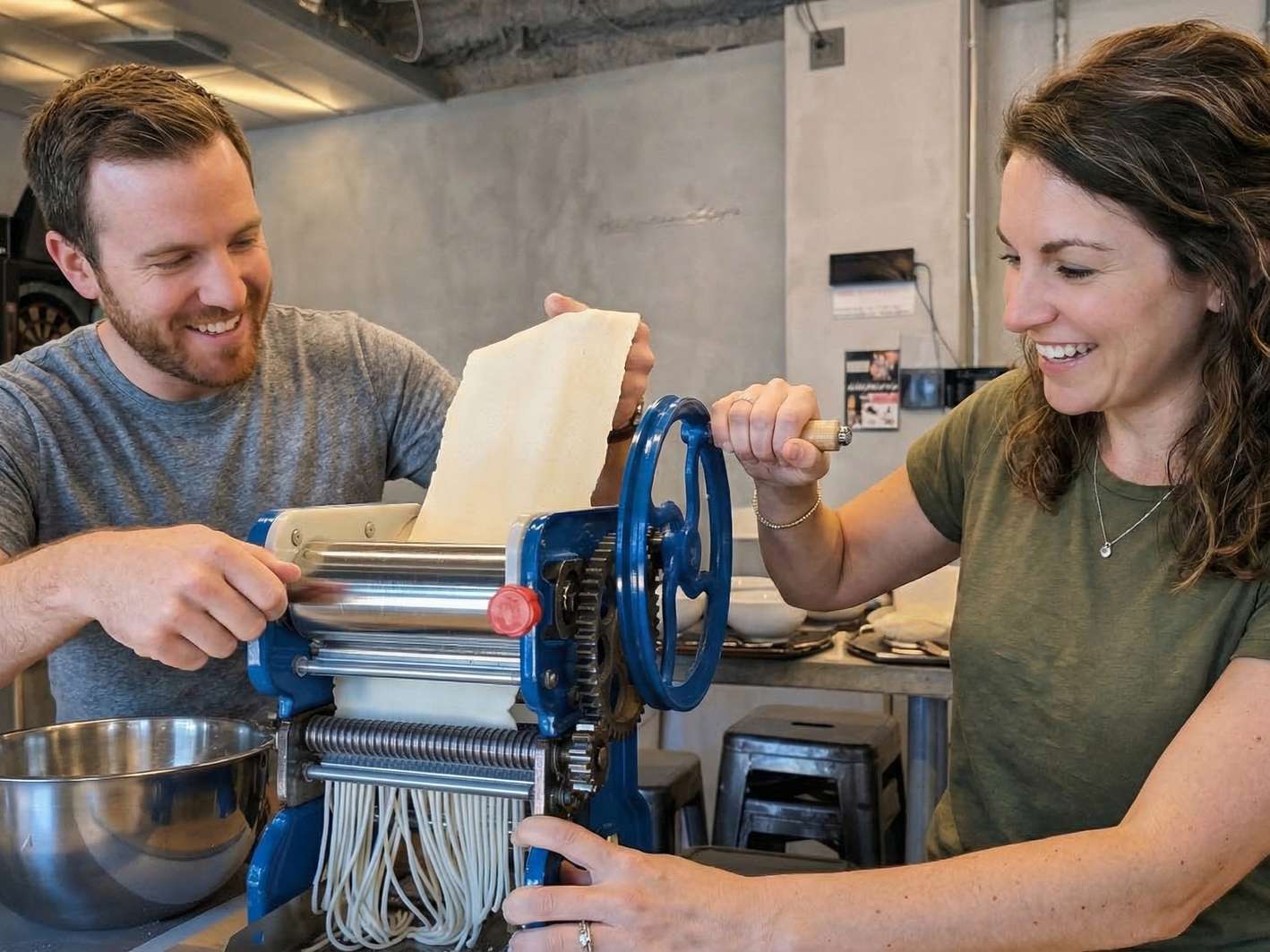
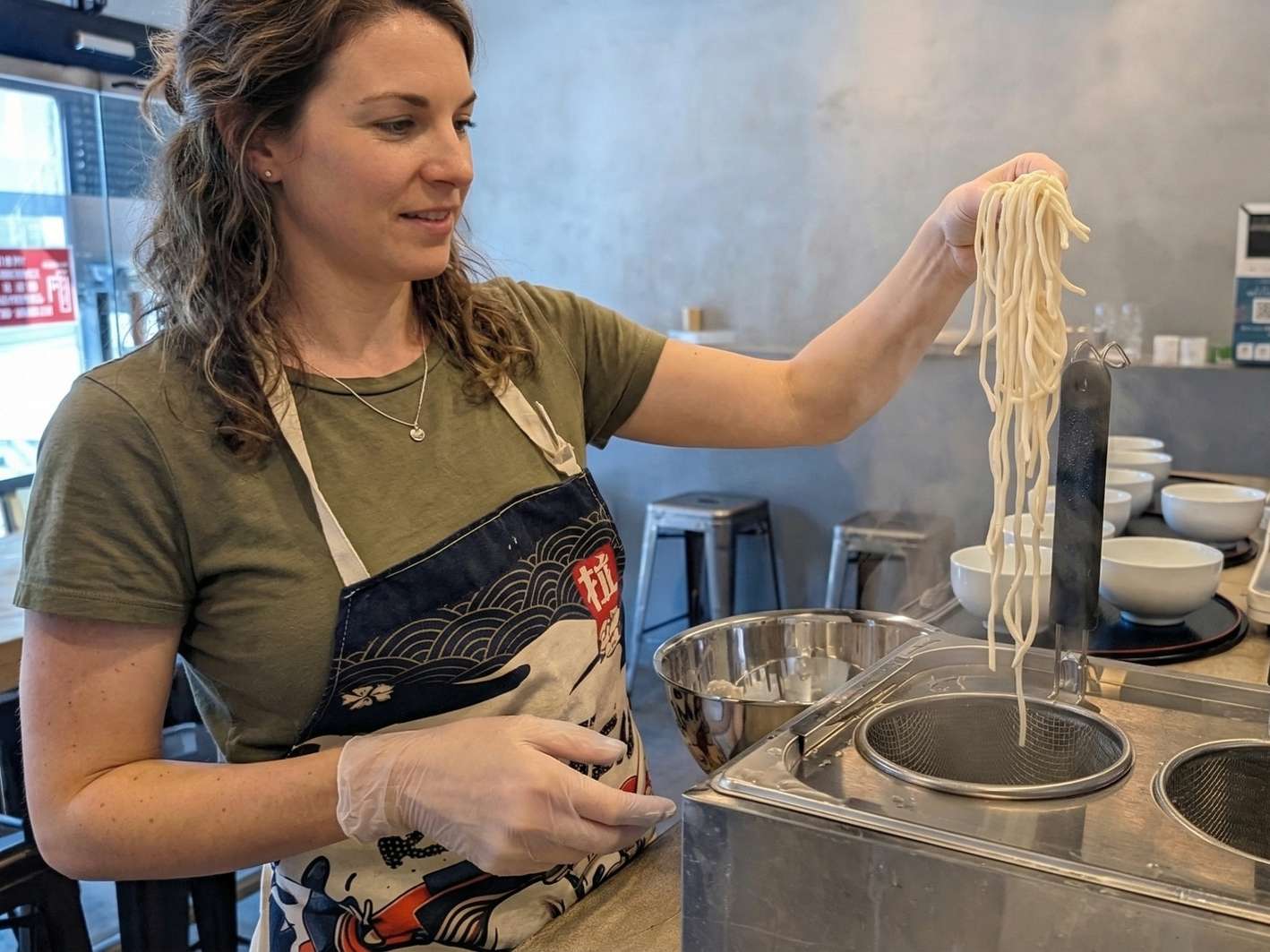
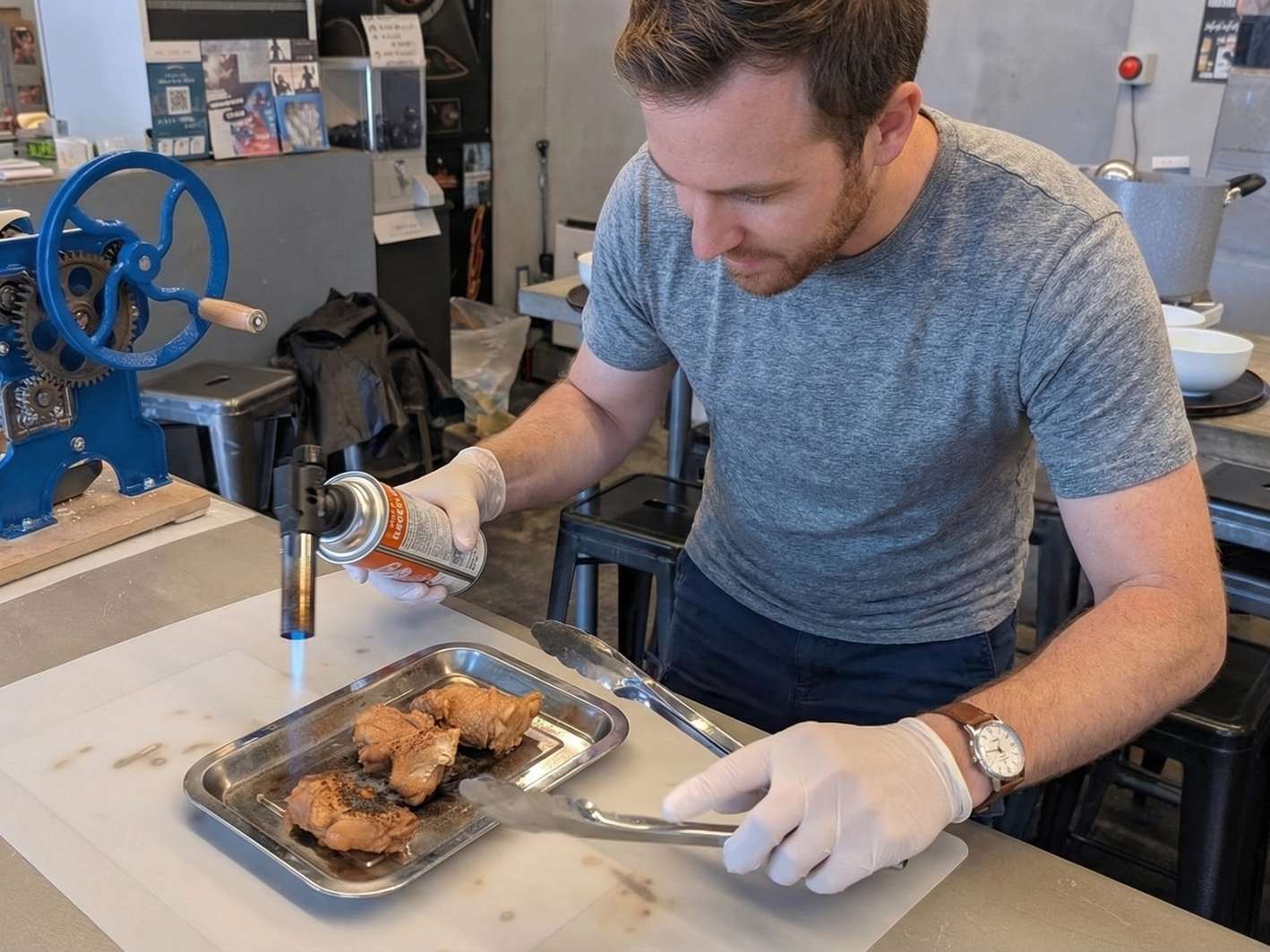
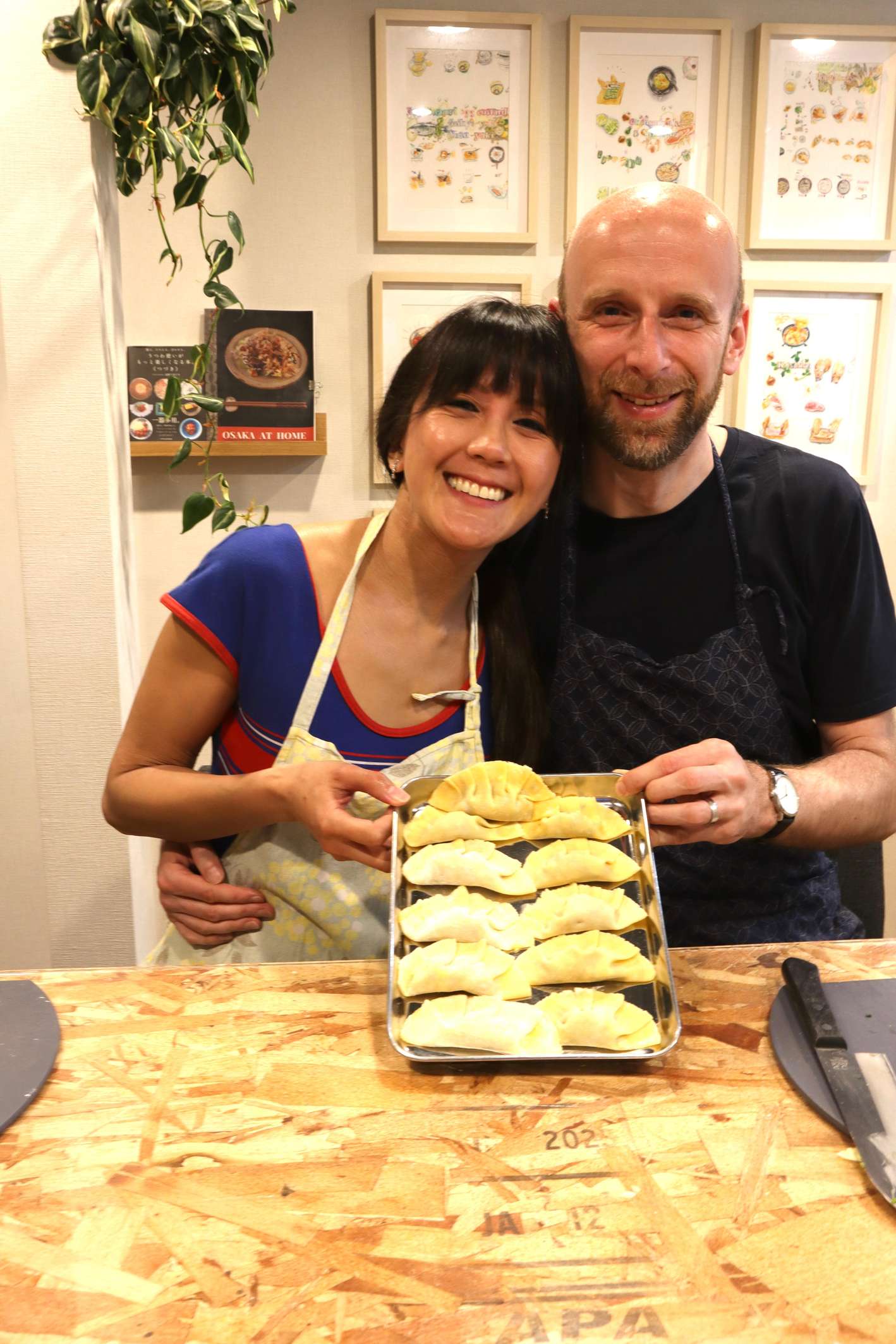
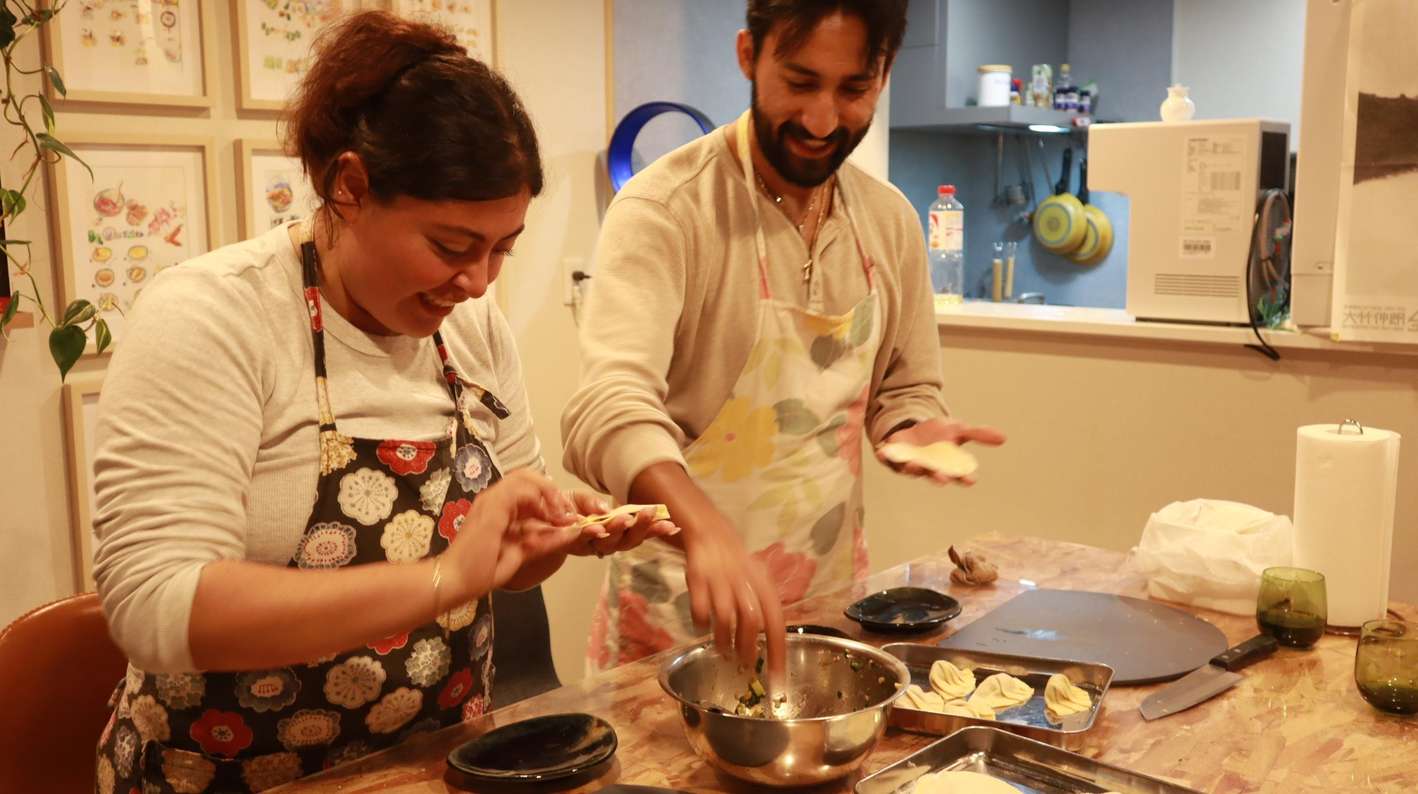
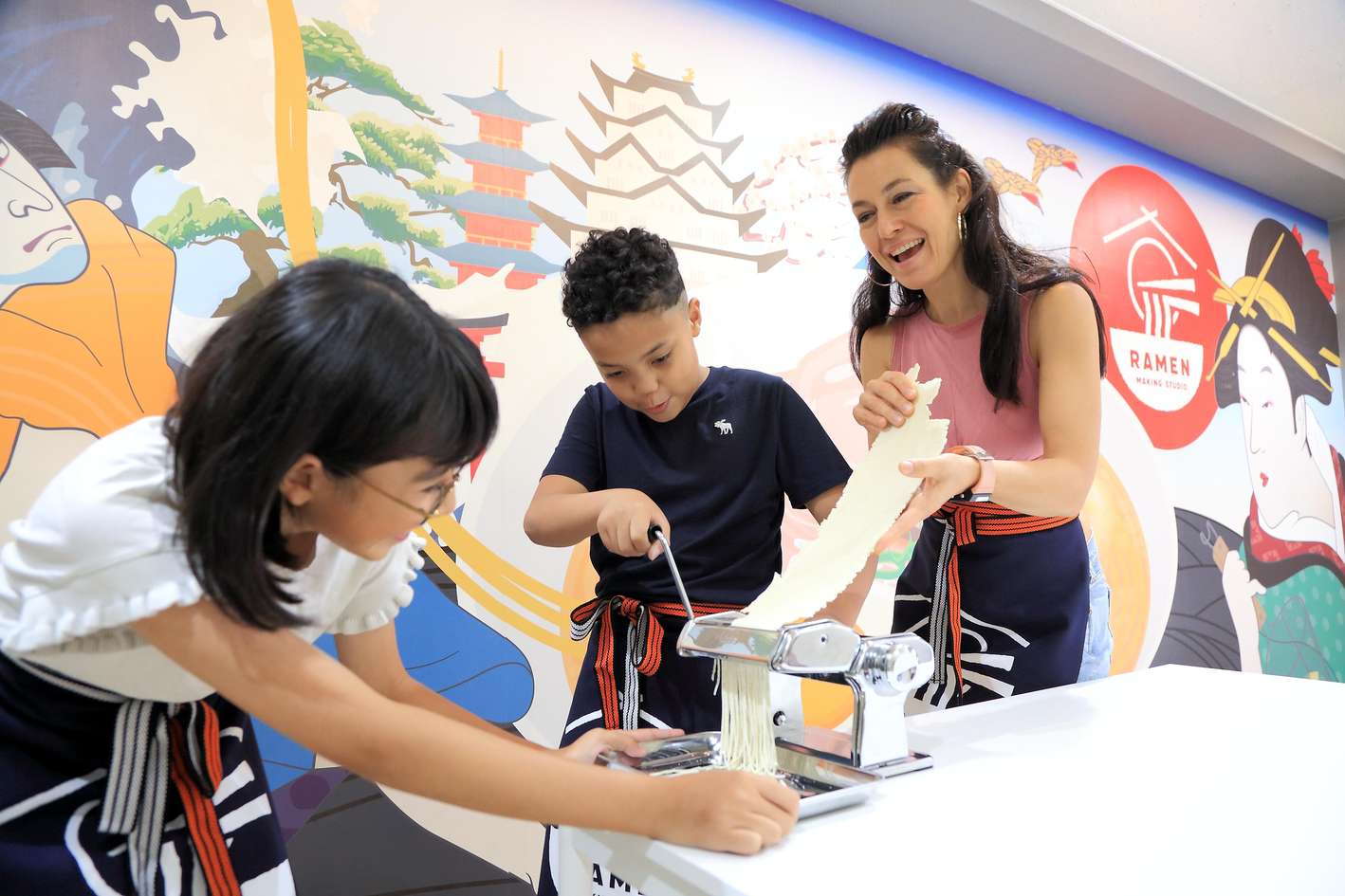
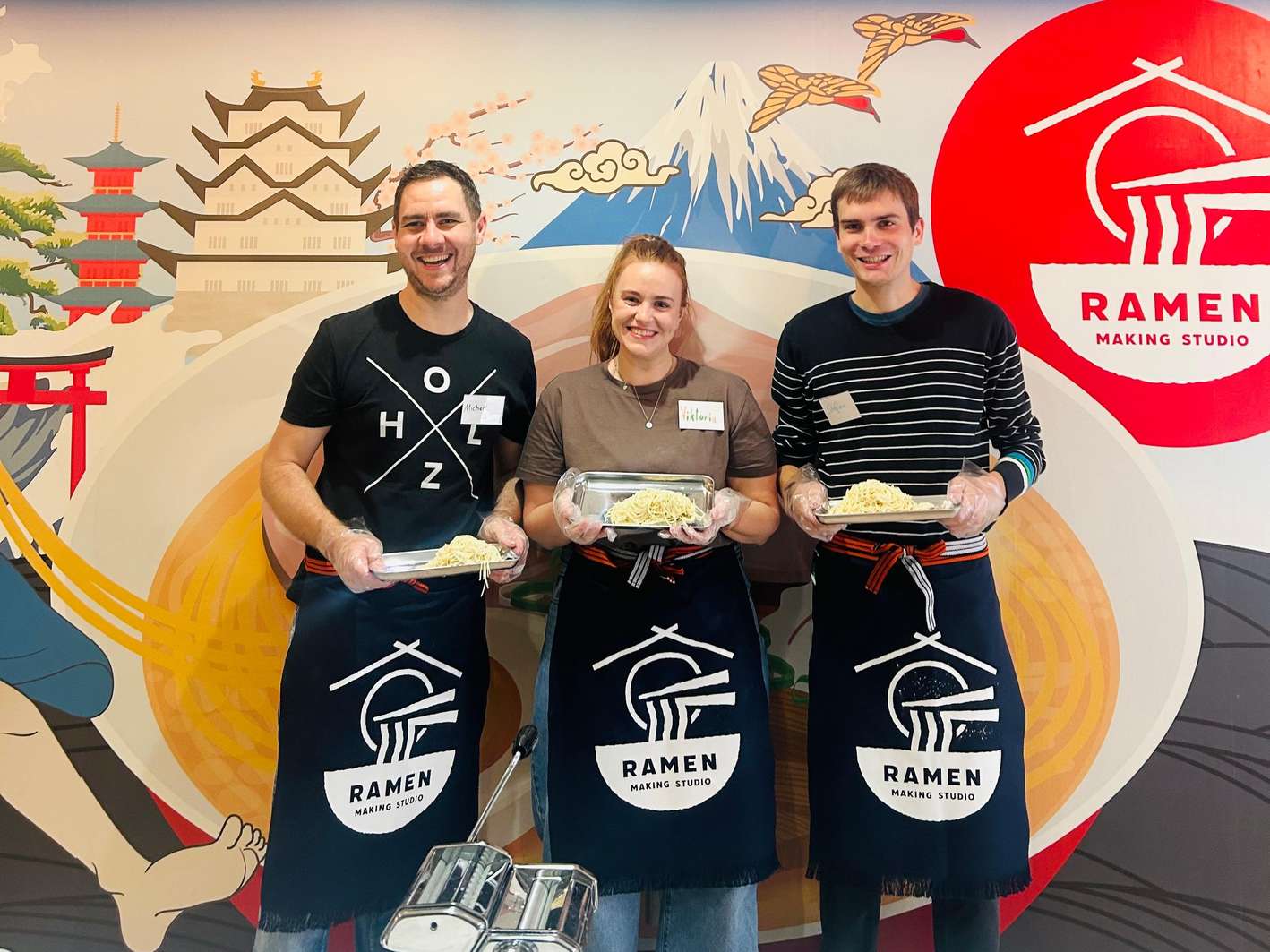
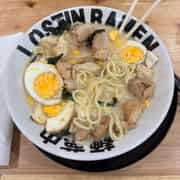
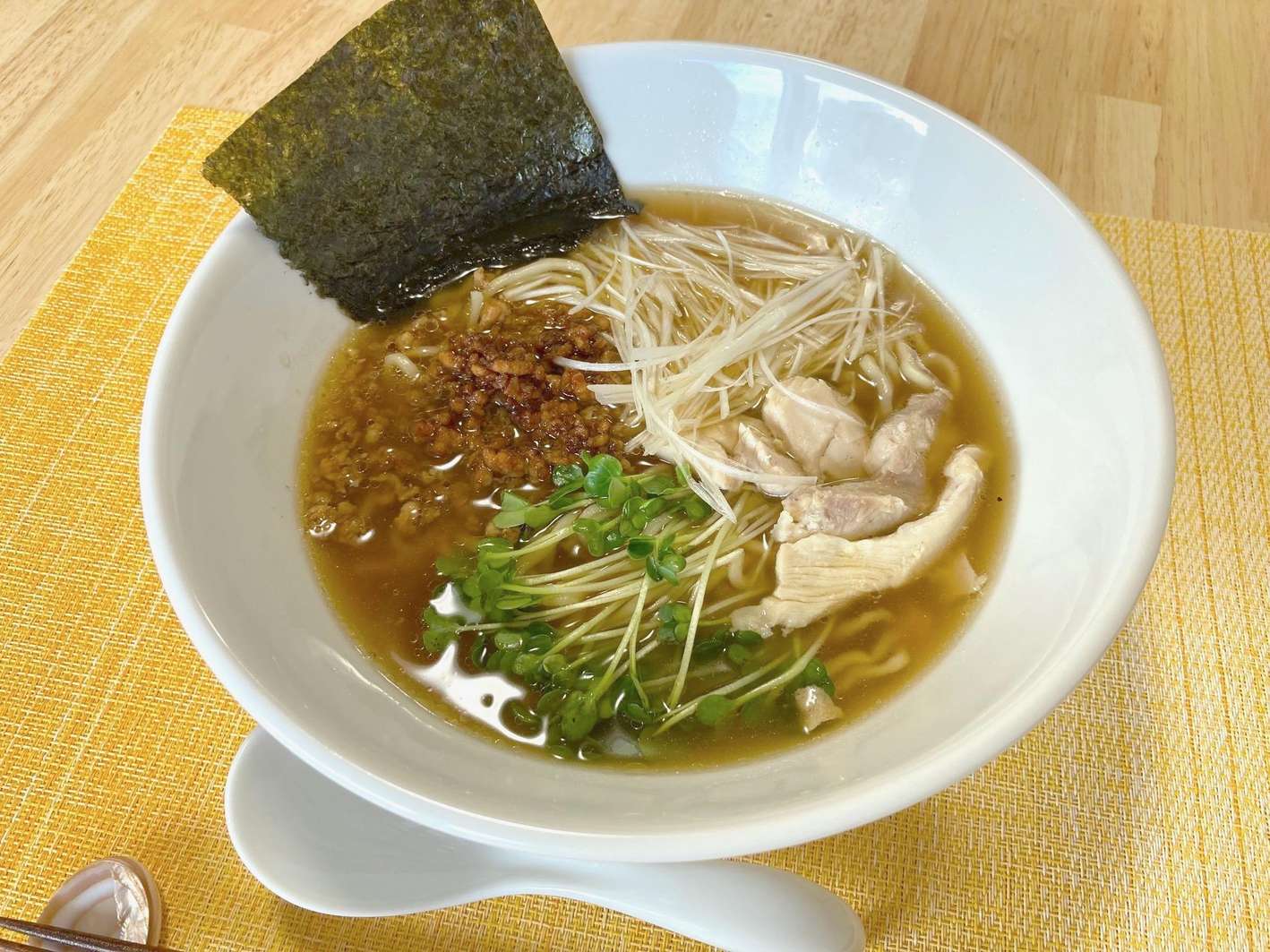
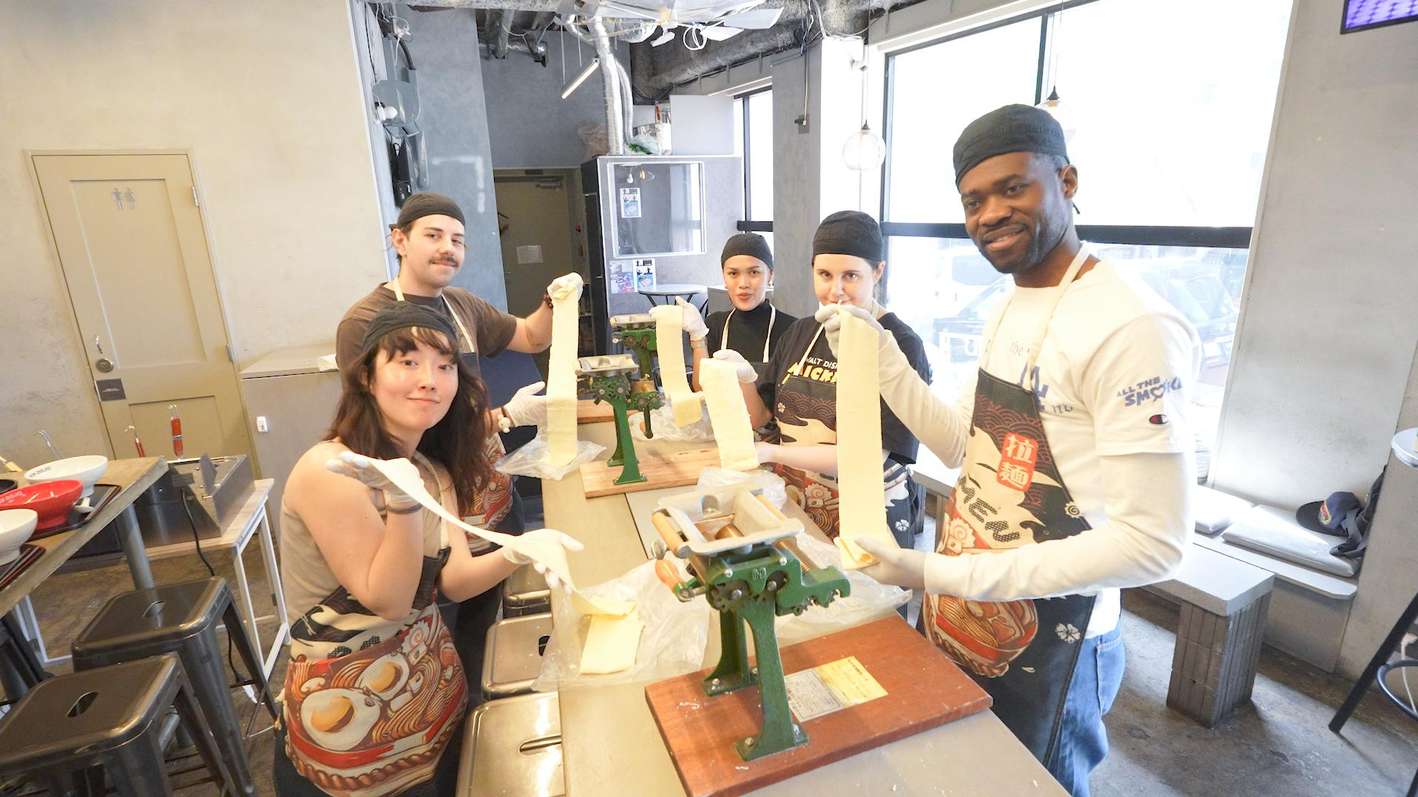
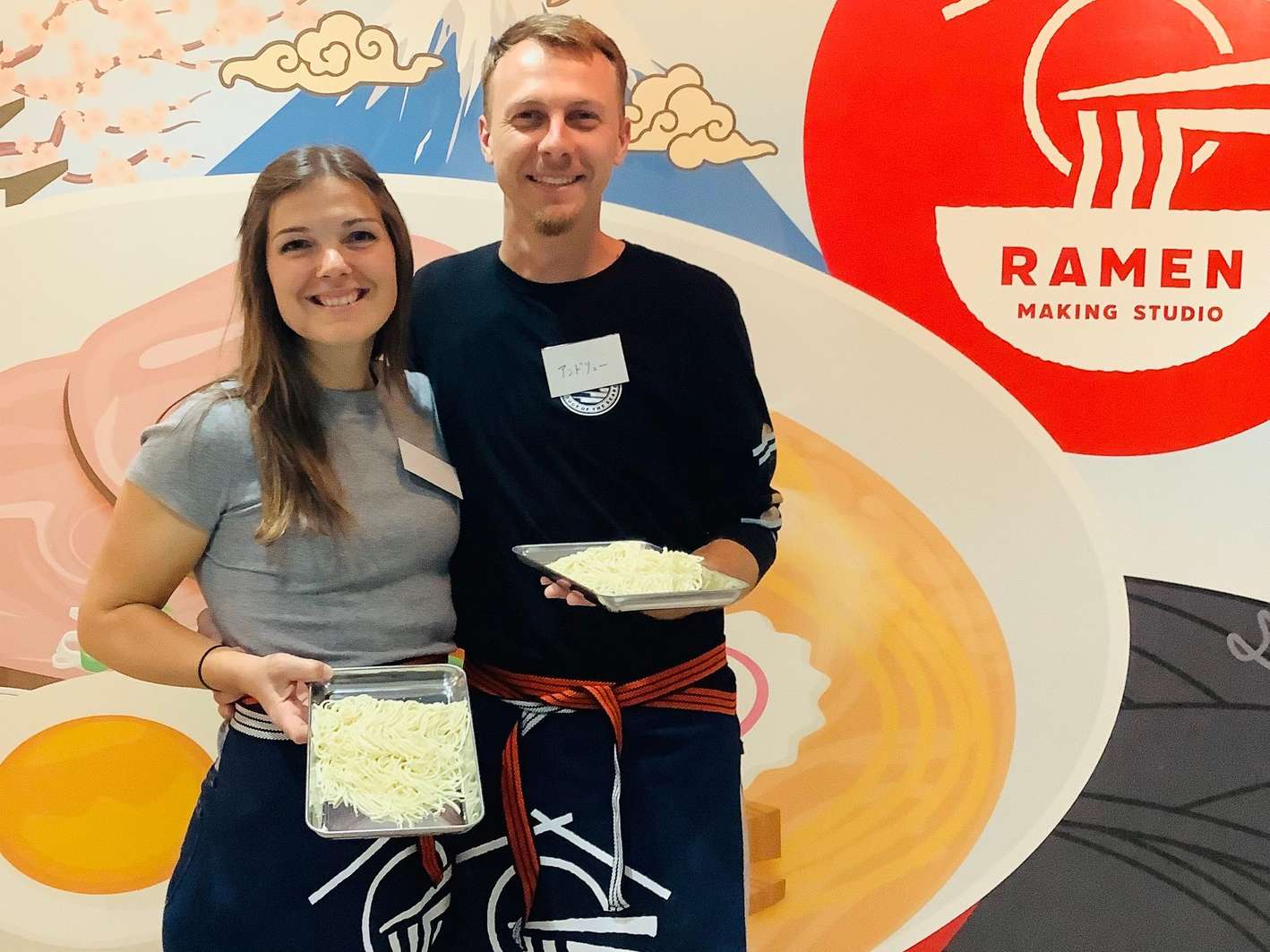
This three-hour class in Dotonbori walks you through a full bowl of soy sauce ramen from the very start: you knead wheat into dough, cut it into noodles on a machine, and build a broth from chicken bones and dried sardines. Alongside it you fold gyoza filled with seasoned minced chicken.
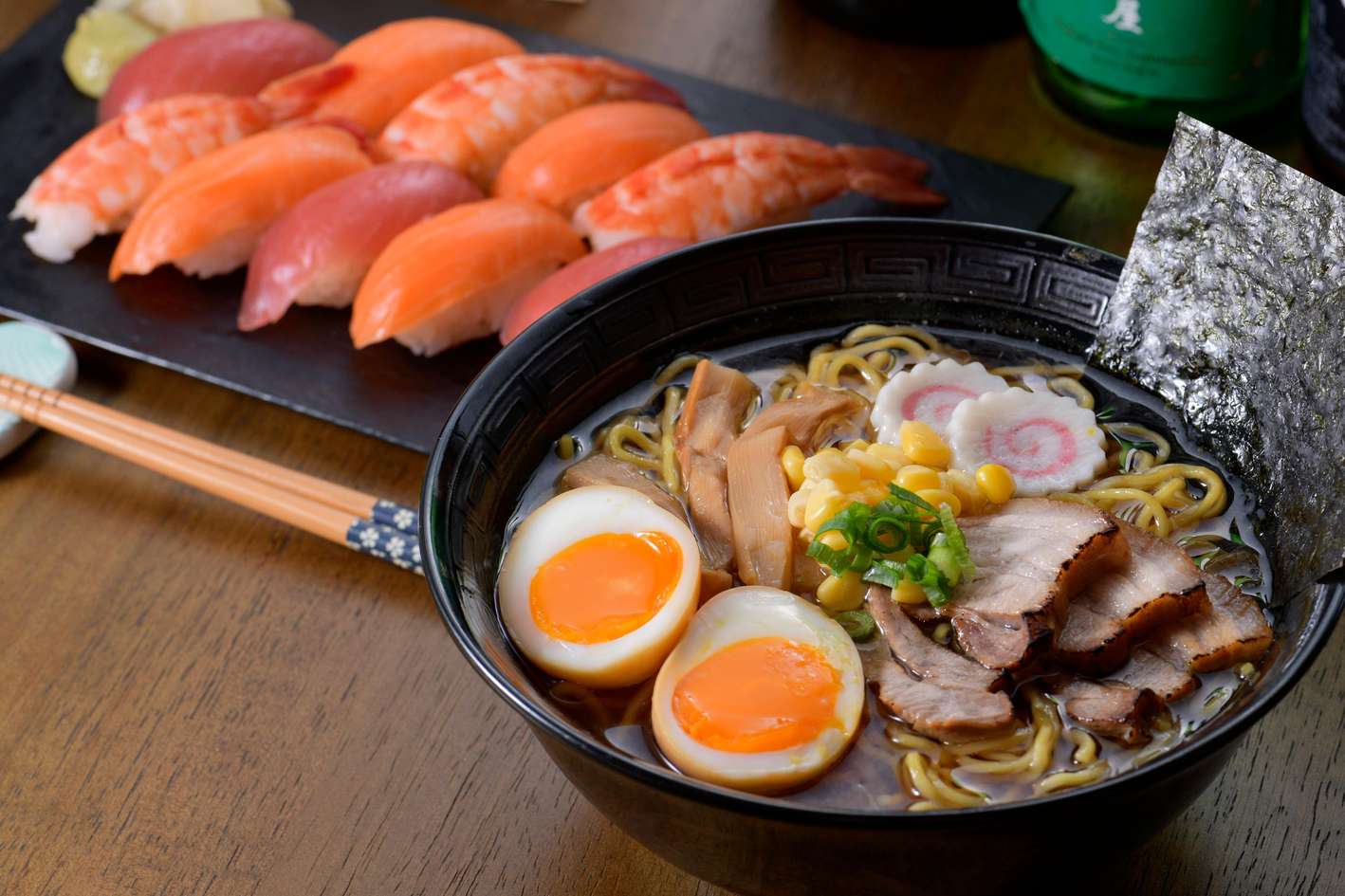
Everything you need is included, from ingredients to guidance, and you eat what you make at the end. If you would rather skip the dumplings, a second option from June 2026 swaps them for Wagyu beef pressed sushi and egg roll sushi, a Kansai specialty made in a square wooden frame.


Green marks the lowest price. Prices per person.


As a 28yo solo traveler, I worried this might be just for families.

Amazing ramen and gyoza class yesterday. Two kind, patient guides, small class of 7, so we got one-on-one help. My favorite thing we've done in Japan, I'll make ramen back in Australia!
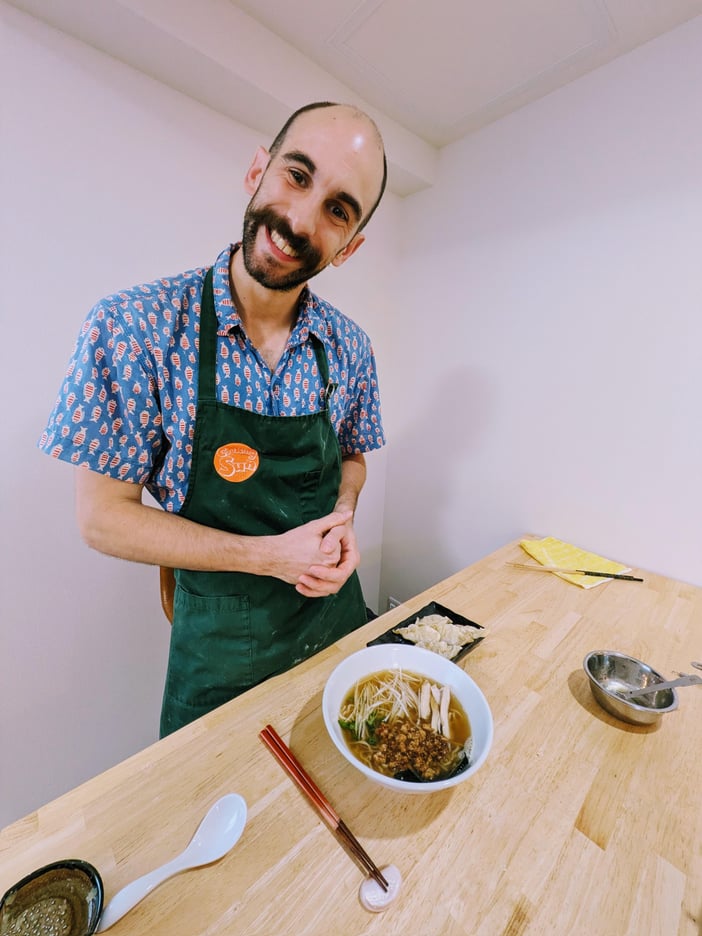
Fantastic last night in Osaka. Sho was friendly, informative, a superb teacher, fixed our rookie mistakes and even taught my wife chopsticks.

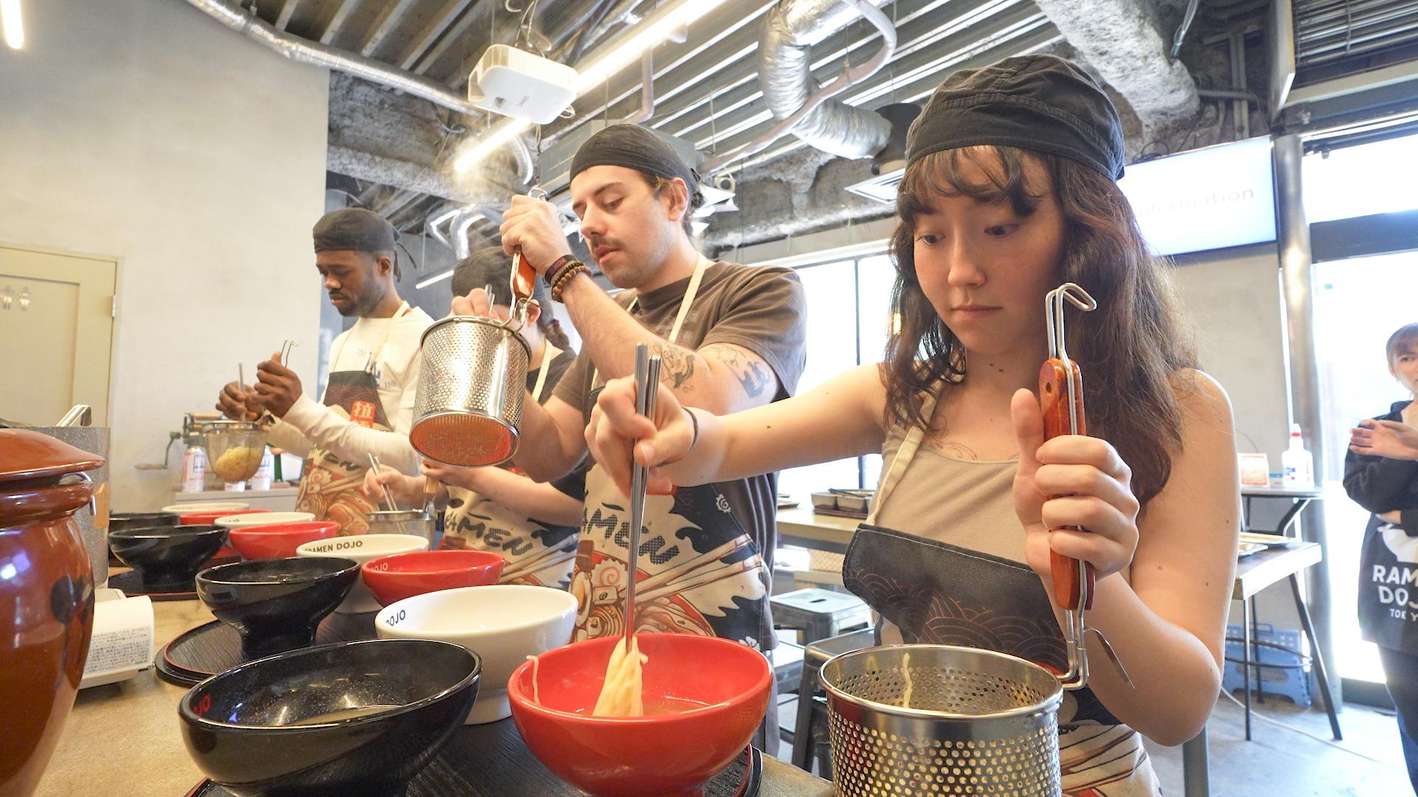
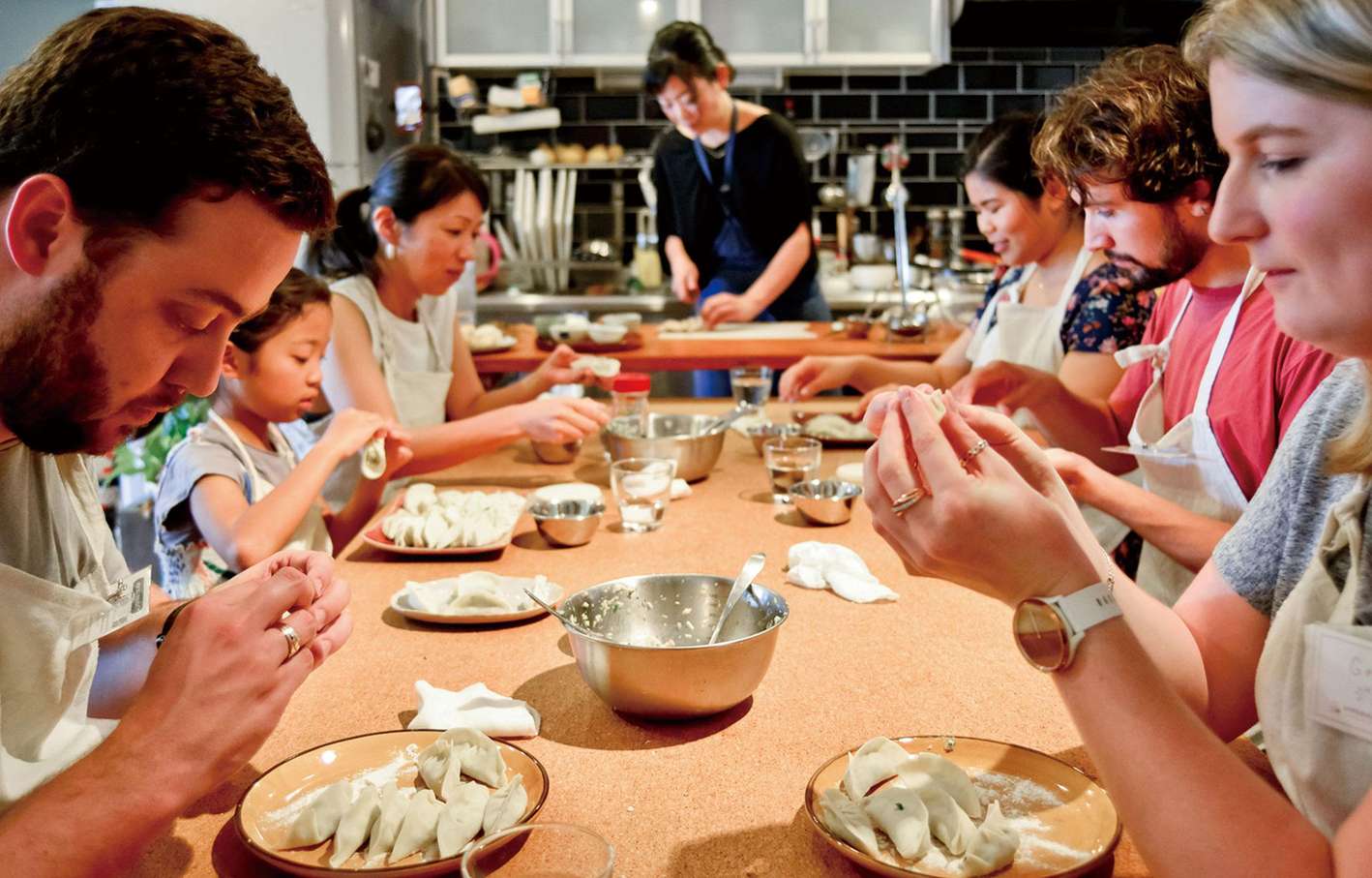
Very fun group class! Loved learning to fold gyoza properly and making ramen noodles from scratch. Friendly instructors explained everything and kept everyone involved. Dinner was amazing, I'll try another class next Osaka trip!

Learned so much making tasty ramen and potstickers. My gluten-free husband worried he wouldn't enjoy it but was happily surprised..

Shiaori was a great hostess. My teenage son and I had a fantastic time making chopsticks to take home and delicious ramen, while learning lots about Japanese culture. Highly recommend during an Osaka visit!

10/10! Fun for the whole family, every ramen step well taught, and Mahiro added Japanese culture insights throughout. Delicious ramen, a must-do in Osaka and a fabulous end to our Japan trip!
Most reviewers praise the instructors as patient and friendly, guiding every step in clear English while sharing stories about Japanese food culture.
Several reviewers did not expect to love a gluten-free menu, with one skeptical husband happily surprised by the ramen and gyoza.
Many reviewers wished they could recreate the dishes again, and several say they will cook the recipes at home for family and friends.
Choose a date, then book at least a day ahead for the Nanba class, which requires it. Around Golden Week and Obon, Osaka fills with domestic travellers, so grab your slot weeks earlier.
Several Osaka classes run different versions of the same session. In Dotonbori you pick between a ramen-and-gyoza session and one that pairs ramen with pressed sushi, so decide what you want on the plate before you click.
After payment you get a confirmation with the meeting address and any dietary notes. If you need vegetarian food, tell the host when you book; requests made on the day can be hard to fit.
Match the voucher address to a station. The Nanba studio sits an 8-minute walk from JR Namba, while the Osaka Castle studio is 5 to 10 minutes from Tenmangu, Minamimorimachi or Tenmabashi stations.
Aim to reach the door 5 to 10 minutes early. Some venues open only 10 minutes before the start, and classes commonly start without you if you are more than 5 minutes late.
Broth can hide fish ingredients even in a bowl with no visible meat, so spell out which ingredients you exclude when you arrange a plant-based bowl. Some hosts need advance notice for vegan options.
Ingredients, kitchen equipment and apron loan come standard, and some classes add drinks such as sake, beer or soft drinks during the meal. Hotel pickup is never included, so budget for transport yourself.
The Nanba class needs booking at least one day in advance, and vegetarian menus there need a heads-up too. Without prior notice it can be hard to accommodate a vegetarian request on the day itself.
You can cancel any of the featured Osaka classes up to 24 hours in advance and get your money back in full. That makes it easy to lock in a spot while your sightseeing plans are still flexible.
One Osaka class is built entirely around gluten-free cooking, with rice flour noodles and gyoza wrappers made from scratch. If you have coeliac disease, ask about soy sauce and cross-contamination in advance rather than judging by an allergen card.
Tell your host about allergies before you book. The Dotonbori class is unsuitable for severe wheat, egg or soy allergies and for airborne flour sensitivity, and ramen noodles can contain egg even without an egg topping.
Comfortable casual clothes are the order of the day, since flour and sauce splash. Closed-toe shoes beat sandals, long hair goes up, and aprons are usually provided.
You make your own way to the studio, so check the exact address in your booking confirmation. The Nanba ramen-and-gyoza class meets at Dear Court Semba 303, 4-3-1 Bakuromachi, a different spot from central Nanba.
Give yourself about 30 minutes to walk from the Namba and Dotonbori area to the Shiokusa studio: roughly 20 minutes of walking plus 10 to find the entrance. From JR Namba it is closer, about 8 minutes on foot.
The Dotonbori class opens its doors 10 minutes before the start and asks you to arrive 5 to 10 minutes early. Arrive more than 5 minutes late and you may join after the class has started or be refused entry.
Osaka has ramen classes in Dotonbori, Nanba and the Osaka Castle area, and they differ in what you cook, where you meet and what you eat. The choice is easier than it looks once you know what each one is for.

Aim for Osaka Metro Namba (M20), not JR Namba, and allow about 30 minutes from the Dotonbori streets to the Shiokusa studio.
Book around Golden Week (April 29 to May 6), Obon (August 13 to 16) and New Year, or pick a quiet week between them.
Tell the host about allergies, vegan or gluten-free needs before you book so the kitchen can prepare for you.
The flour hits the counter and the doubt arrives with it: is this cooking, or just a tourist assembling a bowl under cheerful supervision? The honest answer is that it depends which class you pick, and what you ask of it.
Most Osaka classes welcome complete beginners, so nobody stands at the front teaching knife cuts you already own. What they do add is Japanese seasoning principles, the reasoning behind the broth, and the noodle work itself. That part counts for anyone who cooks.
The tell is whether the instructor explains why each ingredient is there. Classes that do, like the Nanba course that hands you recipes to take home, send you back to your own kitchen with something usable. Classes that run you through steps leave you with a good lunch and little else.
Set one expectation straight before you book: a holiday workshop will not prepare you to open a noodle counter, and no honest listing claims it will. What English-language instruction in small groups does give you is the chance to actually cook, ask questions, and understand what you are doing. That is worth an afternoon.
Come hungry, too. People who finish these classes regularly say the bowl they made replaces lunch or dinner.

Very fun group class! Loved learning to fold gyoza properly and making ramen noodles from scratch. Friendly instructors explained everything and kept everyone involved. Dinner was amazing, I'll try another class next Osaka trip!
A ramen class slots into an Osaka day better than most food activities: it feeds you, teaches you something and stays within walking distance of the sights. Pick the format that matches your kitchen goals, settle dietary needs before booking, and give yourself thirty minutes to reach the door.

Quick answers to what travelers ask before booking a ramen cooking class in Osaka.
Decide what you want from the session. If you want to taste several styles, the Dotonbori class makes tonkotsu, shoyu and miso in one visit. If you want ramen plus gyoza, two classes in Dotonbori and Nanba cover both. For castle sightseeing on the same day, the Osaka Castle-area studio wins on location.

Travelers settling on Kyoto can compare its ramen classes, from noodle-making at a working ramen shop to bowl painting.

If you want ramen and gyoza together in Kyoto, the professional-chef class is the one to weigh first.

Vegan travelers heading to Kyoto will find the workshops that cook plant-based ramen, and what each class adds.

Tokyo works much like Osaka for making your own bowl: here is how its classes differ before you book.

Make ramen and gyoza in Tokyo with a local chef, and pick up Japanese ingredients at a supermarket first.

A Tokyo class can bring ramen and nigiri sushi into one session, with sake to pair at the meal.

Halal travelers can see which Tokyo kitchens accommodate their diet and what to arrange before booking.

For a vegan bowl in Tokyo, these workshops show you what to cook and which dietary checks to make.

Knead the noodles, fold the gyoza, then eat your own bowl. Cancel up to 24 hours in advance for a full refund, so your day stays flexible.