Ramen and Gyoza Cooking Class in Tokyo With a Local Supermarket Visit
Learn to make ramen and gyoza in Tokyo, then shop for the real ingredients yourself. A local chef and YouTuber takes you through a Japanese supermarket, into a modern Tokyo home, and back to the recipes you can recreate at home. Book the small-group class and cook both dishes hands-on.
"Brilliant ramen and gyoza class with Yuka, fun, hands-on and educational. Can't wait to make her recipe back home in the UK. Highly recommend if you're visiting Tokyo."
4.8★average rating573traveler reviews100%free cancellation25countries travelers came from
Gyoza cooking in Tokyo - which class fits you
The Tokyo classes that teach ramen and gyoza together fall into a few shapes: a home studio with a supermarket visit, an apartment kitchen near Haneda, a chef's workshop in Nerima, or a real restaurant kitchen in Minami Aoyama. The difference that decides it is how hands-on the gyoza part is, since some classes have you fill and fold the dumplings while others serve them alongside your bowl.
AllergiesTell the host in advance, because ramen noodles can contain egg even when the egg topping is left off, and one home class cannot take responsibility for undisclosed allergies.
VegetarianOne Nerima class needs prior notice for its vegetarian ramen and cannot take a same-day request.
AccessThe Kabukicho experience runs on the second floor with no elevator, so it suits visitors who can manage stairs.
FootwearWear closed-toe shoes near boiling water, since one tour operator prohibits sandals, flip-flops and high heels in the kitchen.
TimingArrive at the meeting point ten to fifteen minutes early, because classes start promptly and late arrivals lose cooking time.
TrainsAdd at least thirty minutes to your journey estimate during weekday rush hours, roughly 7:30 to 9:30 am and 5:30 to 7:30 pm.
Typhoon seasonFrom July to October, especially August and September, storms can suspend trains even for indoor classes, so allow for disruption.
AlcoholHome classes pour sake, beer and wine, and Japanese law prohibits drinking under 20, with ID possibly requested.
BookingThese are small-group sessions that fill in peak seasons, so reserve ahead and cancel up to 24 hours before for a full refund.
importantEgg hides in ramen noodles, so taking the egg topping off your bowl does not make it safe for an egg allergy.
Tell the class host about your egg allergy when you book, and ask whether the noodles used are egg-free. The supermarket tour class asks for allergy details in advance, so mention every restriction you have.
Ramen and gyoza cooking in Tokyo - four classes compared
Best for shopping
2.5 hours·English, Japanese
4.9(9)
Tokyo: Ramen & Gyoza Class with Local Supermarket Tour
The only one of the four that adds a local supermarket tour to a ramen and gyoza class, over 2.5 hours.
Free cancellationJapanese cooking classLocal supermarket tour
Gyoza cooking class in a Tokyo home, supermarket stop included
about 2.5 h
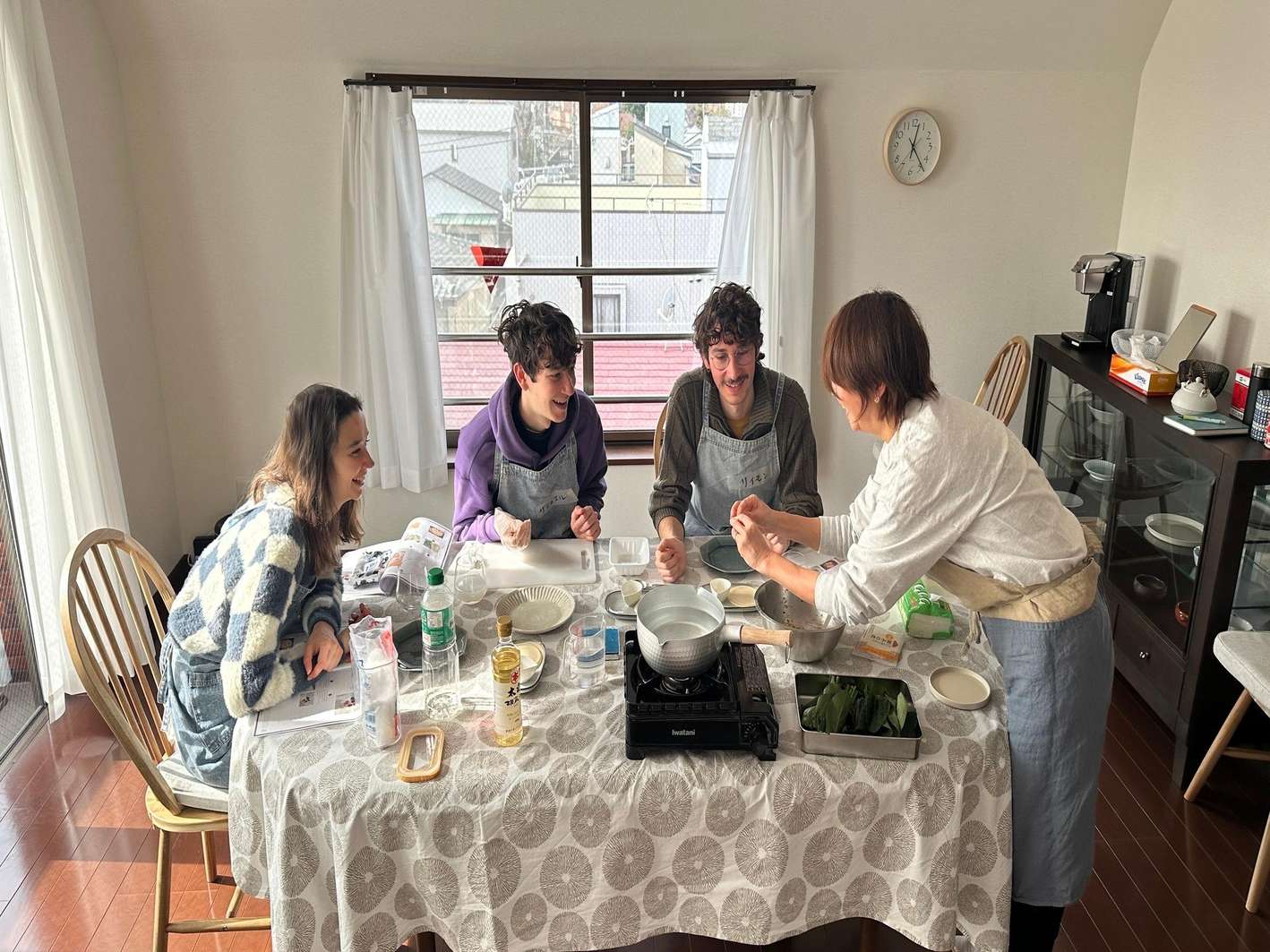
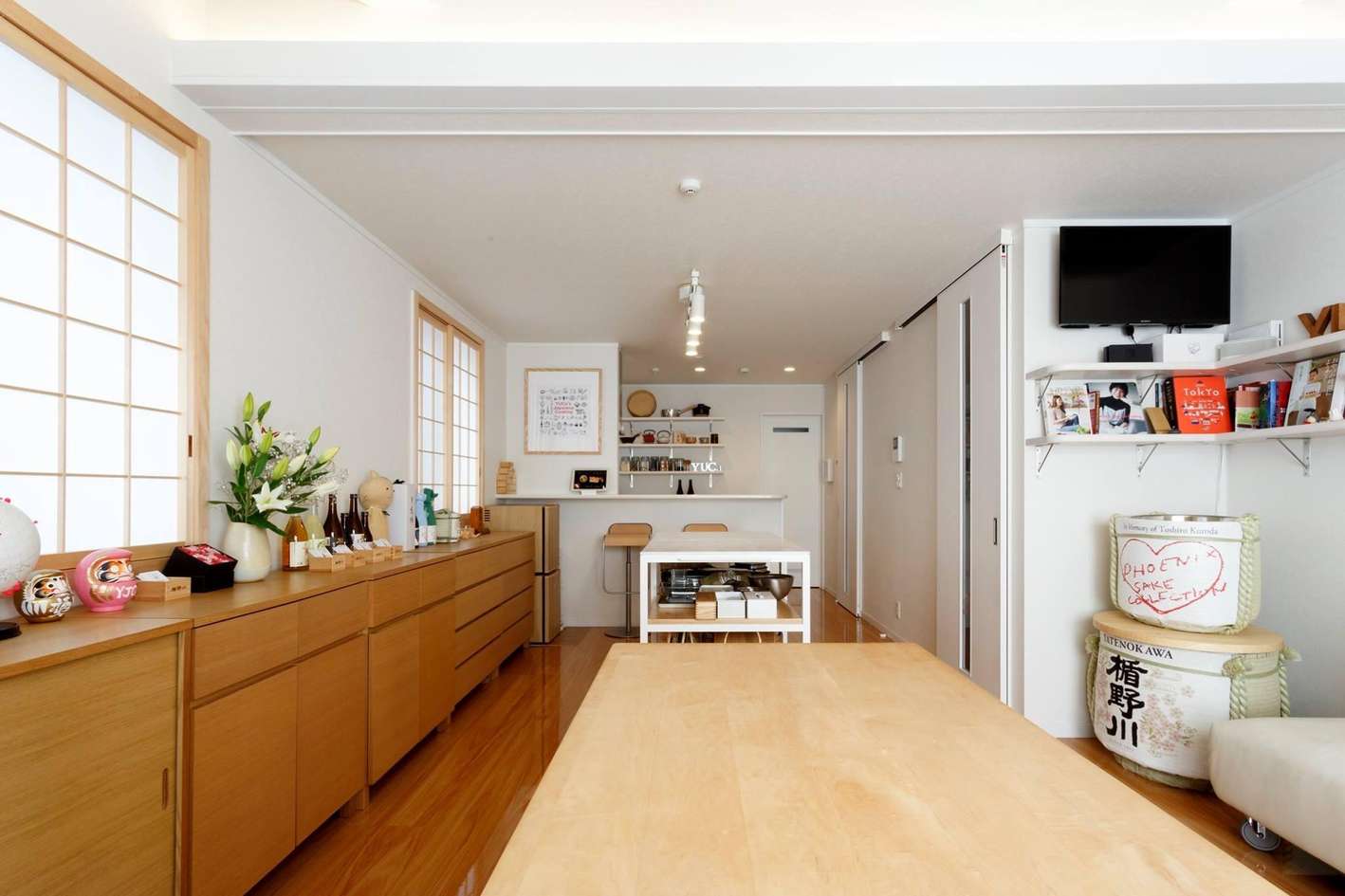
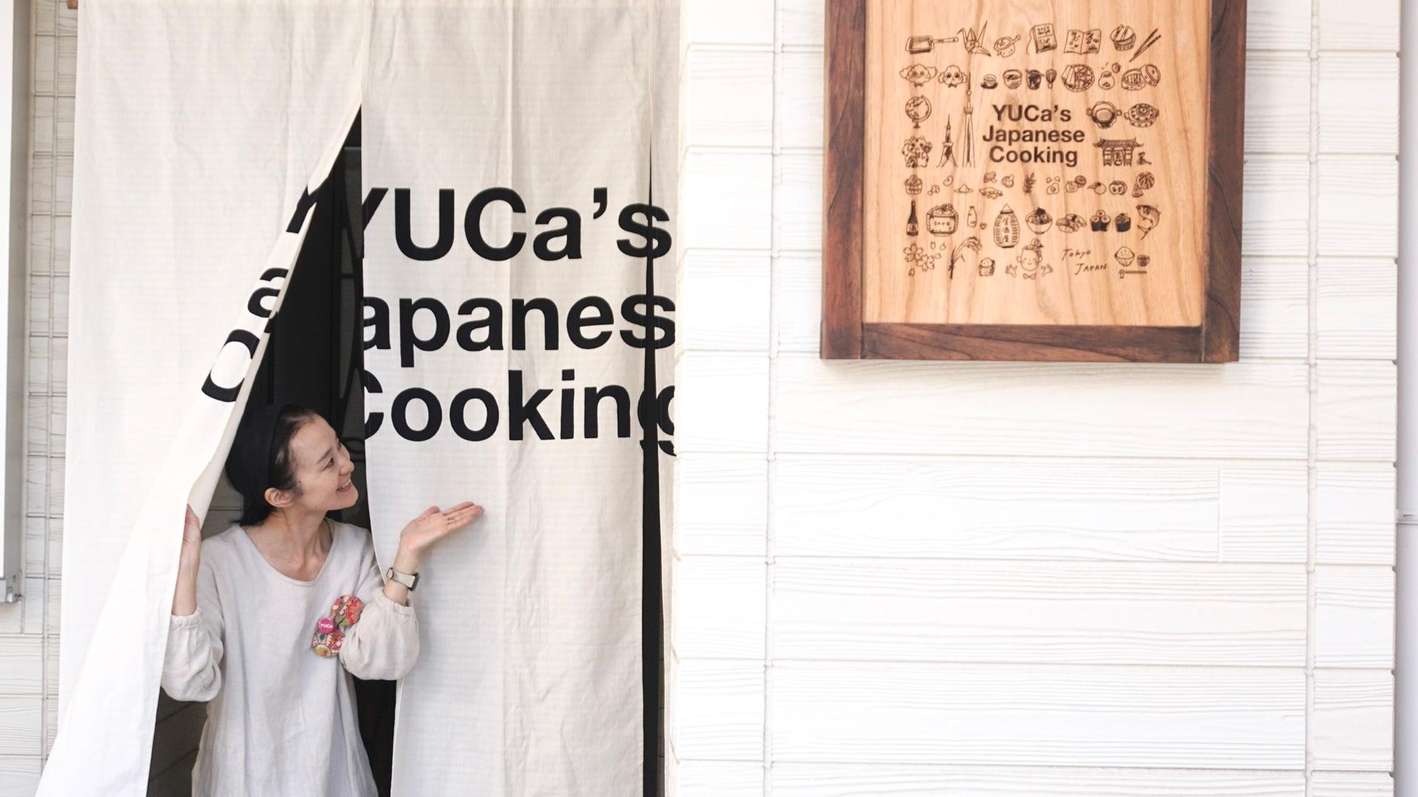
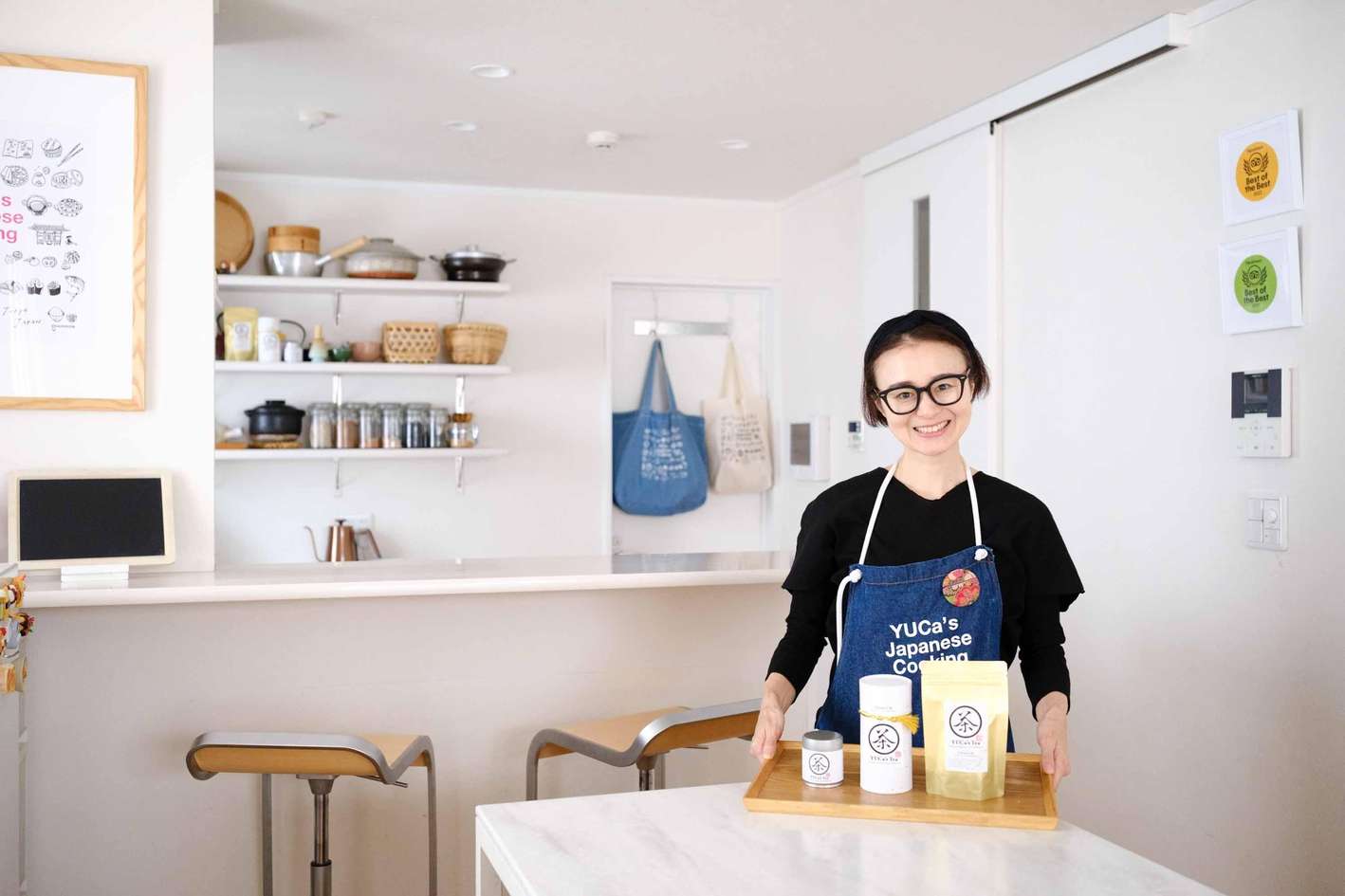
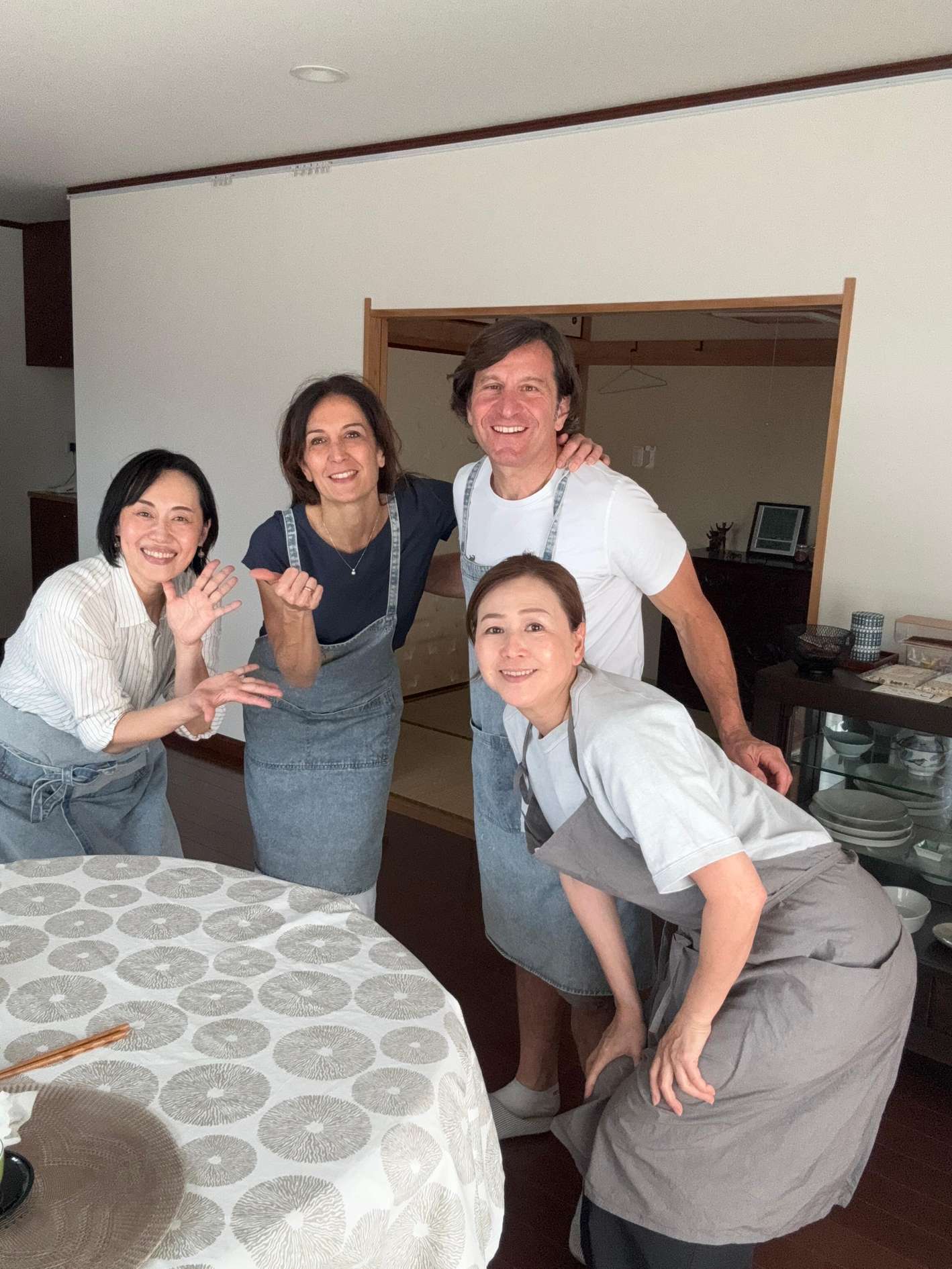
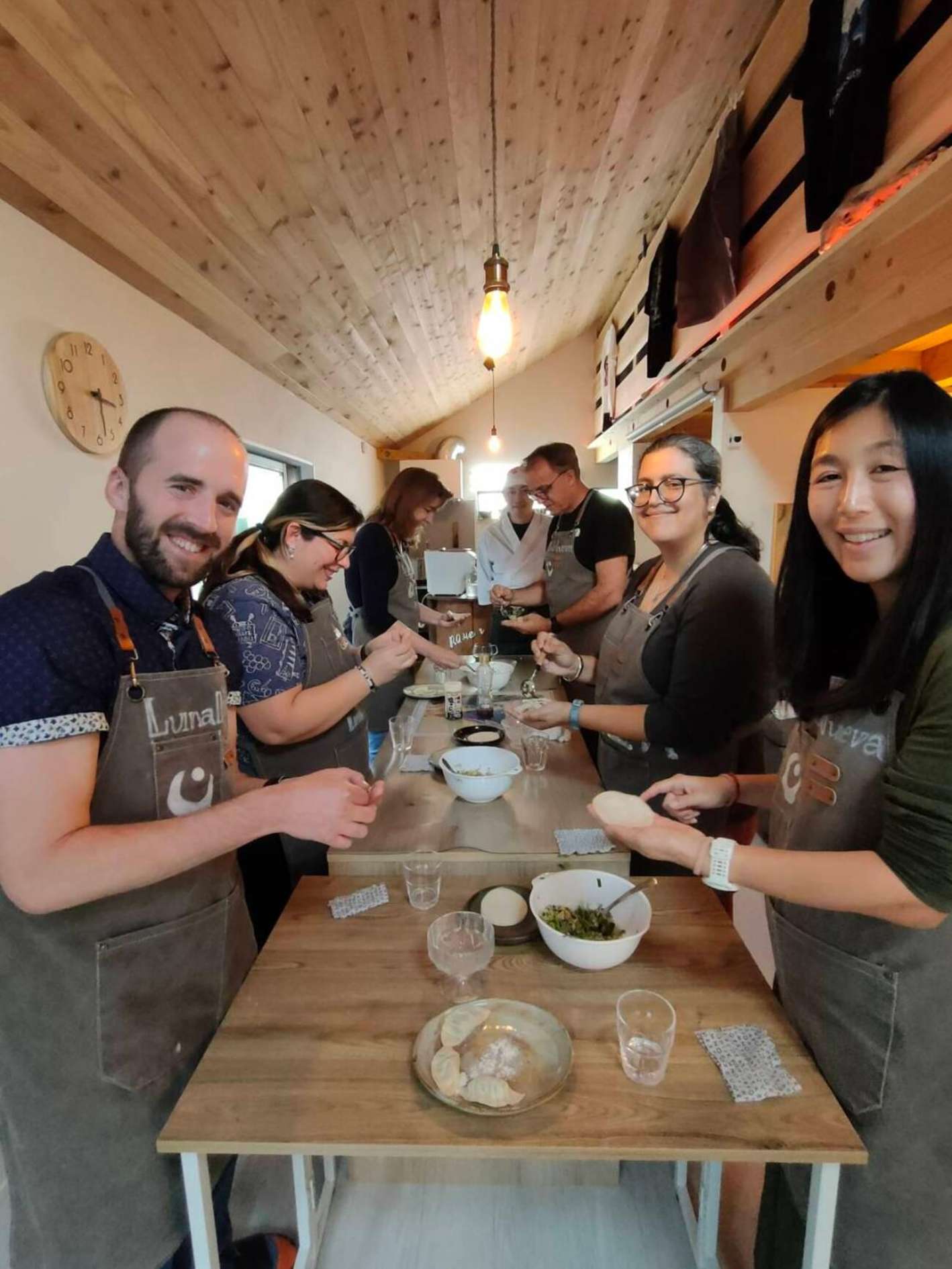
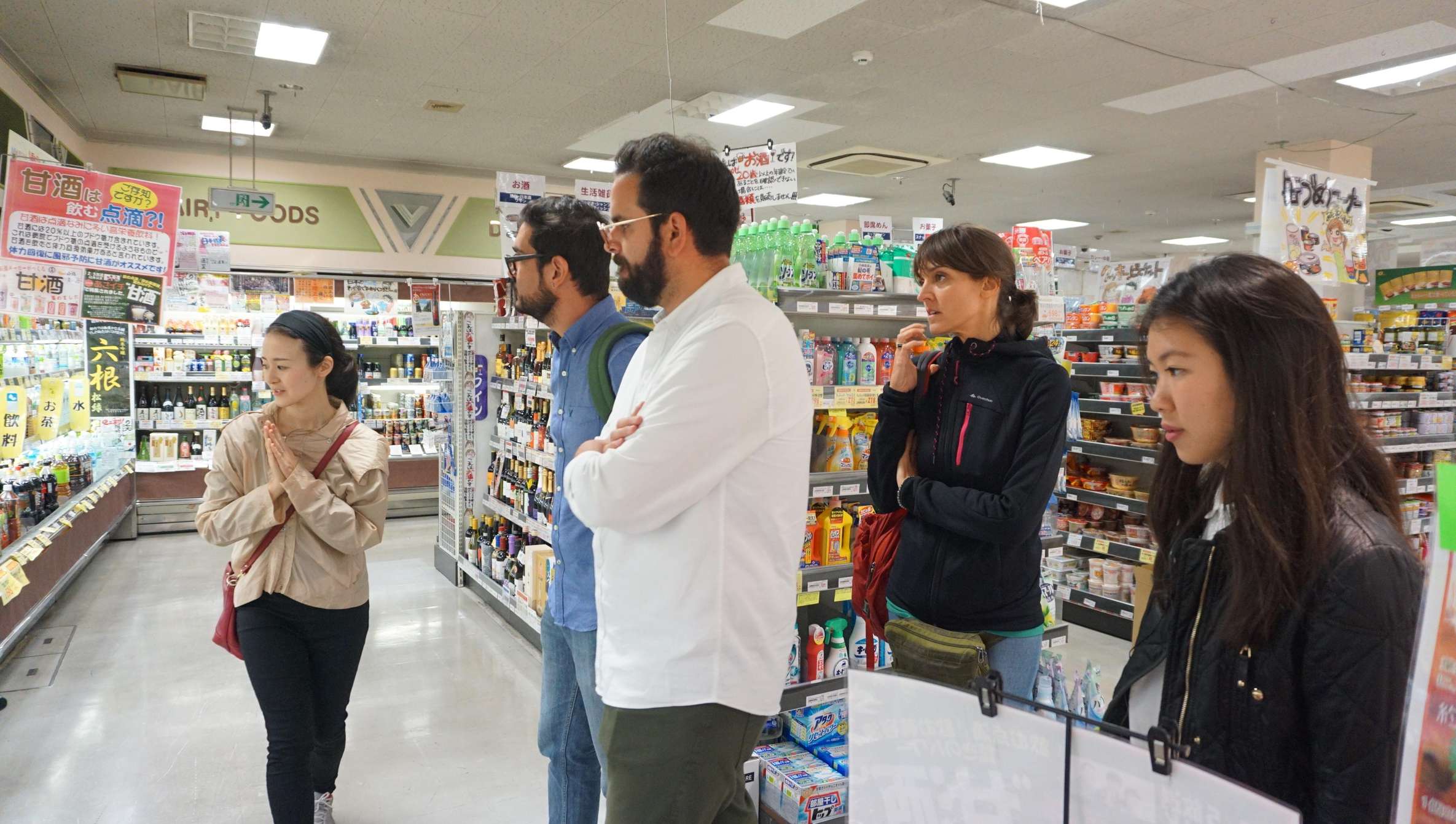
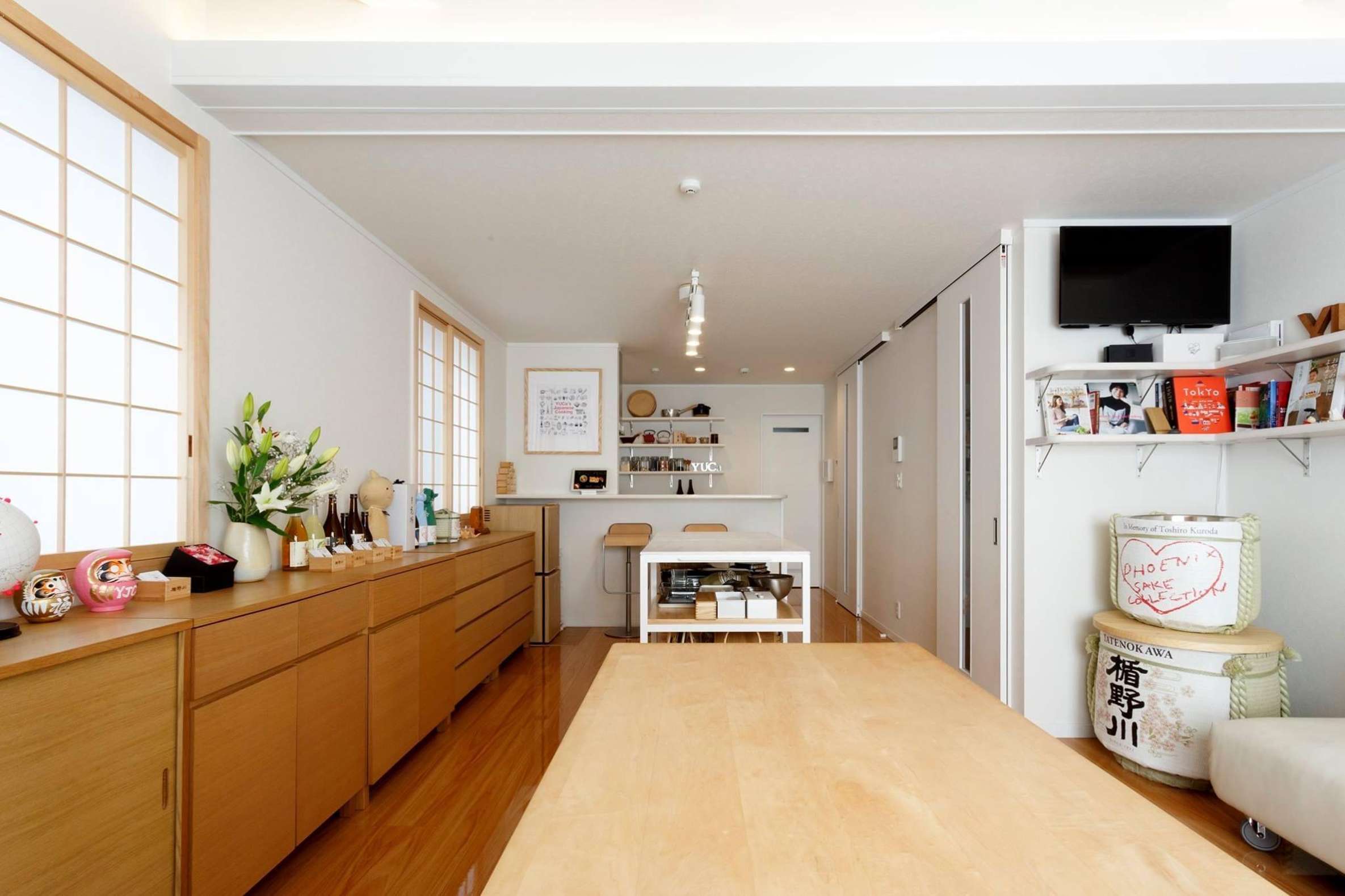
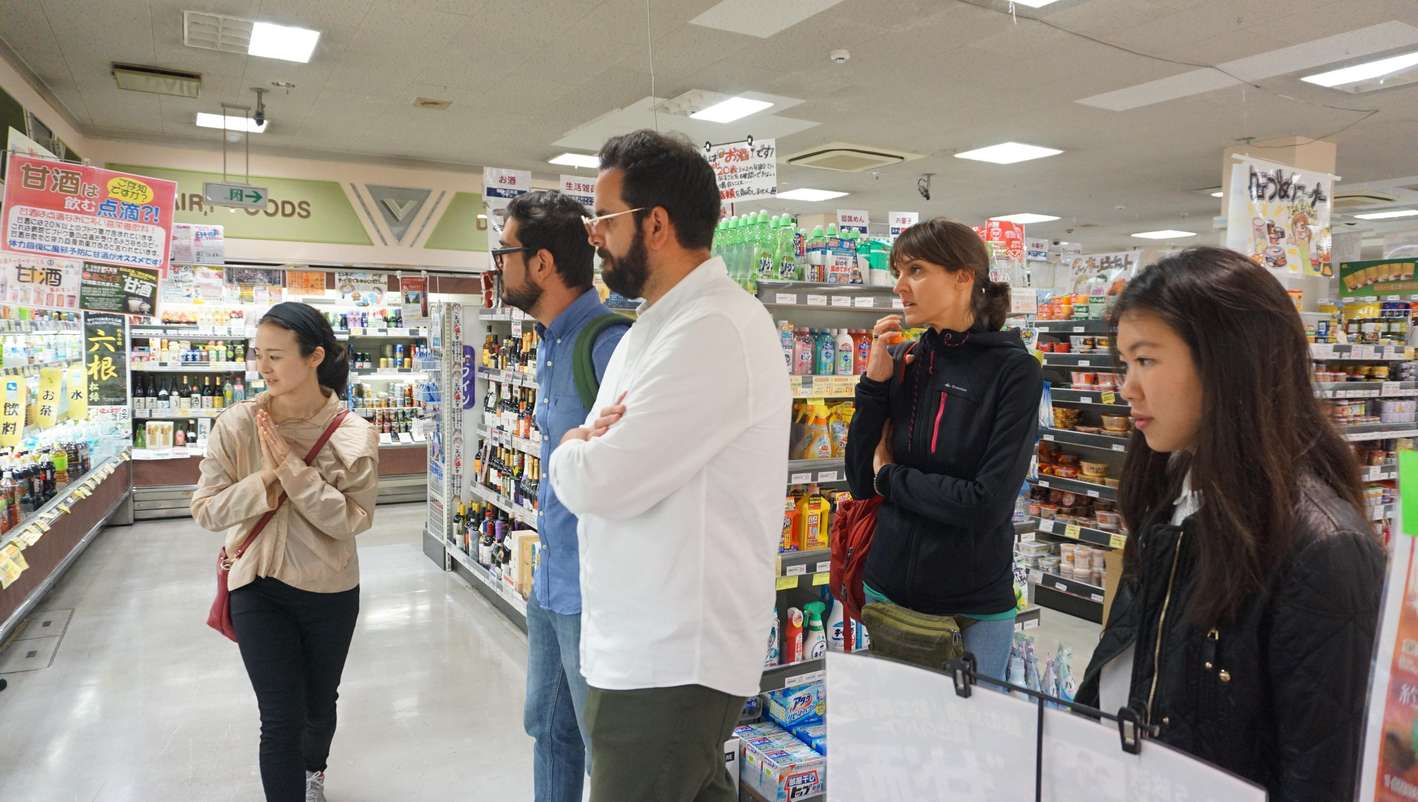
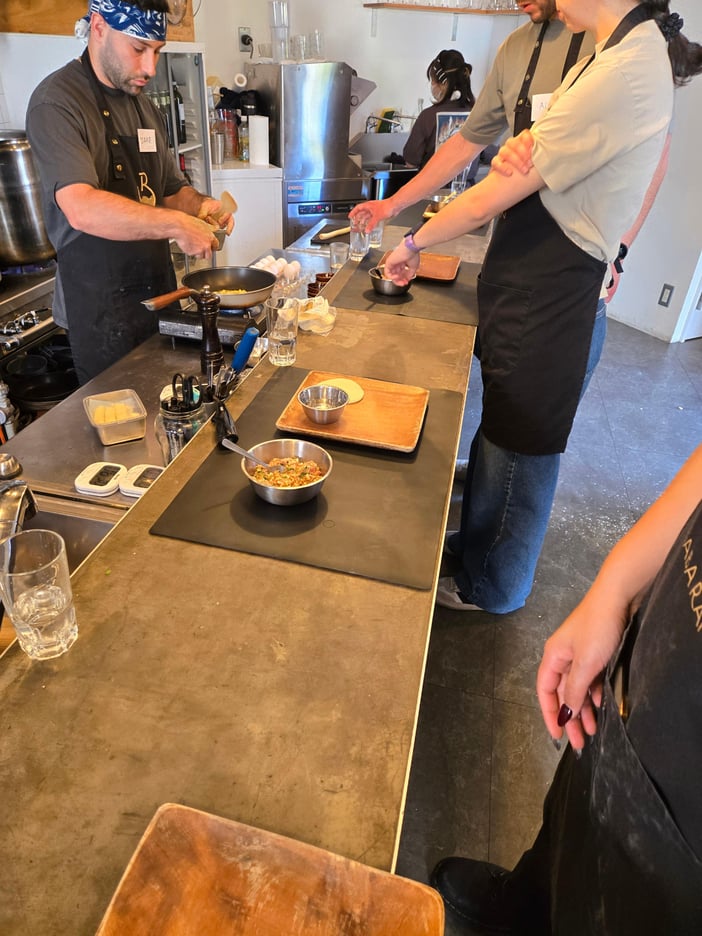
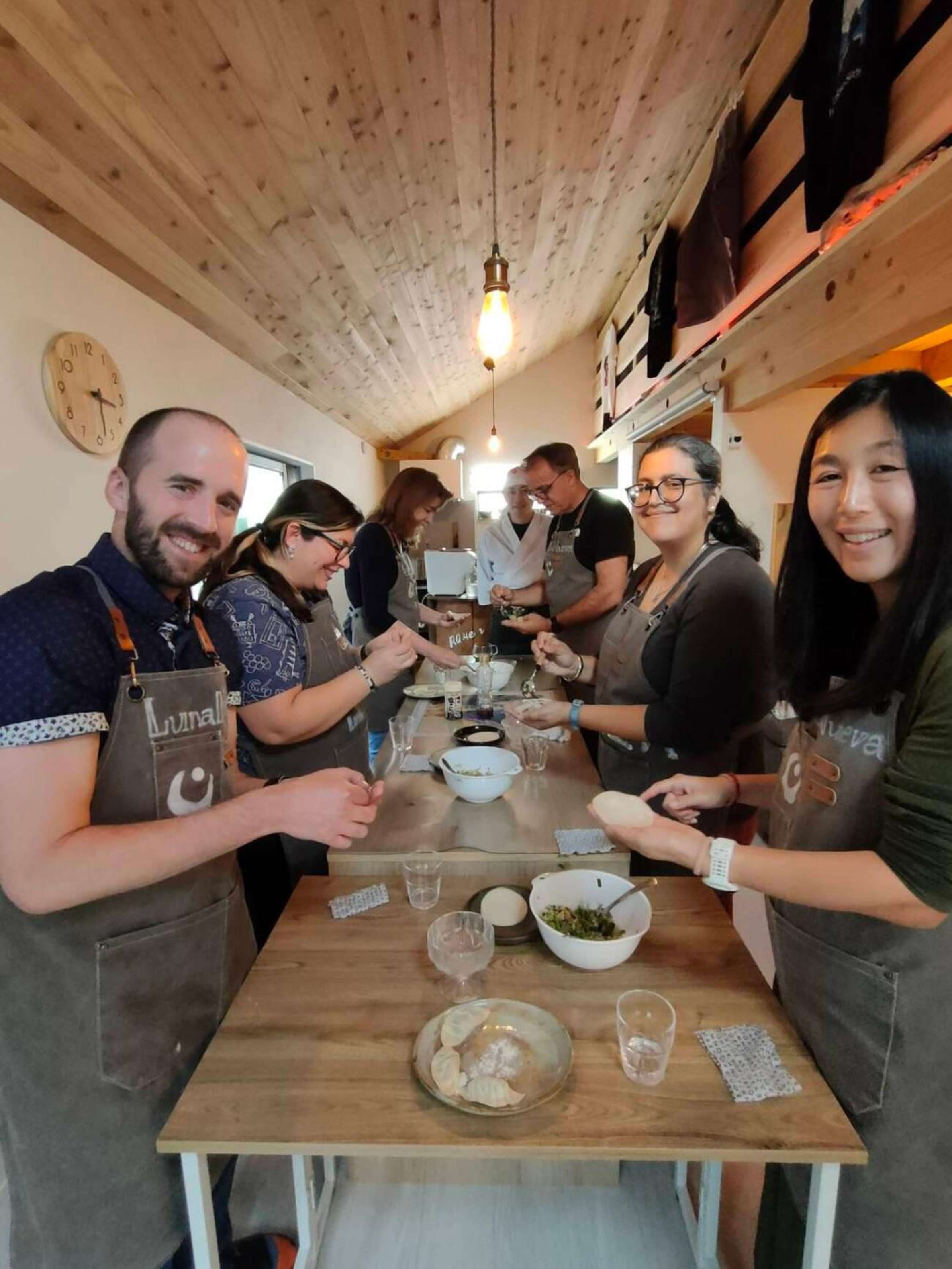
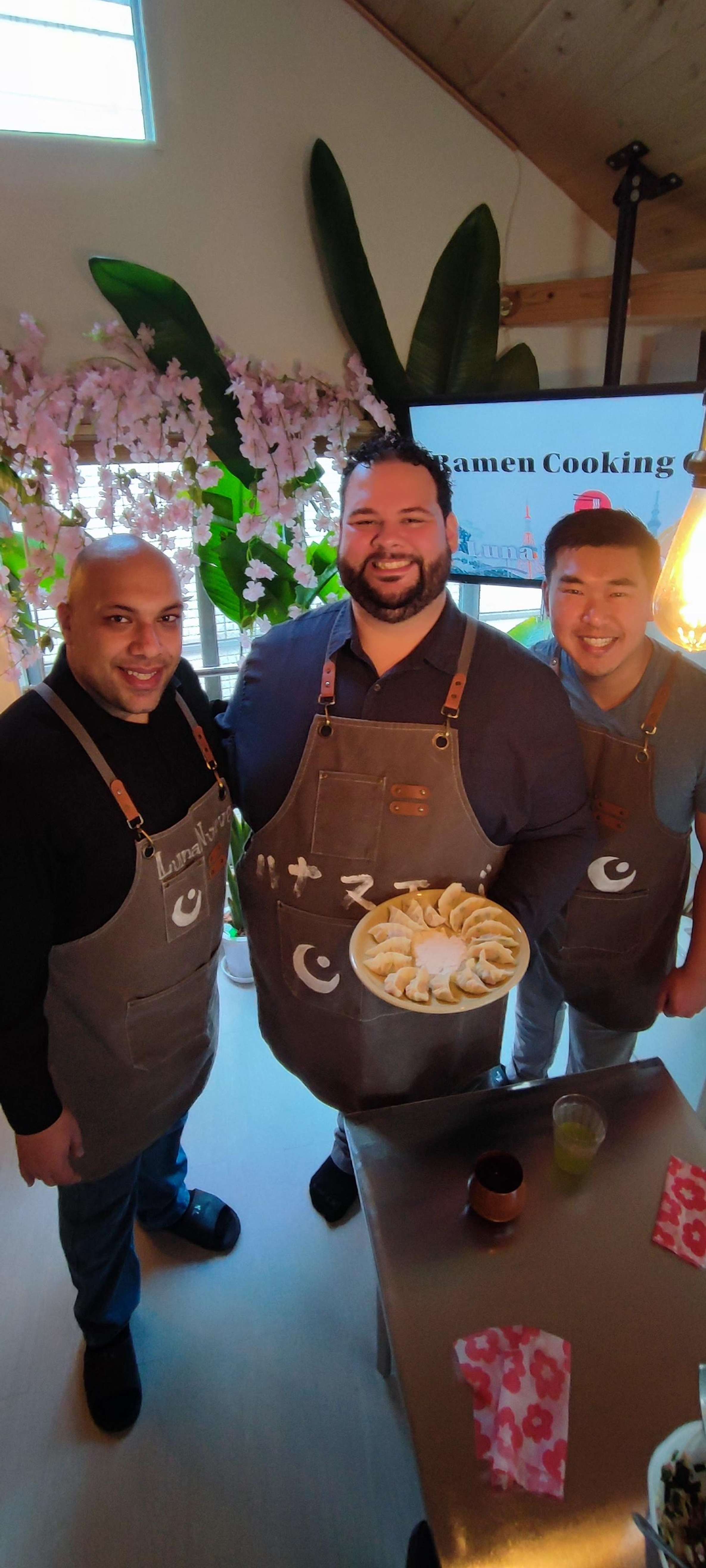
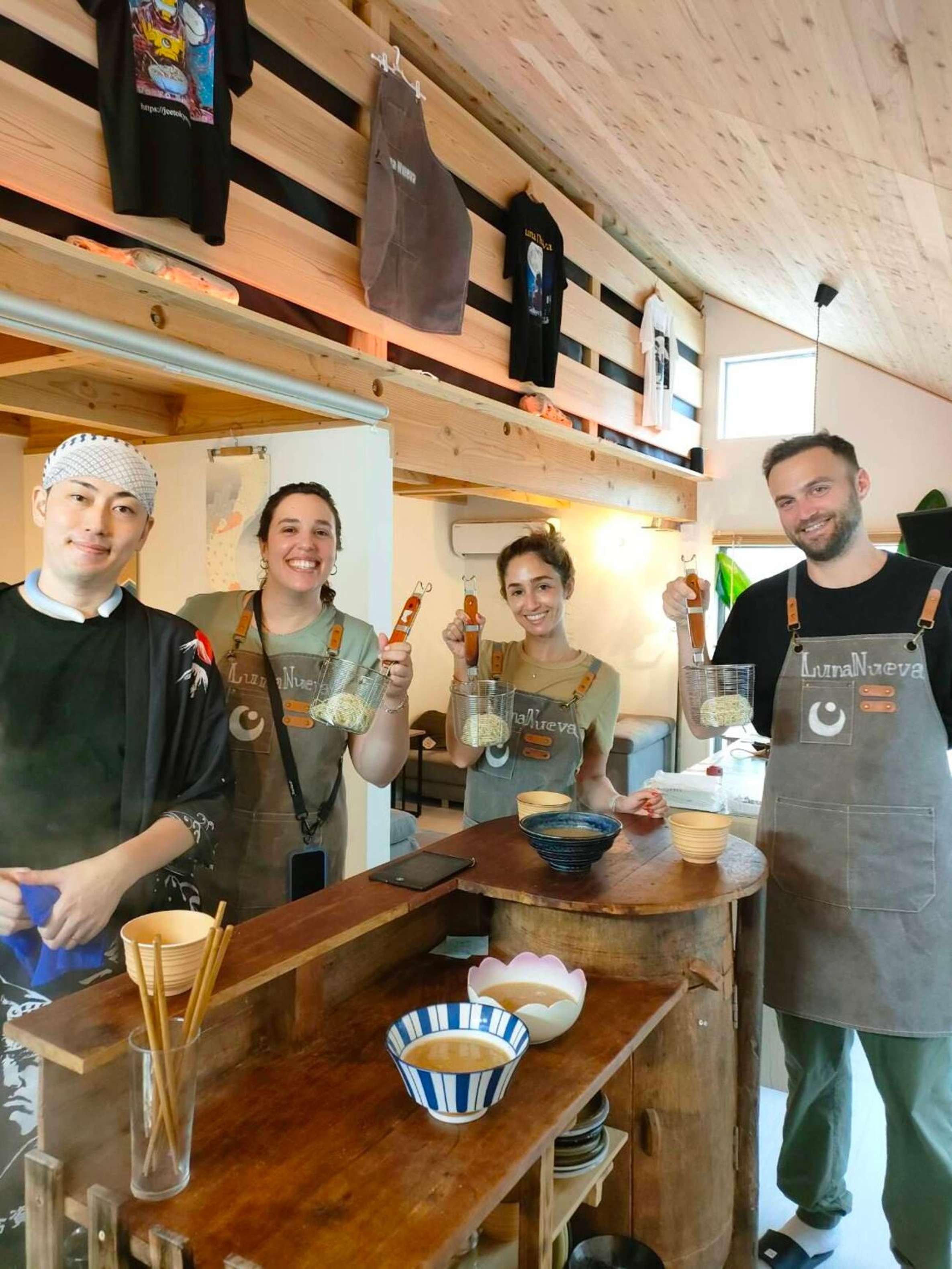
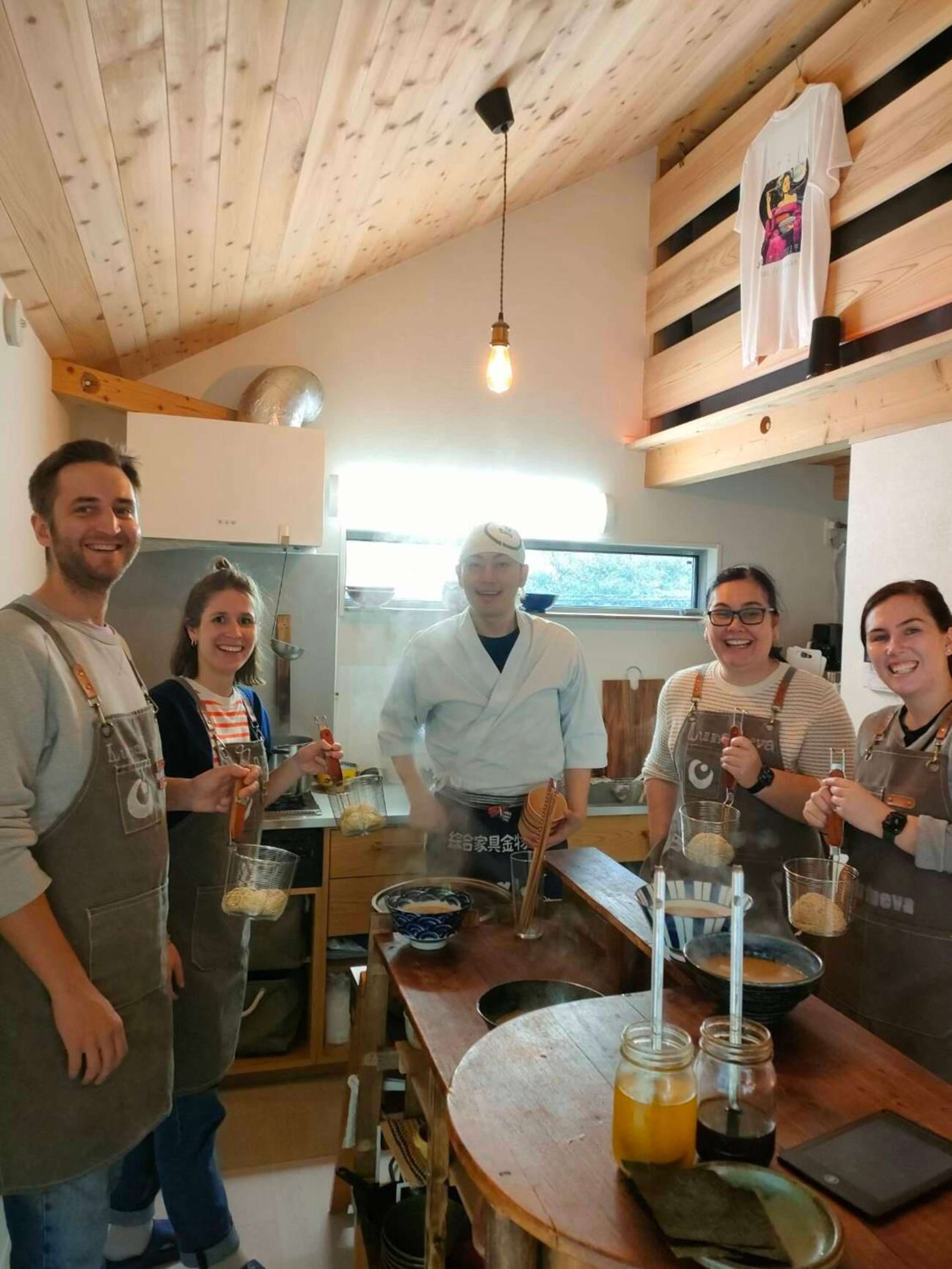
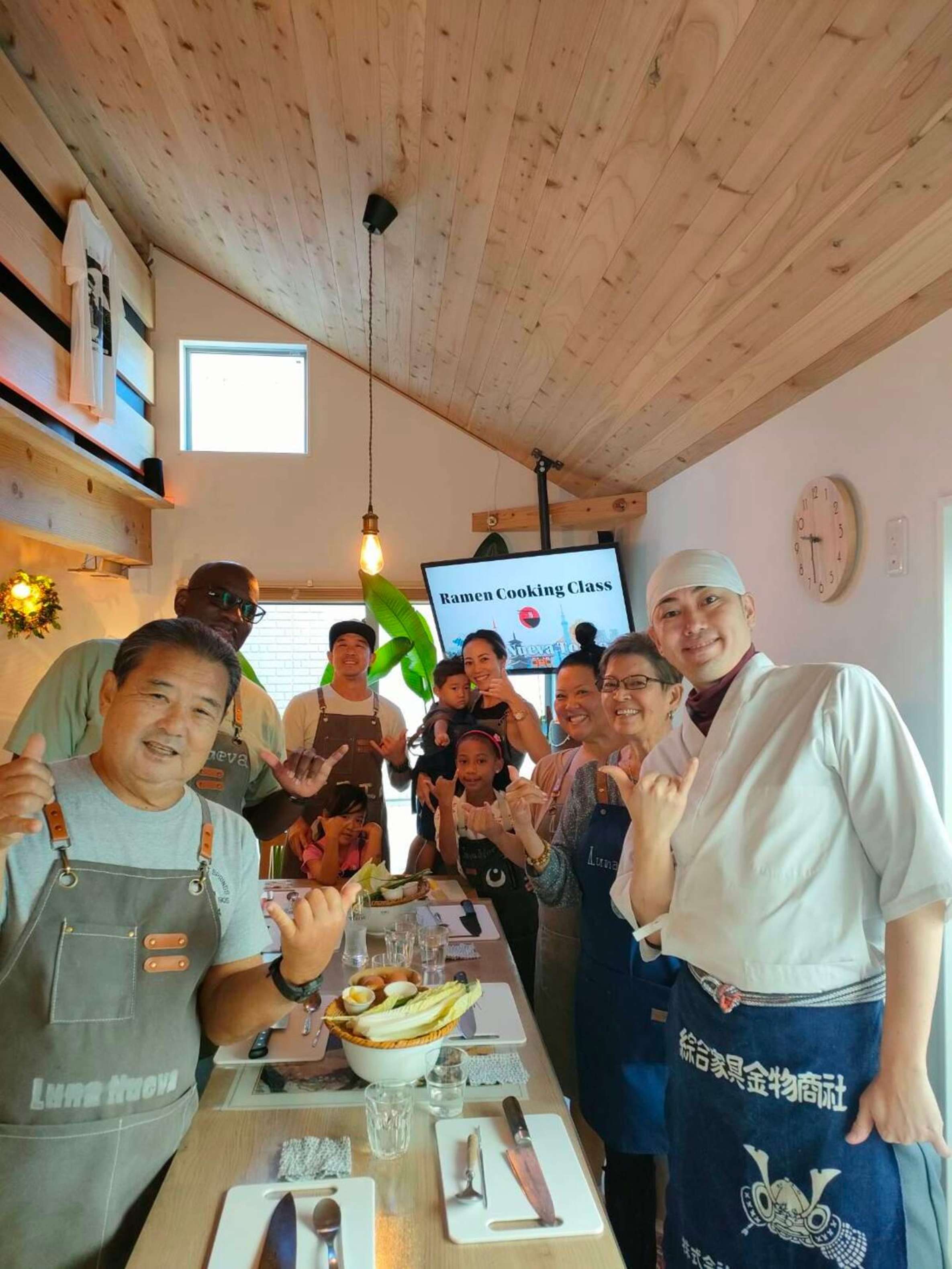
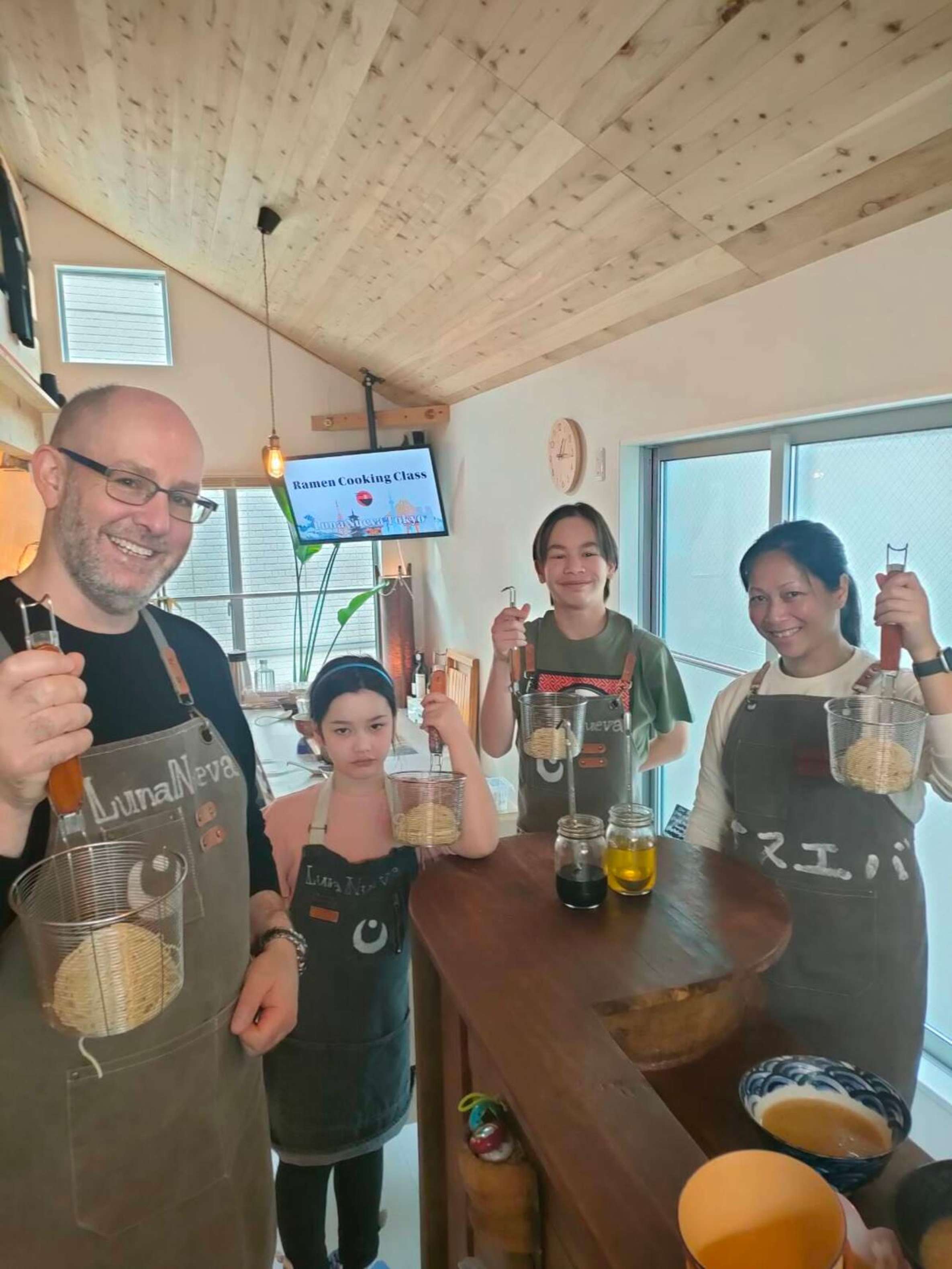
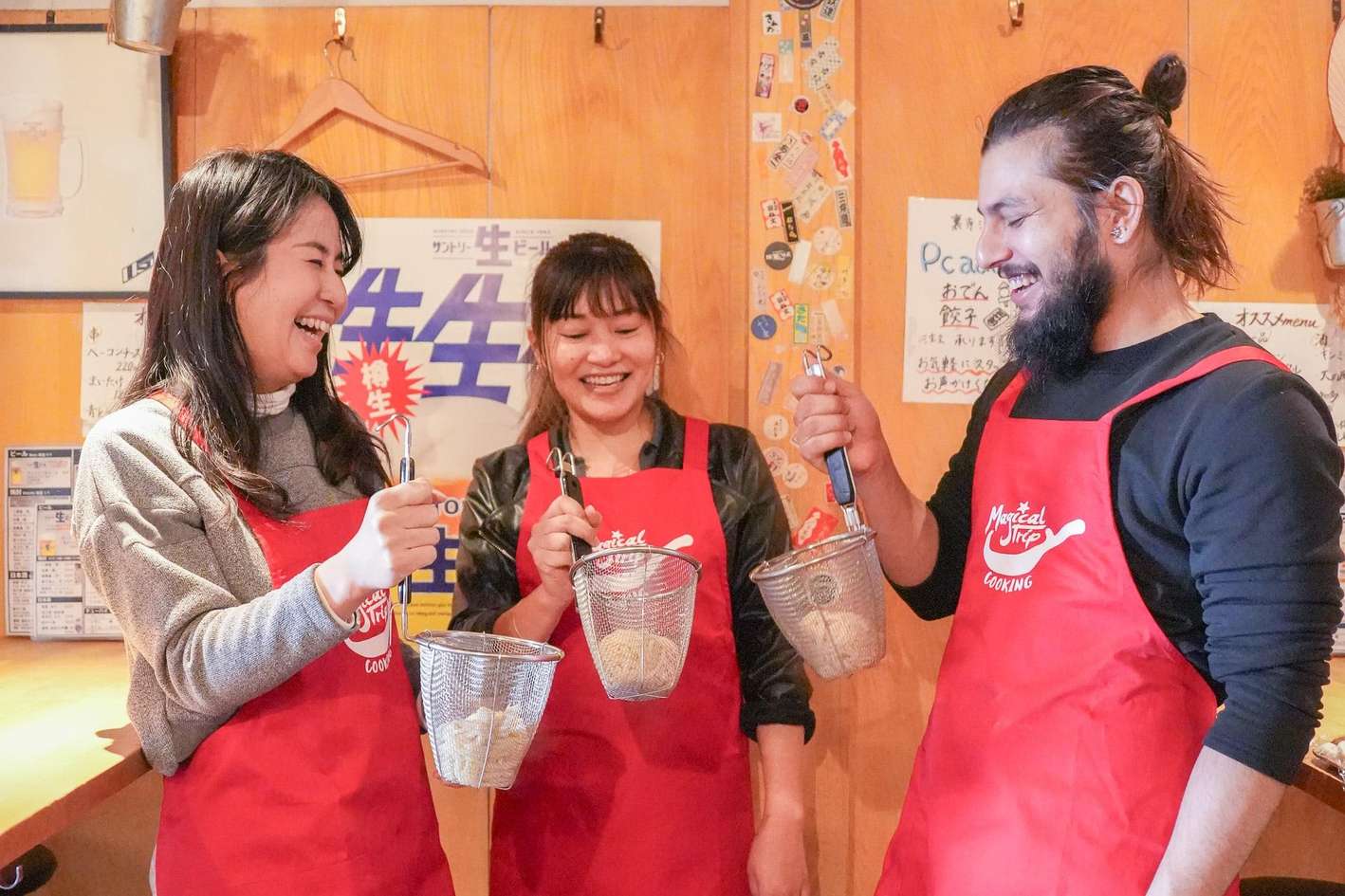
This 2.5-hour class starts at the shops. You walk a local supermarket with your instructor, who explains the Japanese ingredients that English labels rarely make clear, then heads to a modern Tokyo home with a spacious kitchen studio to cook.
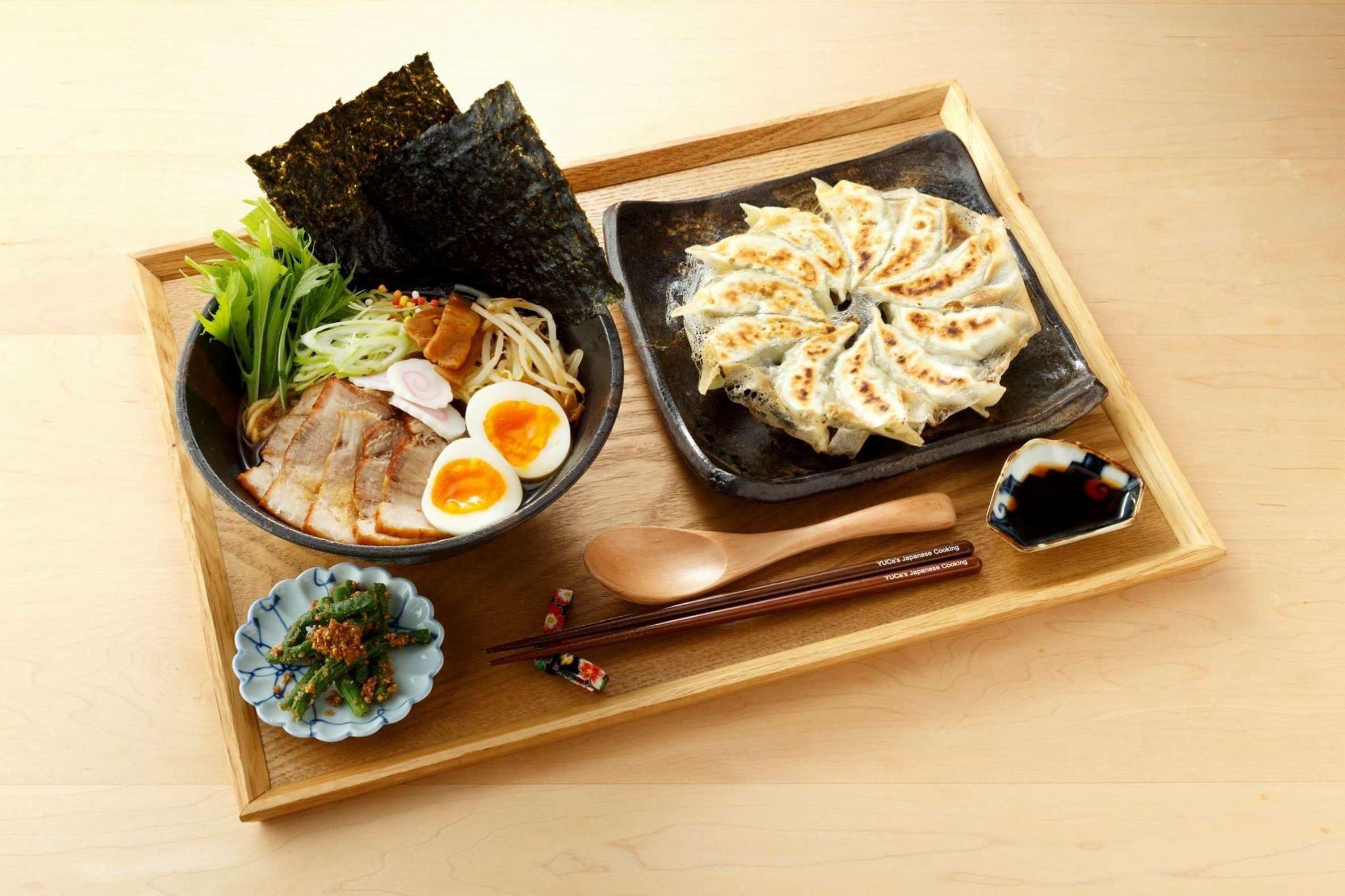
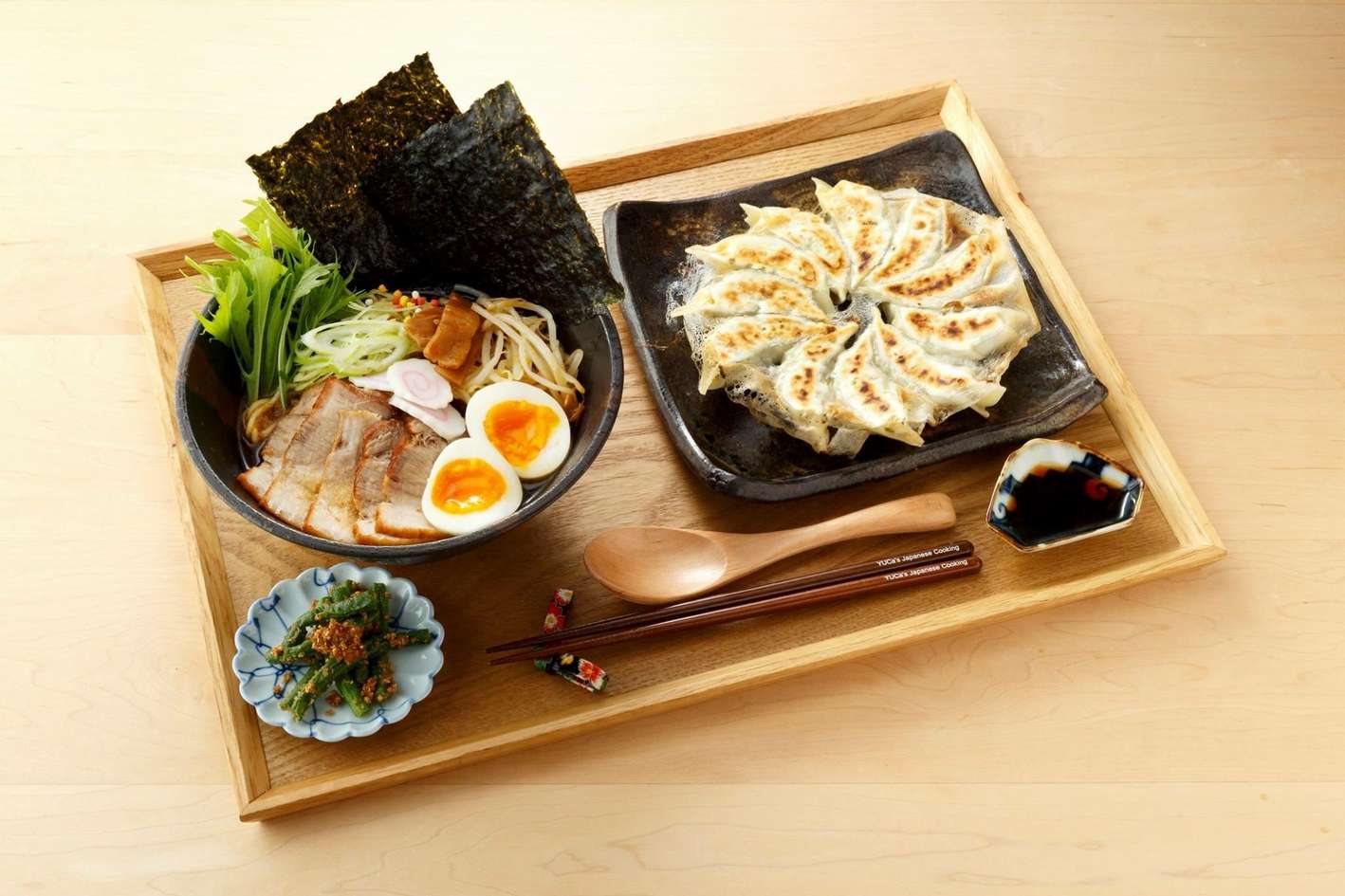
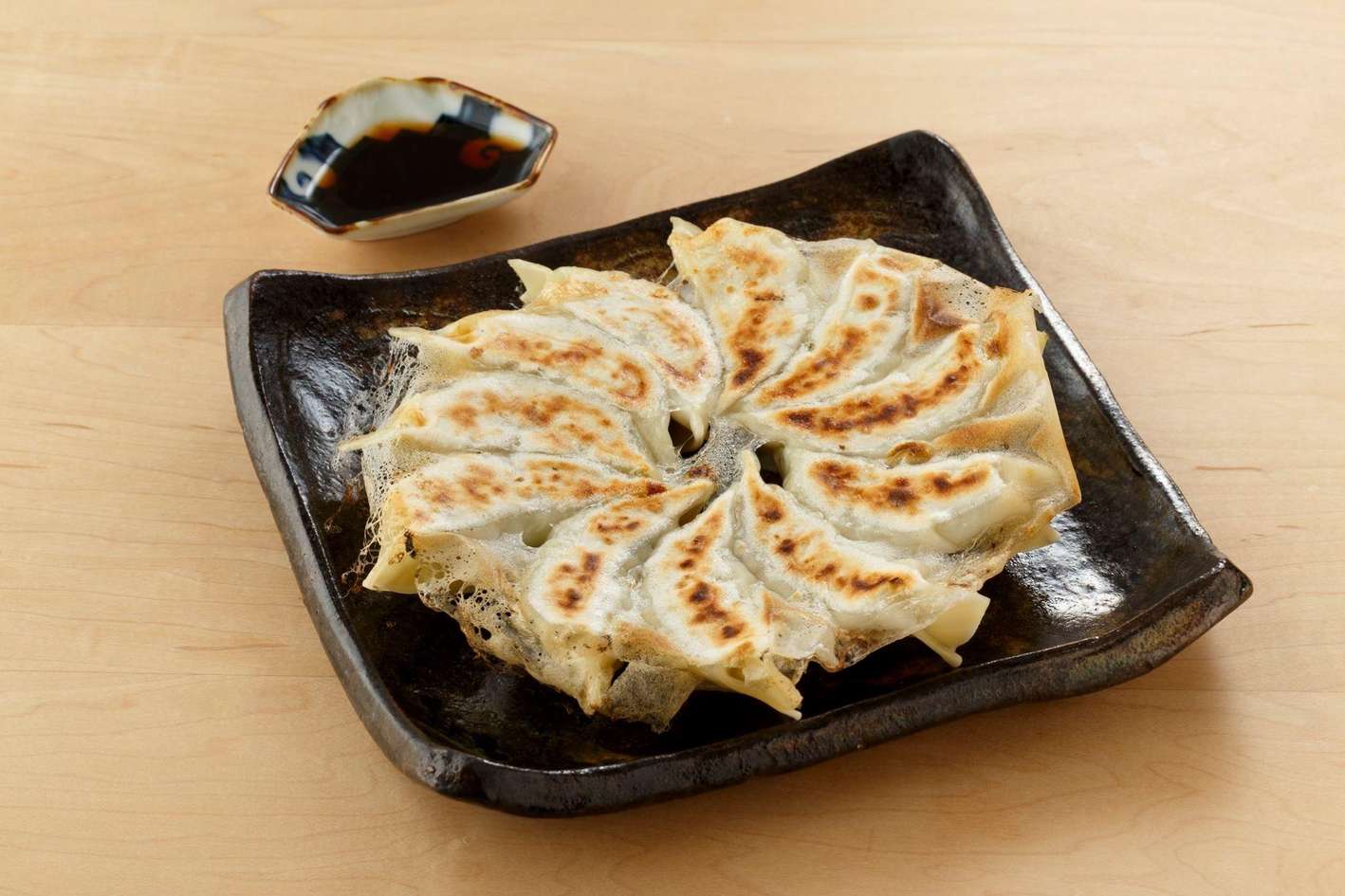
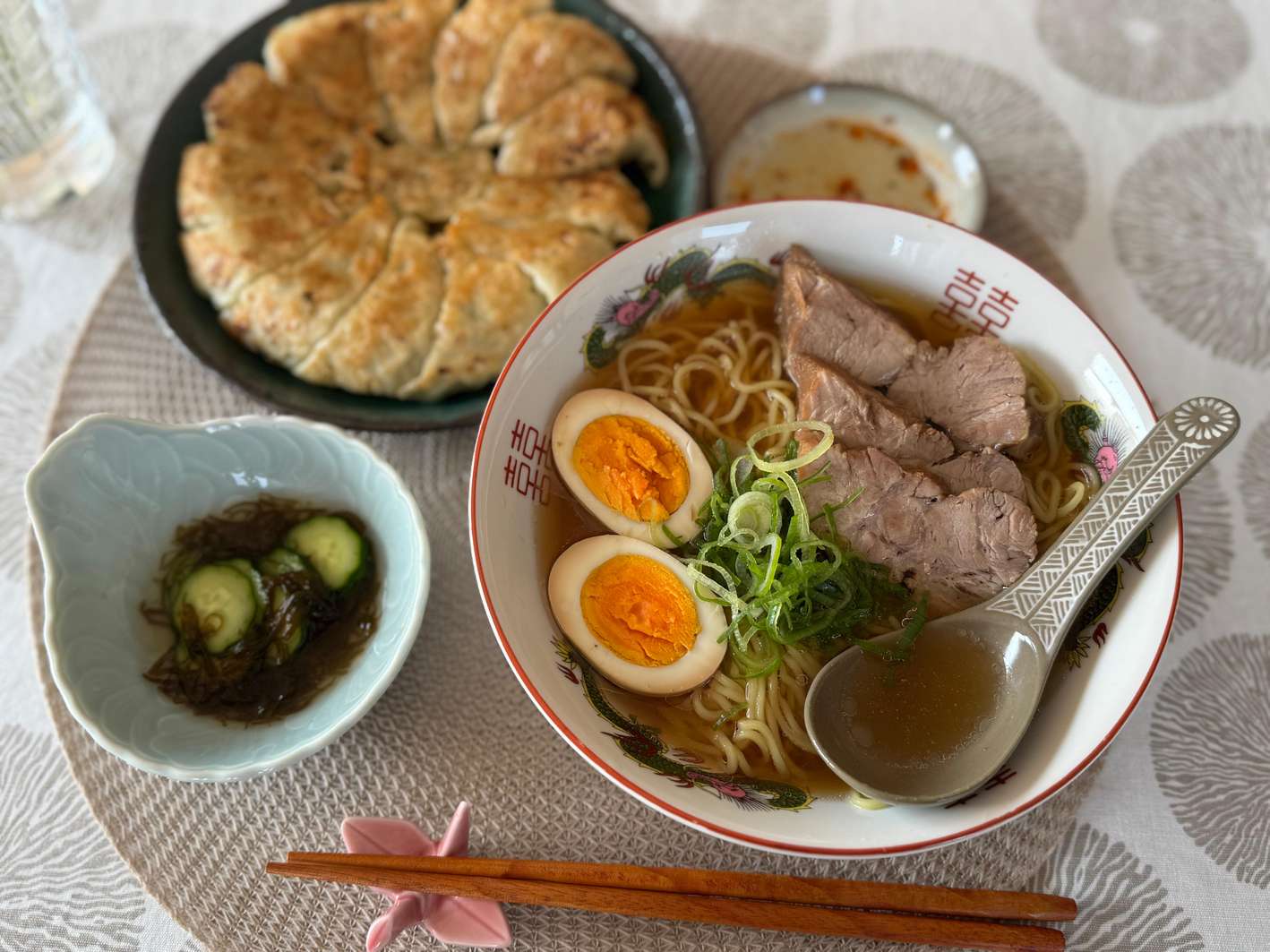
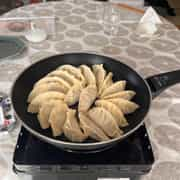
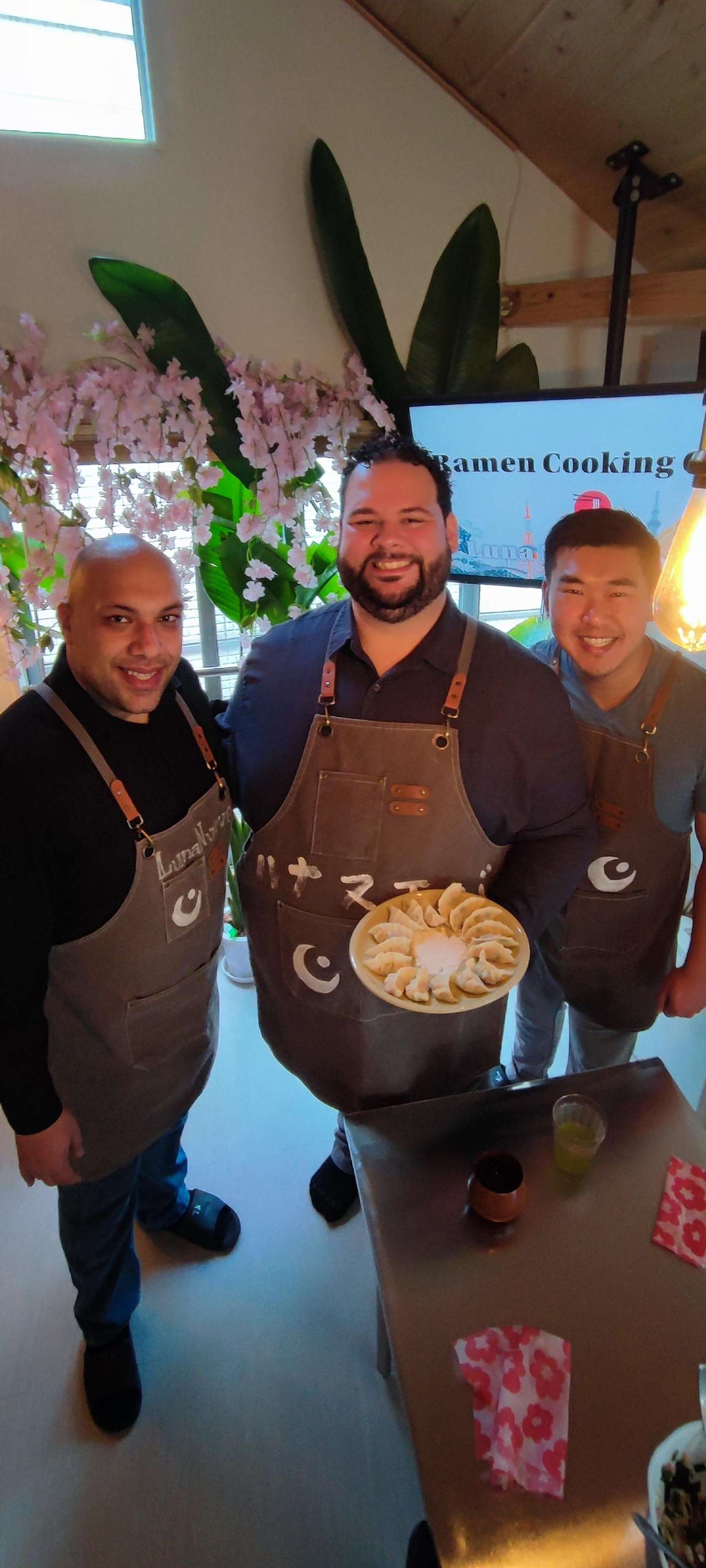
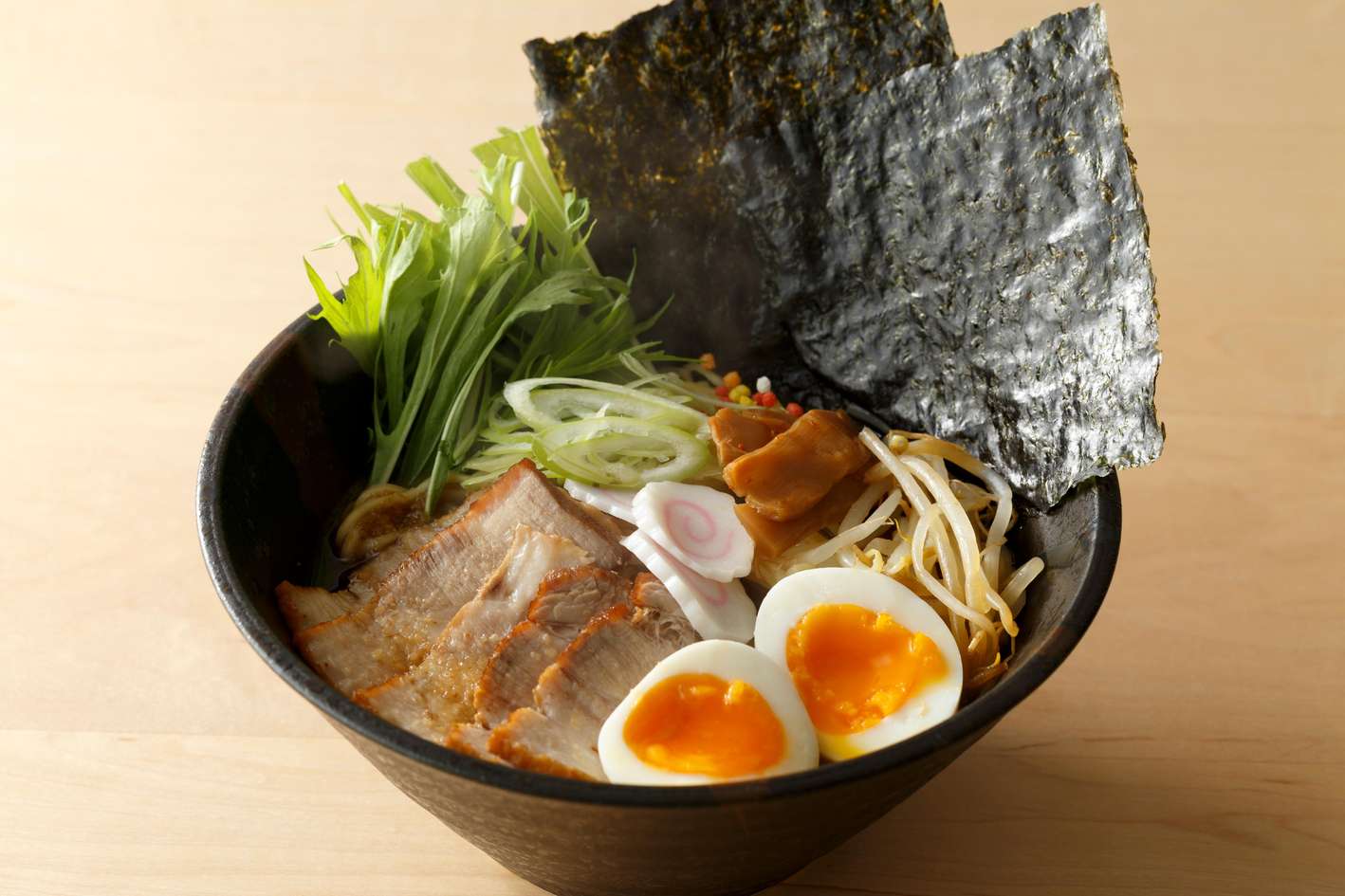
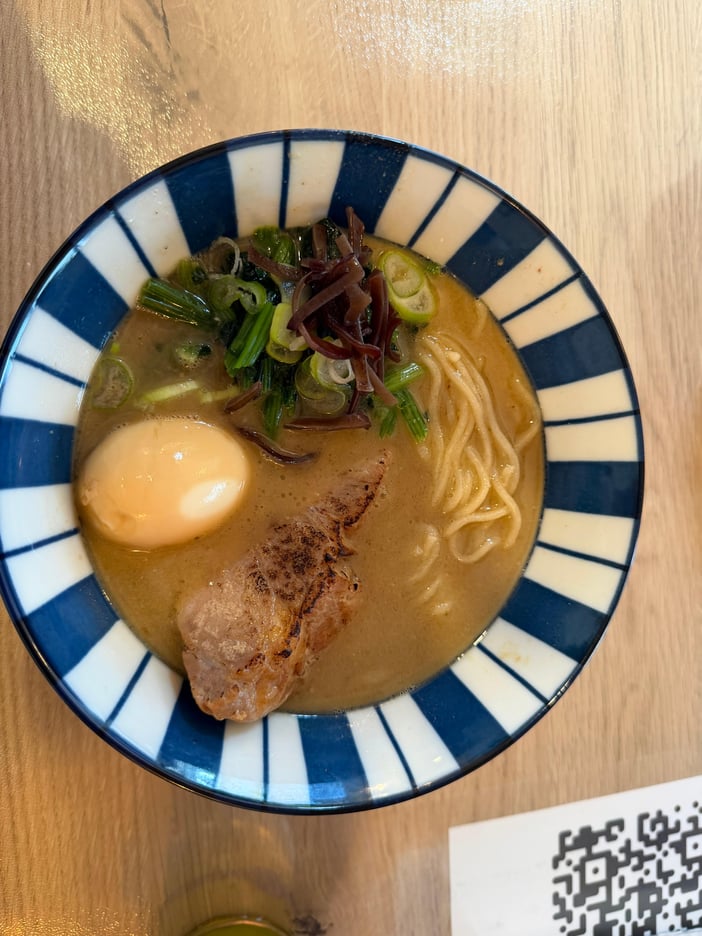
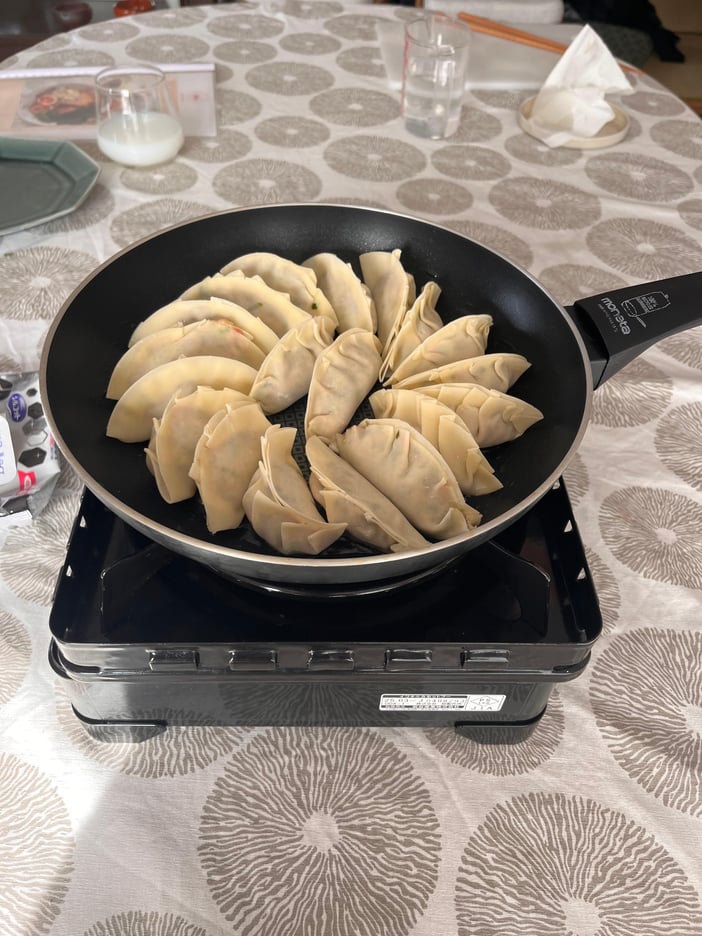
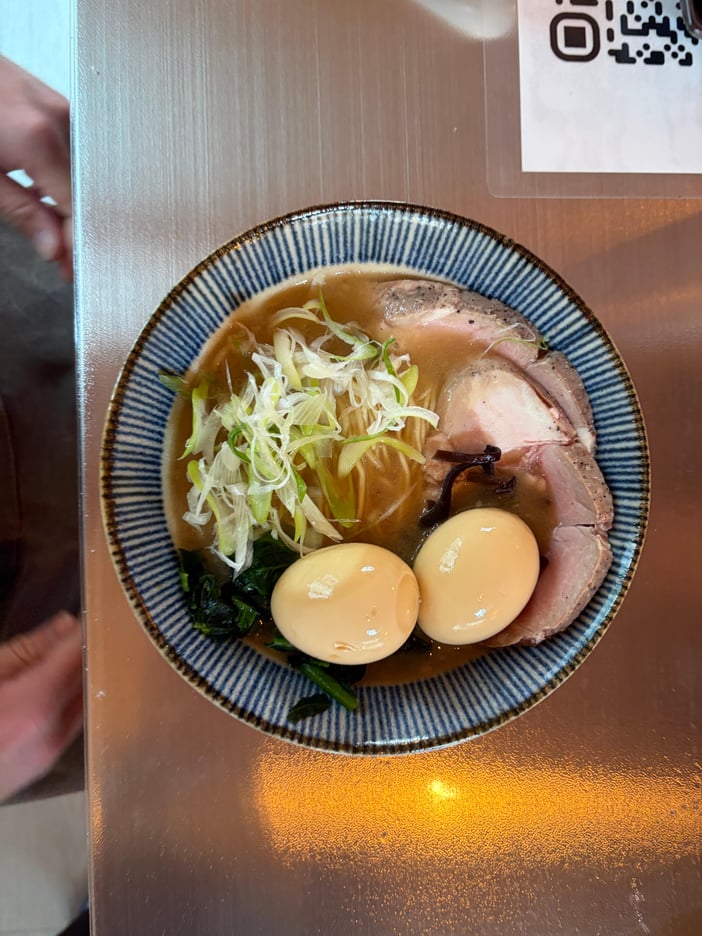
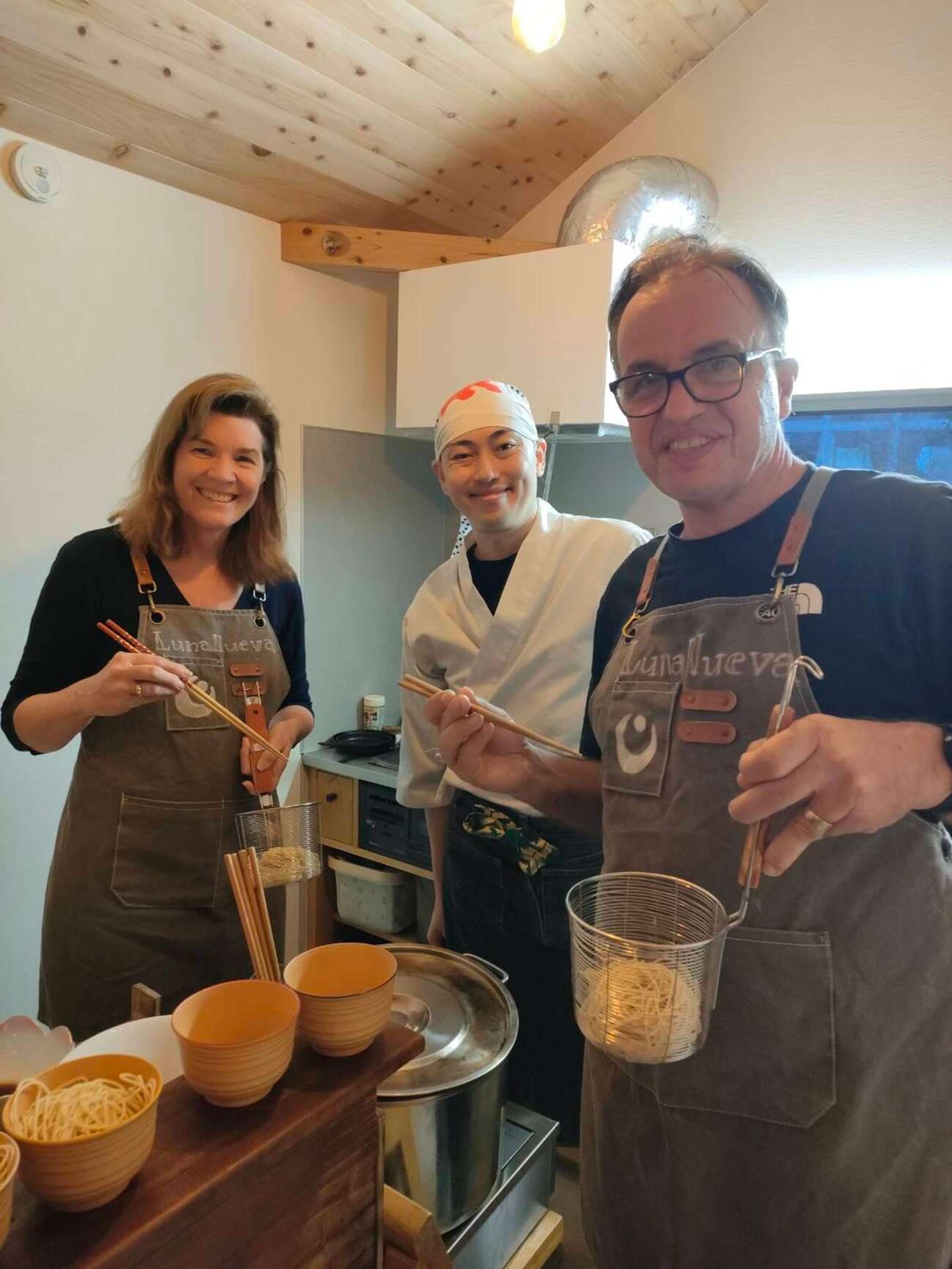
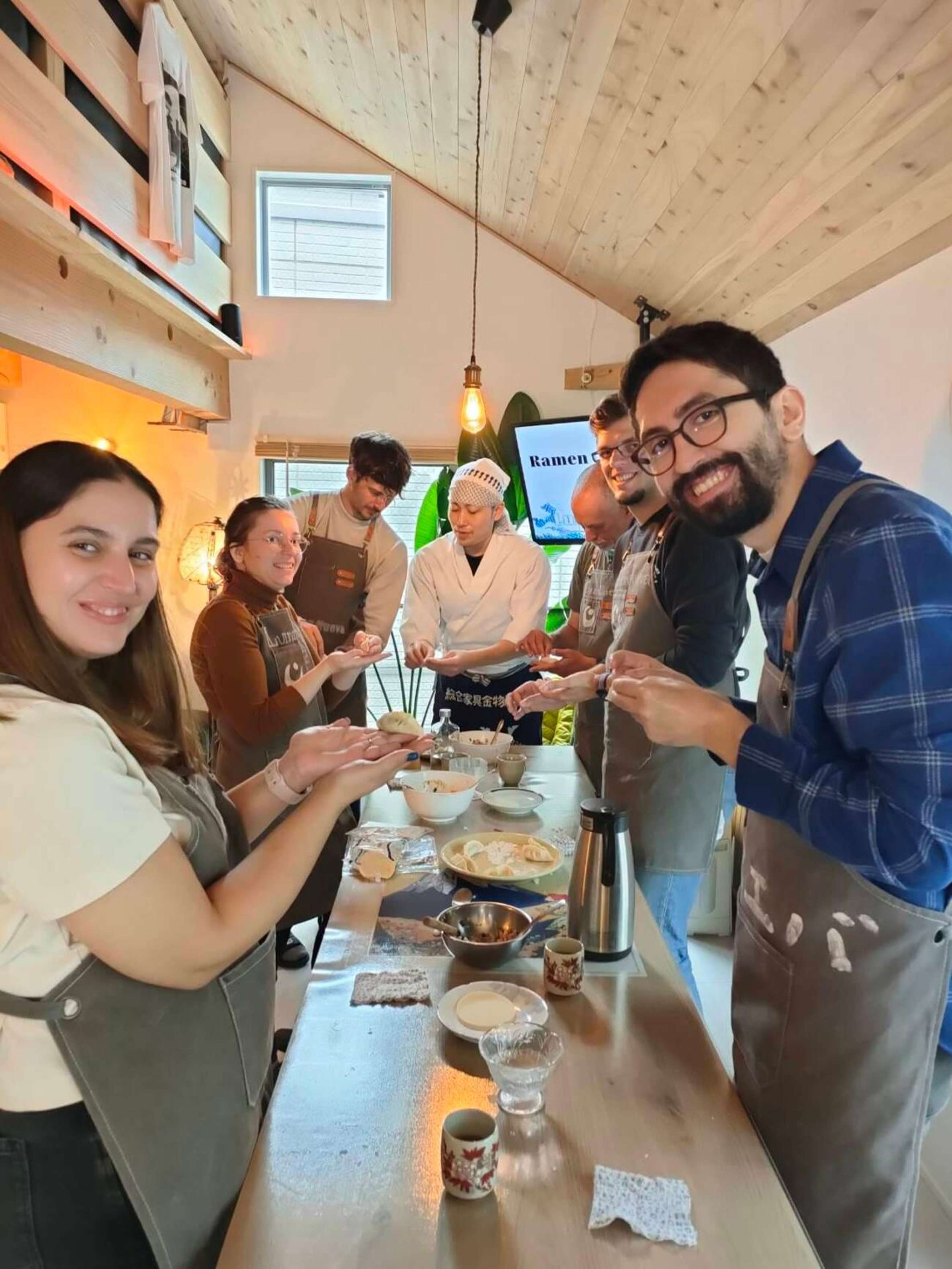
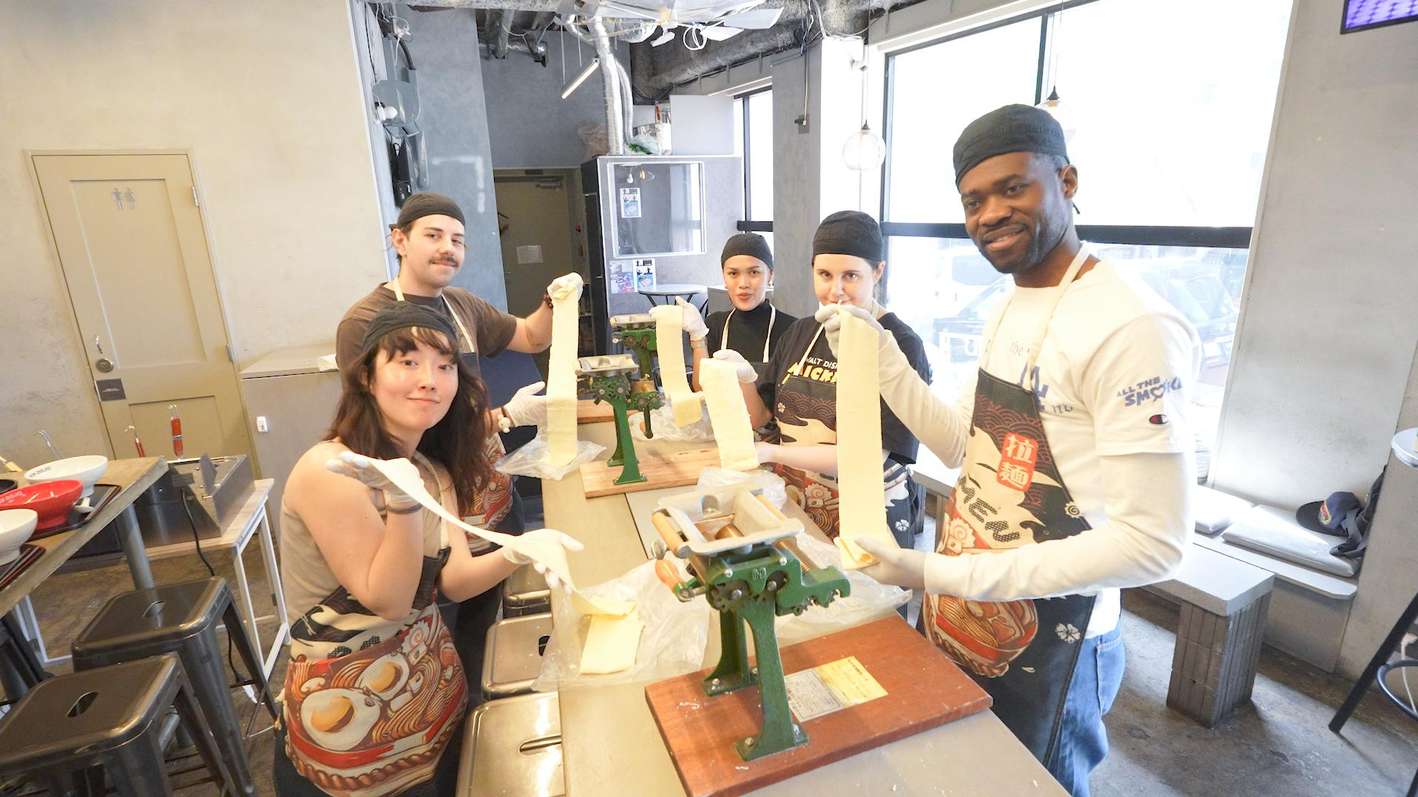
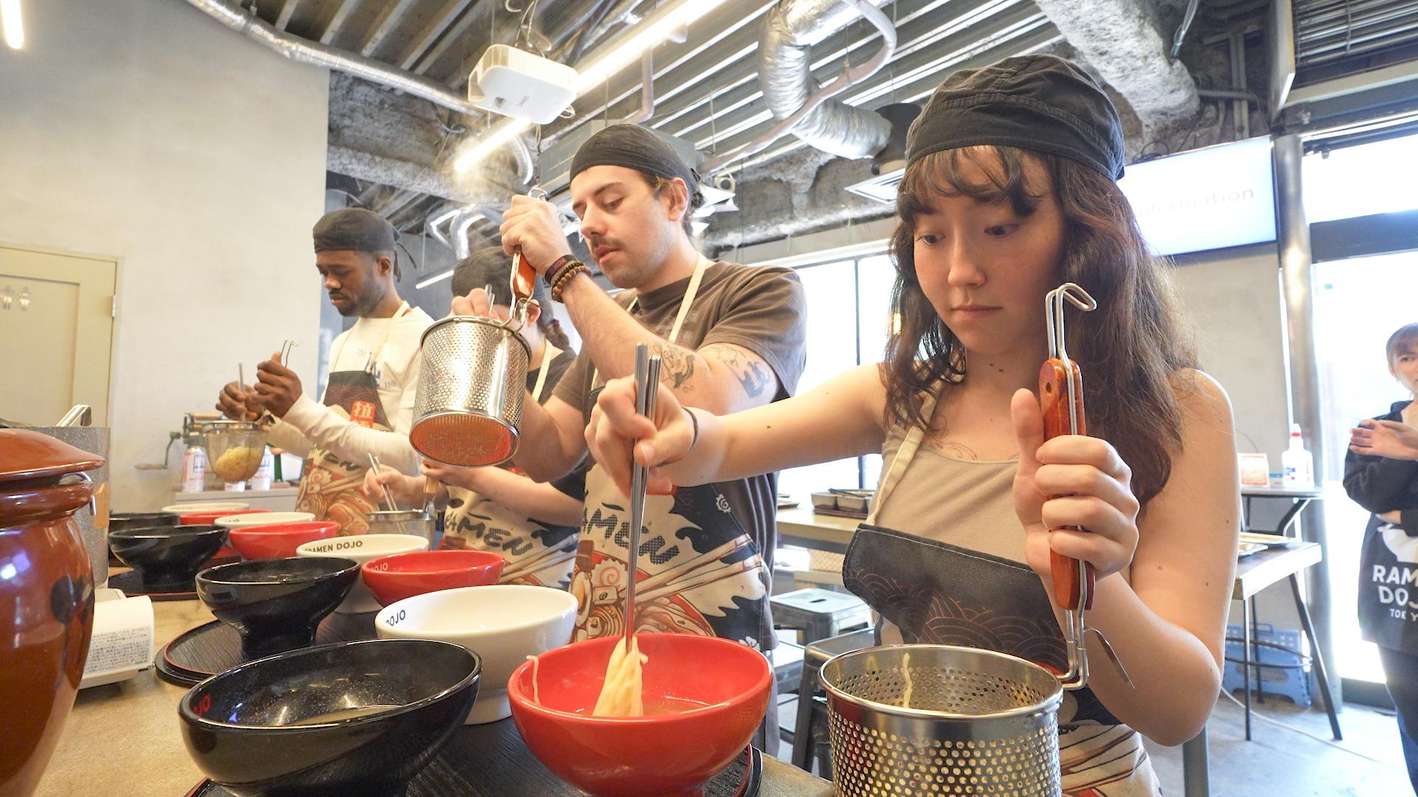
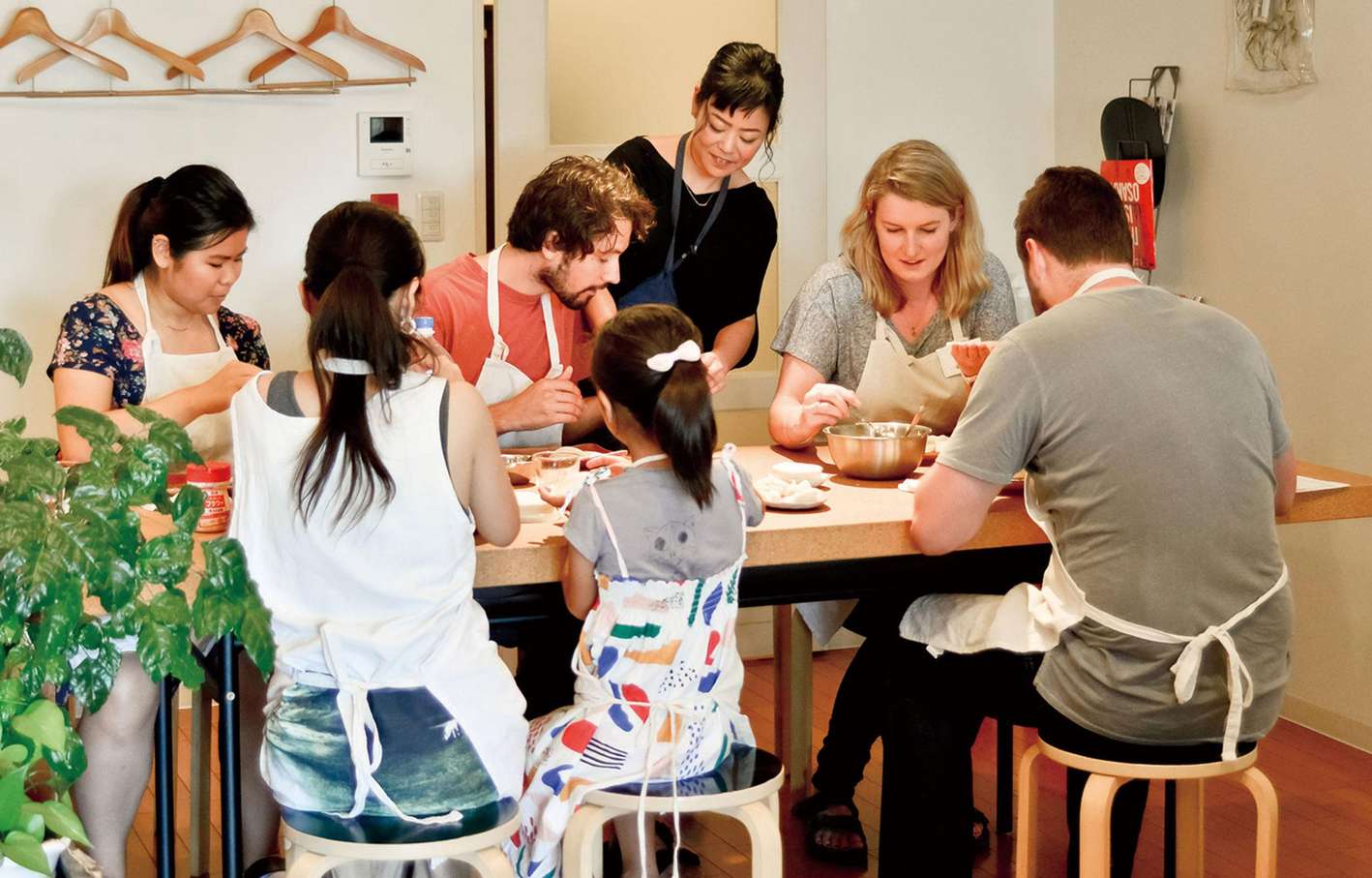
There you make home-style ramen and pan-fried gyoza filled with minced pork and vegetables, both by hand. A short lecture covers the basics of Japanese cuisine, table settings and dining etiquette, and you leave with simple recipes written in English, so you can recreate the meal in your own kitchen.
1Local supermarket tour· about 30 minYou browse a Tokyo supermarket with your instructor, learning to read and choose the Japanese ingredients behind ramen and gyoza.2Welcome to the home studio· about 10 minYour instructor brings you to a modern Tokyo home with a spacious kitchen studio, and you see how locals actually live and cook.3Lecture on Japanese cuisine· about 15 minA short session covers the basics of Japanese cuisine, table settings and dining etiquette, with all materials in English.4Hands-on ramen and gyoza· about 75 minYou cook a comforting home-style ramen and fill and pan-fry gyoza with minced pork and vegetables, guided step by step by a local chef and YouTuber.5Sit down and eat· about 20 minYou eat the two dishes you made, then leave with easy, simple recipes you can recreate at home.
Included
Japanese cooking classLocal supermarket tourVisit to a Tokyo modern style home and kitchen studioHands-on cooking experienceLecture on Japanese cuisine and table manners
Not included
Transportation to the locationAccommodationMeals outside of the cooking class
Gyoza cooking in tokyo - which class fits your day
Green marks the lowest price. Prices per person.
Tour
Price
Duration
Pickup
Languages
Best for
Our pick
Tokyo: Ramen & Gyoza Class with Local Supermarket Tour
4.9★ (9)
from $117per person
2.5 hours
no
English, Japanese
shoppers who want ingredients explained before cooking at a local supermarket
Most reviewers praise the hosts, whose clear English and patient, step-by-step guidance made the class easy to follow.
Best surprise
Many reviewers loved cooking in a real Tokyo home, where the welcome felt like joining a family meal.
Most common wish
Several reviewers wished for a smaller group, so everyone could try every cooking step themselves.
How to book a ramen and gyoza cooking class in Tokyo
01
Pick your date and check the season
Choose a date first, then check what the calendar has around it. Golden Week in late April and early May, Obon in mid-August and the New Year break fill up fast, and typhoon season peaks in August and September. Trains can stop in a storm, so a class on a calm-weather day travels easier.
RecommendedBook a morning session outside rush hour, roughly 7:30 to 9:30 am, so you arrive unhurried
02
Choose the option that matches the class
Each class lists its own options. The private home experience near Haneda splits into a breakfast, a bento and a ramen, gyoza and chashu menu, and only that last option is the two-dish class. The restaurant masterclass splits into a daytime three-and-a-half-hour session and a two-hour evening wagyu session, so pick the length and menu you want.
Common mistakeFirst-timers tap the cheapest option on a multi-menu listing and end up booked into a breakfast that has no ramen in it
03
Disclose allergies before you pay
Most of these hosts ask for dietary needs in advance, and some cannot act on a request made on the day. If you have a wheat, egg or soy allergy, write to the host through the booking platform before confirming. The vegetarian ramen option on the Nerima class also needs prior notice.
ImportantNoodle dough can contain egg even when no egg appears in the description, so name the ingredient rather than the dish
04
Pay, then read the confirmation
Payment goes through the marketplace, and the class cancels free up to 24 hours in advance on most of these listings. After paying, check the messages from your host for the exact address, because the classes sit in very different spots: a home studio in Nerima, a kitchen in Minami Aoyama, a private apartment near Haneda.
Pro tipThe free cancellation window means you can hold a slot while your other Tokyo plans settle, then release it if the day moves
05
Plan the journey and arrive early
Work backwards from the start time. Allow 30 extra minutes on Tokyo trains during weekday rush hours, or an hour with luggage or a transfer through a major station. Hosts ask you to arrive 10 to 15 minutes early, and a late start eats into cooking time.
Pro tipCheck the street address, not just the neighborhood name, the night before so you know which station exit and walking route you need
What to know before you book a gyoza cooking class in Tokyo
Can stop the dayGood to knowGood news
01
ChoosingWhat it is, who it suits, when to go
5
Included
The supermarket-visit class covers the most, with a lecture on Japanese cuisine and table manners. Expect: Travel to the venue stays on you.
a hands-on cooking class
a guided tour of a local supermarket
a visit to a Tokyo home and kitchen studio
recipes and materials in English
Group size
The private home class near Haneda caps the group at six people, which leaves room for questions and personal help. A lightly booked session can turn into a private lesson even if you booked a group class.
From scratch
Classes differ in what you actually make. The Nerima class works with soup the host has prepared beforehand, while the restaurant masterclass has you breaking bones for broth, rolling noodles and folding gyoza the way a ramen kitchen does. Read the menu before you choose.
Vegetarian
The Nerima class offers a vegetarian ramen but needs advance notice, with no same-day requests. The restaurant class can cater to vegetarian, gluten-free and pork-free diets when you tell them ahead. Broth can contain fish even when no meat is visible, so name your exclusions.
Drinks
The private home class pours sake, beer, wine, Japanese tea and soft drinks throughout the session, all part of the class. Elsewhere, drinks usually cost extra, so come thirsty or order on site.
02
BookingHow far ahead, and what happens if plans change
2
AllergiesCan stop the day
Tell your host about any allergy or restriction when you book. Ramen noodles can contain egg even with the egg topping left off, and broth can hide fish ingredients. Hosts can only work with what they know in advance.
Cancellation
Plans change on a trip, and these classes are forgiving about it. You can cancel up to 24 hours in advance for a full refund, so booking early costs you little.
03
Before you goPapers, health, what to bring
4
Children
Families cook together here, with age limits that vary by class. The restaurant experience is unsuitable for children under 8, while the Shinjuku alternative sets its floor at 4. Where hot soup and knives are involved, adults stay close and handle the risky steps.
What to wear
Wear comfortable clothes that can take a splash of flour or soup, with closed-toe shoes rather than sandals near boiling water. Tie back long hair and leave dangling jewelry at your accommodation.
Kids
Families cook well here. Children as young as four join with age-appropriate tasks and patient guidance, and teenagers stay engaged because the work is genuinely hands-on. Steps with hot water, knives or heavy tools stay with adults.
What to wear
Wear closed-toe shoes and clothes that can take a splash of flour or soup, with sleeves you can roll up. Aprons are usually provided, and long hair is best tied back.
04
On the dayWhere to be, when, and how you get there
1
Meeting
The supermarket class takes place in a modern Tokyo home with a kitchen studio. The Nerima indoor class asks you to arrive at least 10 minutes early and starts promptly, so a late arrival cuts into your cooking time. Check the exact address before you set out.
Gyoza cooking in Tokyo - ramen and dumplings in one class
A Tokyo class that teaches both ramen and gyoza can mean wrapping the dumplings yourself or simply eating them alongside. Some classes deliver the two-dish day you pictured; others stop at the ramen bowl.
Tokyo
If you only remember three things
1
Book the 2.5-hour supermarket-visit class if shopping with your chef appeals; 2.5 hours is not enough to make every ramen component from scratch.
2
Reach the studio 10 to 15 minutes before class, with 30 extra minutes on weekday trains; doors open only 15 minutes ahead.
3
Disclose allergies when you book, because ramen noodles can contain egg even without the egg topping.
Why gyoza cooking in Tokyo pairs with ramen
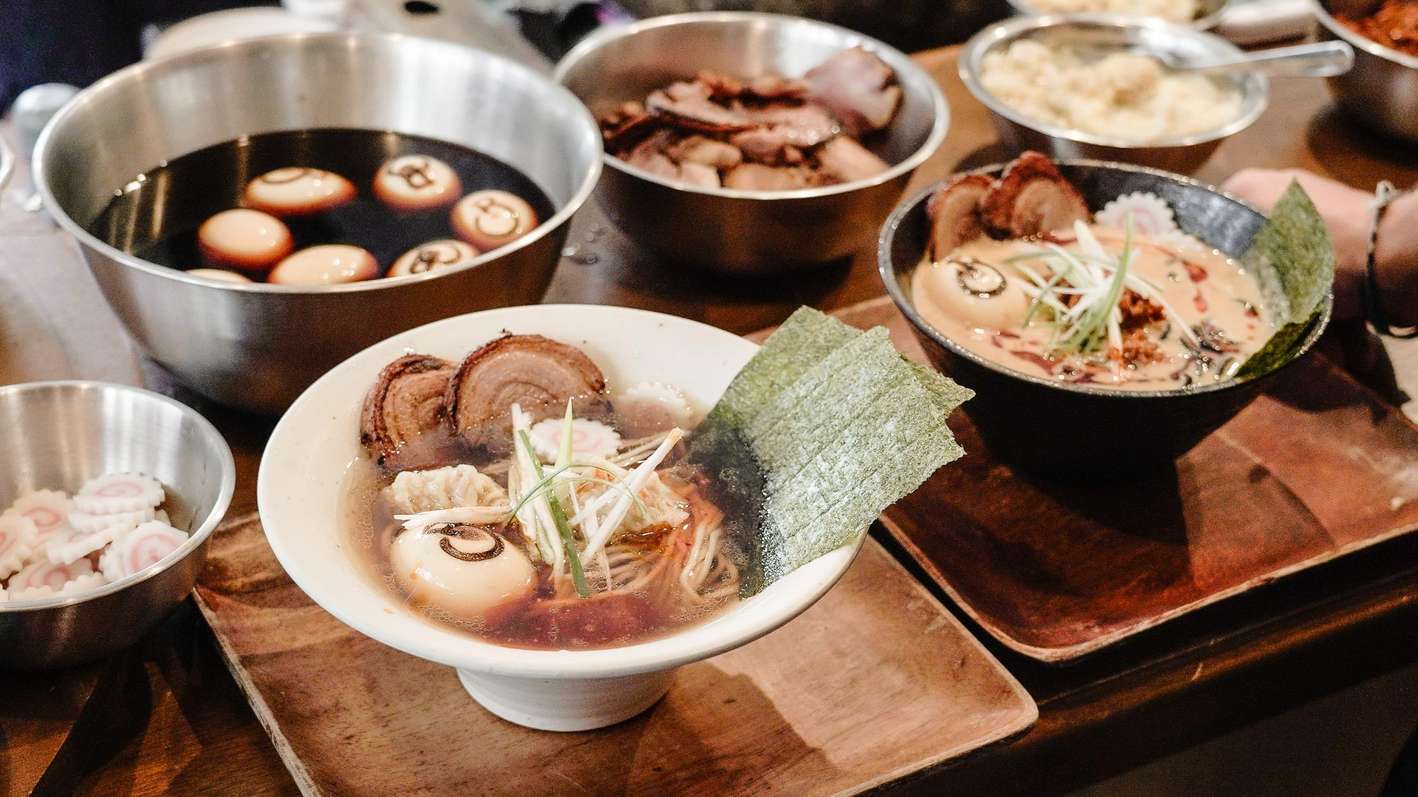
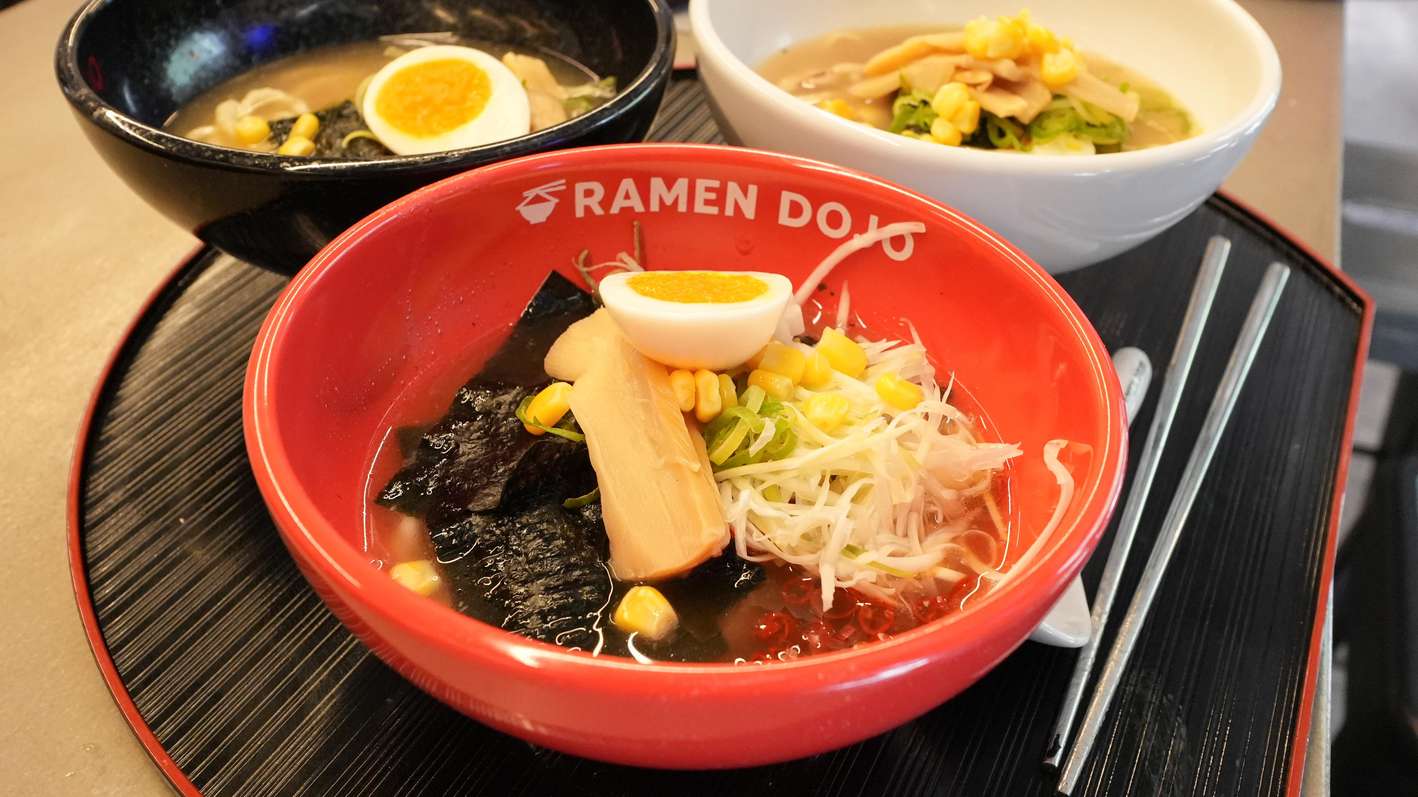
The meal you are picturing sits on almost every Tokyo counter: a bowl of noodles in broth and a small plate of pan-fried dumplings beside it. Some classes serve exactly that, two small bowls of ramen with two fried gyoza, others hand you five dumplings you folded yourself.
The pairing is worth seeking out because each dish teaches something the other cannot. Ramen is broth, noodles and assembly; gyoza is filling, folding and pan control.
The menu rarely tells you which kind you booked; the class details do. Look for the words wrapping, folding or making the gyoza. A class that teaches restaurant-style gyoza alongside its noodles is a genuine double lesson. One that lists gyoza as a side may simply plate it.
Here is the field you are choosing from, laid out by kitchen, gyoza and length.
Ramen and gyoza classes in Tokyo side by side
Supermarket-tour class
Private home class
Restaurant kitchen
Where you cook
Modern home kitchen studio after a supermarket visit
Local home near Haneda, six people at most
Working restaurant kitchen in Minami Aoyama
Gyoza
Hands-on, cooked with your ramen
Hands-on, with chashu too
Restaurant way, taught by ramen chefs
Supermarket visit
Included
No
No
Length
2.5 hours
3 hours
2 to 3.5 hours
Best for
First-timers who want the shopping too
Small groups and families
Cooks who want the full process
Supermarket-tour class
Where you cook
Modern home kitchen studio after a supermarket visit
Gyoza
Hands-on, cooked with your ramen
Supermarket visit
Included
Length
2.5 hours
Best for
First-timers who want the shopping too
Private home class
Where you cook
Local home near Haneda, six people at most
Gyoza
Hands-on, with chashu too
Supermarket visit
No
Length
3 hours
Best for
Small groups and families
Restaurant kitchen
Where you cook
Working restaurant kitchen in Minami Aoyama
Gyoza
Restaurant way, taught by ramen chefs
Supermarket visit
No
Length
2 to 3.5 hours
Best for
Cooks who want the full process
Whichever column you land in, the thing to confirm before paying is the same: that filling and wrapping the dumplings sits inside the class itself.
Tour for this
Tokyo: Ramen & Gyoza Class with Local Supermarket Tour4.9★ (9) · 2.5 hours · Free cancellation
The Tokyo: Ramen & Gyoza Class with Local Supermarket Tour opens not in a kitchen but in an aisle.
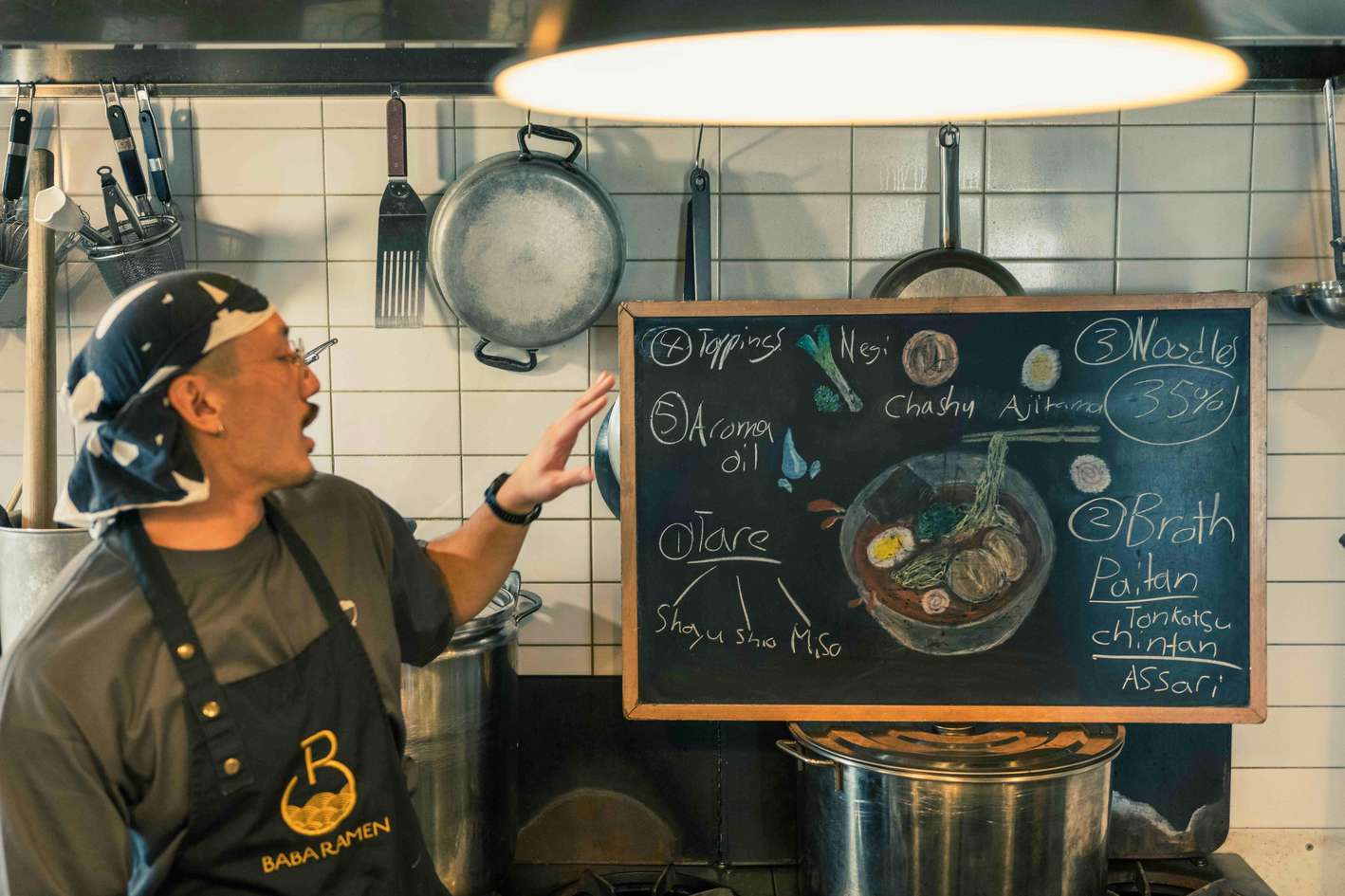
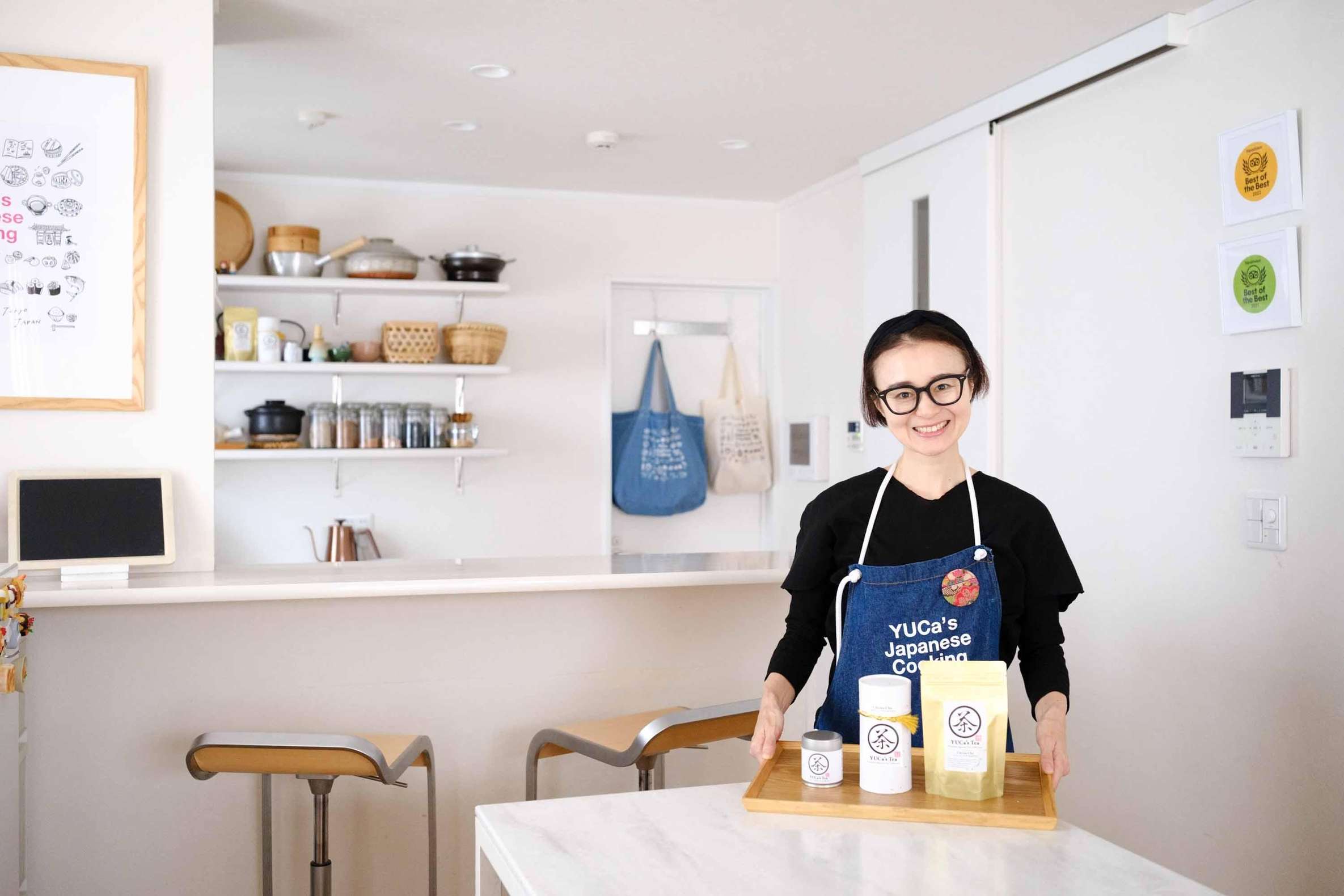
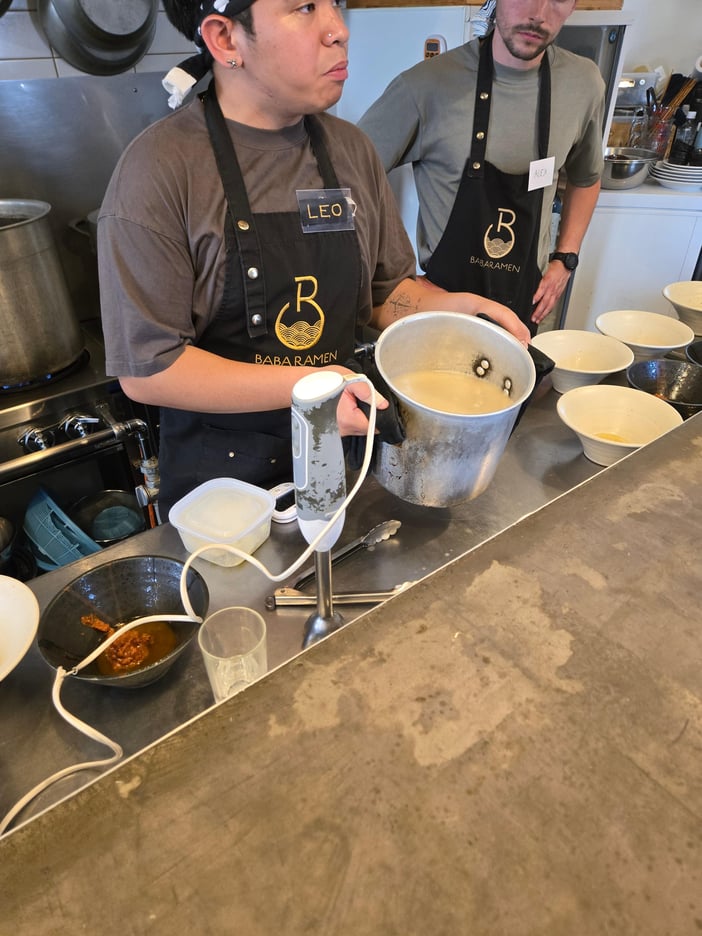
Your instructor, a local chef, walks you through a neighborhood supermarket and decodes the shelves that English labels flatten: which soy sauce for what, which wrapper, which broth base. The shopping stop is the part travelers say they could never have worked out alone.
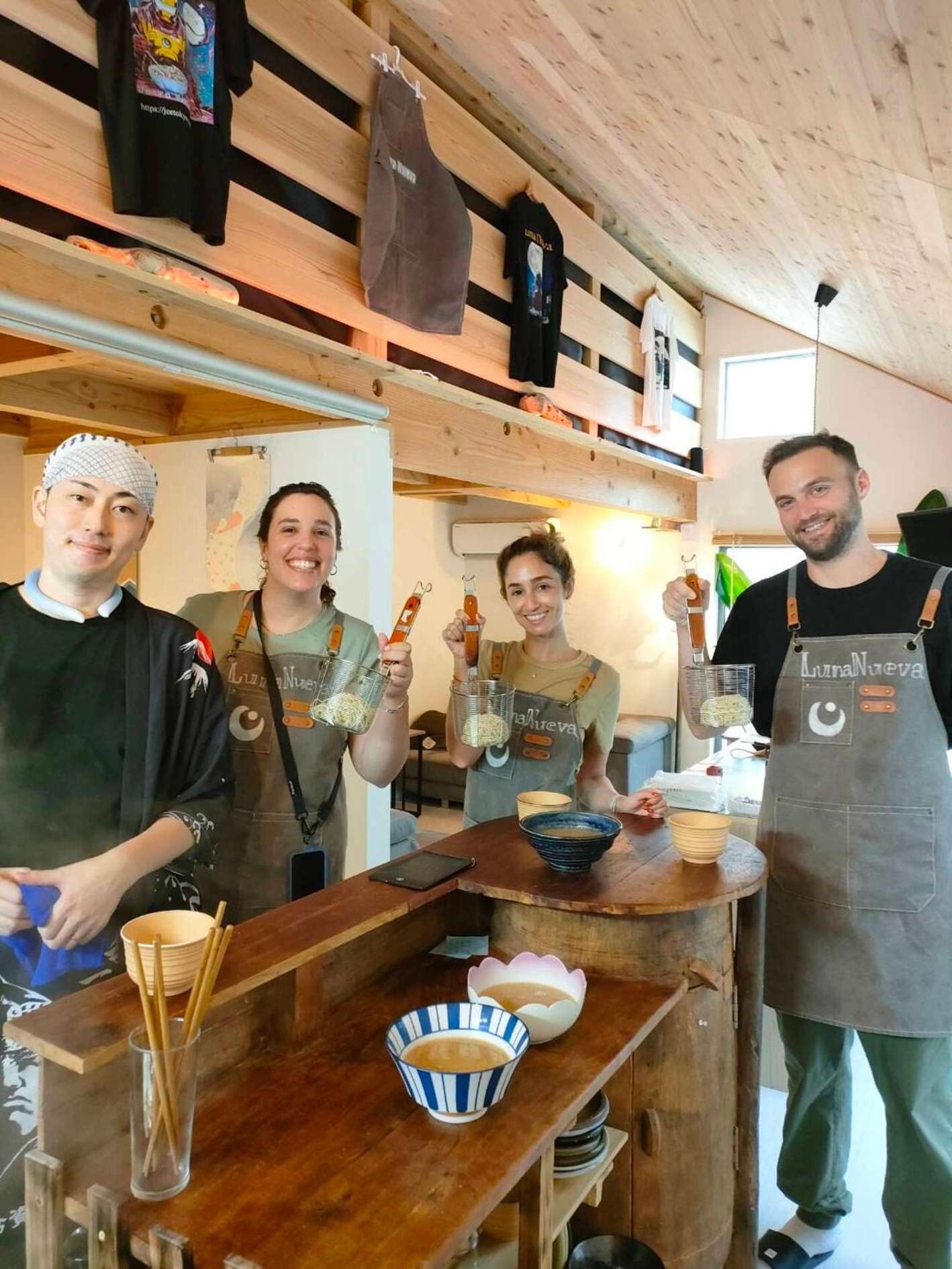
Back at a modern Tokyo home with a kitchen studio, a short lecture covers Japanese cuisine and table manners before the hands-on work.
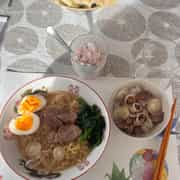
You make a home-style ramen and pan-fry the gyoza, then sit down to eat both. All recipes and materials come in English, and everything you learn is designed to be recreated at home.
One honest note: a 2.5-hour class cannot make every component from start to finish. Most short Tokyo workshops share that limit, so judge a class by what it actually teaches.
The afternoon runs in a clear sequence, and it helps to know where the clock goes.
The arc of the class
1
Meeting point
Your chef greets the group before class
All recipes and materials are provided in English
2
Supermarket
You shop for ramen and gyoza ingredients together
English labels rarely explain the differences between broths and sauces
3
Kitchen studio
A short lecture on Japanese cuisine and table manners
Then hands-on cooking begins
4
Sitting down
You eat the ramen and gyoza you made
Come hungry; the meal can replace lunch or dinner
Two and a half hours buys you a real meal and a working knowledge of the ingredients. Save the from-scratch-everything ambitions for a longer kitchen.
Tour for this
Tokyo Private Cooking Class: Ramen & Gyoza, Japan Home Exp5.0★ (6) · 3 hours · Free cancellation
Home kitchen or restaurant counter for gyoza cooking in Tokyo
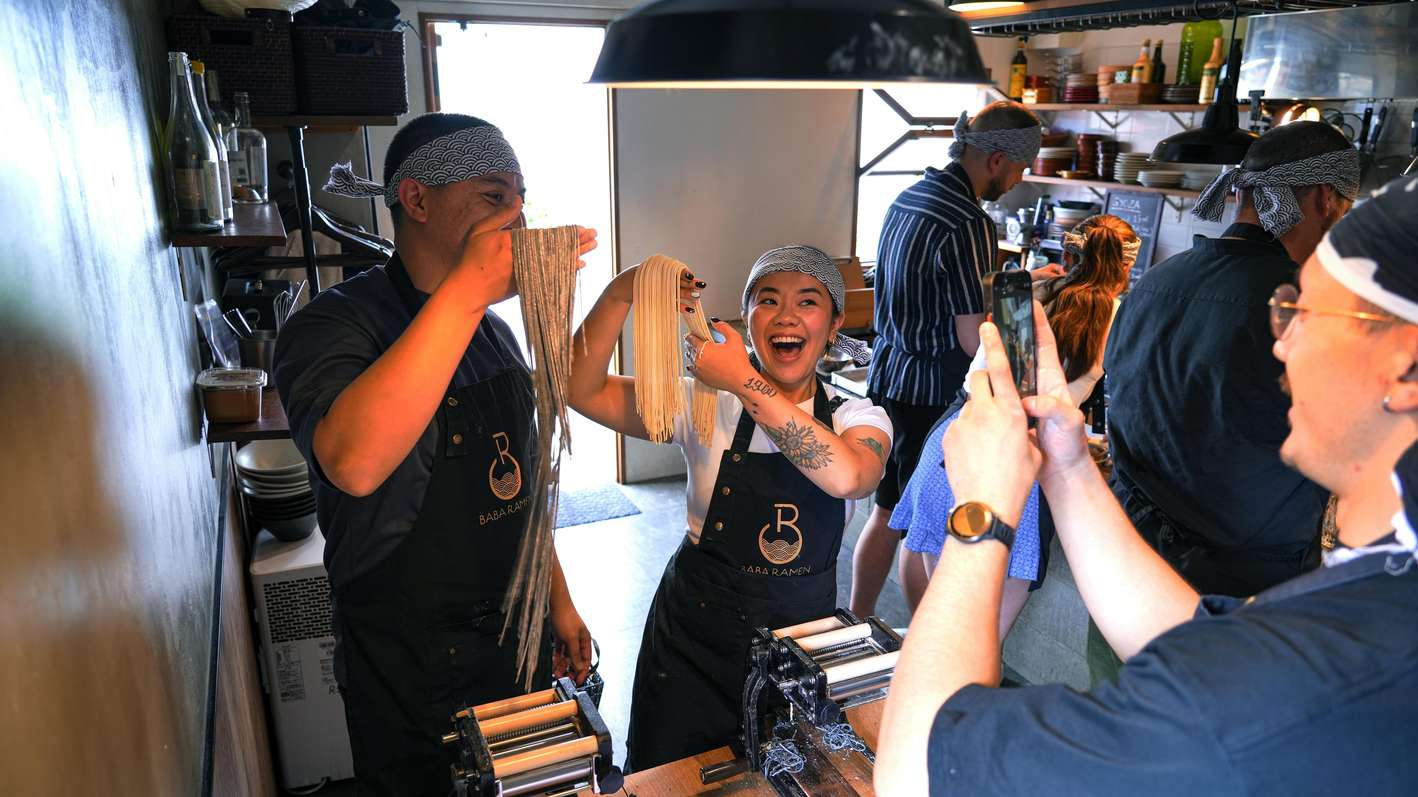
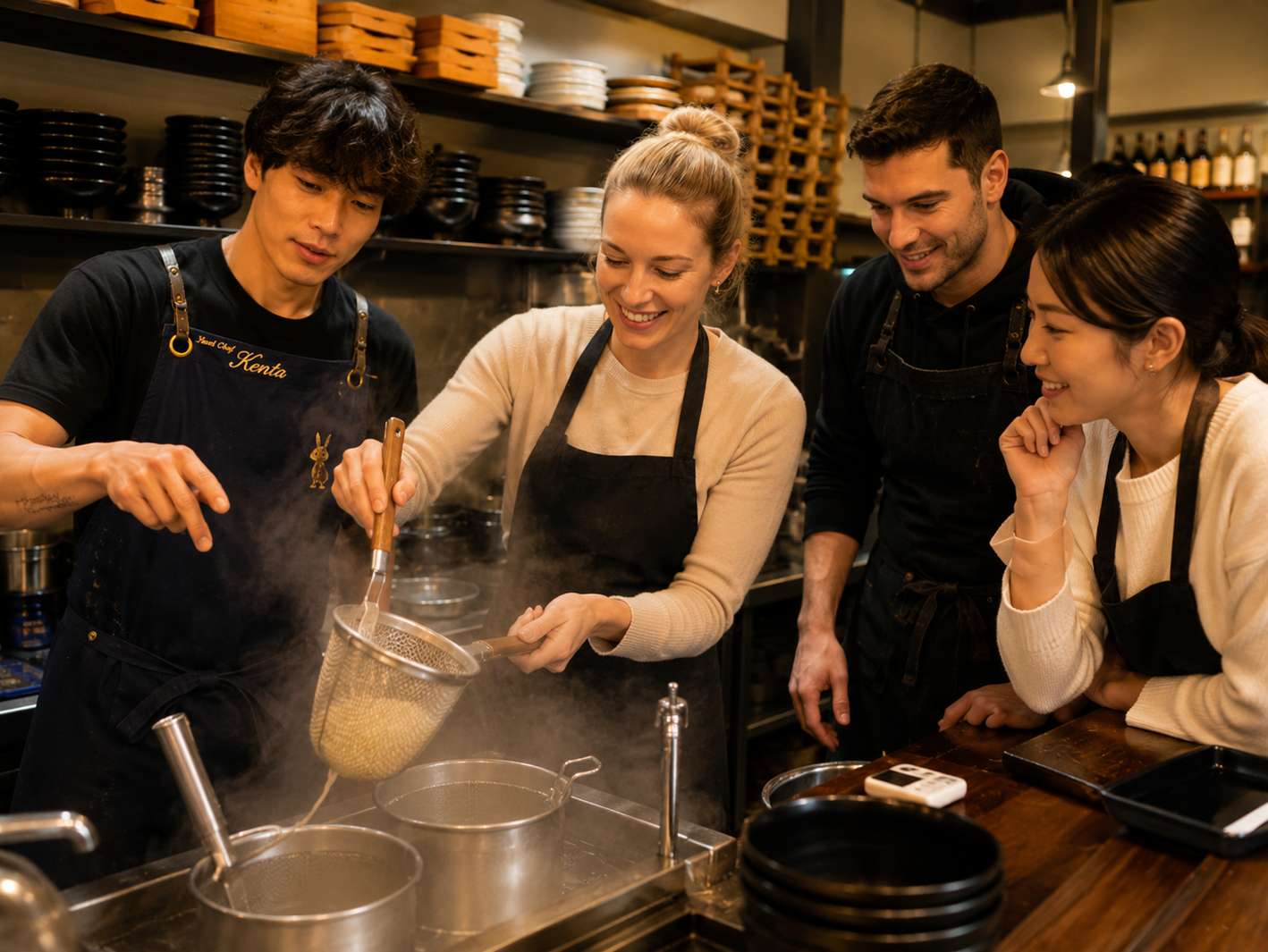
Setting decides the lesson as much as the menu does. The Become a Ramen Chef for a Day: Tokyo Restaurant Experience runs in a real Minami Aoyama restaurant kitchen: you smash bones for both clear and white broths, make noodles from scratch, fold gyoza the restaurant way, build toppings and work the line.
It finishes with a professional 52-page ramen recipe e-book. This is the class for someone who wants the whole process, bones included.
The private home class near Haneda feels like visiting a Japanese mom's kitchen: small group, seasonal side dishes, ramen or udon and gyoza with chashu, all-you-can-drink sake, beer, wine, tea and soft drinks. The indoor ramen and dumpling class in Nerima keeps everything family-friendly, though its soup arrives pre-prepared by the host.
A rule of thumb regulars use: check what you will actually make before you book. Some classes demo a commercial noodle machine you will never own; others teach hand skills and recipes that follow you home.
Four checks separate a lesson that lasts from a pleasant lunch, and the restaurant-style class scores well on all of them.
How to choose a ramen and gyoza cooking class in Tokyo
Check
Why it matters
Our pick
Noodles by hand or machine demo
A machine teaches little you can repeat at home
Noodles made from scratch, bones broken for broth
Gyoza hands-on
Hands-on filling and wrapping teaches a skill you keep
Restaurant way, taught by ramen chefs
Recipes to take home
The lesson should survive the holiday
52-page professional recipe e-book included
Language support
You need to ask questions comfortably
Conducted in English, staff also speak Japanese
Time you can give
Classes run 1 to 3.5 hours
Choose a 2-hour evening or 3.5-hour daytime masterclass
If two or more of those checks matter to you, the restaurant kitchen earns its longer slot in the day.
Tour for this
Become a Ramen Chef for a Day: Tokyo Restaurant Experience4.7★ (51) · 2 - 3.5 hours · Free cancellation
The calendar matters more in Tokyo than most visitors expect. Three domestic travel peaks pack the trains: Golden Week in late April and early May, Obon around mid-August, and New Year from late December into early January, when several businesses close for days.
In 2026, watch April 29 and May 3 to 6, and roughly August 13 to 16. Class seats and train seats both tighten in those windows, so book earlier than feels necessary.
Weather shapes the day too. July and August push daytime highs to about 32 to 33 degrees, the worst months for any walking before or after class, and early June to mid-July turns wet and humid.
Typhoon season runs July to October and peaks in August and September; strong winds suspend trains, and disruption can linger while tracks are checked. Even an indoor class depends on a train that runs, so keep a weather eye on the forecast and build slack into the day.
Three train routes to Shibuya need no transfers at all: the JR Yamanote Line from Shinjuku takes about 7 minutes, the Ginza Line from Ginza about 16, and from Asakusa about 33.
On weekdays, cross-city travel gets harder around 7:30 to 9:30 am and 5:30 to 7:30 pm, when commuter trains run packed. Allow at least 30 extra minutes at rush hour, and 60 if your route has transfers, luggage or a pass through a major station.
The last stretch is the part people get wrong. The Shibuya class's studio sits in Ohashi, Meguro, a 3 to 5-minute walk from Ikejiri-ohashi Station. Shibuya Station itself sits in a different part of the district, so aim your map at the street address.
The studio occupies the first floor of a craft beer bar, and a recent traveler reported struggling to find it, so check the building details the night before.
Timing has one fixed rule: doors open only 15 minutes before class. Aim to arrive 10 to 15 minutes early, neither late nor hanging around.
The ways of getting there differ a lot in how much slack they need.
How hard each way of getting there is
Direct train from ShinjukuJR Yamanote Line, about 7 minutes, no transfers
Easy
Direct train from Ginza or AsakusaGinza Line, 16 or 33 minutes
Easy
Cross-city at rush hourAdd 30 to 60 minutes, more with luggage or big stations
Difficult
The final walk3 to 5 minutes from Ikejiri-ohashi to a first-floor studio that is easy to miss
Moderate
A direct line plus a daylight walk makes the journey almost effortless; a rush-hour cross-city run with a suitcase is the version to plan around.
Dress the way a cook dresses. Boiling broth, hot frying pans and flour do not negotiate with fashion. Closed-toe, slip-resistant shoes come first, because hot liquid around open sandals ends badly. Fitted clothing matters next: loose, baggy sleeves hover over pans and catch on handles, so roll your sleeves up before you start.
Long hair goes up, and if an apron goes on, tie its strings securely before cooking. Most classes provide aprons, which keeps your own clothes mostly out of the splash zone. Comfortable casual clothes still earn their keep, because a stray spoonful of soup or cloud of flour happens to almost everyone.
Run this list the night before and the morning holds no surprises.
What to wear for ramen and gyoza cooking
Closed-toe, slip-resistant shoesChoose enclosed footwear with good traction for working in the kitchen.
Fitted clothing and secure sleevesAvoid loose clothing and long, baggy sleeves around the cooking area.
Hair tie for long hairTie long hair up before starting hands-on preparation.
Apron with securely tied stringsIf you wear an apron, secure its strings before cooking.
Sandals and heels are the two things to leave at the hotel, and everything else on the list fits in a pocket.
Shared kitchens cook shared food, and that limits what a class can promise. The Shibuya class is unsuitable for anyone with a severe wheat, egg or soy allergy, or a severe sensitivity to airborne flour.
One class excludes outright; another requires disclosure. The private home-experience class asks for food allergies to be declared in advance and cannot take responsibility for problems that were not disclosed beforehand.
The hidden-ingredient rule catches people who think they have cleared it. Ramen noodles can contain egg even when the egg topping sits untouched on the side, so removing the topping does not make the bowl safe.
For coeliac disease, the questions go deeper: soy sauce and cross-contamination need investigating, and an allergen card alone does not settle whether a class kitchen can safely cook for you.
Disclose everything when you book, in writing, before you travel.
One fact settles the booking for some readers on its own.
Allergy limits in shared class kitchens
Severe wheat, egg or soy allergy, or airborne flour sensitivity, rules out the Shibuya class Choose a different venue and disclose every allergy in advance; the private home class requires disclosure before booking
For anyone on that list, the choice of venue comes first and the menu comes second.
Plans slip in Tokyo, mostly through trains and weather. Typhoon winds in late August and September can suspend the network, and service sometimes stays disrupted after the wind drops while tracks are checked. An indoor class still needs a train that runs, so leave generous room around a fixed start time.
The refund window is generous: free cancellation up to 24 hours in advance for a full refund. Use it early if the forecast turns, and the booking costs you nothing.
One more expectation to set: the food does not travel. Some Tokyo classes permit no takeaway or leftovers for food-safety reasons, so the meal you make is the meal you eat, on the spot, that day. Come hungry and plan nothing else that needs your hands for the following hour.
When things do go sideways, here is what each bump actually costs you.
If the day goes wrong
If this happens
What happens then
The class is canceled for unsafe weather
Cancel or rebook; free cancellation up to 24 hours in advance for a full refund
A typhoon suspends the trains
Build slack into the day; disruption can continue after the wind subsides
You arrive late
Class time is lost, and late arrival can cut your cooking time short
You want to save some for later
Not possible where food-safety rules ban takeaway; eat what you make on the spot
Nothing on that list ruins the day outright, provided you book with slack and eat while the bowls are hot.
Families do this well, and younger children do more than watch. Some classes give children as young as four age-appropriate tasks with patient, step-by-step guidance, and a shared meal after cooking keeps teenagers engaged as well as anyone. Gyoza folding suits small hands; assembling a bowl does too.
The line sits where heat and blades begin. Children working alone at the Tokyo noodle-making experience must be able to knead dough and handle a large, heavy knife by themselves.
In other classes, an adult supervises through knife work and the risky steps, and the behind-the-counter kitchen experience involves hot water and hot soup that demand care at any age.
Ask the host before booking, in two sentences: what your child will actually do, and which steps you will handle together. The restaurant masterclass sets its own floor at age eight, and the Kabukicho experience, on a second floor with no elevator, is a squeeze with a stroller.
Match your sightseeing to the address on your booking, because the neighborhood name can mislead. The Shibuya class's studio is in Ohashi, Meguro, and two good stops sit within about 1.2 km: Bunkamura and the Japanese Folk Crafts Museum, both an easy walk before or after class.
If your plans put you by Shibuya Station instead, the classic pairing takes three minutes on foot: the Hachikō Statue and the Scramble Crossing, with Miyashita Park about the same distance. For an art stop, the Ōta Memorial Museum of Art is a 19-minute walk each way, so give the visit itself time too.
The shape that works: class first, then a walk that needs no train at all. You finish a two-dish meal, step out into the afternoon with your recipe sheet, and skip the second cross-city trip of the day.
Some lessons travel; others stay behind. Hand skills survive the flight home: filling and wrapping gyoza, mixing a dough, balancing a broth from ingredients you can find anywhere.
Commercial noodle machinery stays behind, and some courses spend their class time demonstrating exactly that. If cooking at home is the goal, ask before booking whether the class teaches techniques and substitutions for Japanese ingredients that are hard to buy back home.
One small trick carries real weight once you are back: separate freshly made ramen noodles thoroughly before they hit the boiling water, or they cook into a single clump. It sounds minor and saves entire batches.
Ask the questions during the class, while the chef is in front of you. Travelers consistently say the recipes and practical advice are what gave them the confidence to cook the dishes again, so treat the instructor's substitutions and shortcuts as the most useful souvenir on the table.
What a fun day! Seven of us made it nice and intimate. Not hugely interactive, so no skills needed. We cooked in a local home that felt super clean and welcoming. Definitely recommend!
Book the supermarket-visit class for the full two-dish day, or the restaurant masterclass if you want bones broken and noodles from scratch. Check the gyoza is hands-on, disclose allergies in advance, and allow an unhurried journey. Come hungry: what you make is lunch, and it does not travel home.
Go ifYou want to wrap the gyoza yourself and eat both dishes in one classA guided supermarket visit with a chef who decodes the labels appealsYou want a real kitchen lesson, bones and broth included, in 2 to 3.5 hours
Skip ifYou have a severe wheat, egg or soy allergy and only the Shibuya studio suits your plansYou expect takeaway boxes for a meal the following dayYou want every ramen component made from scratch in under two hours
Our pick to book
Tokyo: Ramen & Gyoza Class with Local Supermarket Tour4.9★ (9) · 2.5 hours · Free cancellation
Quick answers on making ramen and gyoza in Tokyo, from what you actually cook to how the meal is served.
Tokyo2026
Today I folded my first gyoza and ate the whole plate. Book the morning slot and come hungry.
Do I make the gyoza myself, or are they just served with the ramen?
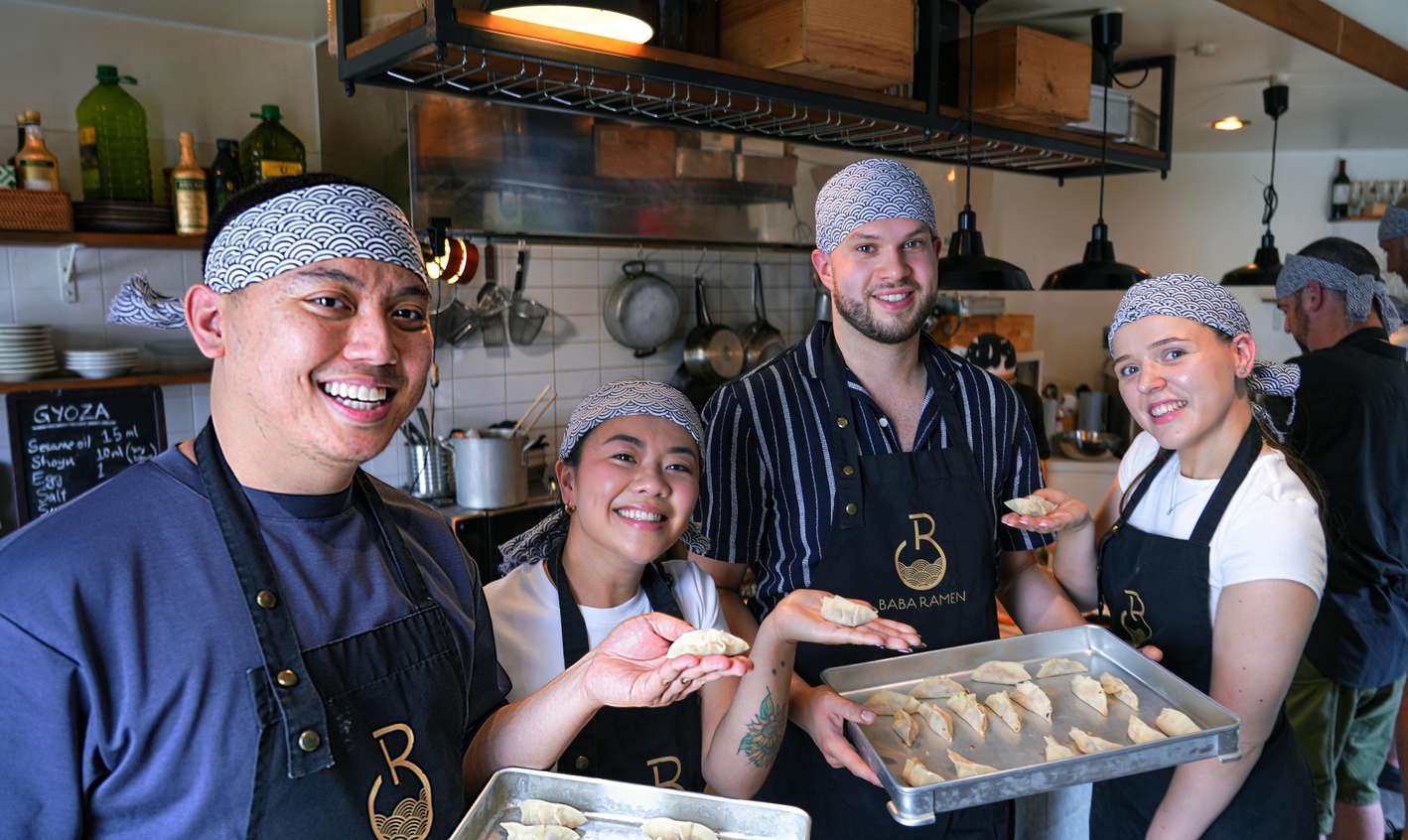
In the classes featured here, you prepare the filling and fold the dumplings by hand. The restaurant-style experience teaches the way ramen chefs wrap gyoza in a working kitchen.
What extra skills does gyoza cooking add to a ramen class?
Gyoza bring their own techniques: mixing a seasoned filling, folding the wrappers, and pan-frying until the bottoms crisp. Noodle and broth work alone would not cover any of that.
How much gyoza and ramen do you actually get to eat?
It depends on the class. One indoor workshop serves your ramen with five gyoza, and a behind-the-counter session includes two small bowls with two fried dumplings each. Come hungry either way; the meal can stand in for lunch or dinner.
Can I learn to make ramen from scratch in a short Tokyo class?
Parts of it, yes. A 50-minute session in Kappabashi covers noodles from flour, and the restaurant-style masterclass includes bone breaking, noodles, gyoza and toppings over up to three and a half hours. Shorter classes often use soup prepared in advance, so check which steps are hands-on before you book.
What does the supermarket visit add to a ramen and gyoza cooking class in Tokyo?
A guided stop at a local supermarket shows you how to find and choose the ingredients behind the dishes, which is hard to work out from English labels alone.
The class that includes it also adds a short lecture on Japanese cuisine and table manners, so you leave knowing how to shop and serve, not only cook.
Can I repeat the recipes at home without specialist equipment?
Look for classes that teach recipes and techniques rather than only demonstrating a commercial noodle machine. Filling and wrapping gyoza need nothing more than a pan, and simple recipes built on ingredients available worldwide transfer best.
Are these classes suitable for children?
Some welcome children as young as four with age-appropriate tasks and patient guidance. Where knives or hot soup are involved, adults may need to supervise, and children working alone are expected to handle tasks like kneading and cutting. Check the age rules for the class you choose.
What should I ask about if I have dietary requirements?
Tell the host in advance rather than on the day. Ramen noodles can contain egg even when the egg topping is left off, and broth can hide fish ingredients, so name the exact ingredients you cannot eat. Hosts often accommodate vegetarian, gluten-free or pork-free needs when they know ahead of time.
Do I need to speak any Japanese?
No. Classes aimed at visitors run in English, and recipes come in English too. A printout listing exactly which ingredients you cannot eat helps if you have dietary restrictions, in class and at ramen shops afterward.
How long does a class take?
Between two and three and a half hours for the classes on this page. The restaurant-style masterclass is the longest and most intensive, while the home-style sessions fit easily into a sightseeing day.
Tokyo gyoza cooking and more ramen classes to compare