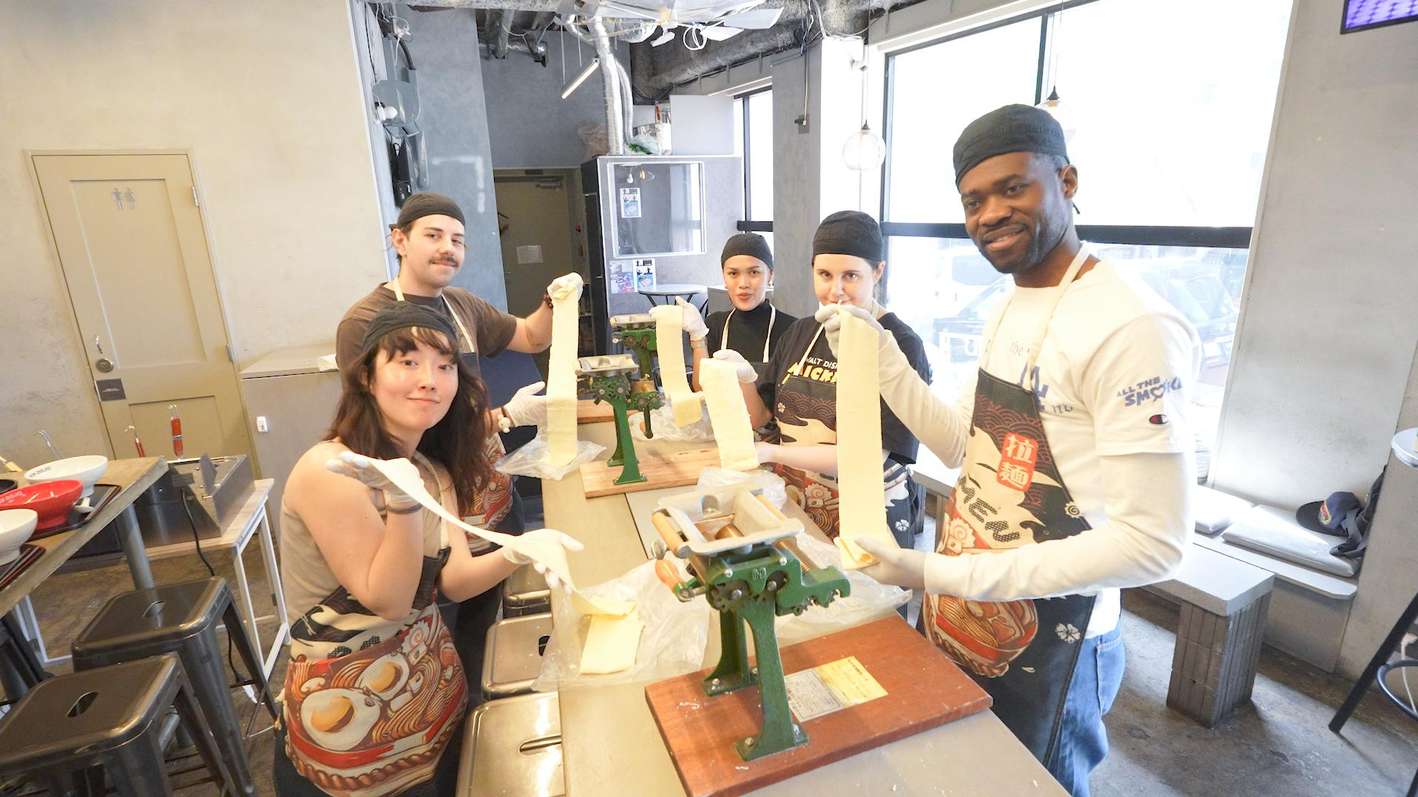
4.9625 travelers slurped their own vegan bowls in Osaka
Vegan Ramen Cooking Class in Osaka Plant-Based Workshop Options
Book a vegan ramen class in Osaka and make the whole bowl yourself. A nine-year Osaka cooking school runs ramen and gyoza classes with vegan broths, and a chopsticks workshop in Namba offers vegan versions with advance notice. Tell them what you avoid, confirm before you go, and eat your own creation.
4.9★average rating625traveler reviews100%free cancellation19countries travelers came from
Choosing a vegan ramen cooking class in Osaka
Two Osaka workshops take vegan bookings outright when you give notice, and they differ in what you come away with: a bowl of ramen and gyoza, or ramen eaten with chopsticks you shaped yourself. The Dotonbori classes teach great technique but cook to a set menu, so they suit readers flexible on diet.
Advance noticeThe ramen and chopsticks class and the class with the local chef both need your vegan request before the day, so message when you book.
Dietary requestName the exact ingredients you avoid, since the word vegan alone leaves seasonings and broth open to guesswork in a Japanese kitchen.
Hidden ingredientsRamen broth can contain fish and the noodles can contain egg even when no egg topping sits in the bowl, so check both when you confirm.
AllergiesThe Dotonbori three-styles class does not take guests on fully vegan or strict religious diets, nor people with severe wheat, egg or soy allergies.
Arrival timeAim to reach the studio five to ten minutes early, because one Dotonbori class has no waiting area and another starts even if you are five minutes late.
Group sizeThe chopsticks class caps the session at eight people, so a small group fills quickly.
Getting thereAim for Osaka Metro Namba, not JR Namba or Osaka-Namba, when your class meets in the Namba area, and allow ten minutes on foot from the stations.
Holiday crowdsGolden Week, Obon in mid-August and the New Year break bring heavy domestic travel to Osaka, so book outside these windows if you can.
What to wearClosed-toe shoes and clothes that can take a flour or soup splash work for every kitchen on this list.
Dietary mix-upA vegan label alone does not guarantee an animal-free bowl in Japan, because ramen broth and seasonings can hide fish or egg.
When you request the vegan option, list the exact ingredients you avoid, including fish stock in the broth and egg that can sit in the noodle dough, and ask the host to confirm each one before you book.
What each vegan ramen cooking class in Osaka offers
Most vegan-ready
3 hours·English
5.0(3)
Osaka: Ramen and Gyoza Cooking Class
Learns two broths, one of them vegan, plus Buddhist and halal versions, with a 4.9 rating from 3 reviews
Free cancellationHands-on ramen and gyoza cooking classTwo types of ramen broths preparation
What a vegan cooking class in Osaka looks like, moment by moment
about 3 h
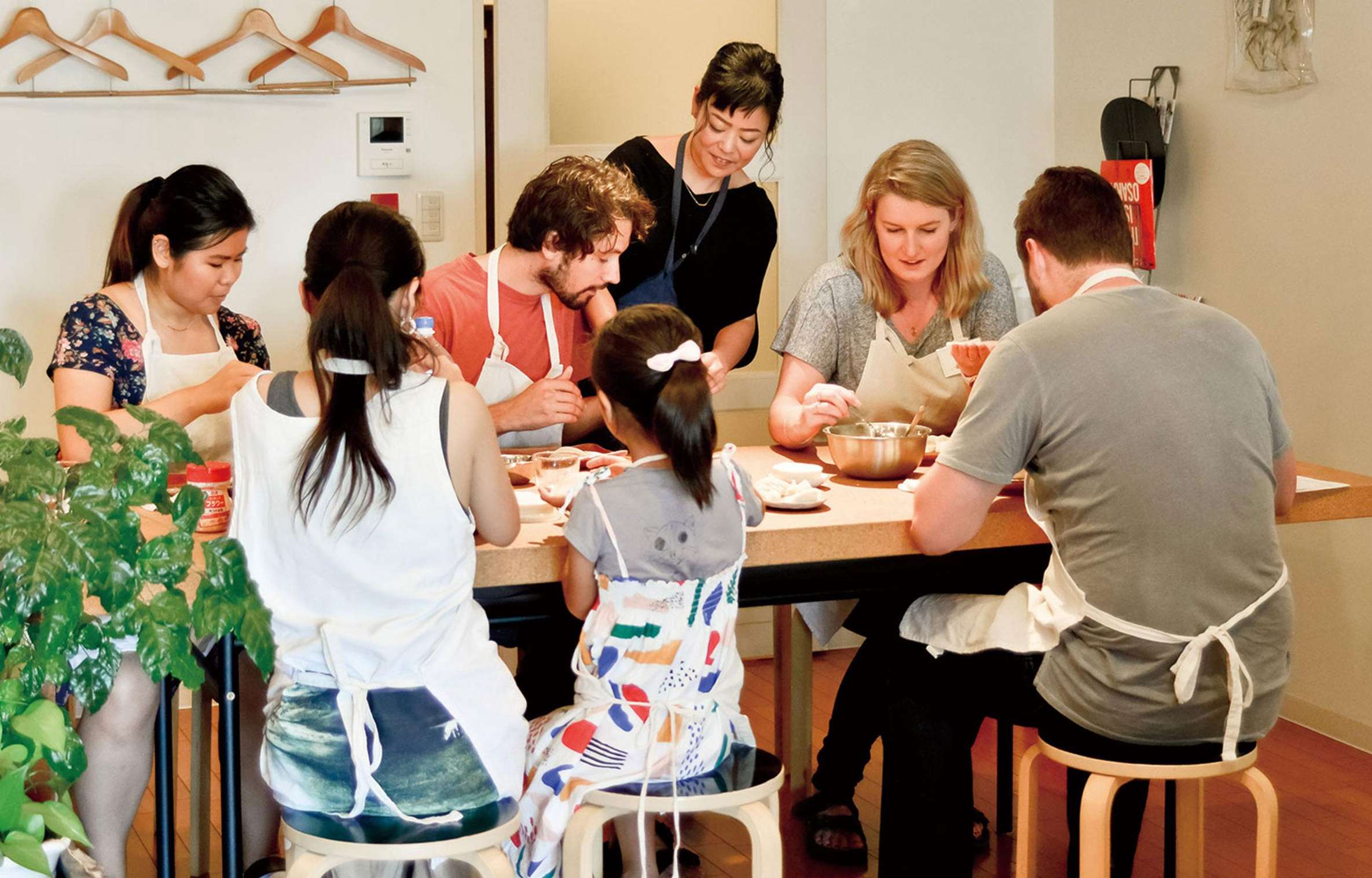
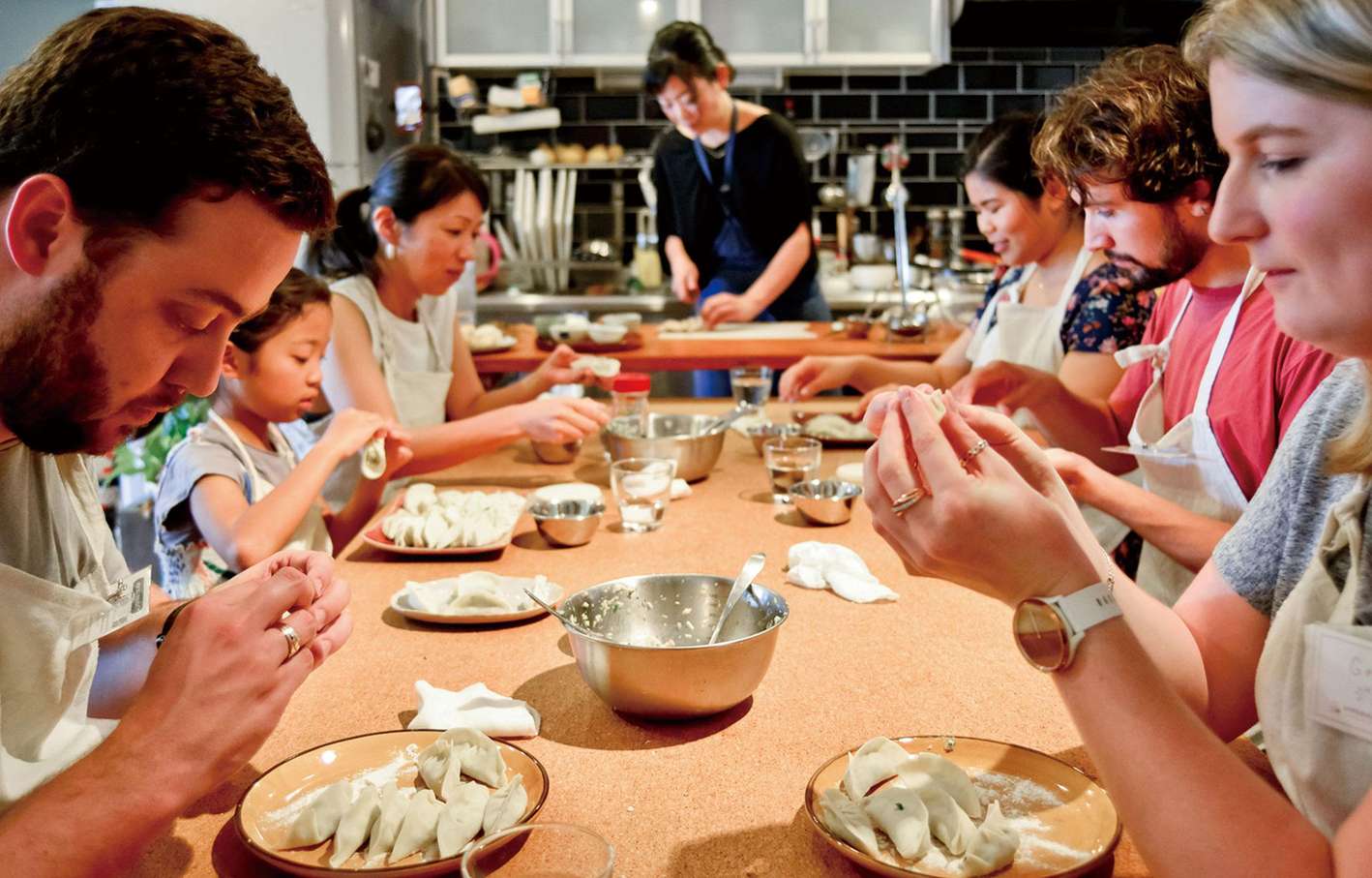
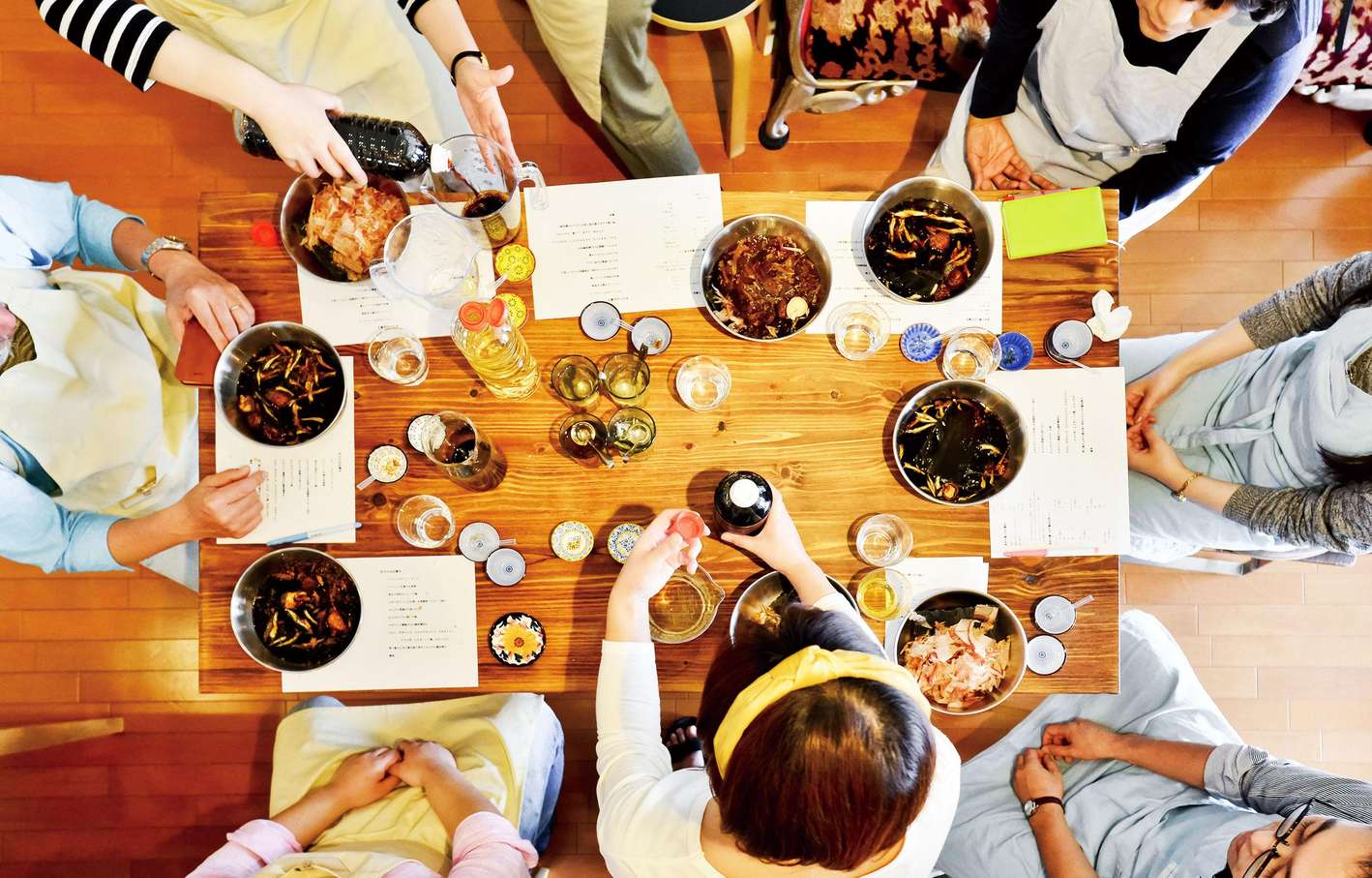
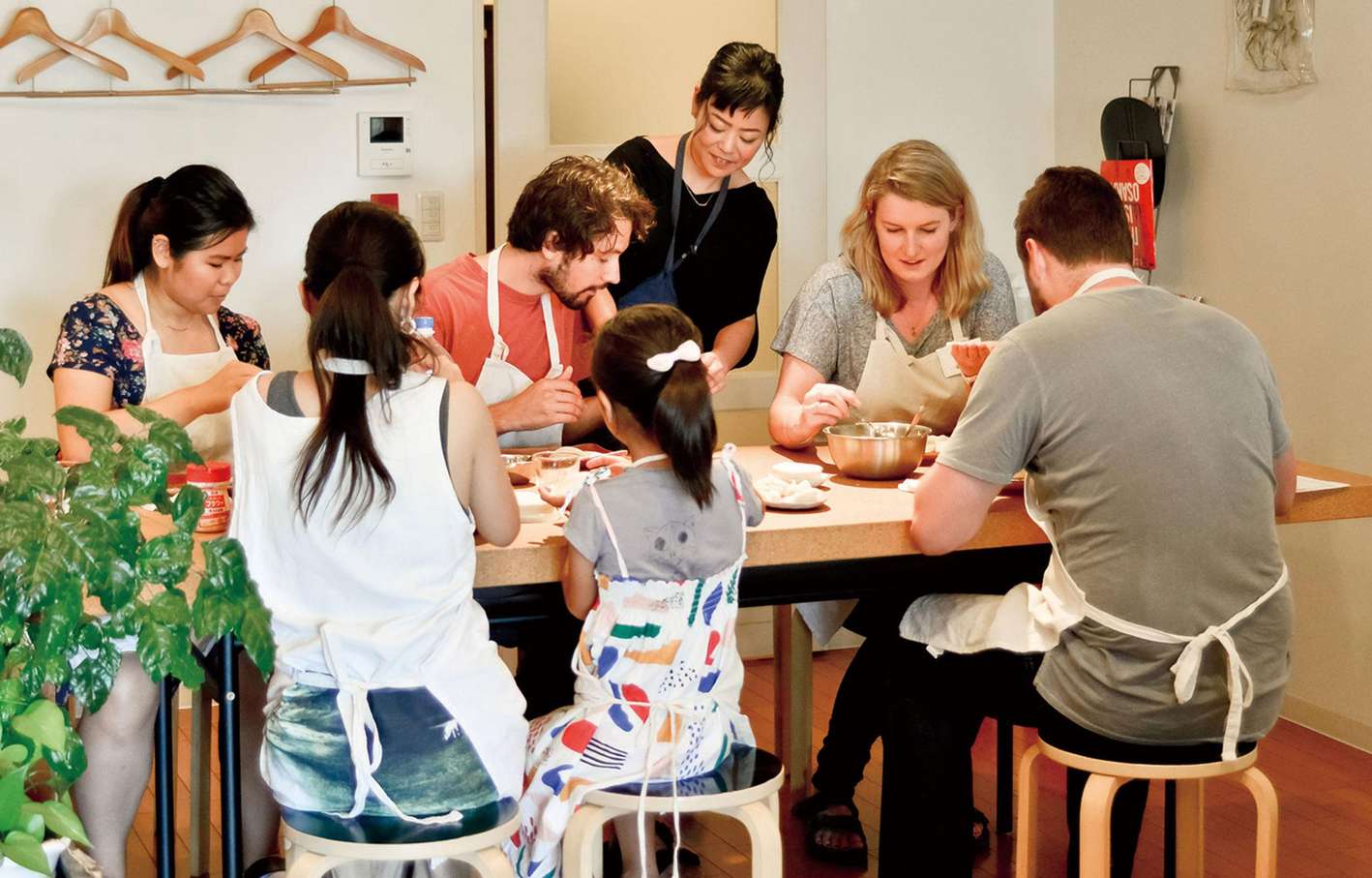
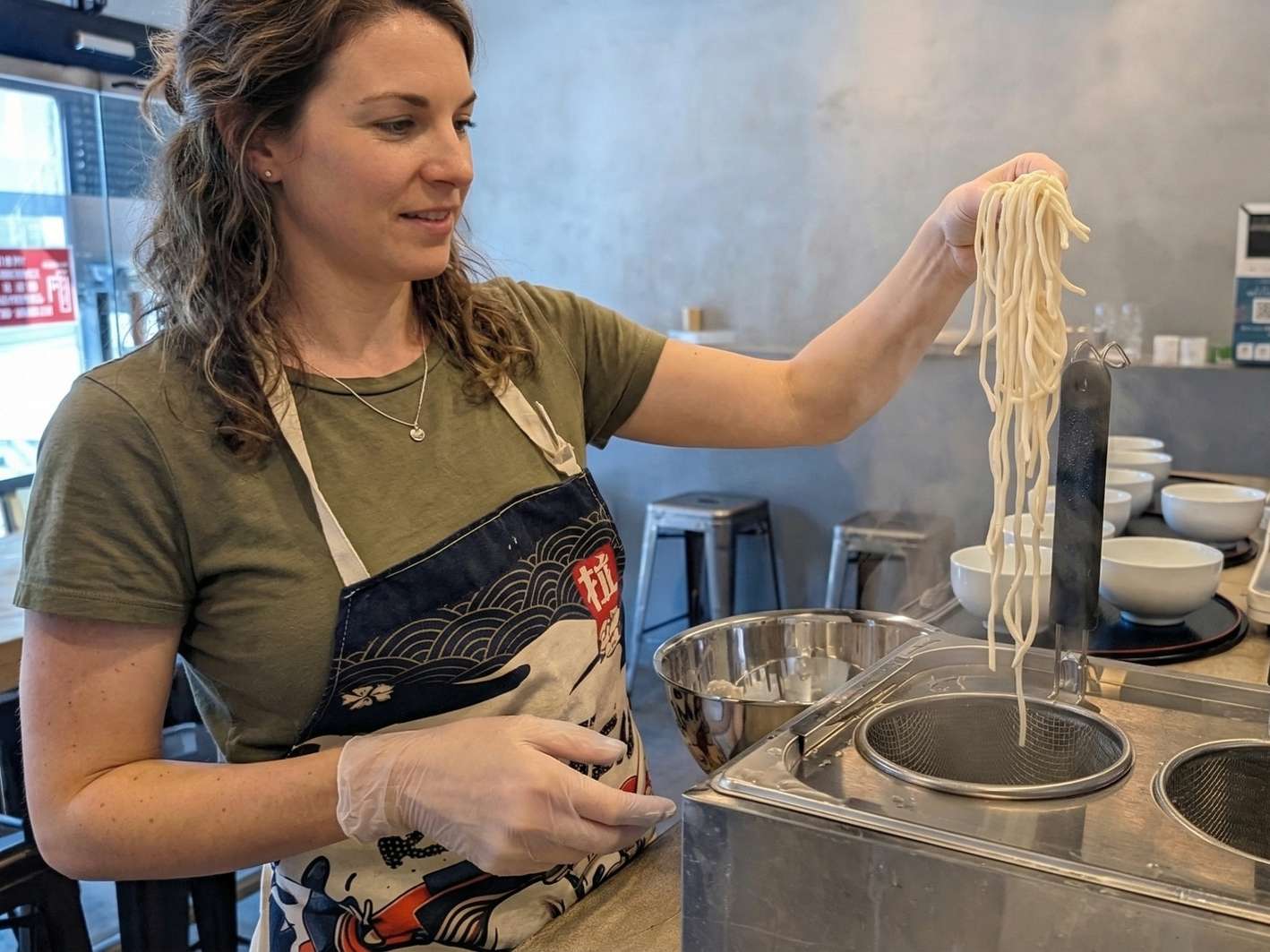
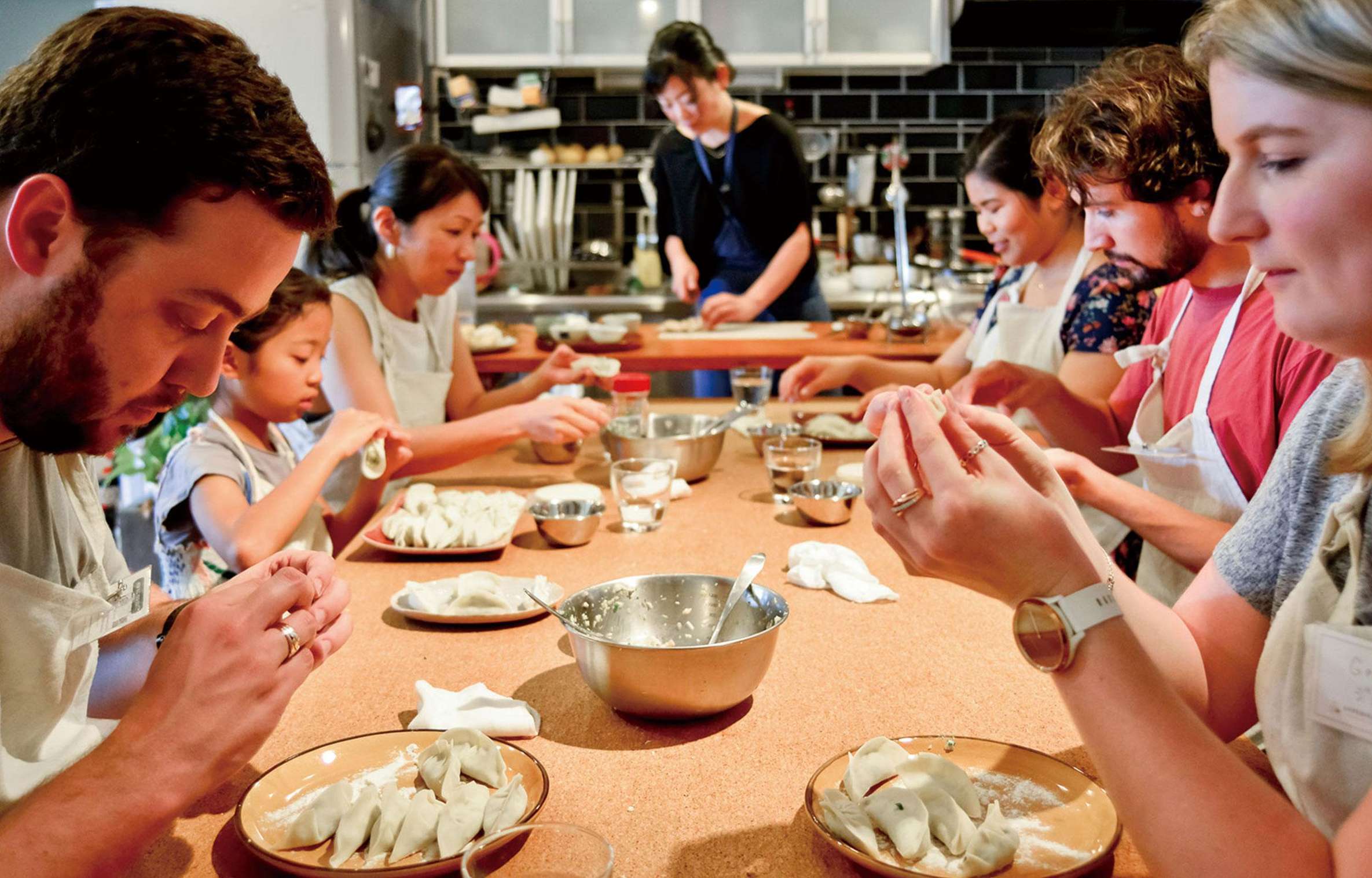
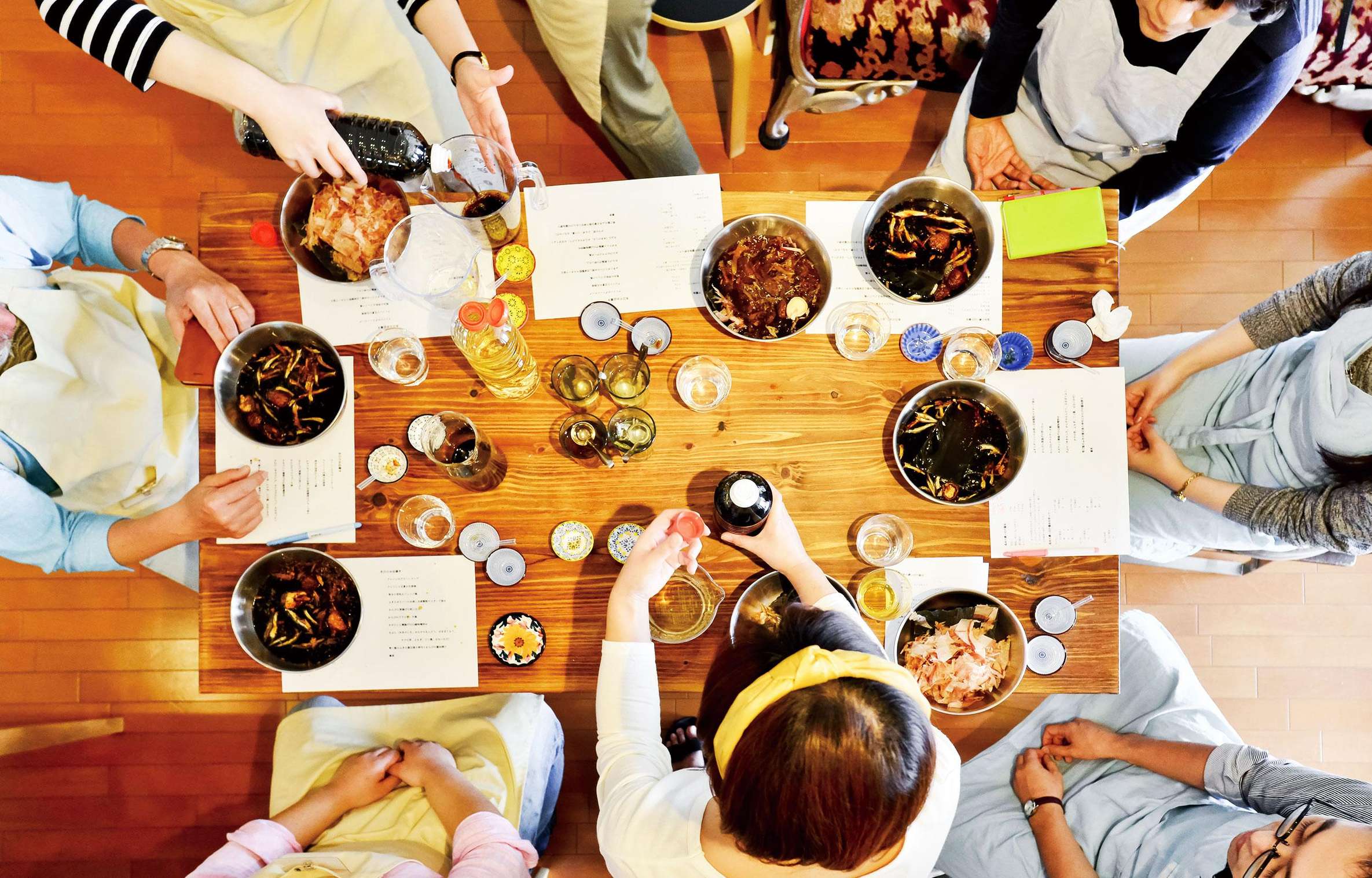
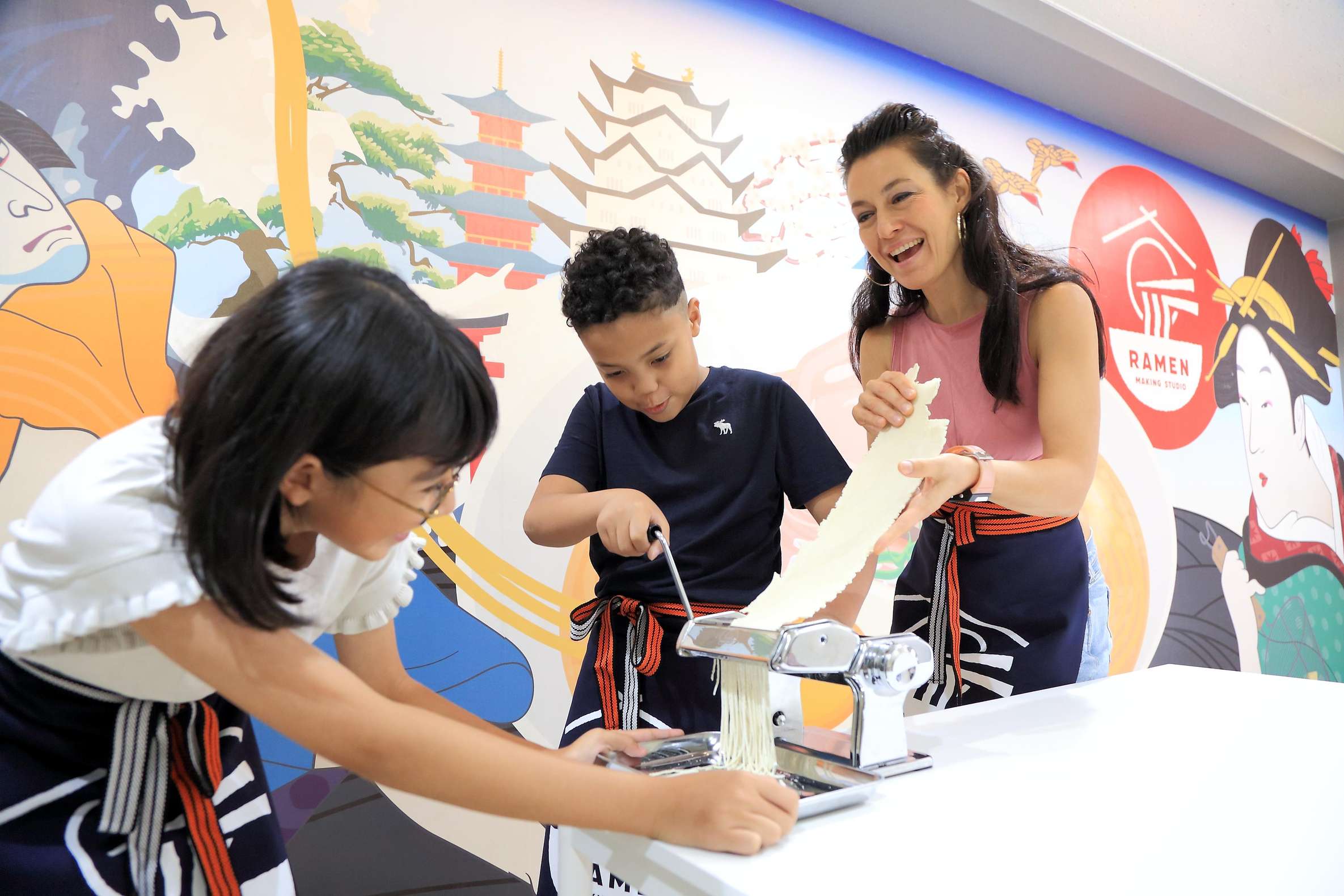
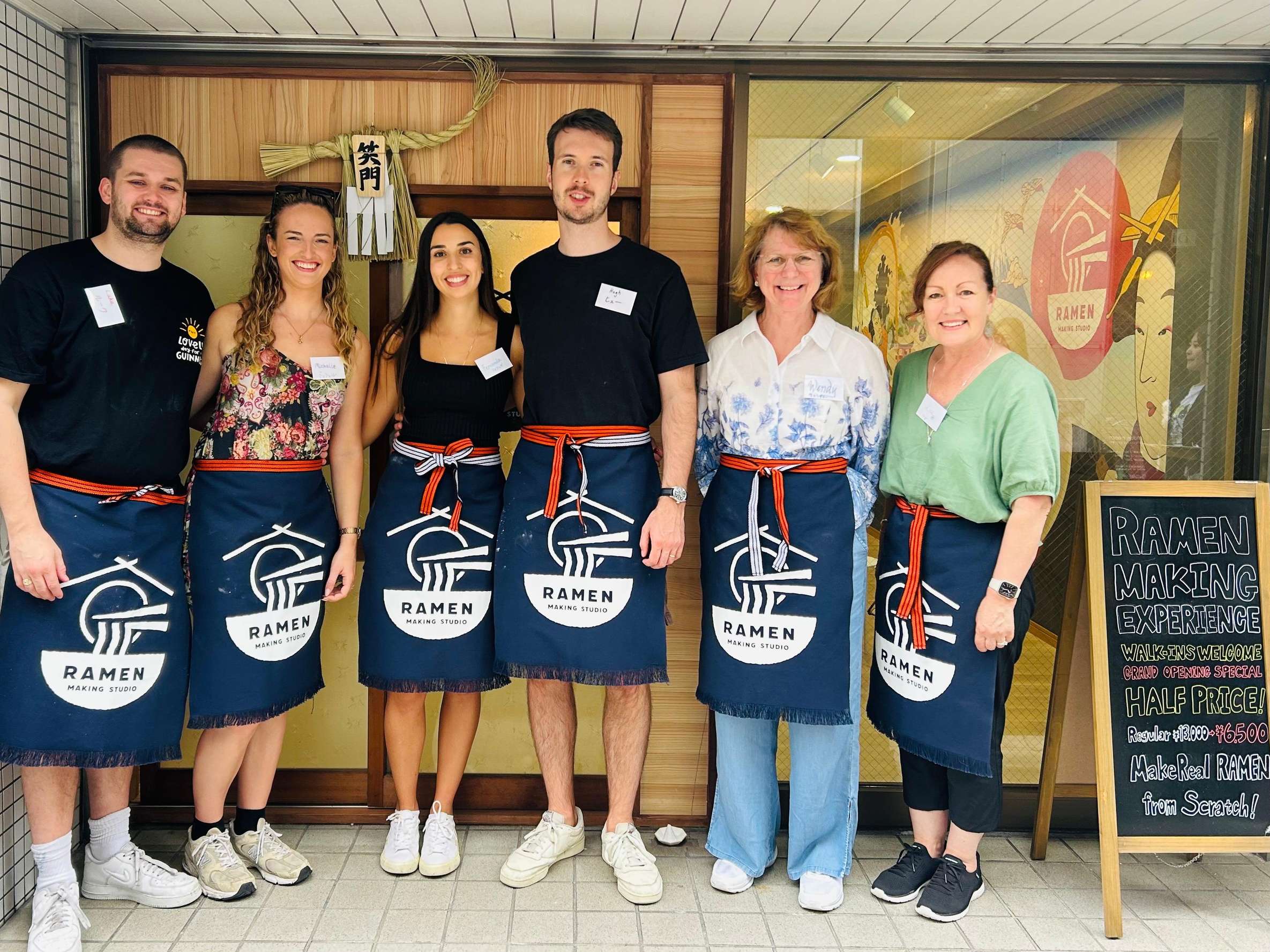
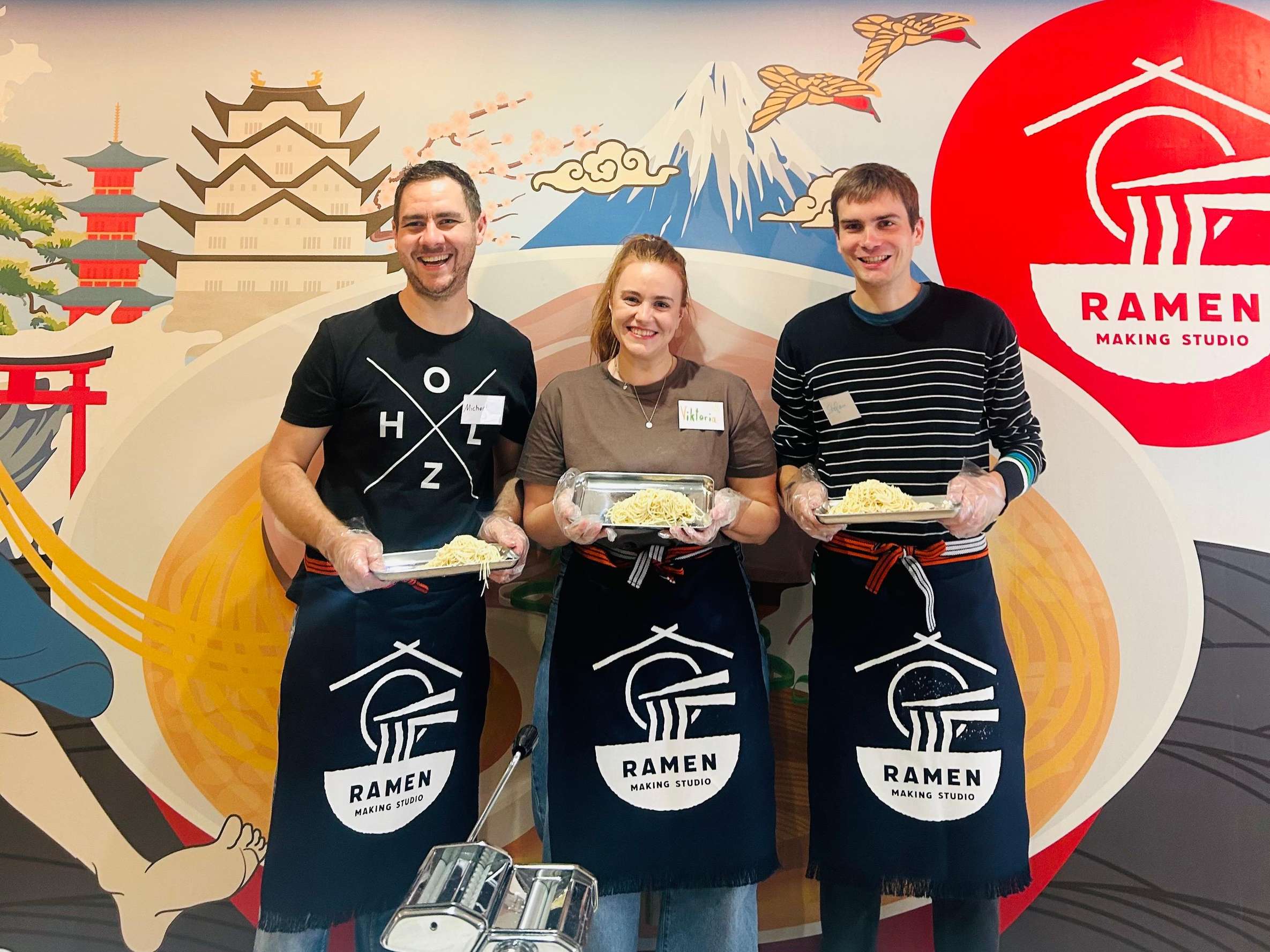
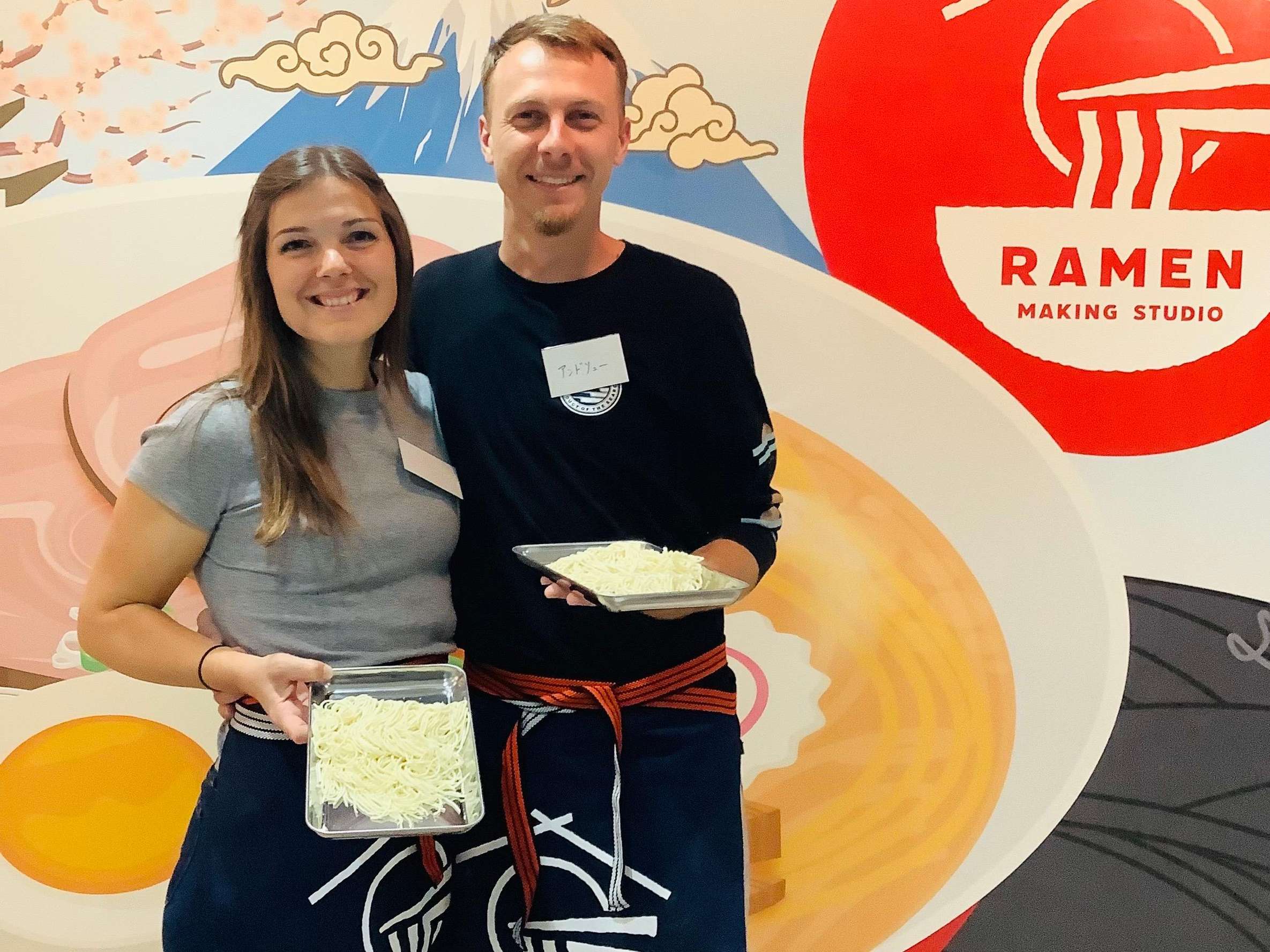
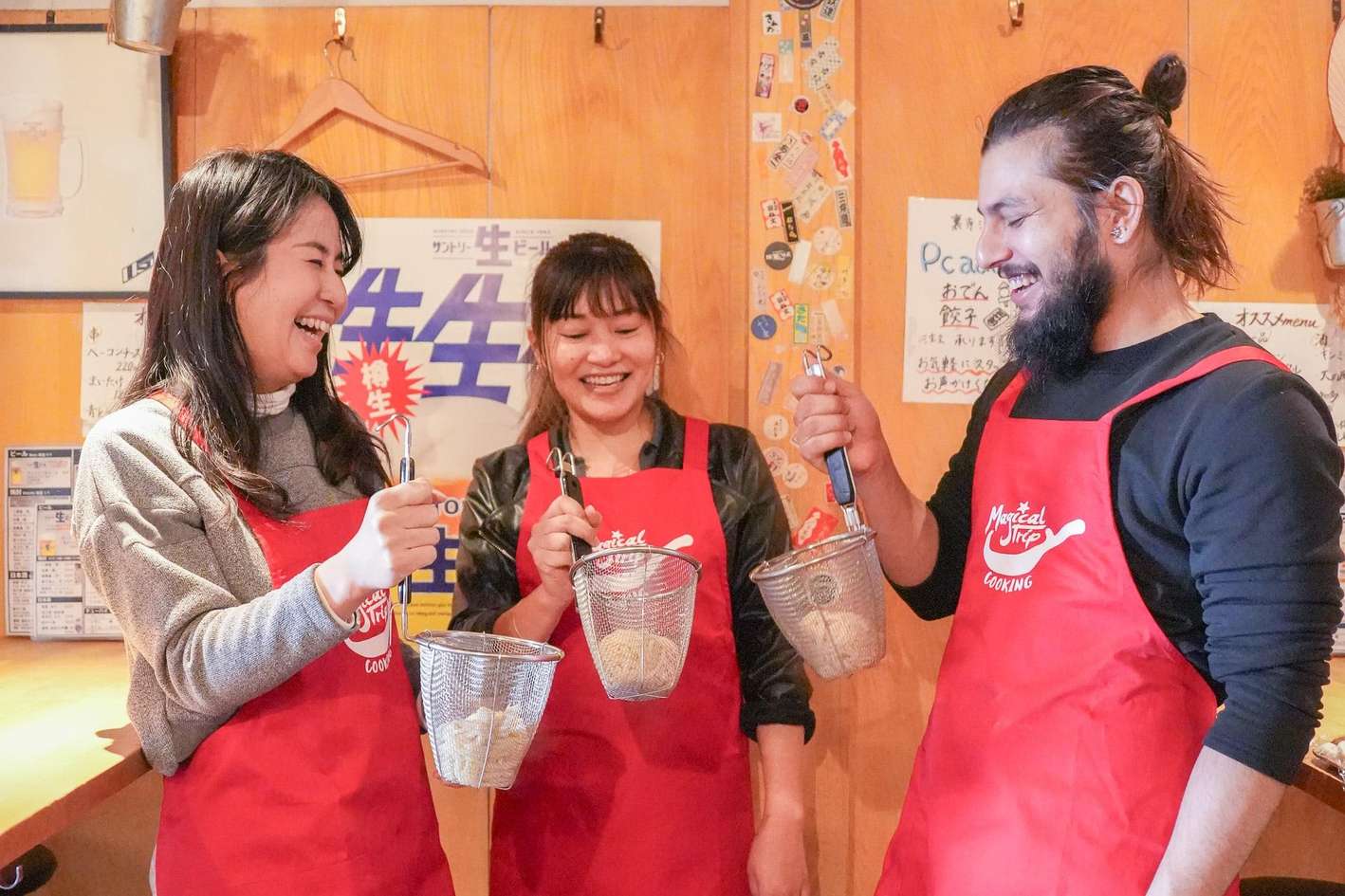
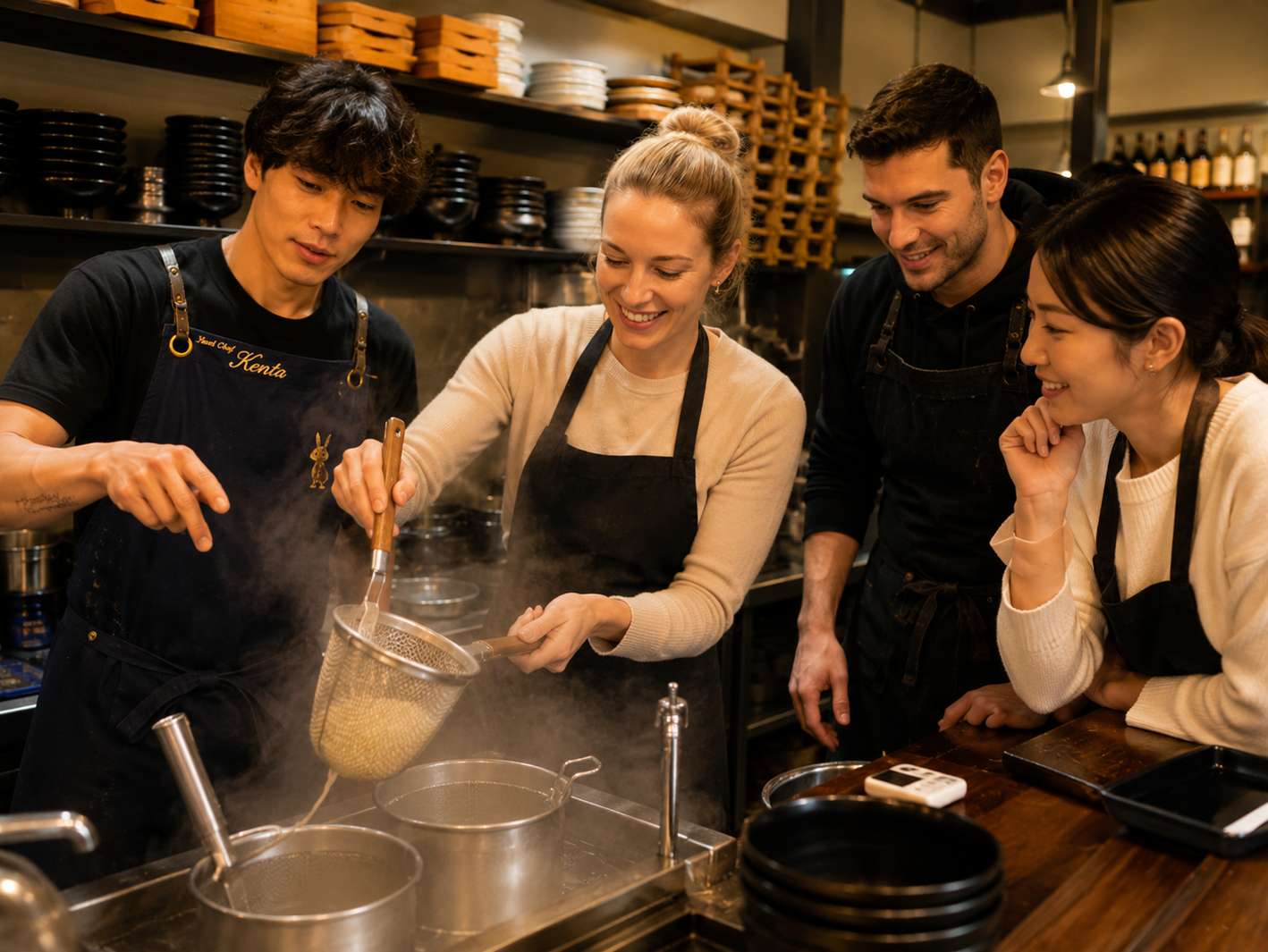
The first thing on the table is the broth. Over three hours, a local Osaka chef walks a small group through two ramen broths and a batch of gyoza, and the class has been running for nine years.
Vegan, vegetarian and Buddhist diets all have a version here, as long as you mention your needs before the day.
The flow is simple: build the broths, fold and cook the dumplings, then sit down together to eat what you made, with green tea and other drinks poured as the conversation runs. The moments below show how the session moves from first stir to last bite.
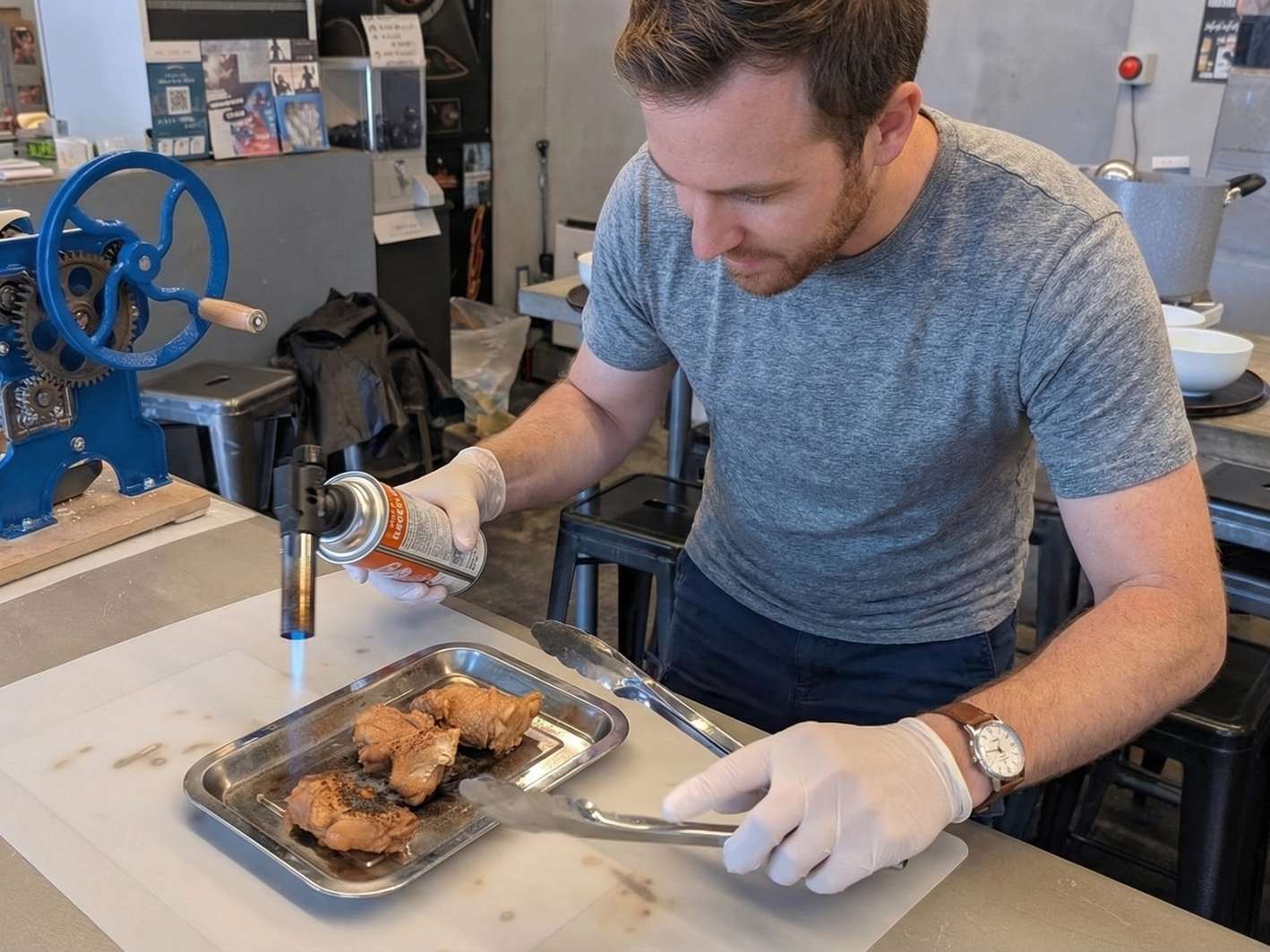
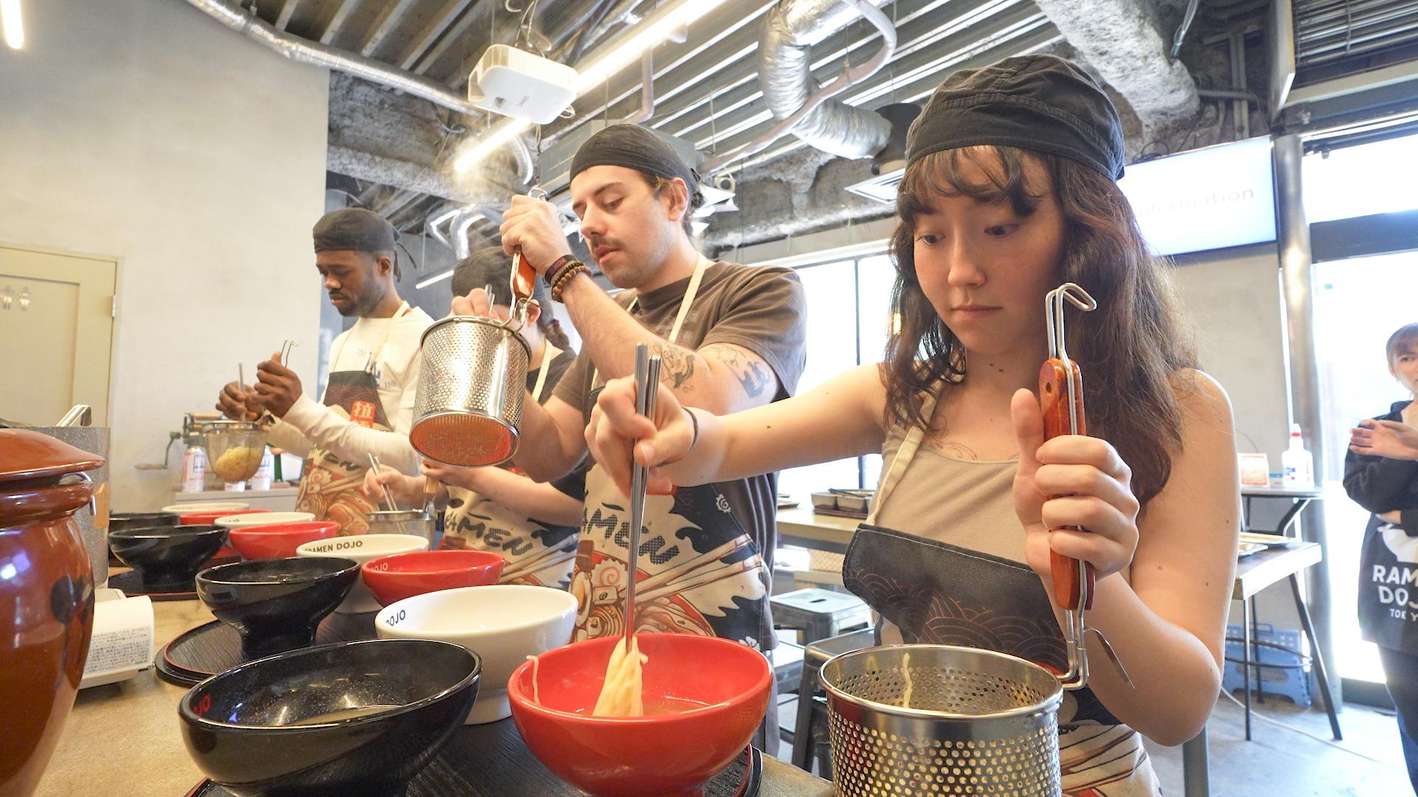
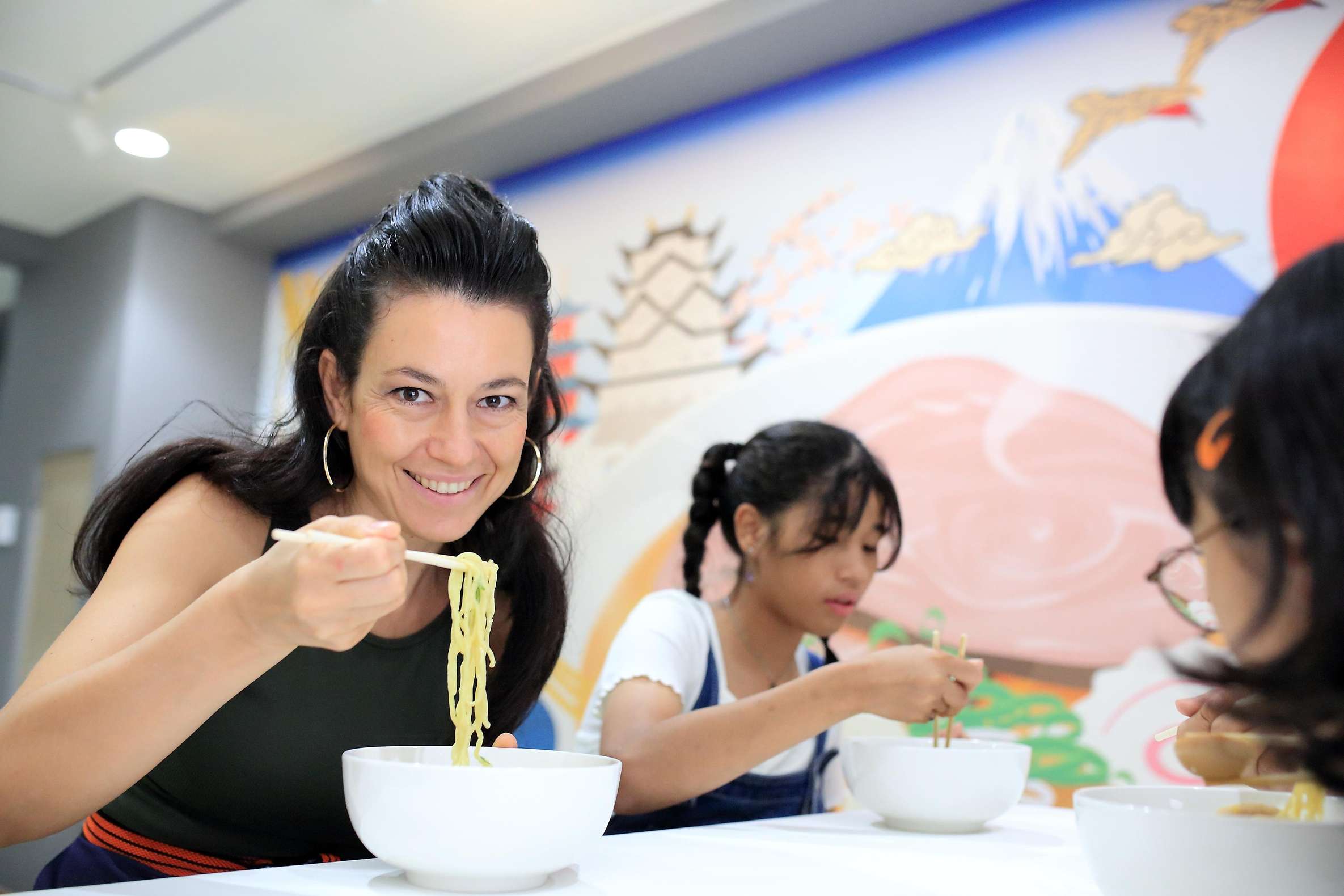
1Welcome and first instructions· about 15 minMeet the chef, get your station set, and go over the menu, including the vegan version prepared for anyone who asked in advance.2Building two broths· about 50 minStart the first of the two ramen broths you will learn, with a plant-based pot on the side when requested, letting the flavors develop as you cook.3Wrapping gyoza· about 40 minFold dumplings by hand with filling suited to your diet, while the instructor shares the techniques behind the shapes.4Finishing the bowls· about 30 minBring the broths to full flavor, assemble your ramen with toppings, and cook the gyoza through.5Eating together· about 40 minSit down to your own ramen and gyoza with green tea and drinks, in the relaxed setting past groups describe as cooking with friends.
Included
Hands-on ramen and gyoza cooking classTwo types of ramen broths preparationVegan and vegetarian alternativesBuddhist diet optionMeal with green tea and drinksGood conversation and relaxed atmosphere
Vegan cooking in Osaka - which ramen class fits you
Green marks the lowest price. Prices per person.
Tour
Price
Duration
Languages
Best for
Our pick
Osaka: Ramen and Gyoza Cooking Class
5.0★ (3)
from $95per person
3 hours
English
vegans who want ramen and gyoza together, with broths made for their diet
Most reviewers praise the hosts as kind, patient and fun, and say the friendly teaching made the cooking easy to follow.
Best surprise
Many travelers did not expect to love making chopsticks, and call the pair they take home a keepsake they will remember.
Most common wish
Several reviewers wished they could recreate the dishes at home, and hosts who share recipes give them that chance.
How to book your vegan ramen cooking class in Osaka
01
Pick a date, then message the host
Choose your date on the booking page and use the message box to say what you eat. The Osaka ramen and gyoza class and the ramen and chopsticks experience both provide a vegan version, but only when they hear from you in advance.
ImportantList the ingredients you avoid, such as fish stock and egg. Broths and seasonings can hide animal products, so the word vegan on its own may not land.
Pro tipMessage the host before you pay. If the reply sounds unsure about your needs, you have lost nothing and can pick the other class.
02
Choose the option that suits you
Decide between the classes: one pairs ramen with gyoza over three hours, the other adds a chopstick-making session where you shape and oil your own pair to take home. Both run about three hours, both fit a beginner, and both need your vegan request before the day.
Pro tipCancellation is free up to 24 hours before the class, so book the date you want while it is open, then adjust if your train plans move.
03
Pay and check the confirmation
After payment, a confirmation arrives with the meeting details and the host's contact. Read it the same day. This is where the confirmed start time and any dietary reply from the host appear, so keep it on your phone.
Common mistakeFirst-timers book a class tight against another booking. These sessions run three hours, so leave the rest of that afternoon free.
04
Find the exact meeting point
Check the address in your confirmation. One operator directs guests to a coffee shop in Namba, about ten minutes on foot from the Namba stations; the Matsuyamachi class meets at Matsuyamachi Station Exit 3. The walk from the station to the kitchen takes under ten minutes.
Common mistakeNever navigate to just 'Namba'. Osaka Metro Namba, JR Namba and Osaka-Namba are separate stops, and the wrong one adds a long walk with your appetite on the line.
RecommendedComing from Dotonbori or Umeda, check connections via Shinsaibashi; from Osaka Castle, look at the Morinomiya route.
05
Arrive inside the arrival window
On the day, arrive ten to fifteen minutes before the start, and not earlier. One class opens its doors only ten minutes before with no waiting area, and another starts without you if you are five minutes late, so treat the start time as firm.
RecommendedIf your class sits near Osaka Castle, walk there before or after. The chopsticks class lists the castle as an easy side trip from its meeting point.
What to know before your vegan ramen cooking class in Osaka
Can stop the dayGood to knowGood news
01
ChoosingWhat it is, who it suits, when to go
7
How to askCan stop the day
List the exact ingredients you avoid: egg, fish stock, meat-based seasonings and everything else. Relying on the word vegan alone can leave gaps, because Japanese kitchens may treat fish broth or egg noodles as compatible with it.
Hidden ingredients
Two things catch plant-based travelers in Japan. Broth can be built on fish stock even when no meat is visible, and noodles can contain egg even when they are not sold as egg noodles. Ask about both when you arrange your class.
Duration
Each of the two vegan-friendly Osaka workshops runs about three hours, so treat it as a half-day commitment. With travel and the meal at the end, block out a whole morning or afternoon.
Group size
The ramen and chopsticks experience caps its sessions at eight participants, and the gyoza class runs small too. With few people in the kitchen you get individual help, and a lightly booked session can turn into a private lesson.
What's included
The chopsticks class covers all materials, staff support in English, a drink for the toast and your chopsticks to take home. Premium wood, engraving and extra aroma oils cost more on the day.
Souvenir
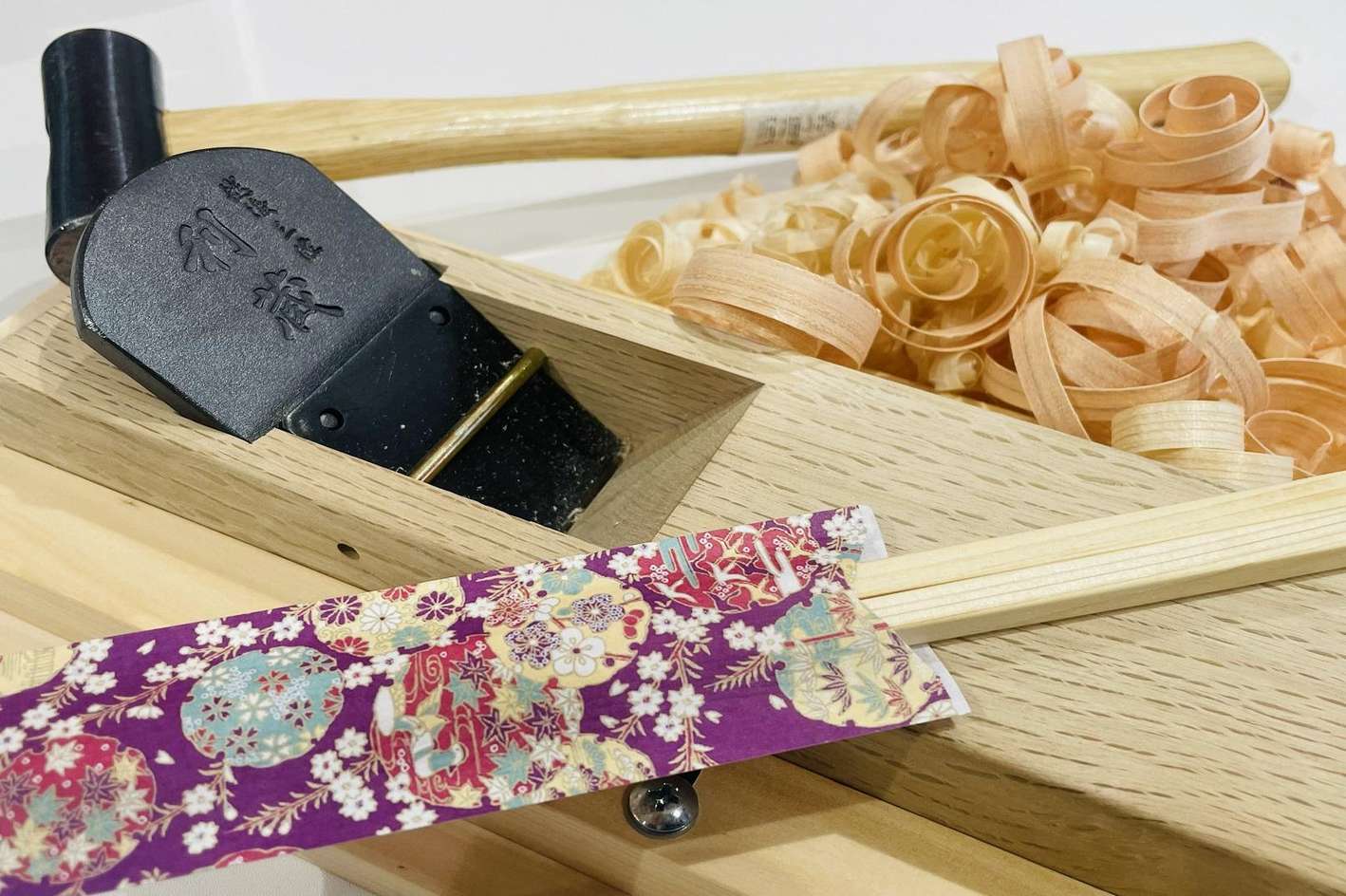
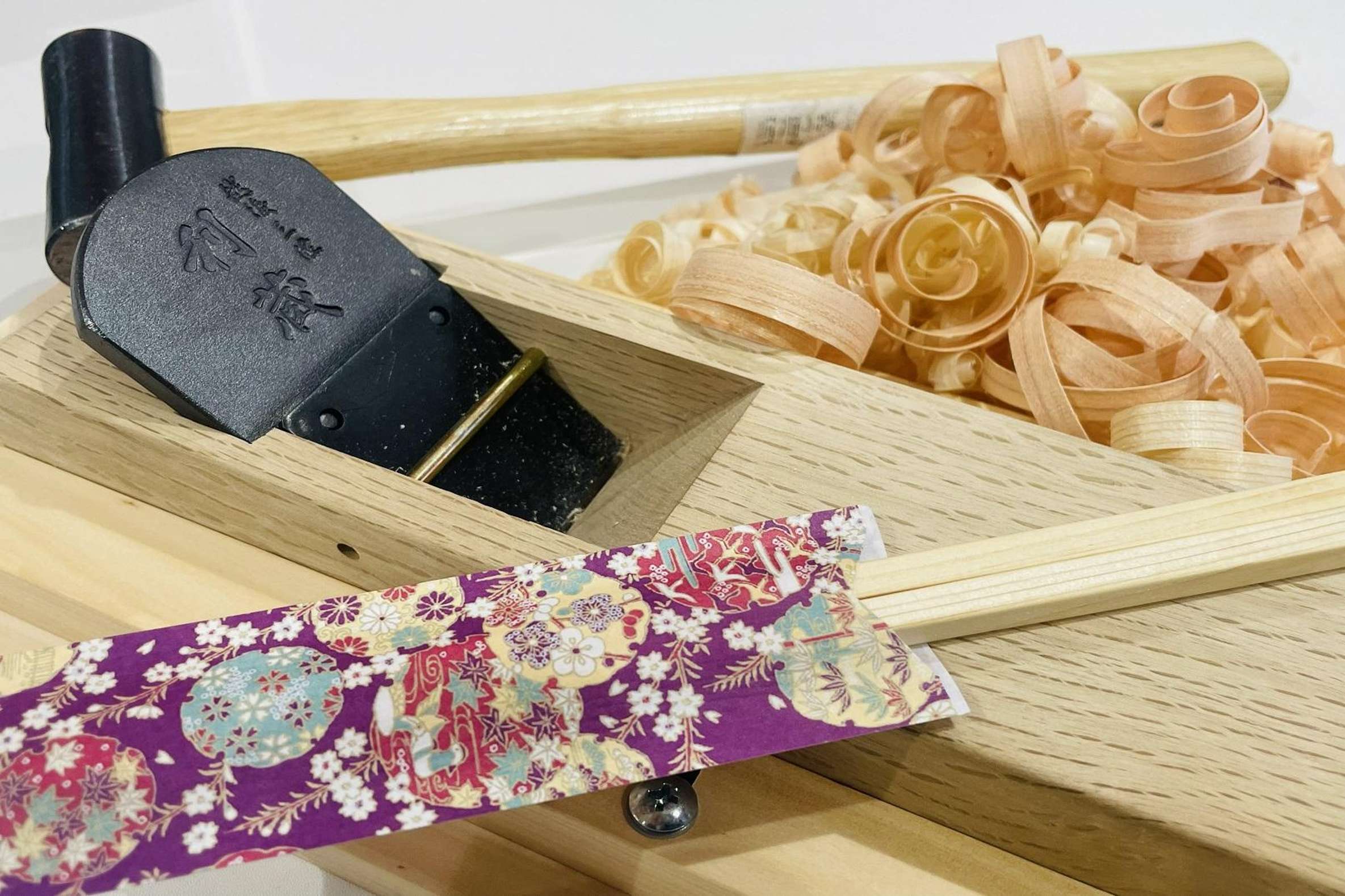
The chopsticks class sends you home with chopsticks you shaped yourself, plus a scented bag and an original pouch. You cook ramen and then eat it with chopsticks you made in the same session.
Included
Expect the full set-up in both classes: ingredients, English-speaking instruction, and a drink with the meal. The chopsticks class adds your handmade chopsticks and a scented bag to take home.
02
BookingHow far ahead, and what happens if plans change
2
Advance notice
Both Osaka classes with a vegan version ask you to request it ahead of time. Mention your diet as soon as you book, so the host can buy the right ingredients and prepare a separate bowl for you.
Cancellation
Both classes let you cancel free up to 24 hours before the start for a full refund. If your Osaka plans shift, you can move the class to another day without losing money.
03
Before you goPapers, health, what to bring
1
What to bring
Wear comfortable clothes you can splash with flour or soup, with closed-toe shoes and sleeves you can roll up. Aprons are usually provided, and long hair is best tied back.
04
On the dayWhere to be, when, and how you get there
2
Meeting point
Confirm where your class starts before you plan the day. One class meets at a coffee shop in Namba, about 10 minutes on foot from the Namba stations, while the Matsuyamachi class lists Matsuyamachi Station Exit 3. The walk from the station to the kitchen takes under 10 minutes.
Late arrivalCan stop the day
The ramen and chopsticks class starts when you are five minutes late, so build spare time into your train journey. Arrive with a margin rather than cutting it close.
A guide to vegan ramen cooking in Osaka
Two Osaka workshops make vegan ramen with you, if you ask in advance. What separates a confirmed vegan bowl from a hopeful label is the whole story here.
Osaka
If you only remember three things
1
Send your dietary request when you book, not the night before: both vegan-friendly Osaka workshops ask for prior notice.
2
Say what you exclude, not the word vegan: fish stock, egg in plain noodle dough and seasoned tofu all hide from the eye.
3
Aim for Osaka Metro Namba on the Midosuji Line, and check your booking's exact meeting point before you plan the walk.
Will your vegan cooking class in Osaka feed you?
The fear is old and specific: a Japanese cooking class where eight people knead noodles together and one of them, the vegan, gets a side salad and an apologetic smile.
In Osaka it does not have to play out that way. Two workshops explicitly offer vegan versions with advance notice, and one has you kneading the dough alongside everyone else.
Notice is the hinge. A class that says vegan on its booking page still needs your message before it plans your bowl. One Osaka operator states the vegetarian and vegan options exist only with prior notice, which turns your booking message into the most important step of the whole day.
Before you compare the two, run each one against the checks below. The first row matters most: a vegan version named in writing beats a page that only takes requests.
How to choose a vegan ramen cooking class in Osaka
Check
Why it matters
Our pick
Vegan version offered in writing
A page that names vegan options beats one that just takes requests
The ramen and gyoza class lists vegan and vegetarian alternatives among its inclusions
Notice period
Some hosts need lead time to source substitutes
Both Osaka workshops here ask for advance notice, so ask at booking
What you cook yourself
A vegan meal you only watch is half the experience
You knead, cut and top your own bowl at both classes
Group size
Small groups get the host's attention when substitutions matter
The chopsticks workshop caps at 8 guests
Read that last row with your diet in mind: in a group of eight, the host who knows your exclusions by name is the one who gets your bowl right.
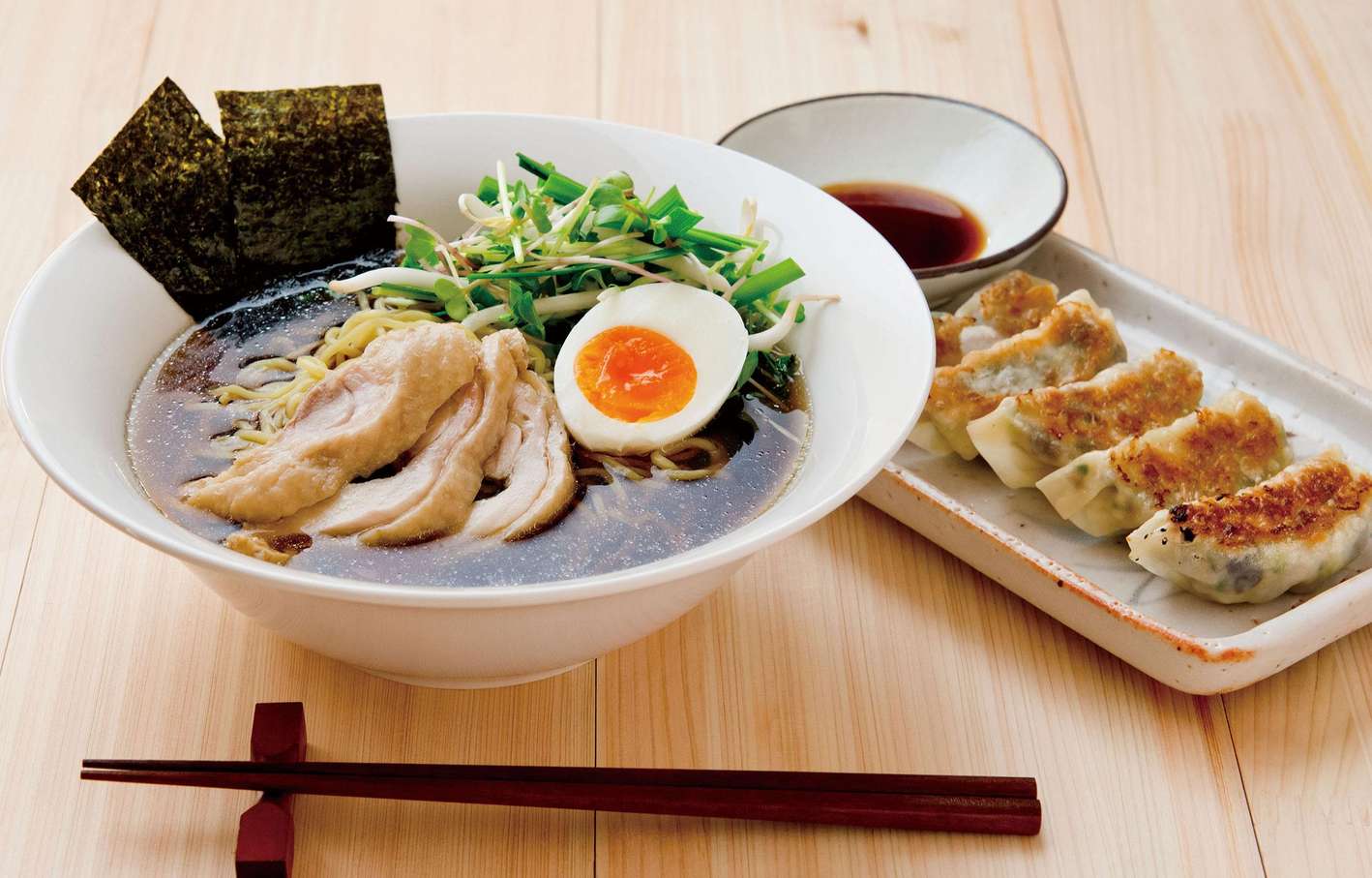
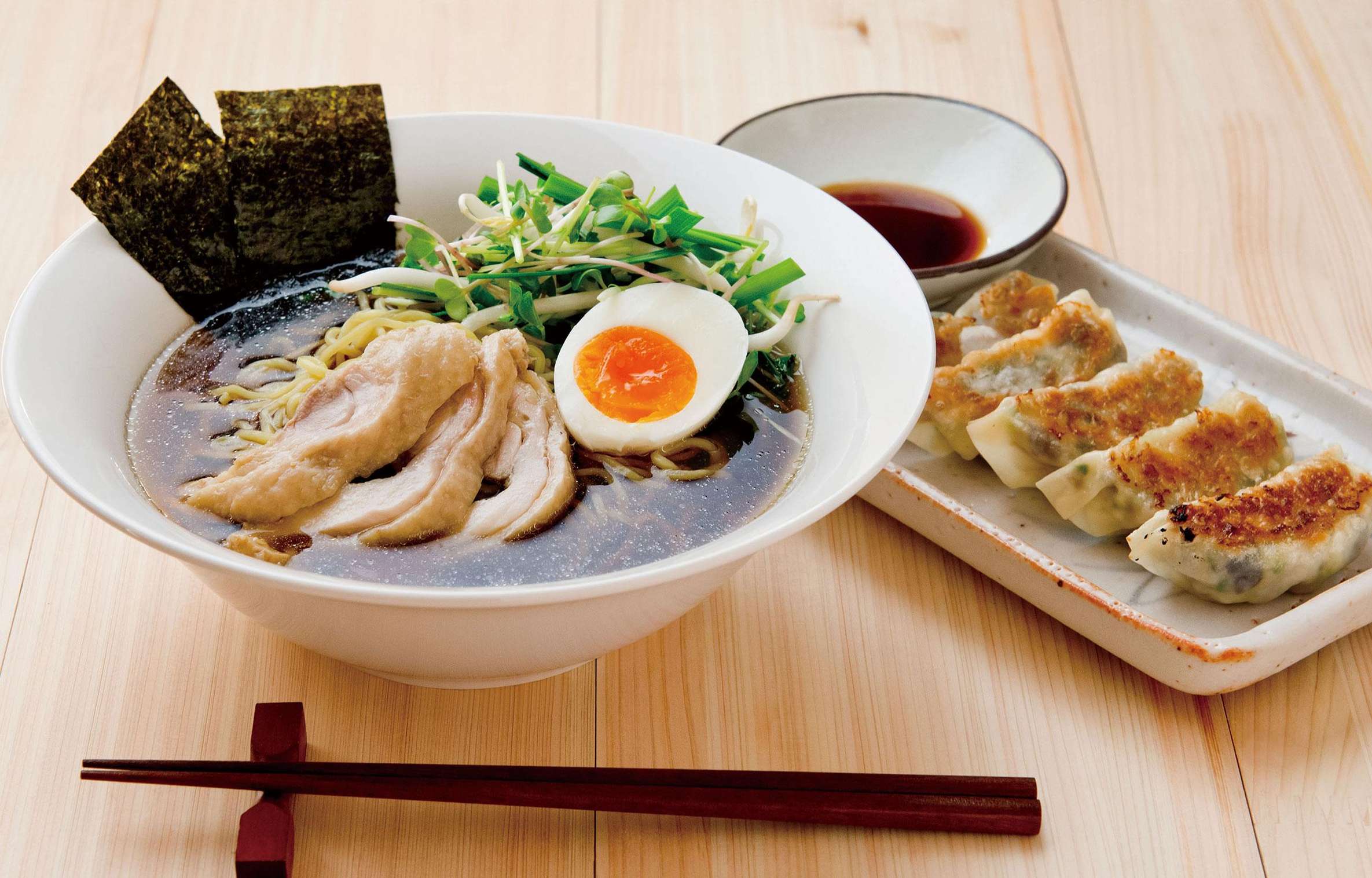
Both vegan-friendly workshops run about three hours, and they feel like different days. The Osaka: Ramen and Gyoza Cooking Class pairs two ramen broths, one of them vegan, with gyoza folded by hand, and ends around a table with green tea.
Nine years of classes sit behind that host. It is the pick if you want the classic ramen-shop pairing, noodles and dumplings, cooked side by side.
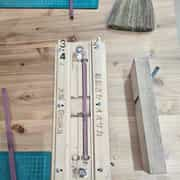
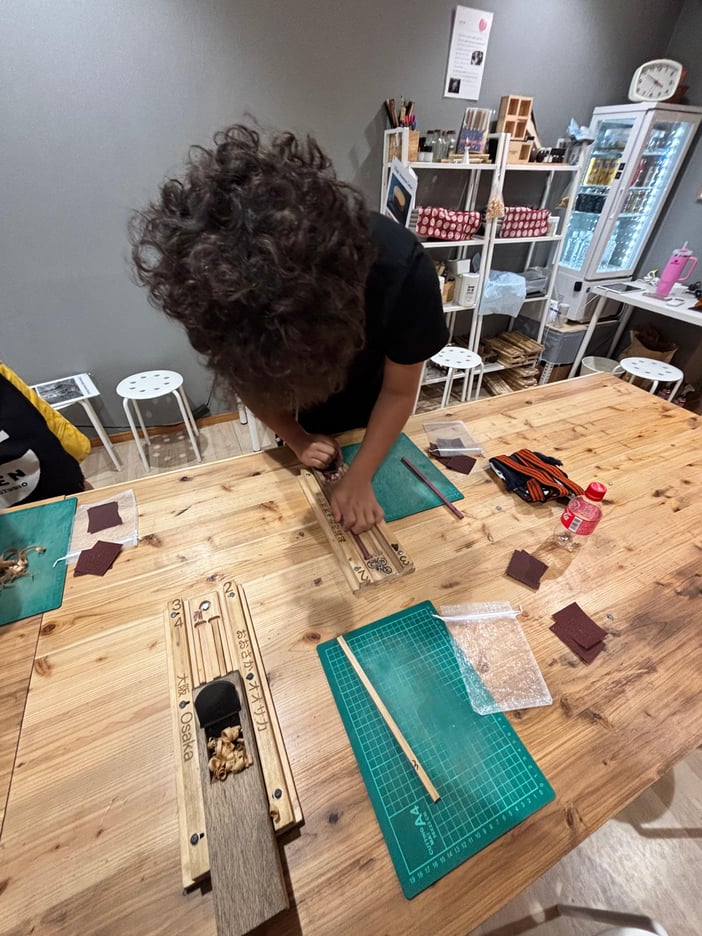
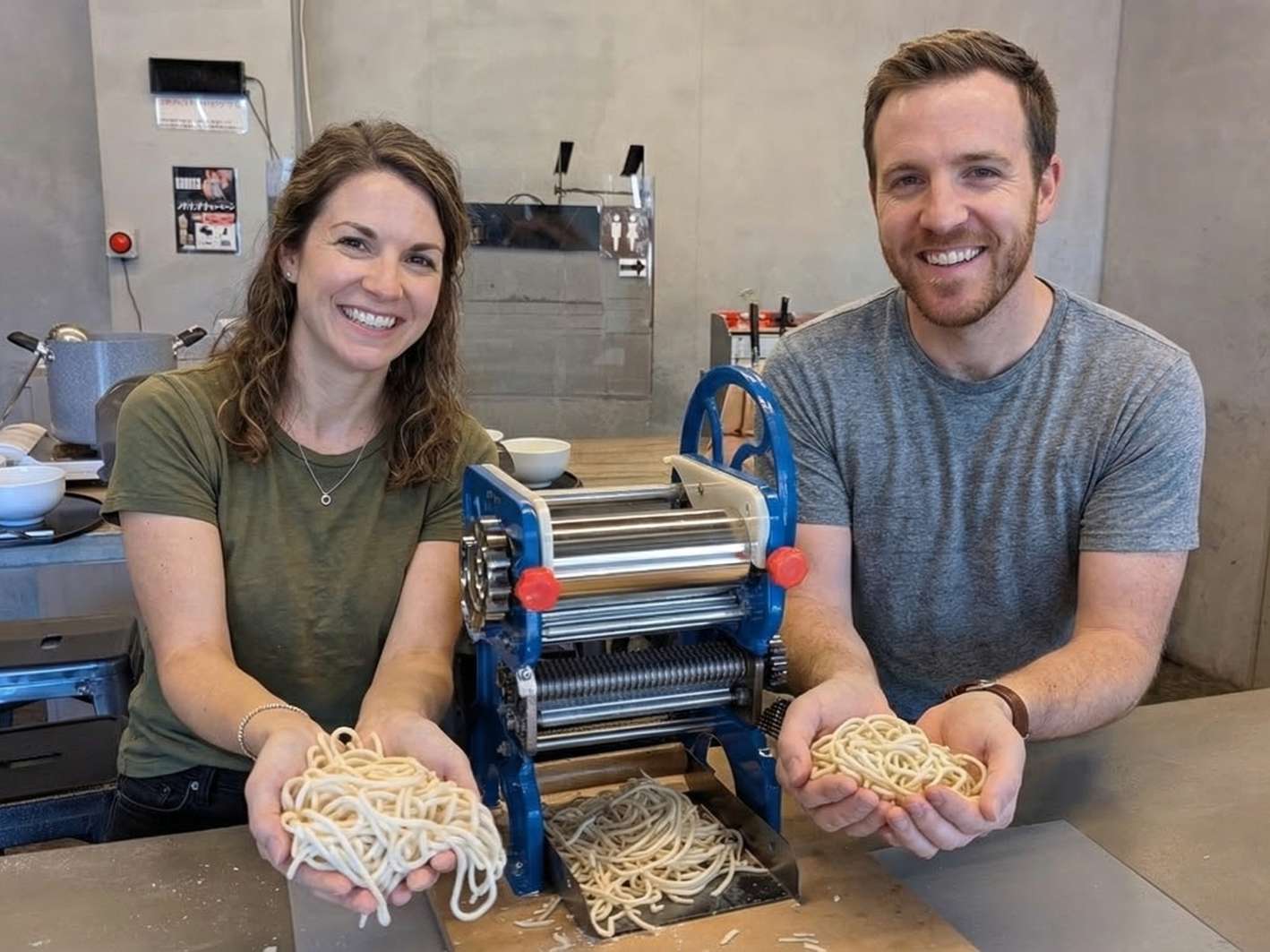
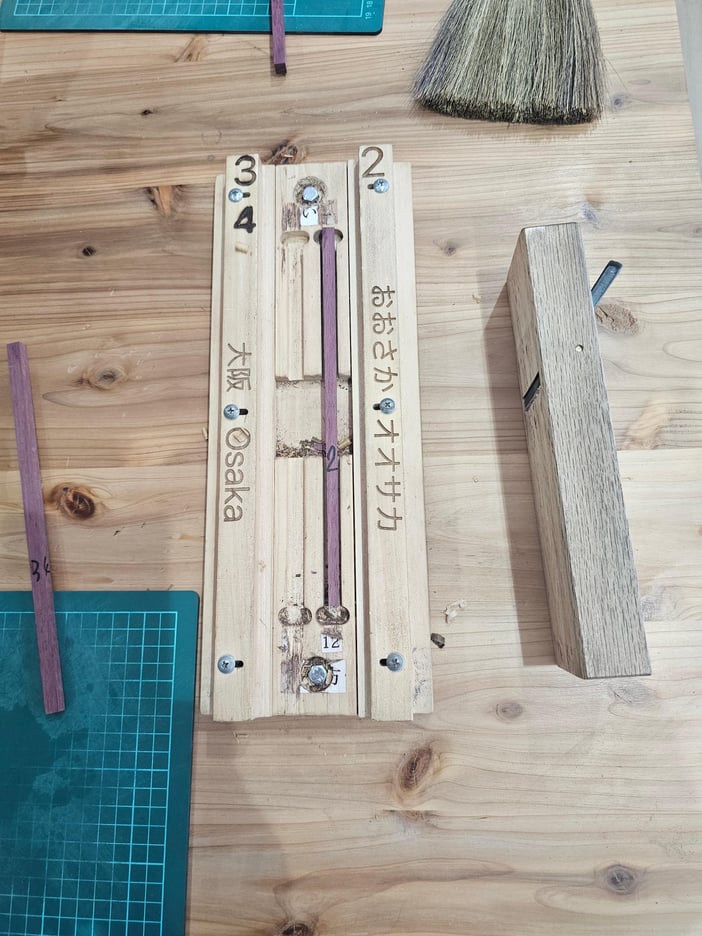
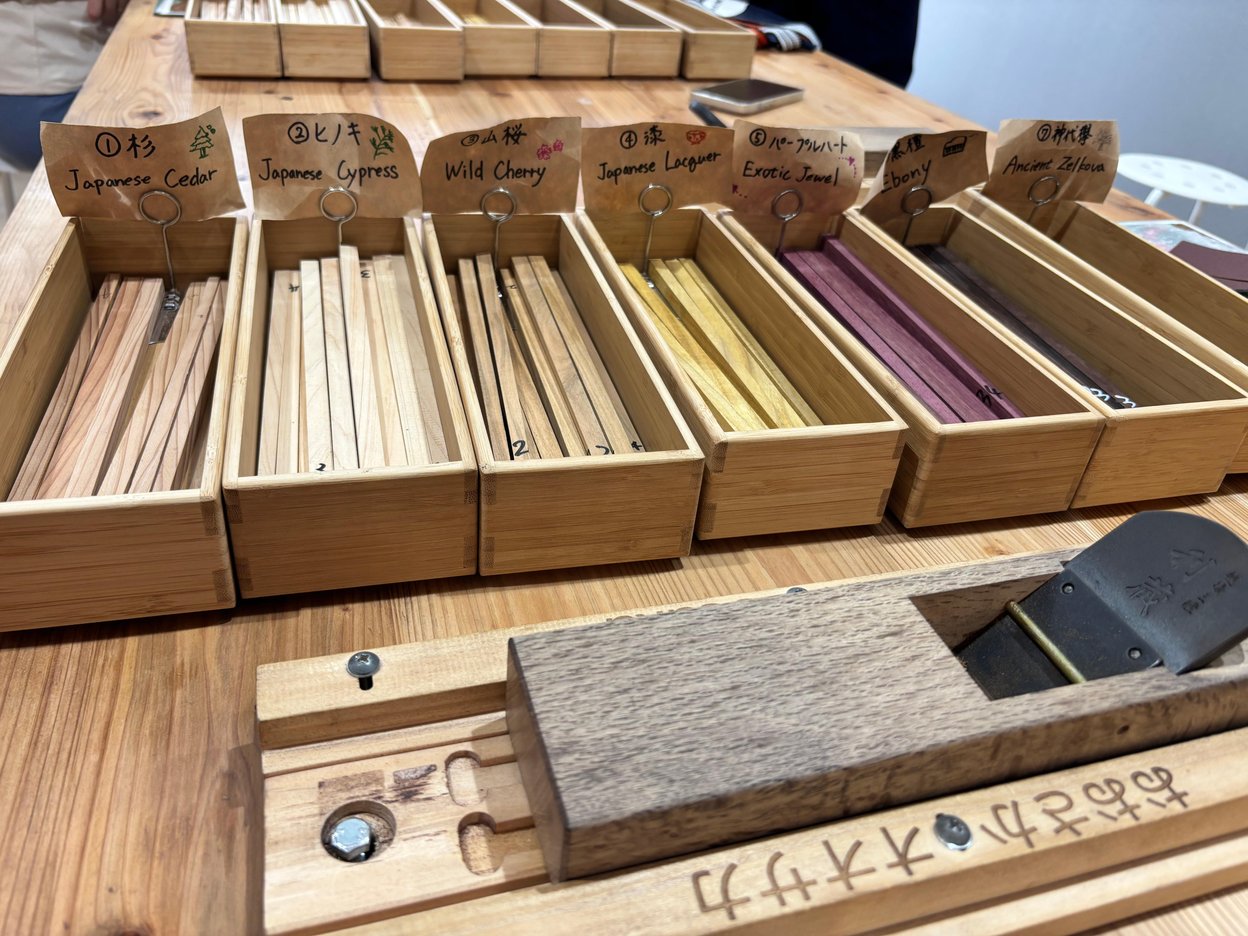
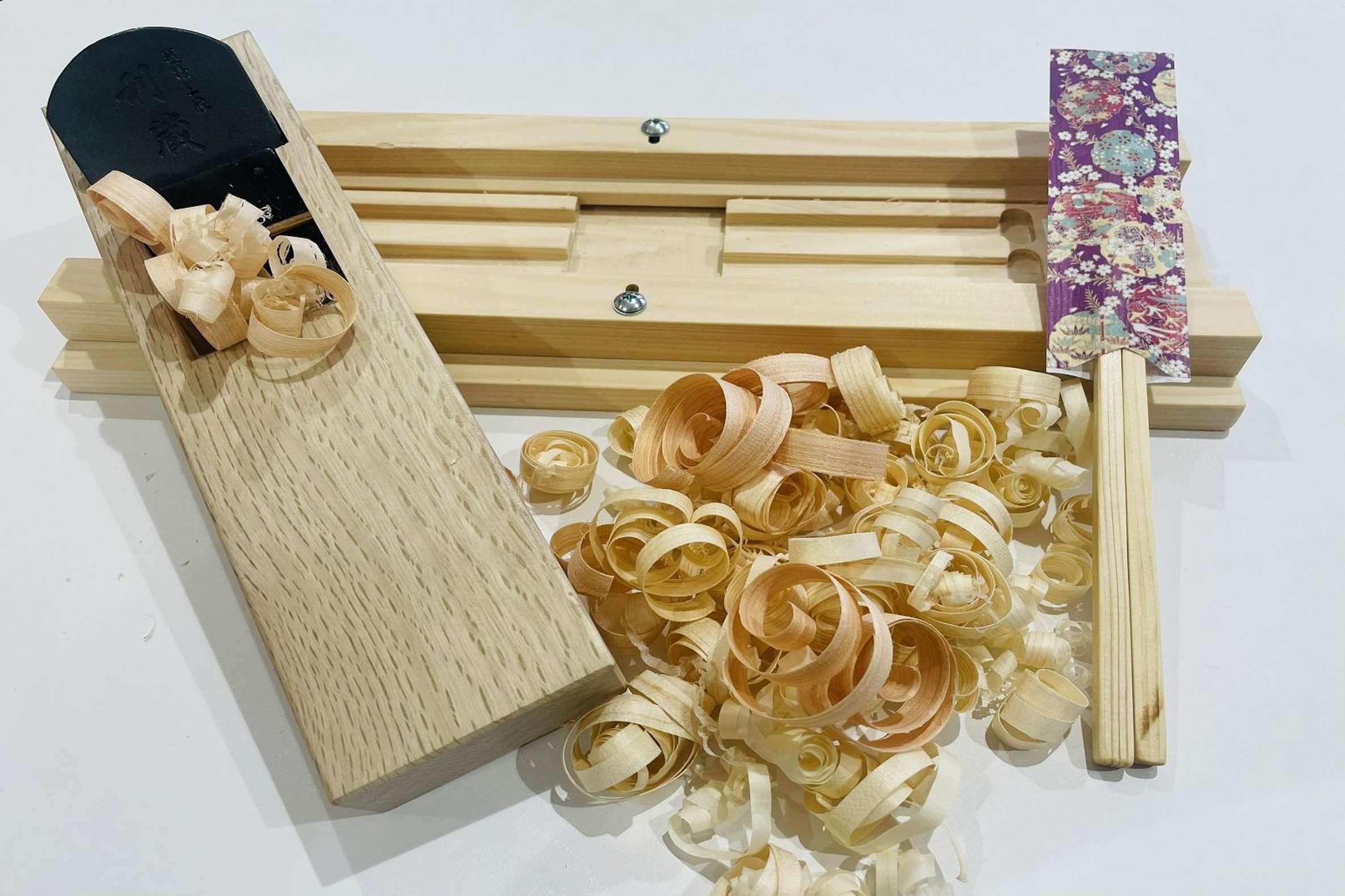
The Osaka Ramen & Chopsticks Making Experience goes a different way. You shape your own chopsticks from natural wood first, then knead ramen dough by hand from a special flour blend.
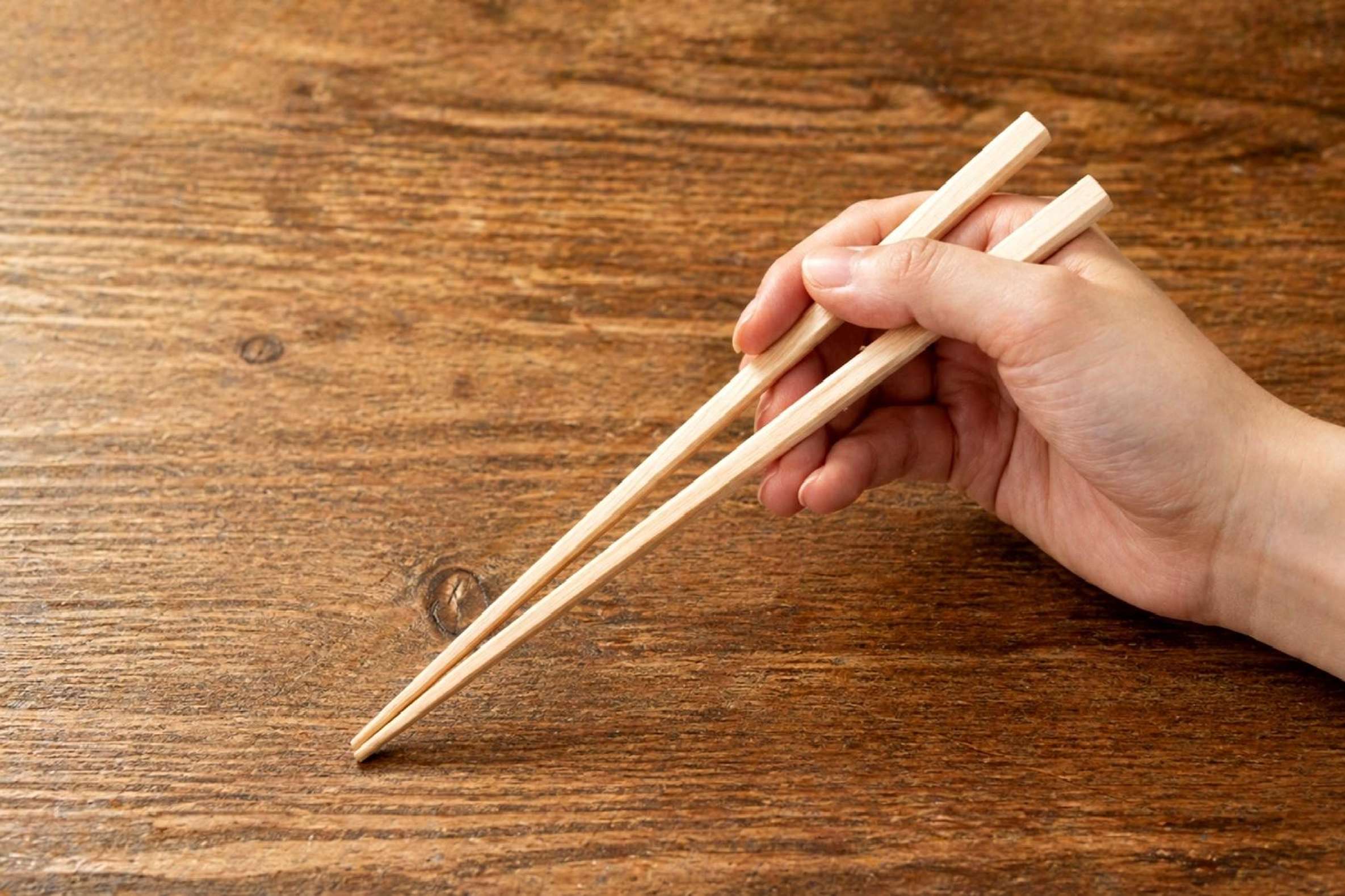
You eat your bowl with chopsticks you planed yourself, and walk out with them as a souvenir. It suits anyone who wants a craft object to take home, or a second activity to fill the morning alongside the cooking.
The table below puts the two days side by side, so you can match the class to who is traveling with you.
The two vegan-friendly Osaka workshops side by side
Ramen and gyoza class
Ramen and chopsticks class
What you cook
Two broths including vegan, plus gyoza
Hand-kneaded noodles, your choice of toppings
Vegan arrangement
Vegan and vegetarian alternatives listed
Vegan option available with prior notice
What you take home
A meal and the recipes behind it
Handmade chopsticks and a scented pouch
Time
3 hours
3 hours
Suits
Dumpling fans and sociable eaters
Craft-minded travelers and first-time cooks
Ramen and gyoza class
What you cook
Two broths including vegan, plus gyoza
Vegan arrangement
Vegan and vegetarian alternatives listed
What you take home
A meal and the recipes behind it
Time
3 hours
Suits
Dumpling fans and sociable eaters
Ramen and chopsticks class
What you cook
Hand-kneaded noodles, your choice of toppings
Vegan arrangement
Vegan option available with prior notice
What you take home
Handmade chopsticks and a scented pouch
Time
3 hours
Suits
Craft-minded travelers and first-time cooks
Either way you spend a full three hours at the counter, so both classes can stand in for a meal as well as an activity.
Tour for this
Osaka Ramen & Chopsticks Making Experience, Make it. Use it5.0★ (20) · 3 hours · Free cancellation
Japan hides animal ingredients where a plant-based eye never thinks to look. Ramen broth can carry fish stock even when the bowl holds nothing but noodles and vegetables.
Plain noodle dough can carry egg, and noodles are rarely called egg noodles when they do. Tofu and cooked vegetables need their seasonings checked, because dashi and other fish-based flavorings hide in the sauce.
So ask your host ingredient-level questions. Which broth base does the vegan version use, does your noodle batch skip egg, and what goes into the seasonings? A host who answers those three questions without hesitation has made vegan ramen before. A dish with no visible meat or fish is not necessarily vegan in Japan.
Three assumptions trip up even careful travelers. Check yours against the list before you book.
What travelers wrongly assume
MythVegetarian broth is fish-free
Reality
Ramen broth can contain fish stock even with no visible meat or fish
MythEgg only shows up in egg noodles
Reality
Ordinary ramen noodles can contain egg even when the packet never says so
MythThe word vegan settles everything
Reality
Labels slip through Japanese kitchens; the seasonings on tofu and vegetables need checking
Each of these has cost someone a meal they could not eat. Your chosen host's answers to the ingredient questions settle all three at once.
Osaka fills with domestic travelers four times a year, and a cooking class with a custom vegan prep sits on the sharp end of that demand.
Golden Week runs from 29 April to 6 May 2026, Obon falls around 13 to 16 August, the September holiday cluster sits on 19 to 23 September, and the New Year break runs from about 29 December to 3 January.
School holidays widen the crowds in late March and April, through most of August, and again at the turn of the year.
The practical move is to pick a date outside those windows if you can, and send the vegan request the day you book either way.
One operator requires prior notice for vegan options, and notice means giving the host days to plan the substitutes. New Year also closes businesses across the city, so a class near that week needs extra care with the date.
The calendar below lines up the 2026 public holidays behind those windows, so you can see which dates to plan around.
Holiday periods to plan around in Osaka
2026-01-01
New Year's DayJP
2026-01-12
Coming of Age DayJP
2026-04-29
Shōwa DayJP
2026-05-04
Greenery DayJP
2026-05-05
Children's DayJP
2026-05-06
Constitution Memorial DayJP
2026-08-11
Mountain DayJP
2026-09-21
Respect for the Aged DayJP
2026-09-23
Autumnal Equinox DayJP
Clustered holidays stretch into multi-day breaks, which is exactly when trains, hotels and small kitchens fill. Book your class and send the dietary list before those dates tighten.
Tour for this
Osaka: Ramen and Gyoza Cooking Class in Dotonbori5.0★ (566) · 3 hours · Free cancellation
Wording your vegan request for an Osaka cooking class
The word vegan does less work in a Japanese kitchen than travelers expect. Hosts hear it, nod, and reach for whatever they usually serve vegetarians, which may include fish stock or egg in the dough. What gets you the bowl you actually want is a list.
Write it plainly: no fish or fish stock, including dashi and bonito, no egg in the noodles, no meat, no dairy, and check the seasonings on anything with tofu or cooked vegetables.
A list of excluded ingredients travels better than a dietary label, because the cook reads exactly what to leave out of which pot. Hosts who cook vegan regularly treat that seasoning question as a normal part of the conversation.
A few things first-timers learn only after the fact are gathered below.
What nobody tells you
Hosts respond to ingredients, not labels
The word vegan can be read loosely; a named list of exclusions leaves nothing to guess
Seasoning checks are routine
Fish-based seasonings hide in tofu and vegetable dishes, so asking about them signals an experienced guest
Ask at booking, not on the day
The Osaka workshops that offer vegan versions both frame it as advance notice
Put those three together and your booking message writes itself: the exclusions, the seasoning check, and the date sent early.
Finding the kitchen for your Osaka vegan cooking class
Namba is three stations wearing one name. JR Namba sits west of the center, while Osaka Metro Namba and Osaka-Namba serve other corners of the district, and a booking that says only Namba leaves the difference to your feet. Check the full station name and the address on your confirmation before you plan anything else.
Meeting points vary by operator, and their numbers count different walks. One operator directs guests to a coffee shop in Namba, about a ten-minute walk from the Namba stations; that figure measures the walk from the stations to the meeting point.
The operator running from a studio in Shiokusa lists about eight minutes from JR Namba to the studio, and about twenty minutes from the studio to the wider Namba and Dotonbori sightseeing area.
Those distances sit at opposite ends of the same journey, so check which one your booking actually describes.
From Umeda or Shin-Osaka, take the Midosuji Line straight to Osaka Metro Namba with no transfers, seven to eight minutes from Umeda and fourteen to sixteen from Shin-Osaka, then allow the station-to-kitchen walk separately. Namba and Dotonbori are one connected sightseeing area, so a Namba class keeps you in the heart of it.
For a Matsuyamachi meeting point, the connections below are the ones worth checking against the timetable for your travel day.
The train-and-walk row wins without traffic to fight, and it removes the parking question entirely. Whichever way you come, add the walk from the station to the kitchen on top of the ride.
Flour and soup have a way of finding clean clothes, so dress for the mess rather than the photos. Comfortable casual clothes that can take a splash, sleeves rolled up, and closed-toe shoes instead of sandals. Leave dangling jewelry off, and the apron is usually provided, so you do not need to carry one.
Think about the journey too, not just the kitchen. Osaka summers ask for light, breathable clothes; spring and autumn take light layers; winter wants warm outer layers you can peel off indoors, where the pots are doing the heating. Tie long hair back before you start kneading.
One line covers the whole packing question.
Pro tipRecommended Dress to get flour on yourself and wear closed-toe shoes; the apron is provided, the sandals are not welcome.
That single rule holds for every kitchen on this page, and it costs nothing to follow from the moment you leave your accommodation.
A three-hour class leaves most of a day unspent, and Namba pays it back on foot. Hōzen-ji sits barely three minutes from the central Namba point, a small temple tucked into a lane and the easiest stop to slot in before class.
Ikukunitama Shrine and Imamiya Ebisu Shrine both fall within about a fifteen-minute walk for a longer stretch.
Dotonbori lies five minutes from the Namba map point, so the neon canal scene works before or after without another train. For the class run near the Shiokusa studio, the Namba and Dotonbori area is about a twenty-minute walk away, enough to combine on foot in one outing.
And if your class runs near Osaka Castle, the castle grounds make a walkable stop either side of the cooking. Leave the tram rides for Tennōji Park or the museums only if the weather turns.
The list below sorts the sights by how far they sit from central Namba, walking stops first.
We loved it! As frequent travelers we're demanding, but the hosts were super kind and fun. Making ramen and chopsticks was amazing, plus lots of Japanese culture. Time flew!
Vegan ramen making in Osaka is a real option, as long as the request goes in early and in ingredients. Pick the gyoza pairing for the sociable table, or the chopsticks workshop for a bowl eaten with tools you made yourself. Confirm the meeting point, dress for flour, and arrive hungry.
Go ifYou want to cook and eat your own vegan bowl, not just watch one assembledYou can send your dietary list when you book, well ahead of the classYou want a three-hour workshop that fits around Dotonbori sightseeing
Skip ifYour dates sit inside Golden Week, Obon or the New Year break and you cannot give noticeYou need a class tomorrow; the vegan options require advance notice
Your vegan cooking class in Osaka questions, answered
Short answers on how to book, what to say to the cook, and what vegan really means here.
Osaka2026
Today I ate a bowl I built myself, noodles and all, and the cook knew every ingredient in it. Ask for the vegan version the moment you book.
Which Osaka ramen classes offer a vegan version?
Two Osaka experiences state it plainly. One ramen-and-gyoza class with an experienced local chef lists vegan, vegetarian and Buddhist diet alternatives, and the ramen-and-chopsticks experience offers vegan options with prior notice. Tell them when you book, so the host can shop and prepare for you.
Other Osaka kitchens, including the Dotonbori classes, focus on wheat noodles, chicken broth and meat fillings, so their menus are harder to adapt.
How far in advance should I request the vegan option?
Both classes ask for notice before the day. The chopsticks class lists vegetarian and vegan options as available with advance notice, and the ramen-and-gyoza class asks you to mention dietary restrictions before the class. Send the request as soon as you book, since the host buys ingredients for your session specifically.
Is vegetarian ramen in Japan the same as vegan ramen?
It is a different thing here. A plant-based label does not guarantee a fully vegan meal, because broth can contain fish stock and noodles can contain egg even when the menu never mentions it. A dish without visible meat or fish is not automatically vegan either. Ask which ingredients the kitchen actually excludes.
How do I explain vegan needs so a Japanese cook understands?
List the ingredients you avoid: no egg, no fish stock, no meat extracts, no dairy. A cook who knows the exact exclusions can check the seasonings on tofu and vegetables too, which is where animal ingredients often hide. This matters even more if you share little or no Japanese.
Can ramen noodles contain egg?
They can, even when nobody calls them egg noodles. If egg is off your list, ask what goes into the dough before you knead it. A class that makes noodles from flour with you can usually tell you the exact recipe.
What do I actually make in these vegan ramen classes?
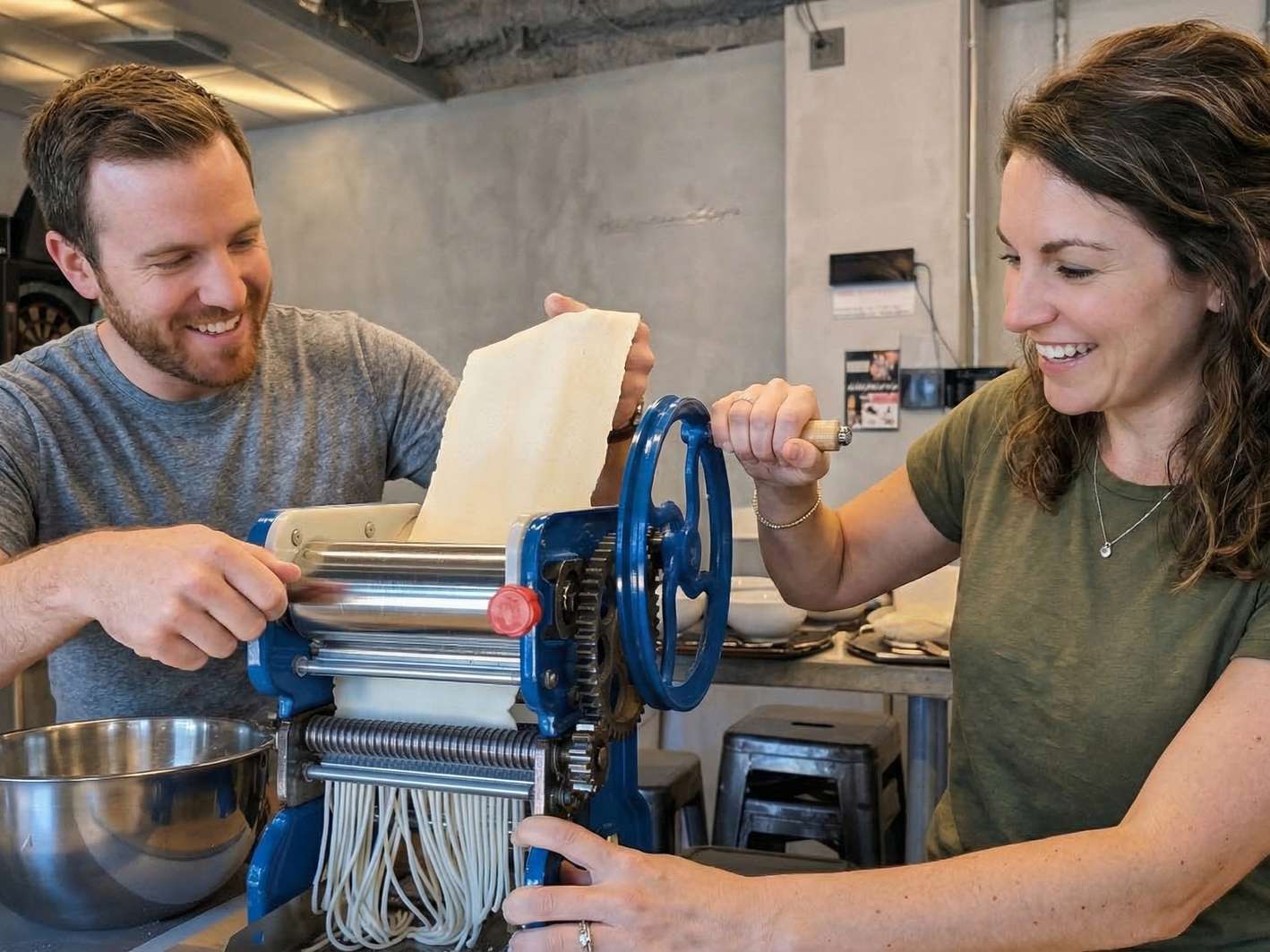
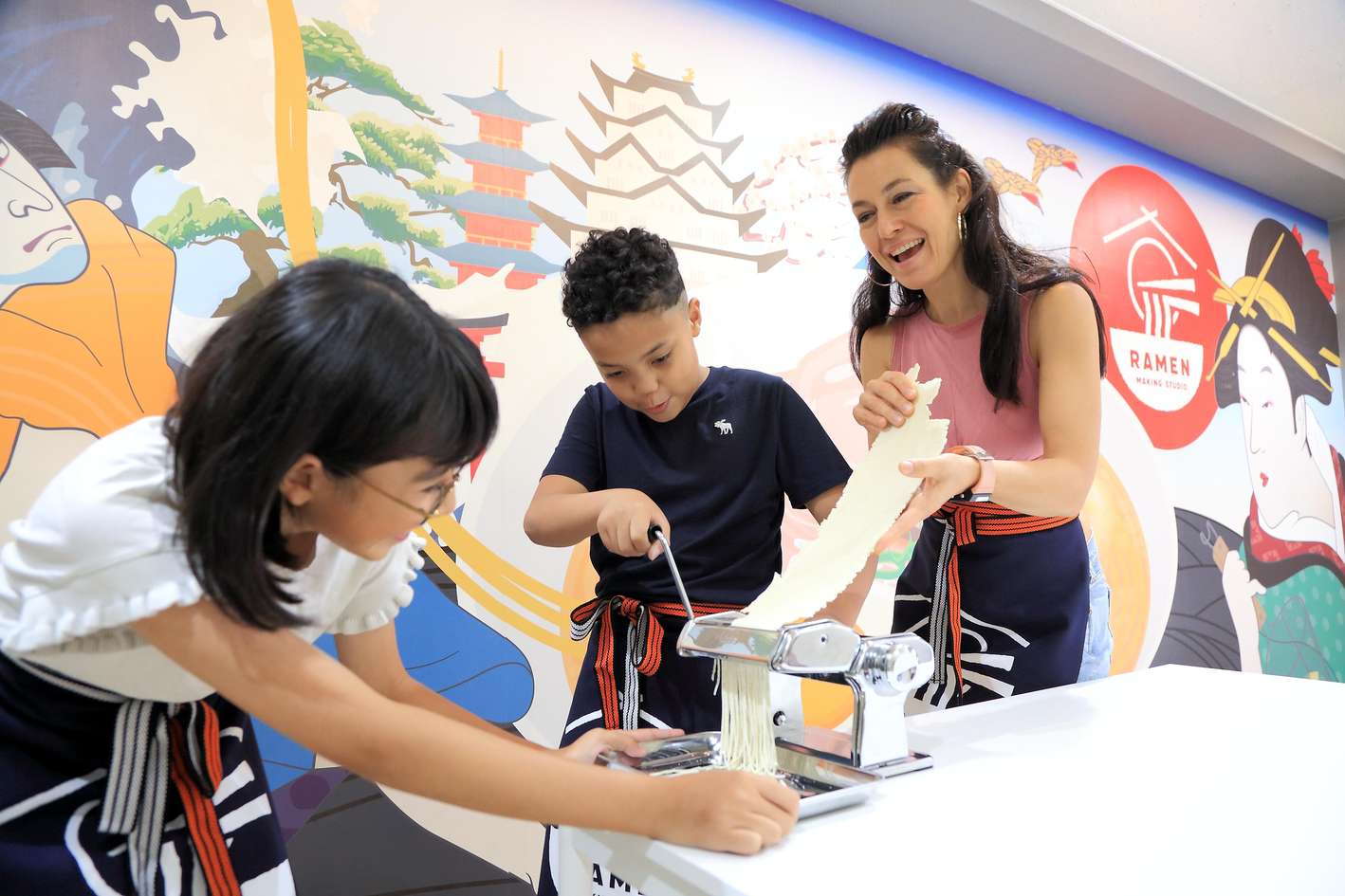
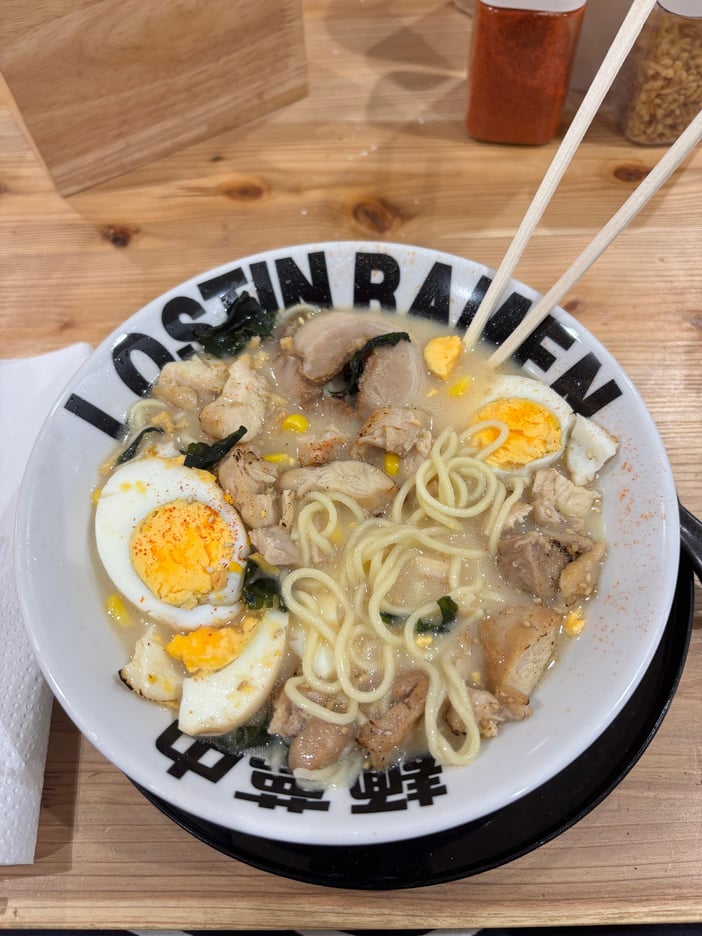
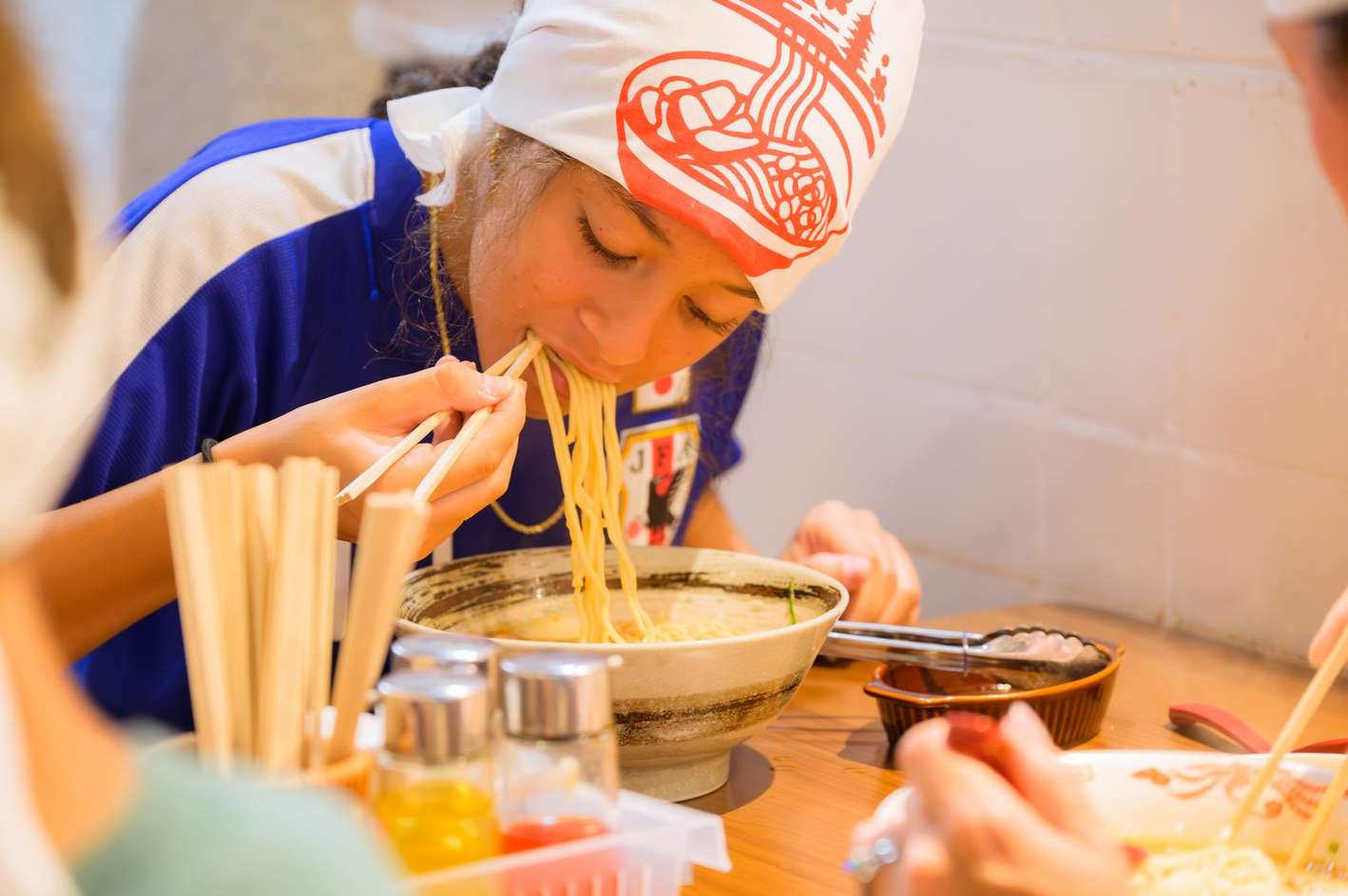
In the ramen-and-gyoza class you prepare two kinds of broth and fold gyoza with the chef, and in the chopsticks class you knead and hand-shape noodles from flour and choose your soup base before adding toppings. Both are hands-on, so you cook the vegan bowl yourself and then eat it.
Can I combine a class with sightseeing in Osaka?
Yes. The chopsticks experience sits near Osaka Castle and runs about three hours, and one operator's Namba meeting point sits about ten minutes on foot from the Namba stations, close to Dotonbori. Check the meeting point on your confirmation before you plan the rest of the day.
What if I need to cancel or change my booking?
Both featured experiences let you cancel up to 24 hours in advance for a full refund. That window also gives you room to add or adjust dietary details after the initial request.
Your vegan ramen cooking class in Osaka starts here
Spend three hours making two plant-based broths and gyoza with a local chef, then eat what you cooked. Free cancellation up to 24 hours ahead keeps the plan flexible.