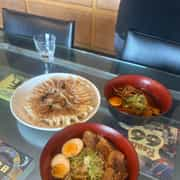
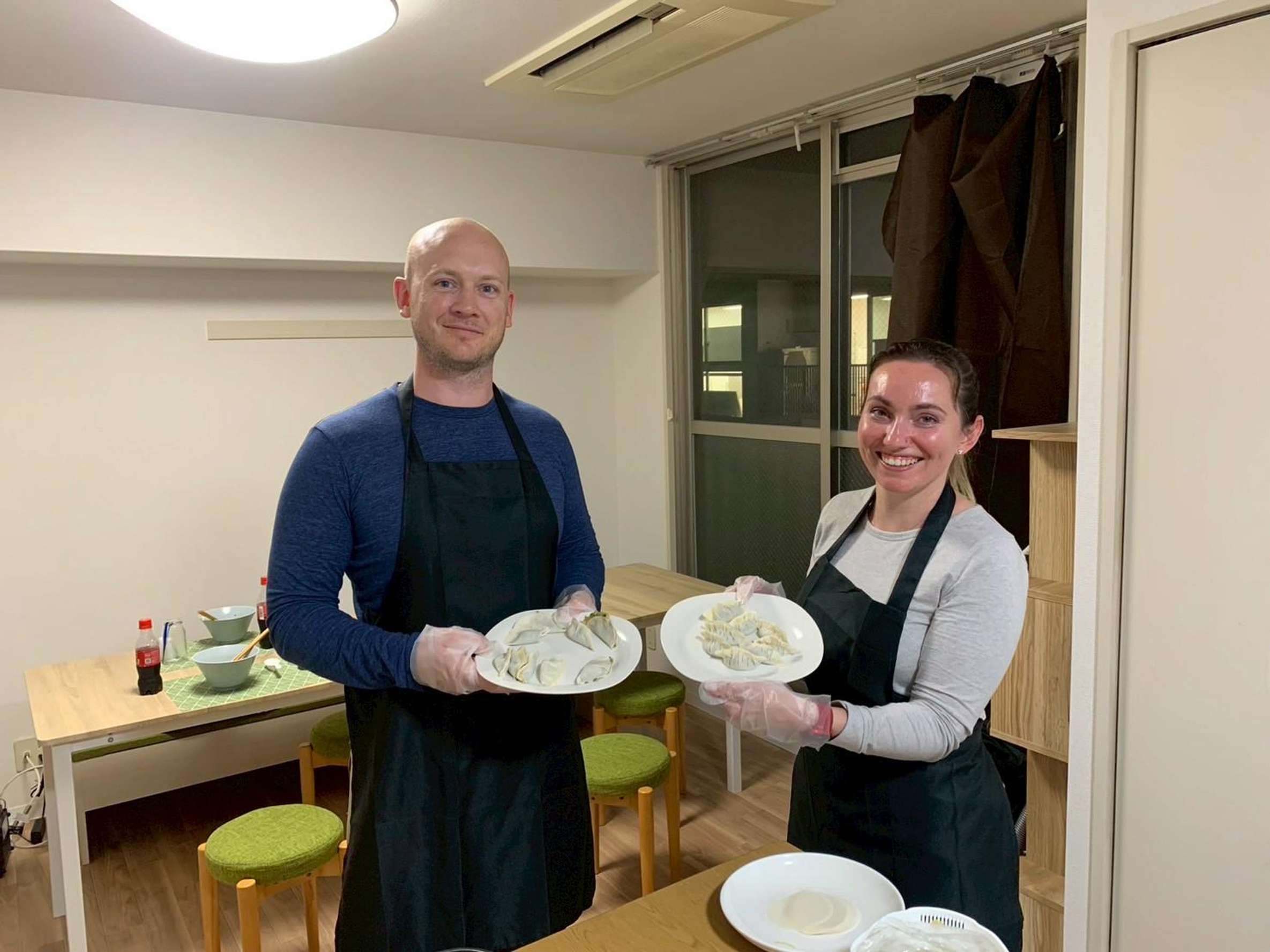
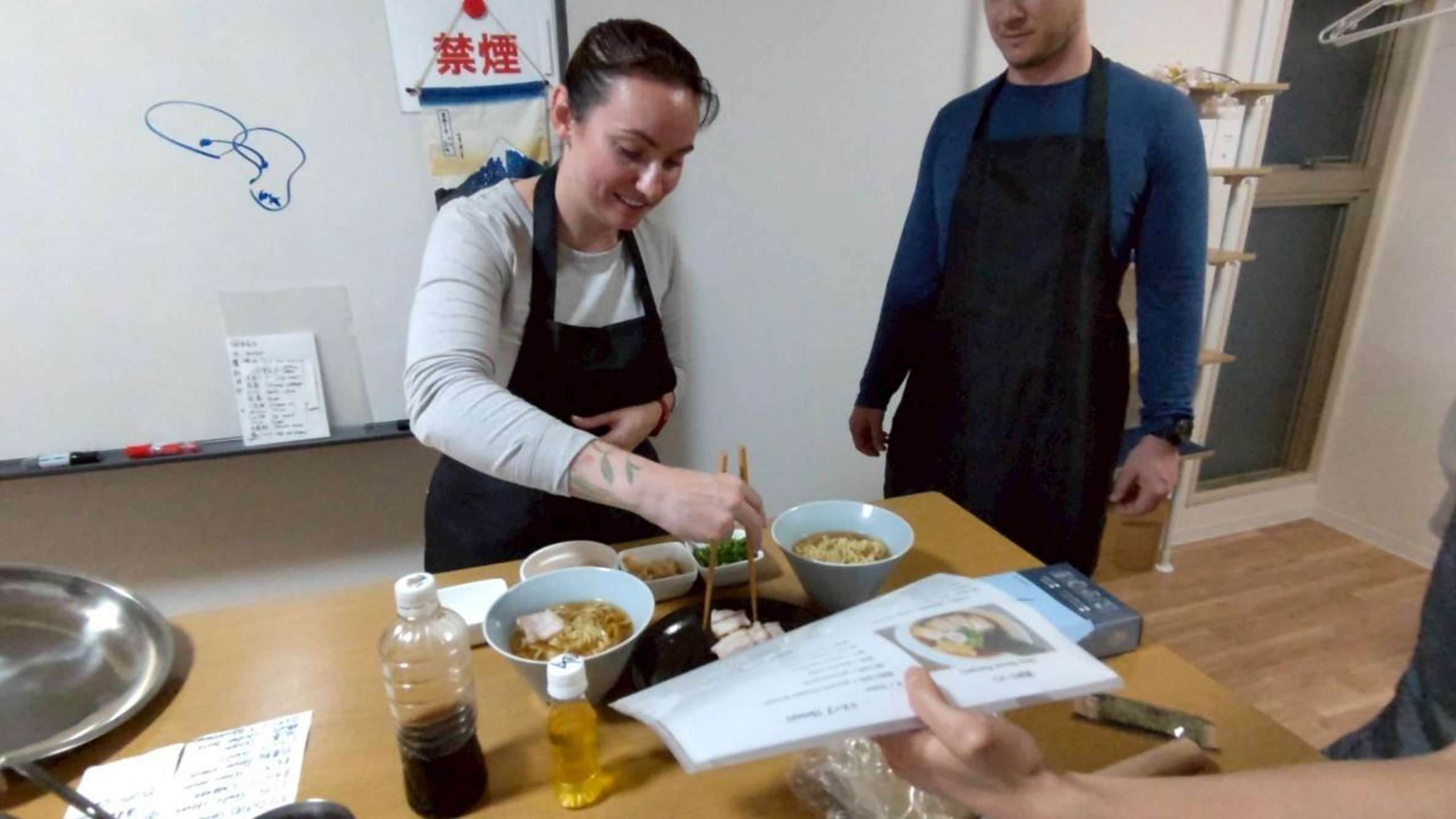
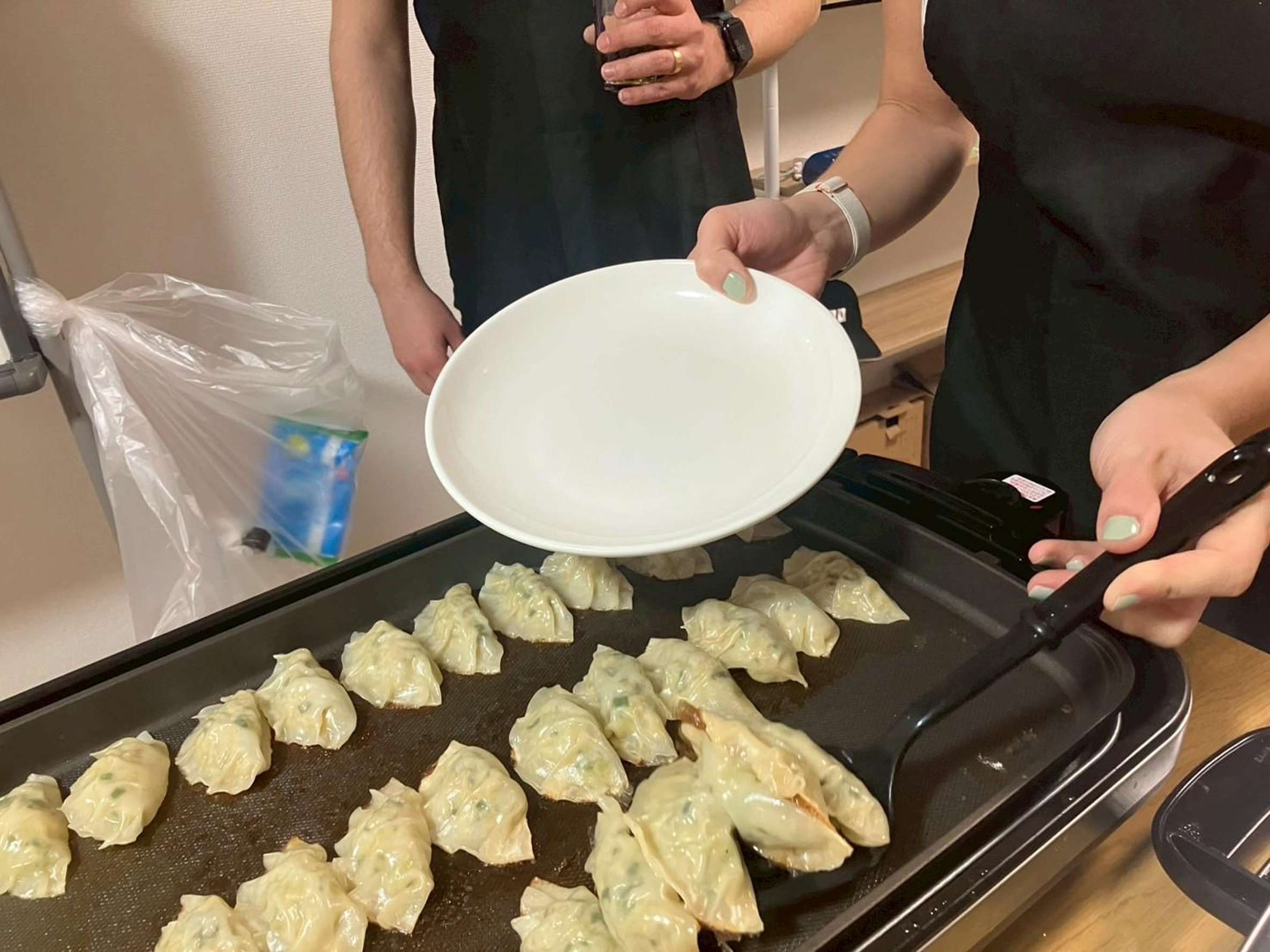
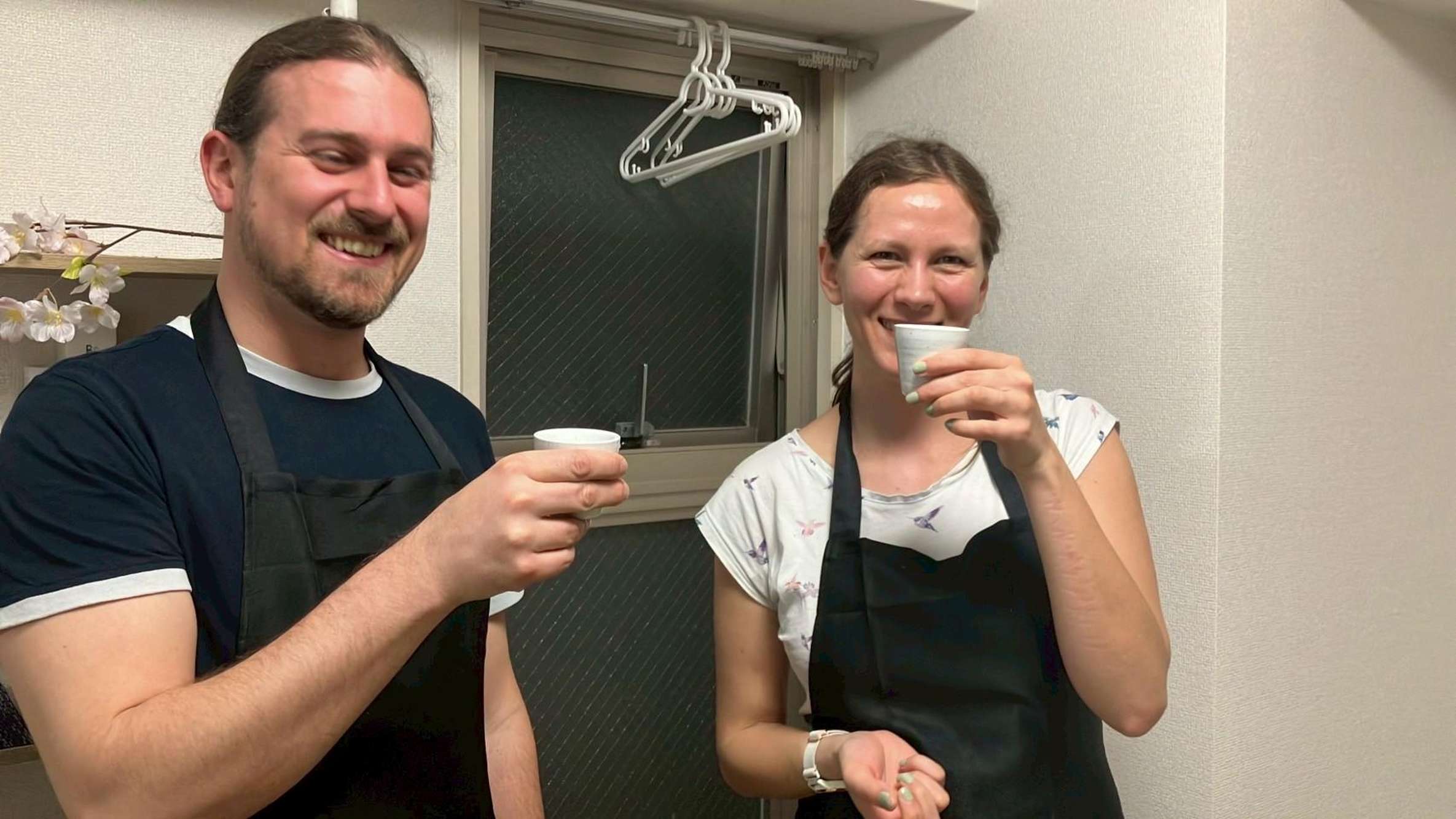
4.9945 travelers kneaded, folded and ate their own bowls
Ramen and Gyoza Cooking Class in Osaka Classes in Dotonbori
Book a ramen and gyoza cooking class in Osaka and make both dishes from scratch. Knead the noodles, fold the dumplings, then eat the pairing ramen shops here have always served as a set, guided step by step in English.
"Two teachers, Bella and June - friendly, knowledgeable, Osaka cooking backgrounds. Got history with our cooking lesson, my dietary restriction was no problem, and it was all delicious. Spoiled for other ramen now!"
4.9★average rating945traveler reviews100%free cancellation34countries travelers came from
Choosing your ramen and gyoza cooking class in Osaka
Osaka's ramen-and-gyoza classes all get you cooking both dishes, then eating them together the way ramen shops serve them. The differences come down to setting and focus: a Dotonbori studio, a tasting session with drinks in Nanba, a class built around dietary alternatives, or a gluten-free home kitchen.
BookingThe Nanba course needs at least one day's notice, and every class on this list lets you cancel up to 24 hours ahead for a full refund.
Dietary requestsTell the host before class, not on the day; the Nanba course may not manage a vegetarian menu without prior notice.
Egg allergyRemoving the egg topping does not make a bowl safe, because ramen noodles themselves can contain egg.
Coeliac diseaseLook into soy sauce and cross-contamination with the host, since an allergen card alone does not settle whether a kitchen is safe.
Time neededPlan on two to three hours, with the Dotonbori and gluten-free classes at the longer end.
Getting thereFor the Nanba area, aim for Osaka Metro Namba on the Midosuji Line, about seven minutes from Umeda or fifteen from Shin-Osaka.
What to wearComfortable clothes you can cook in; flour and soup splashes are part of the deal.
importantA shared kitchen kitchen can turn an allergy or a strict diet into a real problem: ramen noodles can contain egg even when the egg topping is left off, and a class that also handles wheat noodles is not automatically safe for coeliac disease.
Name your diet and the exact ingredients you cannot eat when you book, and ask directly about soy sauce and cross-contact between pans and surfaces rather than relying on an allergen card. The gluten-free class in Osaka exists for this reason, and hosts of the other classes need advance notice to adjust the menu.
Ramen and gyoza cooking classes in Osaka - which one fits
In Dotonbori
3 hours·English
5.0(566)
Osaka: Ramen and Gyoza Cooking Class in Dotonbori
The Dotonbori address searchers look for, plus a sushi swap option from June 2026 and a full three hours of cooking
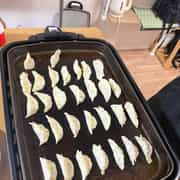
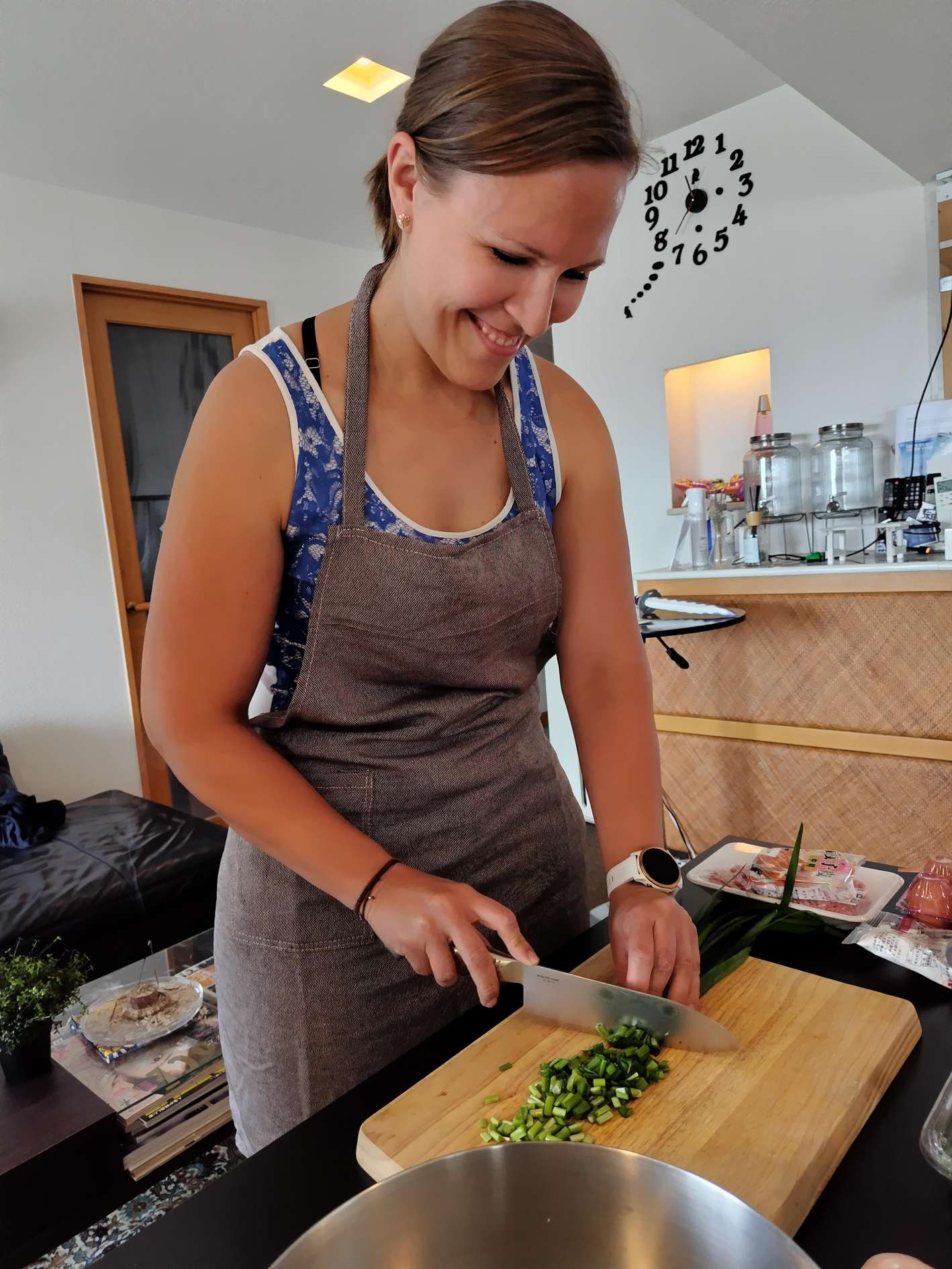
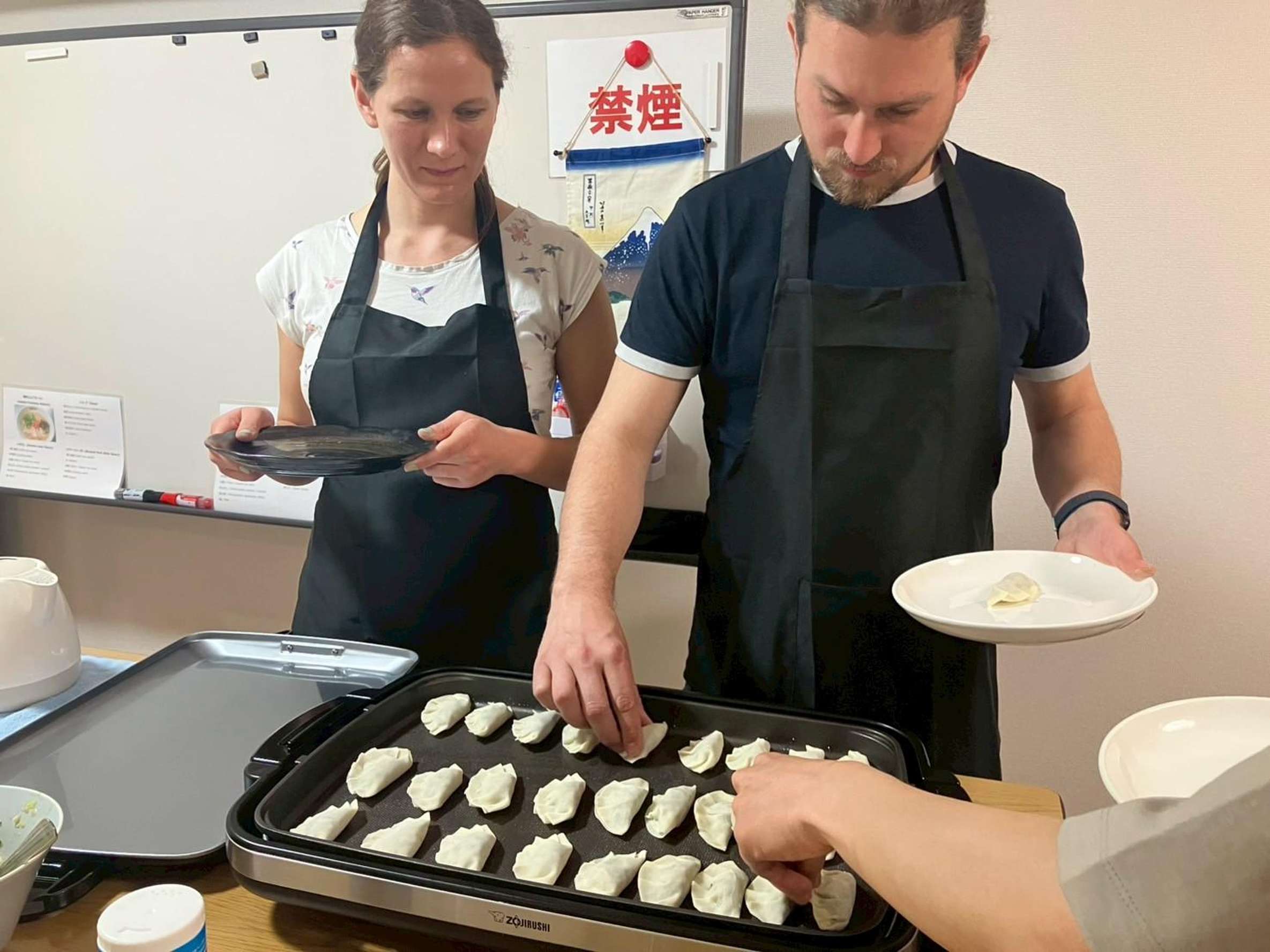
Knead wheat to make ramen noodles!Cut ramen like a pro with a noodle machine!Make original dumplings using minced chicken!
Your gyoza cooking class in Osaka, moment by moment
about 4 h
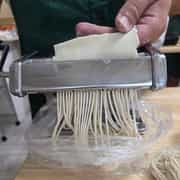
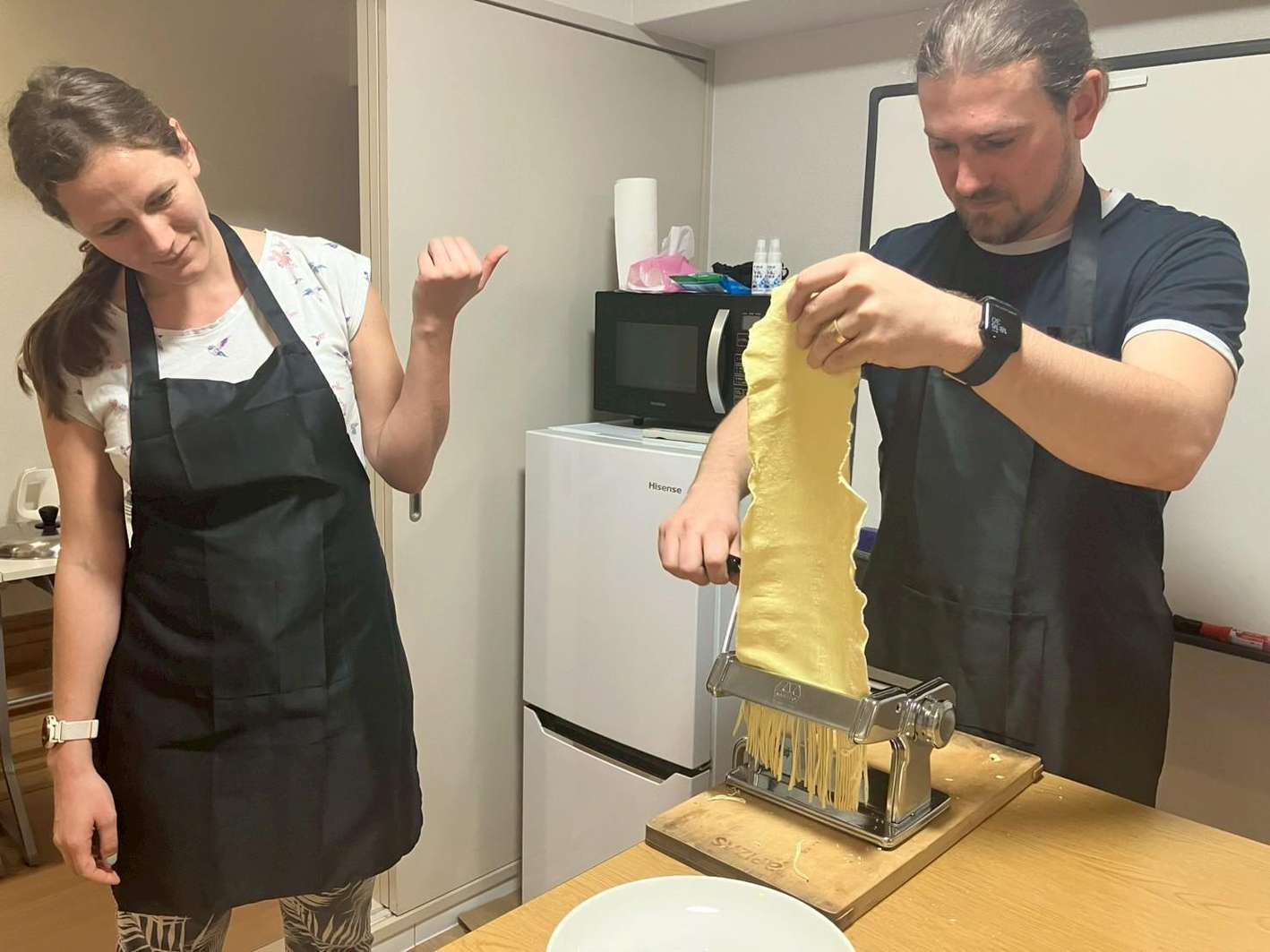
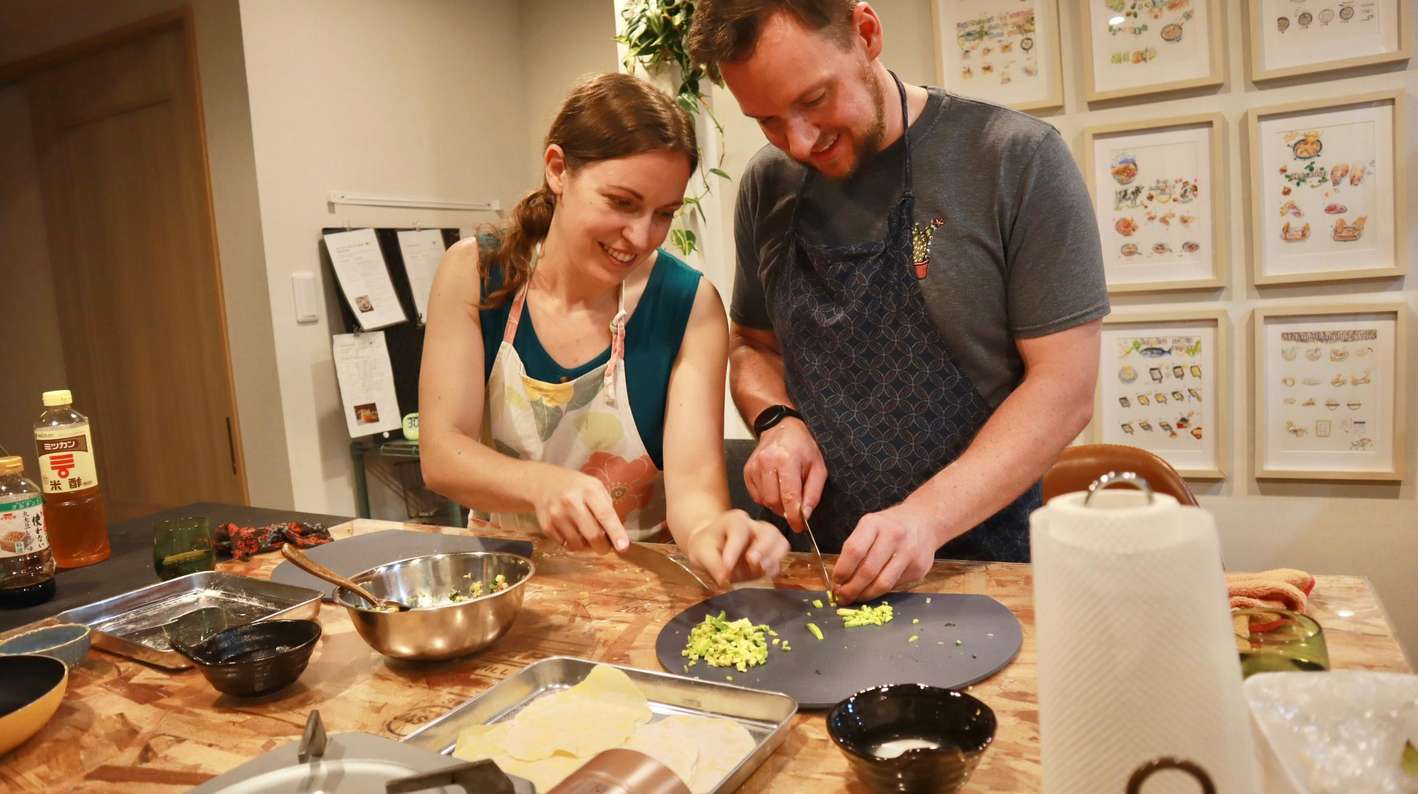
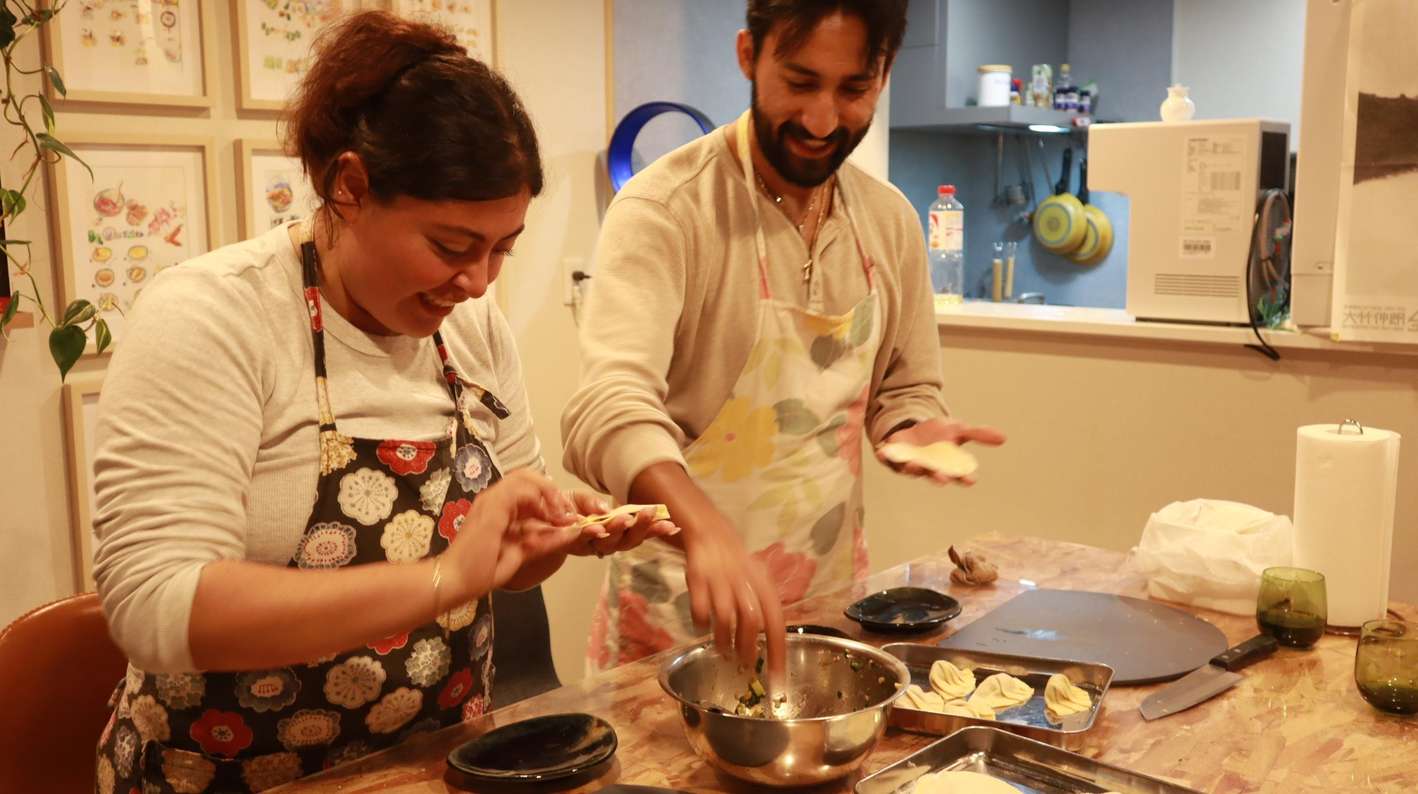
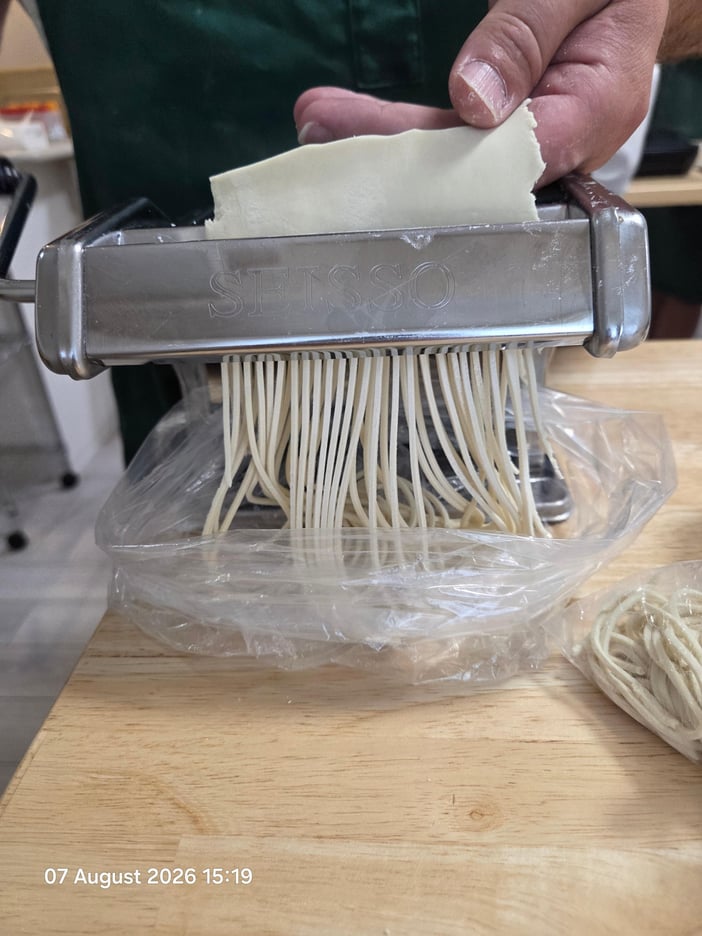
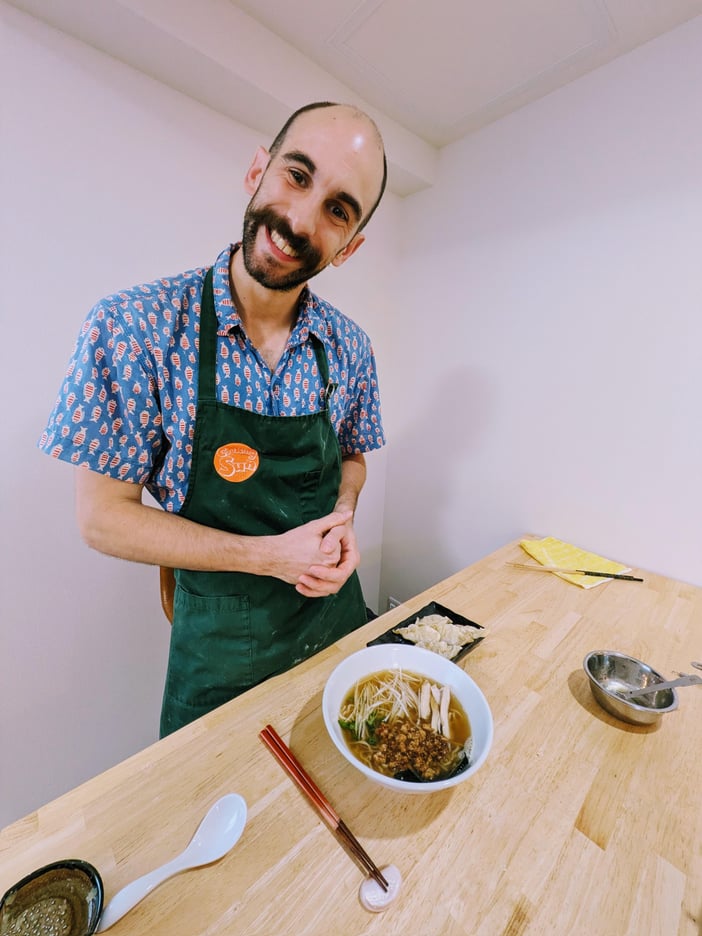
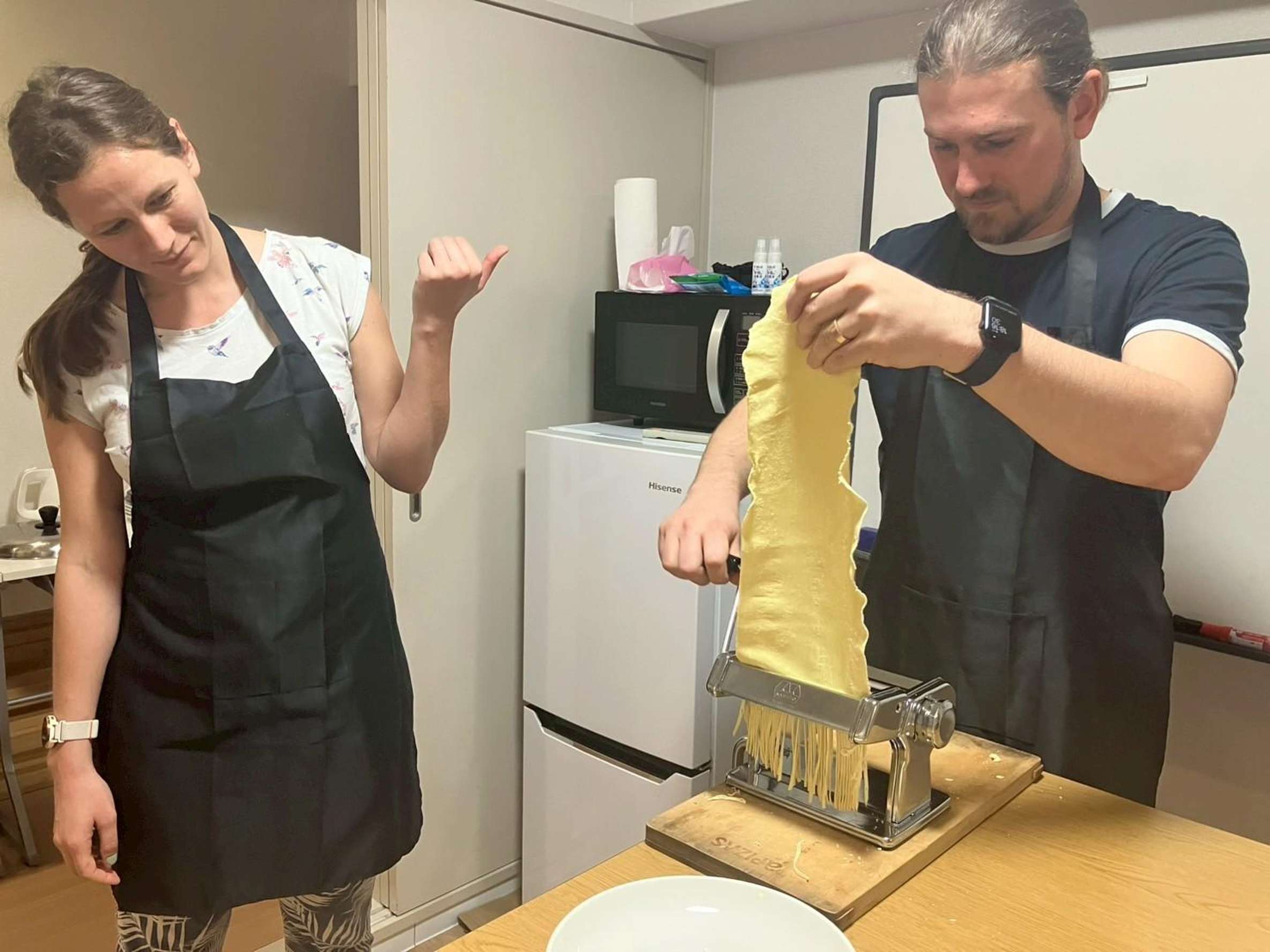
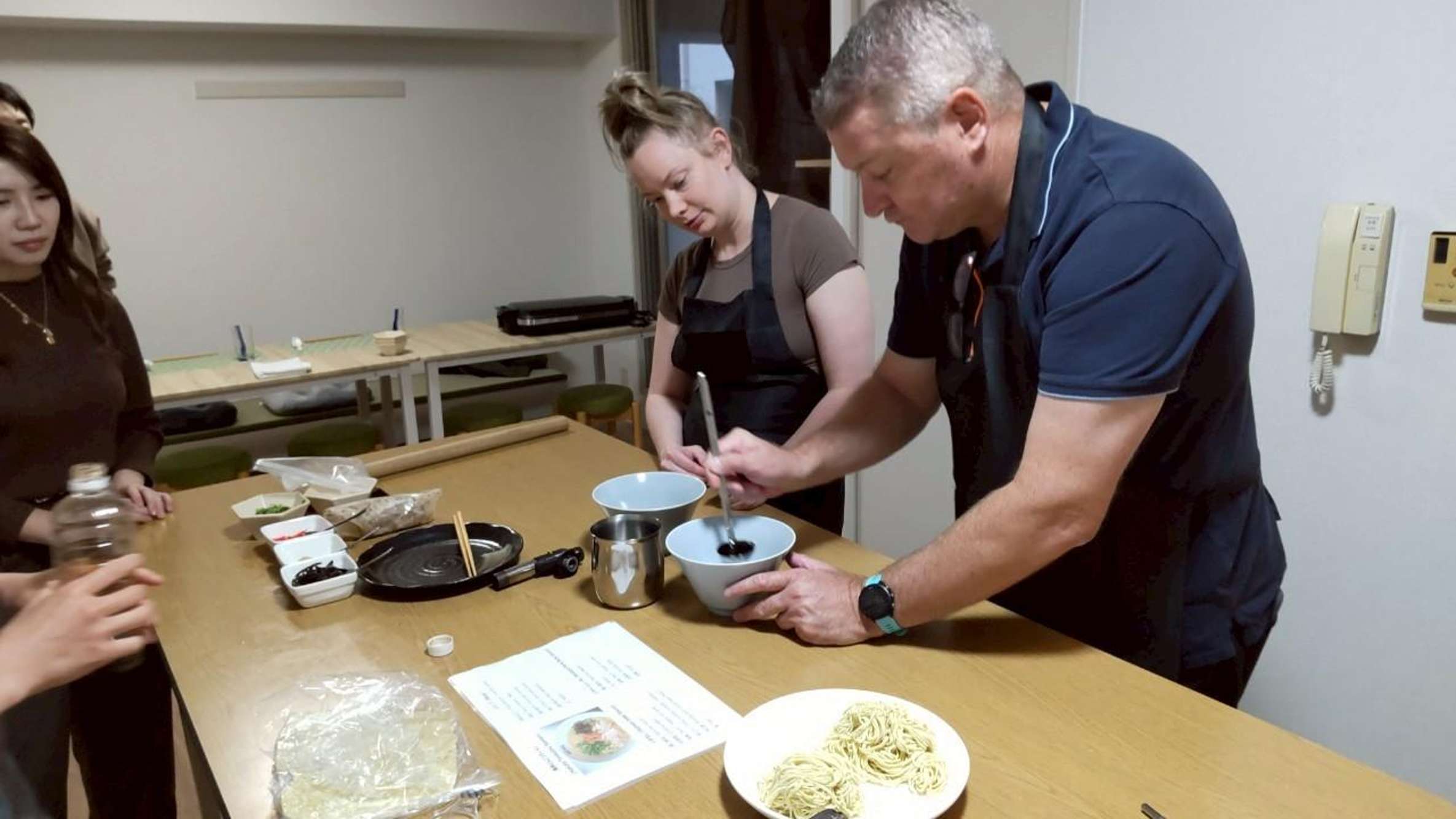
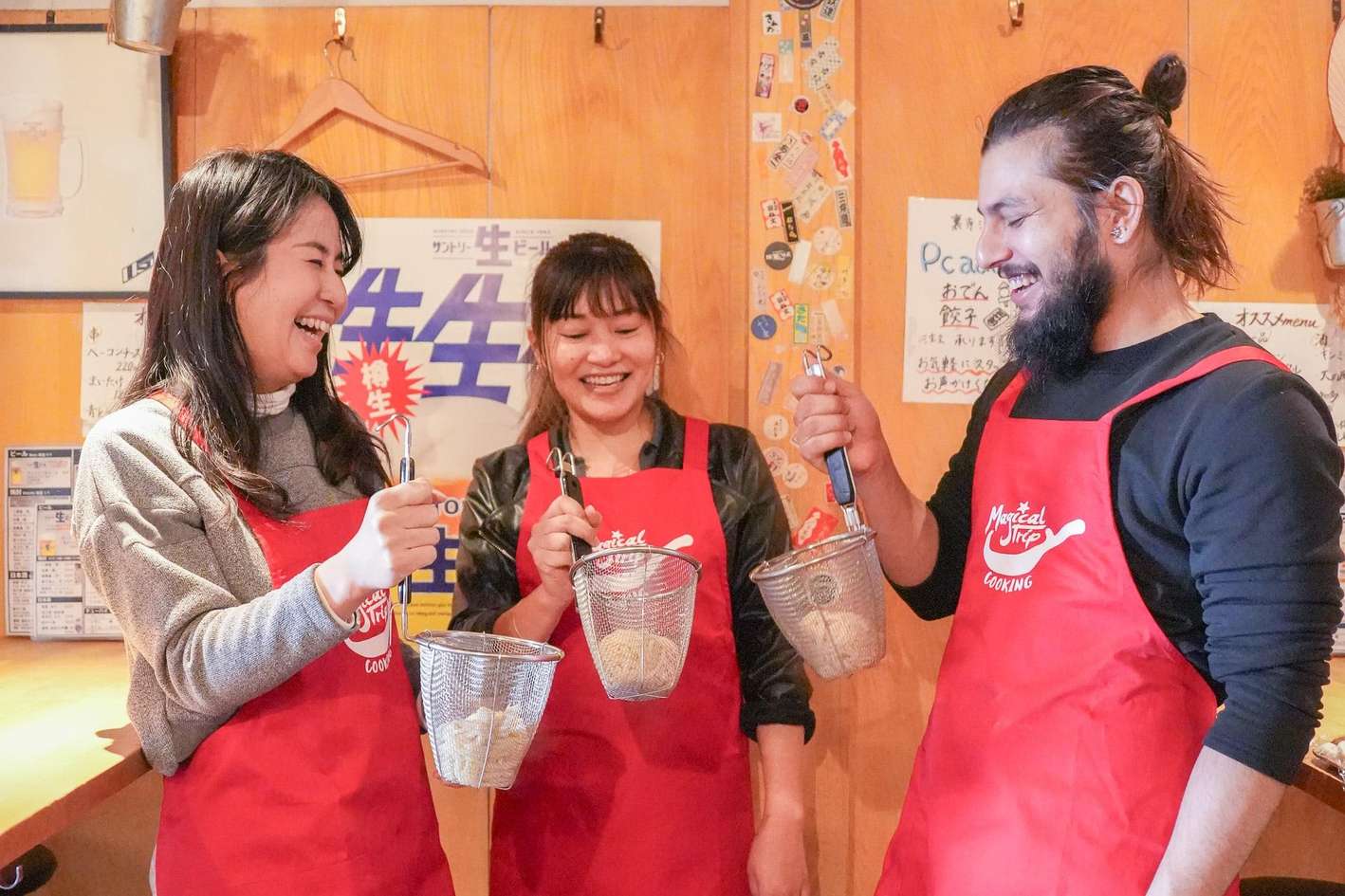
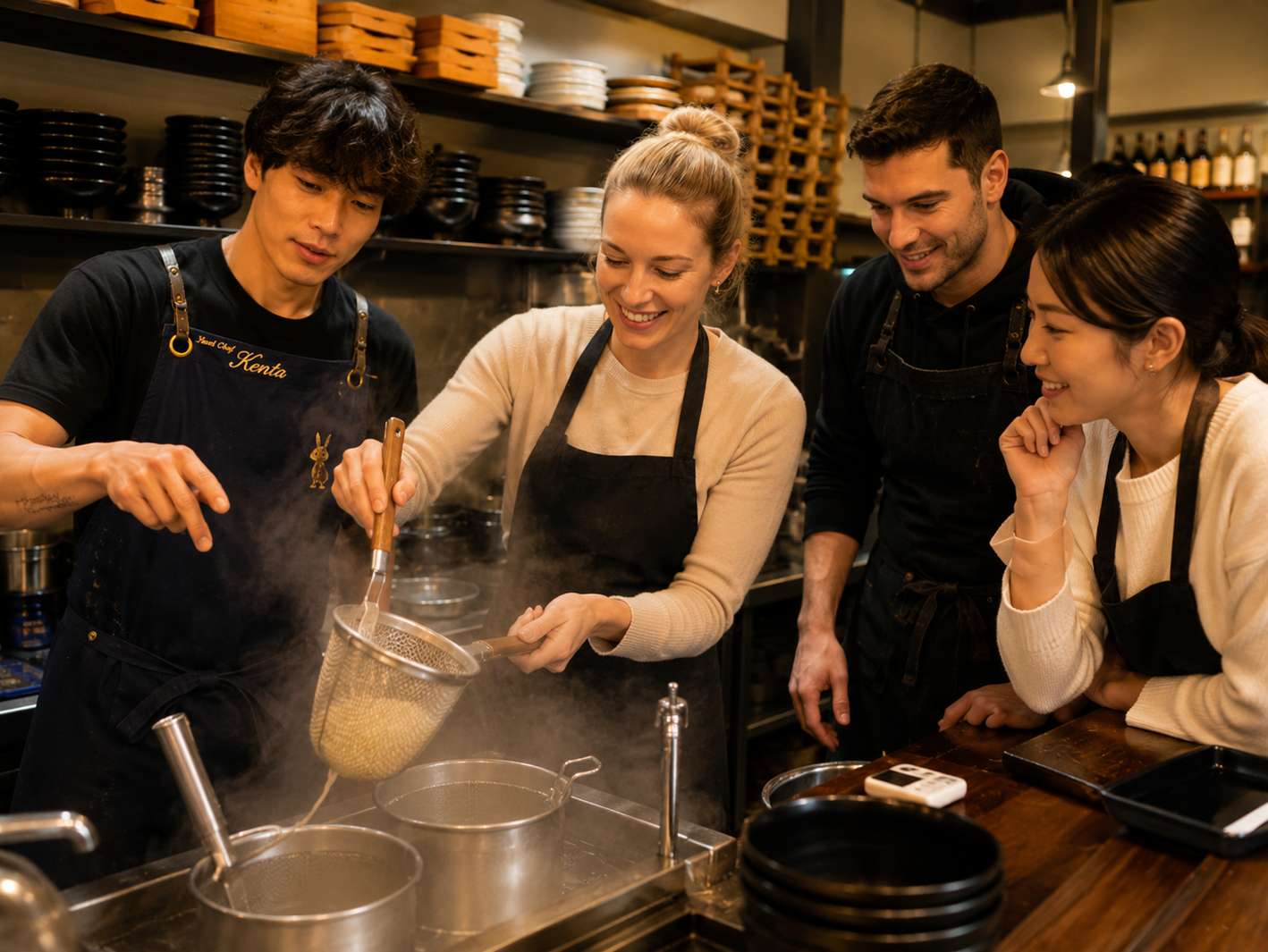
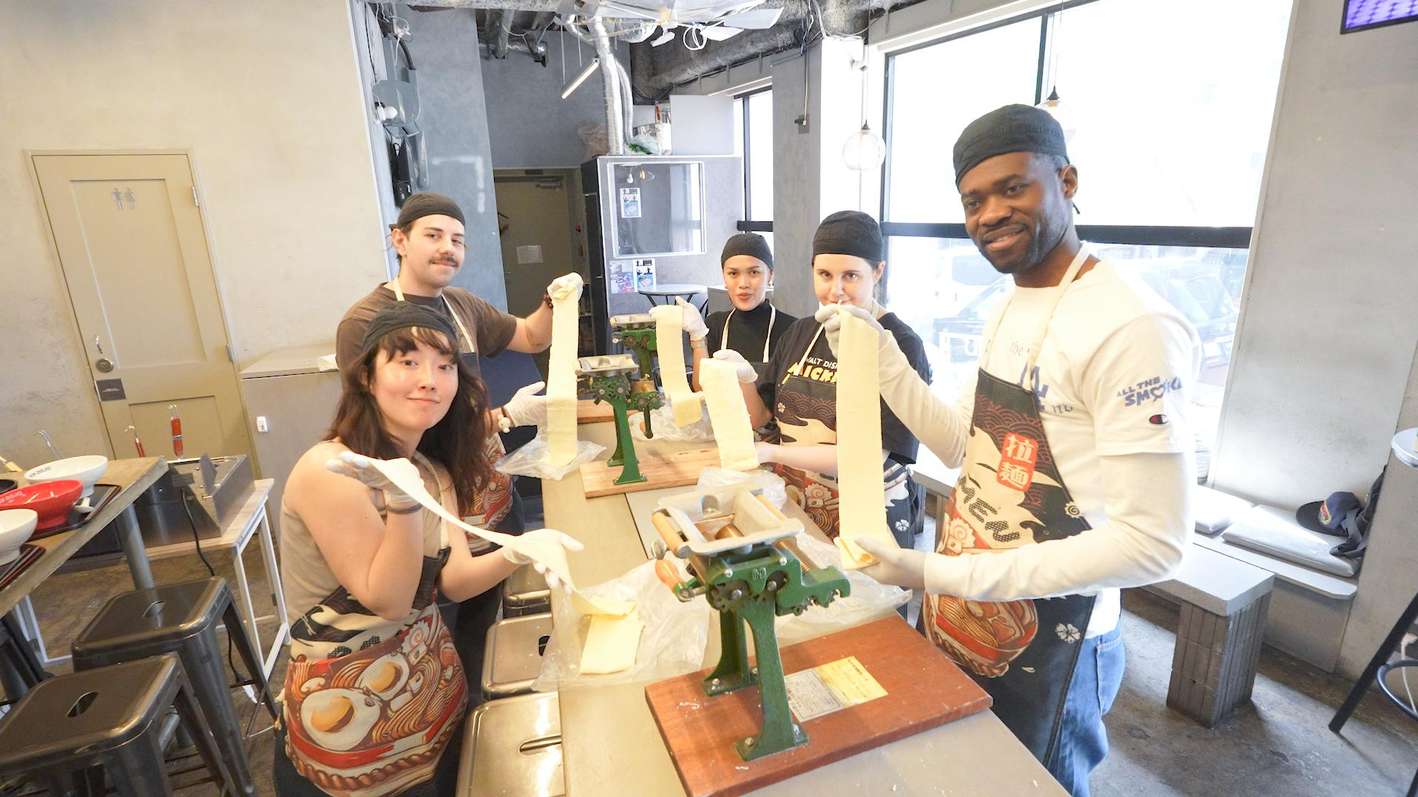
The first thing that happens is the dough. You knead wheat flour into noodle dough with your own hands, then feed it through a noodle machine and watch it come out as strands. This is the Dotonbori class that pairs Japan's two favourite shop dishes, and it runs three hours.
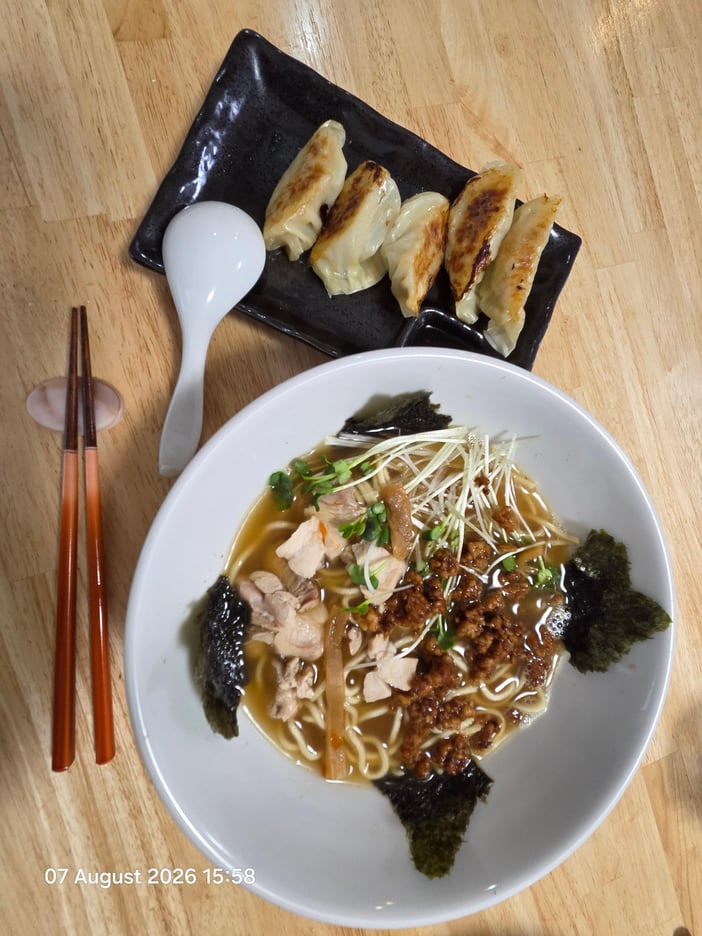
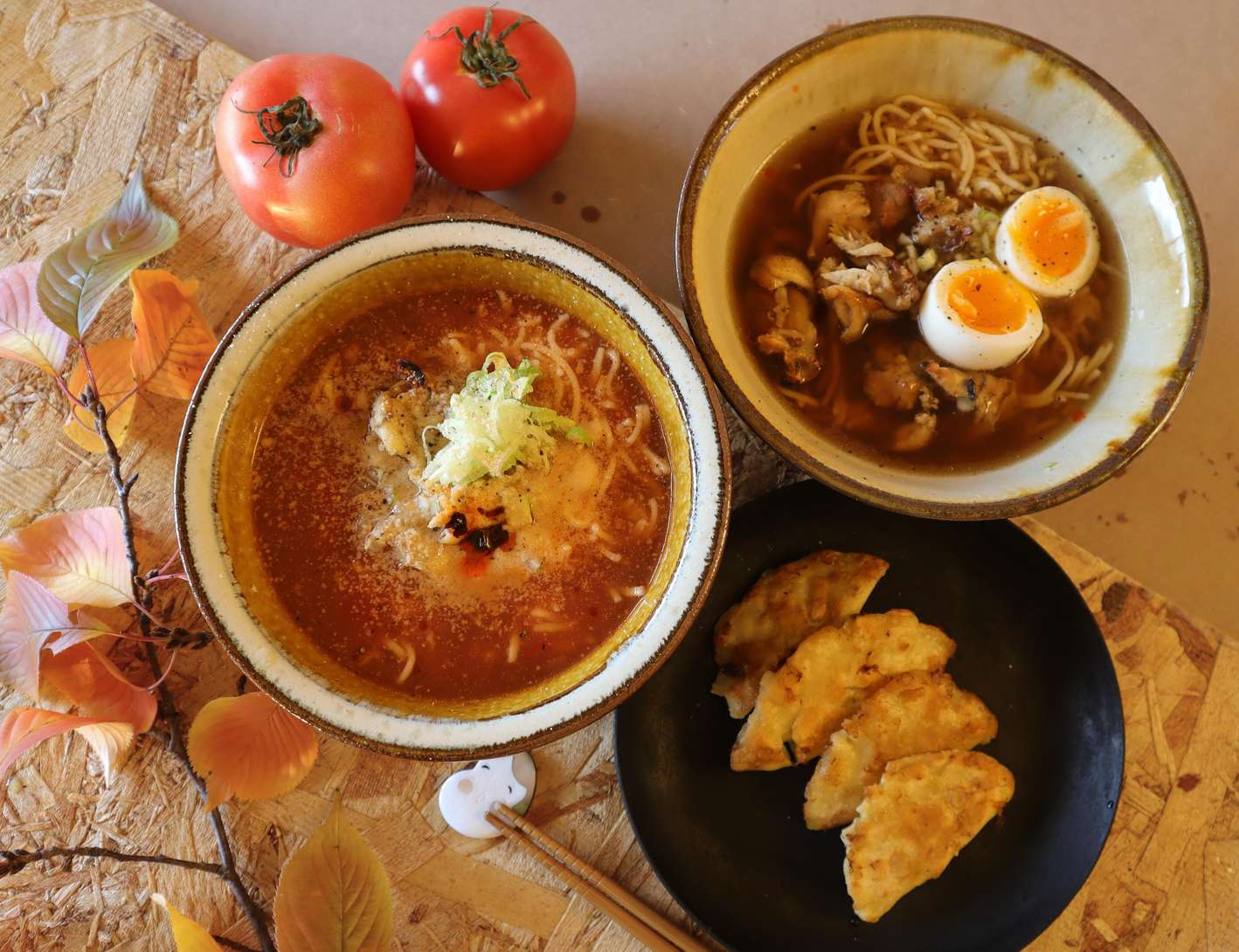
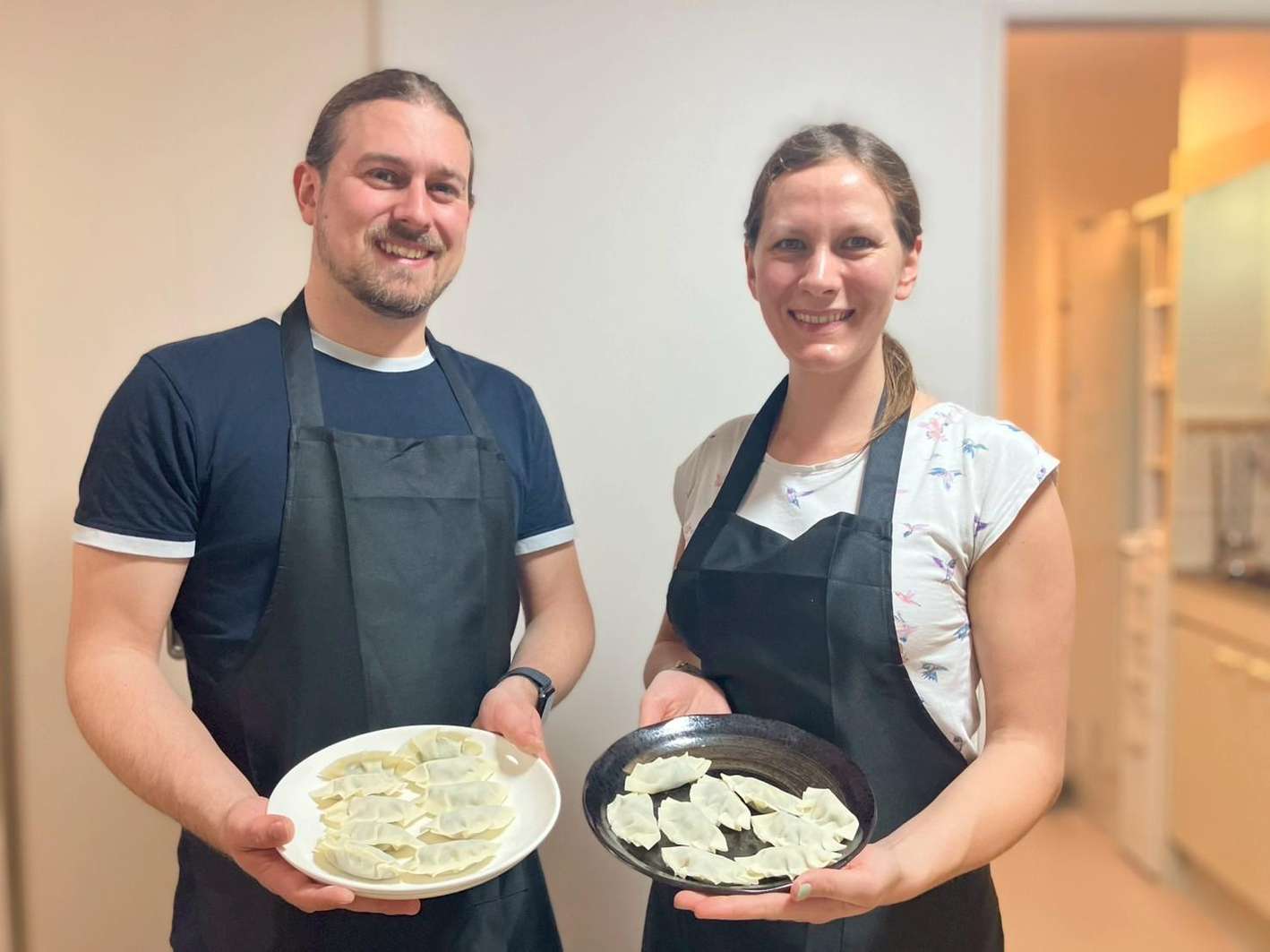
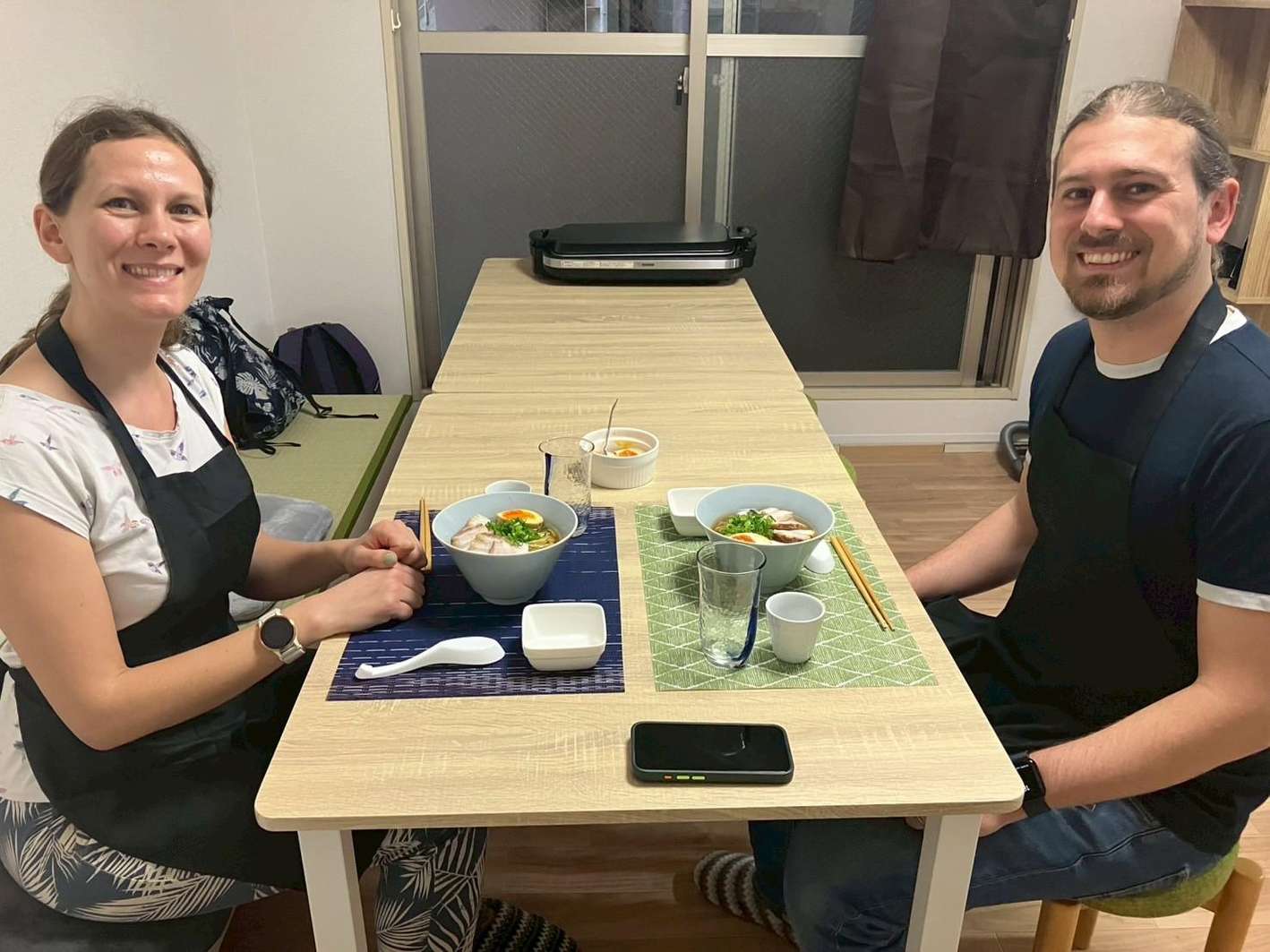
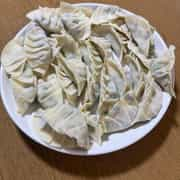
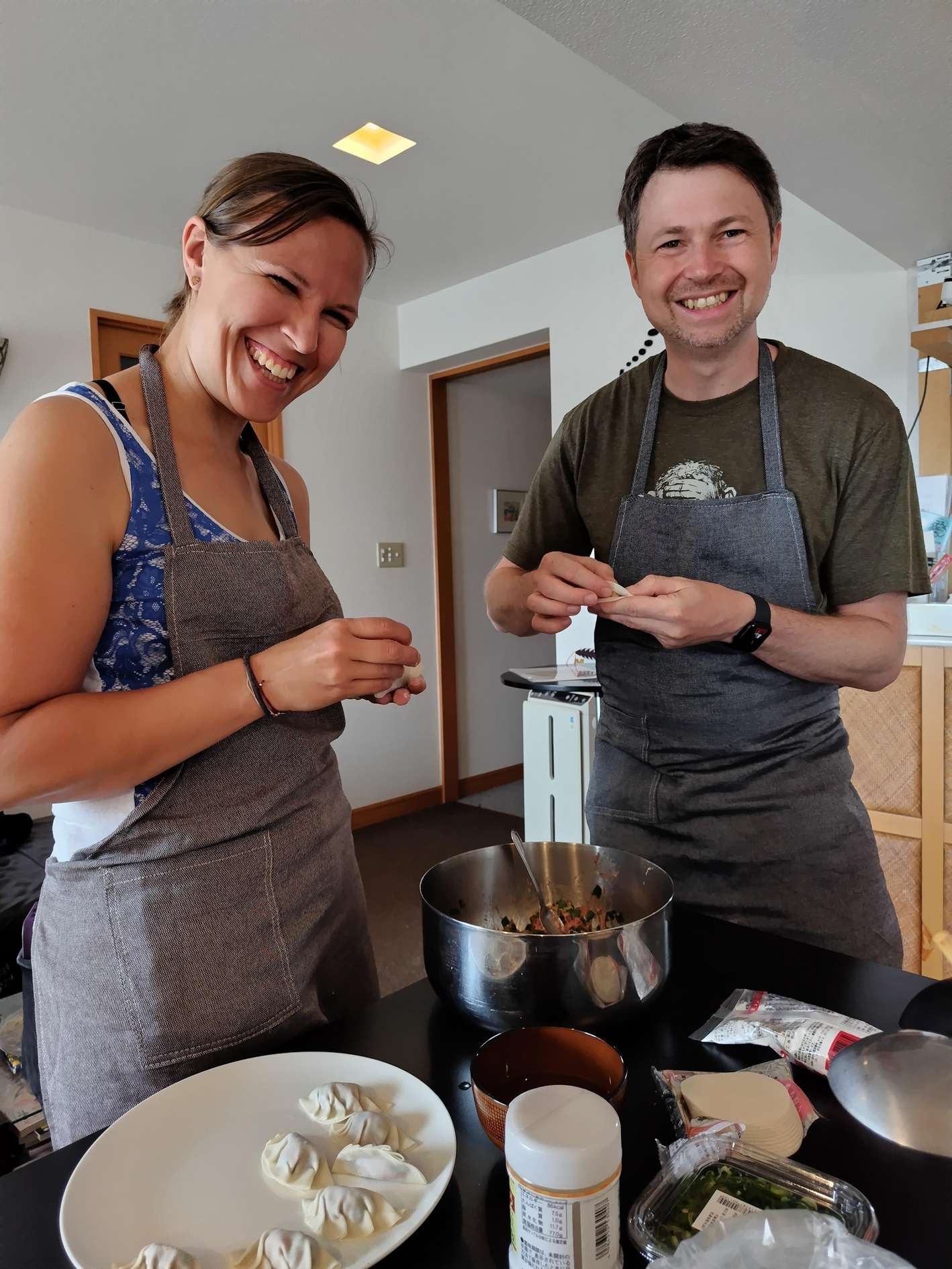
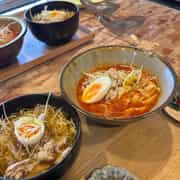
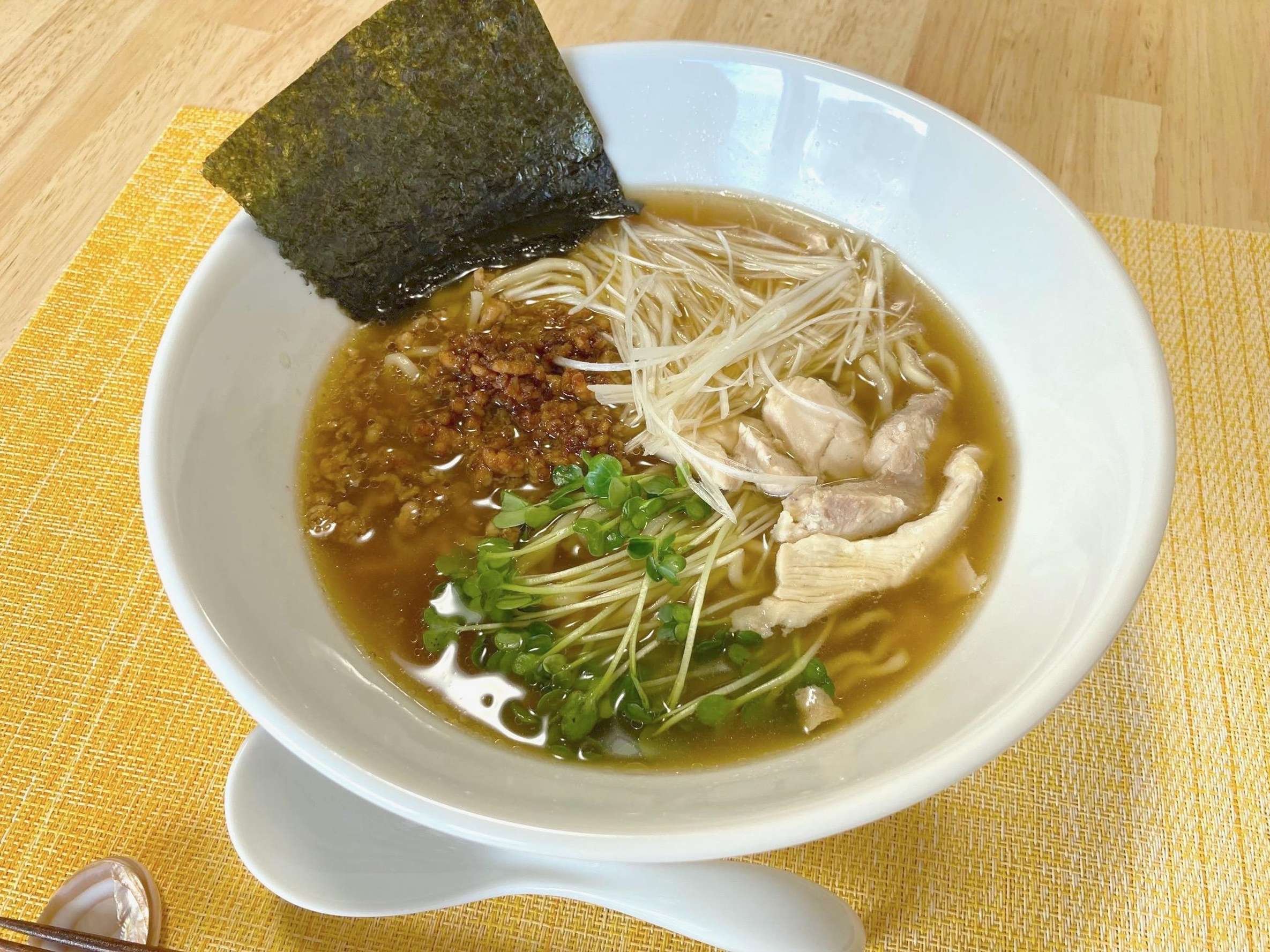
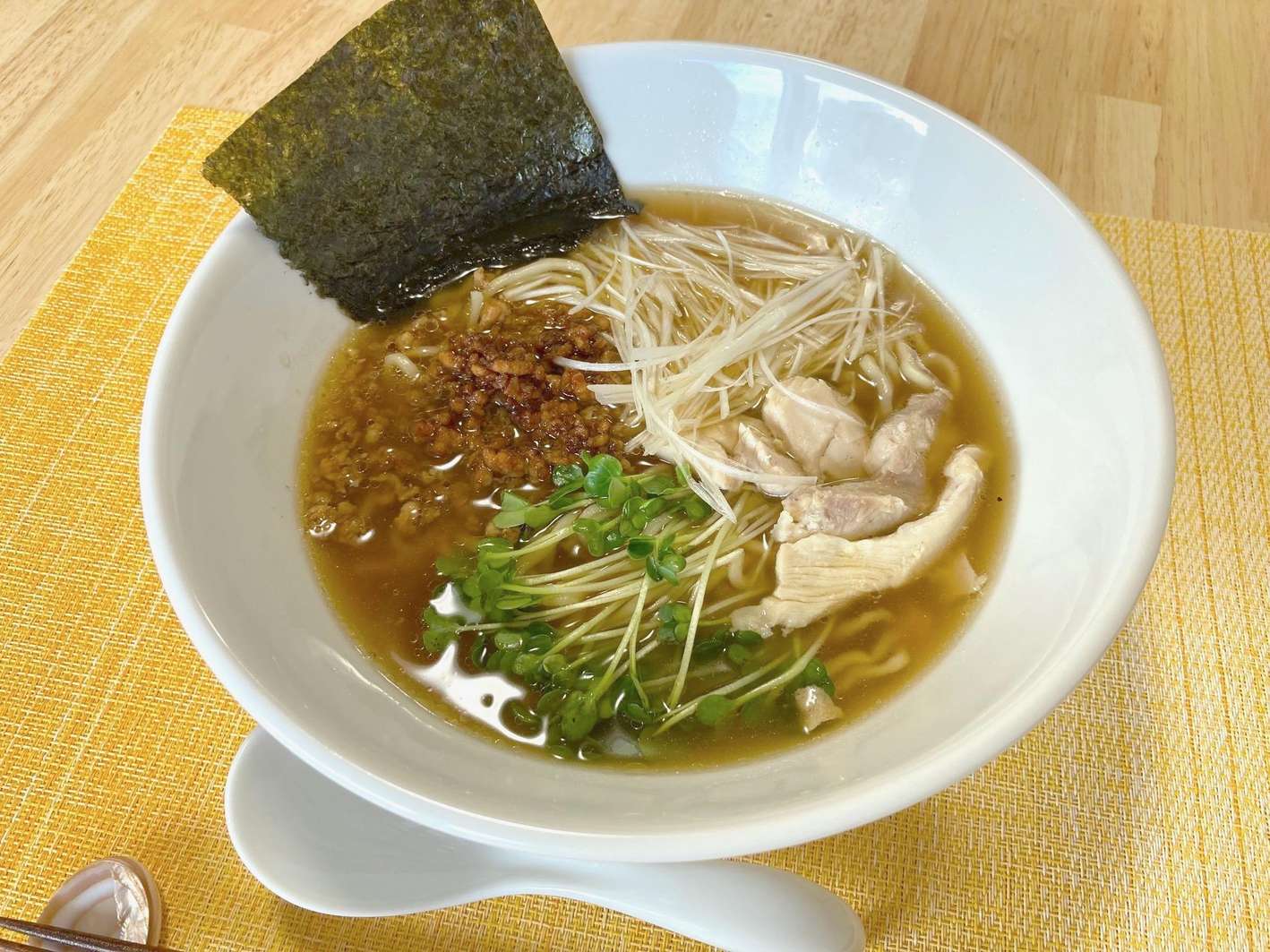
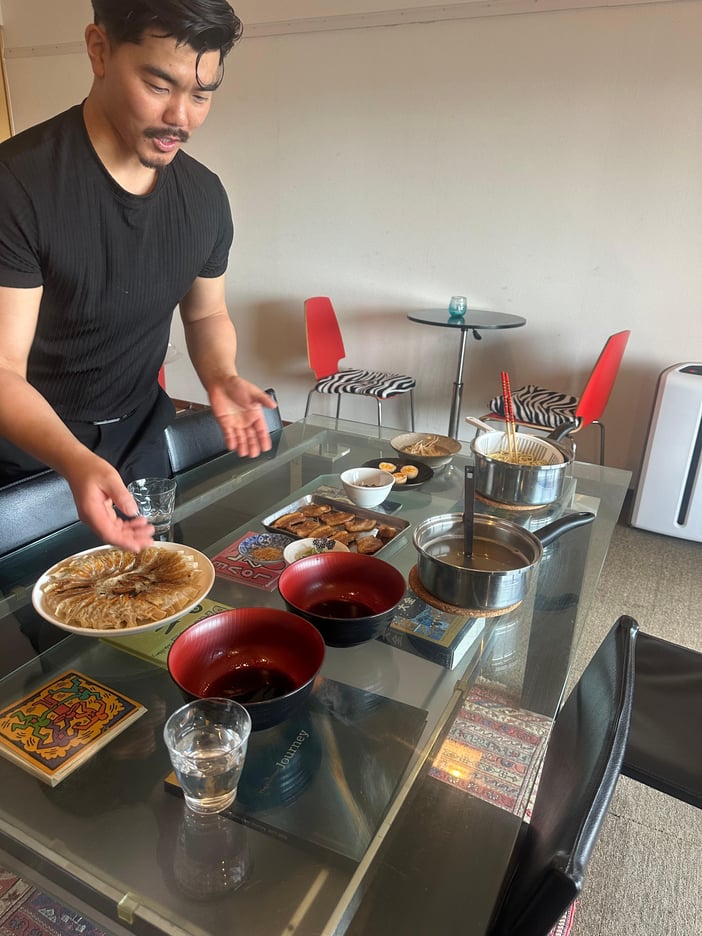
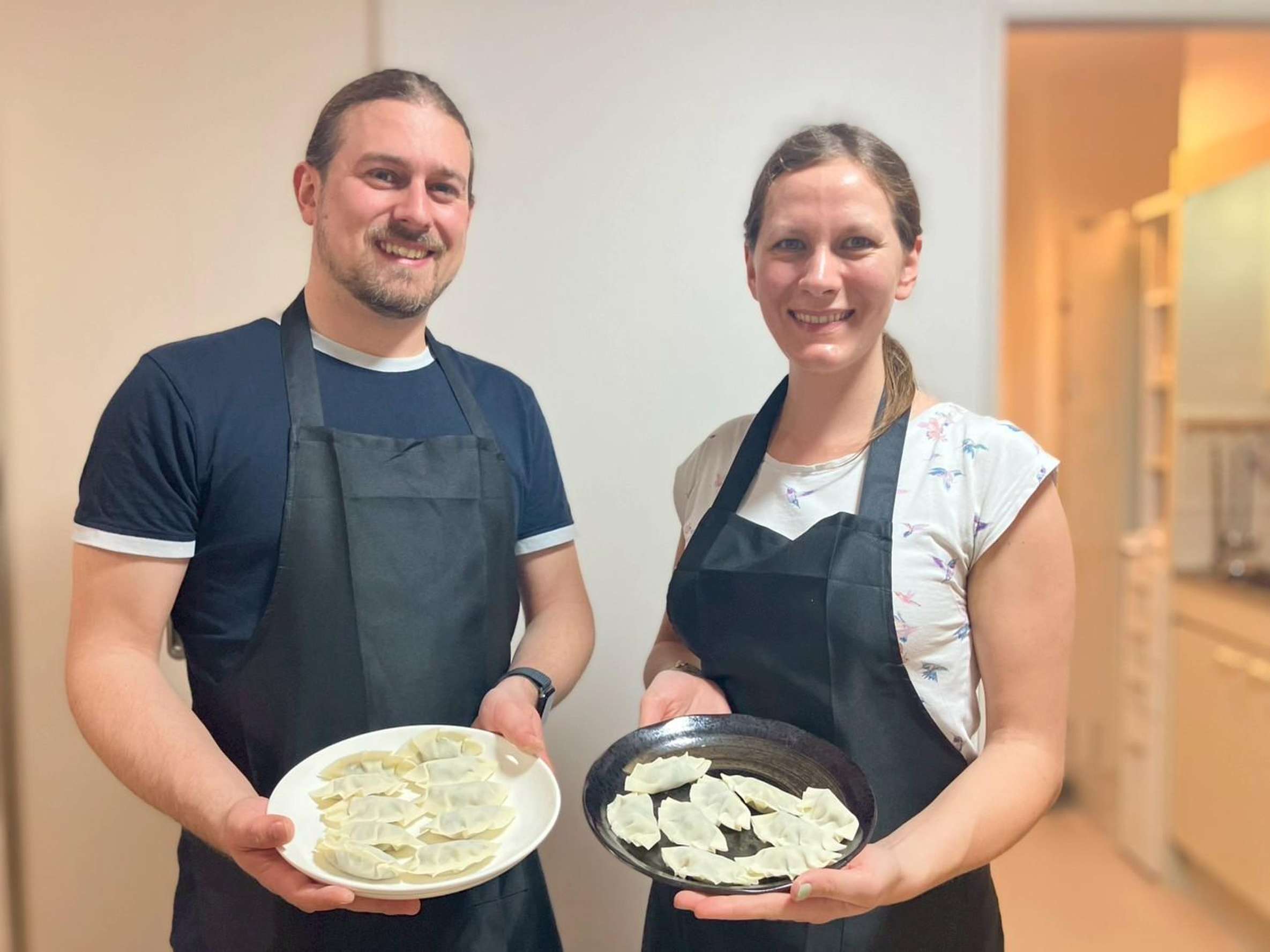
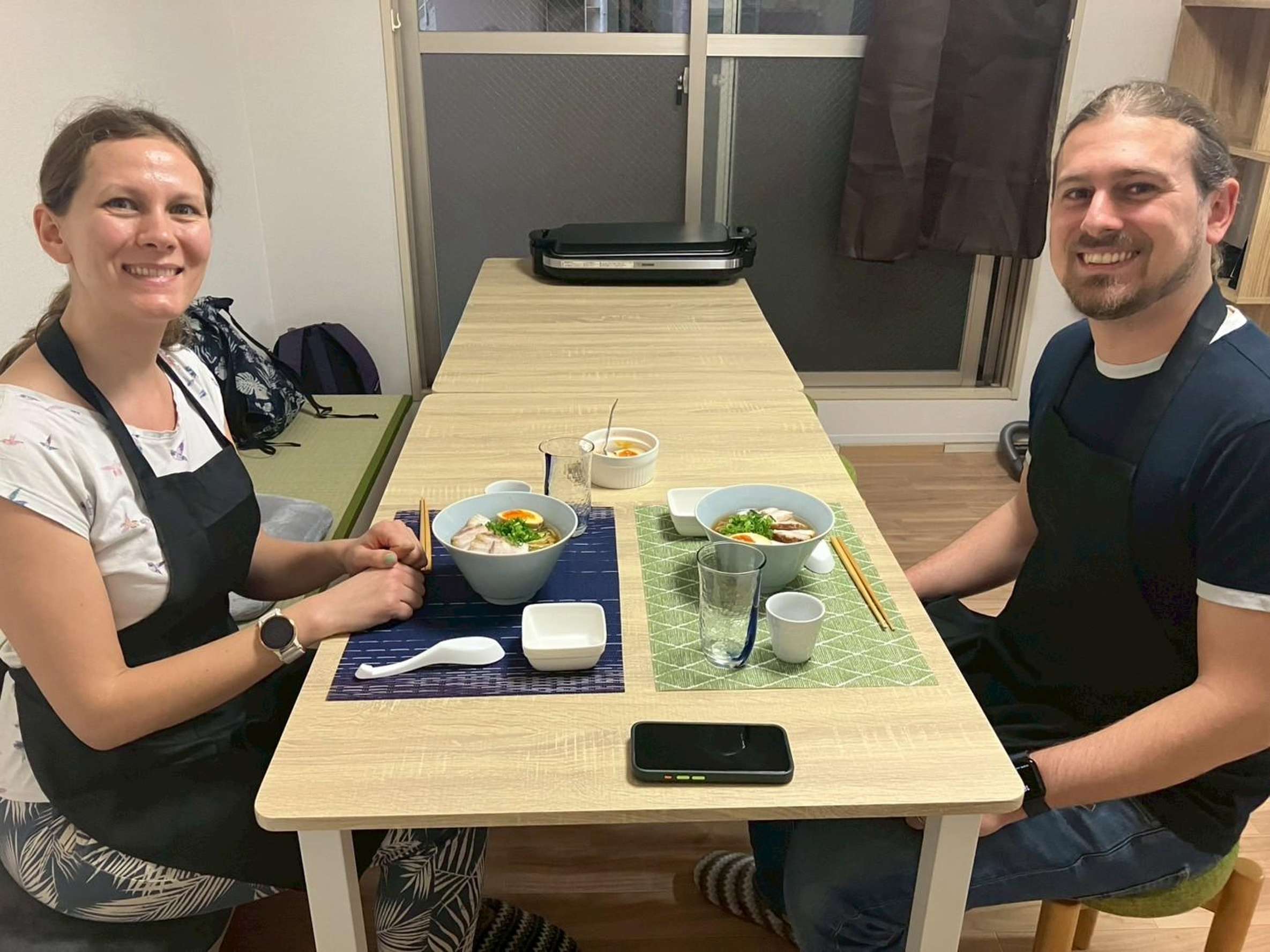
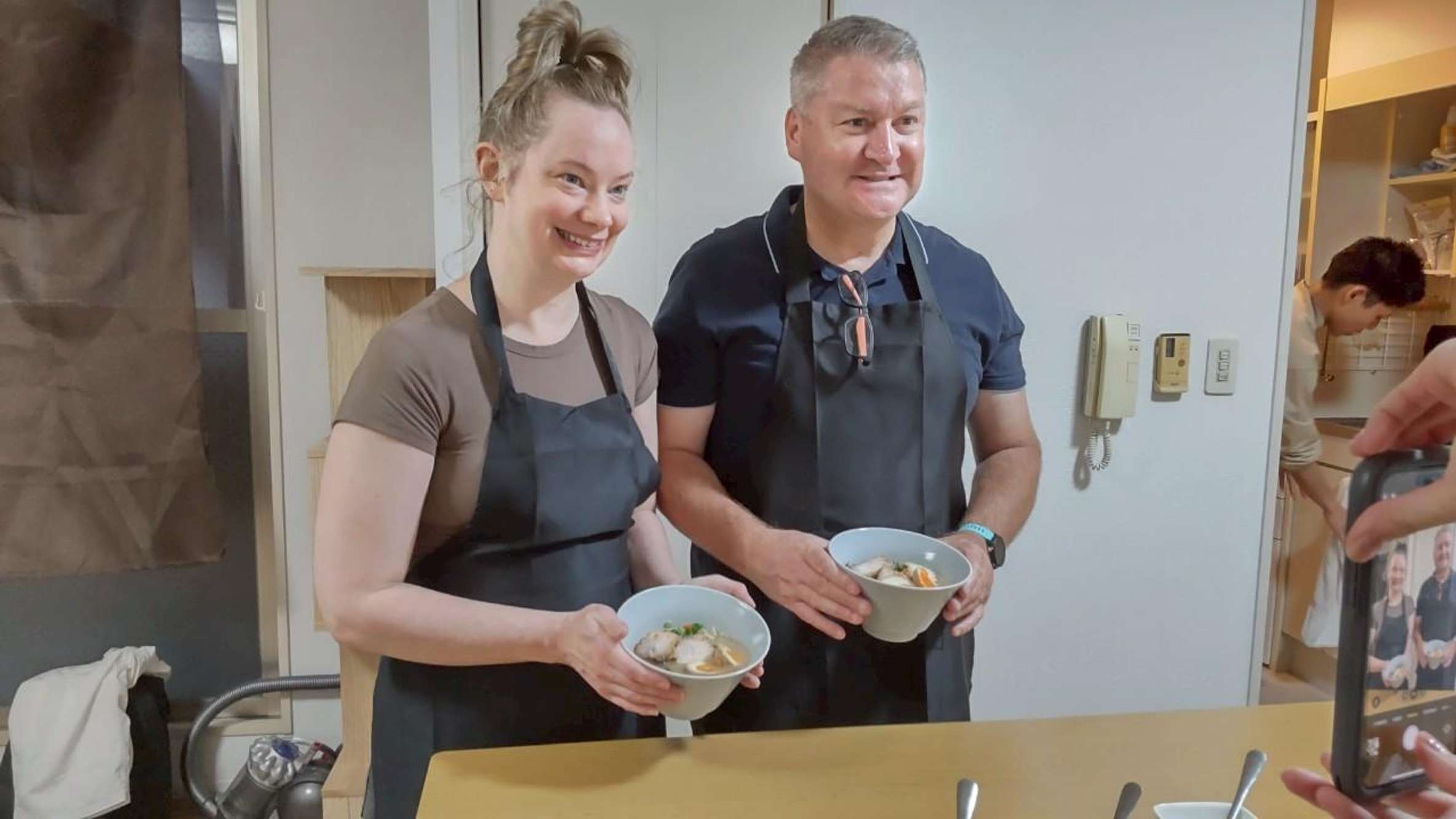
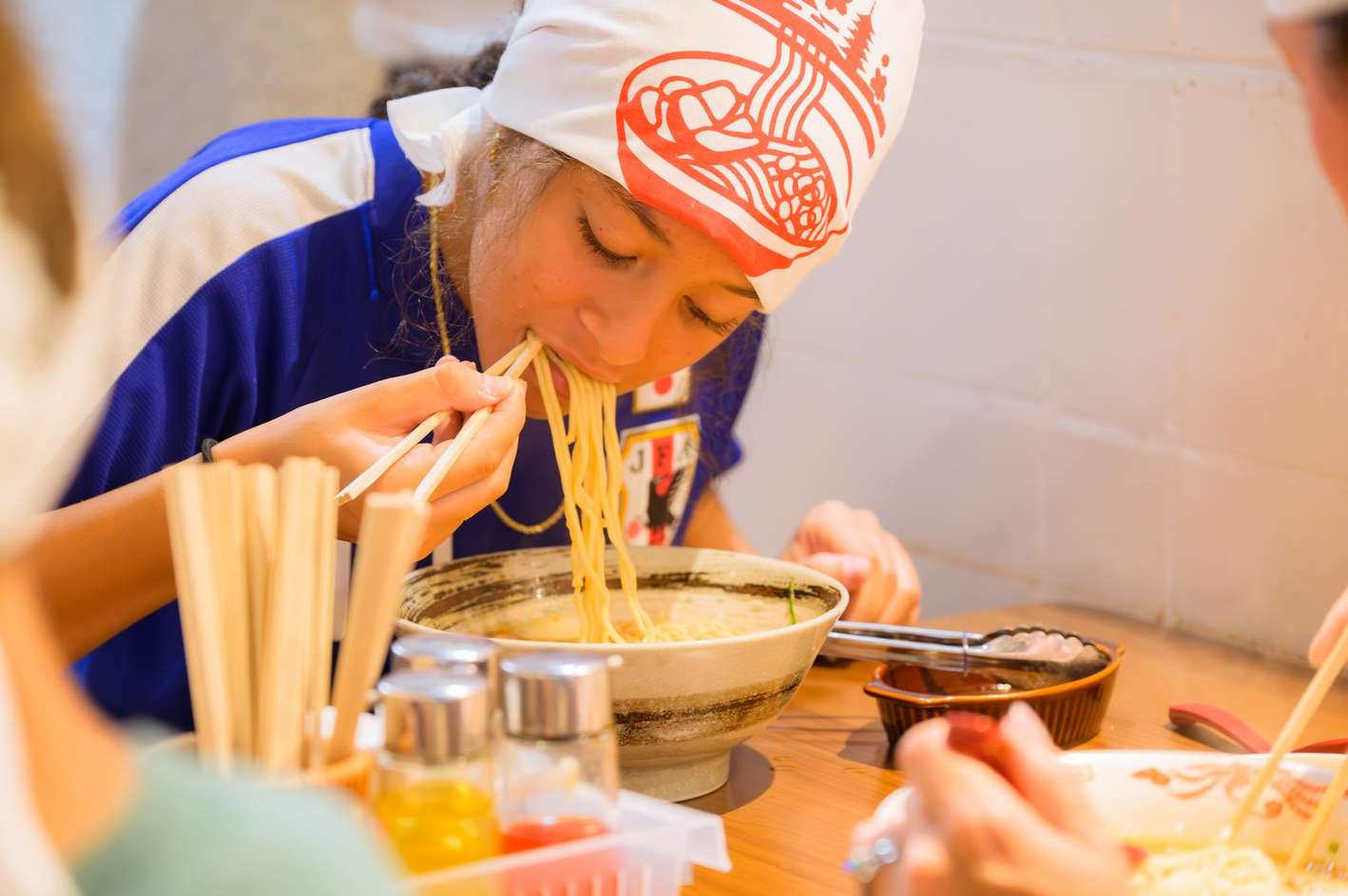
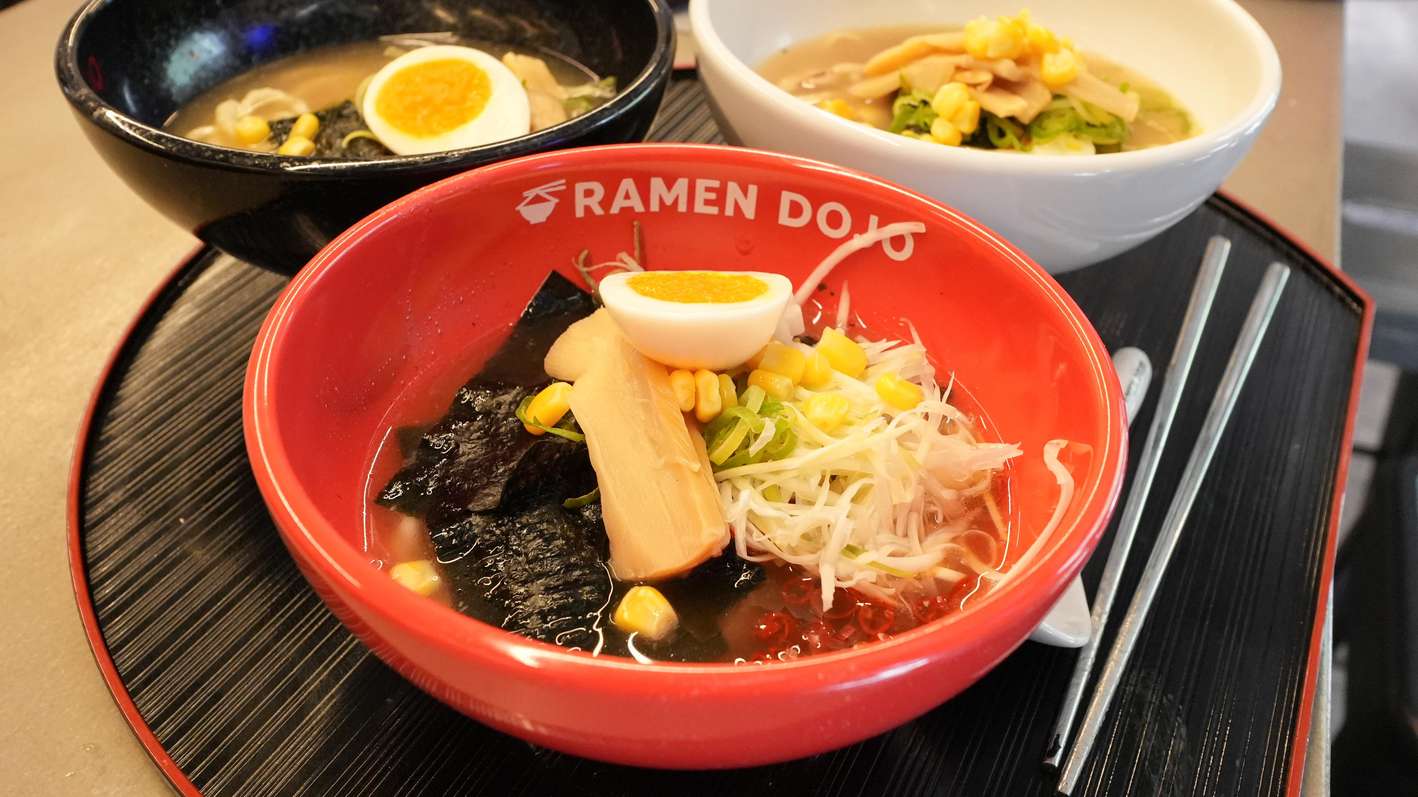
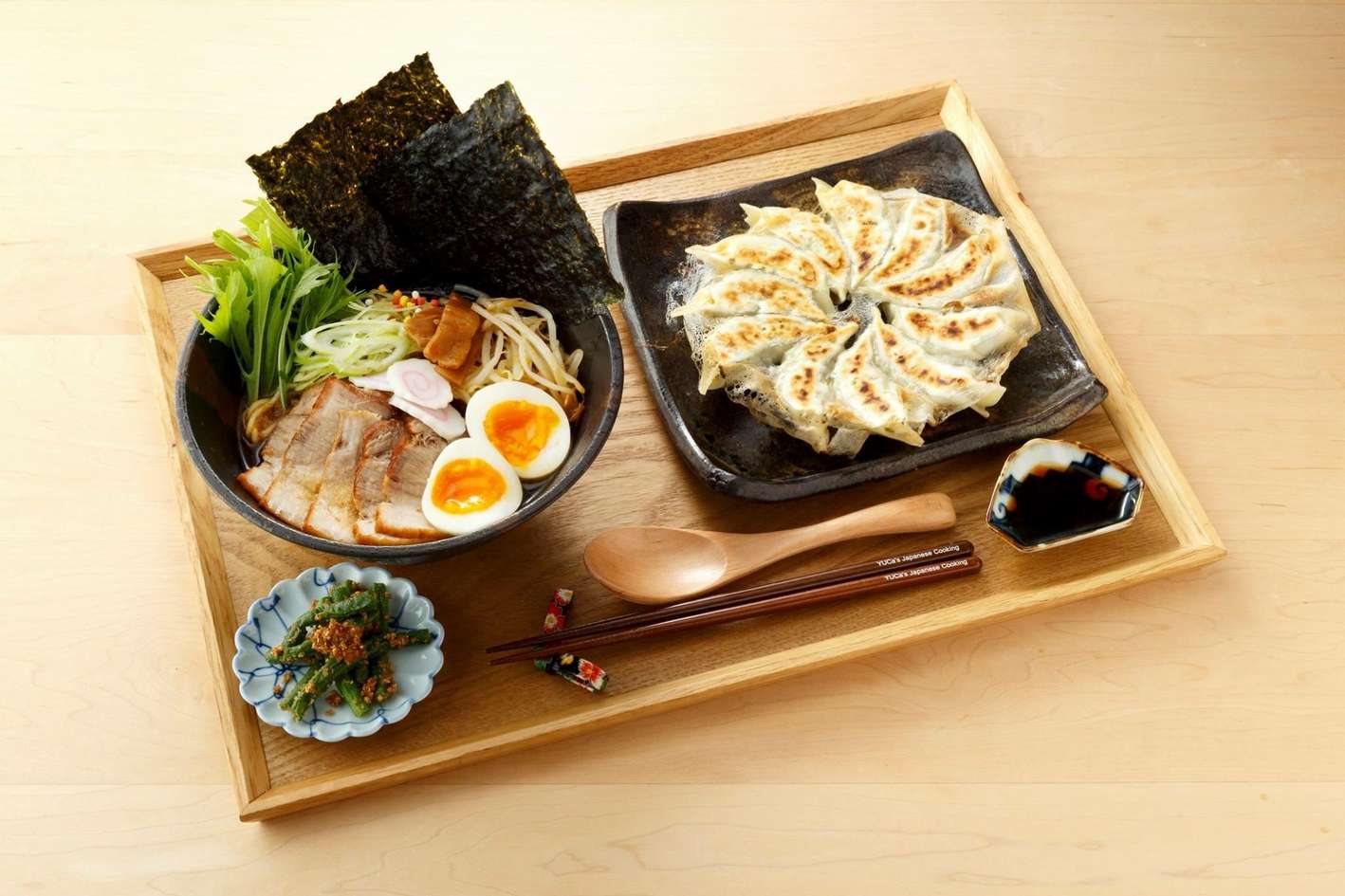
You knead and cut ramen noodles from scratch, fold original gyoza filled with minced chicken, and sit down to a bowl of soy sauce ramen you built yourself, toppings exactly as you like them.
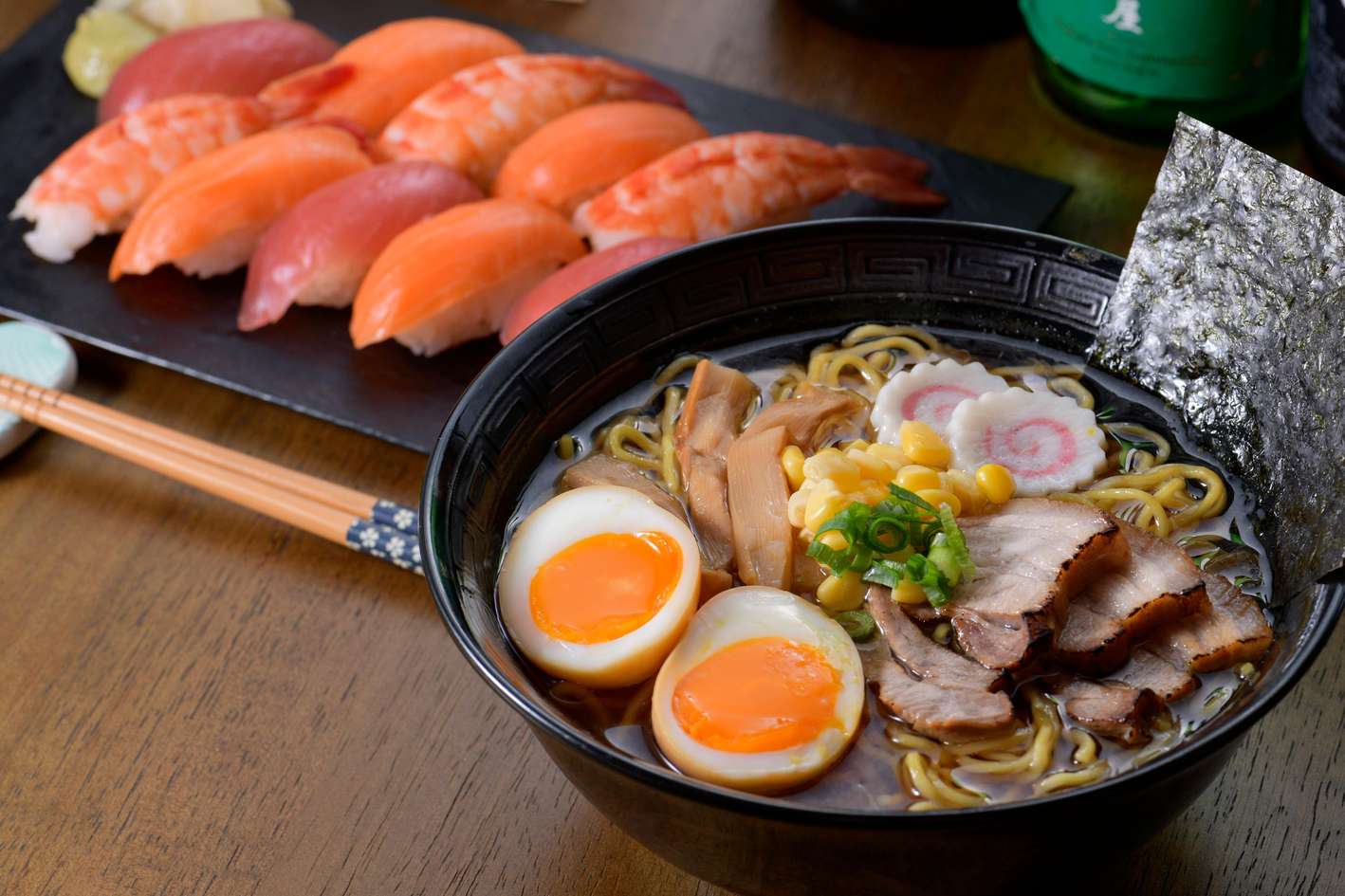
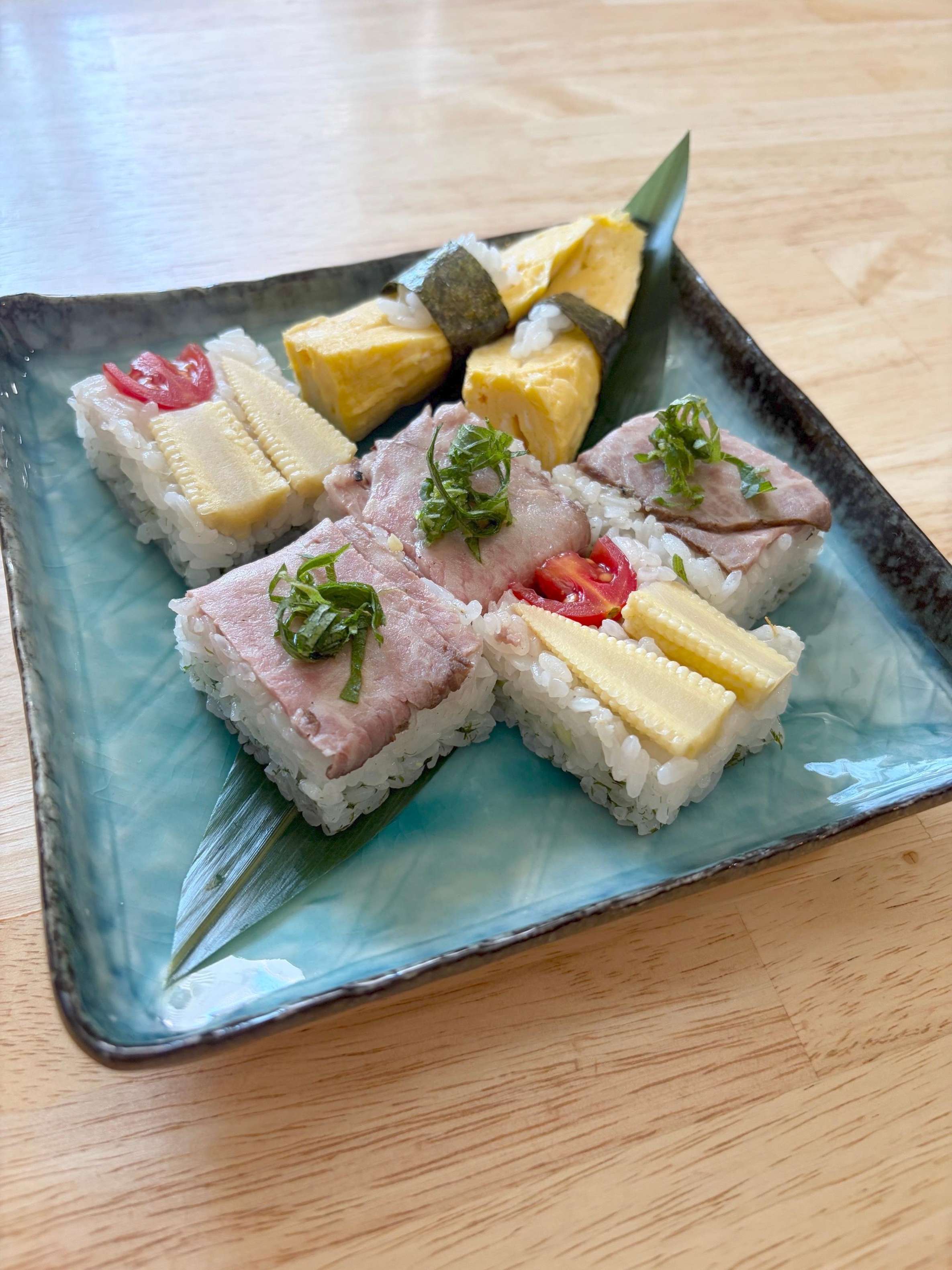
Prefer a swap? From June 2026 a ramen-and-sushi option replaces the gyoza with Wagyu beef pressed sushi, made in the square wooden frame traditional to Kansai. All ingredients come included; hotel pickup is on you.
Open on the dough, eat at the end: the steps below walk the class in order.
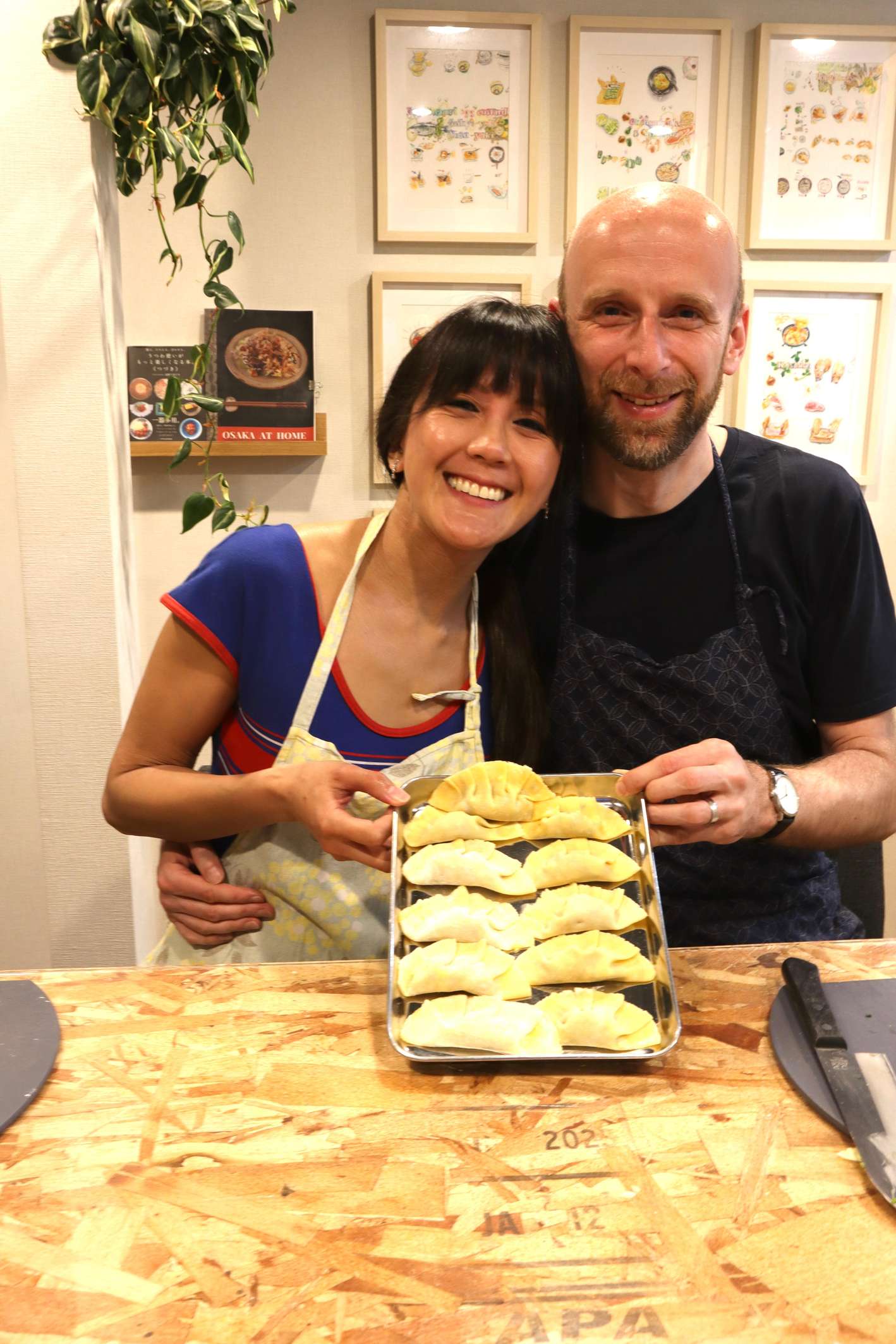
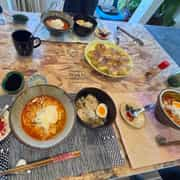
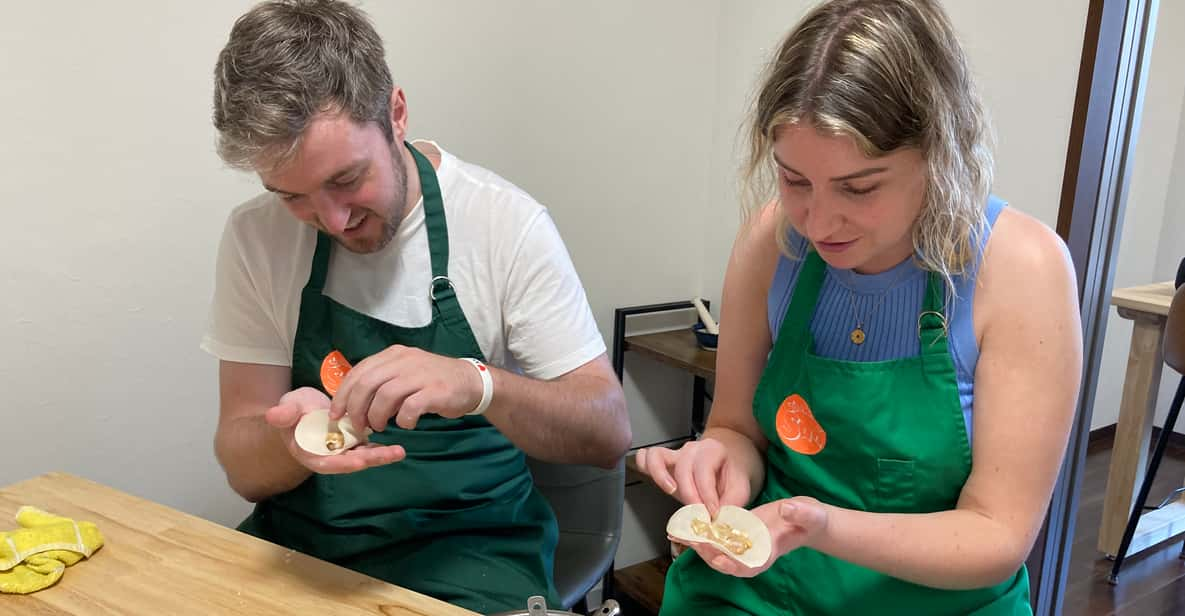
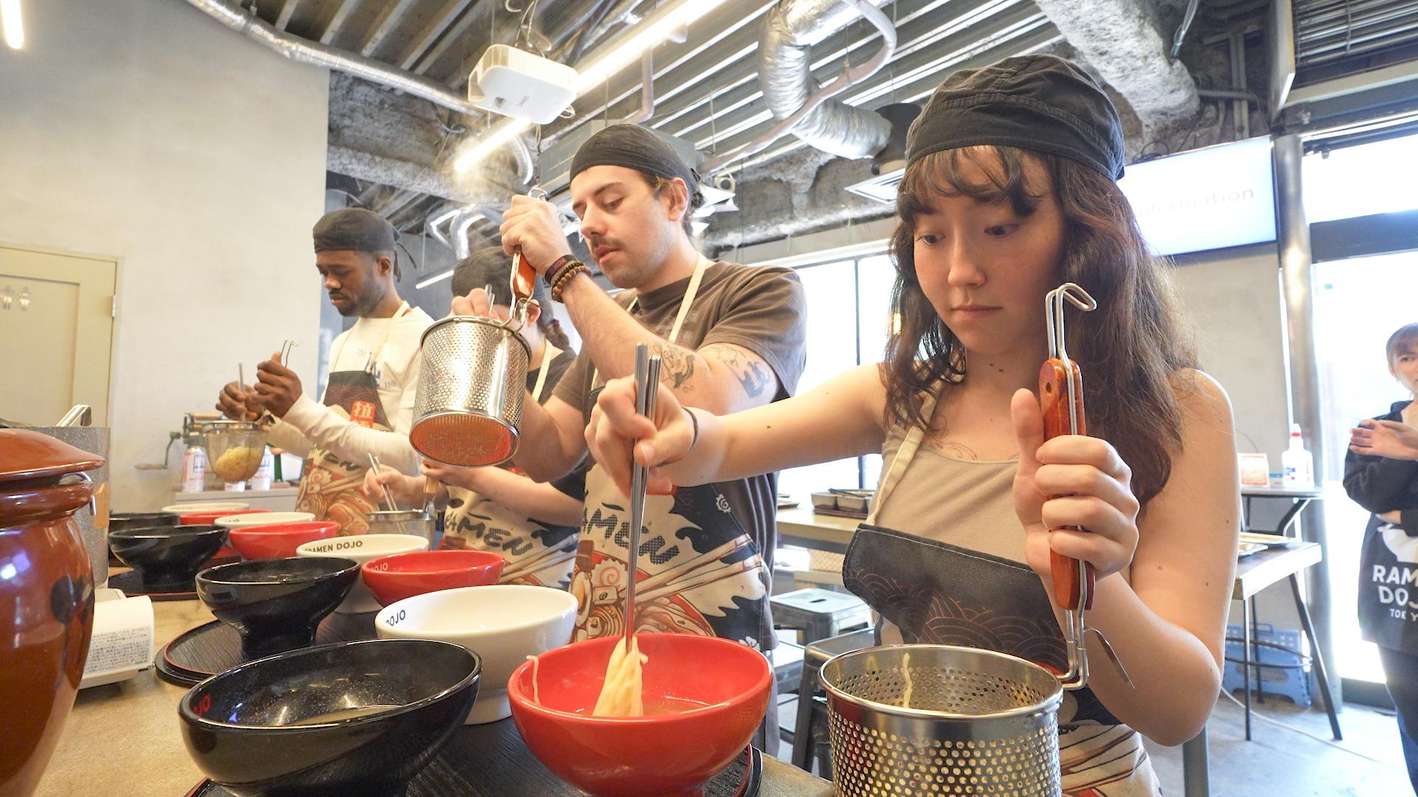
1Knead the wheat dough· about 45 minYou start with flour and your hands, kneading the wheat dough that becomes ramen noodles later in the class.2Cut noodles like a pro· about 45 minThe dough goes through a noodle machine, which cuts it into fresh ramen strands while you guide it.3Fold your gyoza· about 45 minYou make original dumplings with a minced chicken filling you mix yourself, then eat them alongside your bowl.4Eat your own bowl· about 45 minThe standard build is soy sauce ramen over chicken bone and dried sardine broth; add miso to turn it into miso ramen.5Sit down to the set· about 60 minYou eat your ramen and gyoza together, the pairing Japanese ramen shops serve as a set, made by you from scratch.
Included
All the ingredients in the cooking class
Not included
Hotel pickup and drop-off
Comparing gyoza cooking classes in Osaka side by side
Green marks the lowest price. Prices per person.
Tour
Price
Duration
Languages
Best for
Our pick
Osaka: Ramen and Gyoza Cooking Class in Dotonbori
5.0★ (566)
from $70per person
3 hours
English
making ramen and gyoza in Dotonbori, with a sushi swap option
Most reviewers praise the instructors as kind, patient and easy to follow in English.
Best surprise
Many reviewers did not expect to leave with recipe cards and the confidence to cook it all at home.
Most common wish
Several families wished the class had lasted longer and said they would happily do it again.
How to book a ramen and gyoza cooking class in Osaka
01
Pick your date and class
Choose a date that sits outside Golden Week, Obon and the New Year break if you want quieter streets and easier seats. The Dotonbori class runs three hours, the Nanba course two, so match the slot to your day.
Pro tipWeekday mornings beat the holiday crowds in Namba and Dotonbori, and a lightly booked session sometimes turns private
02
Choose the right option
Several Osaka workshops let you pick a variant: ramen and gyoza, ramen with sushi instead of dumplings, or a sake pairing set with the gluten-free class. Check the option name before you pay so the dishes on the day match what you came for.
Common mistakeBooking a class by its city alone, then finding out it teaches sushi where you wanted gyoza folding
03
Book early enough
At least one Nanba class asks you to book a full day ahead, so treat booking as part of the itinerary rather than a same-day whim. Payment confirms your place, and you can cancel up to 24 hours before for a full refund.
ImportantVegetarian menus at the Nanba course need advance notice, and day-of requests may not be possible
04
Sort out the meeting point
None of these classes includes hotel pickup, so plan the walk yourself. Aim for Osaka Metro Namba on the Midosuji Line, about 7 or 8 minutes from Umeda or 14 to 16 from Shin-Osaka with no transfers.
Common mistakeGetting off at JR Namba or Osaka-Namba, which sit at different stops and can add a 20-minute walk
05
Arrive ready to cook
Wear closed-toe shoes and clothes that can take a flour or soup splash, since you will knead, fold and eat your own meal. Read the operator's confirmation message on the day for the exact address and entrance.
RecommendedArrive 10 to 15 minutes before the start so orientation time stays yours to cook
What to know before you book a ramen and gyoza cooking class in Osaka
Can stop the dayGood to knowGood news
01
ChoosingWhat it is, who it suits, when to go
4
Drinks
The Nanba course builds a one-hour tasting session into its two hours, with sake, beer and soft drinks served alongside the ramen and gyoza you made. Elsewhere the meal comes with green tea or the drinks listed on the class card, so check what your session pours.
Recipes
Several classes hand you recipes to take home, and the city-view class keeps its recipes simple and practical, with ingredients you can find anywhere in the world. That means the bowl you learn to make is one you can cook again long after the trip.
Class content
Check what you actually make before booking. One Dotonbori class also offers a sushi option instead of gyoza, and short sessions do not always build every component from scratch, including the noodles.
Timing
Allow buffer time beyond the train ride: large stations like Shin-Osaka take about 10 extra minutes for the platform, and arrive when your class asks rather than at the last minute. One Kyoto operator starts on time and turns latecomers away, so punctual habits carry over.
02
BookingHow far ahead, and what happens if plans change
3
Booking ahead
The Nanba course asks you to book at least a day in advance. Vegetarian guests there should also give notice ahead of the class, since a request made on the day may be hard to accommodate. The other Osaka classes run on set sessions, so reserving early locks in the time that fits your day.
Cancellation
Plans move around on a trip, and these classes give you room for that. Cancel up to 24 hours before your session and you get a full refund, so a late change of plans costs you nothing.
Vegetarians
Options differ by class. The Nanba course welcomes vegetarians when told in advance, and one Osaka class lists vegan, Buddhist and halal choices among its broths. The dedicated gluten-free class builds its noodles and gyoza wrappers from rice flour instead, so nobody has to settle for a stripped-down bowl.
03
Before you goPapers, health, what to bring
2
AllergiesCan stop the day
If you have a severe allergy, say so before you book. Ramen noodles can contain egg even with the egg topping removed, and broth can contain fish. For coeliac disease, ask about soy sauce and cross-contact in a shared kitchen, since an allergen card alone settles nothing. The gluten-free class exists precisely for this.
What to wear
Wear closed-toe, slip-resistant shoes and clothes without loose sleeves, since you will work near boiling water, hot pans and flour. Tie back long hair, and expect an apron to be provided. Casual clothes that can survive a sauce splash are the right call.
04
On the dayWhere to be, when, and how you get there
2
Getting there
For a Dotonbori or Nanba class, aim for Osaka Metro Namba (M20). The Midosuji Line runs there directly from Umeda in about 7 to 8 minutes and from Shin-Osaka in about 14 to 16, so the metro ride alone is quick. The stations named Namba sit at different spots, so check your class address before you set out.
Pickup
None of these classes includes hotel pickup or drop-off, so you make your own way to the meeting point. Most venues sit a short walk from a metro stop, which is one reason the neighborhood works so well between sightseeing stops.
05
During the tourWhat is expected of you
1
Beginners
You can turn up having never boiled a noodle. Travelers report that patient, step-by-step instruction and hands-on help make both gyoza folding and noodle work approachable for complete beginners, and the Nanba class says outright that it welcomes them.
Choosing between Osaka's ramen and gyoza cooking classes for your itinerary
Osaka's five ramen-and-gyoza classes differ more than their titles suggest: three hours or two, a sightseeing district or a home kitchen, drinks included or not. The right pick depends on your day, your diet and your appetite.
Osaka
If you only remember three things
1
Book the Nanba class at least a day ahead, because same-day requests may be turned away.
2
Aim for Osaka Metro Namba on the Midosuji Line, not JR Namba, or the walk doubles.
3
Ask the host about egg in the noodles and fish in the broth before booking if you have allergies.
Is a ramen and gyoza cooking class in Osaka worth a slot in your trip?
The aroma hits first: pork and chicken bones on the boil, garlic sizzling, dough dusting the counter. A combined class puts you at the stove for all of it.
The ramen-only Dotonbori experience has you sample three mini bowls of tonkotsu, shoyu and miso, a pleasant hour of watching and tasting, and then you leave with a full stomach and empty hands.
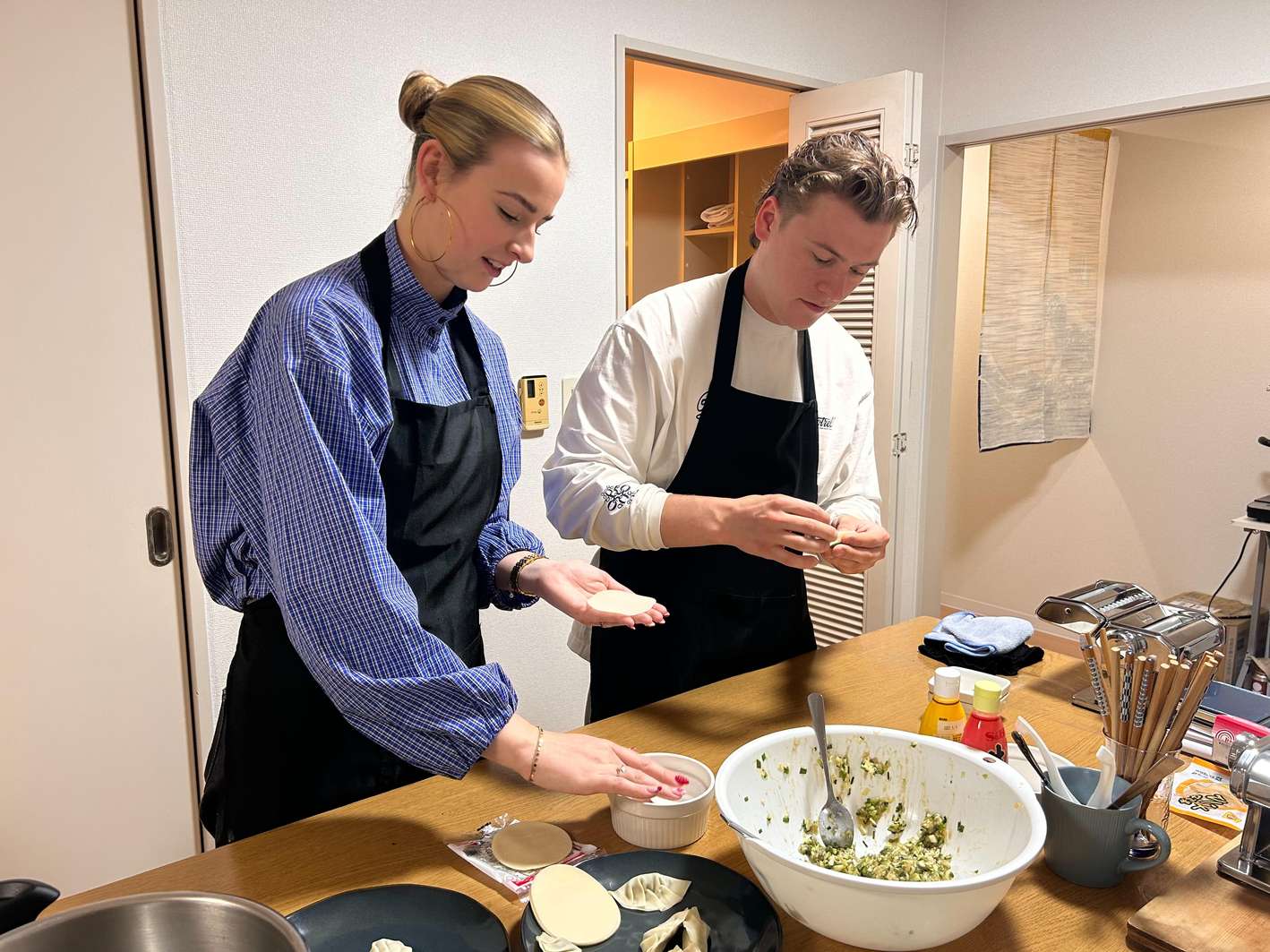
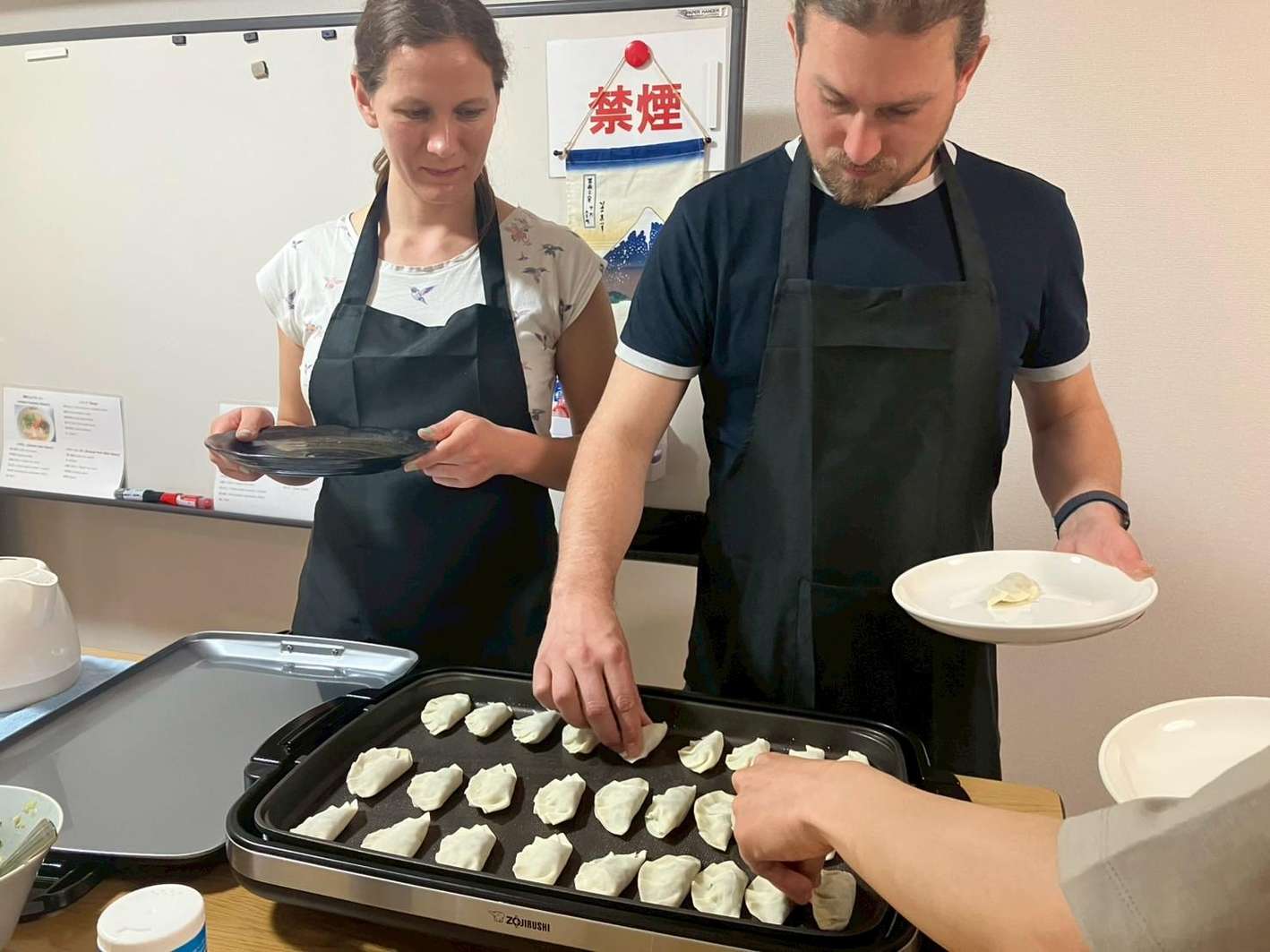
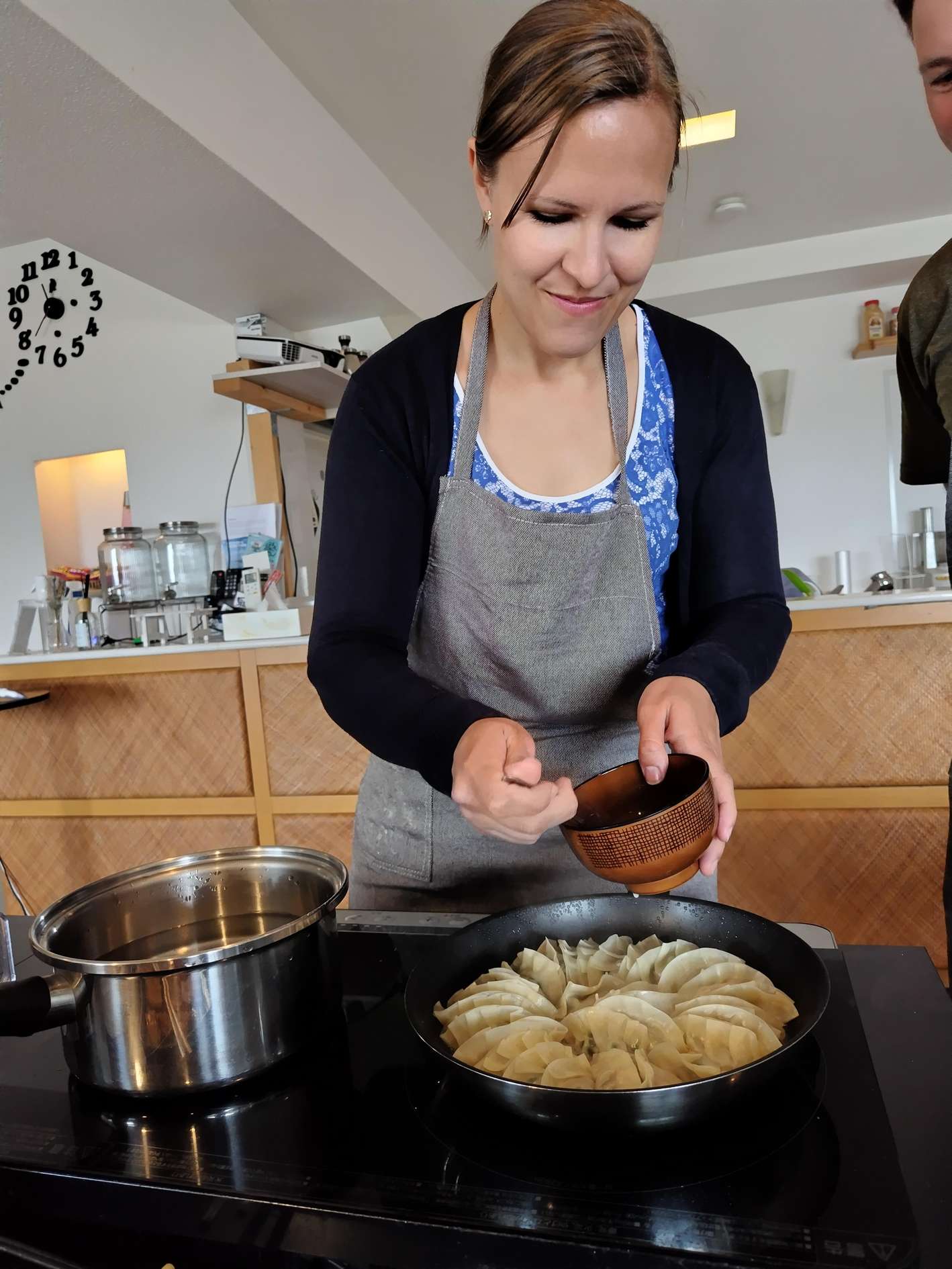
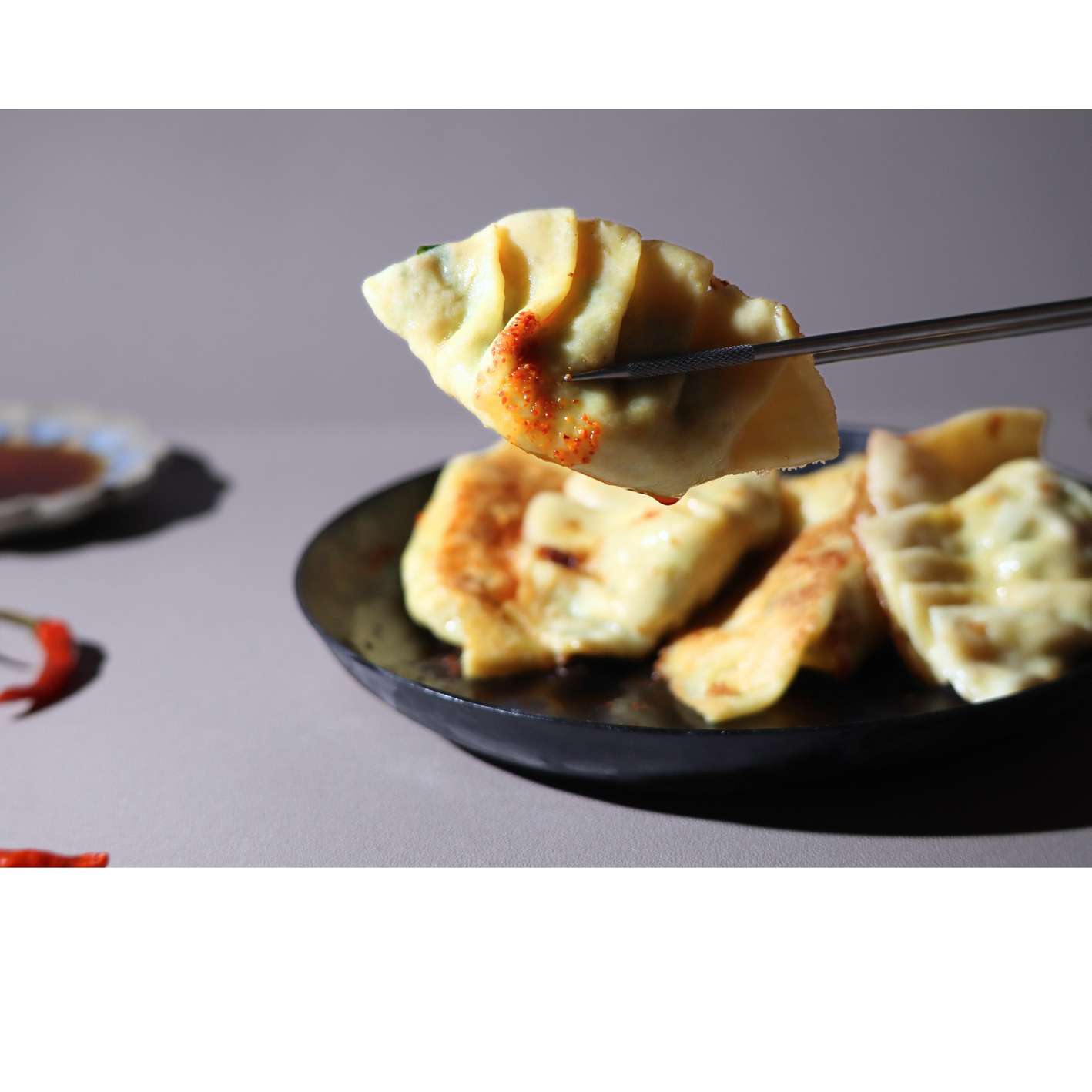
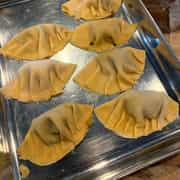
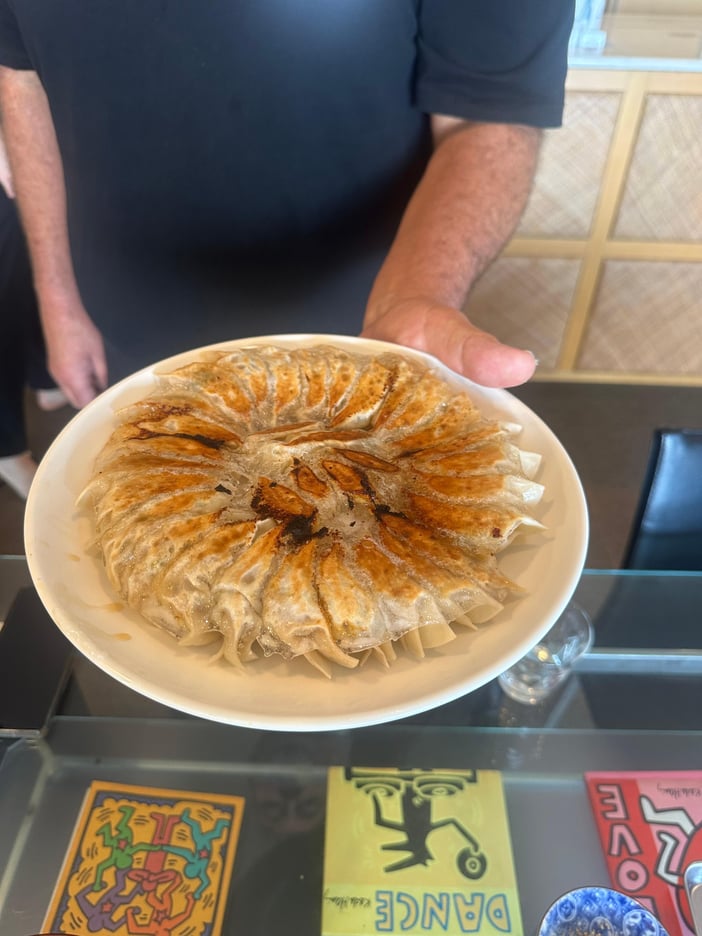
Hands-on cooking of both dishes suits beginners best. You knead the dough for your own noodles, cut them, and then learn a second craft: folding gyoza so the wrapper crisps into a golden skirt in the pan.
That dumpling technique is the skill people come home talking about, and a good class teaches folding explicitly instead of handing you pre-made wrappers.
Three hours is the usual length, enough to cook and sit down to both dishes without rushing. For a first visit to Osaka, the combined workshop is the fuller experience.
Tour for this
Osaka: Cooking Class Ramen & Gyoza Course in Nanba4.9★ (209) · 2 hours · Free cancellation
What you actually cook in your Osaka gyoza cooking class
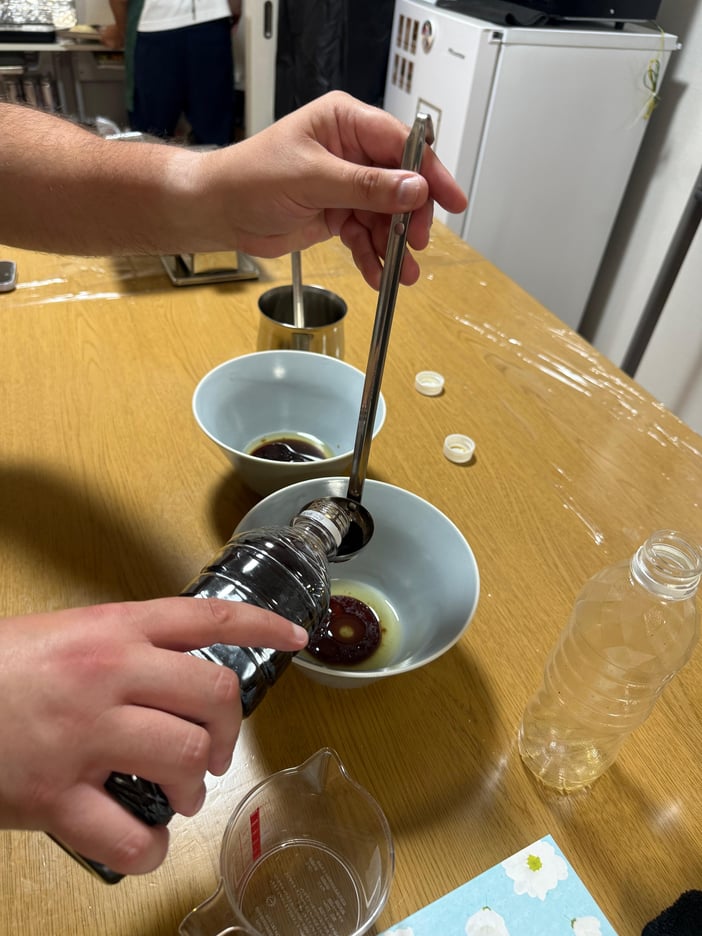
In the Dotonbori workshop, ramen means soy sauce broth built from chicken bones and dried sardines, with miso available if you want to turn it into miso ramen.
You knead the wheat dough yourself, then cut it like a professional on a noodle machine. The gyoza are filled with minced chicken, folded and fried. Some sessions add a Kansai bonus: pressed sushi made with Wagyu roast beef and egg roll sushi.
The Nanba course runs differently. A 30-minute orientation leads into 90 minutes of cooking guided by Washoku professionals, and the drinks come built in: a full hour of tasting with sake, beer or soft drinks.
A short class does not always make every component from scratch, so it pays to check. A two-hour Kyoto class teaches broth and gyoza wrapping but skips noodle making, while a Tokyo experience turns flour into noodles inside a 50-minute session. Ask what your class includes before you assume the whole bowl starts from flour.
How a typical session unfolds
1
Arrival and aprons
You meet the instructor, get an apron and hear what the session covers
Most classes ask you to arrive a few minutes early
2
Broth and noodle making
The broth goes on while you knead and cut dough
Chicken bones and dried sardines are the standard soy sauce base
3
Gyoza folding and the crispy skirt
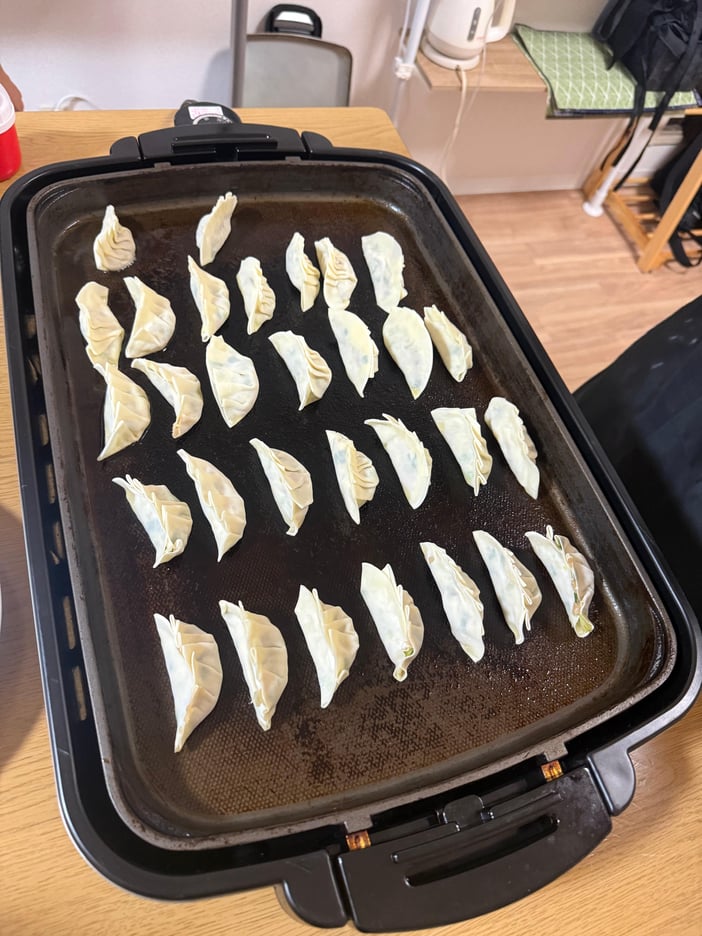
You fill and fold dumplings, then fry them
The lacy crisp edge is the technique worth asking about
4
Eating your spread
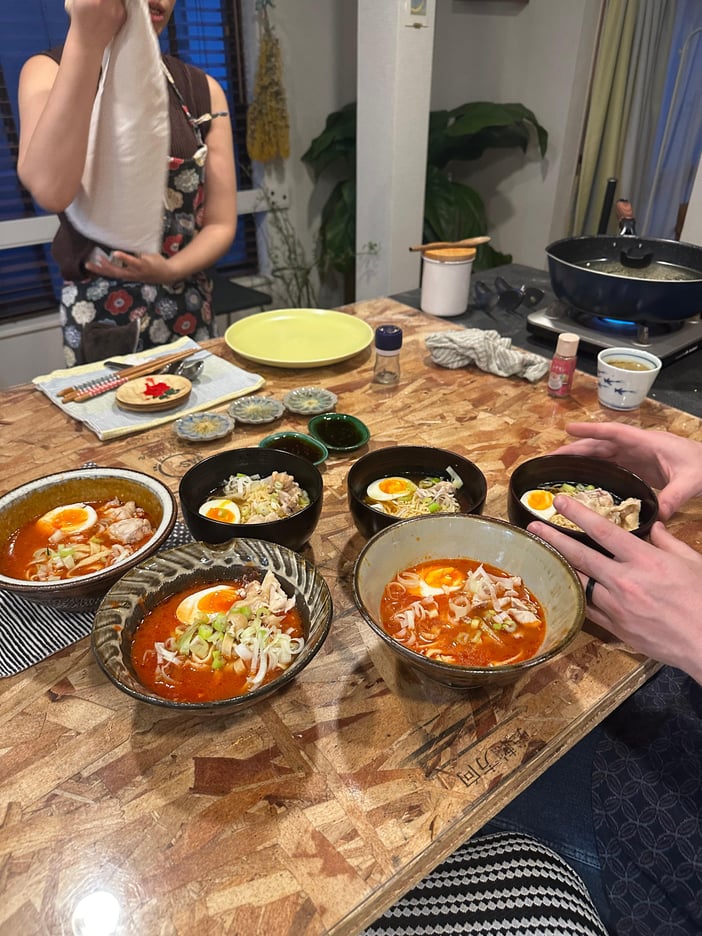
You sit down to your own ramen and gyoza together
Come hungry, the food can replace a meal
Read that flow against your own schedule: a three-hour session eats a morning or an evening, and the eating hour at the end is when you will be glad you skipped lunch.
Tour for this
Osaka: Ramen and Gyoza Cooking Class in Dotonbori5.0★ (566) · 3 hours · Free cancellation
When to book gyoza cooking in Osaka, and when crowds peak
Crowds decide this more than weather does. Namba and Dotonbori swell during Japan's domestic holiday peaks, and a cooking class with fixed seats fills accordingly.
In 2026 the main stretches are Golden Week from April 29 to May 6, Obon around August 13 to 16, and the New Year break from December 29 to January 3.
School holidays add their own windows: late March into early April, late July through late August, and late December into early January. If dodging holiday crowds matters to you, book a date outside those stretches and reserve earlier within any of them.
Japan public holidays for your 2026 Osaka class day
2026-01-01
New Year's DayJP
2026-01-12
Coming of Age DayJP
2026-03-20
Vernal Equinox DayJP
2026-04-29
Shōwa DayJP
2026-05-04
Greenery DayJP
2026-05-05
Children's DayJP
2026-05-06
Constitution Memorial DayJP
2026-07-20
Marine DayJP
2026-08-11
Mountain DayJP
2026-09-21
Respect for the Aged DayJP
2026-09-23
Autumnal Equinox DayJP
One booking rule sits outside the calendar. The Nanba class requires reserving at least a day in advance, so a spontaneous same-day decision will not get you into that kitchen. The other classes are more forgiving, but a day's notice never hurts.
Which gyoza cooking class in Osaka fits your trip, Namba or gluten-free
Five exact-match classes cover the ramen and gyoza pairing in Osaka, and the right one depends on what your day needs.
The Dotonbori class leads this page because it is the one searchers name, three hours of noodle making and dumpling folding in the sightseeing district itself. The Nanba course in Shiokusa adds the drinks-included tasting hour and needs a day's booking.
The city-view class runs 2.5 hours in a studio overlooking Namba and Tsutenkaku Tower, with recipes the host describes as simple and ingredients you can find anywhere.
The gluten-free class builds noodles and gyoza wrappers from rice flour in a Japanese-style home, with an optional sake pairing. And the longest-running class, going nine years, prepares two broths including vegan options alongside the dumplings.
How to choose a ramen and gyoza cooking class in Osaka
Check
Why it matters
Our pick
Both dishes, hands-on
A class that only assembles bowls teaches less than one where you knead and fold
Yes: you knead wheat for noodles and fold chicken gyoza yourself
Where exactly it meets
A wrong station or district can cost you the start of class
Dotonbori, walkable from the Namba sightseeing area
Session length
Two to three hours changes what else fits in your day
Three hours, the fullest of the Osaka options
Dietary needs
Egg, fish and wheat hide in ramen more than you would expect
Not suitable for gluten intolerance; ask about anything else in advance
For travelers with dietary priorities, that nine-year class deserves a close look. It lists vegan, vegetarian, Buddhist and halal options among its broths, which few combined classes manage.
Getting to your Osaka gyoza cooking class - the Namba station trap
Osaka has three Namba stations, and they are not interchangeable. JR Namba sits west and southwest of central Namba, while Osaka Metro Namba and Osaka-Namba serve other parts of the district. Navigate simply to "Namba" and you can add a substantial walk before class.
Aim for Osaka Metro Namba, station code M20. From Umeda the Midosuji Line runs straight there in about eight minutes; from Shin-Osaka it takes roughly sixteen, both with no transfers. From the station it is about a 400-metre walk to Dotonbori, five minutes on foot.
The stations matter in reverse too. One ramen-making studio in Shiokusa sits about eight minutes from JR Namba but roughly twenty from the broader Namba and Dotonbori area, so the right arrival point depends on the address on your booking.
Read the station's full name and your meeting point together before you set out, and you will walk into class unhurried.
Tour for this
Osaka: Ramen and Gyoza Cooking Class with City Views4.9★ (107) · 2.5 hours · Free cancellation
Boiling broth, hot pans and flying flour call for kitchen clothes. Closed-toe, slip-resistant shoes come first; sandals and flour on a wet floor do not mix. Fitted clothing avoids loose, baggy sleeves that can catch a pan handle, and long hair goes up before you touch dough.
Comfortable casual clothes that can survive a splash of sauce or flour are the sensible choice, with sleeves rolled and dangling jewelry left at your accommodation. An apron is usually provided, so you do not need to pack one.
For the walk to class, think about the season instead. Breathable clothes suit Osaka's humid summers, light layers work in spring and autumn, and winter calls for warm outer layers you can shed at the door. That is the whole kit. Nothing specialist, no equipment, just clothes you would wear cooking at home.
Allergies and hidden ingredients at an Osaka gyoza cooking class
Ramen hides its ingredients well. The noodles themselves can contain egg even when no egg topping sits in the bowl and the menu never says egg noodle. The broth can carry fish stock even when the surface shows only vegetables. Tofu and cooked vegetables need their seasonings checked before anyone treats them as vegan.
For coeliac disease, appearance settles nothing. Soy sauce and cross-contamination are the questions to investigate, and a Japanese allergen card alone does not establish whether a cooking class can safely accommodate you. The shared kitchen matters as much as the recipe.
Before you book with an allergy
Removing an egg topping does not make ramen safe for an egg allergy, because the noodles can contain egg Describe your exact ingredient exclusions to the host before booking, in writing, and confirm what the kitchen can guarantee
One Osaka class states its limits plainly: the Dotonbori workshop is not suitable for people with gluten intolerance. If wheat is the problem, the gluten-free class later in this guide exists for exactly that reason. For everyone else, name your restrictions when you book so the host can prepare.
Can beginners and kids keep up in an Osaka gyoza cooking class?
They can, and most do. Travelers consistently describe patient, step-by-step instruction and hands-on help as what makes noodle-making and dumpling folding approachable for complete beginners. The Nanba class welcomes beginners outright, and its instructors work in both English and Japanese, so questions never get lost in translation.
Children do more than watch. Some classes give children as young as four age-appropriate cooking tasks with patient guidance, which usually means shaping dough and filling wrappers, while knife work and the hot pans stay with adults who supervise.
A lightly booked session sometimes becomes a private lesson even when you booked into a group, which is another reason a weekday slot can beat a crowded one.
A traveler's note
Wonderful afternoon cooking ramen and gyoza, then feasting. Chef Shohei picked us up and made everything simple. Learned cooking, culture, and got recipes plus local eating tips. Highlight of our Japan trip!
What stays with you after the meal is the cooking. The city-view class writes its recipes as simple and practical, with ingredients available anywhere in the world, which is exactly what you want to hear when you picture your own kitchen back home.
Classes that hand you printed recipes or a recipe book make the promise concrete.
One caution follows you home from the noodle machine. Some courses lean on commercial machinery you will never own, so ask in class how to work the dough by hand and what substitutes cover the Japanese ingredients that are hard to buy outside Japan.
Hosts answer this gladly, and it turns a souvenir recipe into one you actually cook.
What nobody tells you
Ask about substitutes for Japanese ingredients that are hard to buy at home
Instruction on swaps matters more than a recipe card when the pantry back home is different
Separate fresh noodles thoroughly before boiling
Skip this and they weld into a single clump in the pot, undoing an hour of good work
The gluten-free class takes the home-kitchen question furthest. It teaches rice-flour noodles and gyoza wrappers from scratch, techniques built for cooks who cannot fall back on standard wheat flour anywhere.
What else to do around your Osaka gyoza cooking day
The class rarely needs its own train journey. From one Shiokusa studio, the Namba and Dotonbori area sits about a twenty-minute walk away, so you can fold the district's neon and canal-side crush into the same afternoon without another ticket.
Hōzen-ji, a small stone-paved shrine, lies just 219 metres from the central Namba point, an easy pause before or after you cook.
For a longer wander, Ikukunitama Shrine and Imamiya Ebisu Shrine sit roughly 1.1 and 1.3 kilometres from that same point. Book the castle-area class and Osaka Castle itself is a walkable stop before or after the kitchen, which turns a cooking session into a full sightseeing day.
The natural shape of the day: sights first, class in the middle or early evening, then Dotonbori at night with a stomach already full of your own cooking. Book the class first, since seats are fixed, and hang the sightseeing around it.
A combined ramen and gyoza class in Osaka earns its slot on a first visit: you cook both dishes hands-on and sit down to eat them together.
The Dotonbori workshop is the straightforward pick for location, the Nanba course for the drinks-included tasting hour, and the gluten-free class if wheat is off the table. Book a day ahead where required, aim for the right Namba station, and ask your dietary questions before you pay.
Go ifYou want the hands-on version: kneading noodles and folding gyoza yourselfYou are a beginner and want patient, step-by-step instructionYou need gluten-free noodles and wrappers made from scratch
Skip ifA ramen-only tasting of three mini bowls sounds like enough for youYou have gluten intolerance and are looking at the Dotonbori class, which excludes itYou decide to book the Nanba class on the same day
Our pick to book
Osaka: Ramen and Gyoza Cooking Class in Dotonbori5.0★ (566) · 3 hours · Free cancellation
Short answers to what travelers ask before booking an Osaka ramen and gyoza class.
Osaka2026
Picture your own bowl of ramen beside gyoza you folded yourself, sizzling in the pan. Book a day ahead if you fancy the Nanba class.
What do I actually make in an Osaka ramen and gyoza cooking class?
You cook both dishes with your own hands. In the Dotonbori class you knead wheat into noodles, cut them with a noodle machine, and fold dumplings with minced chicken. Another Osaka class has you prepare two types of ramen broth before you wrap the gyoza.
Can a complete beginner handle ramen noodles and gyoza folding?
Yes. Travelers report that patient, step-by-step instruction and hands-on help make both dishes approachable for complete beginners. The Nanba course welcomes beginners outright, and its cooking is guided by Washoku professionals.
Is a Nanba class still close to Dotonbori?
Namba and Dotonbori are connected parts of the Minami sightseeing area, so a Nanba class keeps you in the same district. From the mapped Namba Station point it is a 400-metre walk, about five minutes, to Dotonbori.
Will I learn techniques I can use at home?
Some courses focus on commercial noodle machines, and those methods are hard to repeat in a home kitchen. The city-view class describes its recipes as simple and practical, with ingredients you can find anywhere in the world. If home cooking matters to you, weigh that when you compare.
How do I judge the gyoza teaching, not just the ramen?
Check for explicit instruction in folding, or in making the crispy skirt on the bottom of the dumpling, rather than relying on the dish name alone. That is the skill that separates a good homemade gyoza from a soggy one.
Can vegetarians and vegans take these classes?
One Osaka class prepares vegan and vegetarian broths, plus Buddhist and halal options, and asks you to mention dietary restrictions before the class. Be aware that ramen noodles can contain egg and broth can contain fish, so name the exact ingredients you avoid rather than using a label.
What about a gluten-free option?
One Osaka class is built for it: you make ramen noodles from rice flour and gyoza wrappers from scratch, in a Japanese-style home with a local chef. A sake pairing set is available as a second option.
Do the classes suit a family or a group of friends?
The city-view class welcomes families, couples and friends of all ages, in a spacious studio overlooking Namba and Tsutenkaku Tower. The Nanba course runs as a group session and works for solo travelers too.
How long do the classes take?
The Nanba course runs two hours, with 30 minutes of orientation, 1.5 hours of cooking and an hour of tasting afterwards. The Dotonbori, city-view and gluten-free classes take two and a half to three hours.
How far in advance should I book?
The Nanba course asks for a booking at least one day in advance. All five Osaka classes offer free cancellation up to 24 hours ahead, so you can lock in a time early and adjust later.
Do I get to eat what I make?
Yes. You eat your own ramen and gyoza at the end, and the Nanba course adds a tasting session with sake, beer and soft drinks. Come hungry, because the meal you cook can replace lunch or dinner.