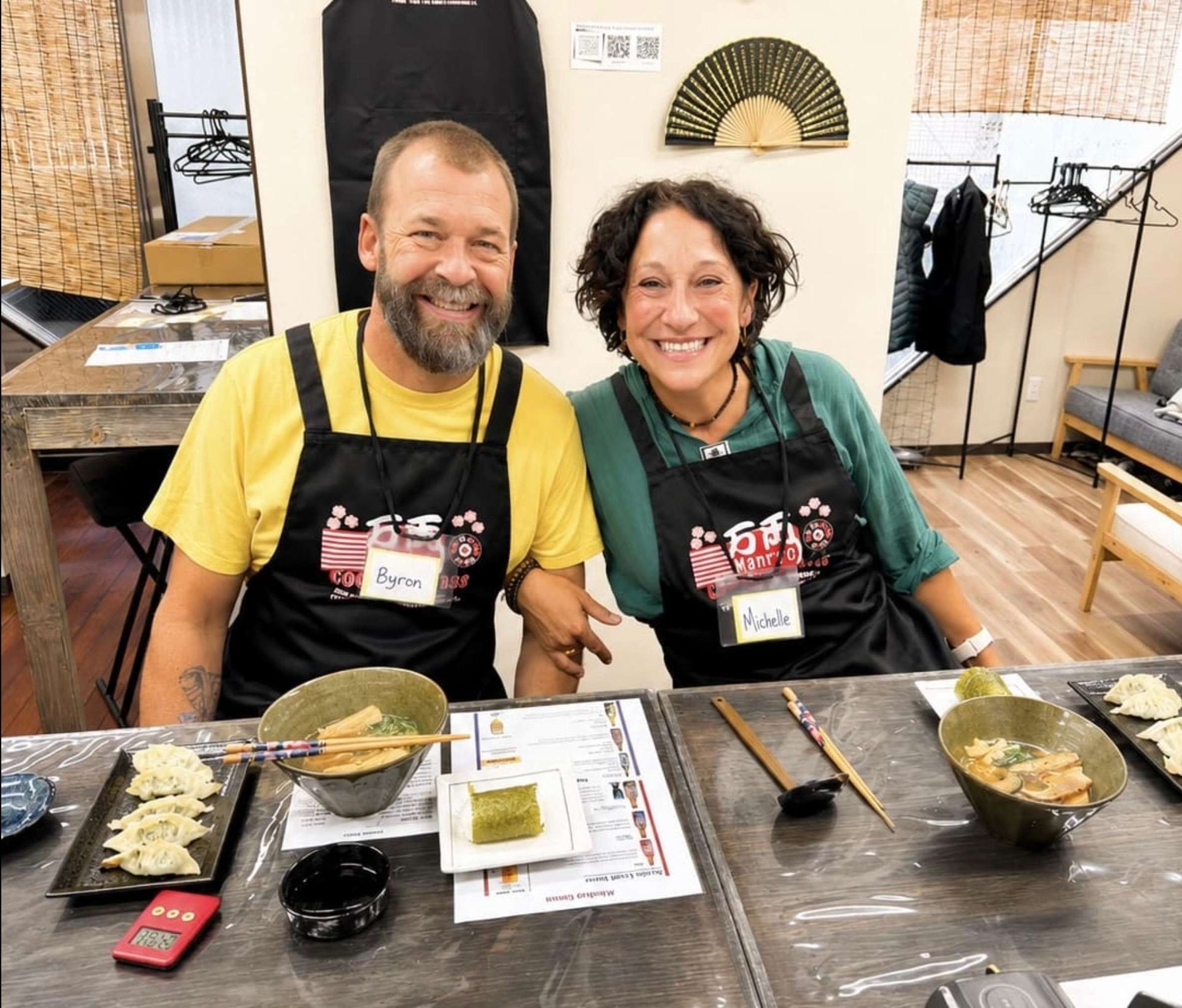
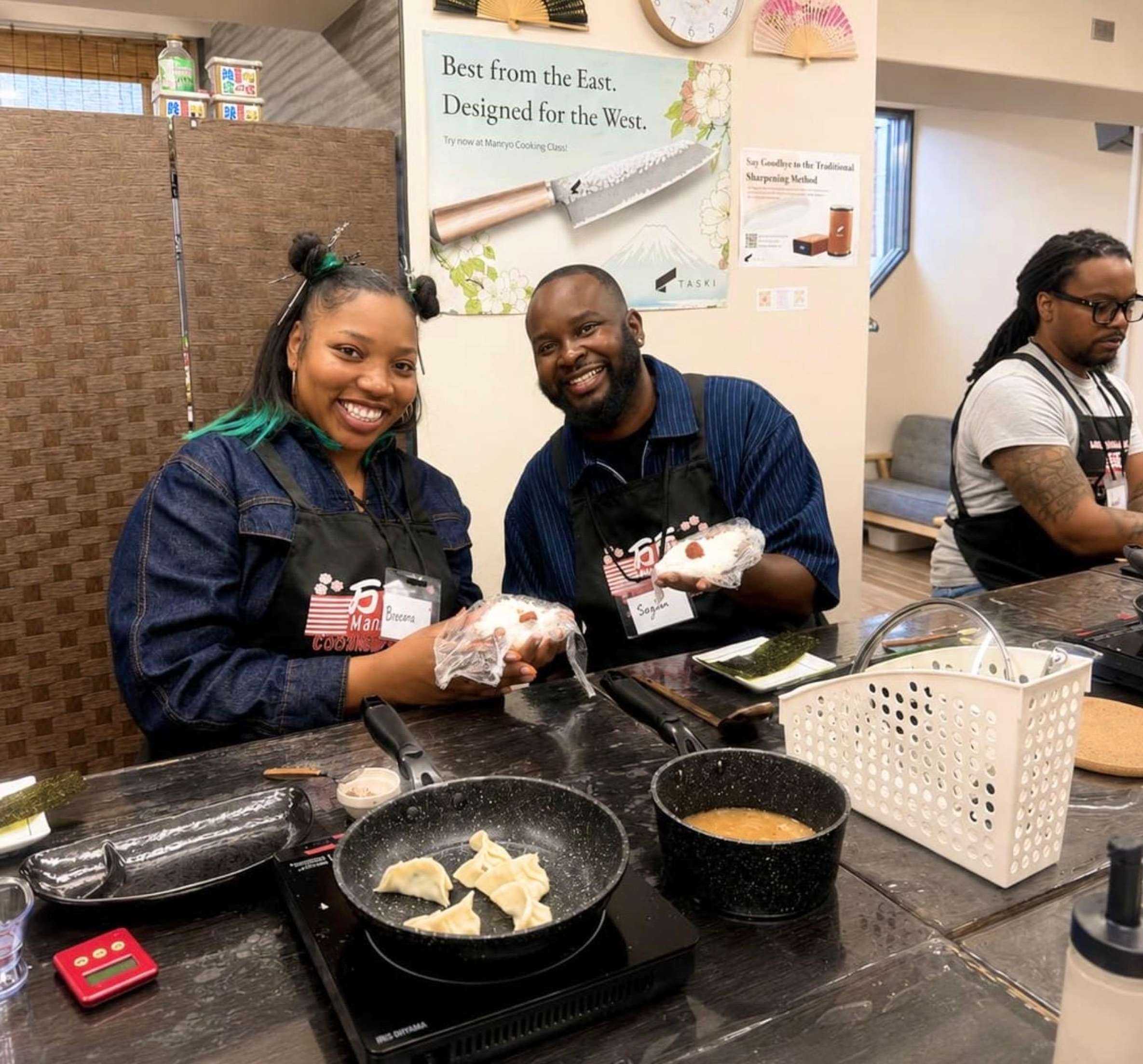
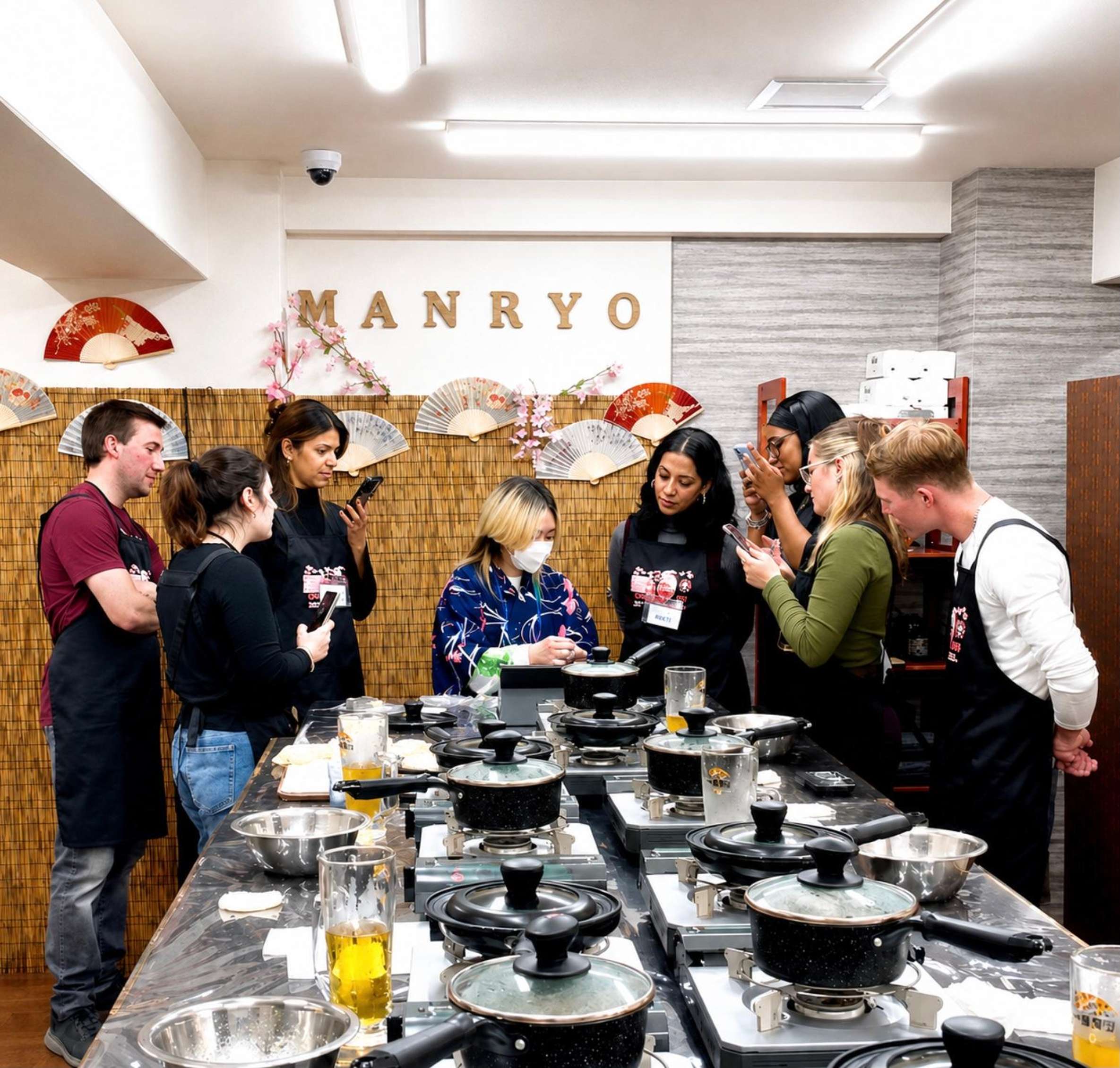
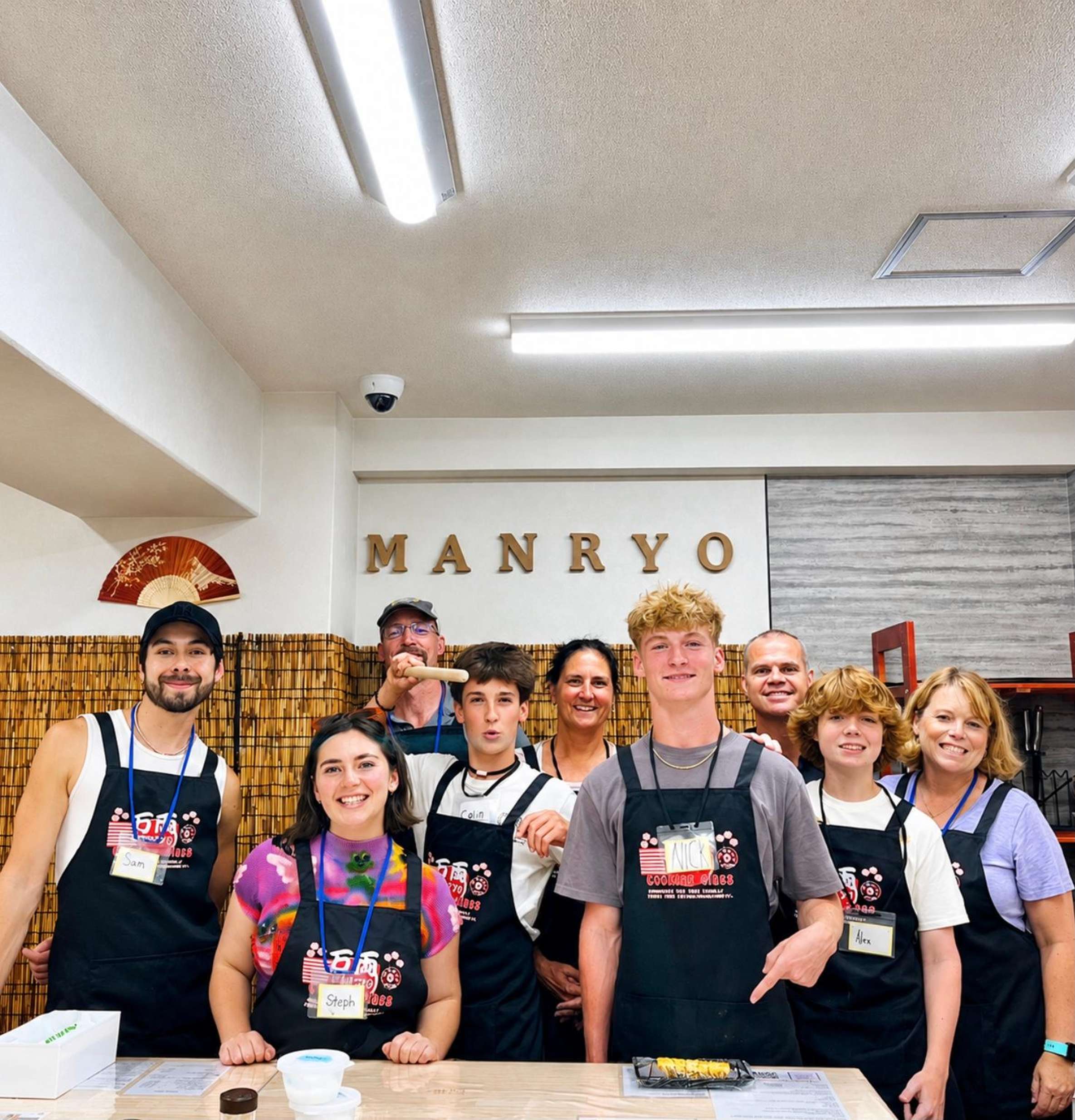
Ramen Cooking Class in Kyoto Choose Your Experience
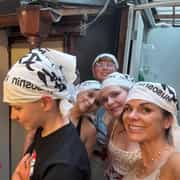
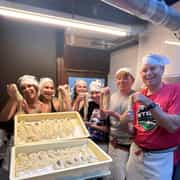
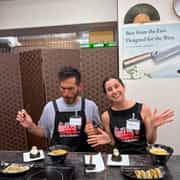
Book a ramen cooking class in Kyoto and knead, cut and eat your own bowl, guided step by step in English by instructors who cook it every day. Over 1,300 travelers have rolled up their sleeves here, bandana on, dough in hand. Pick your class below and claim a seat at the counter.
"Solo trip here, and the staff were so accommodating and pleasant. Clear instructions, they took photos and videos for me, and as a pescatarian I got tofu and fish broth.."
4.9★average rating2,048traveler reviews100%free cancellation34countries travelers came from
Which ramen cooking class in Kyoto fits your trip?
Kyoto's ramen workshops split along one line: how much of the bowl you actually make. Some classes walk you through noodles and broth from flour, others teach broth or assembly while a chef handles the rest, and a few fold in gyoza, onigiri or a painted keepsake. Pick by what you want to carry home.
ArrivalAt least one Kyoto operator starts on time and does not admit late arrivals, so plan to reach the venue with minutes to spare.
DietsVegan, gluten-free and halal versions exist at some Kyoto classes, but you need to request them after booking, and one class covers only a vegetarian menu with tofu in place of pork.
AllergiesOne class does not guarantee allergy-free meals, and removing an egg topping does not make ramen safe, since the noodles themselves can contain egg.
ChildrenKids from age four join some classes with age-appropriate tasks, while one class requires participants to be at least 12 and cook on their own.
SeasonKyoto cooking classes fill fastest in April and May and again in November, so book ahead for those months.
VenueCheck the exact address and entrance, not just the neighborhood; one Gion venue is reached through a narrow alley.
ClothingWear casual clothes that can take flour or sauce splashes with sleeves rolled up and closed-toe shoes; aprons are usually provided.
WeatherUnsafe weather can cancel a Kyoto class, so keep a backup plan for that slot in your itinerary.
Pick the ramen cooking lesson in Kyoto that fits your trip
Answer a few quick questions and the right class for your trip appears.
importantShared kitchens in Kyoto cannot guarantee allergy-free meals, and a Japanese allergen card does not tell you whether a class is safe for coeliac disease.
If you have a severe wheat, soy or egg allergy, contact the class host before booking and describe the exact ingredients you must avoid. With coeliac disease, ask specifically about soy sauce and cross-contact, since the noodles and sauces in a shared kitchen may not be safe for you.
Comparing Kyoto's ramen cooking classes to find your fit
Cheapest, with a full bowl
1 hour·English, Japanese
4.9(184)
Kyoto Michelin Ramen Noodle Making Class
One hour at Kyoto's only ramen-school run by a real ramen restaurant, then sit down to a chef-made bowl and a drink.
Free cancellationMusoshin's Apron (Rental)In English and Japanese
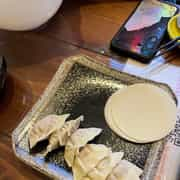
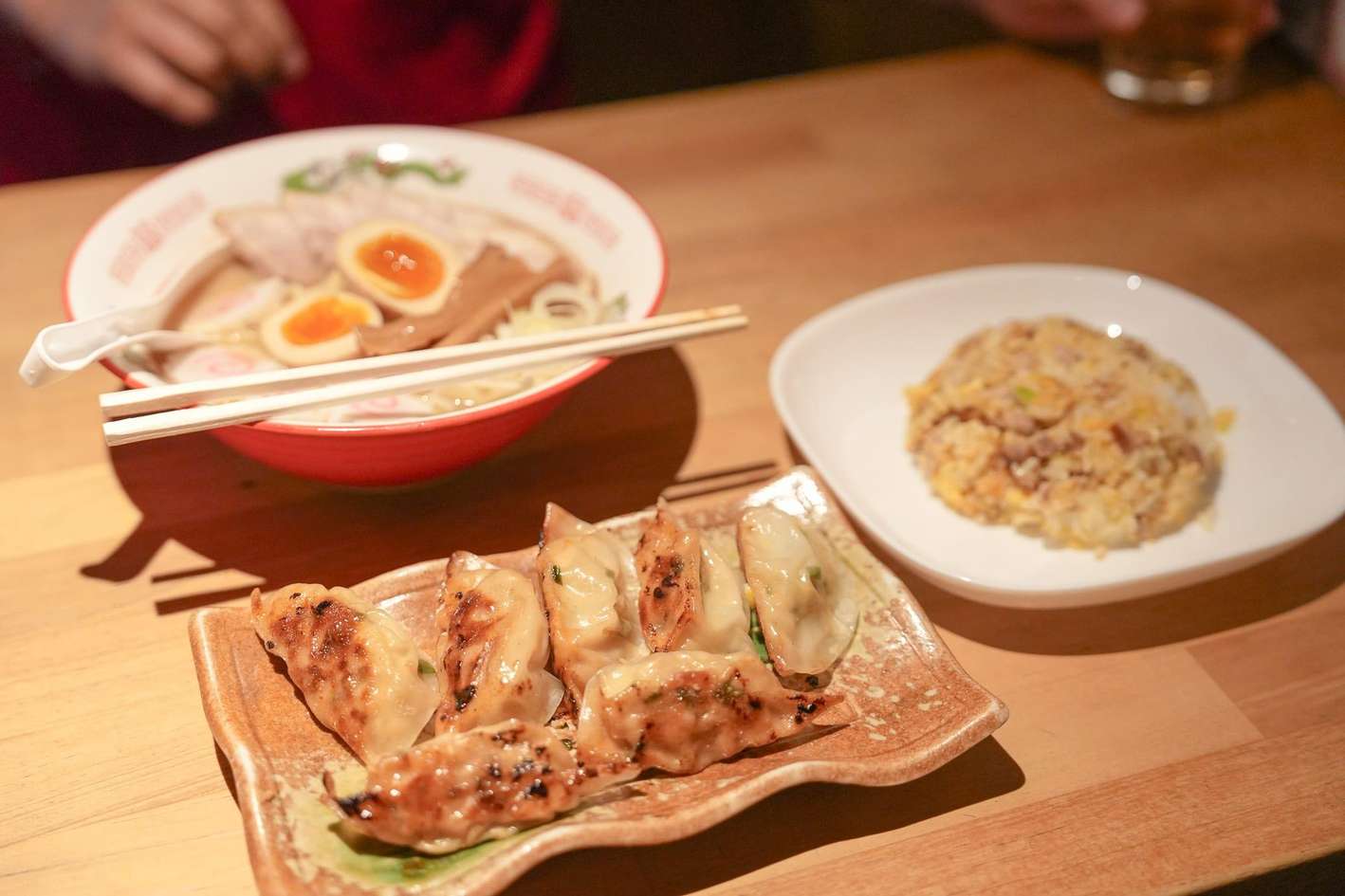
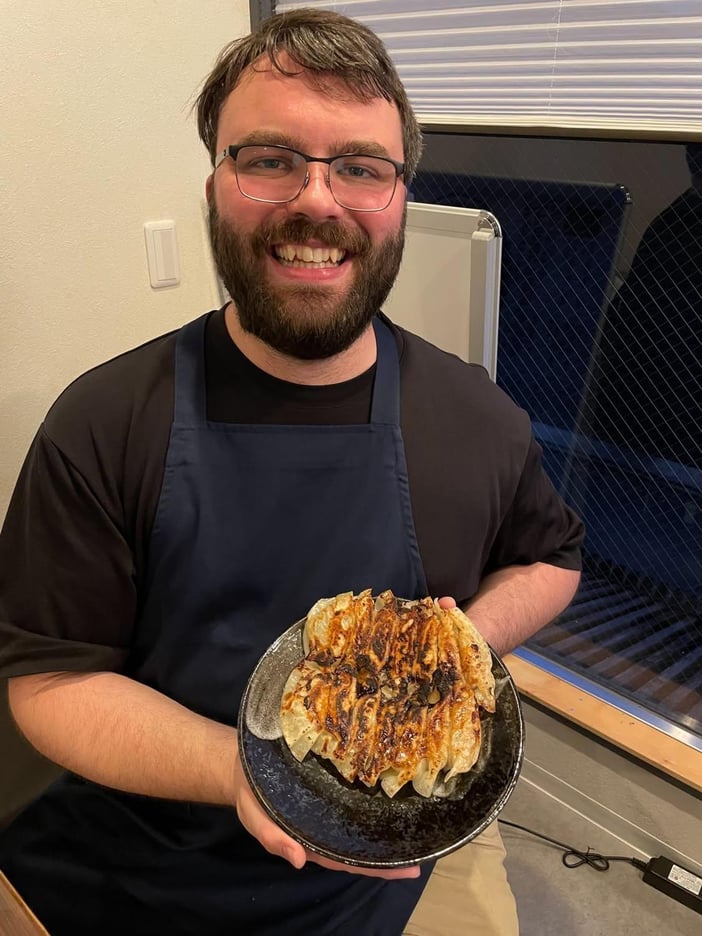
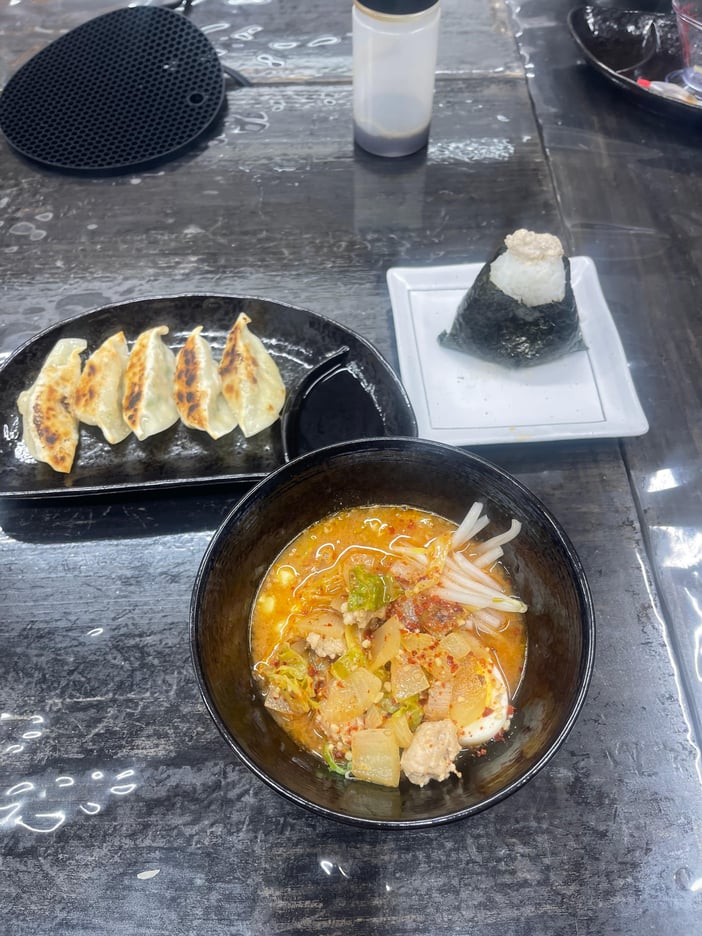
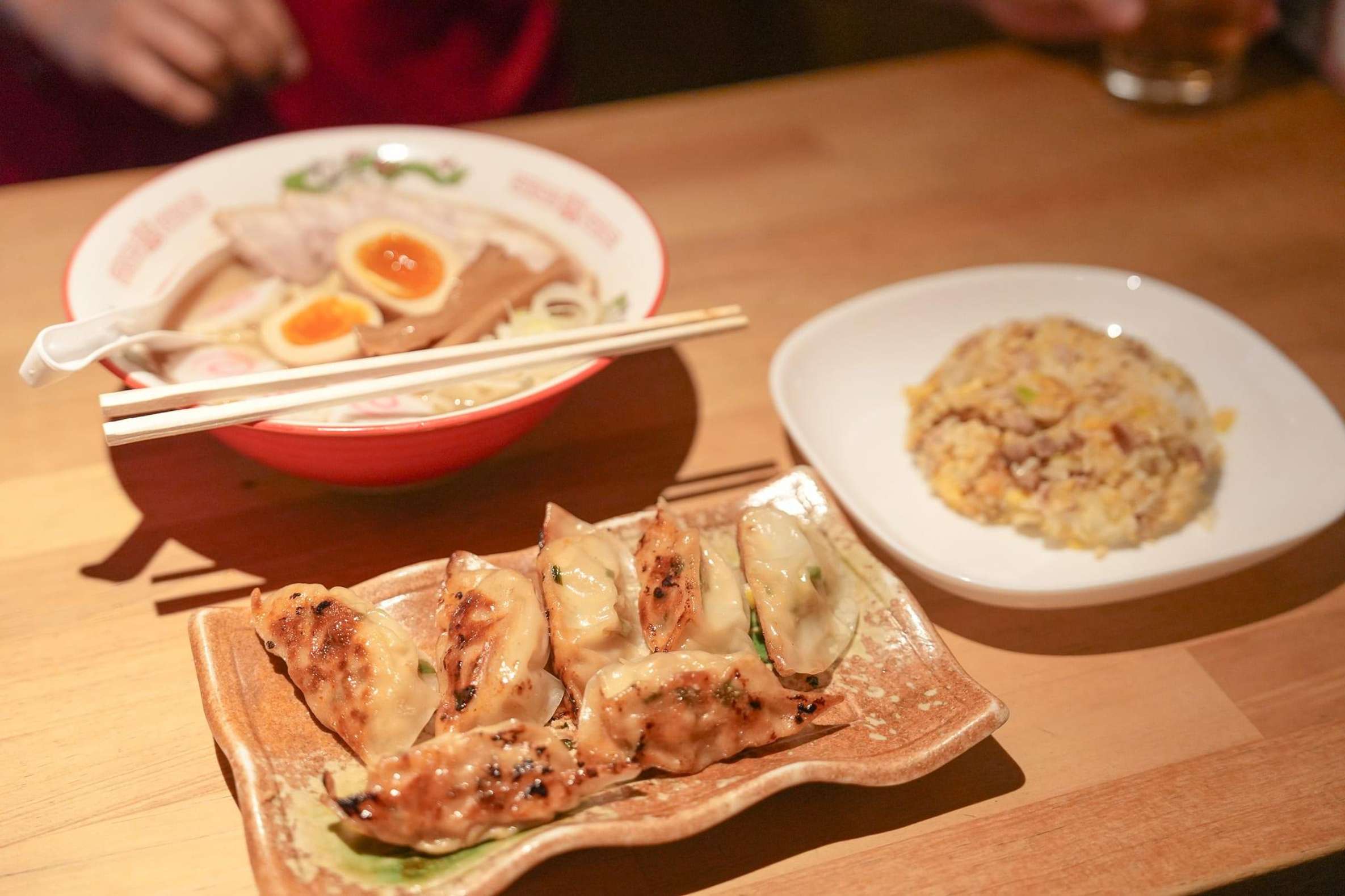
Cook three dishes alongside professional chefs in a 2.5-hour session: ramen made from scratch, gyoza you fold and fill yourself, and fried rice. Two drinks come with the meal, and downloadable recipes help you repeat it at home.
The class starts on time and late arrivals cannot join, so plan to reach the venue early. It suits travelers who want a full menu and a sociable group session.
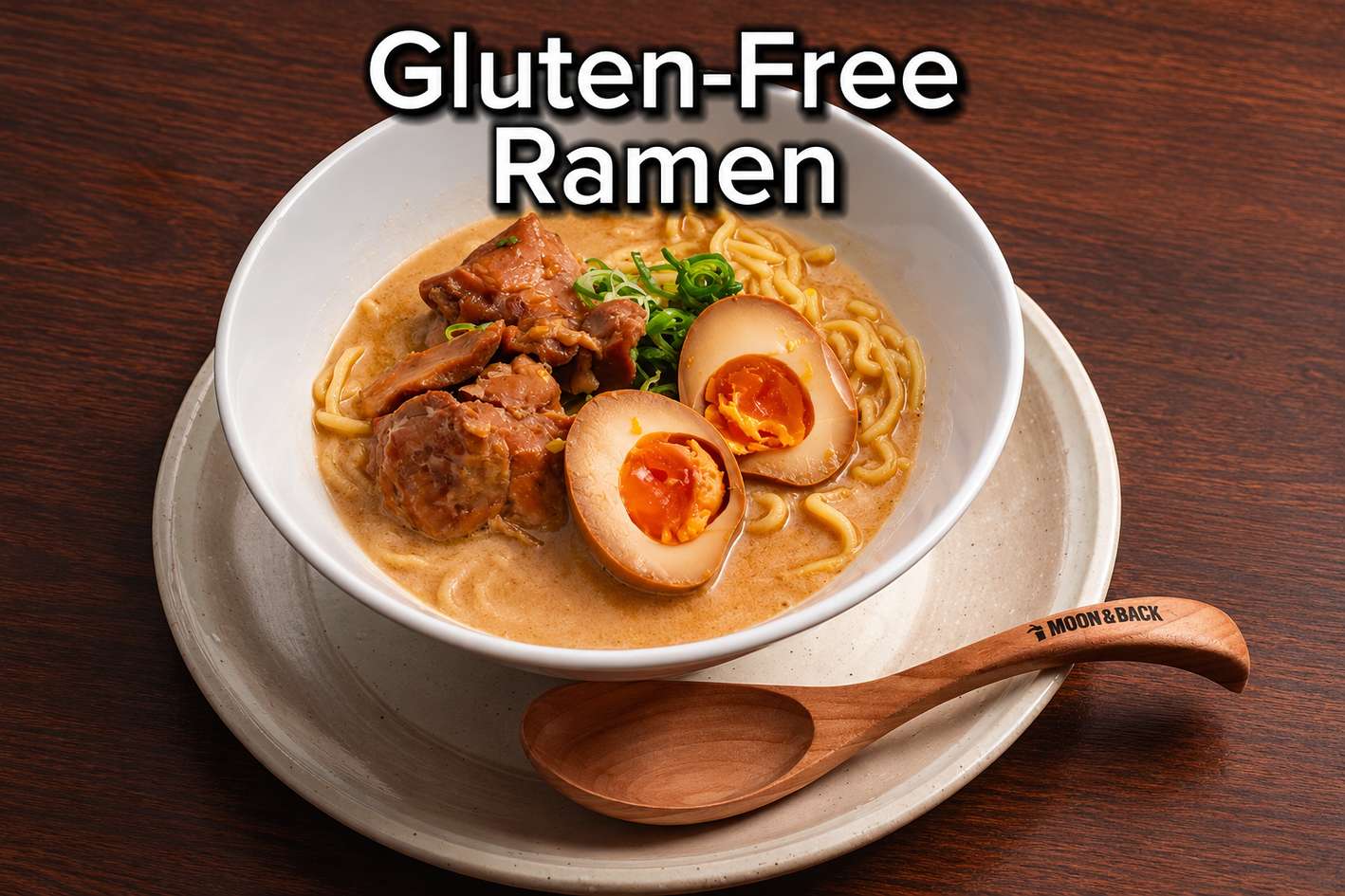
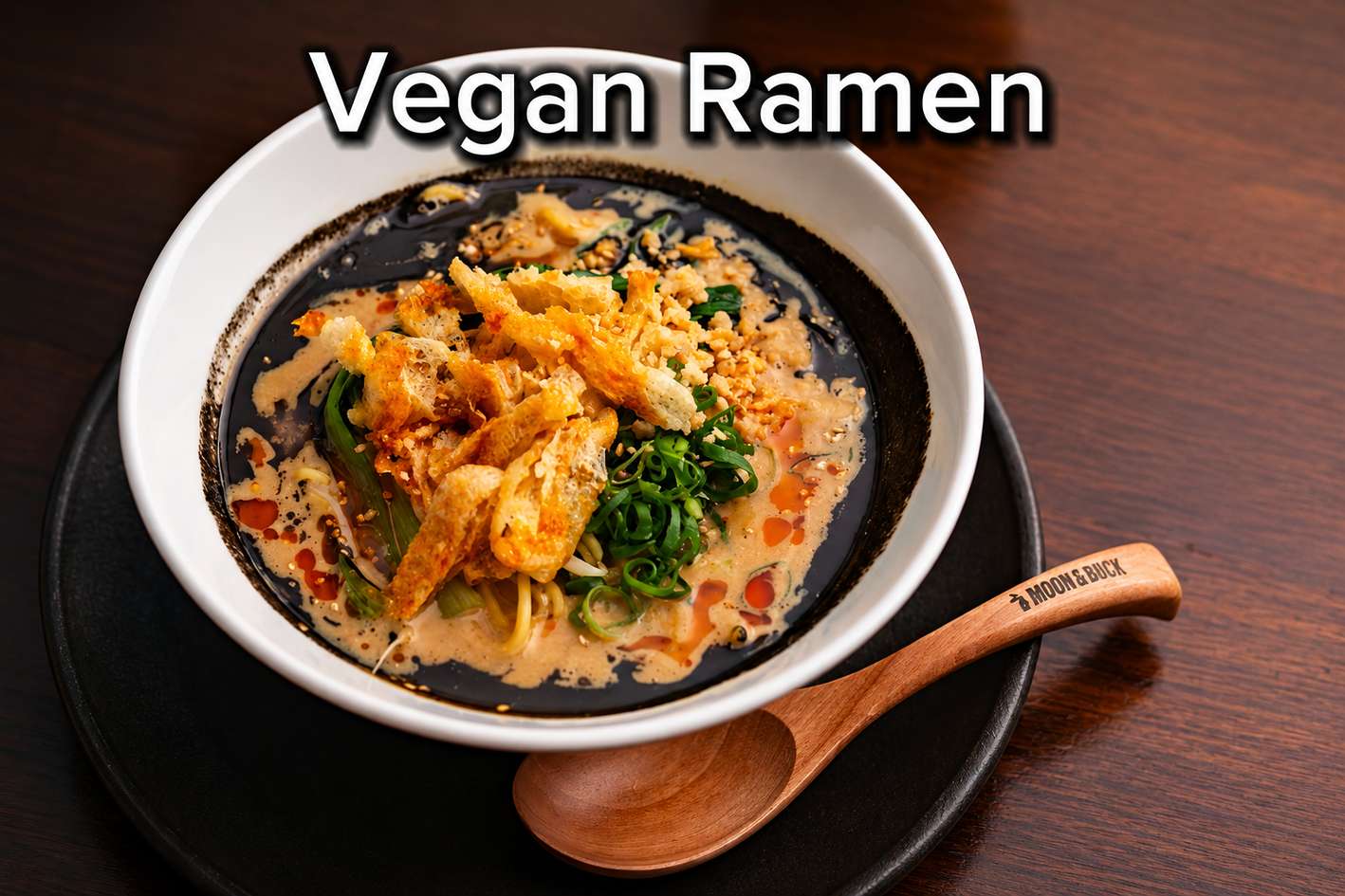
Several Kyoto workshops swap ingredients so plant-based guests cook the same dishes as everyone else, at no extra charge. The from-scratch class can prepare vegan, gluten-free and halal versions on request, and the Michelin-connected bowl-painting class offers vegan and gluten-free ramen alongside its ceramic keepsake.
Tell the host about your needs after booking. This route suits travelers who thought a dietary requirement would rule them out.
Inside your Kyoto ramen lesson - the cooking and what's included
about 1.5 h
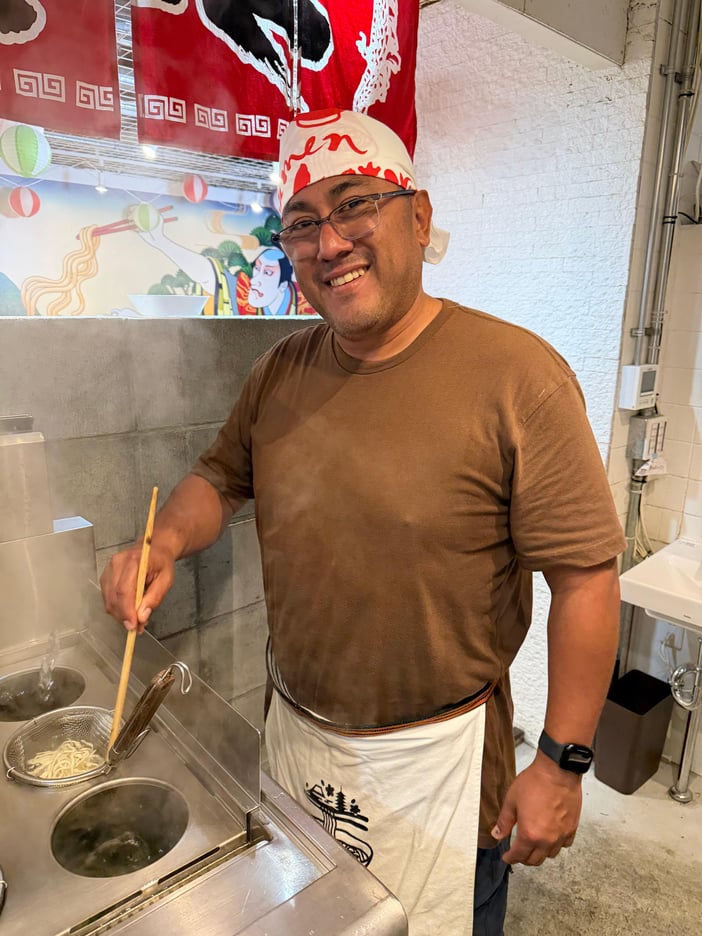
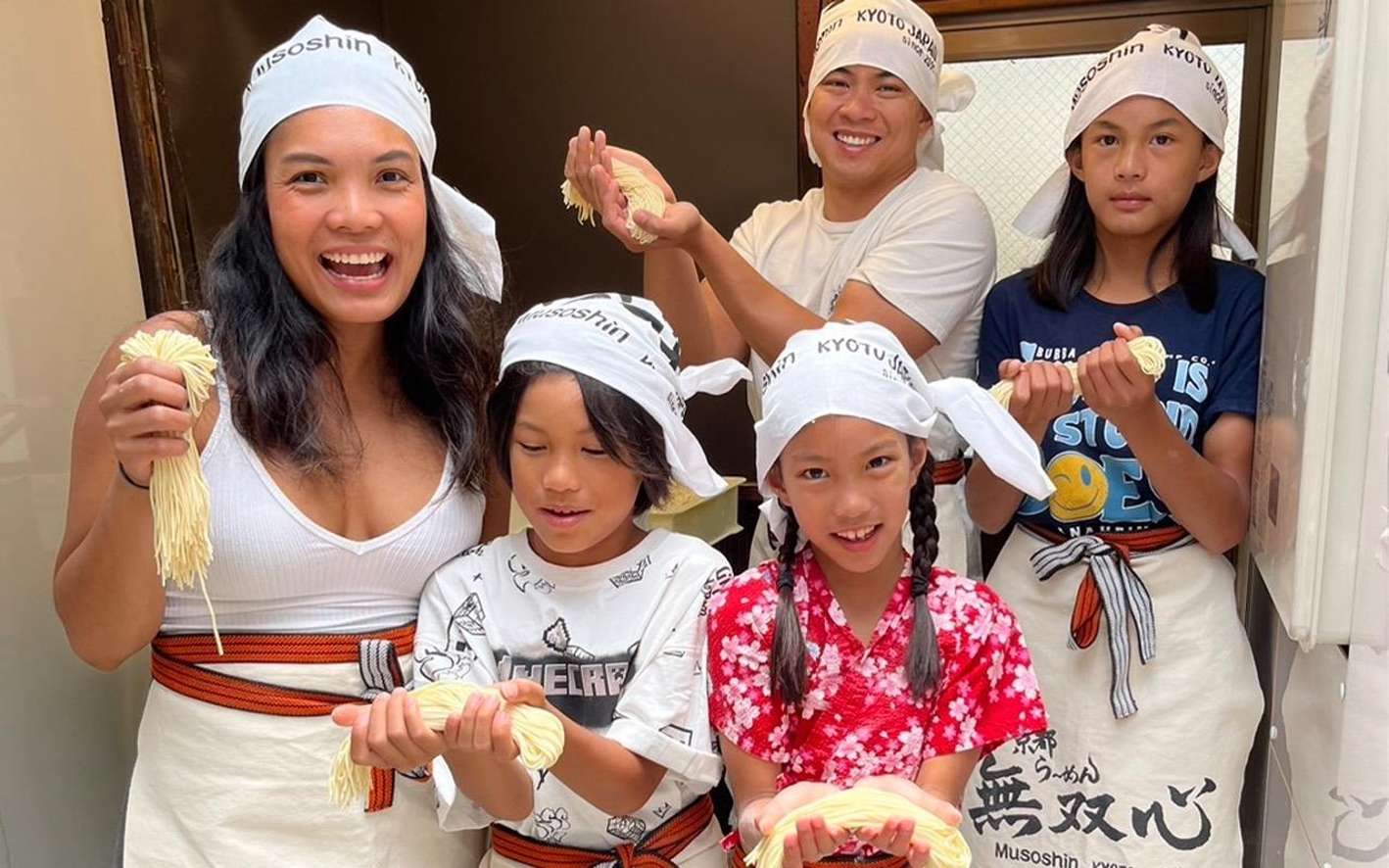
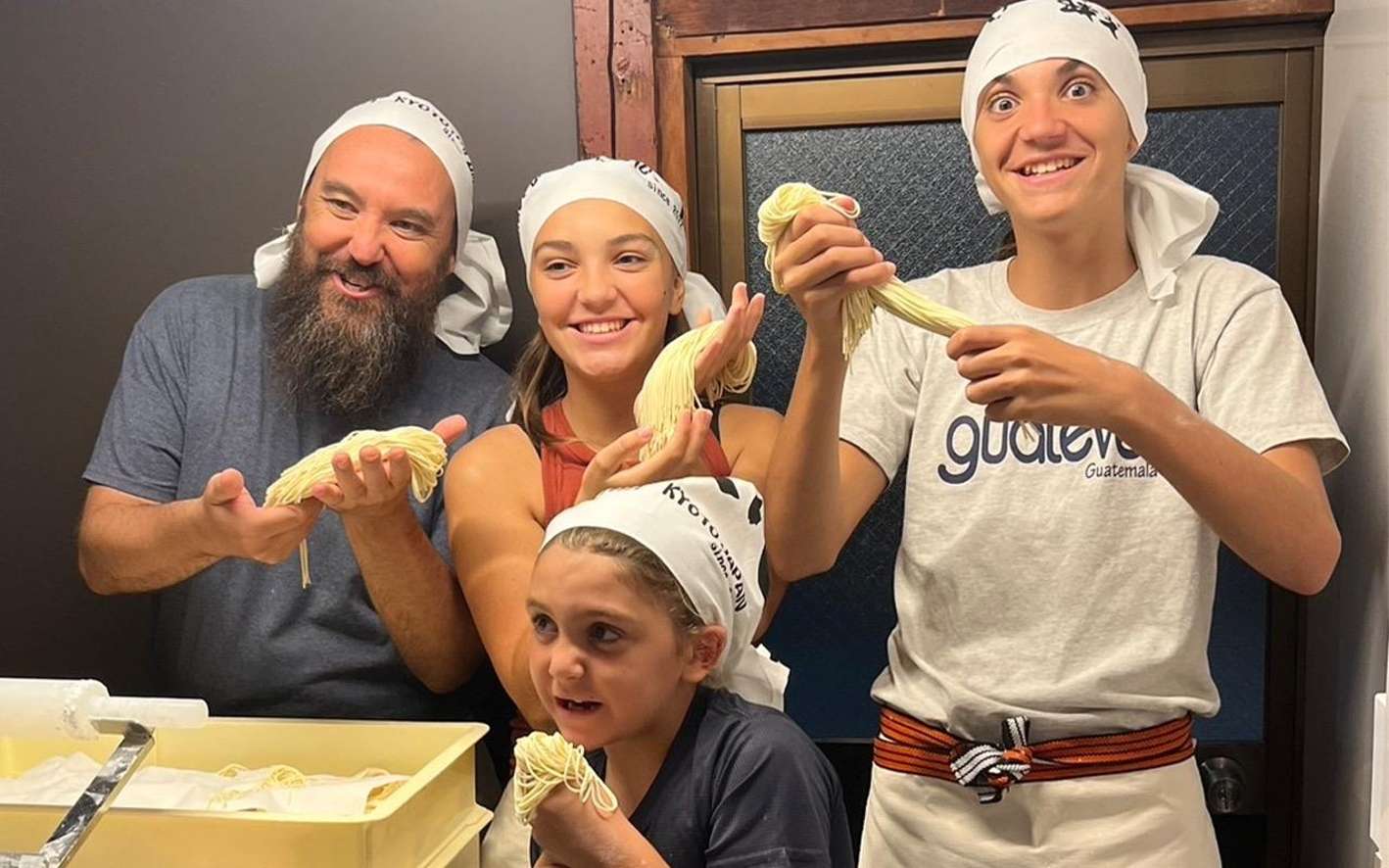
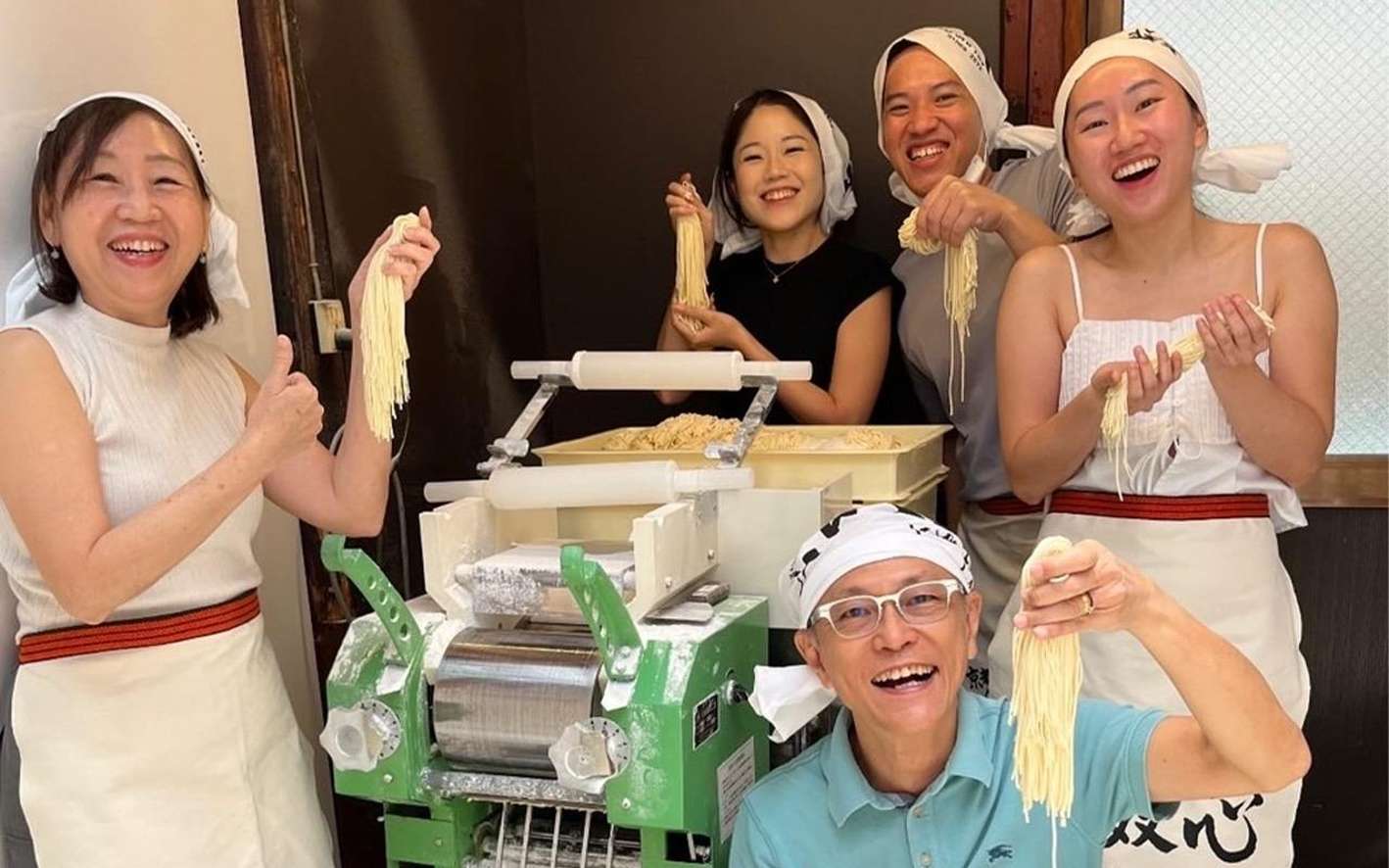
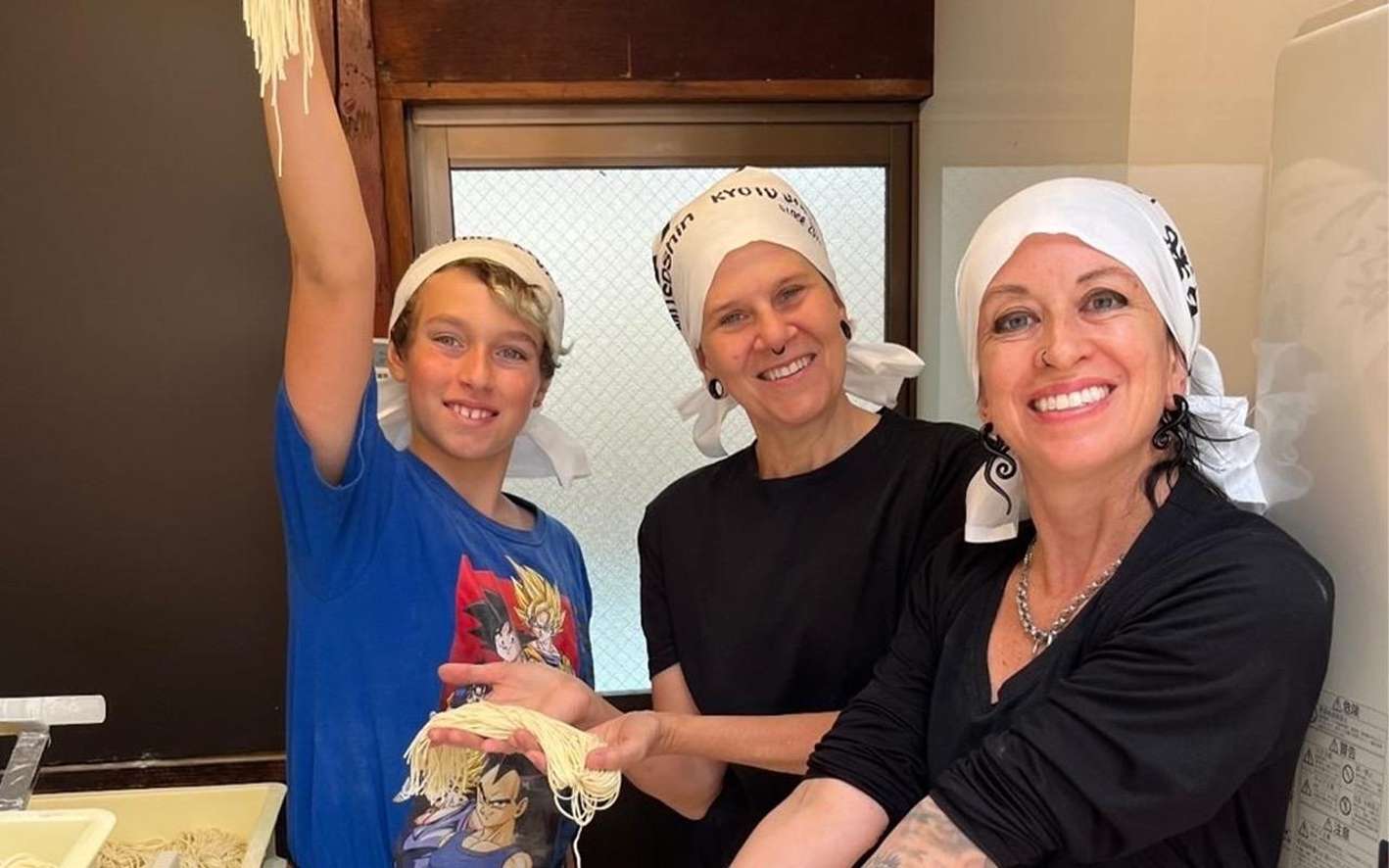
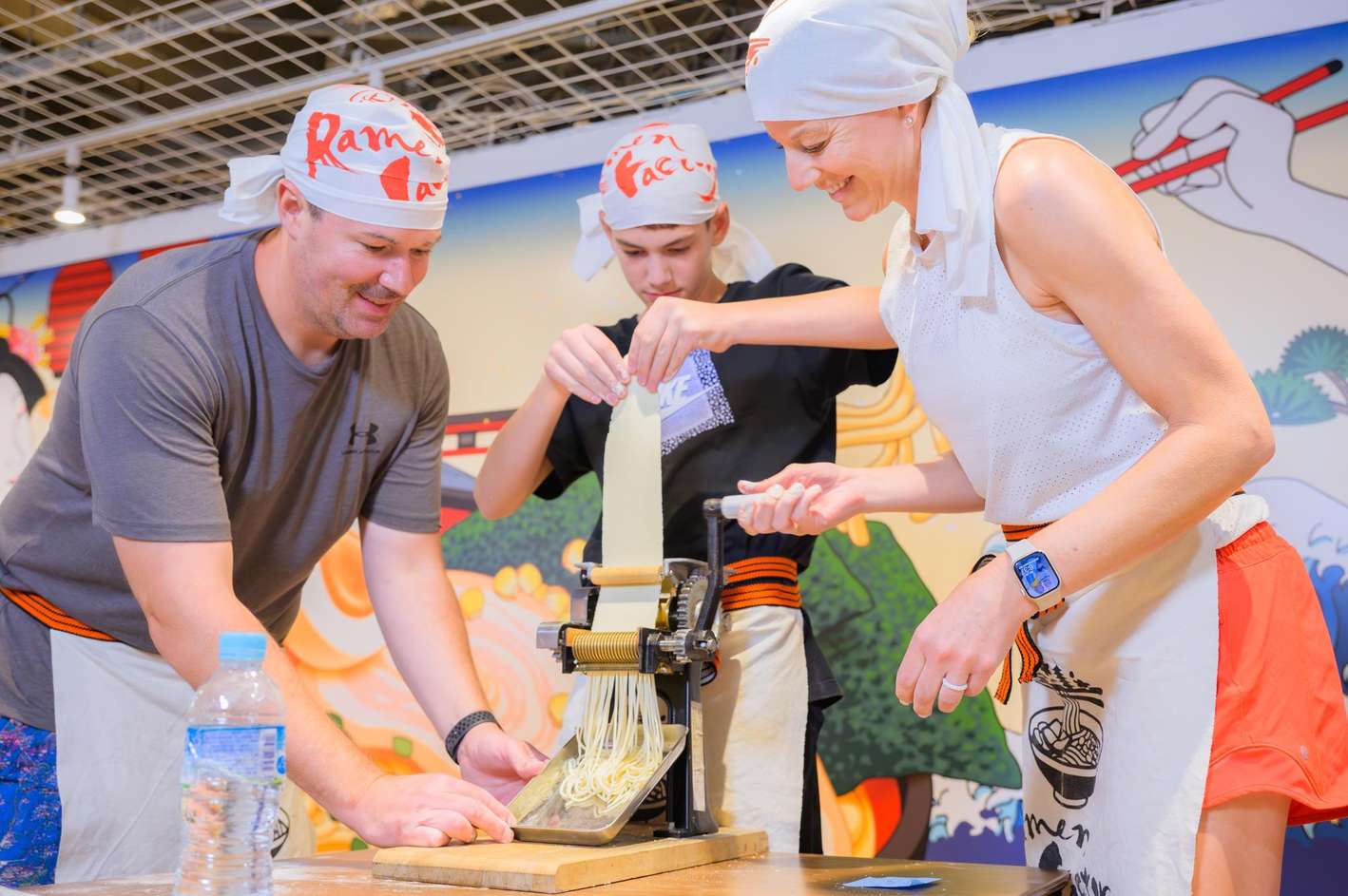
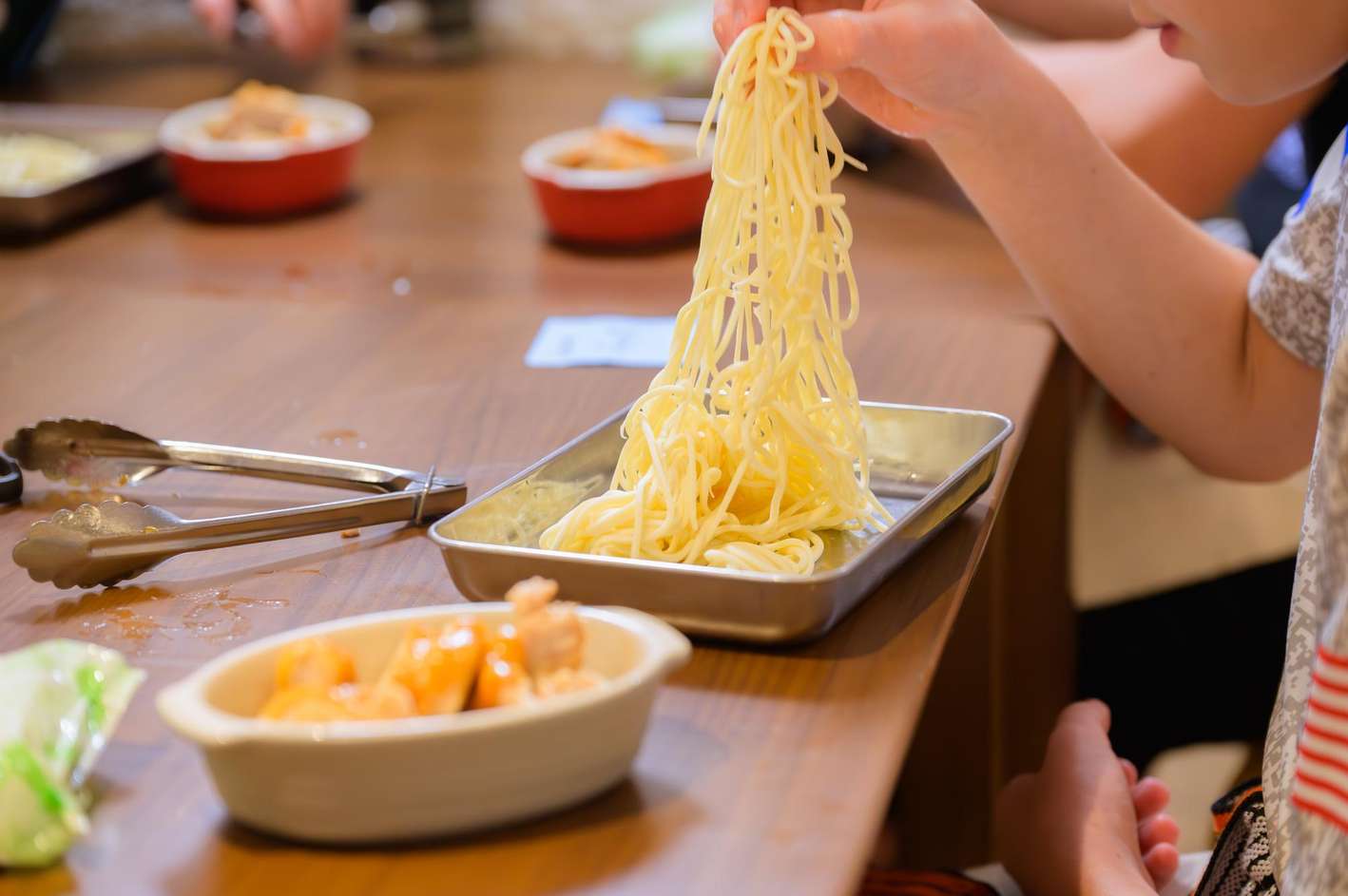
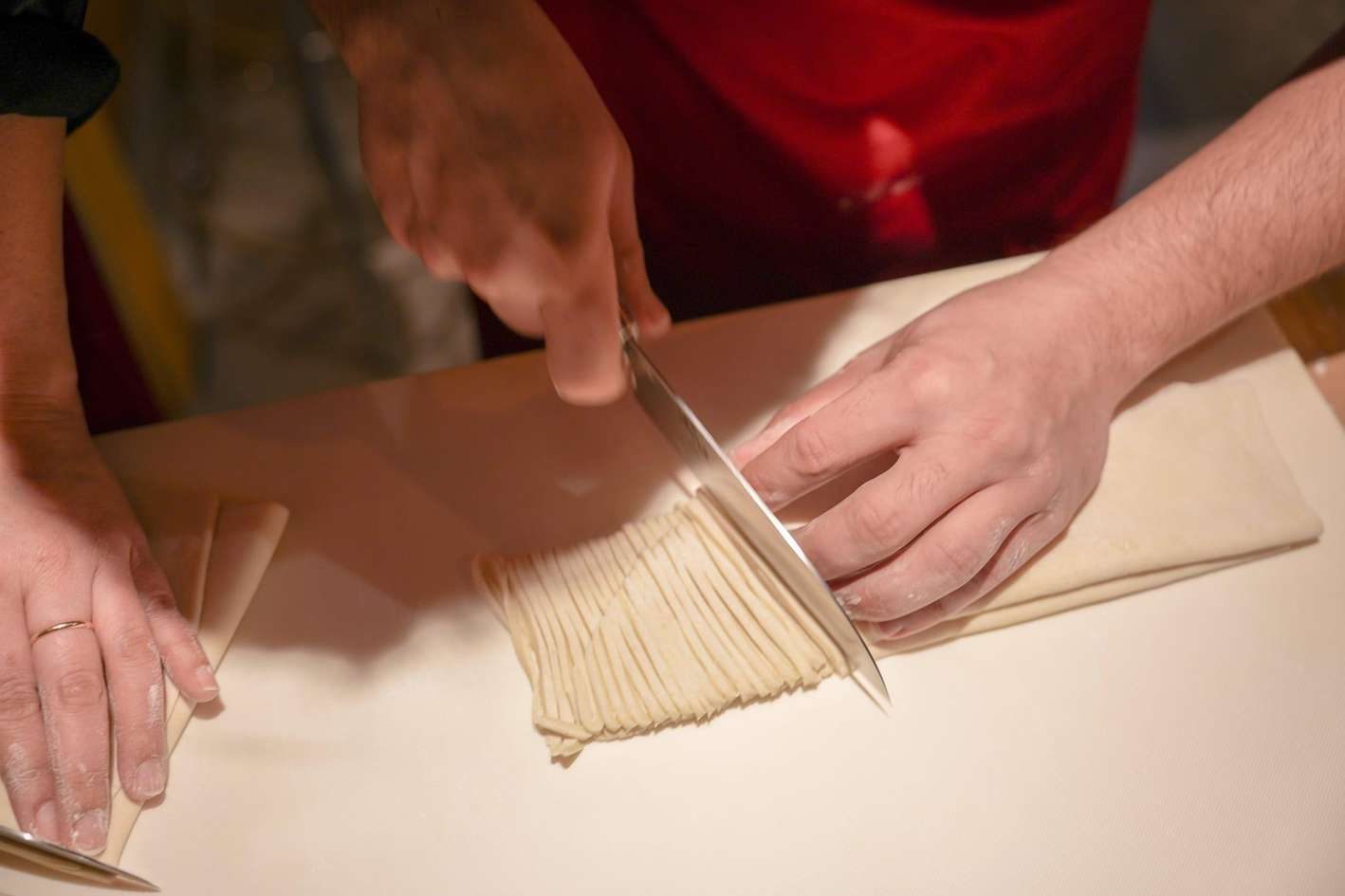
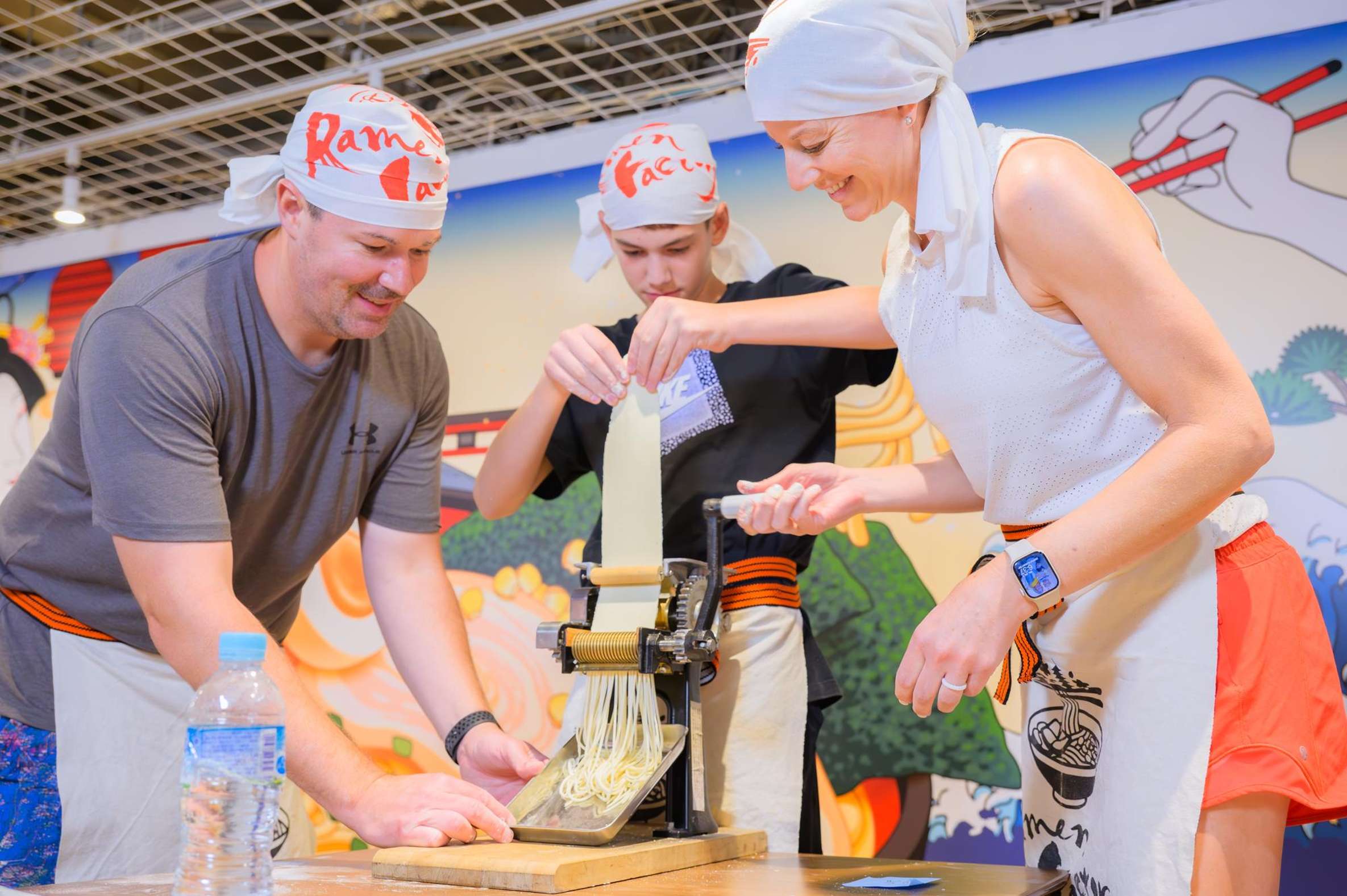
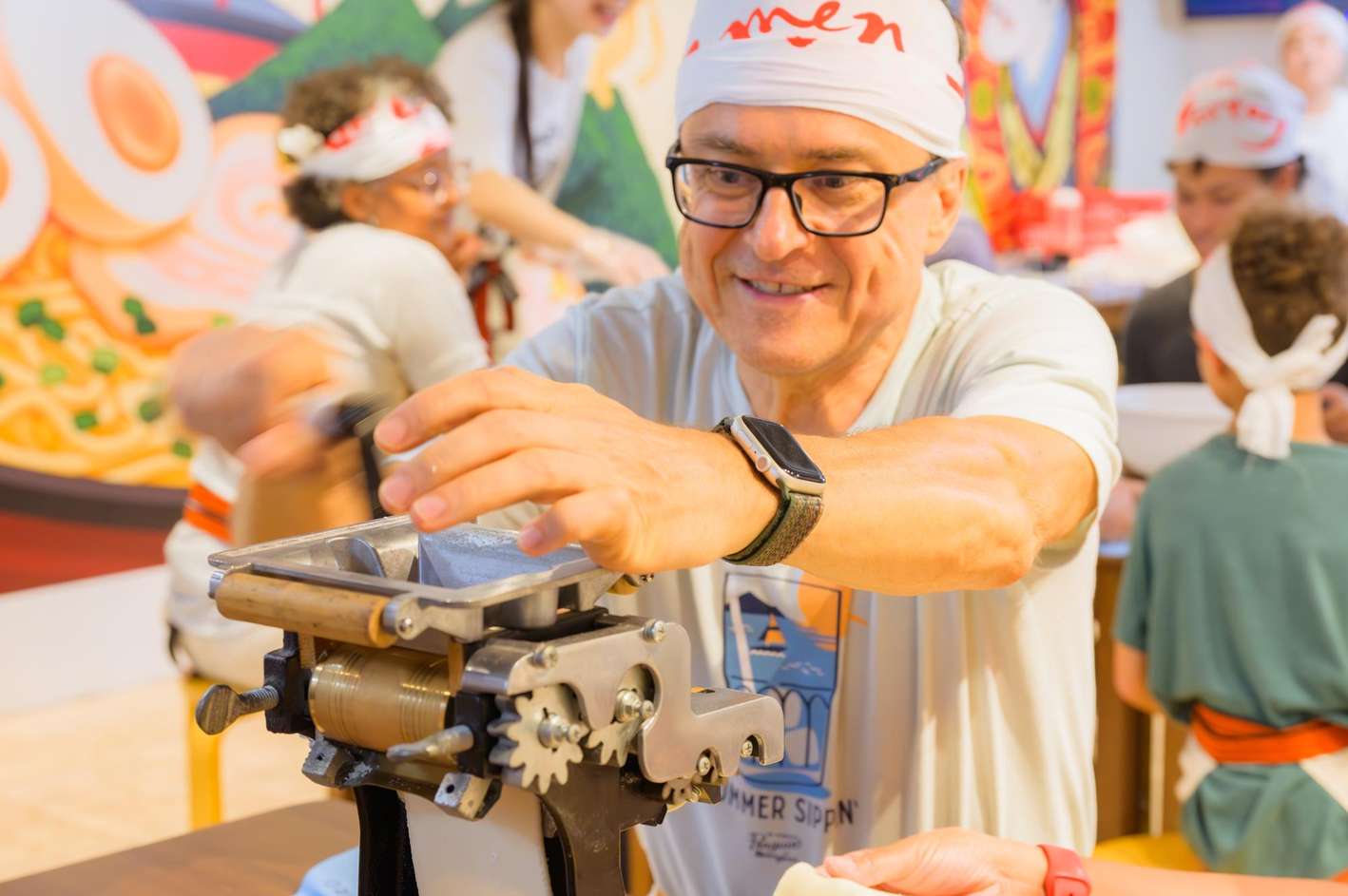
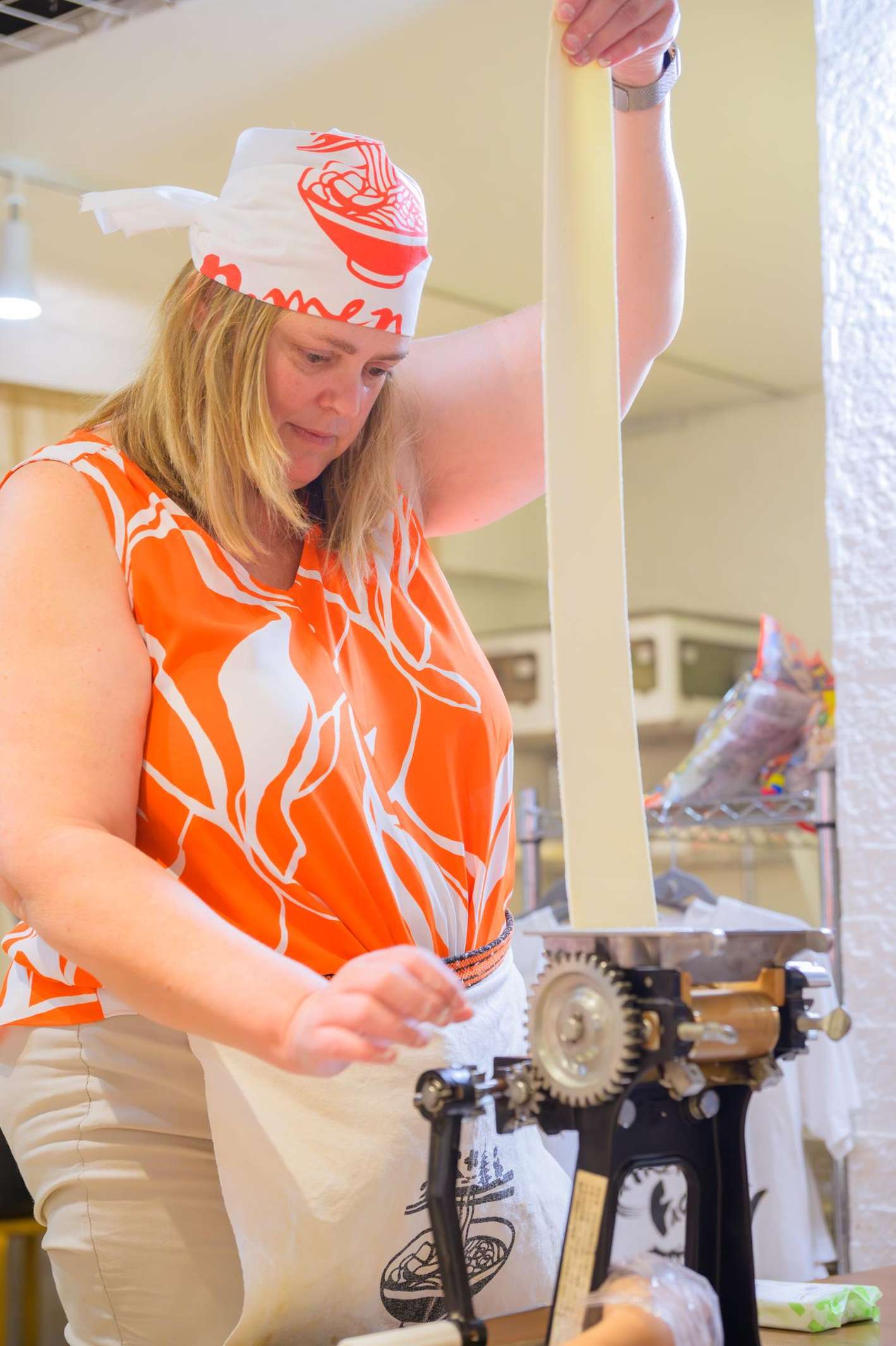
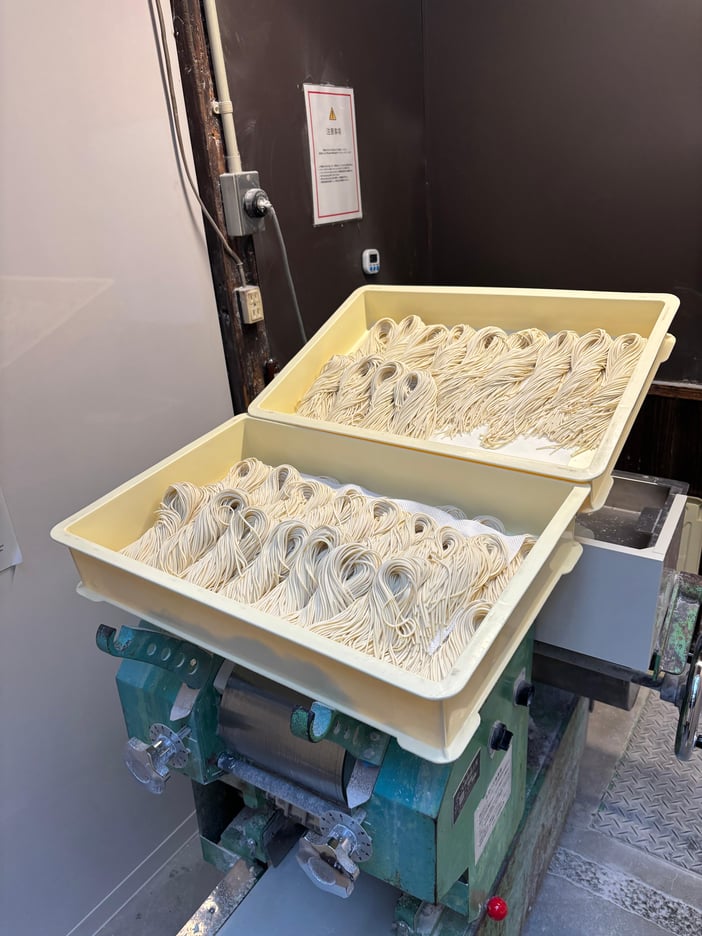
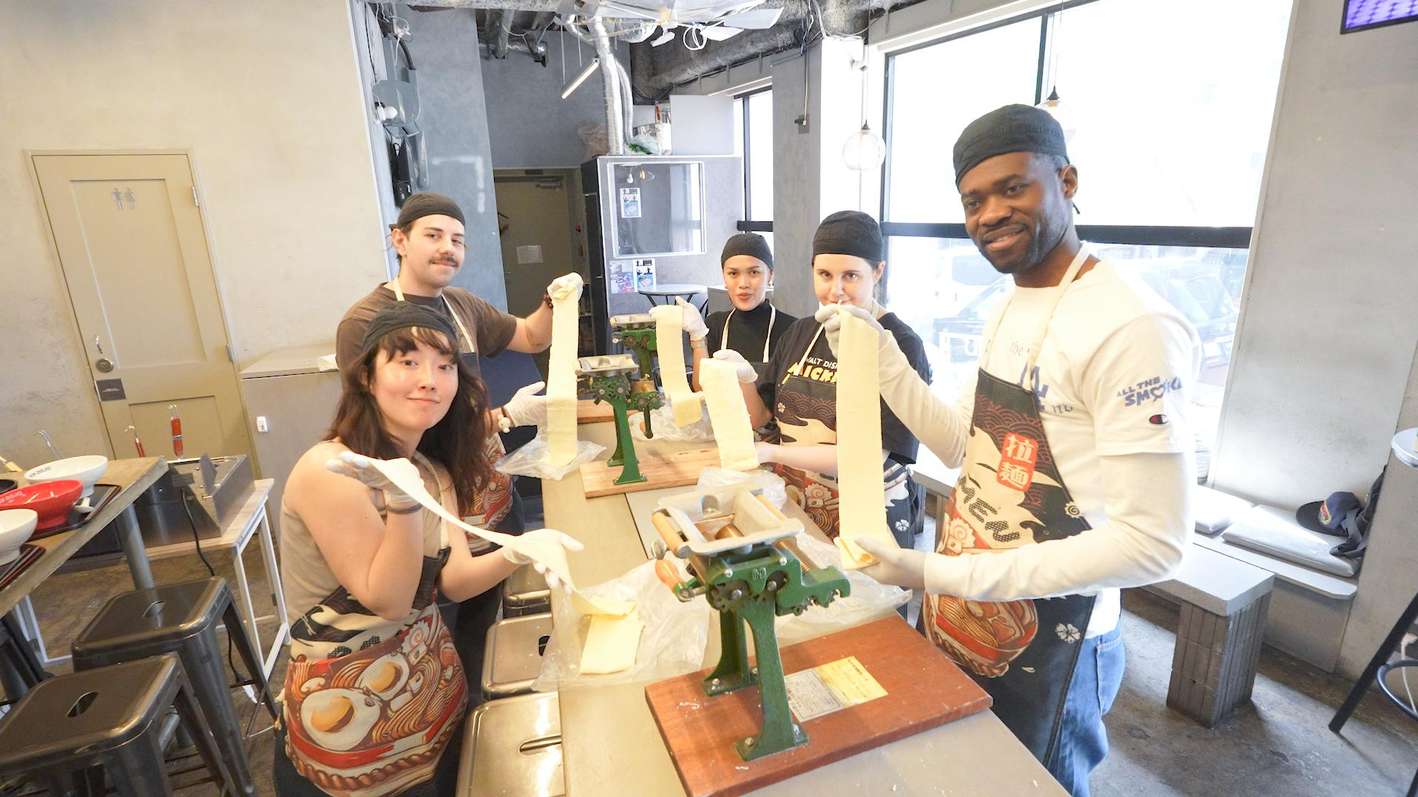
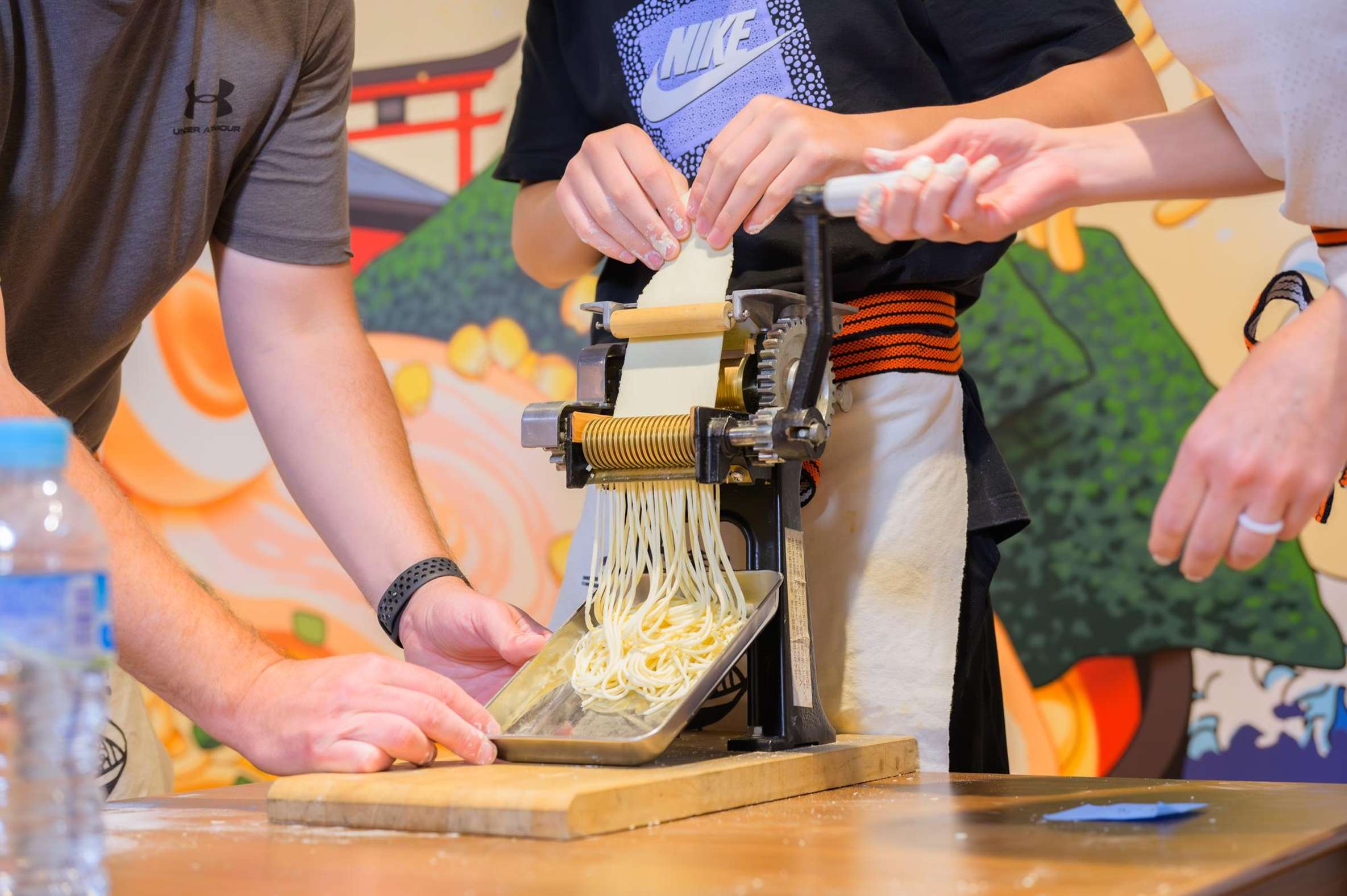
The dough does the talking here. In a 90-minute session near central Kyoto, you knead noodle dough by hand, fold it more than a hundred times, then run it through a noodle machine and cut real noodles.
The recipe comes from over 40 years of ramen making in this city, and the class opens with a short quiz on where the dish got its name.
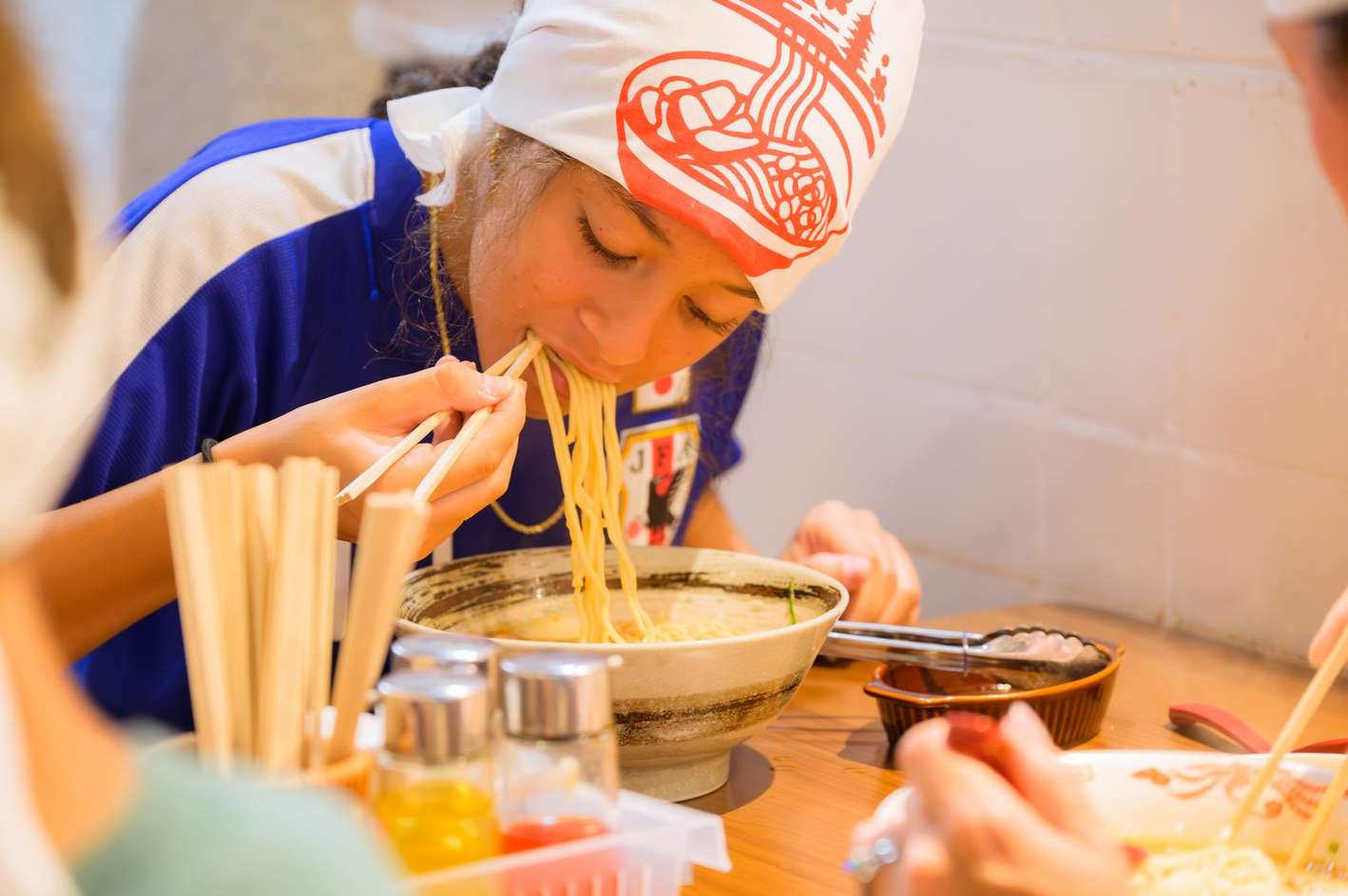
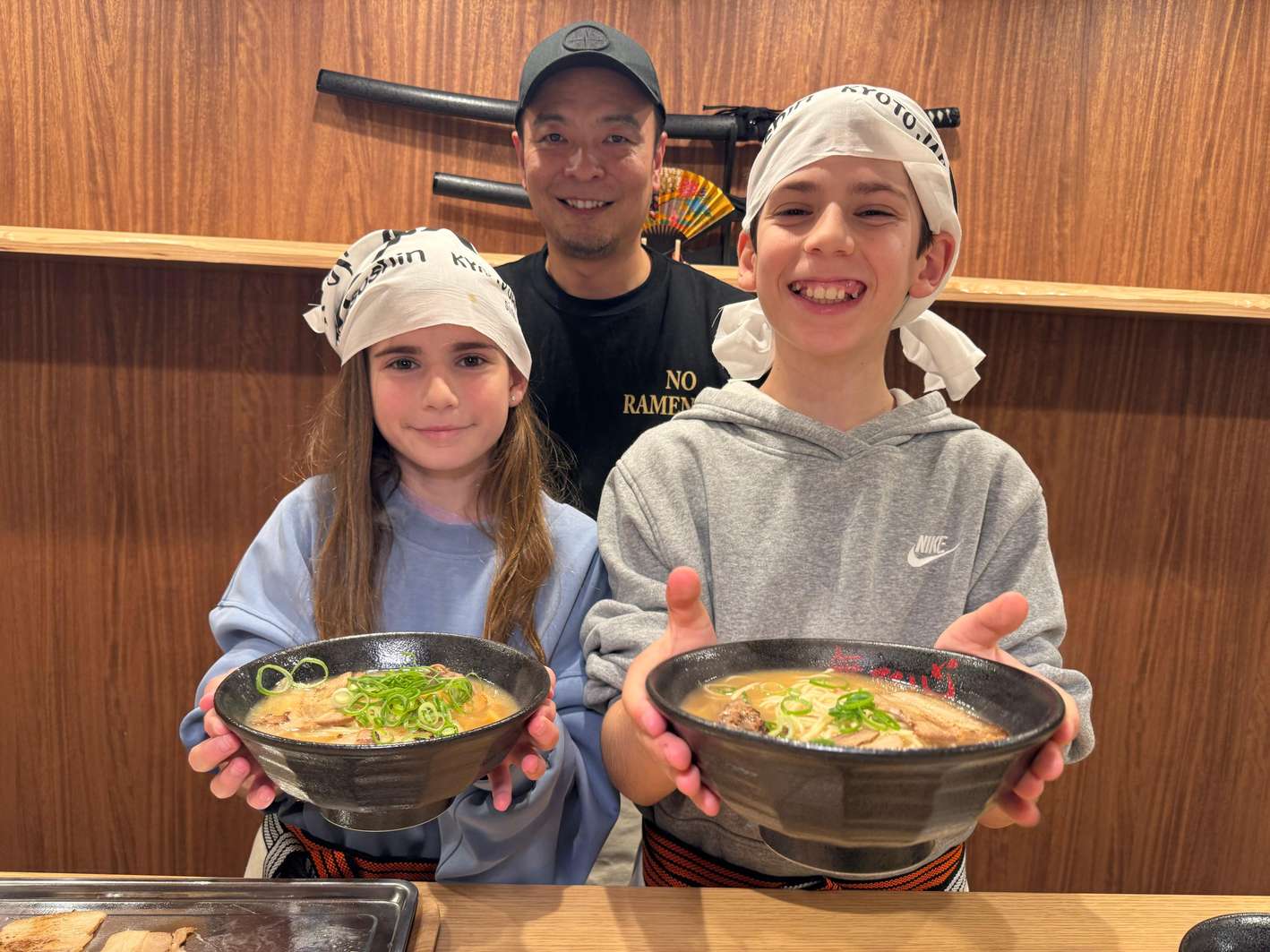
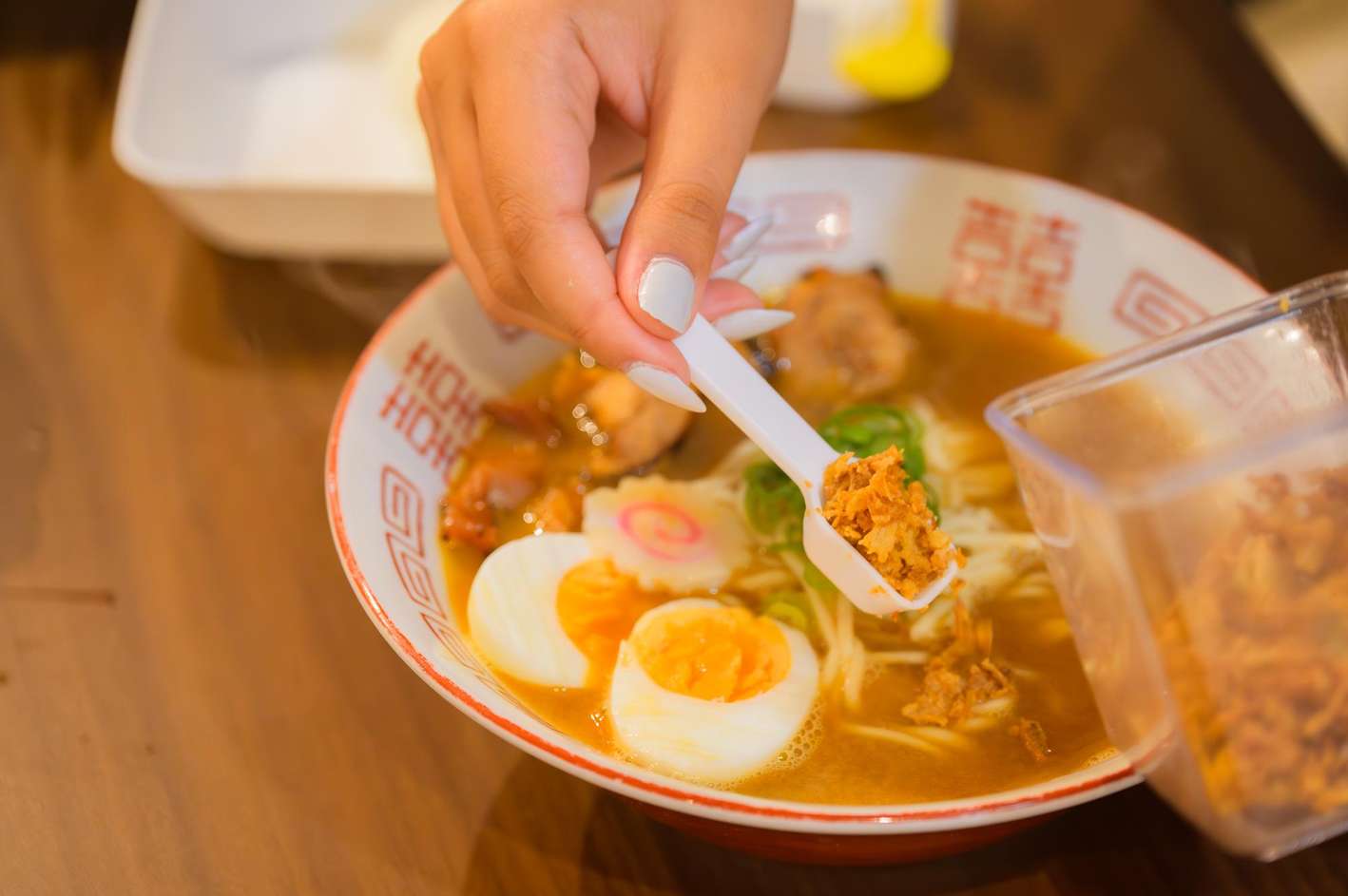
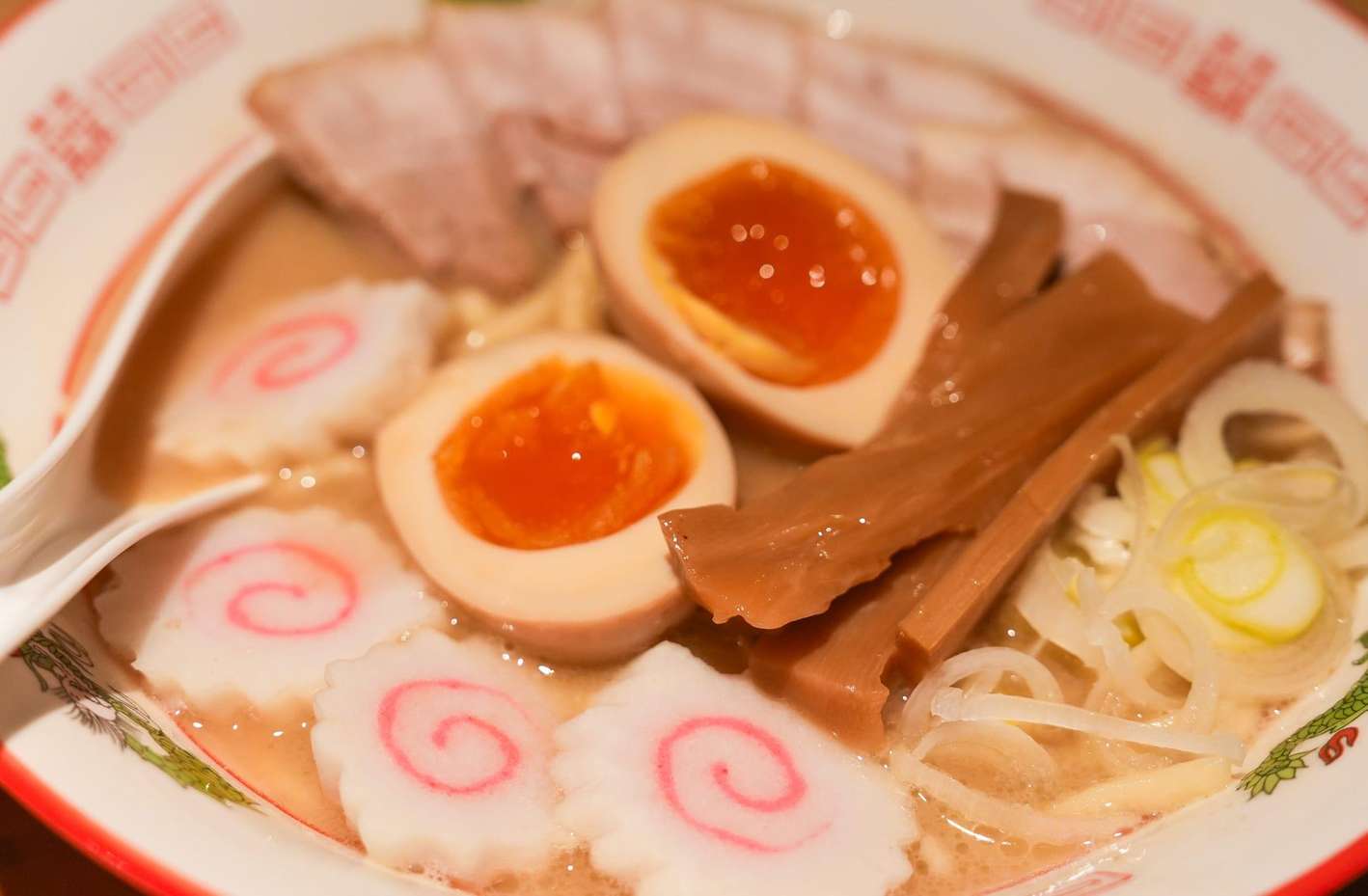
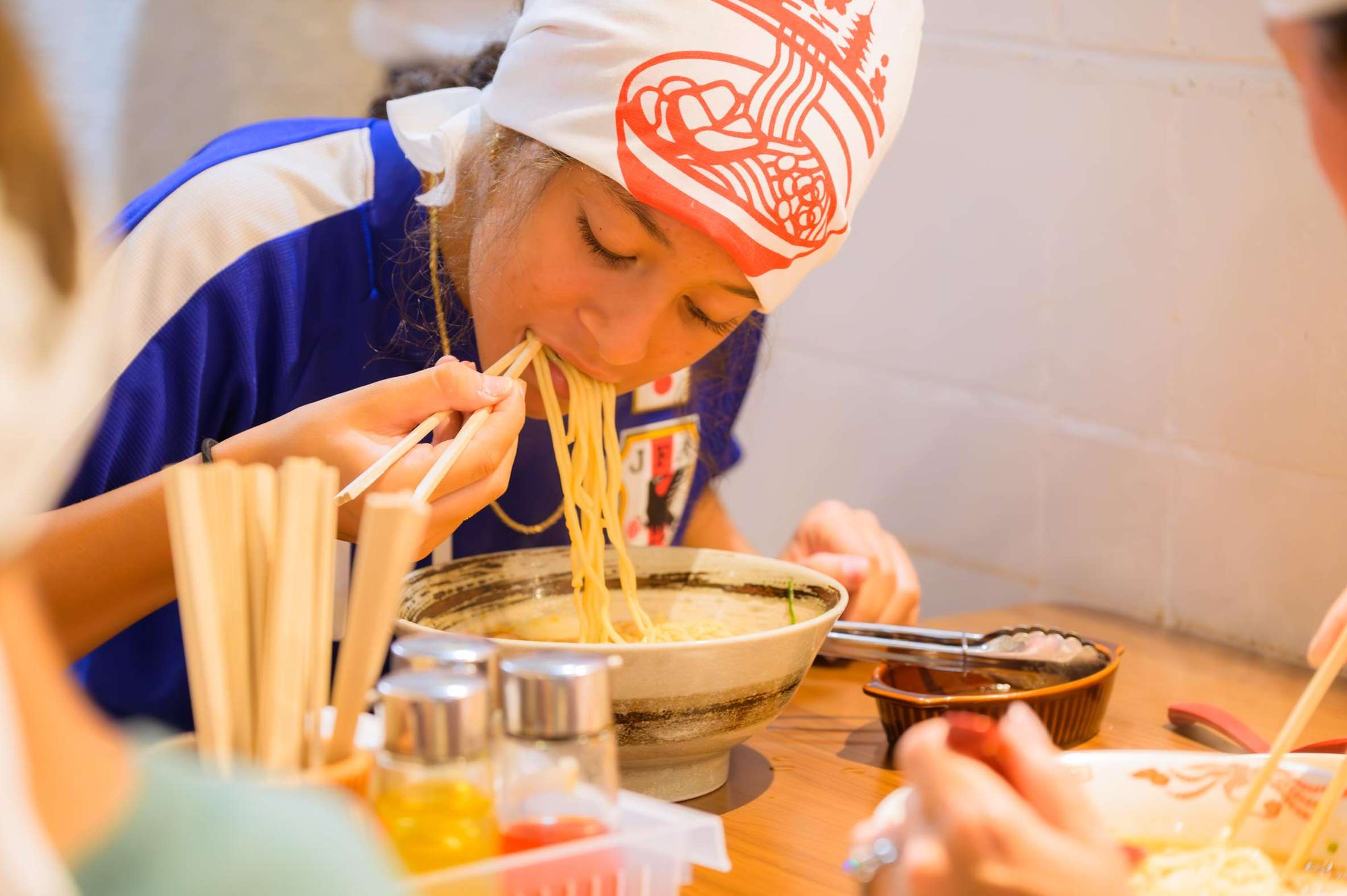
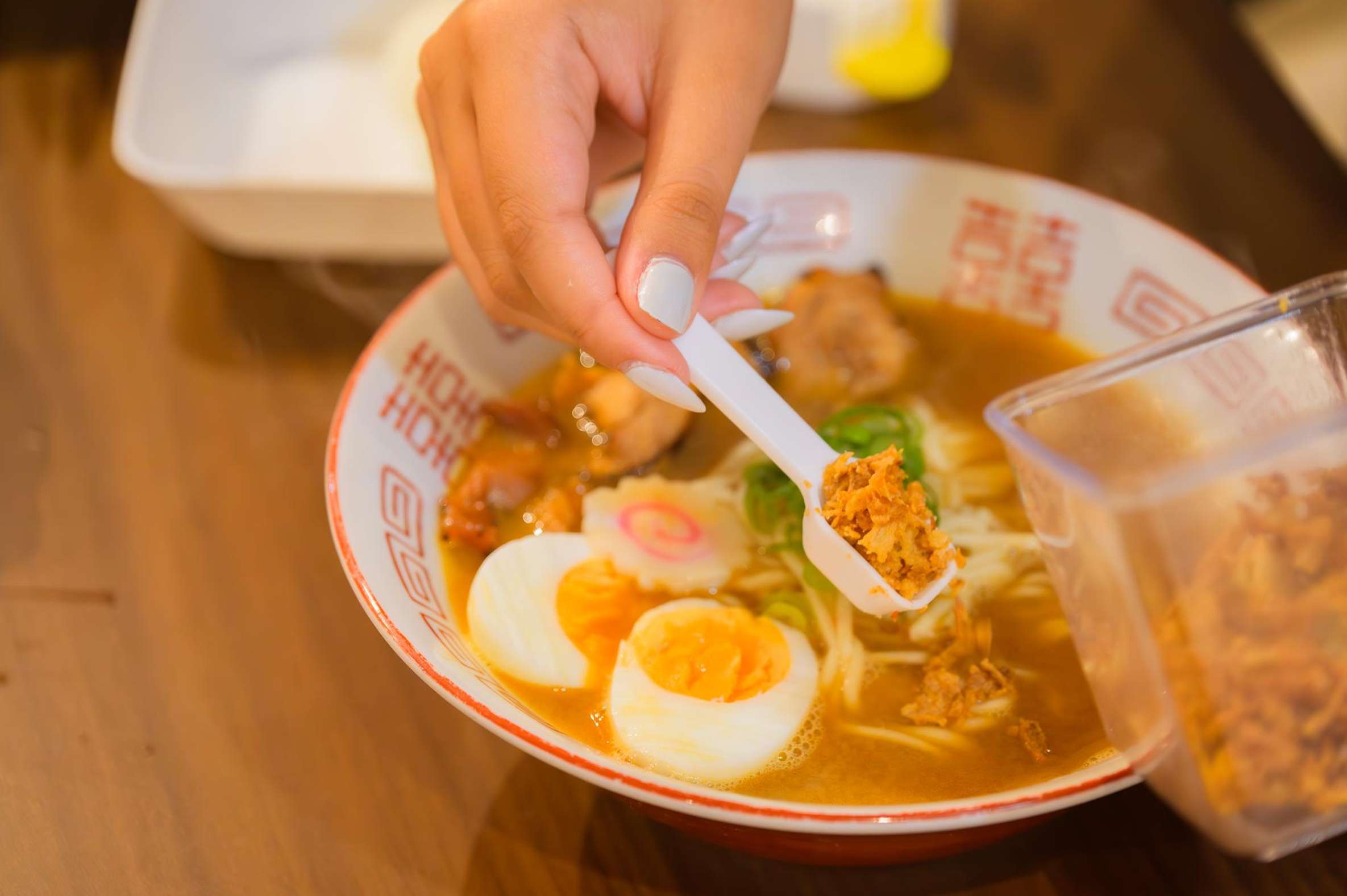
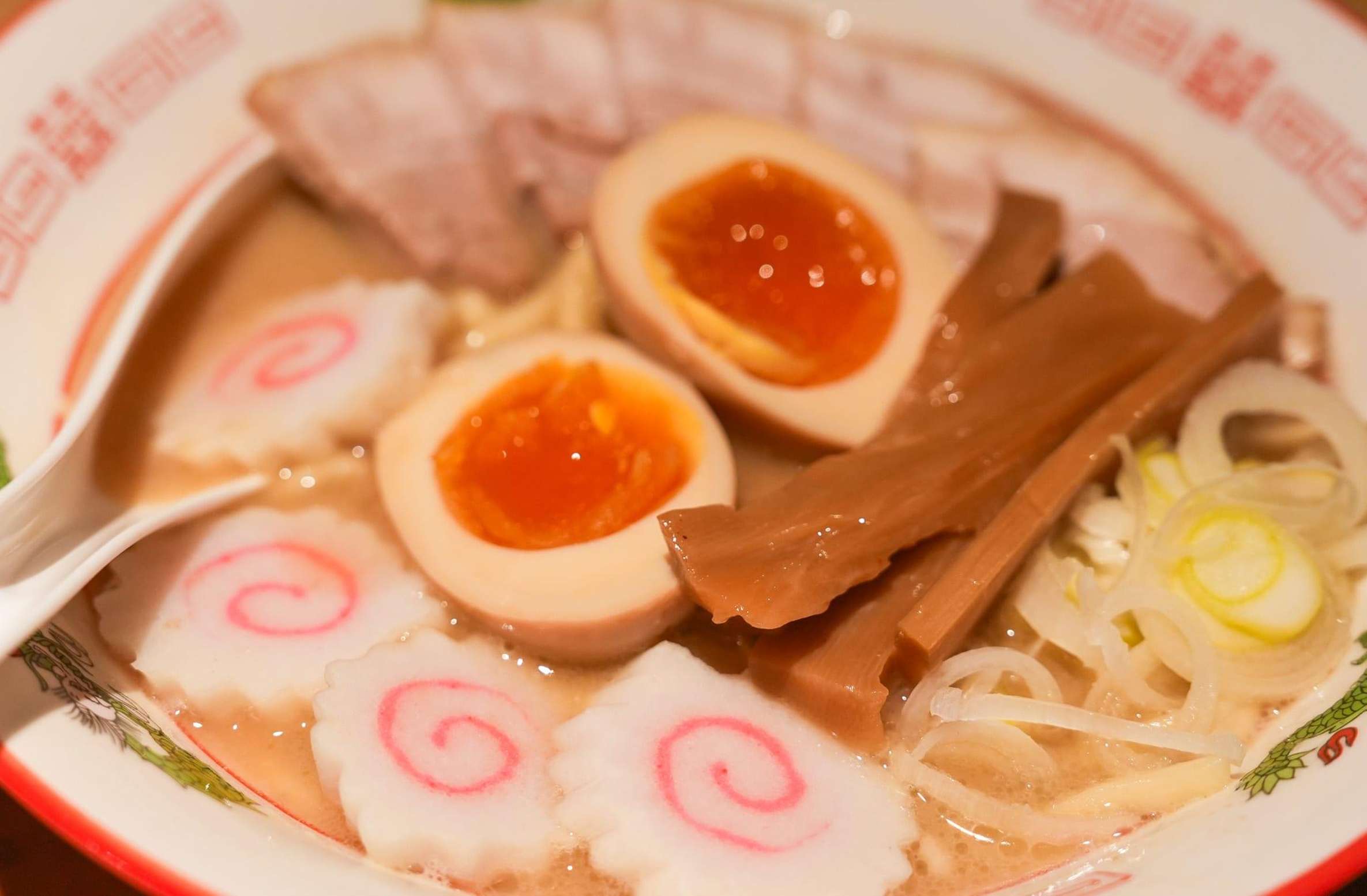
After that you build your own bowl: soup base, oils, toppings, chashu you prepared yourself, then a full lunch or dinner at the table. Vegan, gluten-free and halal versions swap ingredients at no extra charge if you contact the supplier after booking.
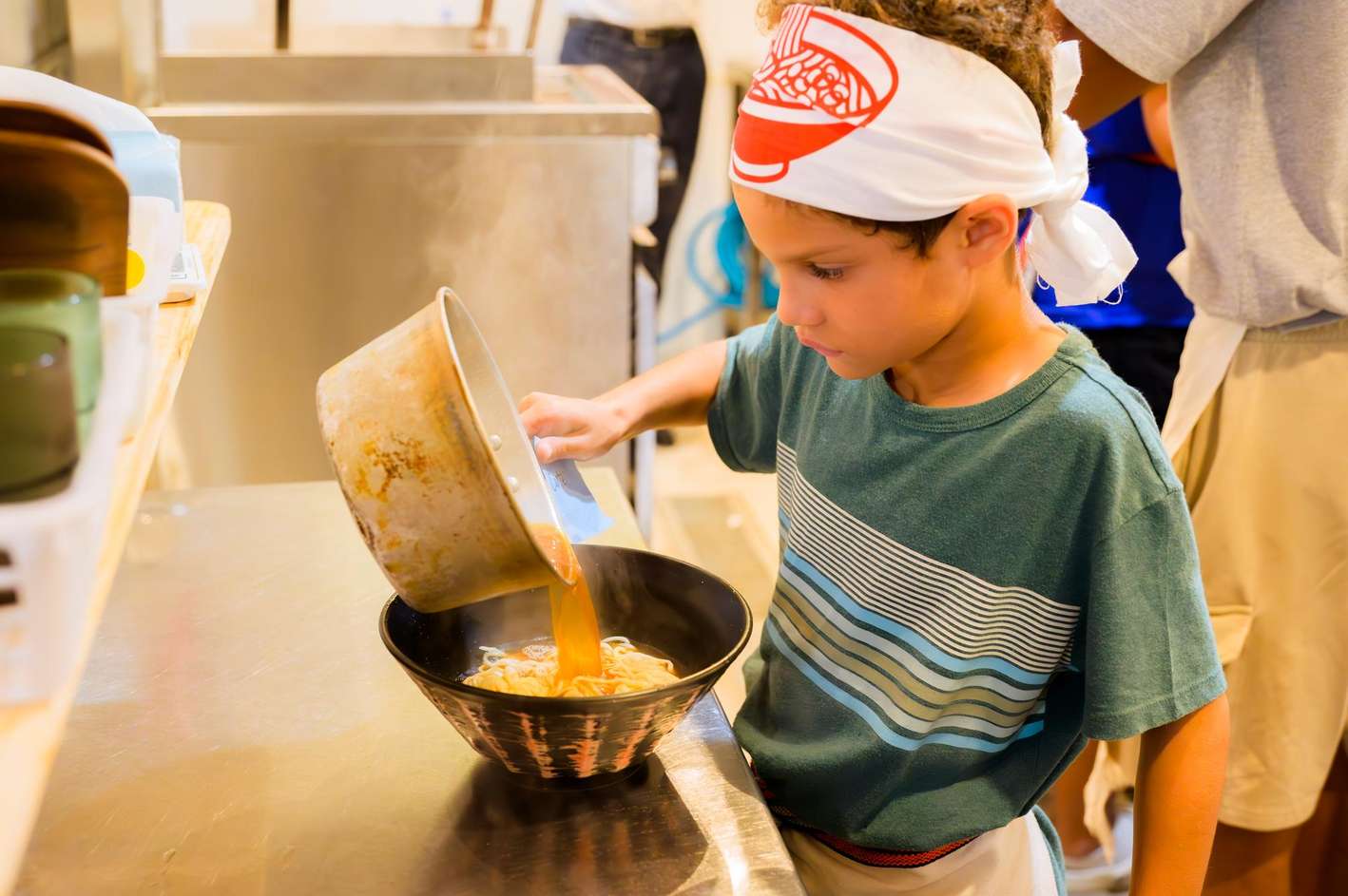
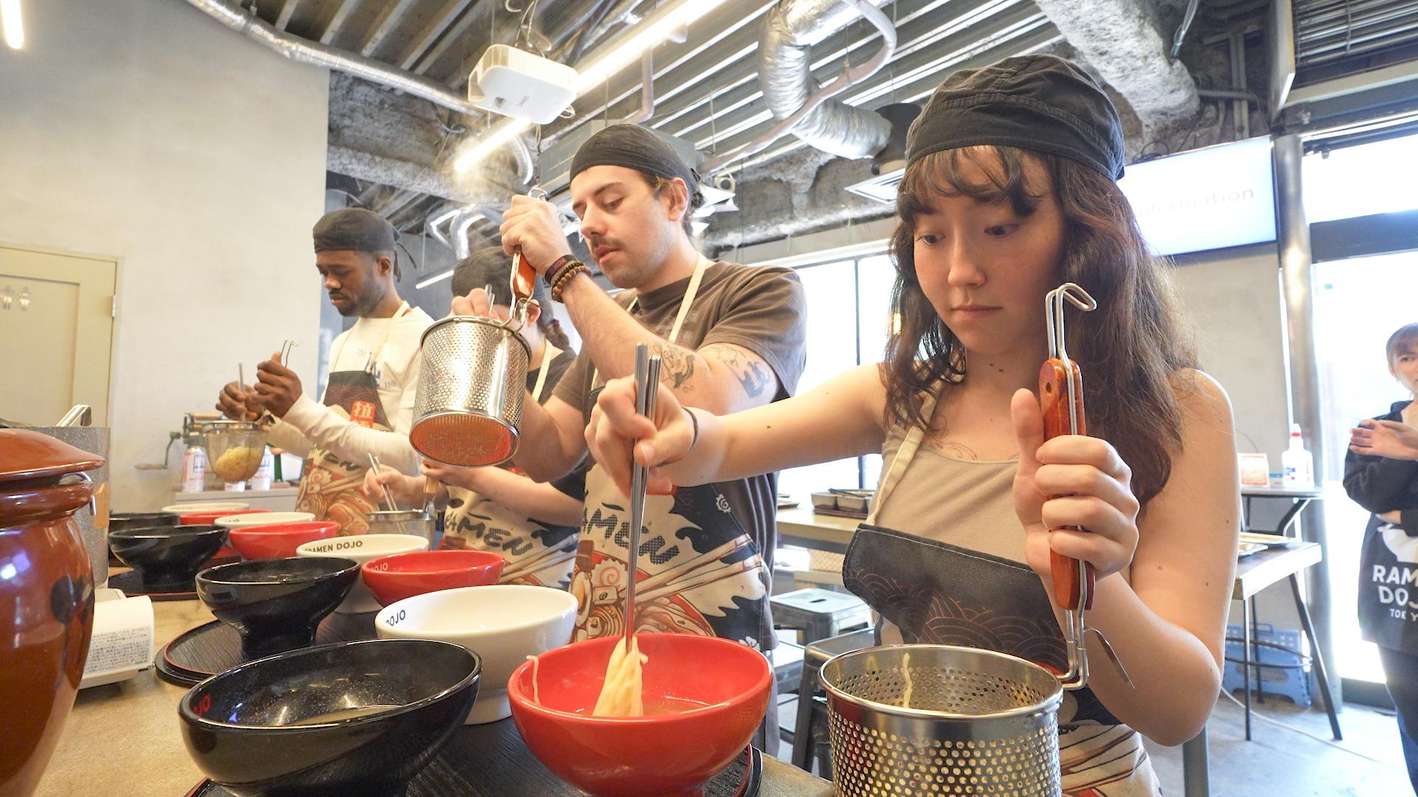
1Arrival and ramen quiz· about 10 minAprons go on and instructors open with a short quiz on ramen's history and how the dish got its name.2Kneading the dough· about 25 minYou knead the noodle dough by hand, folding it more than 100 times. Most guests lose count around fold 30.3Rolling and cutting noodles· about 20 minFeed the dough through a noodle machine to roll it flat, then cut it into fresh ramen noodles.4Chashu and toppings· about 15 minPrepare chashu pork, then choose your soup base, oils and toppings for the bowl you will assemble.5Eating your bowl· about 20 minSit down to the ramen you made as a full meal, lunch in daytime classes or dinner in the 6 pm class.6Leaving with keepsakes· about 5 minYou keep the bandana you wore and get a printed group photo with a QR code for the full recipe.
Included
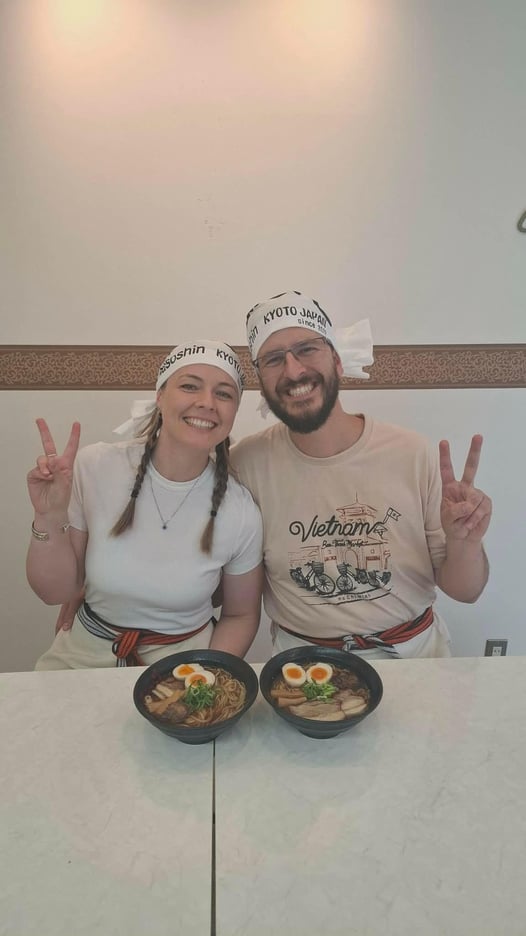
90-minute hands-on ramen making class, guided in EnglishLearn a ramen recipe rooted in 40+ years of Kyoto ramen-makingRamen quiz on the history of ramen and how it got its nameAll ingredients and equipmentApron and bandana to wear during class (the bandana is yours to keep)Your homemade ramen as a full meal (lunch or dinner, depending on start time)
Not included
DrinksTransportation to and from the venueItems from our Kyoto and Japan souvenir corner (chopsticks, kitchen knives, Nanbu cast-iron kettles, ramen bowls and more)
Match each cooking class in Kyoto to your ramen plans
Green marks the lowest price. Prices per person.
Tour
Price
Duration
Languages
Best for
Our pick
Kyoto: Make Ramen from Scratch & Eat Your Own Bowl
4.9★ (645)
from $125per person
1.5 hours
English, Japanese
anyone who wants the whole bowl made from scratch, noodles included
Most reviewers praise the instructors by name for keeping every step clear and fun.
Best surprise
Many travelers say the bowl they made beat any ramen they had eaten elsewhere in Japan.
Most common wish
Several families wish they had booked the class earlier in their trip to remake the recipes at home.
Booking your ramen cooking session in Kyoto, step by step
01
Pick the class and date
Decide what you want to make first: noodles from scratch, broth and gyoza, or ramen plus bowl painting. Then check your dates against Kyoto's busy seasons. April fills almost twice as fast as a normal month, and March, May and November also run hot.
Pro tipIf your trip falls in cherry blossom season or November, book the moment you know your dates. Good time slots go first, and the most popular classes sell out weeks ahead.
RecommendedBook a lunchtime slot if you can. Every bowl you make is a full meal, so it doubles as lunch and frees up your evening.
02
Handle diets at booking
Vegan, gluten-free and halal versions exist, but you usually request them by messaging the supplier after you book. The ramen-and-gyoza classes vary: one Kyoto class offers swaps on request, while another serves a vegetarian menu only and turns away other special diets.
ImportantDo the dietary request right after booking, while there is still time to arrange it. Severe wheat, egg or soy allergies are a genuine limit in shared kitchens, so name your exact ingredients rather than just the word vegan.
Common mistakeFirst-timers assume every Kyoto class can swap ingredients. In practice one class hosts everyone on the same menu, and one operator cancels duplicate reservations made under the same name to keep spots fair, so book once per group.
03
Sort the journey
Check the exact address on your confirmation and plan the route from there, because the Gion-area venues sit on different streets a walk apart. One meeting point is at a ramen restaurant on Komatsucho, and one studio is reached through a narrow alley. Trains beat buses for a timed start.
Pro tipSkip the bus during commuting hours, 7:00 to 9:00 and 6 pm to 7 pm, when it crawls. A train or subway leg keeps your arrival time predictable, even in leaf season.
RecommendedAim to reach the neighborhood 15 minutes early so finding the entrance stays calm. Your free cancellation window runs to 24 hours before the class, so early plans stay flexible.
04
Arrive ready to cook
Show up at the time your confirmation states, in clothes that can take a flour or sauce splash, with sleeves rolled up and closed-toe shoes. Doors and starts are strict: one operator begins on time and turns late arrivals away, and two of the Kyoto classes will not refund a missed start.
ImportantLate arrival can cost you the whole booking with no reschedule or refund, so treat the class like a flight. Weather can also cancel one professional-chef session, and the operator refunds or reschedules when that happens.
RecommendedCome hungry and with your camera roll free. Hosts often take photos during the session, and you leave with souvenirs ranging from a bandana to chopsticks with your name on them.
05
Know what happens after class
Most classes finish with the meal you cooked, and some hand over souvenirs on the spot, such as a printed recipe, a bandana or engraved chopsticks. If you painted ceramic ware, collect the kiln-fired piece the next day or arrange delivery to your next hotel.
RecommendedPlan the day after a bowl-painting class around the pickup, or give a hotel address for shipping before you leave the venue.
What to know before you book a ramen cooking session in Kyoto
Can stop the dayGood to knowGood news
01
ChoosingWhat it is, who it suits, when to go
4
Meeting pointsCan stop the day
Each class meets at its own address, so check the exact venue and entrance when you book. The Gion noodle-making venue sits at 558-2 Komatsucho, while the bowl-painting class meets at 440-5 Nishigomoncho, down a narrow alley. Plan your walk from the sightseeing stop you will actually come from.
Getting there
Kyoto buses run badly crowded during the morning and evening commute, 7 to 9 am and 6 to 7 pm, and again in cherry-blossom and foliage season. Take a train or subway for part of the trip where you can, so a delay never eats into your class.
Dietary needs
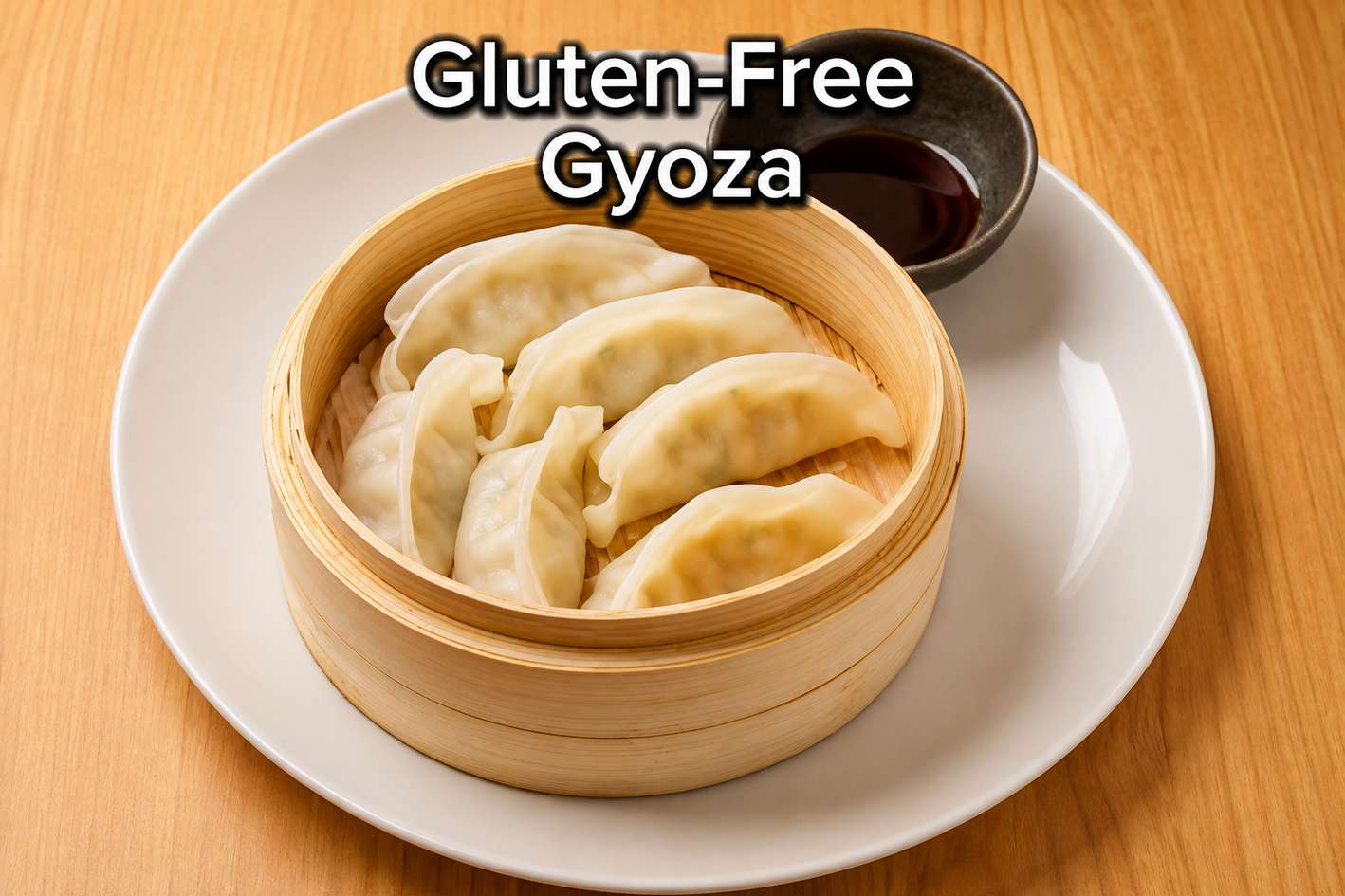
Options differ from class to class. The from-scratch class serves vegan, gluten-free and halal versions on request at no extra charge; the ramen, gyoza and onigiri class offers only a vegetarian menu and cannot take gluten-free or halal diets. Contact the operator after booking if you need a dietary version.
Recipes
Several classes send you home with the recipe. The from-scratch class prints a group photo with a QR code for the full recipe, the professional-chef class emails downloadable recipes, and the broth class gives you a soup recipe adapted to seasonings from your country.
02
BookingHow far ahead, and what happens if plans change
2
Cancellation
You can cancel any of these Kyoto cooking classes up to 24 hours in advance for a full refund, so a tentative plan costs you nothing if your itinerary shifts.
Weather
The professional-chef class may be canceled in unsafe weather. If a storm day looks likely during your trip, keep a backup plan for the afternoon so a canceled session does not unravel the whole day.
03
Before you goPapers, health, what to bring
3
AllergiesCan stop the day
Kitchens here cook with wheat, egg and soy, and one professional-chef class does not guarantee allergy-free meals. Severe allergies need a direct conversation with the operator before you book, because removing a topping does not remove the ingredient from the noodles.
Age limits
Rules vary by class. The ramen, gyoza and onigiri class takes participants 12 and up who can cook on their own; the professional-chef class welcomes children from 6 with supervision around knives; the broth class sets its minimum at 10; the Michelin noodle-making class is family-friendly with guidance for younger cooks.
What to wear
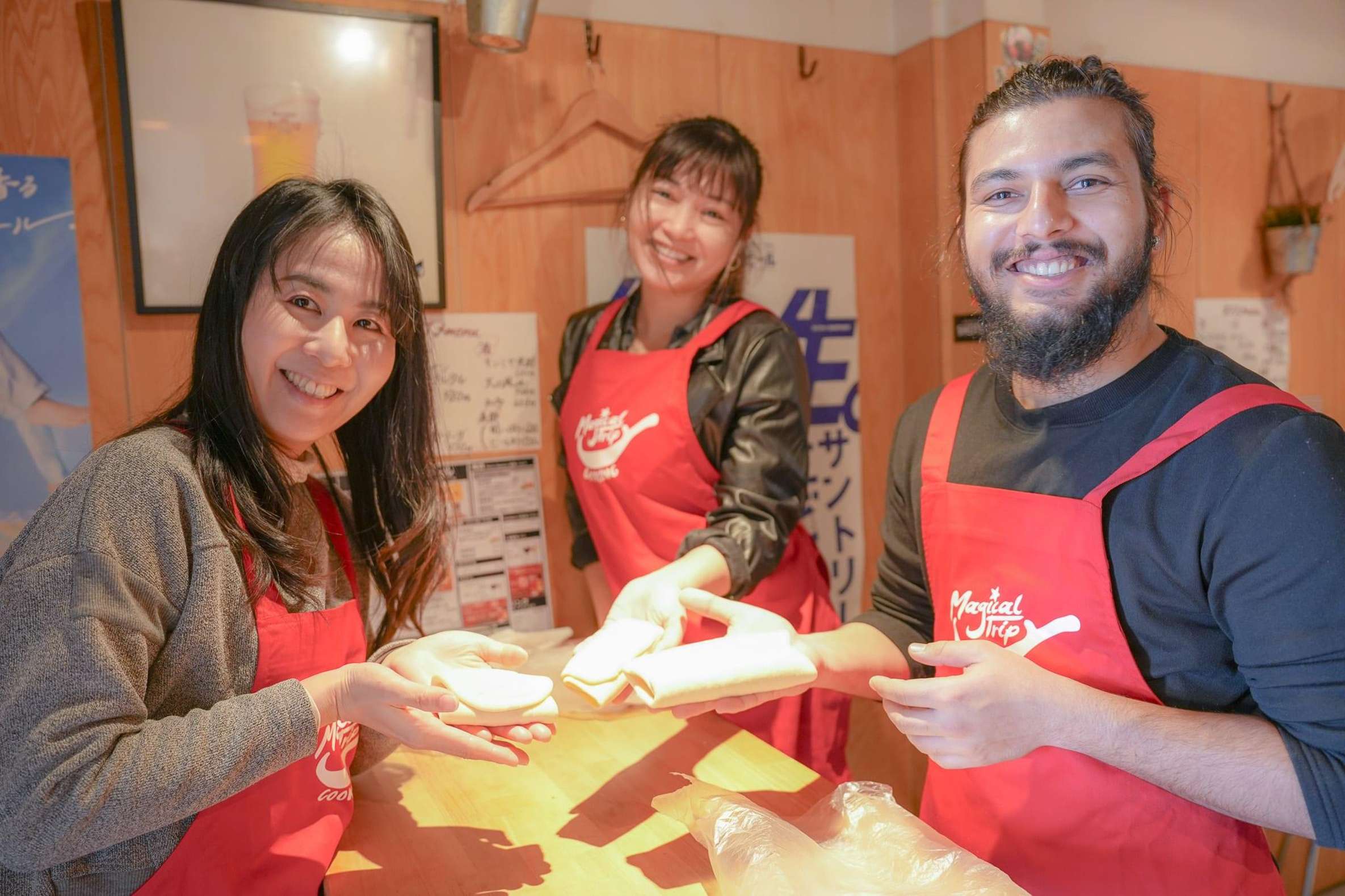
Wear comfortable clothes that can take a splash of flour or sauce, with sleeves rolled up and closed-toe shoes. Leave dangling jewelry off; aprons are usually provided, and the from-scratch class hands you a bandana you keep.
04
On the dayWhere to be, when, and how you get there
2
Late arrivals
One tour operator starts its cooking class on time and turns late arrivals away. Leave a wide margin for finding the entrance, especially where the venue hides down an alley.
Keepsakes
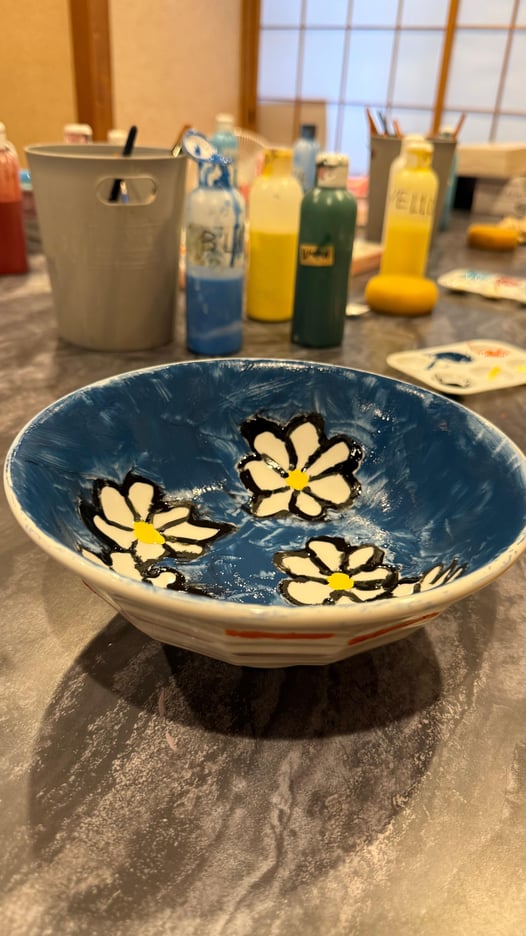
Beyond the food, you can take home a bandana, a tenugui head towel or chopsticks engraved with your name. At the bowl-painting class, your painted piece goes home for decoration the same day, or stays overnight in a kiln so you can use it for meals, with free pickup the next day.
A ramen making class in Kyoto - what cooking your own bowl is really like
More than a hundred folds of dough go into a bowl of Kyoto ramen before you eat it. The right class turns that work into a skill you keep; this guide settles which session deserves the time.
Kyoto
If you only remember three things
1
Book earliest for April, May and November, when Kyoto cooking tours draw nearly twice their ordinary numbers.
2
Check the exact address on your confirmation; the Gion noodle studio and the bowl-painting venue sit at different entrances a short walk apart.
3
Plan to arrive early, because operators start on time and late arrivals are not admitted.
Is a Kyoto cooking class worth the time and effort?
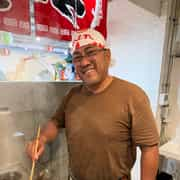
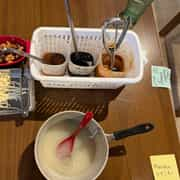
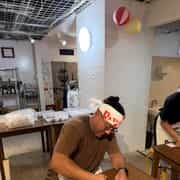
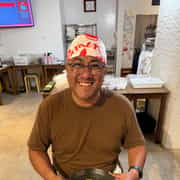
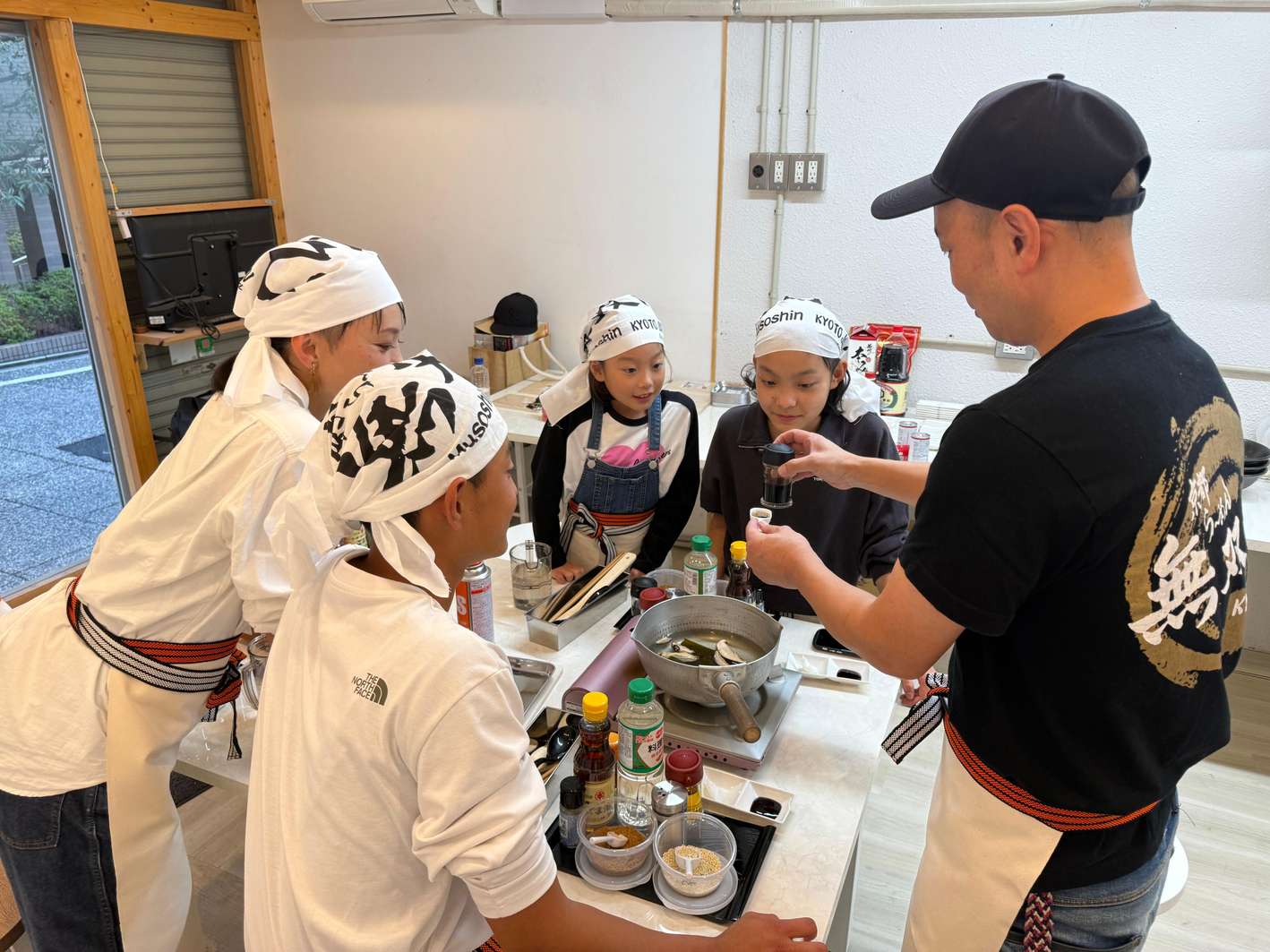
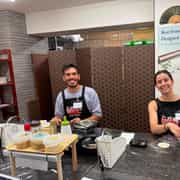
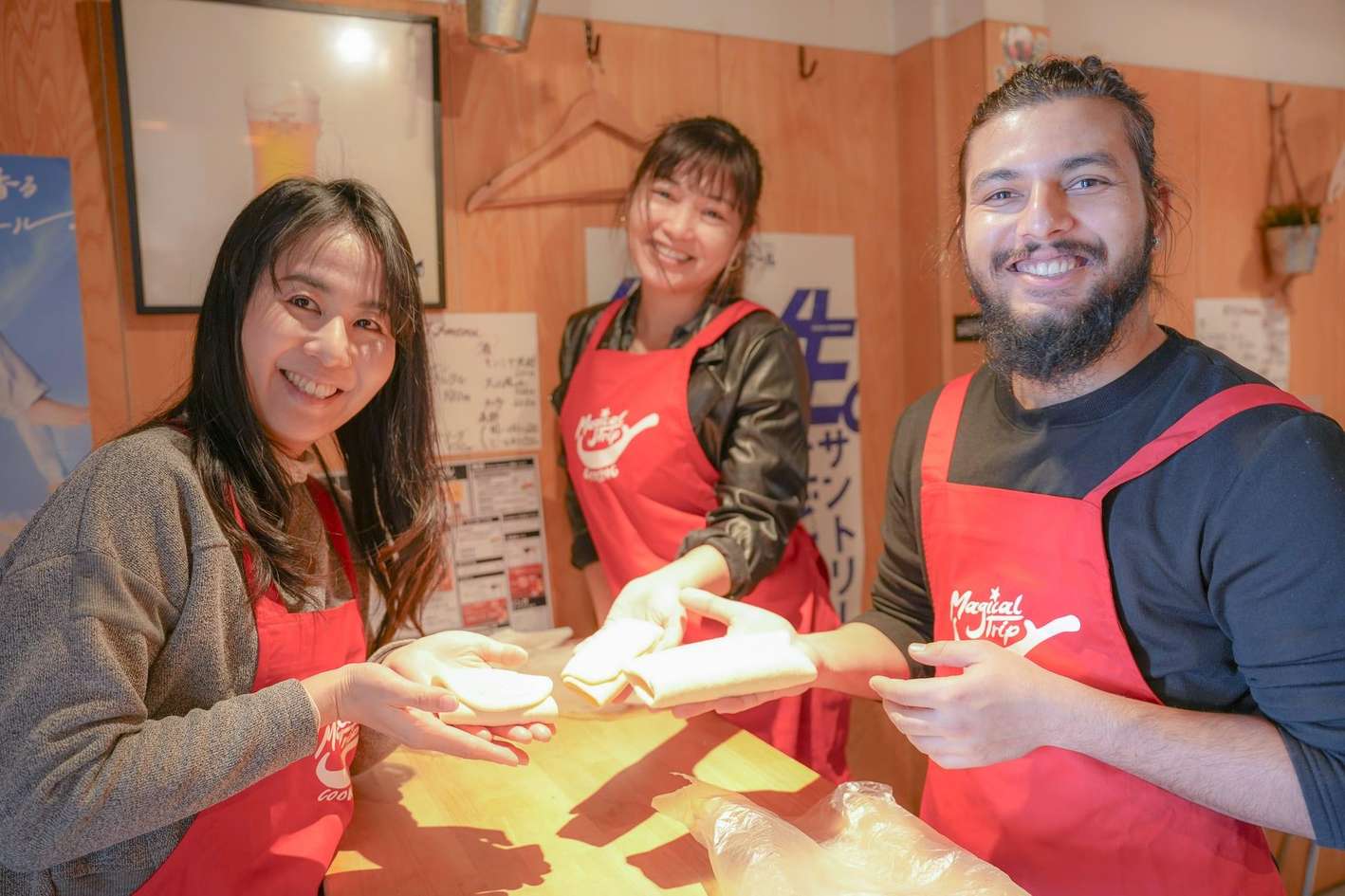
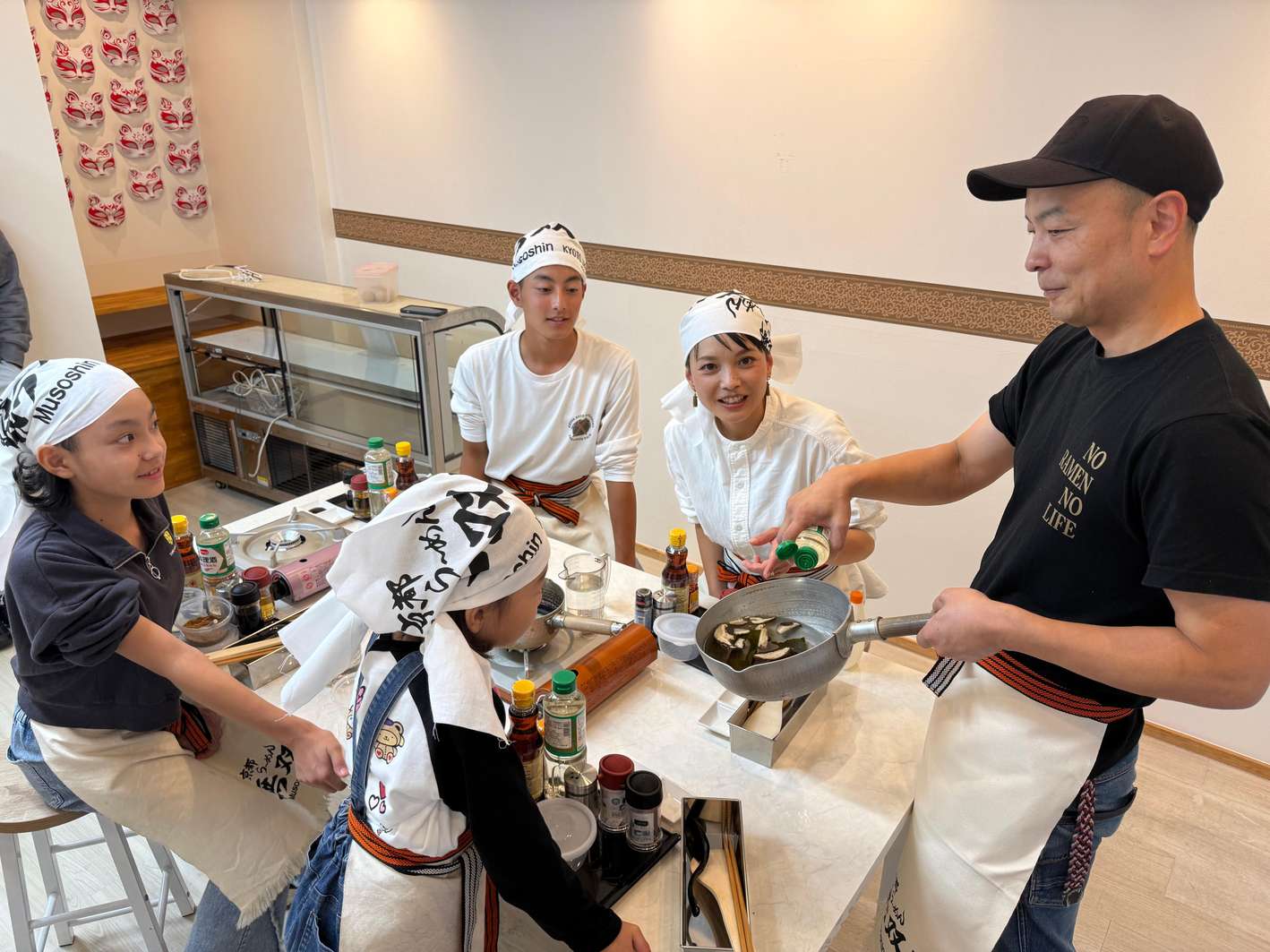
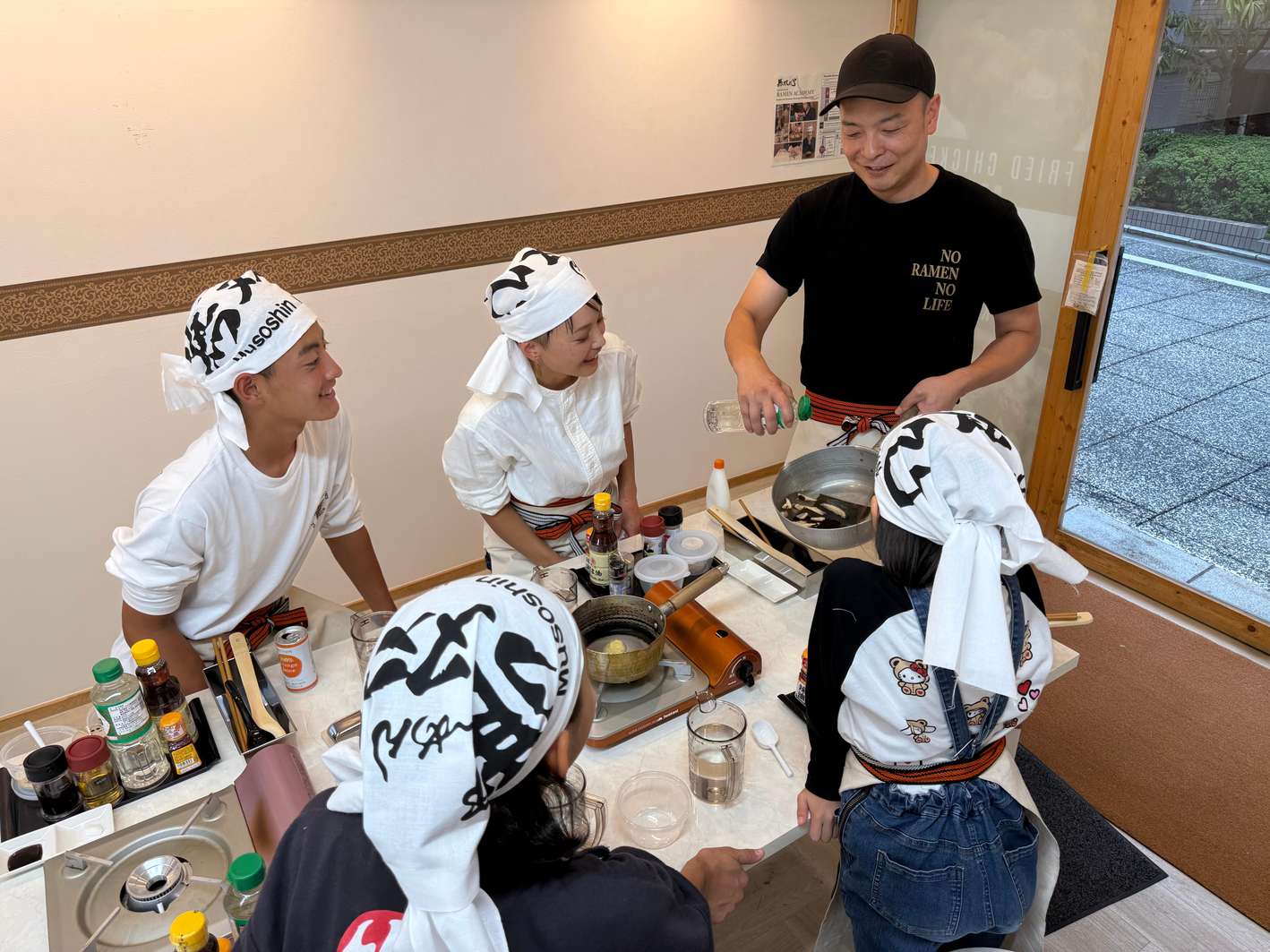
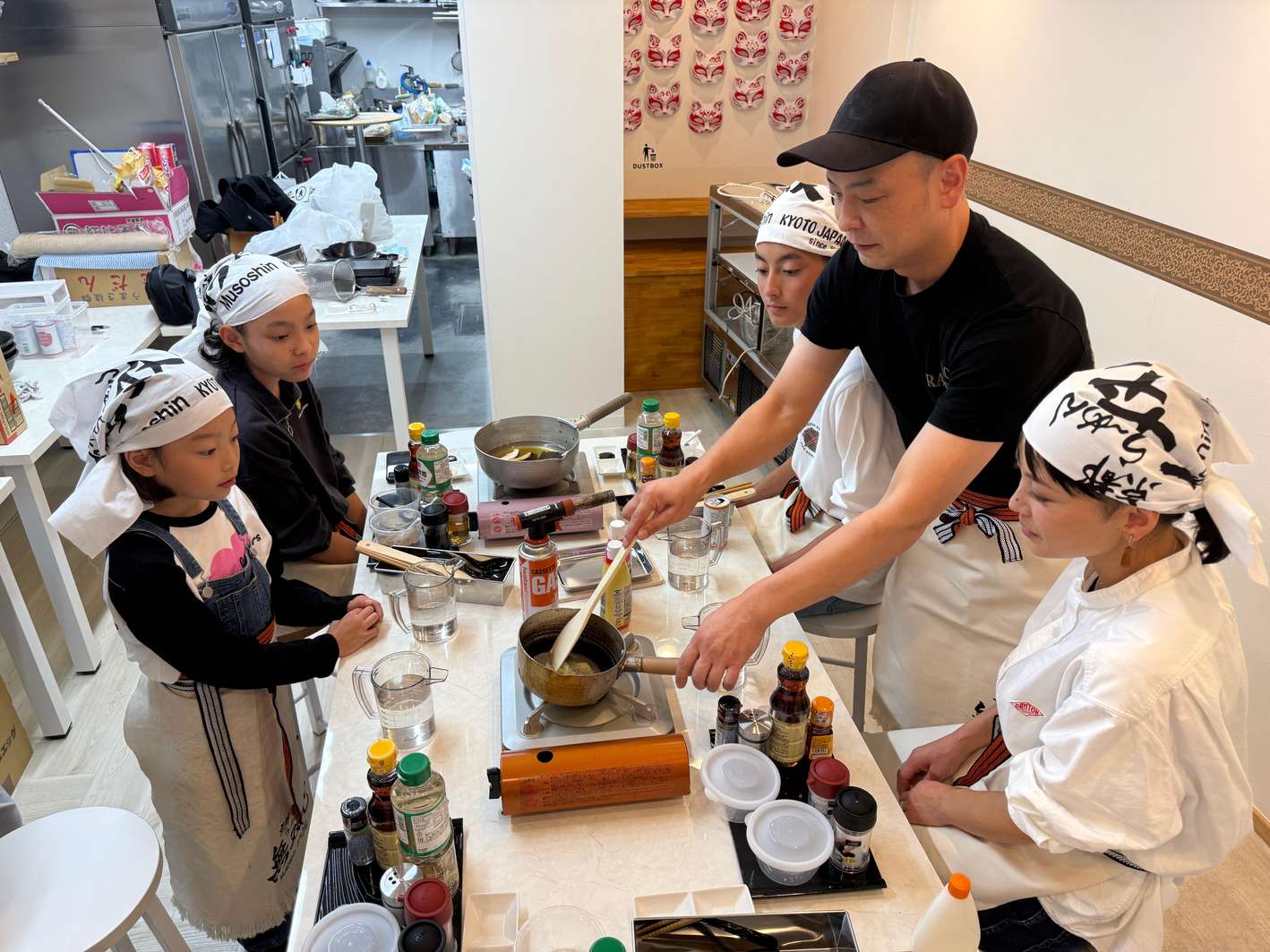
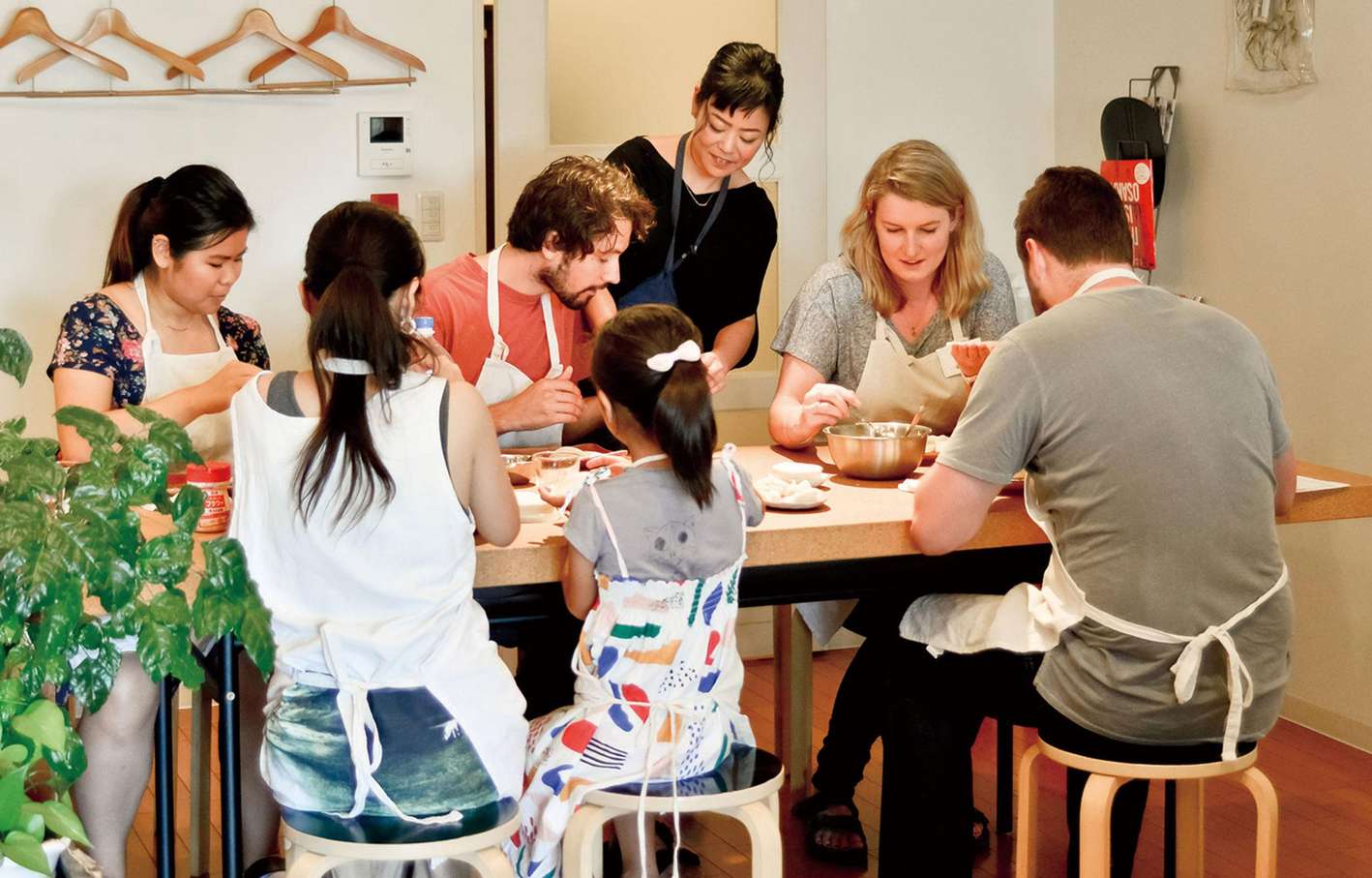
Flour hangs in the air of a small Kyoto kitchen while a chef shows a table of travelers how to fold dough.
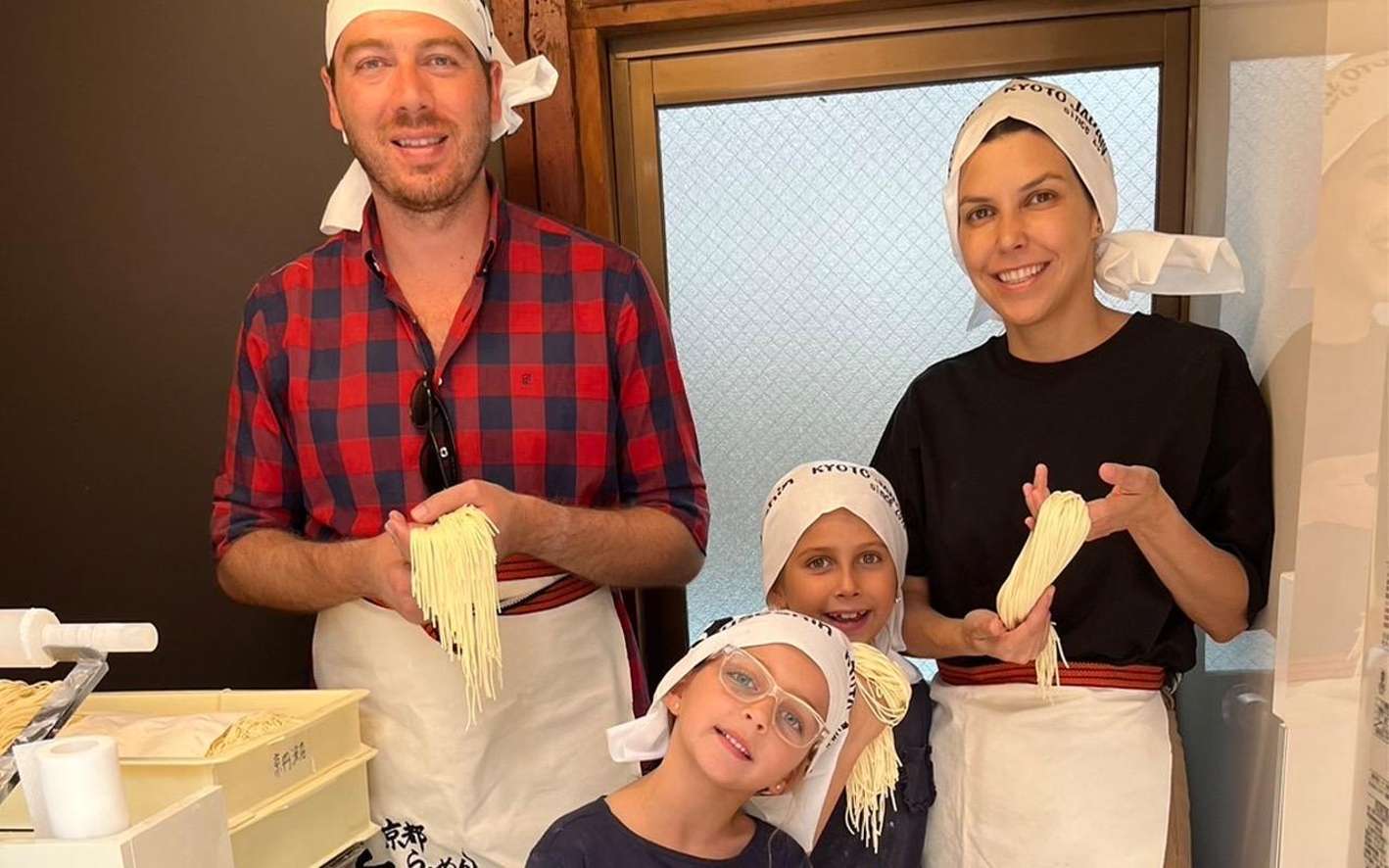
The folding takes patience: more than a hundred folds go into a proper noodle dough, and most guests lose count around thirty. Then the noodles hit the machine, the bowl comes together, and you eat what you made as lunch or dinner.
You leave with a recipe you can repeat at home and a bowl you built yourself. A lightly booked group session can turn into something close to a private lesson, which is when the instructors really start answering questions.
The class replaces a meal, so the time cost is smaller than it looks. Sessions run from one hour to two and a half, easy to slot between a shrine and dinner.
A traveler's note
Broth making with Shin and Sherry was light-hearted, fun, and full of flavor. We learnt lots with plenty of laughs. Our ramen was delicious and the souvenirs were special. Highly recommended 👌
"Making ramen" covers three different things in Kyoto, and the difference decides your afternoon. Noodle-focused sessions, like the Michelin ramen noodle-making class, take you through kneading, rolling and cutting on a real noodle machine. Broth-focused sessions teach the soup you cannot easily buy near home. Multi-dish classes fold in gyoza, onigiri or a rolled omelette.
Some kitchens cook from ingredients a restaurant kitchen has already prepared, and your energy goes elsewhere.
At the bowl-painting class, the ramen is built from components sourced from the operator's own Gion restaurant, and the hands-on part is decorating a ceramic keepsake. That is a good afternoon, as long as you know it is what you booked.
Ask which parts you make from scratch before you choose. A short session that builds one component well teaches more than an hour spent watching equipment you will never own. A two-hour class on this page teaches broth and gyoza filling but leaves the noodles out; short sessions rarely cover every component.
What to wear for ramen making
Comfortable, washable clothesChoose casual clothing you do not mind getting flour or sauce on.
Closed-toe shoesPrefer covered shoes to open-toed footwear for kitchen work.
Sleeves rolled up, no loose jewelryKeep loose sleeves rolled up and avoid dangling jewelry while cooking.
ApronAprons are usually provided for class.
Spring and autumnIndoor and outdoor temperatures can differ; wear light layers.
SummerTokyo and Osaka can be hot and humid; choose breathable clothing.
WinterWear warm outer layers that you can remove in a heated kitchen.
The list is short because the kitchens supply most of it. What you wear decides how comfortable you stay, and layers matter more inside a hot kitchen than outside it.
Tour for this
Kyoto Ramen & Gyoza Class with Vegan and Gluten-Free Options5.0★ (6) · Free cancellation
Match the session to what you want from the day. Serious about noodles and technique? The from-scratch class, with its ramen history quiz and handmade chashu, gives the fullest arc from dough to bowl. Travelling with children or short on time?
The one-hour noodle workshop at a working ramen restaurant, family-friendly by design, ends with a chef-cooked bowl and a drink. Want three dishes and a drink in hand? The professional-chef class covers ramen, gyoza and fried rice in two and a half hours.
Diet shapes the choice too. One class swaps in vegan, gluten-free or halal versions at no extra charge; the ramen, gyoza and onigiri class cannot take halal or gluten-free guests, and the professional-chef session does not guarantee allergy-free meals.
How to choose a ramen cooking class in Kyoto
Check
Why it matters
Our pick
What you actually make
Some sessions focus on noodles, others on broth or assembly
Knead, roll and cut your own noodles, then prepare chashu and pick your soup base
Time you have
Sessions run from one hour to two and a half
1.5 hours, timed as lunch or dinner
Dietary needs
Not every kitchen can adapt its menu
Vegan, gluten-free and halal versions at no extra charge, arranged after booking
What you take home
Recipes and keepsakes differ by class
A bandana to keep, a group photo and the full recipe
The comparison makes one thing plain: the lead class answers yes on every row, which is why it anchors this page. The others win on setting, speed or keepsakes instead.
Tour for this
Kyoto Ramen & Gyoza Cooking Class with Professional Chefs4.8★ (319) · 2.5 hours · Free cancellation
Kyoto's cooking workshops fill on a season you can predict. April runs close to double an ordinary month, and May and November run about forty to fifty percent above it.
March is busy too, roughly a third up. Cherry blossoms and autumn leaves pull the whole city's calendars tight, and the small kitchens feel it first.
Book weeks ahead for April, May and November; February, July and September leave you the most room to change plans. Fix your class day before you fix the sightseeing around it, because the kitchens seat small groups and a full session simply closes.
How busy it gets, month by month
April: 5 out of 5 for how busy it gets.
HighestMar to May, Nov
In betweenJun, Aug, Oct
LowestJul, Sep, Dec to Feb
Darker: a higher how busy it gets score, out of 5
Tap a month to read it.
Quiet months have a second advantage: with fewer bookings, a group class can shrink until it feels personal. If you are travelling in spring with a fixed week, book first and build the rest of Kyoto around the confirmation.
Two kitchens sit in Gion, and they are different addresses. The noodle-making venue stands at 558-2 Komatsucho; the bowl-painting and cooking venue is at 440-5 Nishigomoncho, reached through a narrow alley you will want daylight and a few spare minutes to find.
Check the exact address on your confirmation, then plan the walk from the sightseeing stop you will be leaving.
On the way across the city, trains beat buses for anything timed. Kyoto buses crowd badly between 7 and 9 in the morning and again from 6 to 7 in the evening, and spring blossom season stacks more riders on top. Coming from Kyoto Station, allow ten extra minutes just to find your platform.
Operators start on time and turn late arrivals away, so give the journey a generous buffer and keep the alarm early.
Getting there on time
Train or subwayThe dependable choice when a class starts at a fixed hour
Easy
Kyoto busCrowded at commuting hours and in blossom and foliage season
Moderate
Finding the entranceSmall Gion venues hide behind plain doors; one sits down a narrow alley
Moderate
Arriving lateOne operator starts on time and does not admit late arrivals
No access
The rows show where the risk sits: the trains are dependable, the last hundred metres are the hard part. Save the address offline before you set out.
Tour for this
Kyoto: Paint Your Own Ramen Bowl & Michelin Ramen Class4.9★ (189) · 1.5 hours · Free cancellation
The kitchen is a warm, floury place, and the mess lands on your clothes. Wear casual things that can take splashes of flour or sauce, with sleeves rolled up and closed-toe shoes. Leave dangling jewelry at the hotel; it catches on work surfaces and dips into bowls.
Think about the walk as well as the class. Kyoto summers call for breathable fabrics, spring and autumn suit light layers, and winter asks for warm outer layers you can peel off once the stove is going. One operator requires closed-toe shoes outright and keeps sandals and flip-flops away from boiling water.
An apron is usually provided, so the outfit you pack matters more than anything the class hands you. Tie long hair back before you start; you will be leaning over dough and hot stock for most of the session.
ImportantWear closed-toe shoes and clothes you do not mind splashing with flour or sauce, and tie long hair back; the apron itself is usually provided.
Pack for splashes and you will never think about the rules again.
Japan judges diets by ingredients, and ramen hides things well. Broth can carry fish even in a bowl that looks meat-free. Noodles can contain egg without being called egg noodles, so removing the egg topping changes nothing for an egg allergy. Tofu and cooked vegetables need their seasonings checked before anyone calls them vegan.
Two classes handle this well in different ways. The from-scratch class swaps in vegan, gluten-free or halal versions for the whole group at the same sitting; message the supplier after booking. The ramen, gyoza and onigiri class offers a vegetarian menu that replaces only the pork, and cannot take gluten-free or halal guests at all.
For coeliac disease, ask about soy sauce and cross-contact; an allergen card alone does not settle it. Say your exclusions as ingredients, in plain words, and the kitchen can answer honestly.
Diet labels in Japan
Myth"No meat visible means it is vegetarian"
Reality
Broth can contain fish, and tofu and vegetables need their seasonings checked
Myth"Egg-free ramen is safe for an egg allergy"
Reality
The noodles themselves can contain egg even without an egg topping
Myth"An allergen card answers gluten questions"
Reality
For coeliac disease, ask about soy sauce and cross-contamination in the kitchen
The pattern behind all three rows is the same: labels travel badly across languages and ingredients do not. Name what you cannot eat and you get a straight answer.
Central Kyoto stacks itself neatly around a class. Nishiki Tenmangū sits about three minutes from the central map point, Honnō-ji six, Kennin-ji and the Museum of Kyoto nine, all close enough to walk before or after you cook.
The pairing only works when you match sights to the kitchen's real address, which is the point the Gion venues keep proving: two entrances, a few streets apart, different neighbours. Choose your temple once the confirmation is in hand.
A morning class leaves the afternoon for Maruyama Park or the Manga Museum, both inside a fifteen-minute walk of the centre. An afternoon class inverts the day: shrines and museums first, then the kitchen, then dinner is already made. Either way, the class sits in the middle of a full Kyoto day.
Tour for this
Ramen Broth Class by Michelin Guide Shop & Custom Chopsticks5.0★ (31) · 1.5 hours · Free cancellation
Weather is the variable Kyoto throws at a kitchen day. The professional-chef cooking classmay be canceled in unsafe weather, which matters most in late summer when typhoons sweep through. Strong wind and heavy rain can suspend trains, and service sometimes stays down while tracks are checked even after the wind drops.
Build slack into any day with a fixed start time. A typhoon day works well for a museum near your hotel while you watch the rail updates.
Most tours refund in full if you cancel a day ahead, so a change of plan made early costs nothing.
When plans change
If this happens
What happens then
A typhoon or severe weather arrives
The professional-chef class may be canceled for safety
Trains stop while tracks are checked
Disruption can continue after the wind subsides; wait for service rather than racing it
You cancel 24 hours or more ahead
Most tours on this page refund in full
You arrive late to a strict operator
Late arrivals are not admitted, so leave a buffer
Read the rows as a checklist for the morning of the class: weather, trains, the cancellation clock and your own arrival time. Each one is manageable if you look at it early.
The bowl gets eaten; the skills stay. A good session teaches the recipe behind the dish: how broth is built from simple ingredients, how gyoza filling balances meat, vegetable and seasoning, how dough behaves as it folds.
Several classes hand over written or downloadable recipes, and the from-scratch class sends you home with the full recipe attached to your group photo.
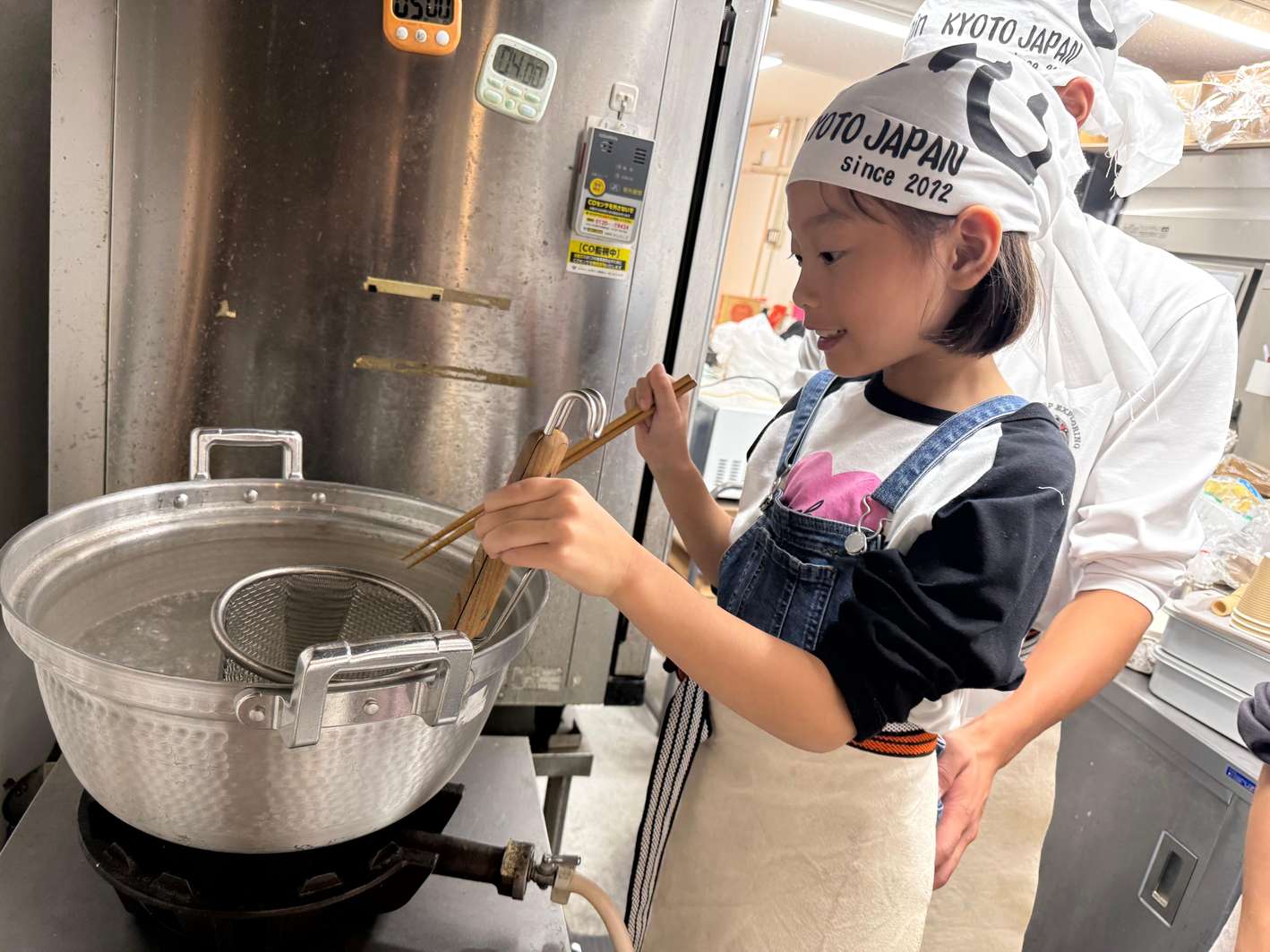
Travelers who cook afterwards point to one habit above the rest: separate freshly cut noodles thoroughly before boiling, or they weld into a single clump in the pot. It sounds small and it decides the dish.
Ask what you will repeat at home. Some workshops lean on commercial machinery a home kitchen will never have; the better ones teach you how to work around it and which Japanese ingredients have workable substitutes where you live.
Fresh ramen is an eat-now dish. Some classes do not allow takeaway or leftovers at all, for food-safety reasons, so plan your session around a mealtime instead of expecting a box for later. Come hungry: even described as mini, the bowls can be generous enough to stand in for lunch or dinner.
What travels home is everything else. Recipes, the bandana from the from-scratch class, the tenugui towel from the noodle and broth workshops, chopsticks engraved with your name in the broth class, and at the bowl-painting class a ceramic piece you decorated yourself, kiln-fired overnight and ready for pickup the next day.
Eat the ramen on the day; carry the recipe home. The skills and the written method keep, and they outlast any container of leftover broth.
A holiday class and a technical course are different products, and Kyoto sells mostly the first. That is fine once you name your goal.
If you want a fun two hours and a good bowl, book any of the well-reviewed sessions and enjoy it. If you want to cook ramen properly at home, interrogate the description first.
Look for instruction in ingredients, recipes and technique, and check whether noodle teaching shows cooking or mainly demonstrates commercial machinery. Confirm which components you make from scratch instead of assuming all of them. Ask how the teacher handles ingredients that are hard to buy outside Japan; a good answer turns a souvenir into a skill.
What nobody tells you
Some classes demonstrate a commercial noodle machine
Watching equipment you will never own teaches little you can repeat at home
Not every short class makes every component
Broth, noodles and toppings are often split between you and the kitchen
Ask about ingredient substitutions
Japanese staples can be hard to buy at home, and good teachers explain the swaps
One question sorts the field: what will you do differently in your own kitchen next week? A class with an answer is worth the slot; one with only a photo opportunity is a pleasant lunch.
Worth an afternoon, if you match the class to the goal
A Kyoto ramen class earns its slot when you book it for the right season and the right reason. Check what you make from scratch, fix the exact address before you plan the day around it, and arrive early.
Do that, and you eat a bowl you built with your own hands, with the recipe to repeat it at home.
Go ifYou want a hands-on Kyoto activity that doubles as lunch or dinnerYou are travelling in a quiet month and can still book ahead for April, May or NovemberYou want a dish you can actually recreate at home
Skip ifYou need a guaranteed allergy-free kitchen and have not confirmed it with the operator firstYou expect to take cooked ramen away with you, since some classes allow no leftoversYou cannot arrive on time, because late arrivals are turned away
Our pick to book
Kyoto: Make Ramen from Scratch & Eat Your Own Bowl4.9★ (645) · 1.5 hours · Free cancellation
Questions about your ramen cooking session in Kyoto
Quick answers before you pick a class.
Kyoto2026
My noodles came out of the machine in long, even strands, and the broth was better than anything I ordered this trip. Book early for April.
Will I really make the ramen from scratch?
It depends on the class. In Kyoto, one workshop has you kneading dough by hand and cutting noodles on a machine, while the bowl-painting class uses ingredients professionally prepared by the Gion restaurant. Check which parts you will actually make before you book.
What can I realistically make in a short lesson?
A short class does not always cover every component. One two-hour Kyoto class teaches broth plus gyoza filling and wrapping, but skips making noodles from scratch. If noodles matter to you, choose a class that states they are part of the session.
I'm vegan. Which class should I pick?
Kyoto's from-scratch class offers vegan, gluten-free and halal versions on request at no extra charge, and the Michelin noodle-making class lists vegetarian and vegan ramen options. One class with ramen, gyoza and onigiri cannot take special diets, so read the menu notes closely.
How do I explain a vegan diet properly in Japan?
Say exactly which ingredients you cannot eat. A dish with no visible meat or fish can still contain fish stock, and tofu and cooked vegetables may carry seasonings you would rather avoid. Spell out the exclusions when you book.
Can I attend if I have coeliac disease?
Look into the soy sauce used and cross-contamination in the kitchen, since a Japanese allergen card alone does not settle whether a shared class can safely accommodate you. For severe allergies, contact the operator after booking to confirm.
Are children welcome at these classes?
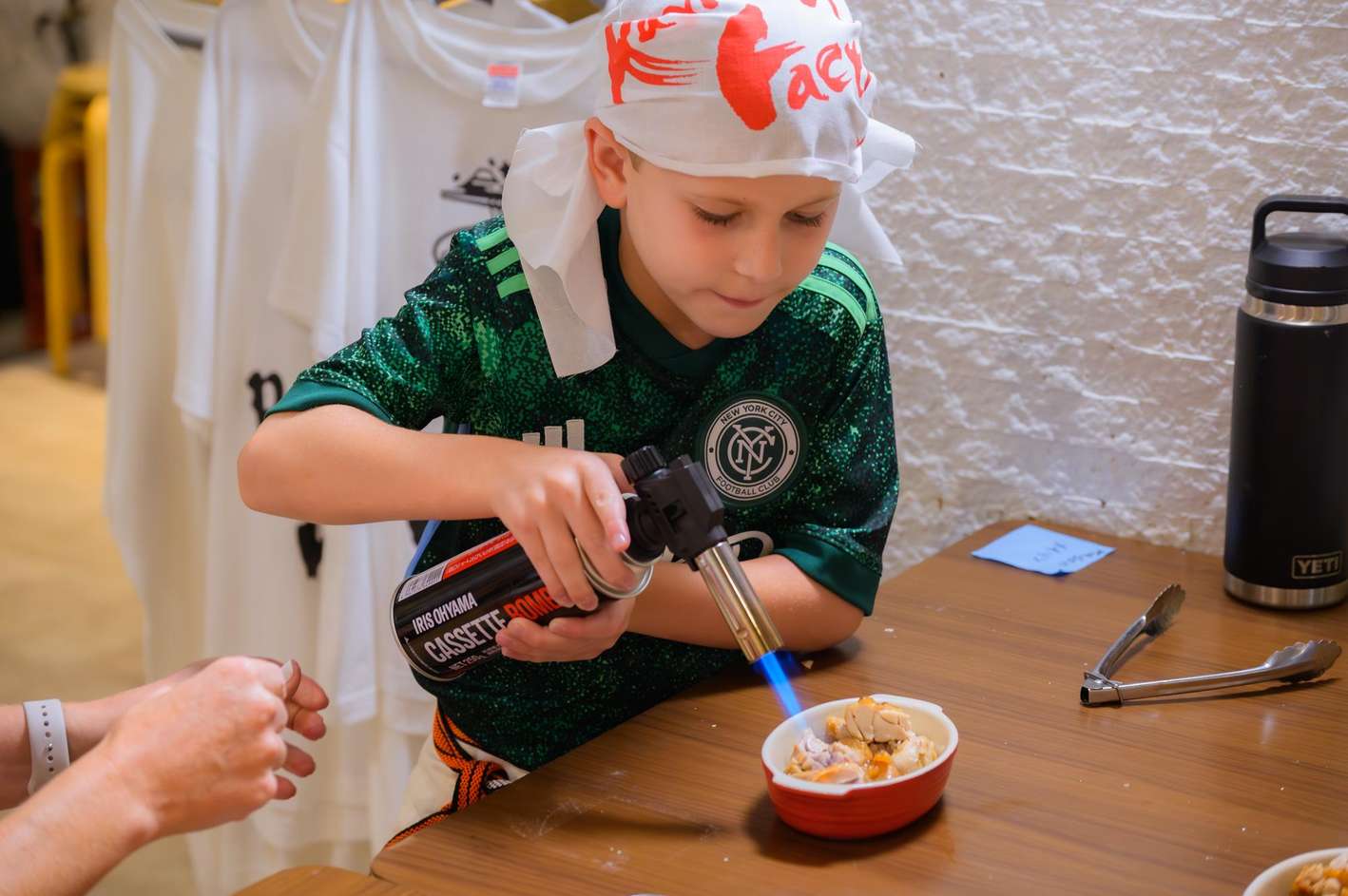
Several Kyoto classes are family-friendly, and children as young as four can join some sessions with age-appropriate tasks and patient guidance. Where knives and hot soup are involved, children need supervision, and a few classes set minimum ages, so check the rules for the class you like.
What does the Michelin connection actually mean?
One Kyoto ramen business has had its Toronto restaurant featured in the MICHELIN Guide for five consecutive years. The bowl-painting class includes ramen from that nominated shop, prepared by its kitchen. It is a chance to taste a restaurant's ramen and learn from the people who make it.
Can I use the painted ramen bowl to eat from?
Yes, after firing. You can take the ceramic piece home the same day as a decoration, and the class fires it in a kiln for free so it is food-safe, ready for pickup the next day. Plan a return trip the following day if you want a usable bowl.
Which dishes come with ramen in these classes?
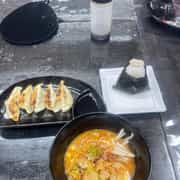
Most Kyoto workshops pair ramen with gyoza, and one adds onigiri rice balls. A private class also covers broth, gyoza filling and wrapping, and a rolled dashimaki omelette. Come hungry: what you make is often generous enough to stand in for lunch or dinner.
What should I know about finding the venue?
Check the exact address and entrance before you set out. The Gion noodle-making venue sits at 558-2 Komatsucho, while the bowl-painting venue at 440-5 Nishigomoncho is reached through a narrow alley. One operator starts on time and turns away late arrivals, so build in time to find the door.
When should I book a Kyoto ramen class?
Earlier in spring and autumn. April draws almost twice as many participants as an ordinary month, and May and November around 40 to 50 percent more. If your trip falls in those months, reserve your spot well ahead.