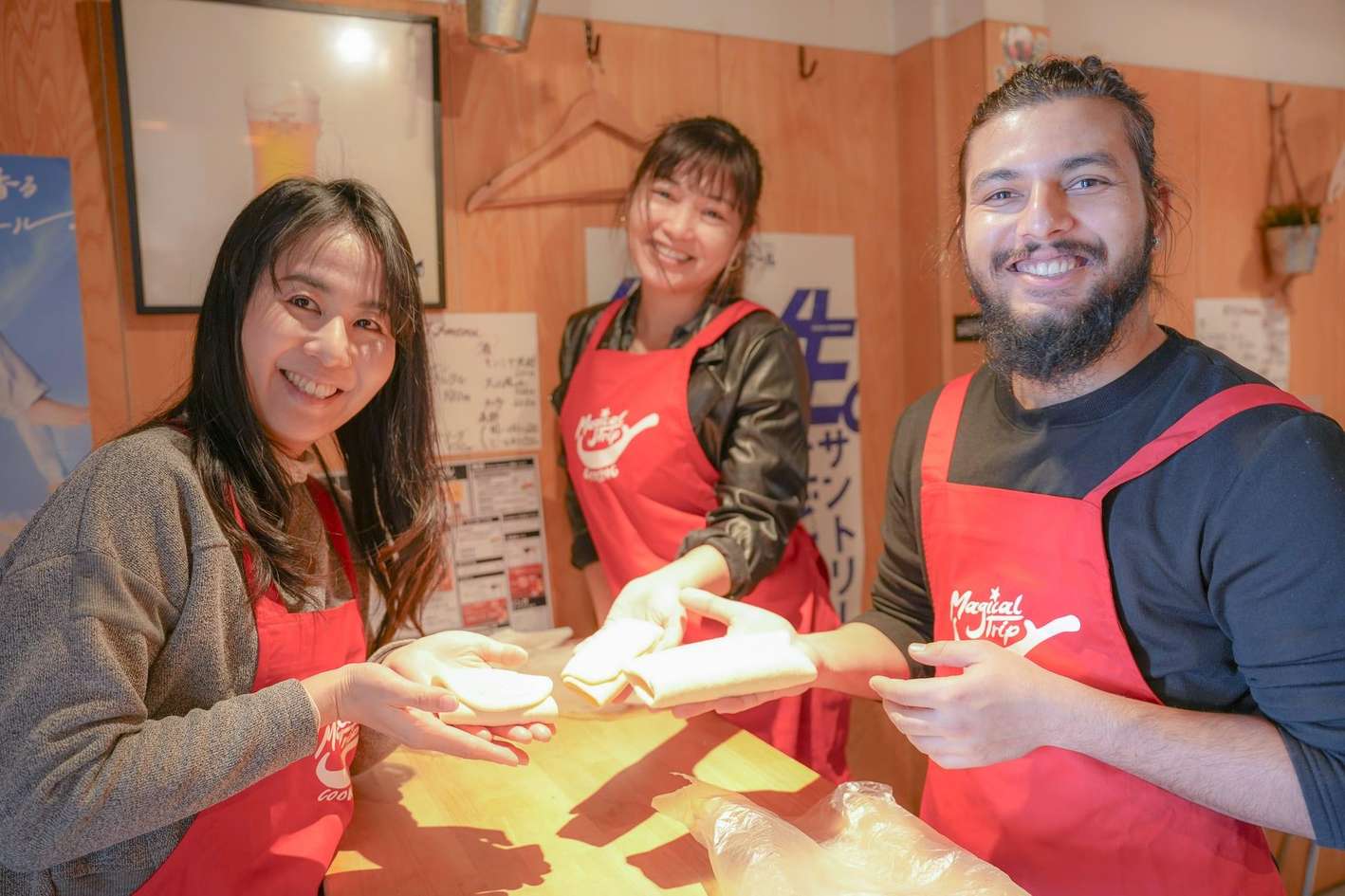
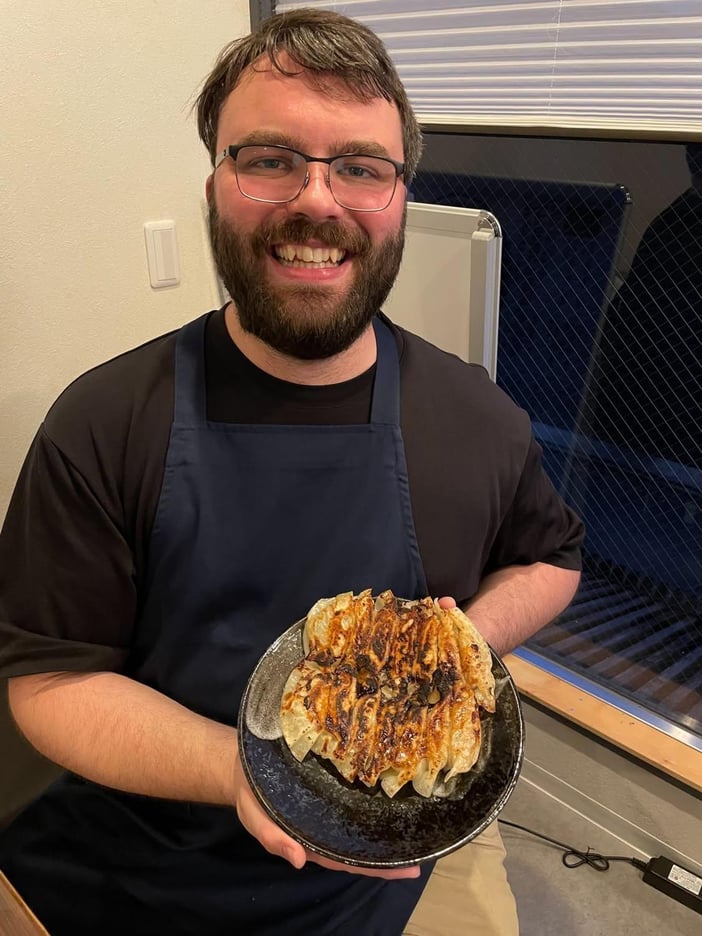
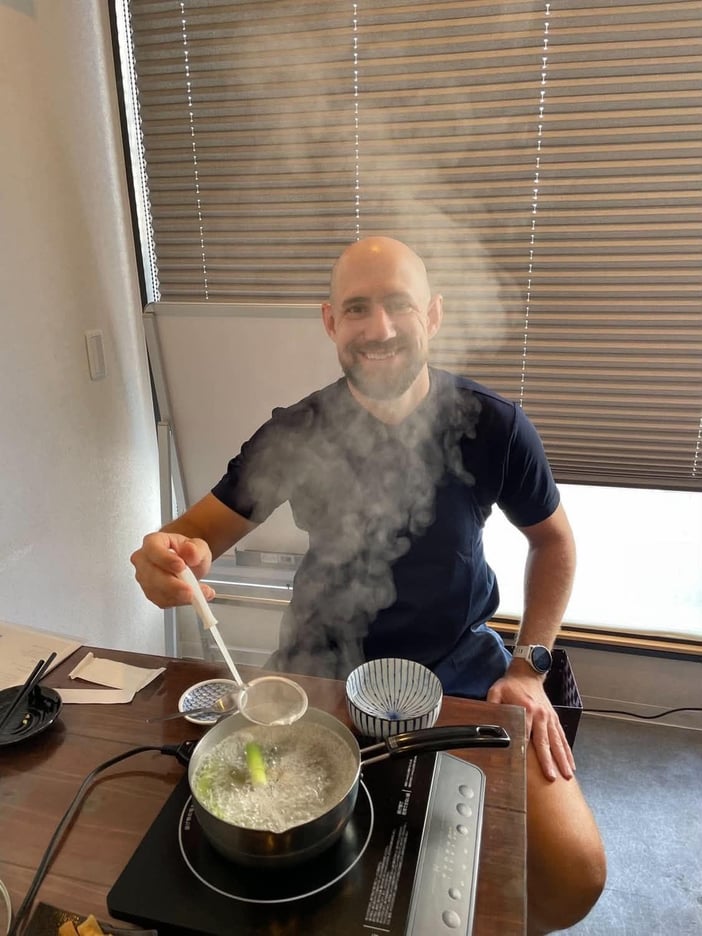
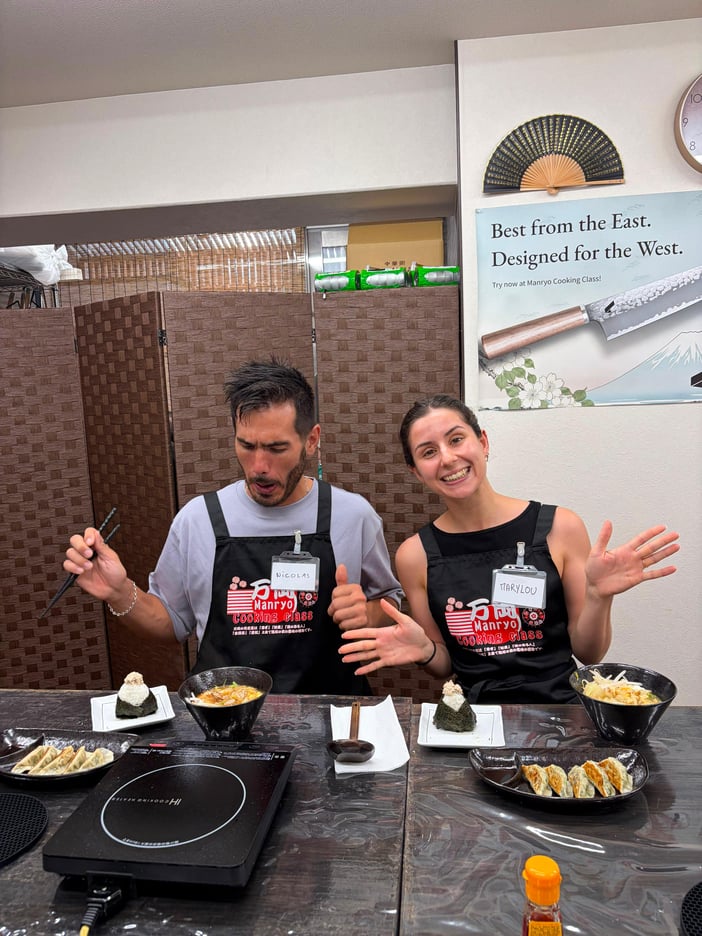
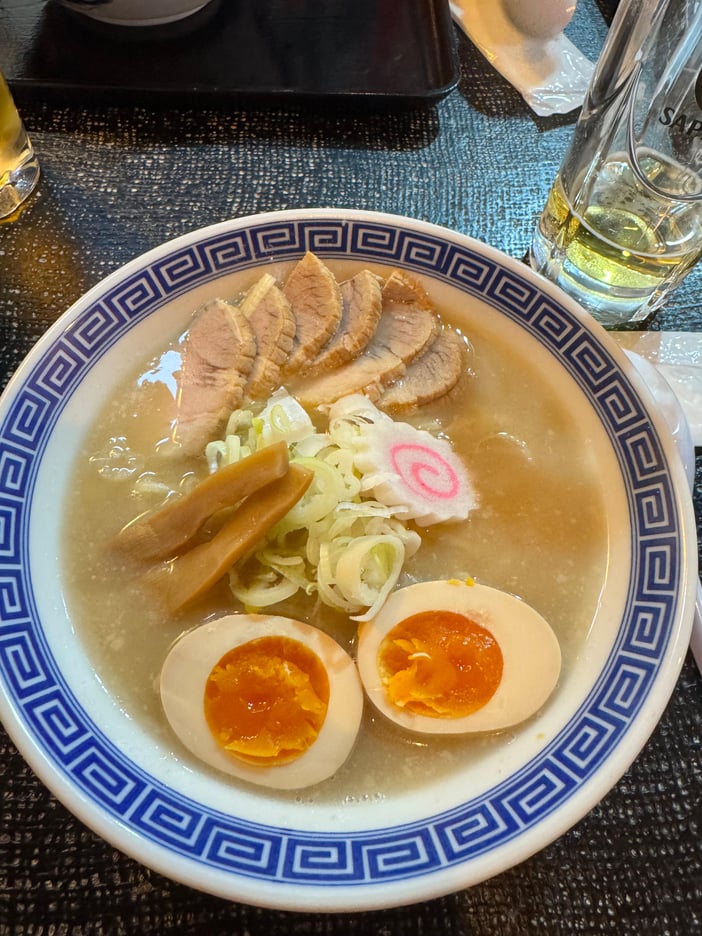
4.9999 cooks wrapped gyoza and sipped sake in Kyoto
Kyoto Ramen and Gyoza Cooking Class With Professional Chefs
Learn to make ramen, gyoza and fried rice from scratch in Kyoto, guided by professional chefs and an English-speaking local guide. Take home the recipes, eat what you cooked with a drink in hand, and book a spot you can cancel free up to 24 hours before.
4.9★average rating999traveler reviews100%free cancellation22countries travelers came from
Choosing a Kyoto gyoza cooking class with ramen
Four Kyoto classes teach ramen and gyoza in one session, and the choice comes down to how you want to cook. One works through three dishes from scratch under professional chefs, one adds onigiri, one runs in a real ramen restaurant with vegan and gluten-free versions, and one is private, in an izakaya.
Start timeThe professional-chef class starts on time and turns late arrivals away with no refund or reschedule, and the private class asks you to arrive ten minutes early.
ChildrenThe professional-chef class welcomes ages six and up with supervision during knife work, while the onigiri class asks participants to be 12 and cook on their own.
DietsOne class arranges vegan, gluten-free and pork-free versions when you ask at booking; two others cannot accommodate special diets, so match the class before you book.
AllergiesRamen noodles can contain egg even when the egg topping is left off, so check the ingredient list before you book.
WeatherUnsafe weather can cancel the professional-chef class, so leave some room in your Kyoto plan for a rebook.
SeasonKyoto cooking classes fill earliest in April and May and again in November, when participation runs well above an ordinary month.
TransportKyoto buses crowd up most between 7:00 and 9:00 and again from 6 pm to 7 pm, so allow extra travel time if a class falls in those hours.
ClothingWear comfortable clothes that can take flour or sauce splashes, and closed-toe shoes; aprons are usually provided.
importantKyoto kitchens cannot guarantee allergy-free ramen or gyoza, and ramen noodles can contain egg even when the egg topping is left off.
Disclose your exact allergies when you book and ask what the kitchen can guarantee before you pay. The professional-chef class does not accommodate gluten-free or vegan diets, so pick the class built around your needs.
Four Kyoto gyoza cooking classes that also teach ramen
Most complete
2.5 hours·English
4.8(319)
Kyoto Ramen & Gyoza Cooking Class with Professional Chefs
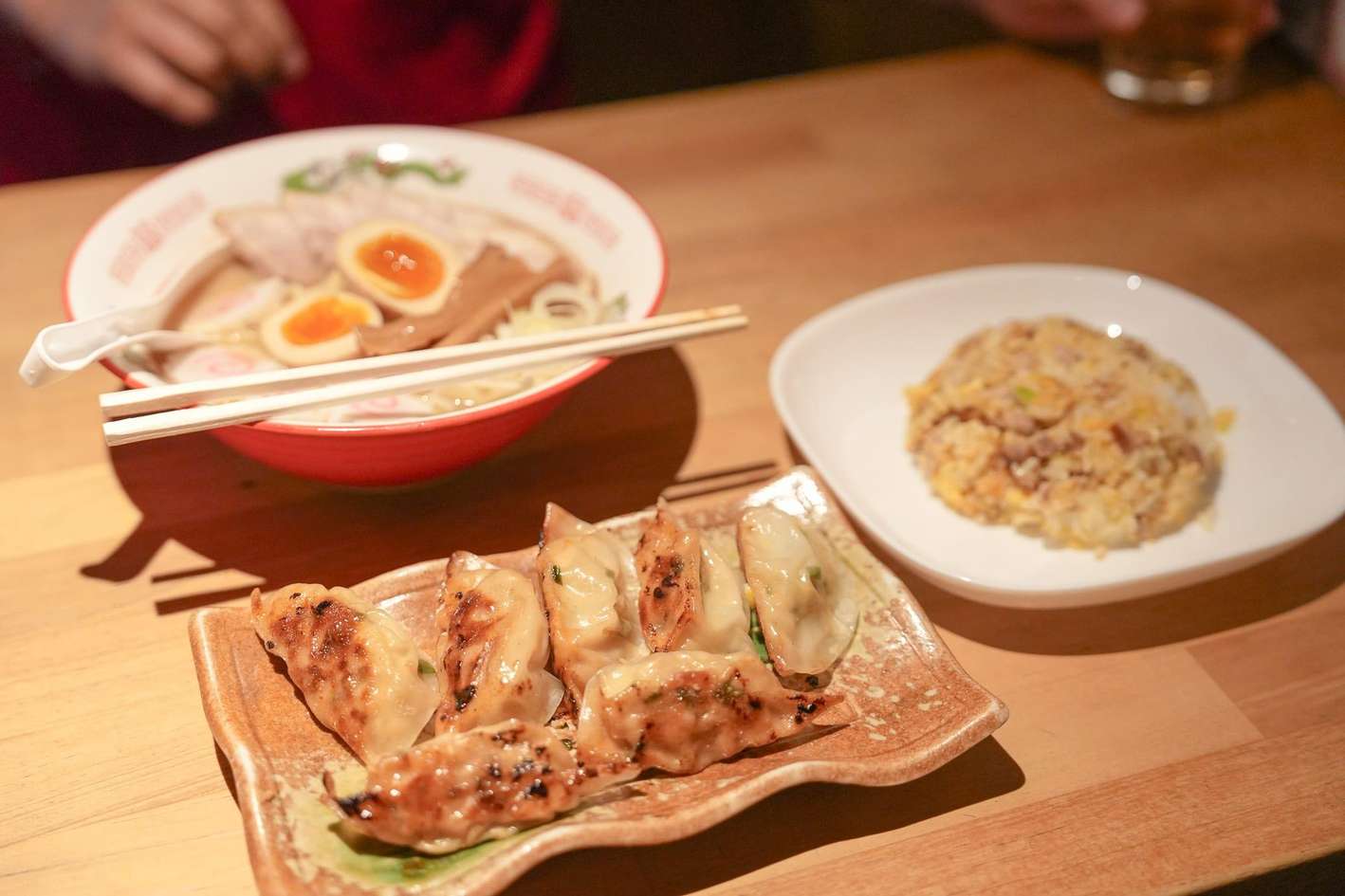
The fullest lesson here: 2.5 hours covering ramen, gyoza and fried rice from scratch, with recipes and photos to take home
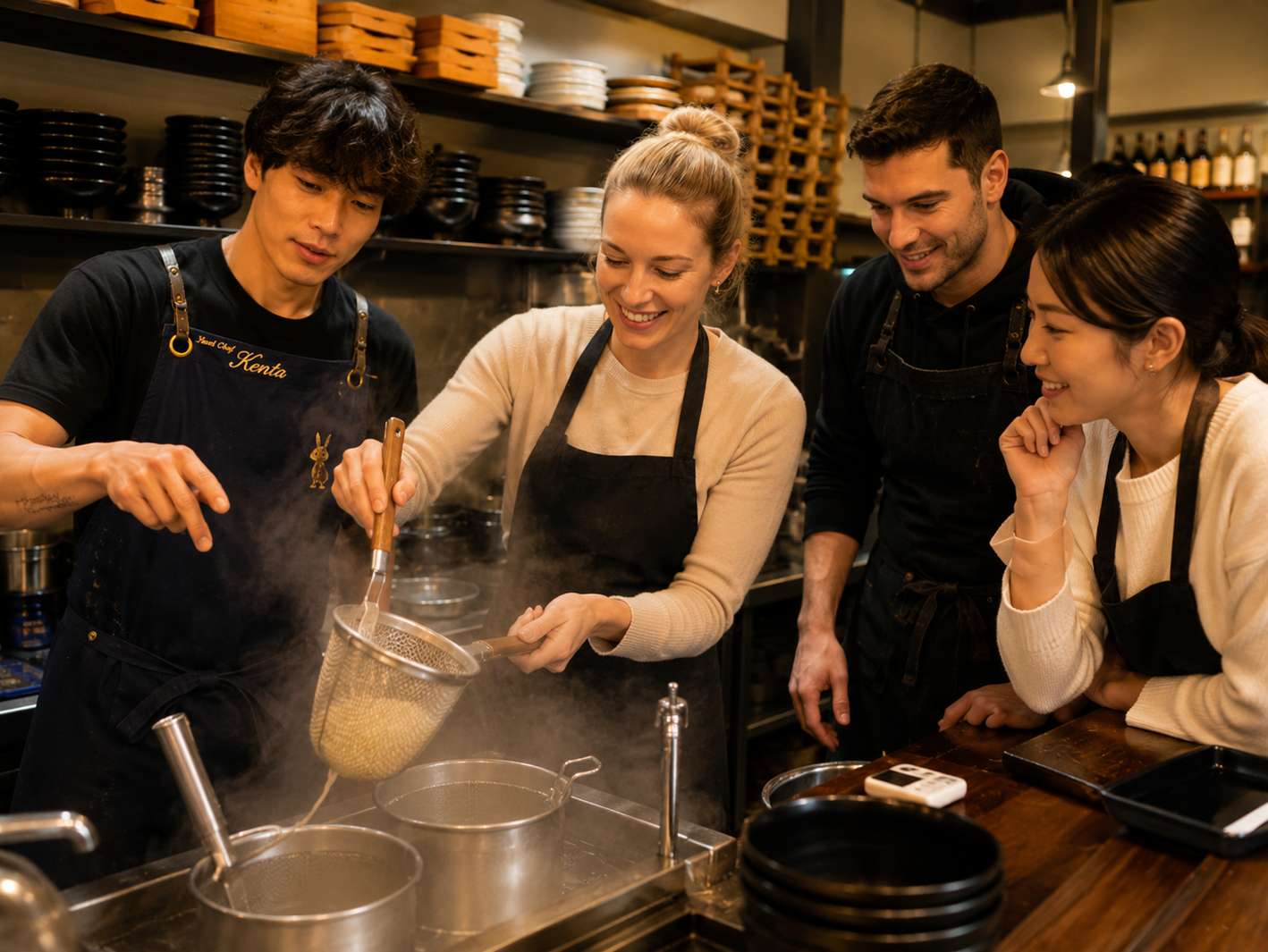
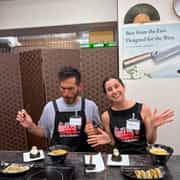
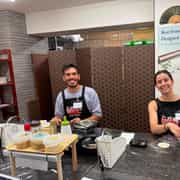
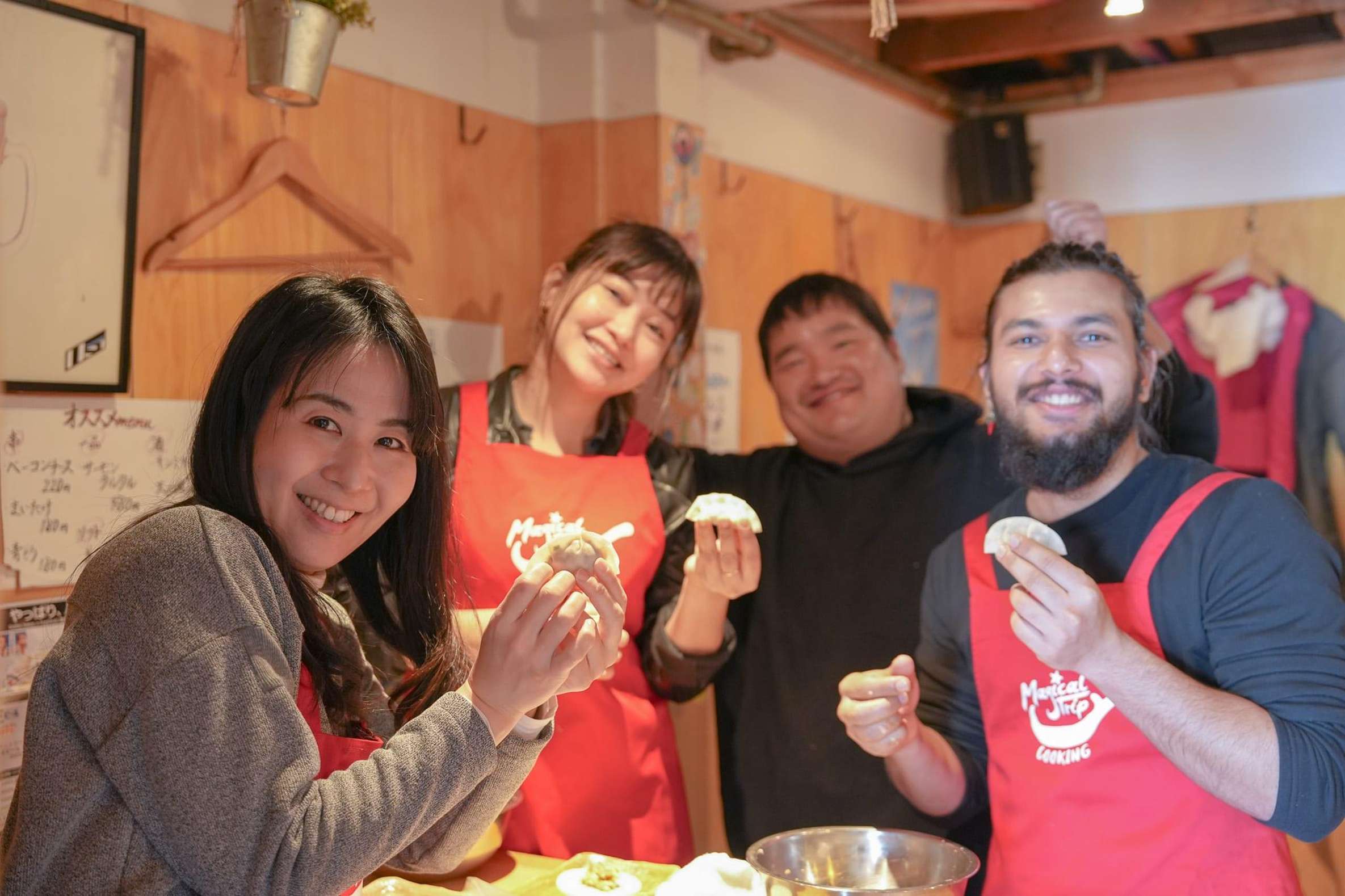
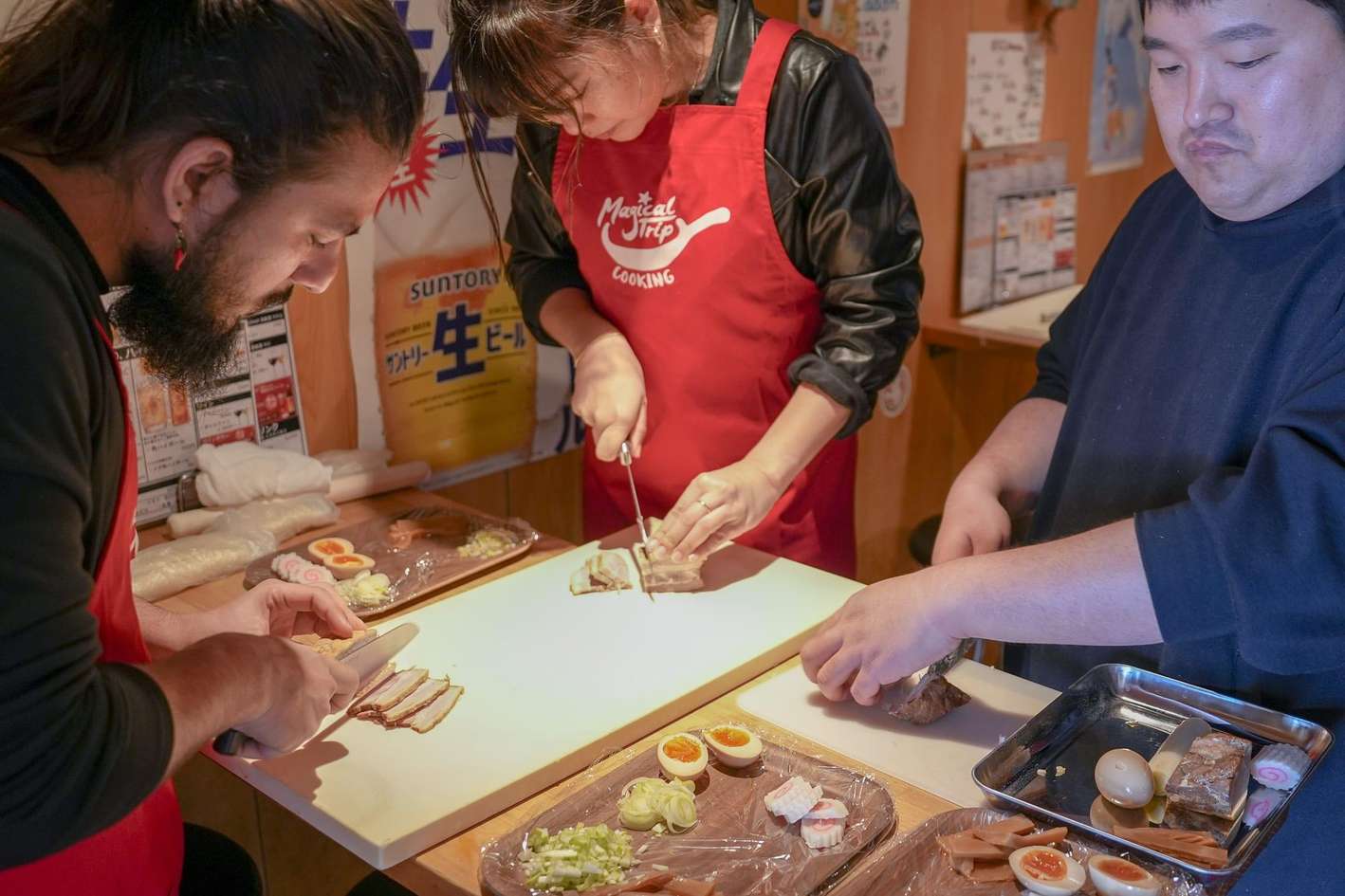
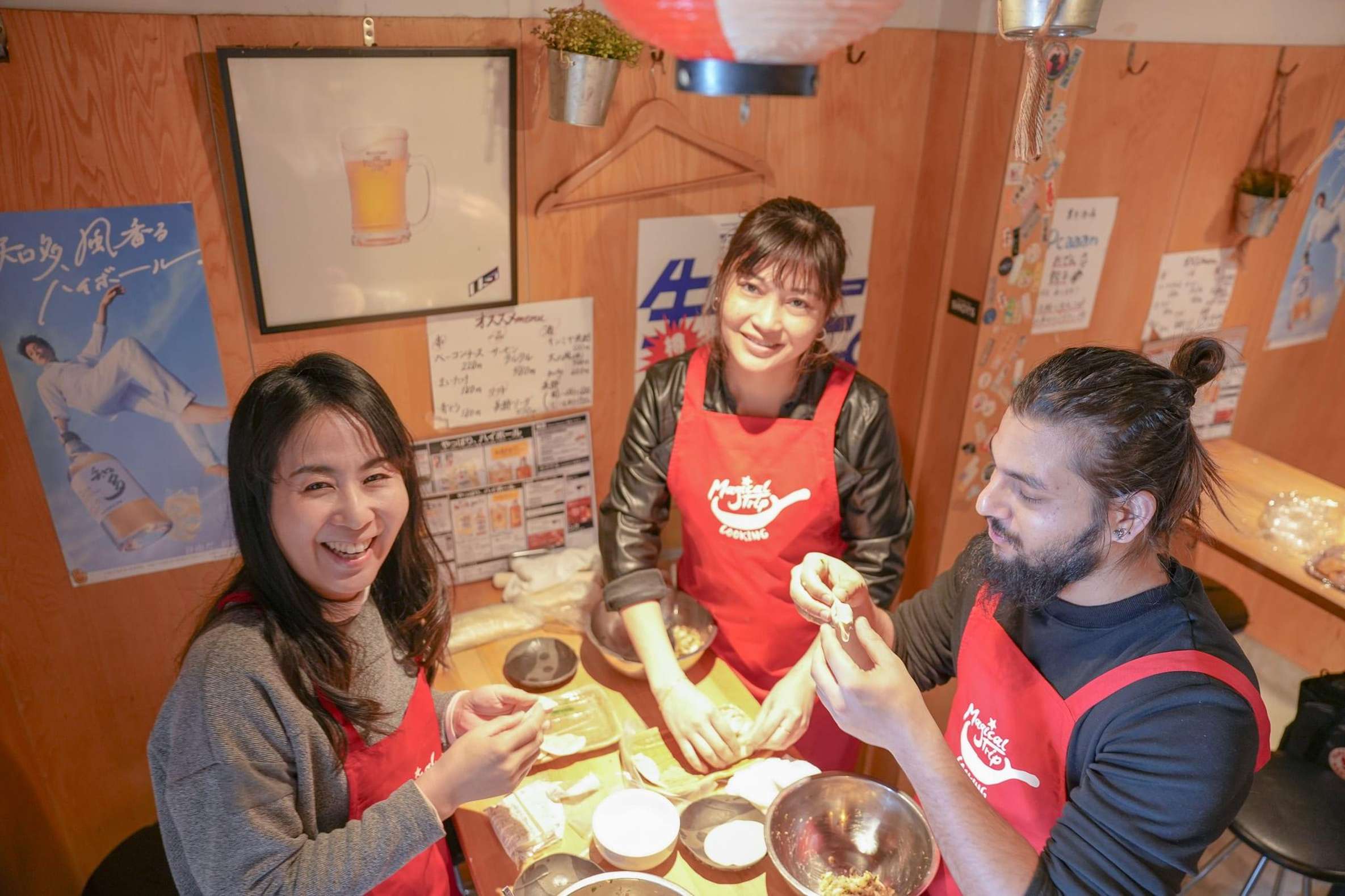
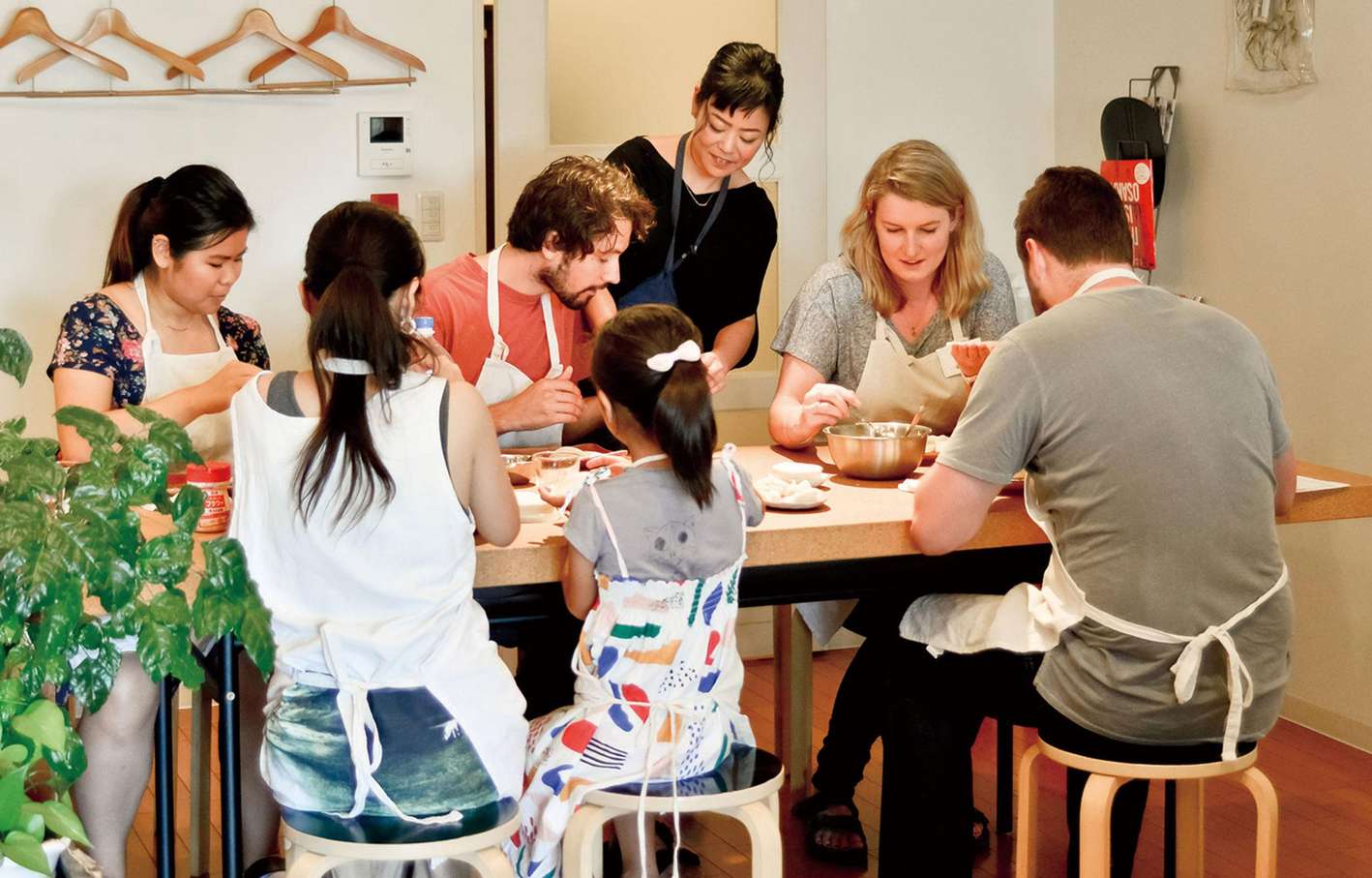
A working ramen master and an English-speaking local guide run the room, and the class welcomes complete beginners as readily as confident cooks.
The flow below follows the session from arrival to the recipes you carry home. Drinks come with the meal (a beer or sake with your gyoza, or a soft drink), your guide photographs the session and emails the pictures afterward, and the recipes arrive as downloads so you can cook the whole trio at home.
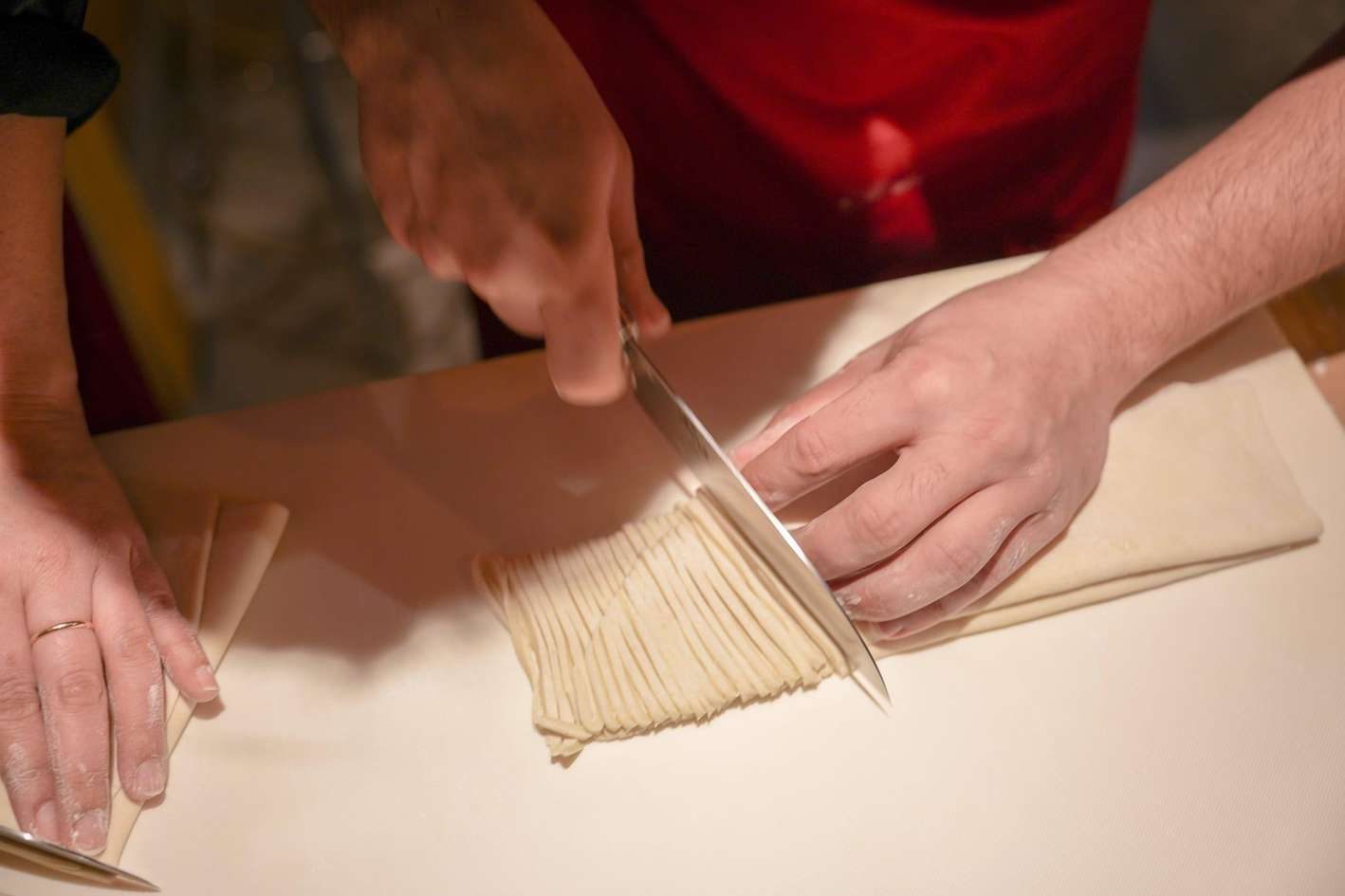
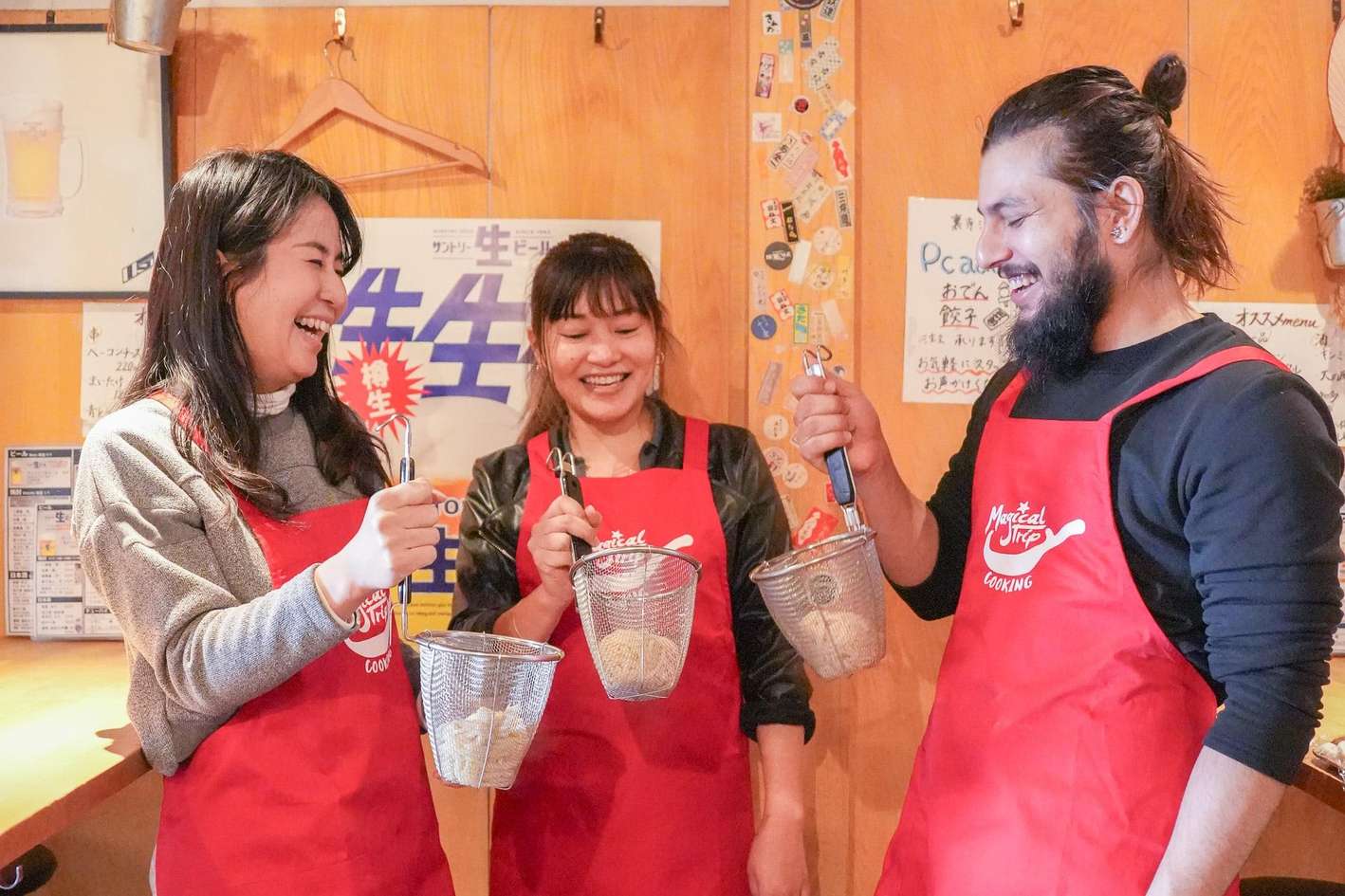
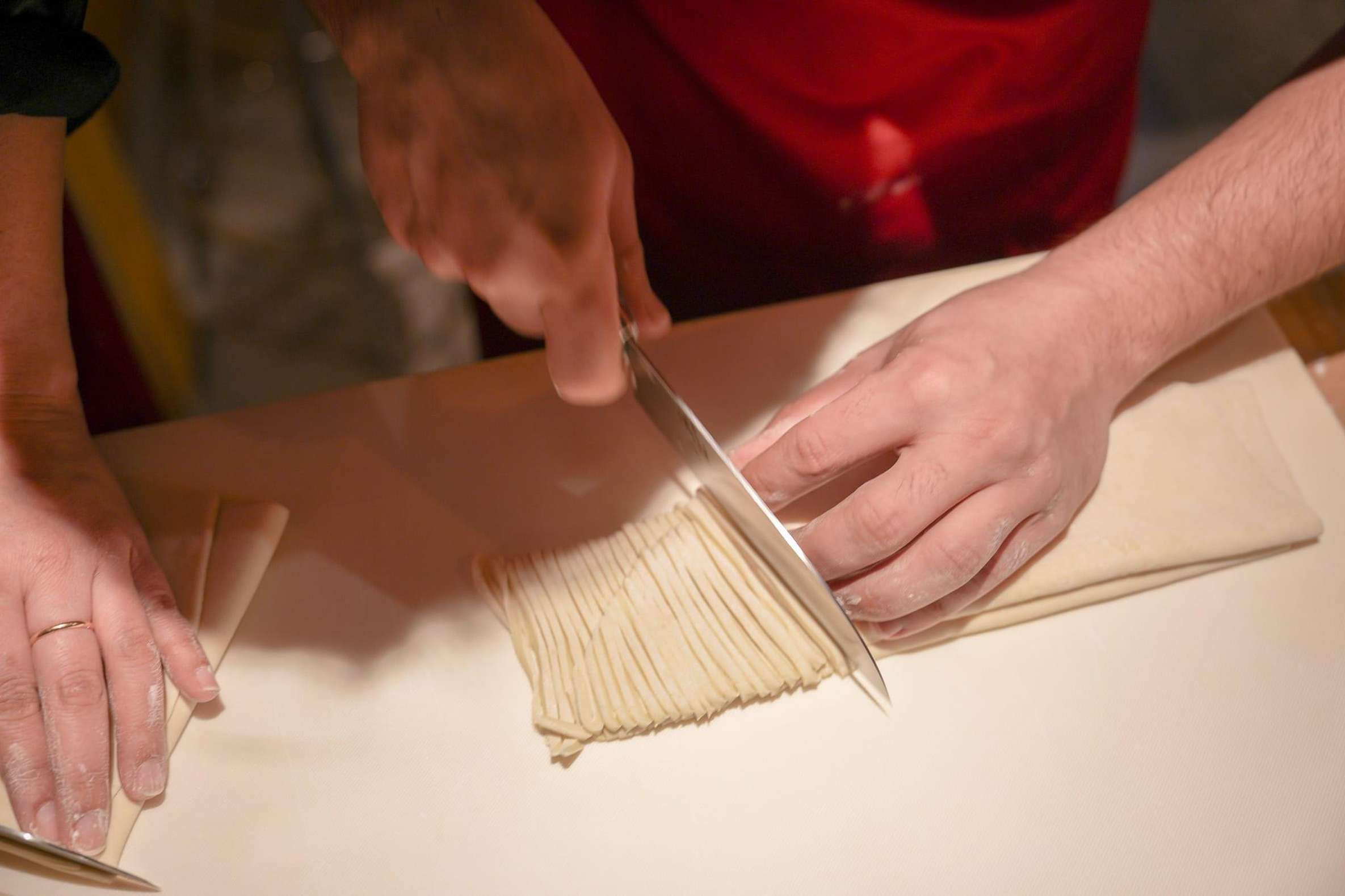
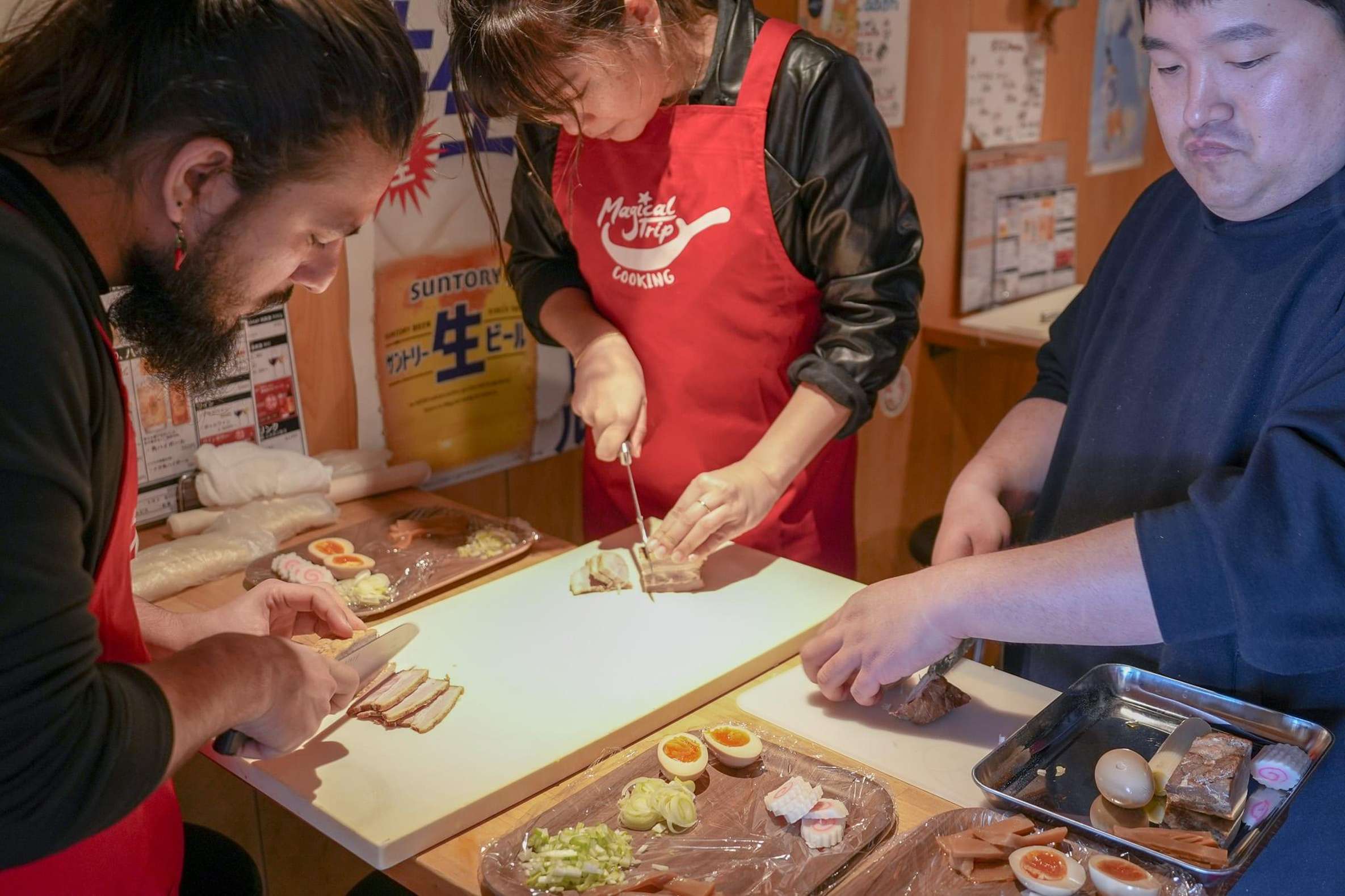
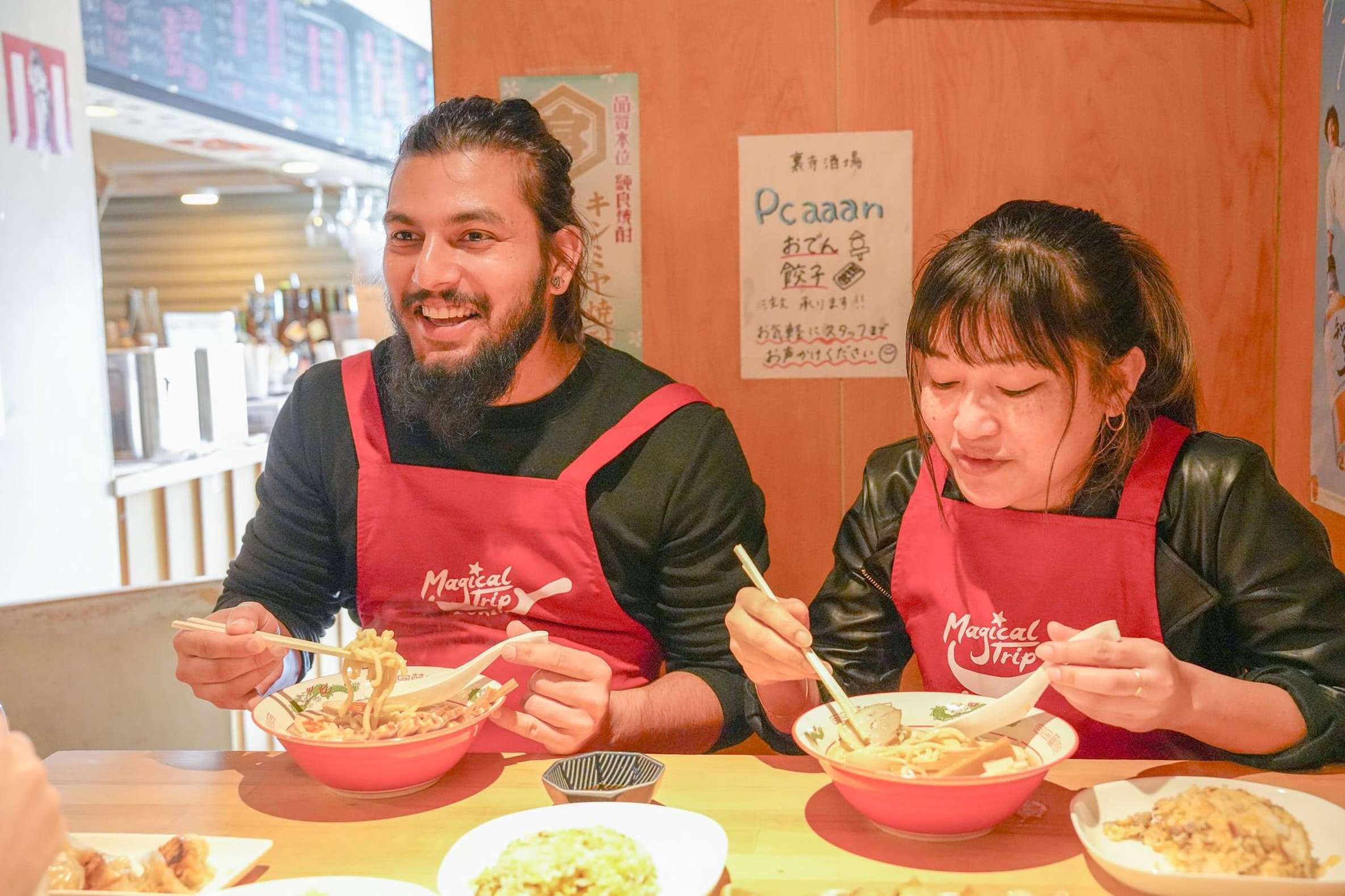
1Arrive and meet the chefs· about 15 minSettle in with the group and meet the ramen master and English-speaking local guide who run the whole session.2Knead and cut your noodles· about 35 minMake ramen from scratch: knead the dough, cut the noodles and get them ready for the pot.3Wrap your gyoza· about 25 minFold your own gyoza alongside the chefs, then cook them to serve with your ramen.4Fried rice and toppings· about 25 minCook fried rice, the third dish in the trio, and top your ramen bowl the way a ramen shop does.5Sit down to eat· about 35 minEat what you made, with two included drinks each: beer or sake with the gyoza, or soft drinks instead.6Recipes and photos· about 15 minDownload the recipes for all three dishes, and watch for the guide's photos of your session arriving by email.
Included
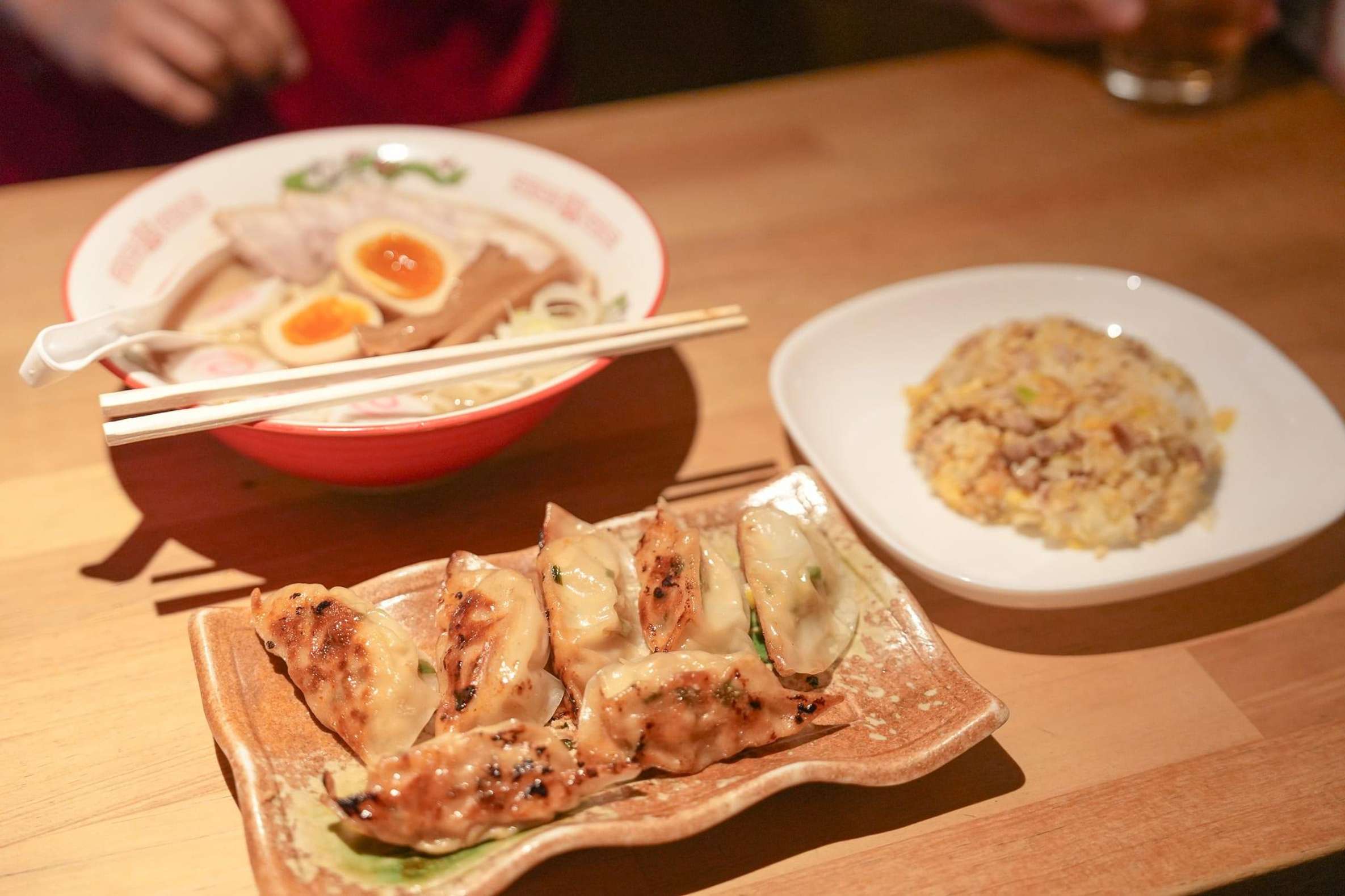
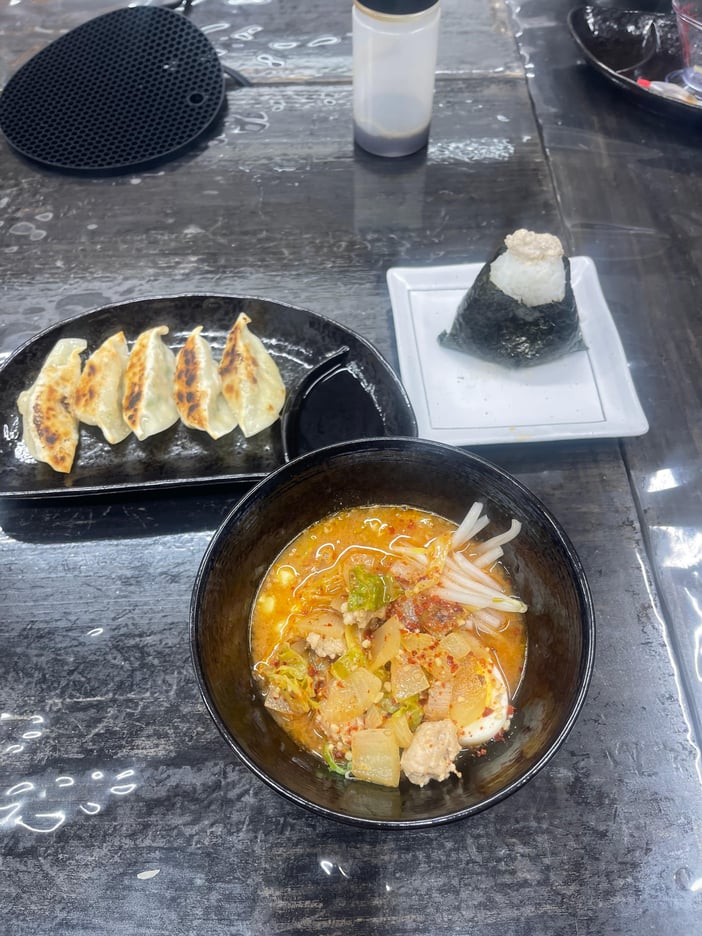
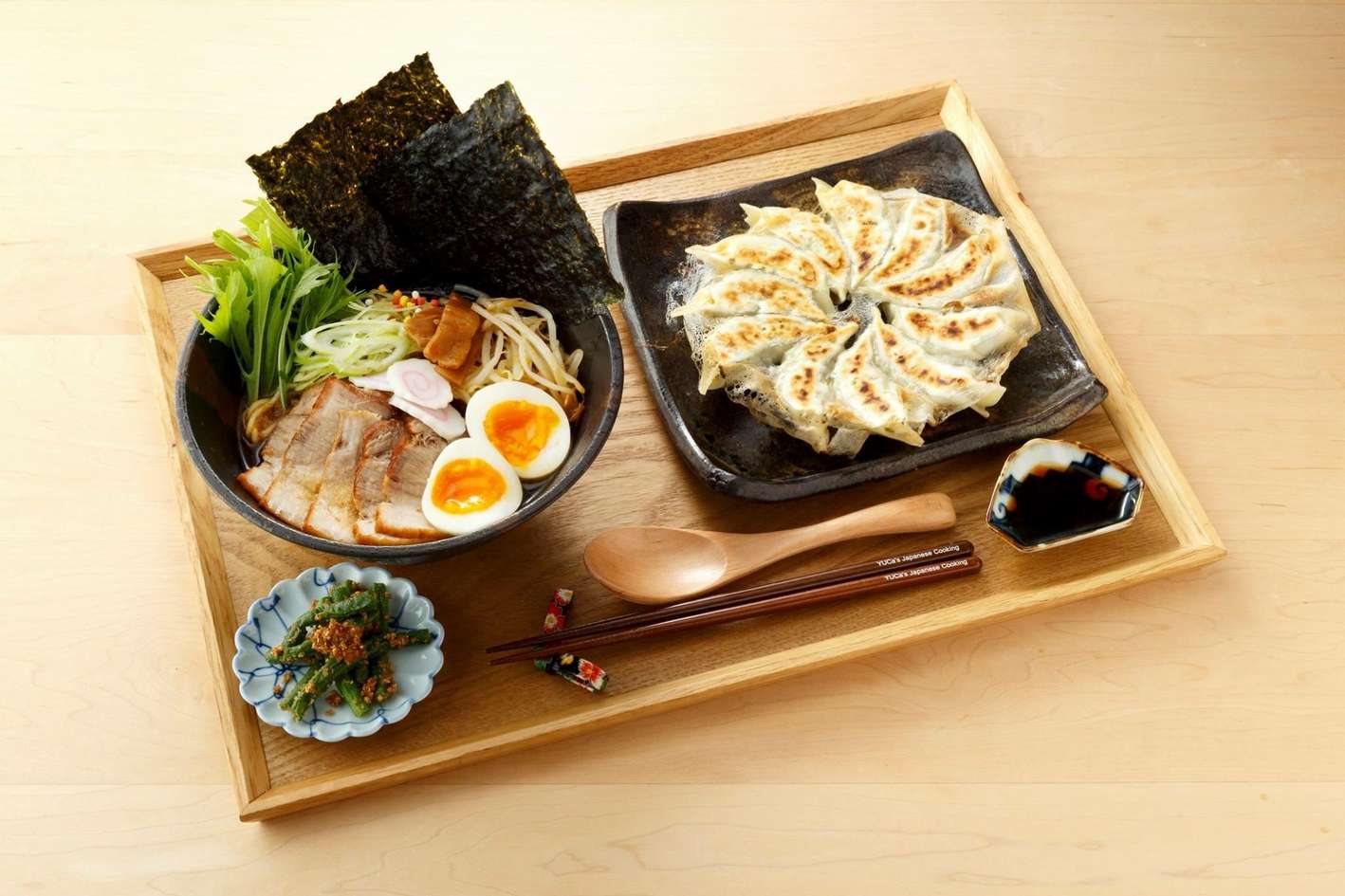
Ramen, Gyoza & Fried Rice-Learn how to make these three delicious dishes from scratch!Two Drinks-Enjoy your choice of alcoholic or soft drinks.Ramen Master & Local Guide-Spend three hours with a ramen master and an English-speaking local guide.Recipes-Downloadable recipes so you can recreate the experience at home!Tour Photos-Your guide will take photos during the tour and send them to you via email afterward.
Which Kyoto ramen and gyoza cooking class fits you
Green marks the lowest price. Prices per person.
Tour
Price
Duration
Languages
Best for
Our pick
Kyoto Ramen & Gyoza Cooking Class with Professional Chefs
4.8★ (319)
from $92lowest price
2.5 hours
English
travelers who want chef-led instruction in three dishes from scratch
Most reviewers praise the friendly English-speaking guides who explained every step so anyone could follow.
Best surprise
Several families were surprised by how much food the class produced, and many say to come hungry.
Most common wish
Many say they wish they could cook it all again and will follow the recipes back at home.
How to book a Kyoto gyoza cooking class
01
Pick your date
Compare durations first: 2.5 hours with the pro chefs, 1.5 hours with onigiri added, 2 hours at the private izakaya. Kyoto cooking tours fill earliest in April, May and November, so lock those months in early.
Pro tipApril draws nearly double the usual participants, so book spring dates before you arrange anything else in Kyoto.
02
Check who can join
Look at the age rules before you pay. The professional-chef class welcomes children from 6 with supervision and cooks of every skill level. The onigiri class asks for 12 and up, cooking on their own.
ImportantChildren under 5 cannot take part in the professional-chef class.
03
Pay with flexibility
Payment happens at checkout, and each of these Kyoto classes lets you cancel up to 24 hours in advance for a full refund, so an early booking stays easy to change.
Pro tipBook as soon as your Kyoto nights are fixed; the 24-hour refund window covers you if plans move.
04
Read the confirmation closely
The operator's messages carry your meeting point and any final notes. The private izakaya class wants you there 10 minutes before the start, and the professional-chef class begins on time.
Common mistakeArriving exactly at start time. Late guests at the professional-chef class cannot join, reschedule or get a refund.
05
Plan the journey over
Leave room for Kyoto buses, which jam up between 7 am and 9 am and again from 6 pm to 7 pm. A train or subway leg holds its timing better. Unsafe weather can cancel the professional-chef class.
RecommendedAllow extra travel time in cherry-blossom and foliage season, when buses run crowded.
What to know before booking a Kyoto gyoza cooking class with ramen
Can stop the dayGood to knowGood news
01
ChoosingWhat it is, who it suits, when to go
5
Dietary needsCan stop the day
The professional-chef class cannot accommodate vegetarian, vegan or gluten-free requests, and the onigiri class serves only its regular menu plus a version that swaps pork for tofu. The vegan and gluten-free class arranges those versions when you mention them at booking.
Included
The professional-chef class covers two drinks of your choice, downloadable recipes and photos your guide emails after the class. The private izakaya class leaves drinks out, so you order them on site.
Class length
Plan about 2.5 hours for the professional-chef workshop, though smaller groups sometimes finish a bit sooner. The onigiri class runs 1.5 hours and the private class 2 hours, so there is a length to fit a Kyoto morning or evening.
From scratch
A class of 90 minutes to 2.5 hours can cover kneading, rolling, cutting, cooking and assembling, but not a 12-hour broth or an overnight noodle rest. One Kyoto operator prepares its soup over 12 hours and rests the noodles overnight, so its workshop builds on restaurant-prepared components.
Group setup
The professional-chef class is a group activity and may include other participants. The private izakaya class is just your party with the chef, and the onigiri class admits only those who booked, so there is no room for spectators.
02
BookingHow far ahead, and what happens if plans change
2
Cancellation
Each of the four Kyoto classes can be canceled up to 24 hours in advance for a full refund. That makes it easy to book early and rearrange if your sightseeing plans move.
Late arrivalsCan stop the day
The professional-chef class starts on time out of respect for every guest, and someone who arrives late cannot join, reschedule or claim a refund. The private class asks you to reach the izakaya at least 10 minutes early.
03
Before you goPapers, health, what to bring
4
Age limits
Children under 5 cannot take part in the professional-chef class. The ramen, gyoza and onigiri class asks for participants of 12 and up who cook on their own, while the workshop with professional chefs welcomes ages 6 and up with an adult supervising knife work.
Allergies
No kitchen guarantees allergy-free meals. Ramen noodles can contain egg even when the egg topping is left off, and broth can carry fish ingredients, so name your allergies to the host before you book.
Clothing
Wear closed-toe shoes and fitted clothes without loose sleeves, and tie back long hair before you start. Aprons are provided where the class uses them, and flour or sauce splashes come with the territory.
Weather
The professional-chef workshop may be canceled in unsafe weather, so leave some slack in your Kyoto day around the class. A flexible afternoon plan keeps a washed-out morning from costing you the whole day.
04
On the dayWhere to be, when, and how you get there
1
Pickup
You handle the journey to the venue yourself, since these Kyoto classes do not include hotel pickup or drop-off. Check the meeting address on your booking before you set out, because the venues sit in different parts of the city.
A guide to Kyoto ramen and gyoza cooking
Four Kyoto classes teach ramen and gyoza in one sitting, and they differ in more than length. What you cook, which class fits your group, and the booking, allergy and arrival checks that settle the day.
Kyoto
If you only remember three things
1
Give the class 2.5 hours and arrive early; the professional-chef kitchen starts on time and turns latecomers away.
2
Noodles can contain egg even without the egg topping, so name every allergy when you book.
3
April and November fill fastest; April draws nearly twice an ordinary month's participants.
Is Kyoto gyoza cooking worth your sightseeing time?
A bowl of ramen is a meal. A Kyoto gyoza cooking class is two and a half hours of work that leaves you with the skill itself, broth to dumplings, and the trade deserves a thought before you book it.
The professional-chef class teaches ramen, gyoza and fried rice from scratch and welcomes all skill levels, so complete beginners manage fine. Couples book it as a shared activity, and keen home cooks treat it as a first taste before deeper instruction.
What nobody tells you
A lightly booked session can turn into a private lesson
Book a quiet weekday slot and the group class may end up yours alone
Hosts often photograph the food
You keep both hands on the dough and still come away with the pictures
The spread can replace a full meal
Come hungry; even modest-looking bowls tend to add up to lunch or dinner
Regulars suggest taking the class early in the trip, while the lessons stay fresh enough to sharpen every restaurant bowl that follows. Half a morning buys food knowledge for the rest of the week.
Tour for this
Kyoto Ramen & Gyoza Cooking Class with Professional Chefs4.8★ (319) · 2.5 hours · Free cancellation
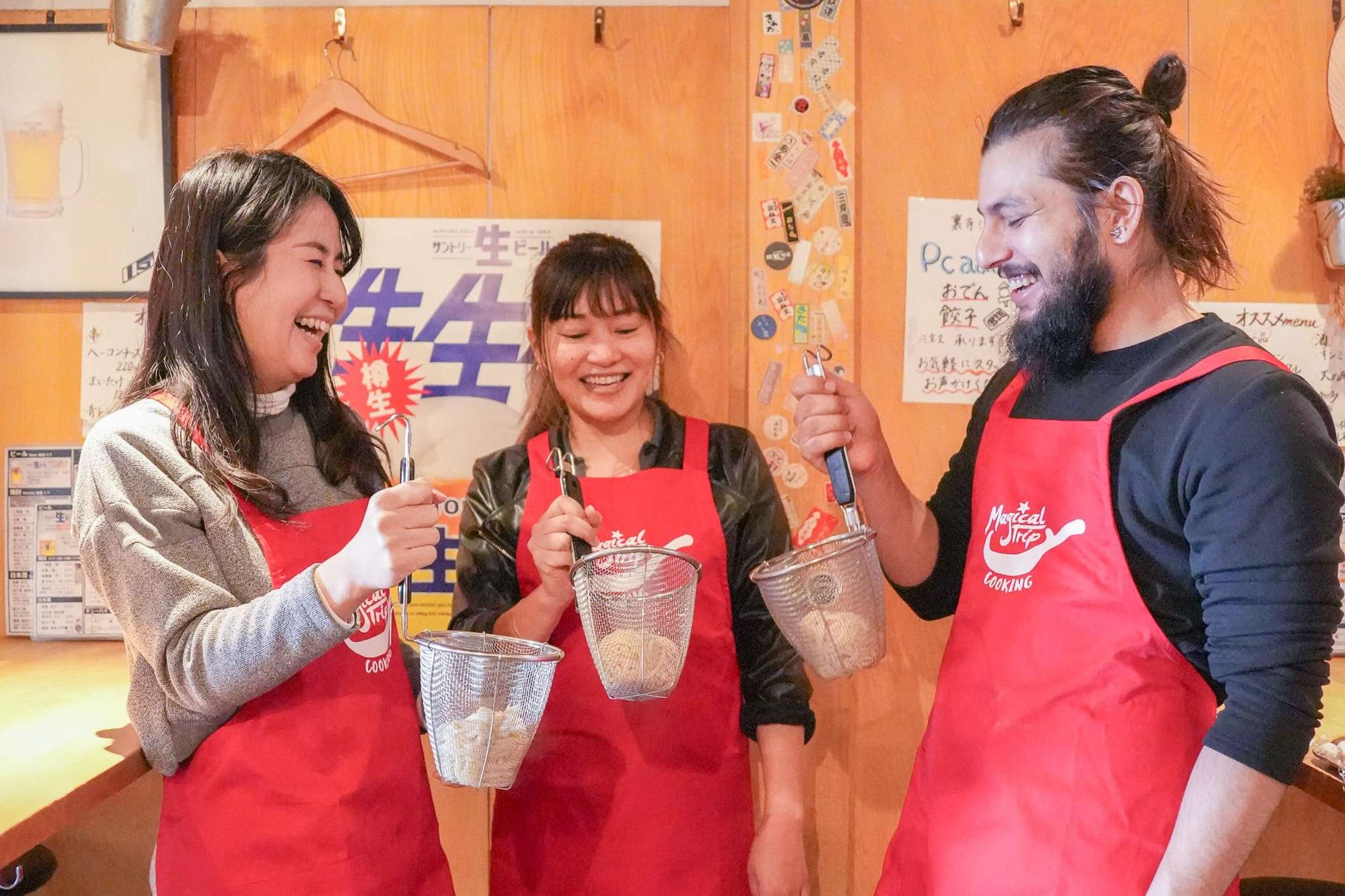
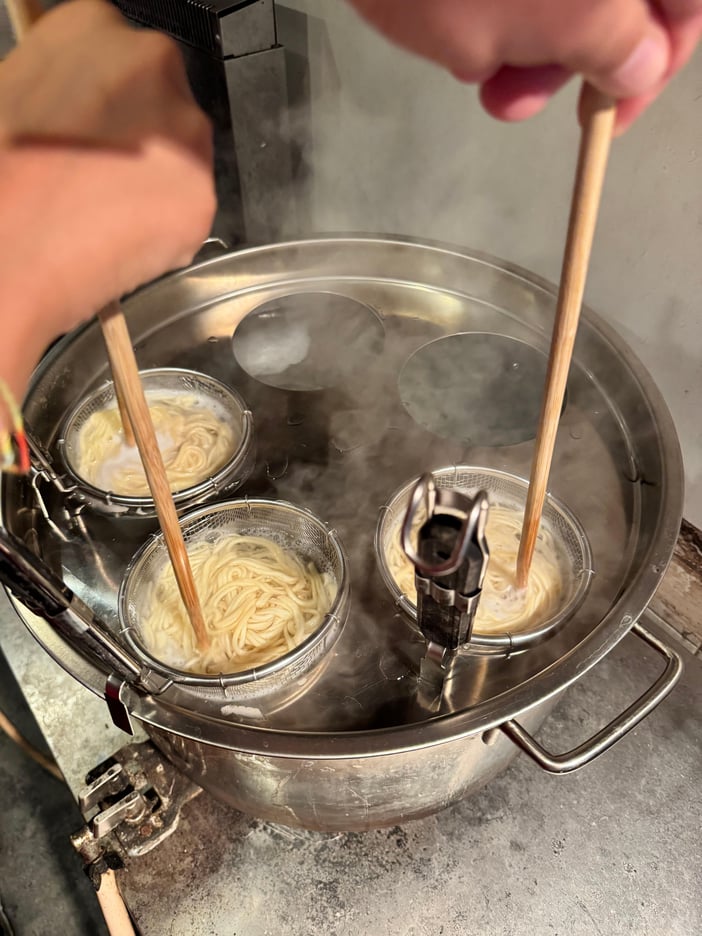
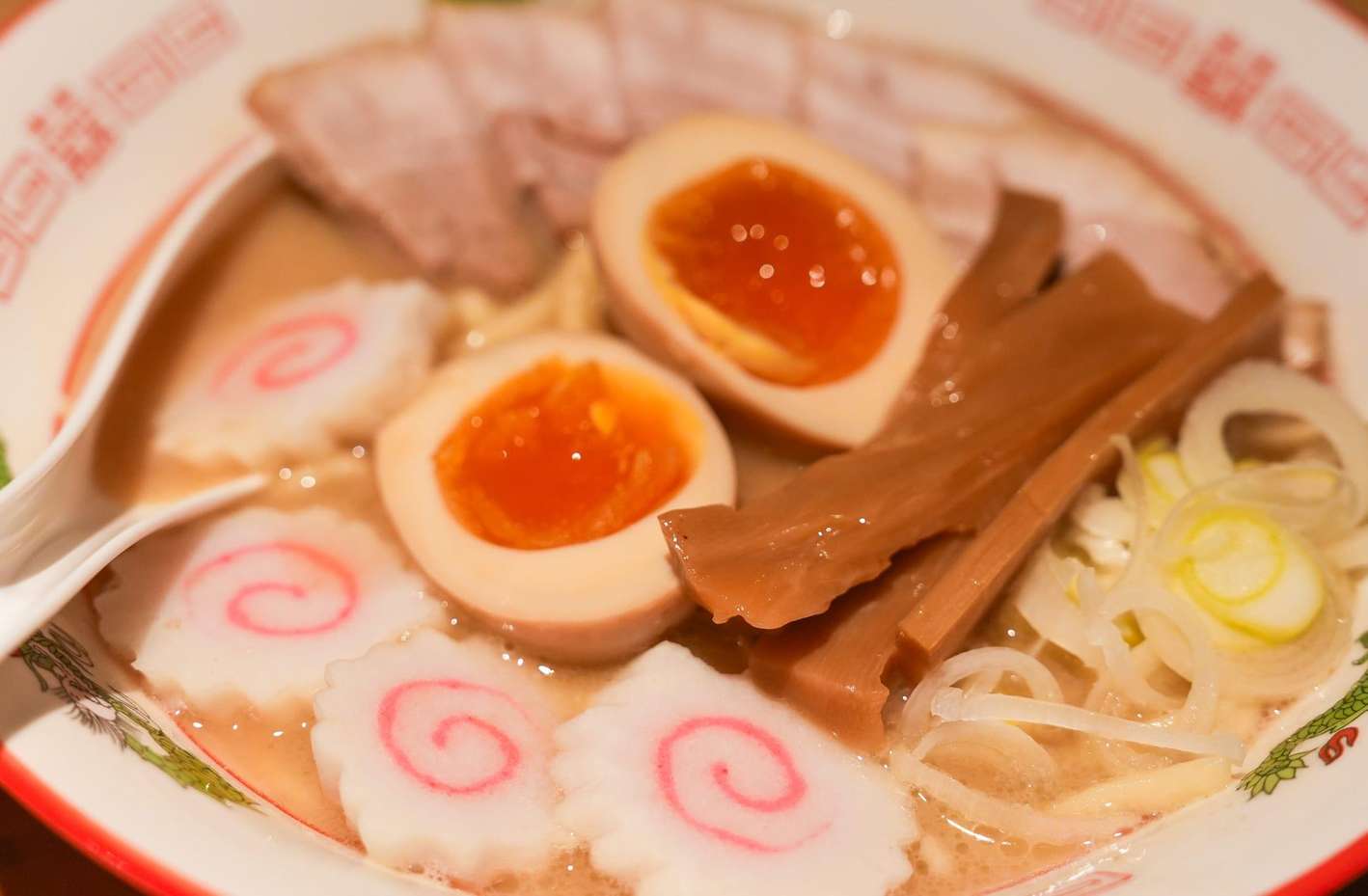
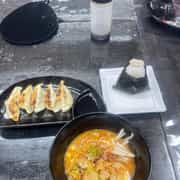
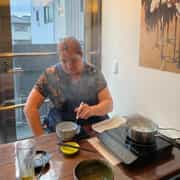
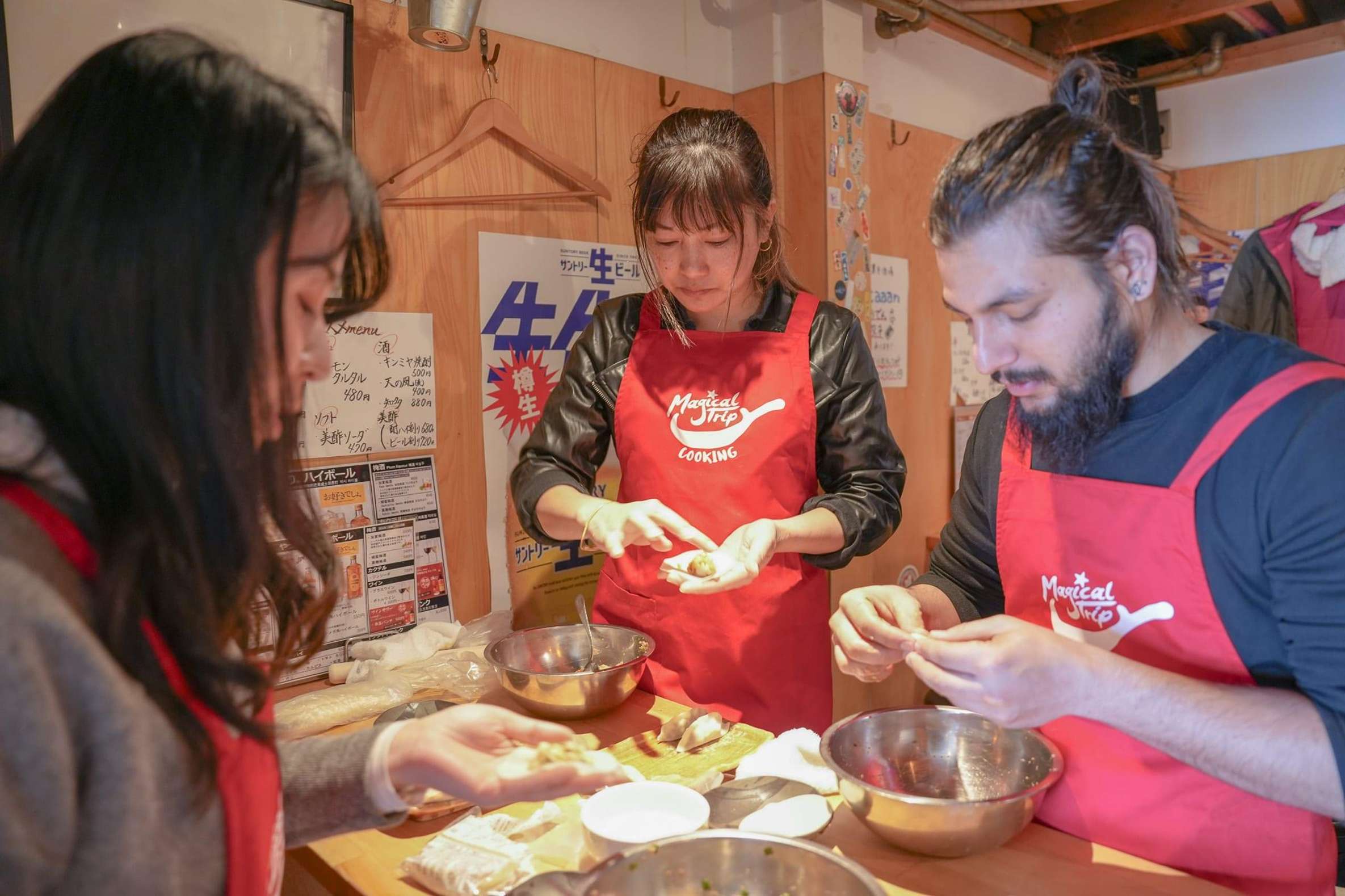
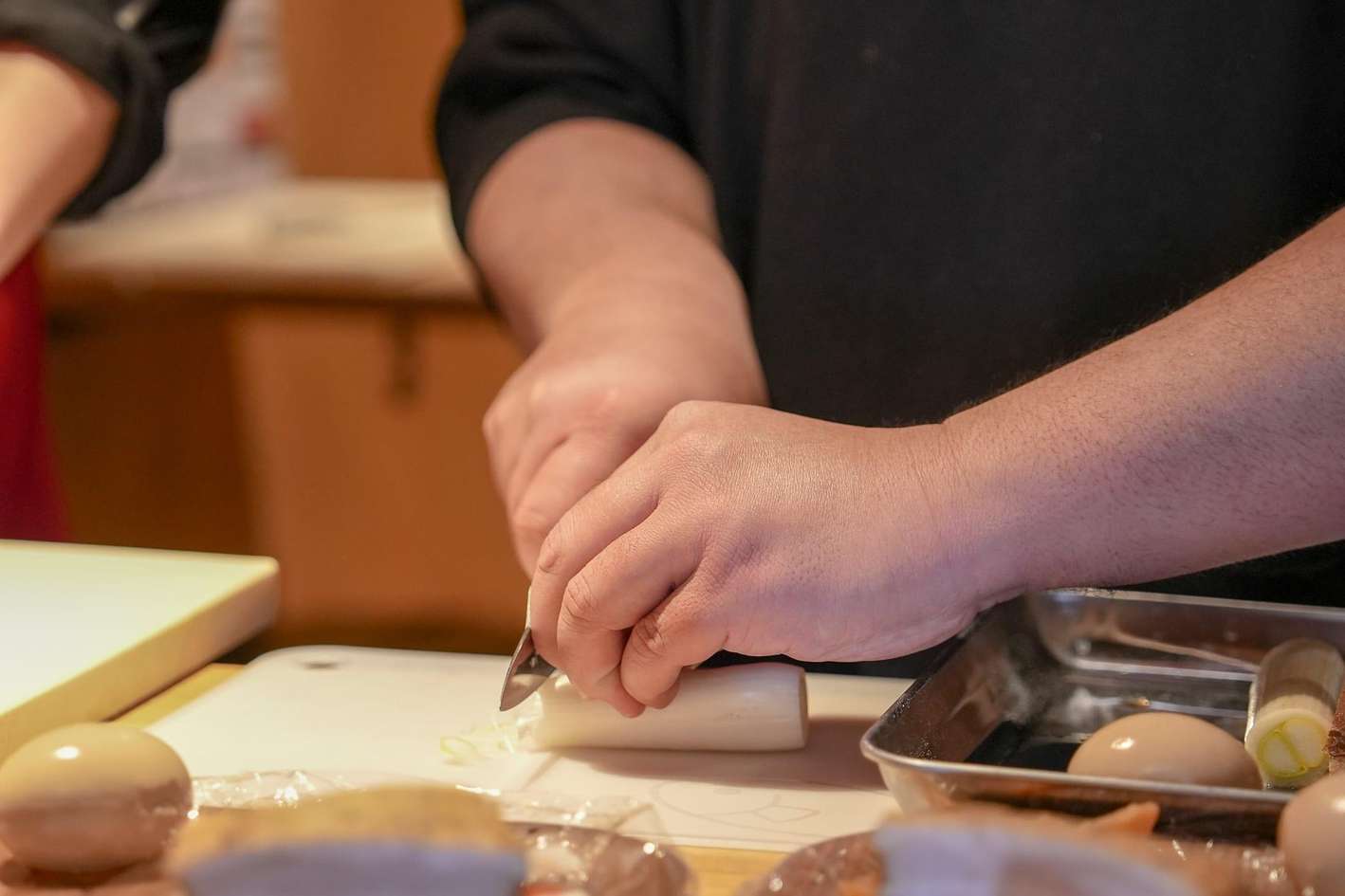
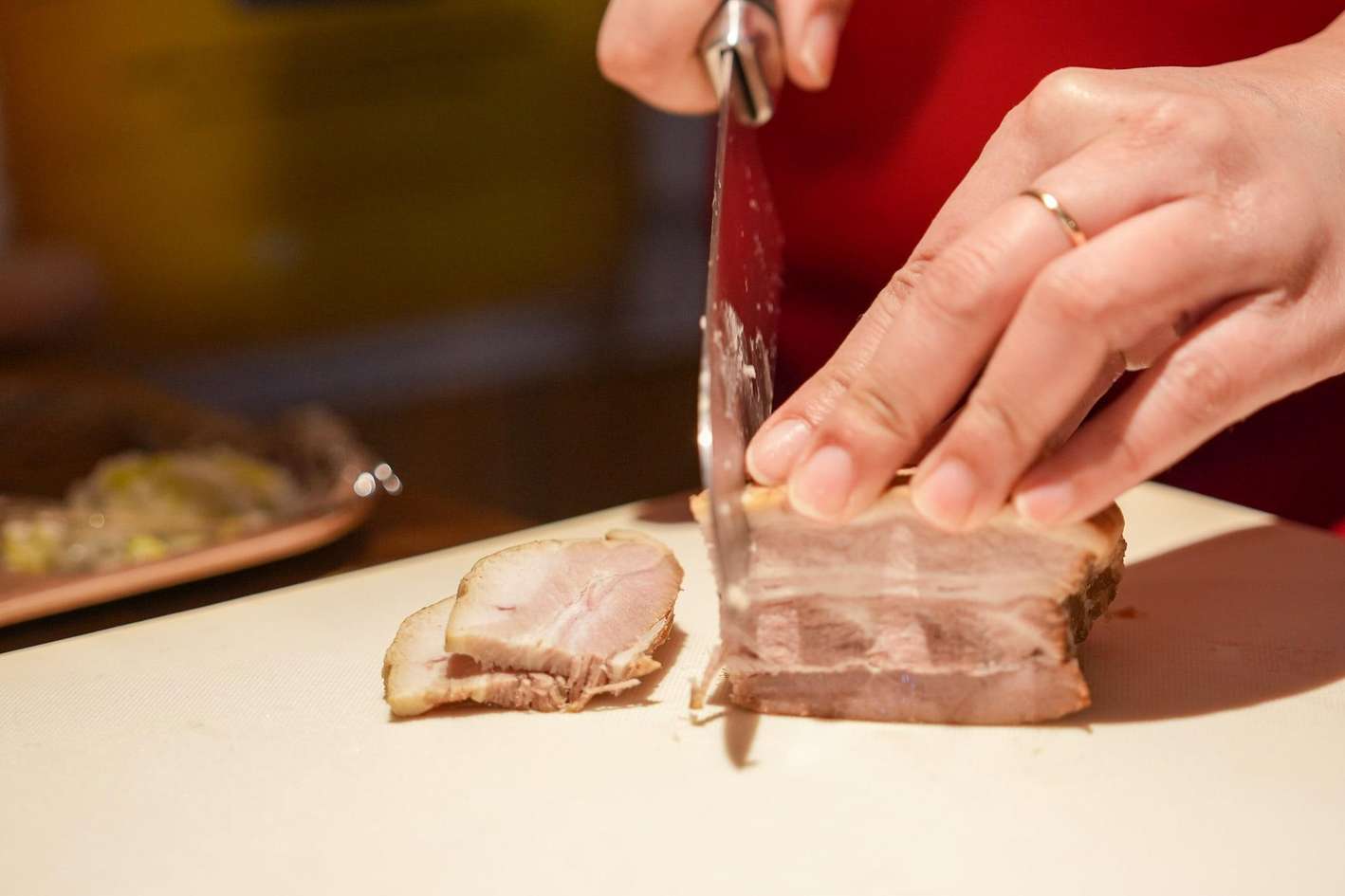
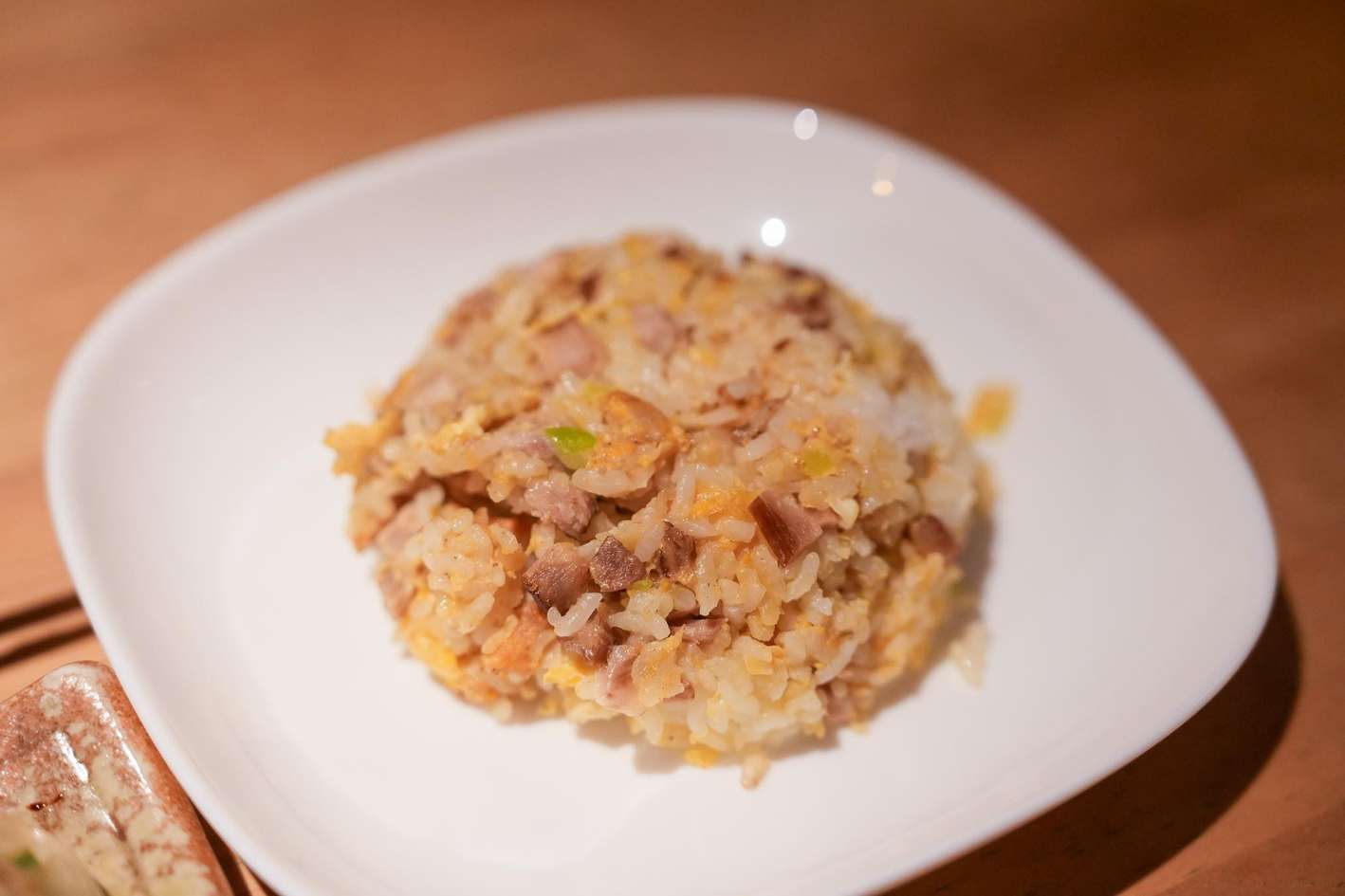
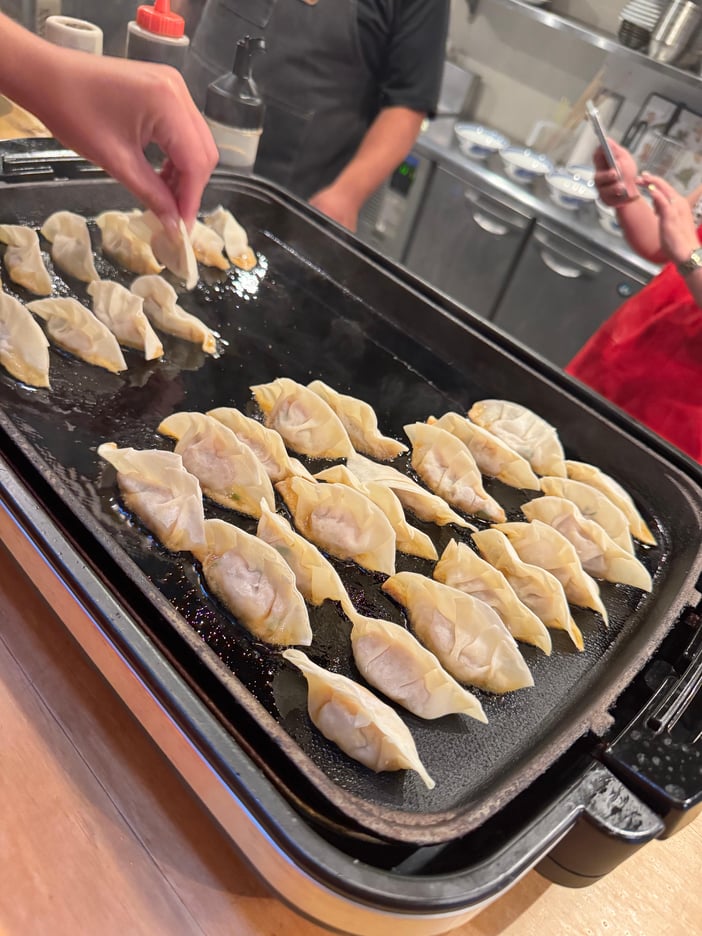
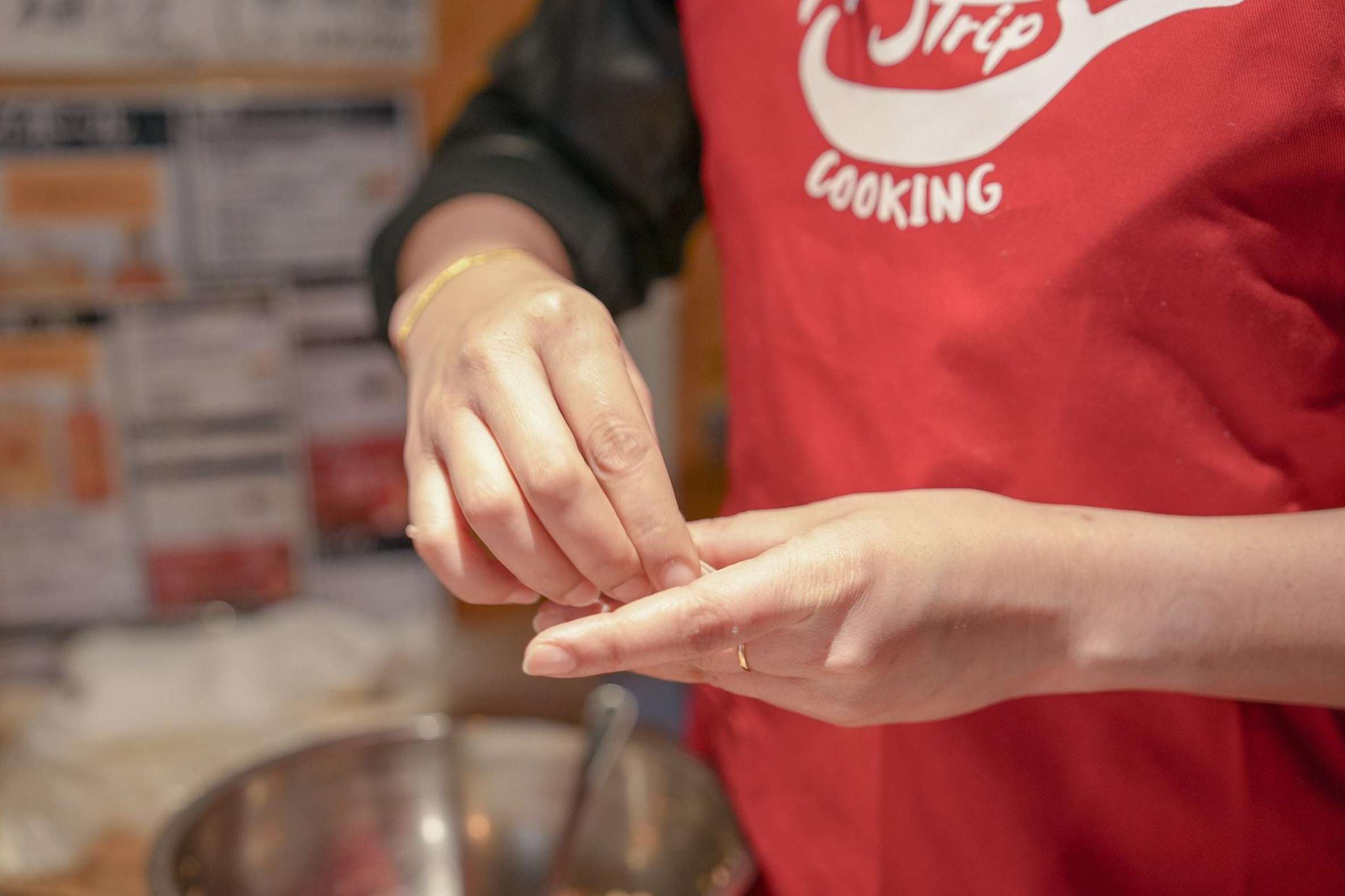
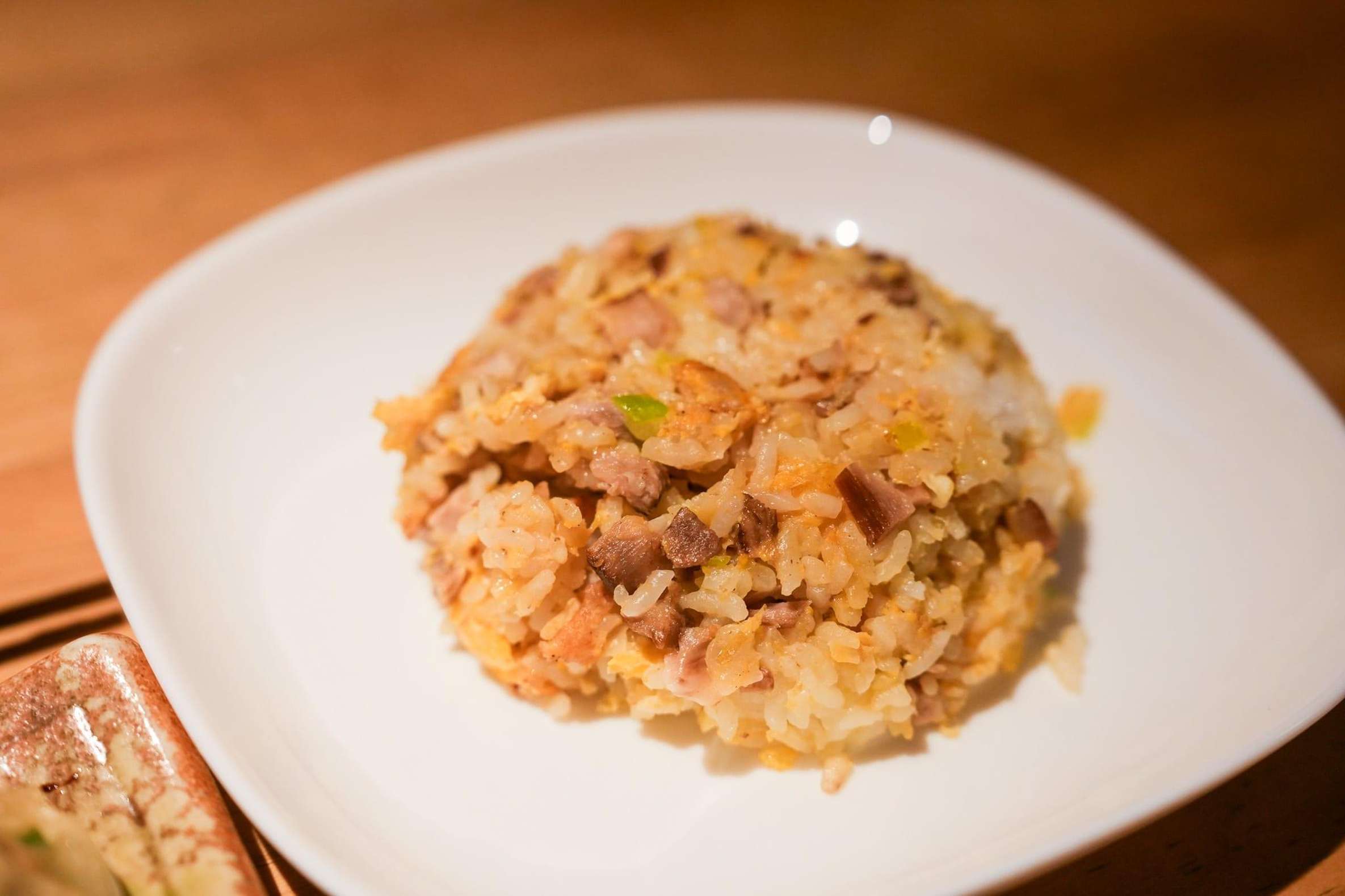
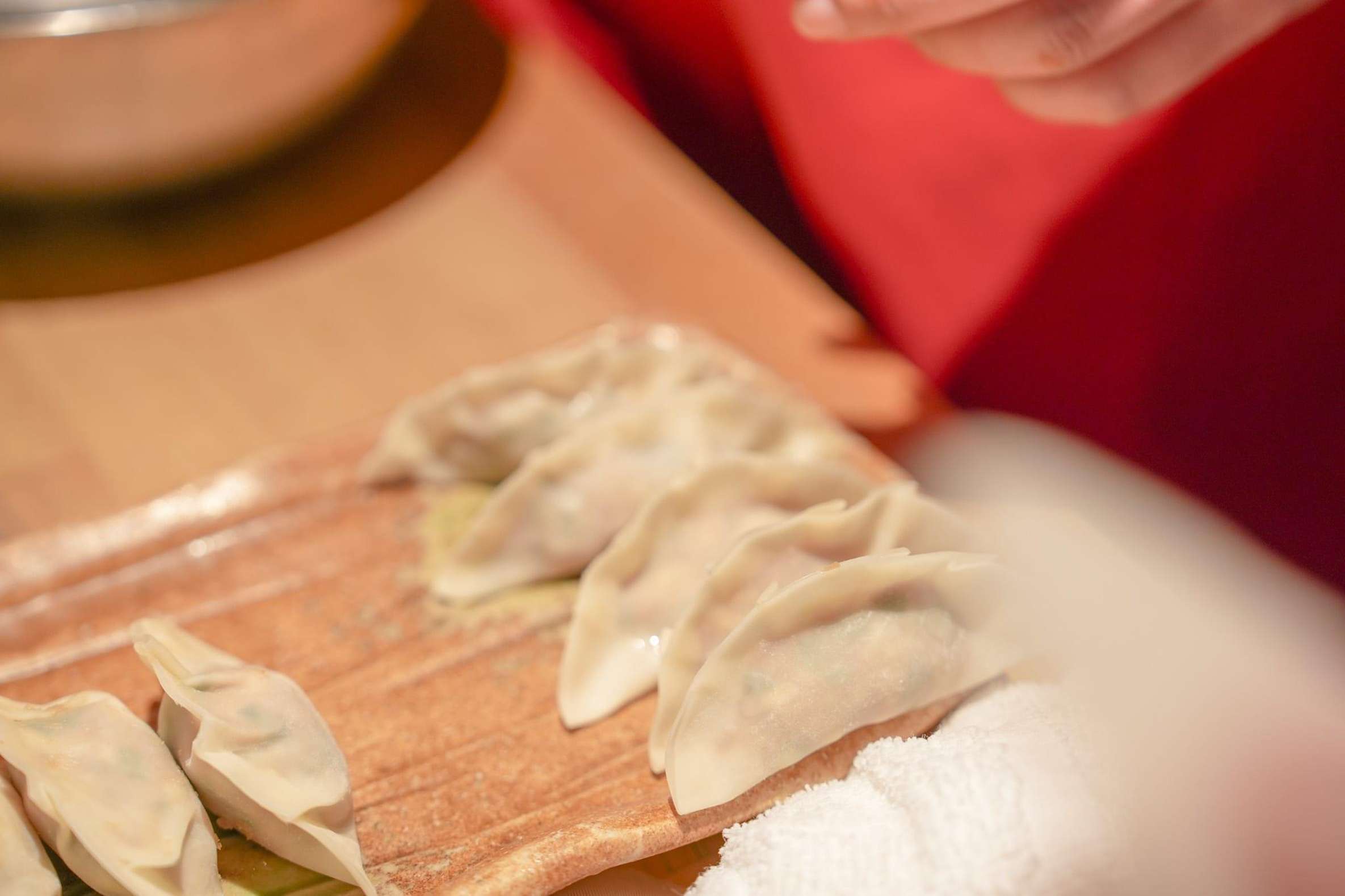
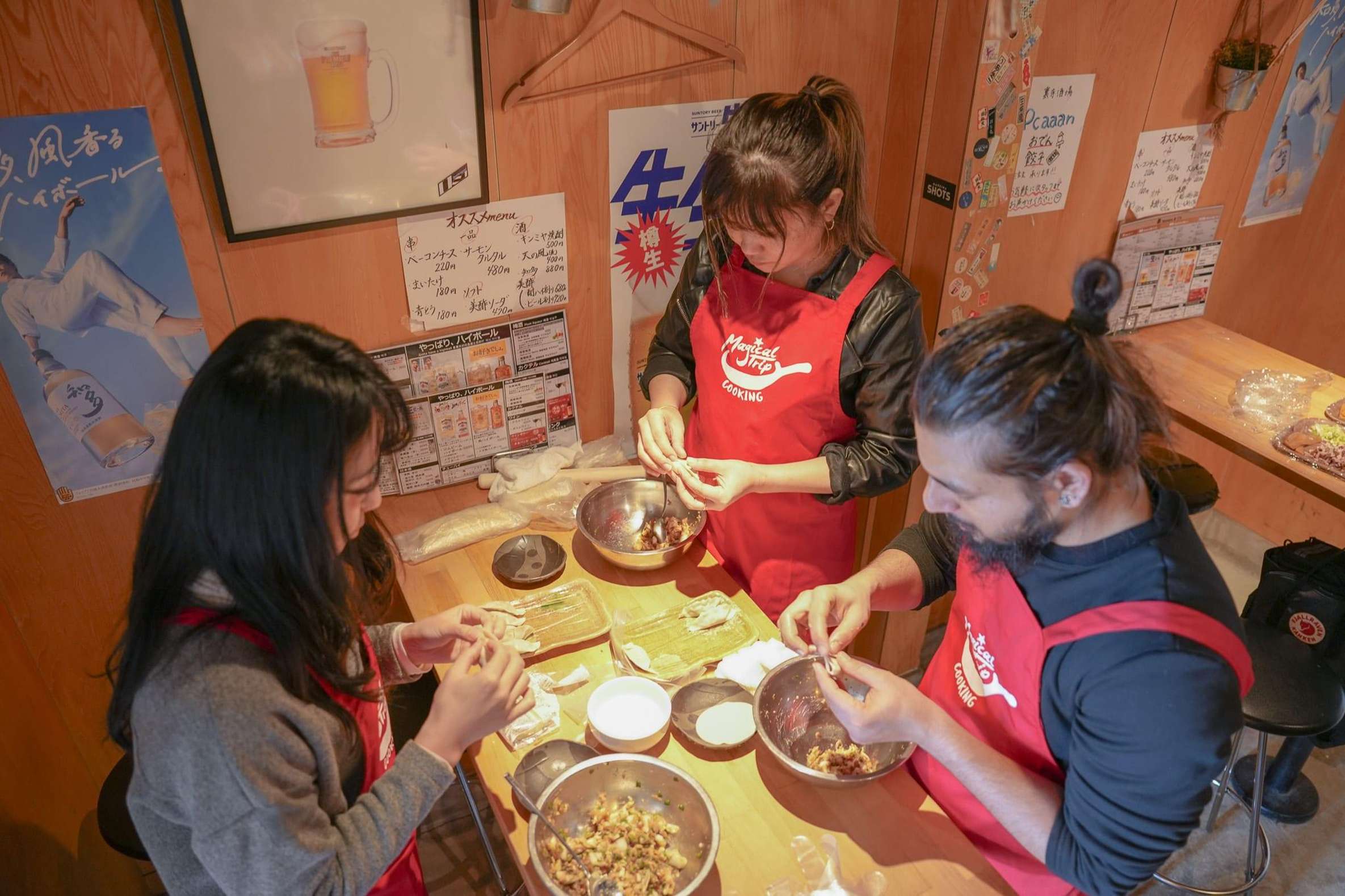
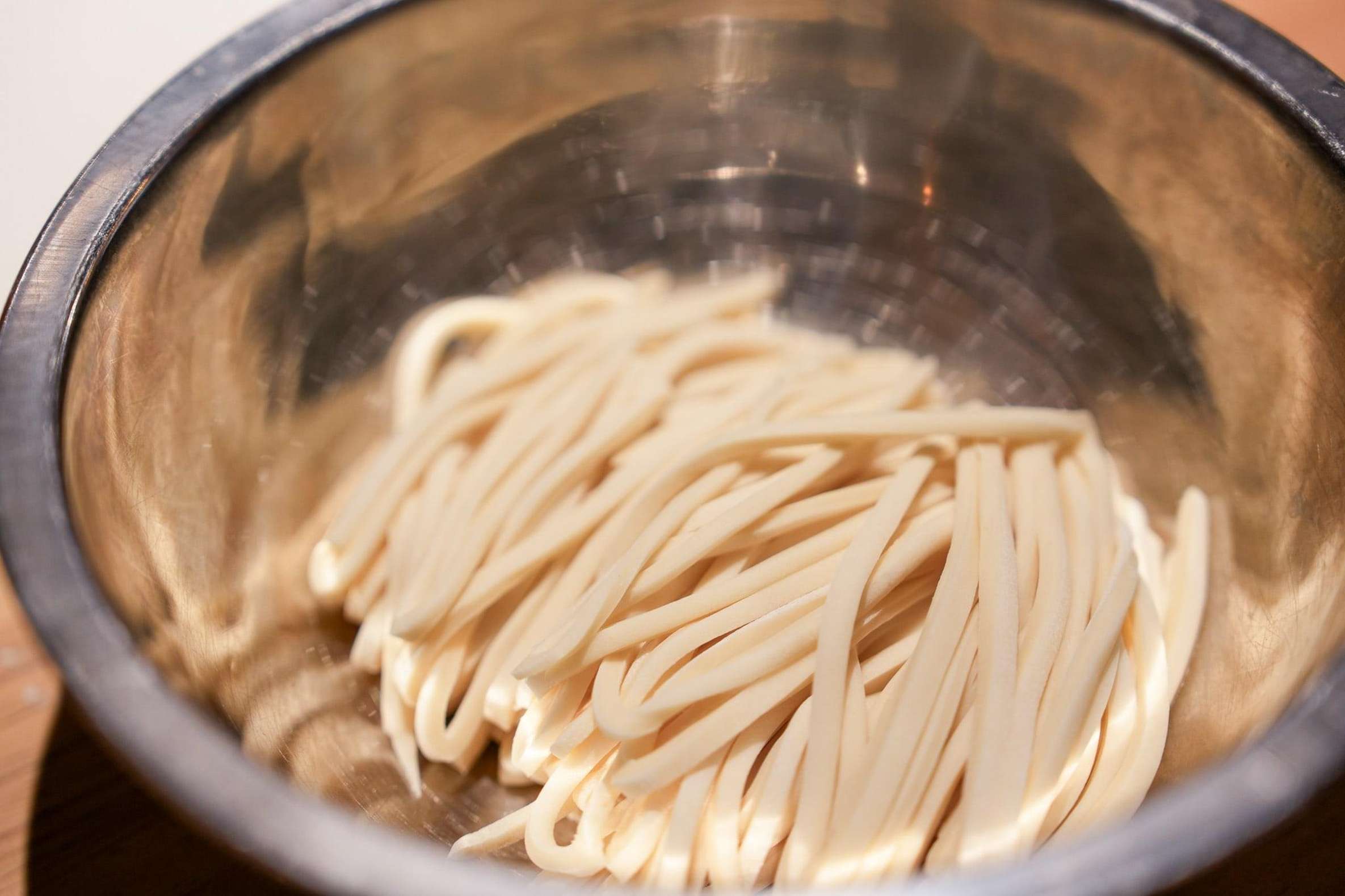
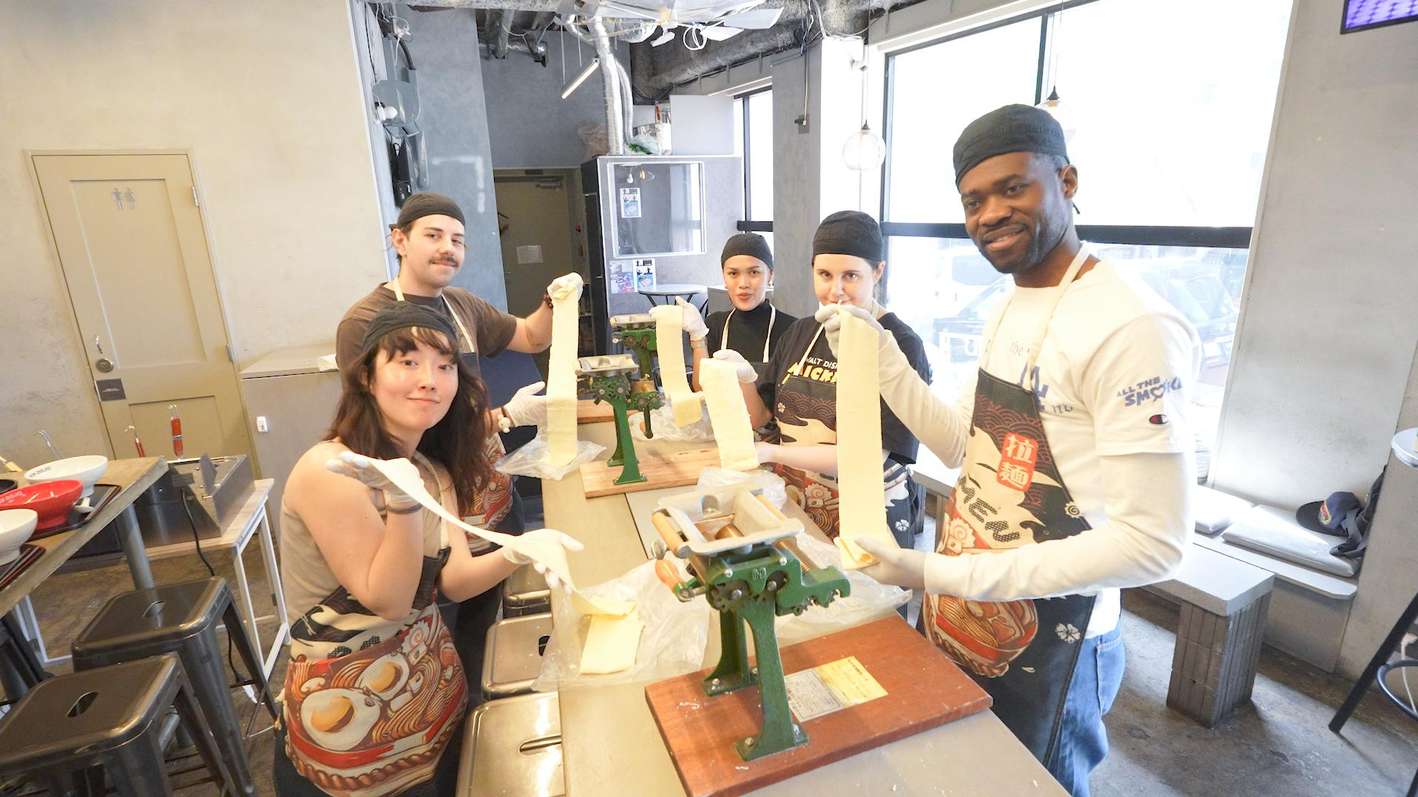
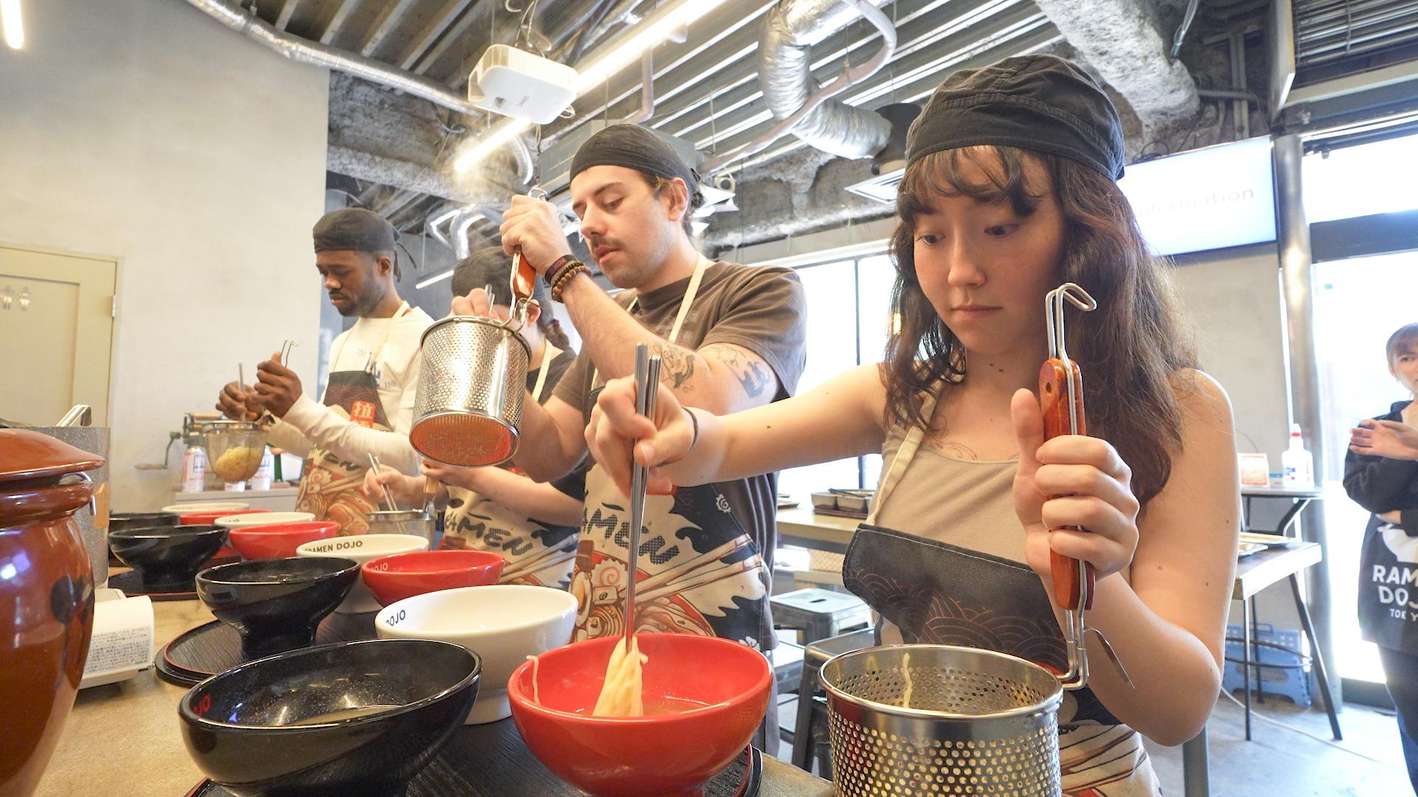
Flour hits the board first. In the professional-chef class you knead, roll and cut the noodle dough, then top the bowls; the gyoza get a filling mixed by hand and folded one by one. Fried rice completes the trio, all built in the same session.
Be realistic about the clock. A class of 90 minutes to two and a half hours covers kneading, rolling, cutting, cooking and assembling, but no short workshop can finish a 12-hour soup or an overnight noodle rest.
One operator simmers its broth across twelve hours and rests fresh noodles overnight for the next day, so its students cook with restaurant-prepared components.
How the class day unfolds
1
Arrival
Settle in and meet the instructors
The private izakaya class wants you there 10 minutes early
2
The middle stretch
Knead, roll and cut the noodle dough, or build the broth
The hands-on stages fit a short session; the long-cooked soup does not
3
Later on
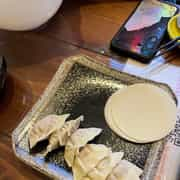
Mix the gyoza filling and fold each dumpling
Hands-on filling and wrapping, from mixing to the final pleat
4
The last stretch
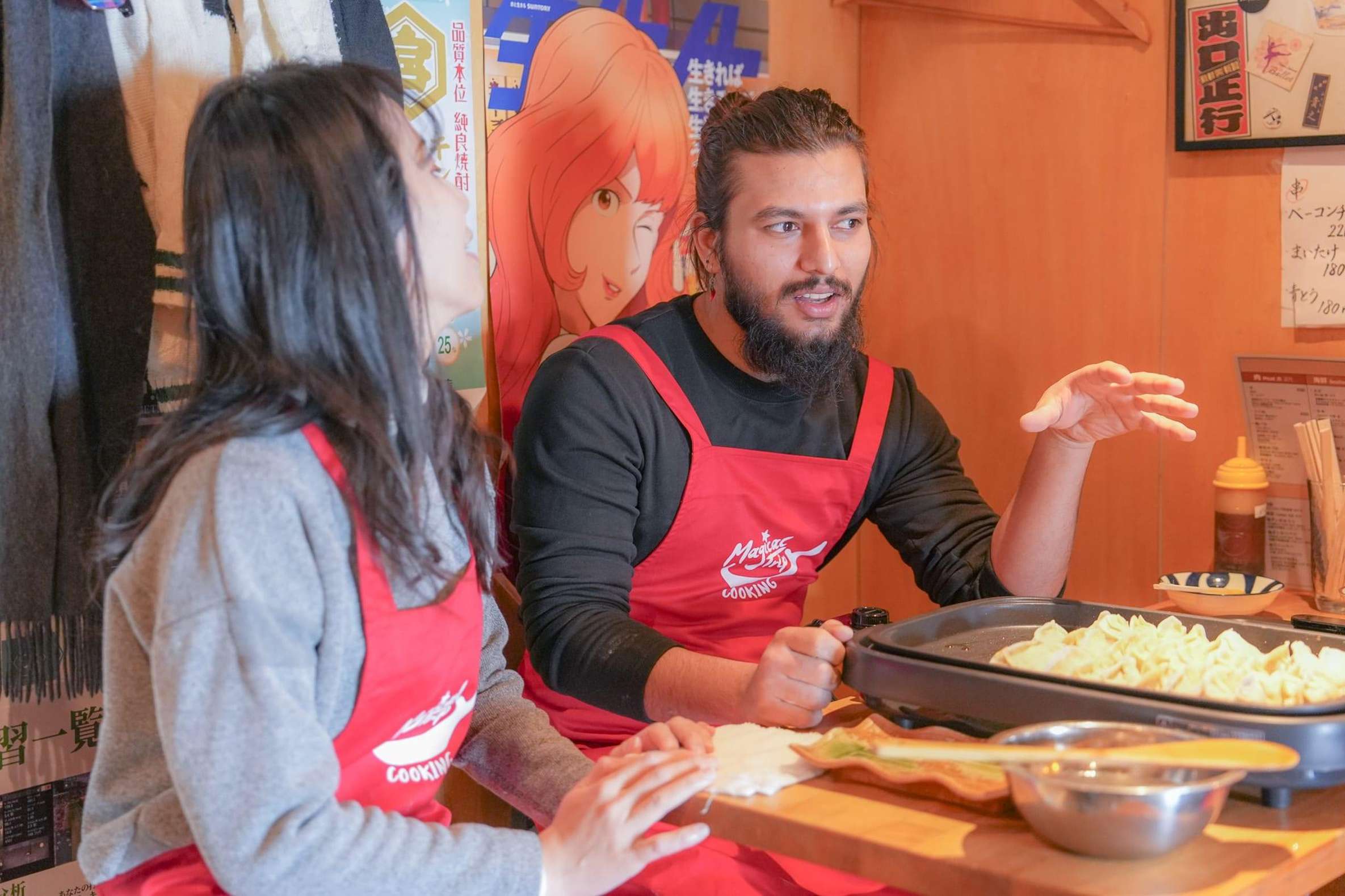
Cook, plate and sit down together
The professional-chef group eats the ramen, gyoza and fried rice it made itself
The private class drops noodles and goes deep elsewhere: broth preparation, gyoza filling and wrapping, and a rolled dashimaki omelet. Check which components a class builds before you book, because the words from scratch cover different amounts of the bowl in different kitchens.
Four workshops in Kyoto teach both dishes, and the differences are practical. The fullest spread is the Kyoto Ramen & Gyoza Cooking Class with Professional Chefs: three dishes from scratch under a ramen master, an English-speaking local guide alongside, and downloadable recipes to take away.
Kyoto gyoza cooking classes side by side
Professional-chef class
Vegan restaurant class
Private izakaya class
Chef instruction
Ramen master plus English-speaking local guide
A chef from fine-dining kitchens overseas
A local chef in the izakaya
Dishes
Ramen, gyoza and fried rice from scratch
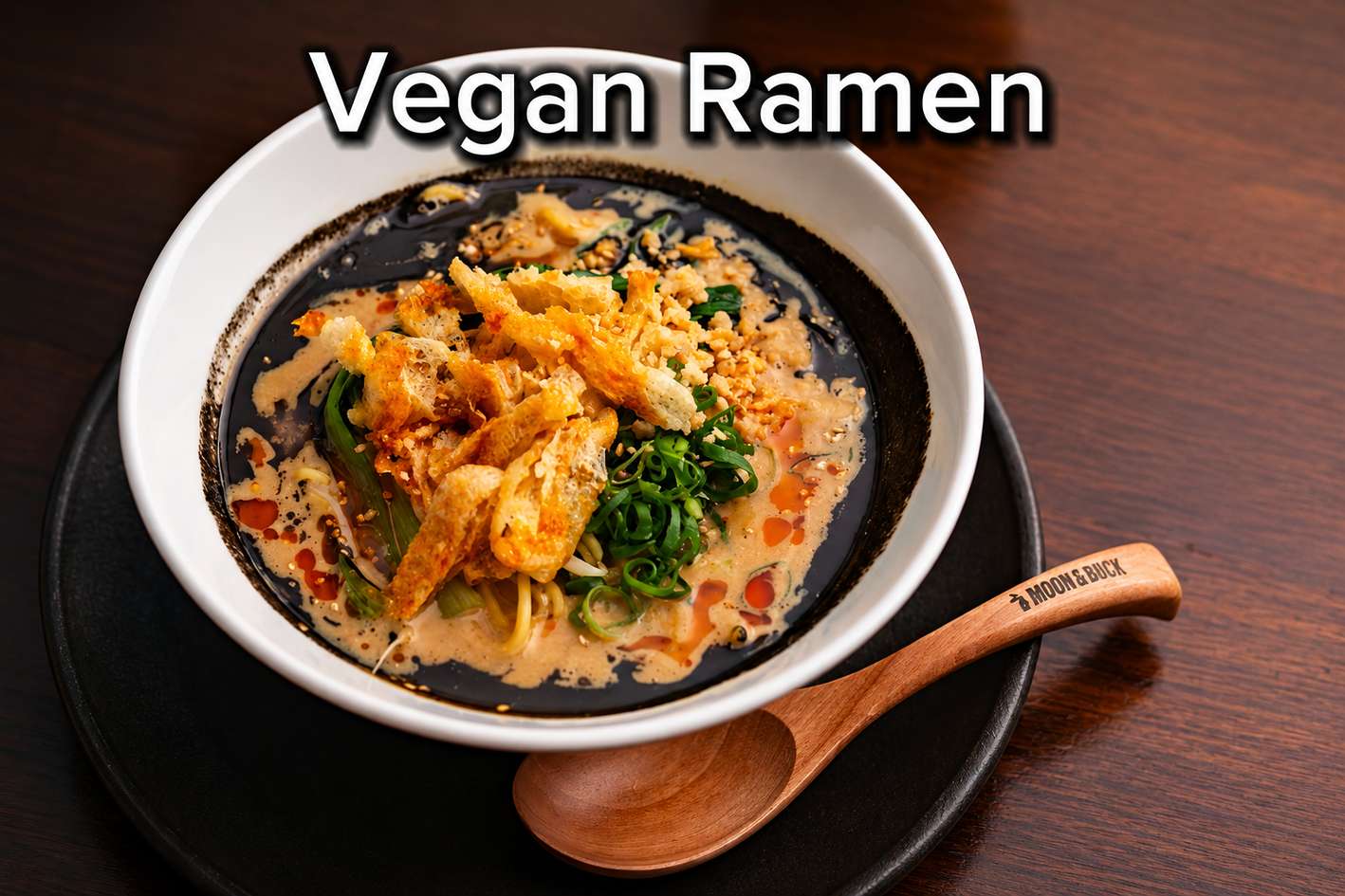
Chicken paitan ramen and six hand-folded gyoza
Ramen broth, gyoza filling and wrapping, dashimaki
Dietary options
No vegetarian, vegan or gluten-free versions
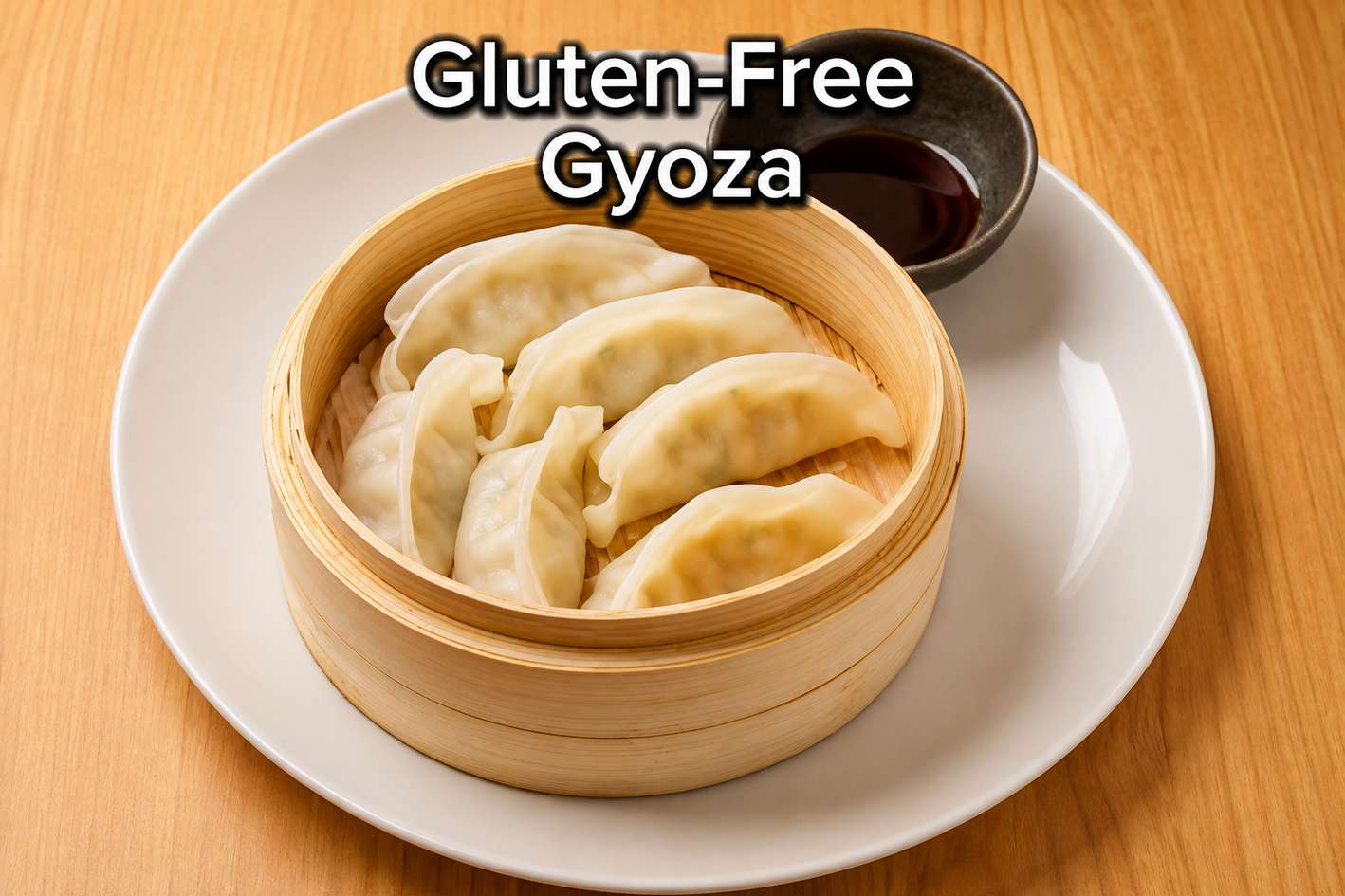
Vegan, gluten-free and pork-free with notice at booking
Setting
Group activity in a teaching kitchen
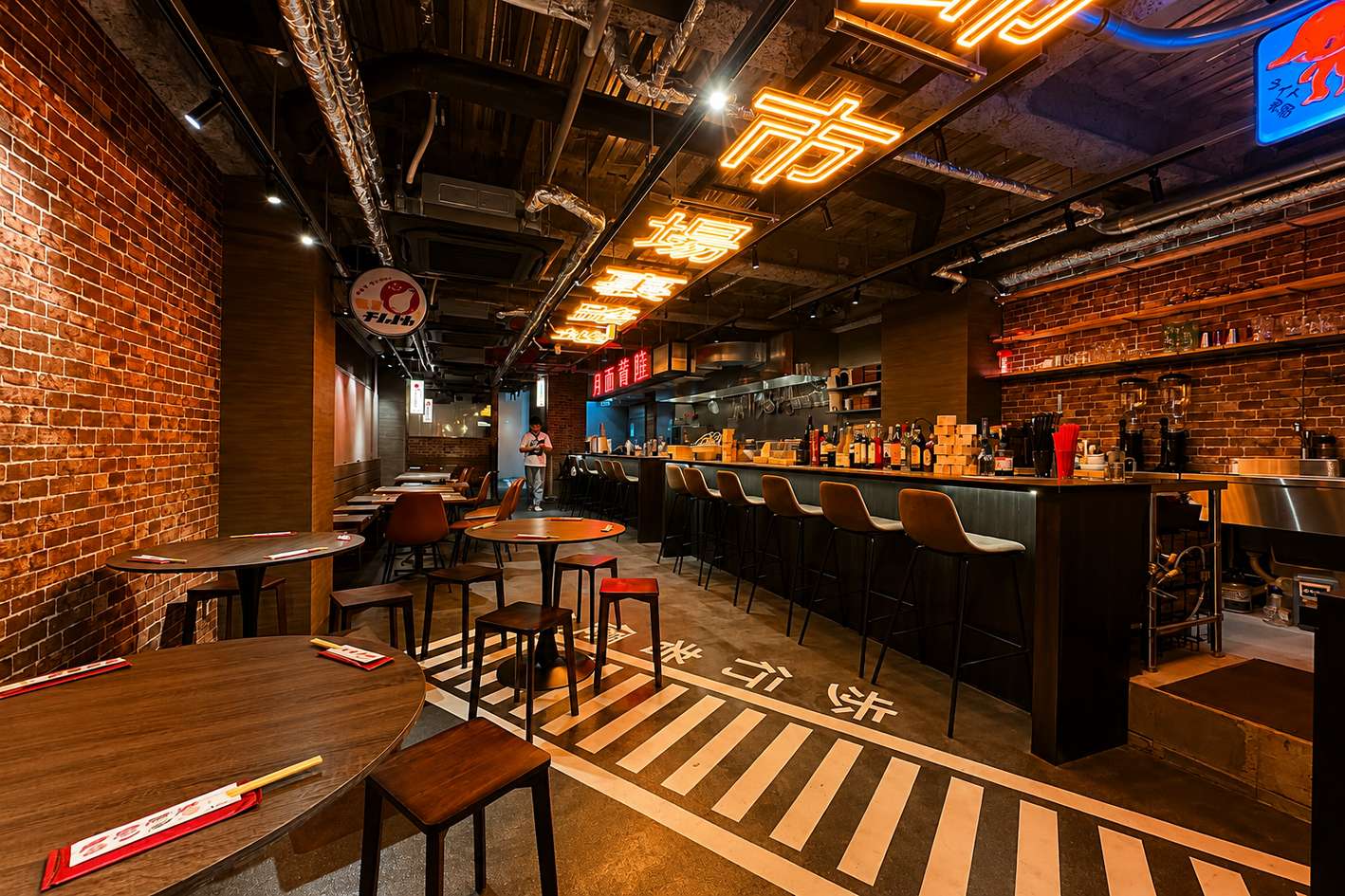
A ramen restaurant kitchen before opening
Private by design
Professional-chef class
Chef instruction
Ramen master plus English-speaking local guide
Dishes
Ramen, gyoza and fried rice from scratch
Dietary options
No vegetarian, vegan or gluten-free versions
Setting
Group activity in a teaching kitchen
Vegan restaurant class
Chef instruction
A chef from fine-dining kitchens overseas
Dishes
Chicken paitan ramen and six hand-folded gyoza
Dietary options
Vegan, gluten-free and pork-free with notice at booking
Setting
A ramen restaurant kitchen before opening
Private izakaya class
Chef instruction
A local chef in the izakaya
Dishes
Ramen broth, gyoza filling and wrapping, dashimaki
Setting
Private by design
The onigiri class, an hour and a half long, drops the noodle work and adds broth skills, full gyoza technique and rice balls; its vegetarian menu swaps pork for tofu, and gluten-free or halal diets find no place there.
The vegan class answers dietary needs with notice. The private class is the two-hour pick for a relaxed izakaya kitchen and a dashimaki omelet on the side.
If dumpling technique drives the choice, look past the dish name and confirm the wrapping is hands-on, since the fold is the skill you keep.
Tour for this
Kyoto Ramen & Gyoza Class with Vegan and Gluten-Free Options5.0★ (6) · Free cancellation
The test comes weeks later, in your own kitchen. Treat broth-making and noodle-making as separate learning goals, because classes teach them differently and rarely both at full depth in one session.
The Kyoto: Private Ramen, Gyoza & Dashimaki Cooking Class teaches ramen broth plus gyoza filling and wrapping, techniques that need no specialist gear. Where a course leans on commercial noodle machinery, the skill does not always travel home, so ask what the noodle section teaches before you count on it.
Ingredients can be the harder gap than technique. Ask about substitutions for the Japanese items you cannot easily buy at home while the chef is still beside you. One Osaka class describes its recipes as simple and practical, with ingredients available worldwide, and that is the standard to shop for.
Cookbook buyers have a tip of their own: check the language before buying a local Japanese title, because English editions are not guaranteed.
Kyoto's calendar sets the booking pressure. English-language cooking classes fill earliest in spring, and April draws nearly double the participants of an ordinary month. May and November run about half again as busy, and March already carries a third more than usual.
The foliage season bites as hard as the blossoms. November fills as fast as May, so a class in either month wants a reservation made well before the trip. Quieter months leave room for shorter notice, though the popular kitchens still tighten first.
The practical read: match your booking lead to your month. Fixed on a peak-season date, reserve as soon as travel is set; traveling in a slow month, you can plan the class around the rest of the itinerary instead.
Trains beat buses for a timed start. Kyoto buses crawl during commuting hours, 7 am to 9 am and again from 6 pm to 7 pm, and blossom and foliage seasons add crowding on top. Rail keeps to its timetable even when the roads stall.
Routing depends on where you sleep. From Kyoto Station, ride JR to Tofukuji and change to the Keihan line for Demachiyanagi, then walk three to five minutes to the venue. From Gion-Shijo, the Keihan runs direct with no change. From Shijo-Kawaramachi, walk to Gion-Shijo first and board there.
The direct Keihan hop from Gion-Shijo is the shortest of the three; from Kyoto Station, the change at Tofukuji buys a wider choice of trains. One caveat keeps the directions honest: this routing serves the Ramen Factory class, so check the meeting point of the class you book.
Kitchen floors and boiling water set the dress code. Closed-toe, slip-resistant shoes are the standard, and one operator in this field bans sandals, flip-flops and high heels outright near hot water. Fitted clothing with secure sleeves beats anything loose and baggy.
Hair comes next. Tie long hair back before the kneading starts, and if an apron goes on, knot the strings short so nothing drags near a burner. Most kitchens lend aprons, so the shoes are the part you handle yourself.
What to wear for ramen and gyoza cooking
Closed-toe, slip-resistant shoesChoose enclosed footwear with good traction for working in the kitchen.
Fitted clothing and secure sleevesAvoid loose clothing and long, baggy sleeves around the cooking area.
Hair tie for long hairTie long hair up before starting hands-on preparation.
Apron with securely tied stringsIf you wear an apron, secure its strings before cooking.
The private izakaya class adds its own line to the list: wear something you do not mind getting dirty. Flour and sauce find every clean sleeve, so dress for the kitchen you are joining.
Start any allergy question with the noodles themselves. Ramen dough can contain egg even when the egg sits off the bowl, so lifting a topping changes nothing for a severe allergy.
The professional-chef class does not guarantee allergy-free meals, since dishes are prepared outside its own kitchens, though small adjustments may be possible. Name every ingredient you cannot eat when booking and settle the answer before you pay.
Coeliac disease needs a harder look at soy sauce and cross-contact; a Japanese allergen card alone does not settle whether a kitchen can cook safely for you.
When an allergy can stop the visit
The egg topping coming off does not make the bowl safe: the noodles themselves can contain egg Name every ingredient you cannot eat when booking, and confirm the kitchen can cook for you before you pay
Halal has a defined route in Kyoto: the Ramen Factory class has a halal version on request and asks guests to contact the kitchen after booking about dietary options. The ramen, gyoza and onigiri class cannot take halal diets at all, so pick with that in mind.
No visible meat proves nothing in Japan. Ramen broth can carry fish stock, and the seasonings on tofu and cooked vegetables deserve their own check. A bowl that looks plant-based often is not, and the word vegetarian carries no guarantee of fish-free stock.
Skip the label and name the exclusions. Hosts respond to specifics: no fish stock, no egg in the dough, no animal fat in the seasoning. In Kyoto, mixed-menu restaurants cannot always strip out every animal ingredient, so a kitchen built for plant-based cooking is the safer seat.
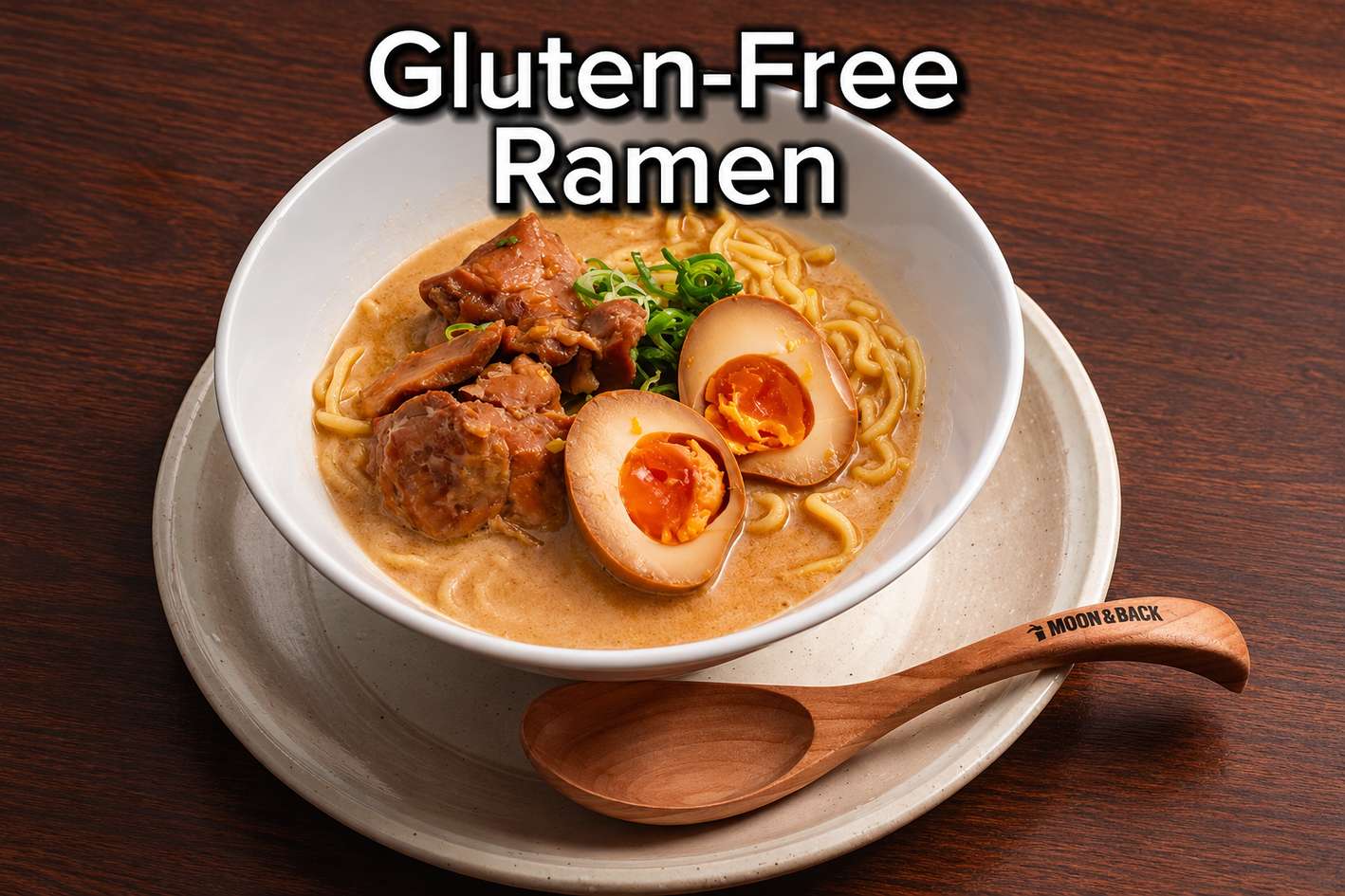
The Kyoto Ramen & Gyoza Class with Vegan and Gluten-Free Options is that seat. Vegan, gluten-free and pork-free versions can be arranged if you say so when booking, and the chef trained in fine-dining kitchens overseas.
One boundary worth knowing: a vegan arrangement is not automatically gluten-free, so state both needs together if you carry them.
Tour for this
Kyoto Ramen & Gyoza Class with Vegan and Gluten-Free Options5.0★ (6) · Free cancellation
Small hands find real work at a ramen counter, and the classes differ on where they draw the line. Some classes welcome children as young as four with age-appropriate tasks and patient guidance, so a family can genuinely cook together.
Limits apply where knives and heat appear. The professional-chef class takes children from age 6, with an adult beside them for knife work and other risky steps, and under-5s cannot participate. The onigiri class draws the line at 12 and expects each participant to cook without staff help.
Teenagers tend to thrive in these kitchens. The tasks are physical, the result is dinner, and the shared meal gives the family something better to talk about than the next day's itinerary. Pick the class for the youngest cook in the party.
Rain and late arrivals at Kyoto gyoza cooking classes
Weather is the first thing that can move a class. The professional-chef kitchen answers to the sky and may cancel in unsafe conditions, and the terms behind the booking decide what a washed-out day costs.
When the day changes
If this happens
What happens then
Unsafe weather on class day
The professional-chef class may be canceled, and free cancellation up to 24 hours ahead returns your payment
You arrive after the start
The class begins on schedule and latecomers cannot join, reschedule or receive a refund
Plans change a day or more out
Cancel up to 24 hours in advance for a full refund
Lateness is the rule that catches people out. Doors shut on schedule out of fairness to the cooks who arrived, with no refund and no reschedule for anyone who misses the start. The private class adds its own margin: arrive at least 10 minutes early.
Build the buffer into the journey itself: leave early, glance at the forecast the night before, and treat the start time as immovable.
Okazaki makes one pairing effortless. The vegan and gluten-free class sits at 91-35 Okazaki Enshōjichō, along the street in front of Heian Jingu Shrine, next to Kyoto Travelers Inn, with the shrine gate a short stroll from the kitchen door.
The two fit inside one Okazaki outing with no cross-city journey, and the order is your call: a quiet shrine first and flour on your hands after, or the reverse. Whichever class you choose, plan the day around the kitchen's address and keep the second sight close.
A class plus one nearby sight beats a rushed circuit, and a meal you cooked yourself anchors the afternoon well.
Highly recommend! Had a blast and everything turned out great. Guides were informative, steps laid out clearly and easy to follow. Great value for what you actually make. Can't skip this one!
A Kyoto gyoza cooking class earns its sightseeing hours when you pick it for the skills and the meal alike.
The professional-chef class is the full spread; the vegan class suits restricted diets; the private class suits quiet kitchens. Book the peaks early, arrive ahead of the start, and say what you cannot eat before you pay.
Go ifYou want to cook both dishes by hand in a working kitchenYour group needs vegan, gluten-free or pork-free versions arranged in advanceYou will trade half a day for recipes and skills that travel home
Skip ifA member of your group is under 5 or uses a wheelchair; the group classes cannot fit themYou expect a 12-hour broth made start to finish within one session
Our pick to book
Kyoto Ramen & Gyoza Cooking Class with Professional Chefs4.8★ (319) · 2.5 hours · Free cancellation
Your Kyoto gyoza cooking questions answered plainly
Quick answers to what travelers ask before booking a Kyoto ramen and gyoza cooking class, from dietary limits to what you cook on the day.
Kyoto2026
Wrapped my first proper gyoza in an izakaya kitchen tonight. Book ahead and come early; the class starts on time.
Do Kyoto ramen and gyoza cooking classes really teach both dishes?
All four ramen-and-gyoza classes in Kyoto on this page cover both dishes hands on. The private izakaya class teaches ramen broth preparation alongside gyoza filling and wrapping, and the professional-chef class teaches ramen, gyoza and fried rice from scratch.
Can I make the whole bowl from scratch in a short Kyoto workshop?
Classes of 90 minutes to 2.5 hours can cover kneading, rolling, cutting, cooking and assembling, but a 12-hour soup and an overnight noodle rest cannot fit in. One tour operator prepares its soup over 12 hours and rests noodles overnight for the next day, so its workshop uses restaurant-prepared ingredients for those stages.
Can children join a ramen and gyoza cooking class in Kyoto?
The professional-chef class welcomes guests aged six and up, with children supervised during knife use and risky steps, and under-fives cannot join. Some classes give children as young as four age-appropriate cooking tasks with patient guidance.
Will I learn to wrap gyoza if I have never made dumplings before?
Beginners wrap their own gyoza in the professional-chef class, and the private izakaya class teaches filling preparation and wrapping with a chef at your side. Classes differ in focus, so check whether a lesson centres on noodles, broth or assembling prepared ingredients.
I have an egg allergy. Is ramen safe if I skip the egg topping?
Removing the egg topping does not make a ramen bowl safe for an egg allergy, because the noodles themselves can contain egg. Talk through the full ingredient list with the host before you book.
Can I book a vegan or gluten-free ramen and gyoza class in Kyoto?
One Kyoto class arranges vegan, gluten-free and pork-free versions when you ask at booking. The professional-chef class cannot accommodate vegetarian, vegan or gluten-free requests, and another exact class offers only a vegetarian menu that swaps pork for tofu.
Will I be able to recreate the dishes at home without a noodle machine?
Treat broth making and noodle making as separate learning goals when you choose, and look for instruction on substitutions for Japanese ingredients that are hard to buy at home.
Some courses emphasize commercial noodle machinery, so check how much of the noodle instruction works in a home kitchen. The private izakaya class includes making ramen broth.
How much time should I allow for a Kyoto ramen and gyoza cooking class?
Set aside 2.5 hours in your Kyoto sightseeing day for the professional-chef class, which covers fresh ramen, gyoza and fried rice. The private izakaya class runs two hours and asks you to arrive at least ten minutes early.
What booking rules could stop me joining a class?
The professional-chef class starts on time, and late arrivals cannot join, reschedule or receive a refund. The onigiri class takes one reservation per group and cancels duplicate bookings, because holding extra spots keeps other guests out.
Can I get halal or pork-free ramen in a Kyoto cooking class?
The class with vegan and gluten-free options also arranges pork-free versions when you mention them at booking. The onigiri class cannot accommodate halal or other special diets, so ask the host about your needs before you reserve.
When should I book a ramen and gyoza class in Kyoto?
Spring, especially April and May, and November fill up first. April draws nearly twice the participants of an ordinary month, and May and November around 40 to 50 percent more, so book ahead if your trip lands in those months.
Kyoto gyoza cooking and ramen classes beyond these four